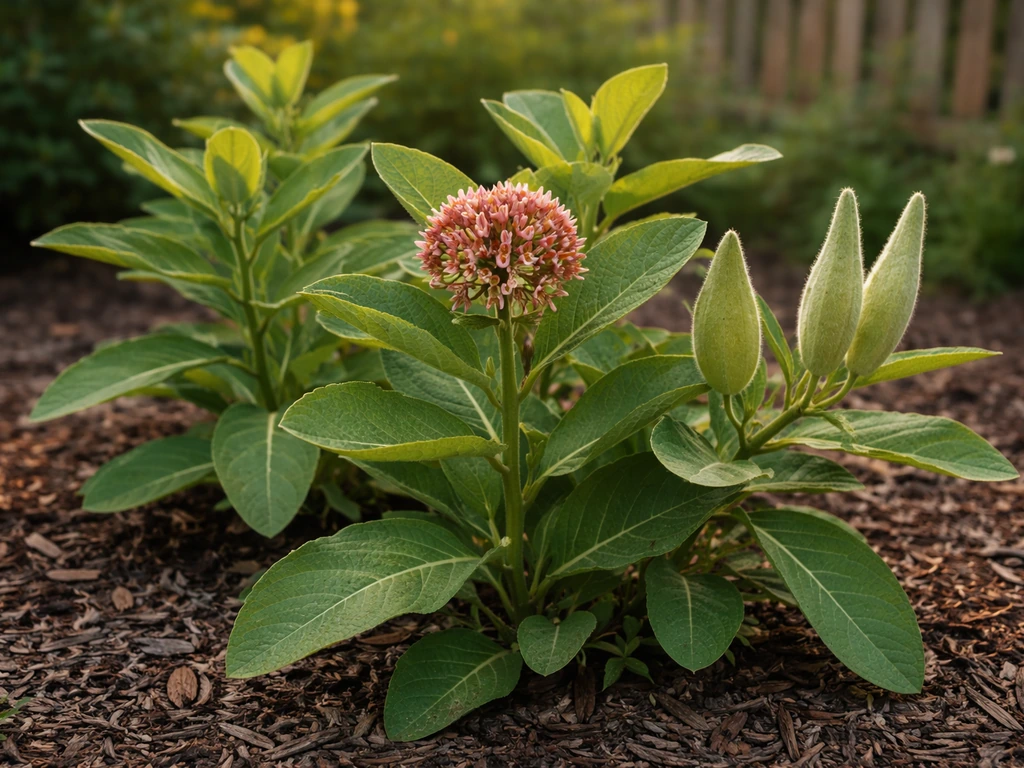
Yes, mullein grows in the UK, and common mullein (Verbascum thapsus) is actually native here. Poppies also grow in the UK, but which type you can find depends on whether you mean wild poppies or garden varieties poppies grow in the UK. You'll find it dotted across England and Wales on roadsides, railway banks, waste ground, and quarries, though it tends to be localised rather than blanketing whole areas. It's also perfectly straightforward to grow in your garden if you give it the right conditions: full sun and very well-drained, not-too-rich soil. The biennial nature means you won't get flowers in the first year, but once it's established, it pretty much looks after itself.
Does Mullein Grow in the UK? How to Grow It Step by Step

James Hartwell
1 Jul 2026
Which mullein are we actually talking about?
There are several Verbascum species in the UK, and it's worth knowing which one you mean before you start searching for seed or trying to identify plants you've spotted. If you are also wondering does milkweed grow in uk, the key is choosing the right site conditions and knowing which milkweed species you are dealing with. The most important distinction is between common mullein (Verbascum thapsus, also called great mullein) and the ornamental or woolly types more commonly sold in garden centres.
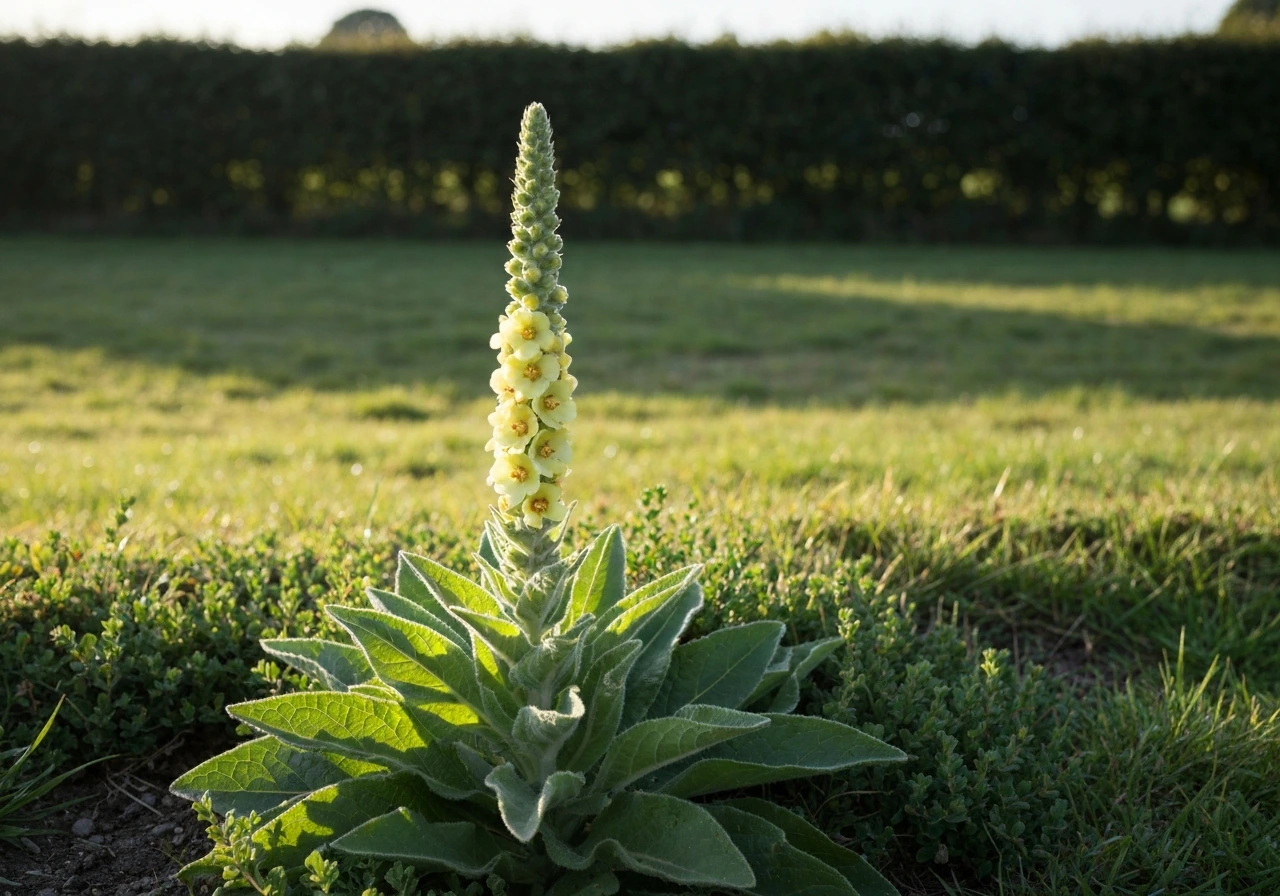
Verbascum thapsus is the one most people picture when they say 'mullein': a tall, strikingly woolly biennial that can reach up to 2 metres, with a dramatic upright spike of pale yellow, saucer-shaped flowers in its second summer. The whole plant is densely covered in soft grey-white hairs, giving it a felted appearance. The BSBI lists it as native and widespread but localised in Britain, particularly on disturbed and open ground.
Hoary mullein (Verbascum pulverulentum) is a close relative you might confuse with it. The easiest way to tell them apart is to look at the stamens: in hoary mullein, all five stamens have dense white hairs, while in V. thapsus the lower two stamens are hairless or only sparsely hairy. Hoary mullein is much rarer and mostly confined to East Anglia in the UK.
Then there are the ornamental Verbascum cultivars widely sold in UK garden centres, things like 'Cotswold Queen' or 'Helen Johnson'. These are typically shorter, often perennial or short-lived perennials, and bred for flower colour rather than the medicinal or wildflower applications. If you're growing for herbal use, wildlife gardening, or to establish a naturalistic wildflower planting, V. thapsus is the one to go for. If you just want a handsome border plant, one of the cultivated garden verbascums may suit you better.
Where mullein naturally turns up in the UK
In the wild, common mullein is a plant of disturbed, open habitats. You're most likely to spot it on road verges, railway embankments and sidings, quarry edges, waste ground, rough grassland, and occasionally on coastal shingle or sand pits. Lucidcentral’s Keyserver habitat description for Verbascum thapsus includes pastures, roadsides, railways, disturbed sites, waste areas, and also stony river-beds and cultivation blank" rel="noopener noreferrer">road verges, railway embankments and sidings, quarry edges, waste ground. It's partial to chalky or sandy soils where there's not much competition from taller vegetation. If you are wondering whether Bermuda grass grows in the UK, the main thing to check is whether it can tolerate the UK climate and conditions where you live does bermuda grass grow in the uk. The BSBI Plant Atlas describes it as a plant of 'open scrub and hedgebanks, waysides, railway banks and sidings, rough grassy places, waste ground and quarries', which gives you a pretty clear picture of where it feels at home.
The key thing mullein is avoiding is shade and wet feet. It won't persist in a dense lawn or under a tree canopy. When ground gets disturbed and light floods in, mullein can appear from seeds that have been lying dormant in the soil for years. The soil seedbank is remarkably long-lived, which is part of why it pops up on newly dug verges or cleared plots seemingly from nowhere.
Regionally, it's most common in southern and central England, particularly on calcareous (chalky or limestone) ground. It becomes patchier as you head north and is relatively scarce in Scotland, where the cooler, wetter climate and shorter summers suit it less well. In gardens, this translates to: if you're in the South East, Home Counties, East Anglia, or the Midlands, you're in the sweet spot. If you are wondering does sweetgrass grow in the UK, it is a different plant with its own habitat needs, so it helps to check local conditions before planting sweet spot. Gardeners in the North of England, Wales, or Scotland can still grow it, but you'll want to be more deliberate about site selection and drainage.
What mullein actually needs to thrive
Once you understand mullein's wild habitat, its growing requirements make total sense. It's a sun-lover that hates sitting in waterlogged soil, thrives on neglect once established, and actively dislikes being pampered with rich compost or heavy feeding.
- Sun: Full sun is non-negotiable. A south or south-west facing position is ideal. It will manage in partial shade for part of the day, but will become drawn and unlikely to flower as impressively.
- Soil: Free-draining, low to moderate fertility. Sandy, chalky, or gravelly soils are perfect. Heavy clay will cause root rot unless you improve drainage significantly with grit.
- Watering: Mullein is genuinely drought-tolerant once established. Water young plants and seedlings to help them settle in, but mature rosettes and flowering plants need very little intervention except in extreme dry spells.
- Temperature and hardiness: V. thapsus is fully hardy across most of the UK. The woolly leaf rosette overwinters without protection in most areas. Even in colder parts of northern England or Scotland, it will survive a normal winter without issue.
- Soil pH: Neutral to alkaline is preferred, reflecting its fondness for chalky or limestone ground. Acidic, boggy soils are the worst scenario.
One thing worth noting: mullein does not like being transplanted once it has a decent root system established. Its tap root goes down deep quite quickly, so disturb it as little as possible once it's in the ground. This is one of those plants where getting the position right first time really matters.
How to grow mullein from seed in the UK
Growing mullein from seed is reliable and inexpensive. UK seed suppliers including Chiltern Seeds, Emorsgate Seeds, and PlantGenesis all stock V. thapsus, so you don't need to go hunting in the wild (and shouldn't, for reasons covered later). There are two main sowing windows, and both work.
Sowing in spring (April to May)
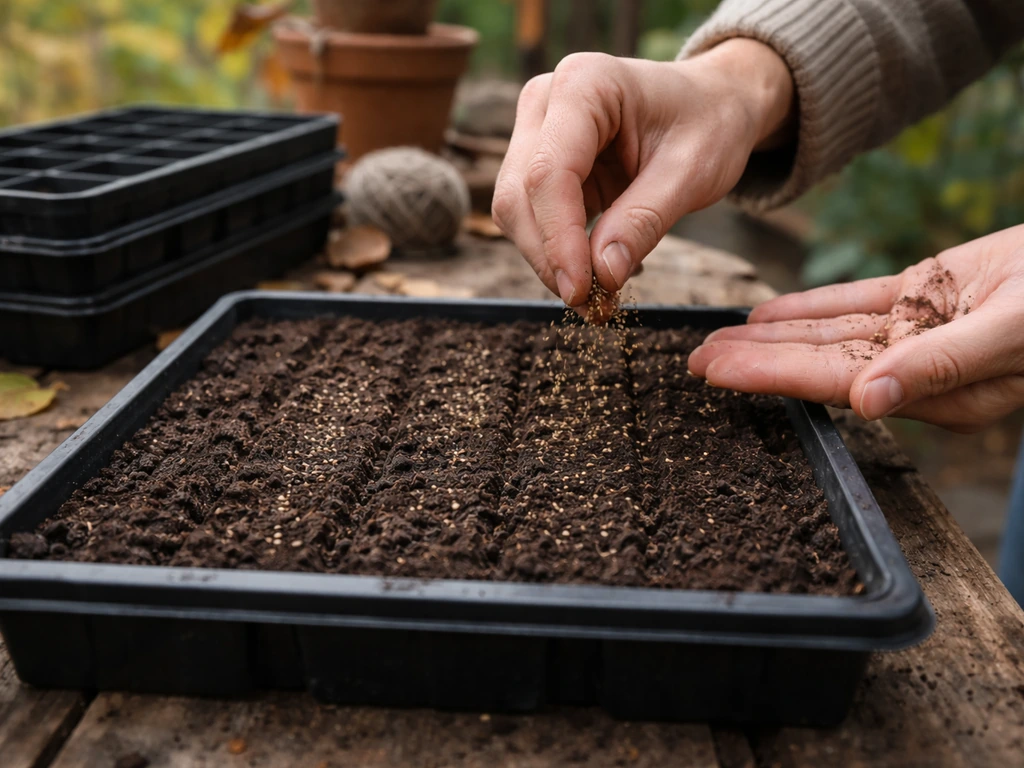
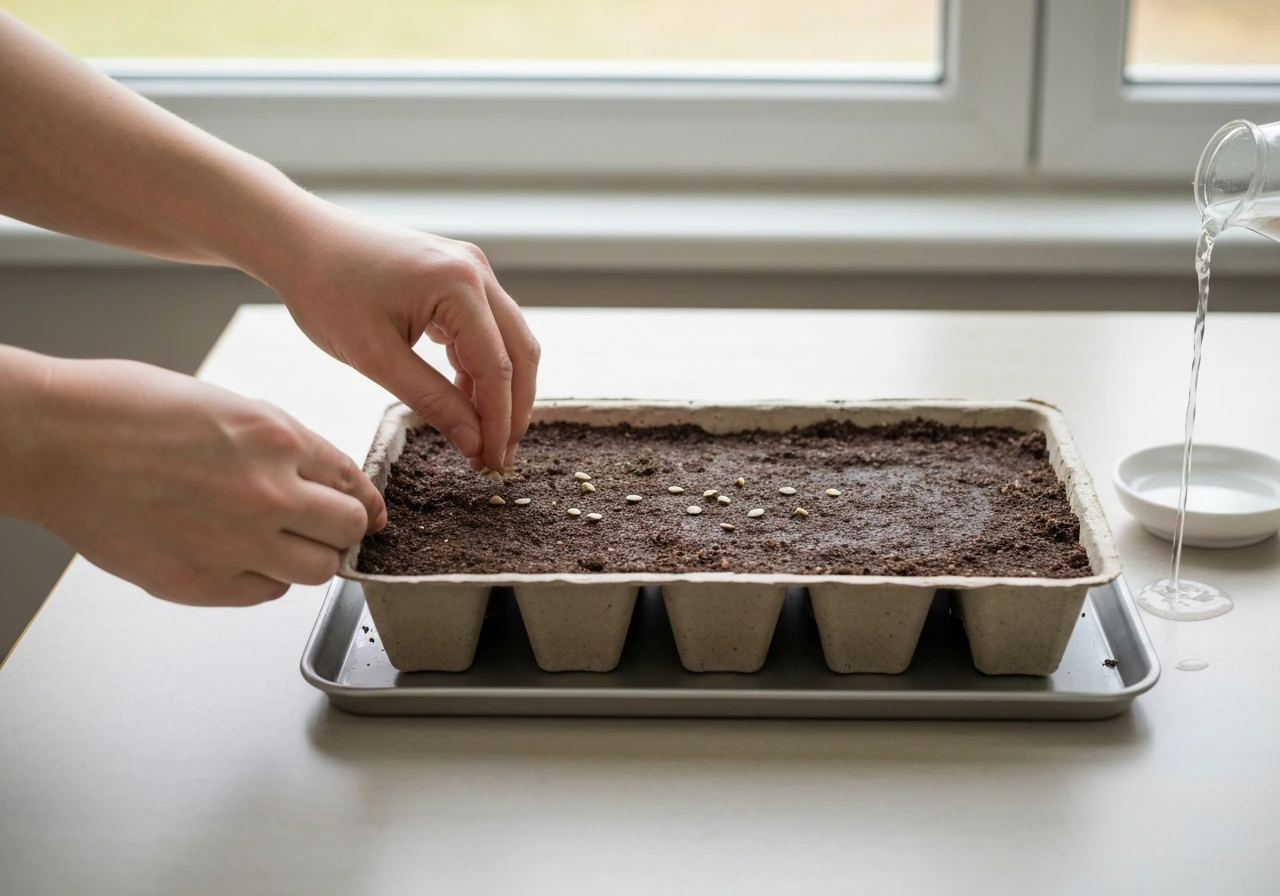
Emorsgate Seeds recommends sowing in mid-spring, April to May, either in seed trays or direct where you want the plants to flower. This is probably the most intuitive approach for UK gardeners used to spring sowing. Surface sow onto moist, well-drained seed compost and do not cover the seed as it needs light to germinate. Keep it in a warm spot and germination should happen within two to three weeks. Pot on carefully into deep pots or root trainers rather than standard shallow trays, because of that tap root. Plant out in early summer and you'll get a healthy rosette establishing through the summer and autumn, ready to flower the following year.
Sowing in autumn (September to October)
Chiltern Seeds suggests sowing direct in early autumn, and this mimics the plant's natural cycle well. Surface sow onto prepared, open soil or into deep pots of well-drained seed compost. Autumn-sown plants get a cold period that can help with germination, and they establish a strong root system over winter, often giving you a more robust rosette by the following spring than you'd get from a spring sowing. This approach works particularly well in milder areas of England and Wales where hard, sustained frosts aren't the norm.
What to expect year by year
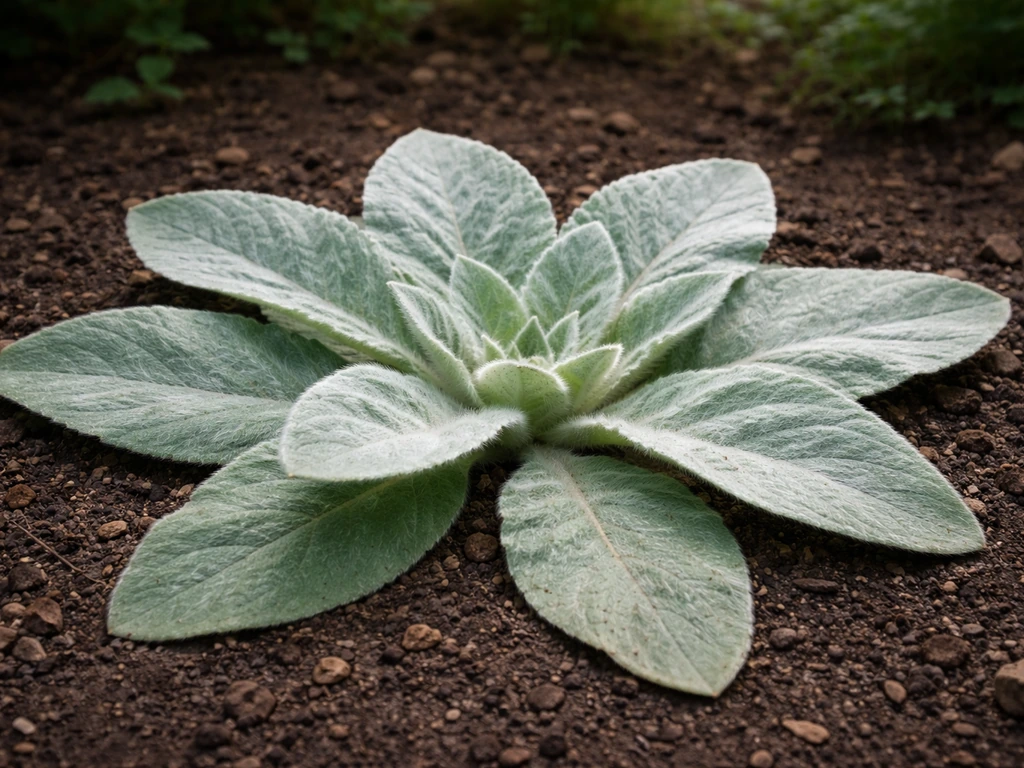
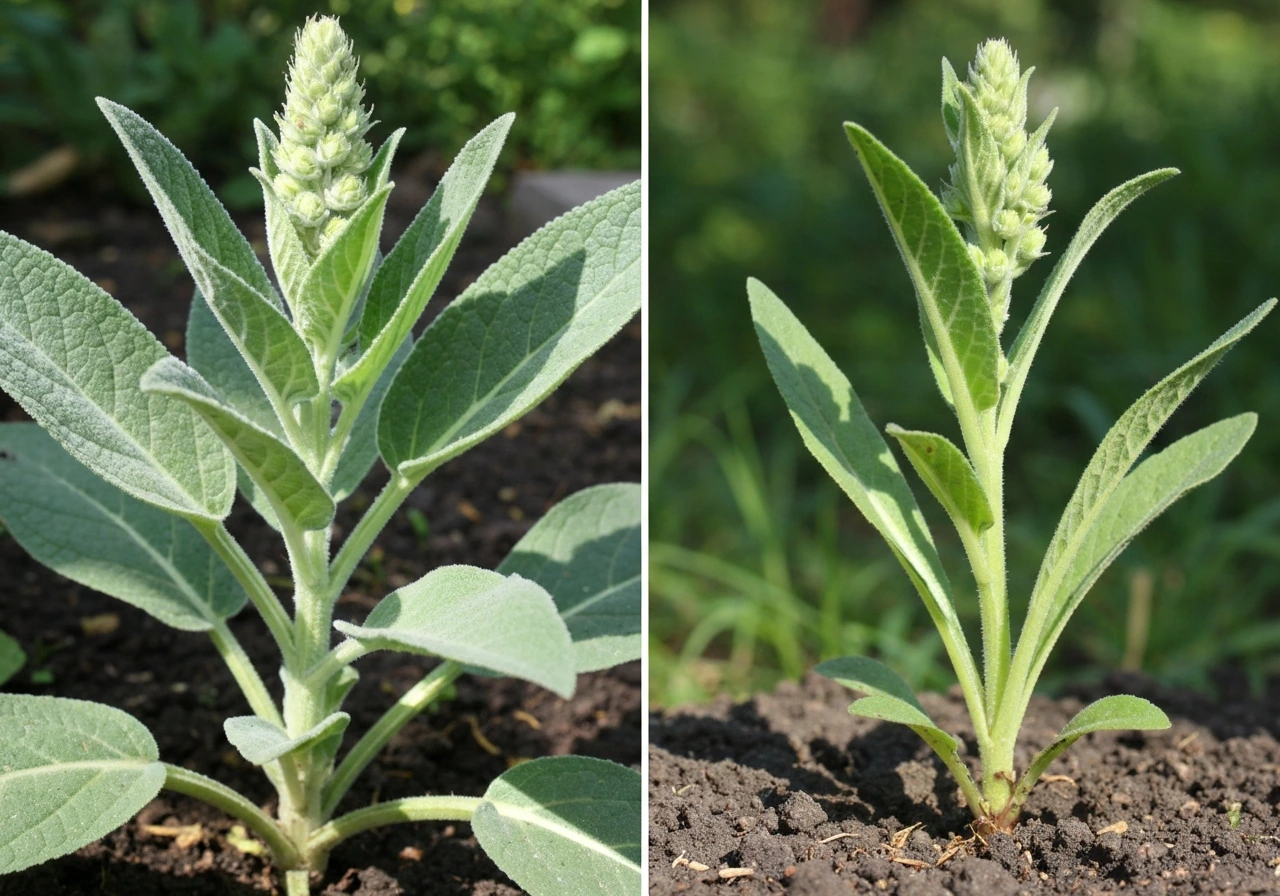
Year one is all rosette. You'll get a flat, spreading cluster of large, densely woolly leaves, each one up to 50cm long. It looks impressive in its own right and is very much alive and doing its job, building up energy for year two. Don't panic if it doesn't flower in the first season because that's completely normal for a biennial. In year two, typically from June onwards, a stout, upright flowering stem shoots up, often reaching 1.5 to 2 metres tall, and produces a succession of small, saucer-shaped pale yellow flowers. The whole spike doesn't flower at once; individual flowers open progressively over several weeks, which is excellent for pollinators.
Maintenance, pests, and what you can do with it
Mullein is genuinely low-maintenance once established. If you are trying to grow different flowers, you might wonder can lotus flowers grow in UK conditions too low-maintenance. The main tasks are keeping competition down around young rosettes (weeding), making sure drainage is good, and deciding what to do with the flower spike after it finishes.
Pests to watch for
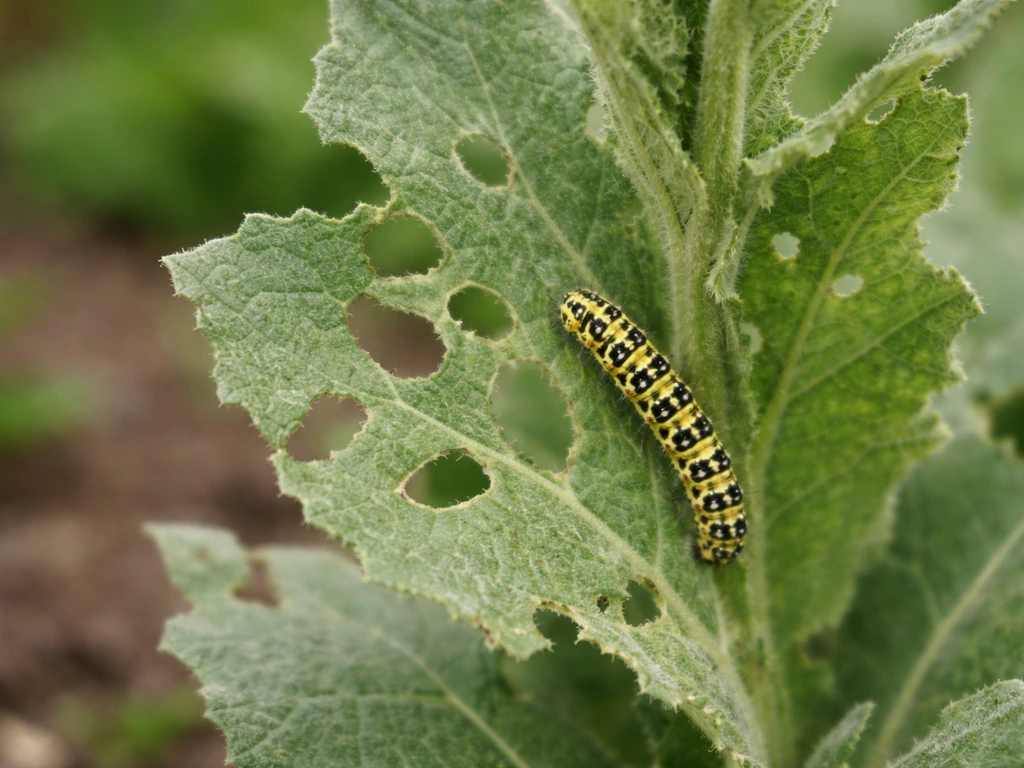
The mullein moth (Cucullia verbasci) is the most notable pest in the UK. Its caterpillars, which are boldly patterned in yellow and black, will eat through the leaves and can defoliate a plant quite quickly if you don't catch them. Check plants in May and June and remove caterpillars by hand. It's not the end of the world if they attack, and many gardeners tolerate them because they're a fascinating native species, but if you want to protect your plant, regular checking is the simplest approach.
Aphids can occasionally colonise the stems, and the plant can host a range of insects more broadly, including both pests and genuinely beneficial species. In most UK garden situations this is a net positive from a biodiversity perspective. Powdery mildew can appear in very dry conditions late in the season, but it rarely causes serious damage to a plant that's already well into its second year.
After flowering: to cut or not to cut
After the plant flowers and sets seed, it will die, as is typical for a biennial. The seed heads are attractive through winter and provide food for birds, so many gardeners leave the spent spike standing. However, be aware that one plant can produce a very large number of seeds, and those seeds can remain viable in the soil for many years. If you don't want it to spread around your garden, cut the spike off before seeds fully ripen. If you want it to naturalise, leave it and be prepared for seedlings to appear in unexpected places.
Uses in the garden and beyond
Mullein has a long history of herbal use, particularly the dried leaves and flowers for respiratory preparations, though you should research this thoroughly before using any part of the plant medicinally. In the garden, its main value is as a dramatic structural plant, a pollinator magnet (bees work those yellow flowers consistently), and a genuinely useful wildflower for wildlife-friendly plots. The woolly texture of the leaves is also tactile and striking, making it a good talking-point plant.
Is it invasive, and what does the law say?
Common mullein is native to the UK, so it is not on the list of invasive non-native species that are controlled under England and Wales legislation. You are free to grow, sell, and sow it without any legal restriction. This is a different situation from something like Japanese knotweed or Himalayan balsam, where strict disposal and spread-prevention rules apply under GOV. GOV.UK guidance on invasive non-native (alien) plant species explains that where a species is listed, removal and safe disposal are expected, especially for plants not widely spread in the UK, alongside licensing and help for certain actions from Natural England cutting disposal and spread-prevention rules for invasive non-native plants are expected when a species is listed. UK guidance on invasive non-native species.
That said, 'not legally invasive' doesn't mean it can't spread enthusiastically. The seed bank persistence means that once it sets seed in your garden, you may find mullein appearing for years. In a small or formal garden this can be unwelcome. The practical solution is simple: cut the flower spike before seeds fully ripen if you want to limit spread, or allow just one or two plants to seed if you want a self-sustaining colony. There's no need for anything more complicated than that.
For sourcing, always buy seed or plants from reputable UK suppliers rather than collecting from wild plants. This avoids disturbing wild populations and ensures you're getting correctly identified seed. Named seed suppliers like Chiltern Seeds, Emorsgate, PlantGenesis, and Naturescape Wildflower Farm all stock V. thapsus and ship within the UK. Avoid importing seed from outside the UK without checking current plant health regulations, particularly for any soil or plant material attached.
Your practical next steps
If you want to grow mullein this year, here's the most direct route. It's July now, which means you've missed the main spring sowing window but you're well placed for an autumn sow. Nettes only start showing as spring temperatures rise, so timing is important if you want to catch them at the right stage when do nettles grow uk. Order seed from a UK wildflower or herb seed supplier now, prepare a sunny, well-drained spot in the garden by loosening and clearing any competing plants, and surface sow in September directly into the ground or into deep pots of gritty compost. Water in gently, don't cover the seed, and be patient. By late autumn you should have small rosettes establishing. Leave them to overwinter, keep an eye out for slugs on very young seedlings, and you'll have impressive rosette plants by spring 2027 and flowers by summer 2027.
If you're in the north of England or Scotland, go for the pot-sowing approach rather than direct sowing, so you can keep young plants slightly protected through their first winter. A cold frame or an unheated greenhouse is more than enough. Once they're a few months old and well-rooted, they're tough and reliable. Mullein is one of those plants that rewards minimal fuss more than any amount of special treatment.
FAQ
If I grow mullein in a UK garden, will it flower the same year or only after winter?
It will be a true biennial in most gardens, year one is a rosette, and it typically flowers in year two from late spring into summer. If your plant flowers early, it usually means it got exposed to an unusually cold spell as a young plant, or it was already at the rosette stage when you bought it.
Can I grow mullein in pots on a patio in the UK?
Yes, but choose a deep container because the tap root goes down quickly. Use very gritty, well-draining compost (and add extra drainage material if your pot tends to stay damp), put it in full sun, and avoid overwatering. Plan for repotting carefully, minimal root disturbance is key.
How do I stop mullein from spreading when the seed heads appear?
Cut the flower spike before the seeds fully ripen, but after the flowers have finished so you avoid leaving partial seed. If you want naturalisation, leave one plant to set seed, but still remove spikes from the rest to reduce the seedbank load in the long run.
Why didn’t my mullein seeds germinate even though I sowed on the surface?
The two most common causes are covering the seed (it needs light to germinate) and sowing into compost that stays too wet or too rich. Also check temperature, spring sowing needs a reasonably warm period, and autumn sowing works best when you can give it cold exposure over winter.
Is it safe to collect seed or plants from wild mullein in the UK?
For most people, it is better to buy correctly identified seed from a reputable UK supplier. Collecting can disturb local populations and you can also accidentally mix up species, especially if you are confusing common mullein with rarer close relatives.
Will mullein grow in shade, for example under trees or in a shady yard?
It generally struggles in shade, because it is adapted to open, disturbed habitats with lots of light. If you only have partial shade, aim for the brightest spot you have and avoid areas where the soil stays damp, those are the conditions that most often lead to poor persistence.
What should I do if slugs or snails eat the young mullein rosettes?
Young rosettes are vulnerable, particularly after germination. Use slug protection early in the first months, and keep weeding under control so seedlings are not competing, but do not bury the plants deeper to 'protect' them, surface height matters for survival.
How can I tell common mullein from hoary mullein when I’m spotting them in the wild or garden?
Look at the stamens when the flowers appear. In hoary mullein, all five stamens typically have dense white hairs, in common mullein the two lower stamens are noticeably hairless or only sparsely hairy.
Does mullein need feeding or compost to grow well in the UK?
Usually no. In fact, heavy feeding or very rich soil can make it less successful, mullein prefers lean conditions and hates sitting wet. The practical approach is to focus on drainage and sunlight, then do minimal feeding at most.
After the plant dies, should I remove the dead spike?
You can leave the spent spike over winter if you like the look and wildlife value, it can provide food for birds. Remove it only if you want to limit spread, then cut before seeds fully ripen so you do not add to the soil seedbank.
Next Article
Does Milkweed Grow in the UK? Species and How to Grow It
Yes, some hardy milkweed grows in the UK. Get species picks, hardiness tips, and UK steps to succeed in your garden.