Yes, poppies grow very well in the UK. In fact, several species are so well-suited to British conditions that they grow here wild without any help from gardeners at all. Whether you want a meadow full of scarlet field poppies, a cottage garden border with blowsy double blooms, or the subtler beauty of Iceland poppies in spring, all of them are realistic outdoor grows across most of the UK.
Do Poppies Grow in the UK? Types, Planting, and Legal Tips
James Hartwell
11 Jun 2026
For the same reasons, fiddleheads that are meant for harvesting from the wild can be a little harder to pin down, so it's worth checking whether they grow in your part of the UK outdoor grows across most of the UK. The key is knowing which type you have and respecting one golden rule: barely cover the seeds. Milkweed can grow in the UK, but it depends on the specific type and your growing conditions.
Which poppies are we actually talking about?
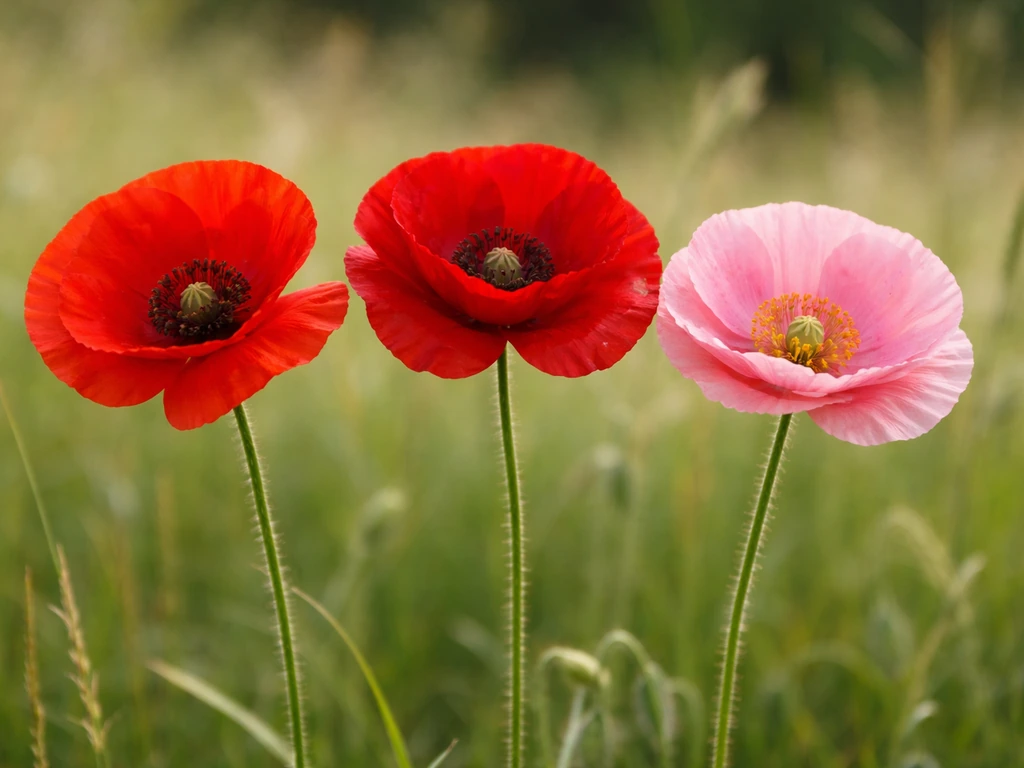
The word 'poppy' covers a surprisingly broad group of plants, and it matters which one you're dealing with because their needs and legal status differ. Here are the main ones UK gardeners encounter:
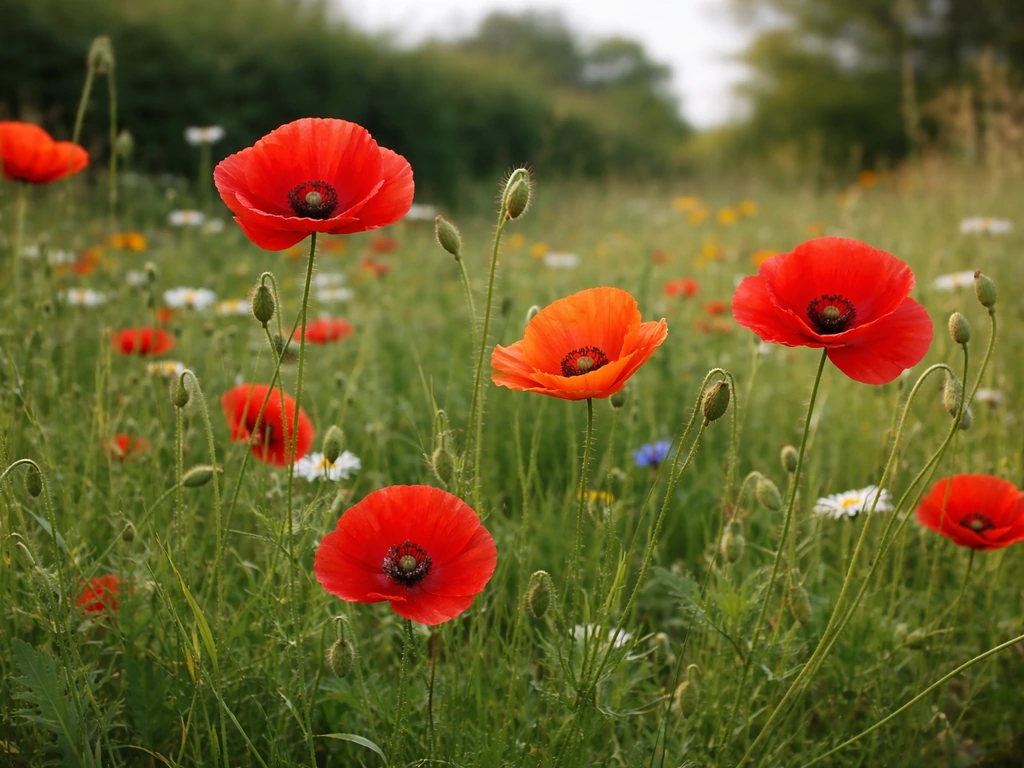
- Papaver rhoeas (field poppy, corn poppy, Flanders poppy, Shirley poppy): This is the classic scarlet wild poppy you see lighting up roadsides and arable field margins across the UK in June. It's a native annual, incredibly hardy, and almost impossible to fail with if you sow correctly. Shirley poppies are a cultivated strain of the same species with softer pastel shades.
- Papaver somniferum (opium poppy): Despite its name, this is a very common cottage garden plant in the UK — grown entirely legally as an ornamental for its big, dramatic flowers and attractive seed heads. It self-sows freely once established and is rated H6 by the RHS, meaning it can handle temperatures down to around -20°C. More on legality below.
- Papaver nudicaule (Iceland poppy): A short-lived perennial often grown as a biennial in the UK. Less vigorous than the annuals but beautiful in spring. It's best direct-sown and dislikes root disturbance like the others.
- Oriental poppy (Papaver orientale): A true hardy perennial with huge tissue-paper blooms in late spring. Dies back completely after flowering, which surprises people, but it comes back reliably year after year in UK gardens.
For most UK gardeners asking 'do poppies grow here? Sweetgrass is much harder to establish in the UK, and it typically needs conditions closer to its natural wetland habitat do poppies grow here? . ', the answer for all of the above is a confident yes.
They thrive across UK climate zones, the RHS places them at H4 to H7 depending on species, and cope well with typical British summer rainfall and cool temperatures. Mullein can also grow in the UK, but it prefers a sunny spot and well-drained soil mullein grow in the UK. Even in Scotland or exposed northern gardens, annual poppies sown in spring will flower reliably.
The South Coast and sheltered spots in the Midlands may get a slightly longer season, but this isn't a plant that demands warmth.
What poppies actually need to grow
Soil and site
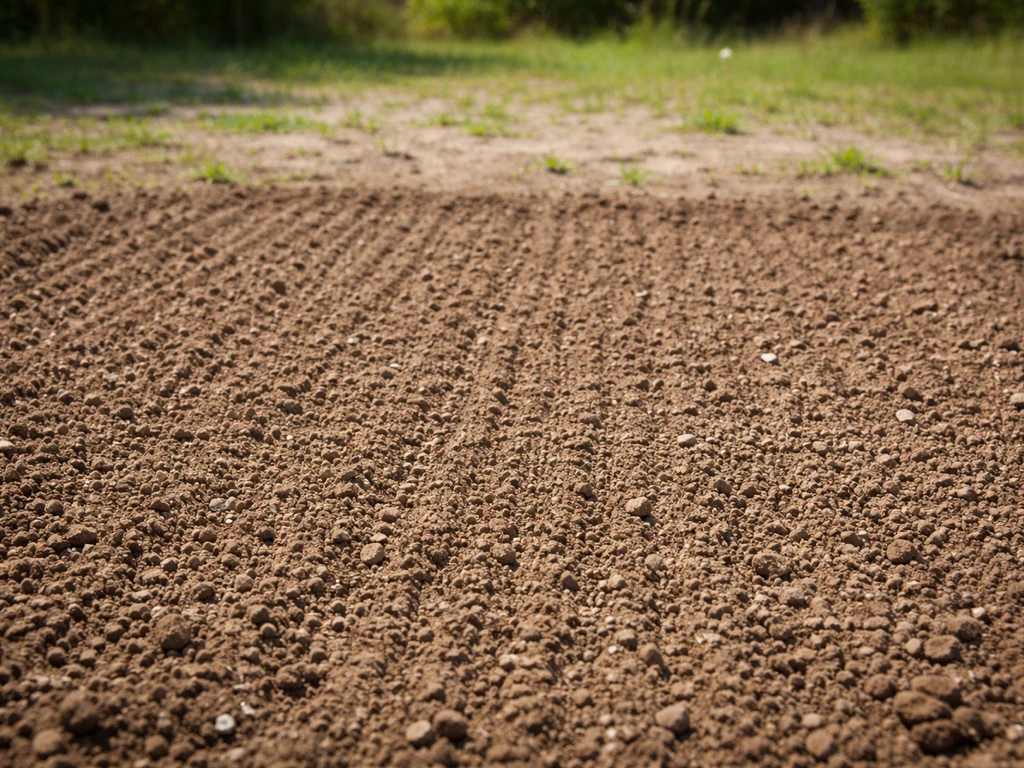
Poppies aren't fussy, but they do have preferences. They want well-drained soil in full sun, though Papaver somniferum will tolerate light shade reasonably well. Soil pH anywhere in the 6.0 to 7.5 range suits them fine, that covers most UK garden soils. What they really hate is waterlogged ground, so if your soil is heavy clay that pools after rain, either improve drainage with grit and organic matter or choose a raised bed. The field poppy in particular has made a success of itself in UK farmland for centuries, so it's genuinely not demanding.
Sowing time
This varies a little by species, but there are two main windows for annual poppies in the UK. The first is a spring sowing, direct into the ground from March through to May once the soil has warmed slightly. If you are also growing nettles, the timing is different, so it helps to know when nettles grow in the UK when do nettles grow in the UK.
The second, and often overlooked, option is a late summer to early autumn sowing (late August into September), which gives you an earlier display the following year. This autumn sowing mimics how field poppies behave naturally in the wild, and research on Papaver rhoeas germination shows around 70% of natural germination happens between August and December, with only about 30% happening in the February to May window.
For Iceland poppies, early spring sowing or even a winter sowing under cover works well, with outdoor blooms following in spring. RHS lists Papaver nudicaule as propagatable by seed sown in spring, and its details are based on UK growing conditions [For Iceland poppies, early spring sowing](https://www. rhs. org.
uk/plants/12233/i-papaver-nudicaule-i/details).
Hardiness
Annual poppies sown in autumn are genuinely hardy across virtually all UK regions. Papaver somniferum carries an H6 hardiness rating from the RHS, which translates to surviving temperatures as low as -20°C, that's considerably colder than anything a UK winter typically delivers. Even in northern Scotland or upland areas, poppy seedlings established in autumn will overwinter without issue. Oriental poppies as perennials are equally tough. Iceland poppies are the most tender of the common types, but they still cope with typical UK winters if sown at the right time and given decent drainage.
How to grow poppies step by step

Poppies genuinely dislike being transplanted, they resent root disturbance and will often bolt or struggle if moved. Direct sowing is almost always the right approach for annual types. Here's how to do it reliably:
- Choose your spot: A sunny bed with reasonable drainage is ideal. Clear weeds and rake the soil to a fine tilth — you're preparing a surface, not digging deep.
- Sow at the right time: For a summer display, sow from March to May. For an earlier display next year, sow in late August to early September. Both approaches work well outdoors across the UK.
- Surface sow — this is the critical bit: Scatter the seed thinly on the surface and press it in gently with your palm or the back of a trowel. Aim for roughly 0.5mm depth — essentially surface contact. Some sources suggest up to 6mm, but the consensus from UK growers is that barely covering the seed gives the best results. Do not bury them. No germination is almost always caused by seed buried too deep.
- Water in gently: Use a fine rose on your watering can to avoid washing the seed around. After that, water thoroughly when the soil dries out rather than doing little-and-often light watering.
- Wait for germination: In good conditions, you can expect seedlings in around 7 to 30 days. Warmer spring conditions will push you toward the quicker end. Autumn sowings may sit dormant through winter before germinating in early spring — that's completely normal.
- Thin seedlings: Once they're a few centimetres tall, thin to roughly 15 to 30cm apart depending on species. This feels brutal but dramatically improves flowering.
- Let them self-sow: Once you have established plants and they set seed, leave the pods to open and scatter naturally. A single autumn sowing of field poppies can sustain itself year after year with minimal intervention.
Comparing the main types at a glance
| Species | Type | Best sowing time (UK) | Hardiness (RHS) | Key needs |
|---|---|---|---|---|
| Papaver rhoeas (field/corn/Shirley) | Hardy annual | Mar–May or Aug–Sep | H7 | Full sun, direct sow, barely cover seed |
| Papaver somniferum (opium poppy) | Hardy annual | Mar–May or Aug–Sep | H6 (to -20°C) | Well-drained soil, sun or light shade, self-sows freely |
| Papaver nudicaule (Iceland poppy) | Short-lived perennial/biennial | Early spring or late summer | H4–H5 | Direct sow, dislikes root disturbance, good drainage |
| Papaver orientale (Oriental poppy) | Hardy perennial | Spring (or divide established clumps) | H7 | Full sun, dies back after flowering, very long-lived |
Problems you'll actually run into
No germination
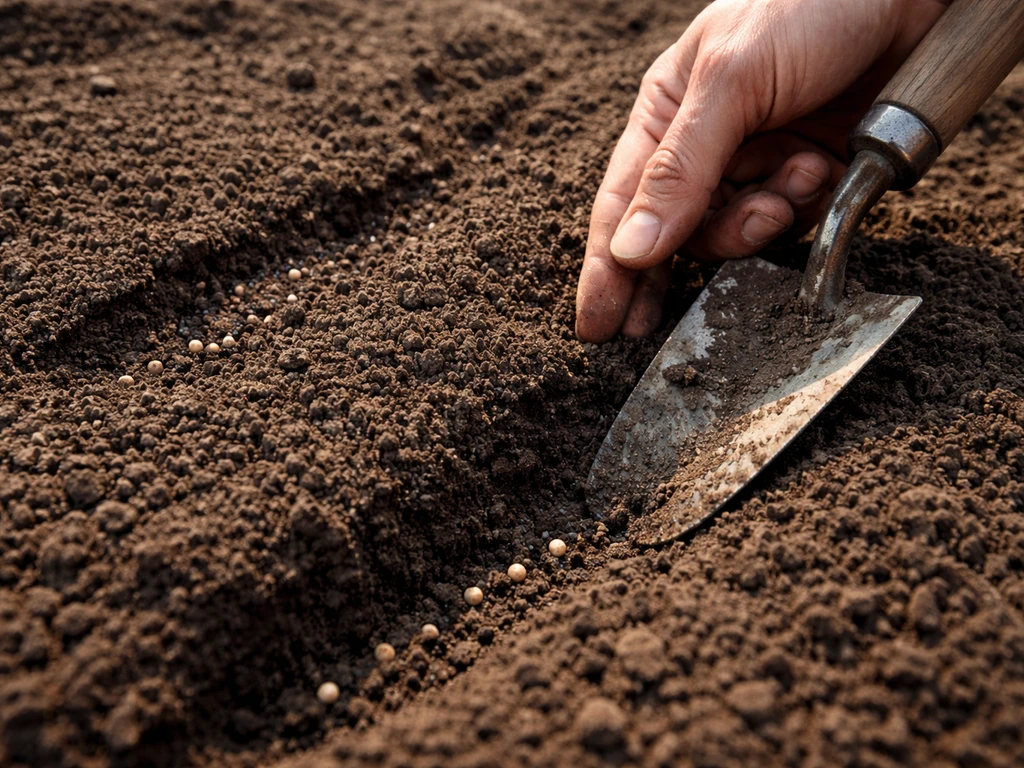
This is by far the most common complaint, and the cause is almost always the same: seeds buried too deep. Johnny’s Selected Seeds advises direct seeding and that corn poppy seed should be sown at about 1/4 inch (around 6 mm) deep because it needs darkness to germinate corn poppy seed depth of about 1/4 inch (around 6 mm) for dark germination. Poppy seeds need light to germinate. If you've raked them in, covered them with soil, or sown them into a deep drill, they simply won't come up. Start again with a fresh surface sowing, press the seed in, and resist the urge to cover it.
Slugs and snails
Poppy seedlings are vulnerable in their first few weeks, and UK gardens have no shortage of slugs. Rather than trying to eliminate them entirely (an exercise in frustration), focus protection on the area where you've sown. Wool pellets, copper tape around a pot or raised bed edge, or nematode treatments applied to the soil before sowing all help. Going out at night with a torch and removing slugs by hand sounds tedious but is genuinely effective for a small area.
Leggy, weak seedlings
If seedlings come up but look drawn and floppy, they're probably not getting enough light. Poppies sown under cover or near a shaded wall will stretch toward the light. Move them to a sunnier position as soon as possible, or better yet, sow directly into a sunny outdoor spot from the start, they genuinely prefer it.
Pigeon and bird damage
In allotments and open veg plots especially, pigeons will go for young poppy seedlings. Netting or criss-crossing string just above the soil surface after sowing usually deters them well enough until the plants are established.
Not reflowering in subsequent years
Annual poppies don't come back from the same plant, they need to self-sow or be re-sown. If yours aren't returning, check whether you deadheaded too early (before seeds set), disturbed the soil heavily over winter, or used weedkiller nearby. The field poppy has a remarkable long-lived seedbank in the soil, so established patches often self-sustain for years if left undisturbed.
A word on legality, especially for opium poppies
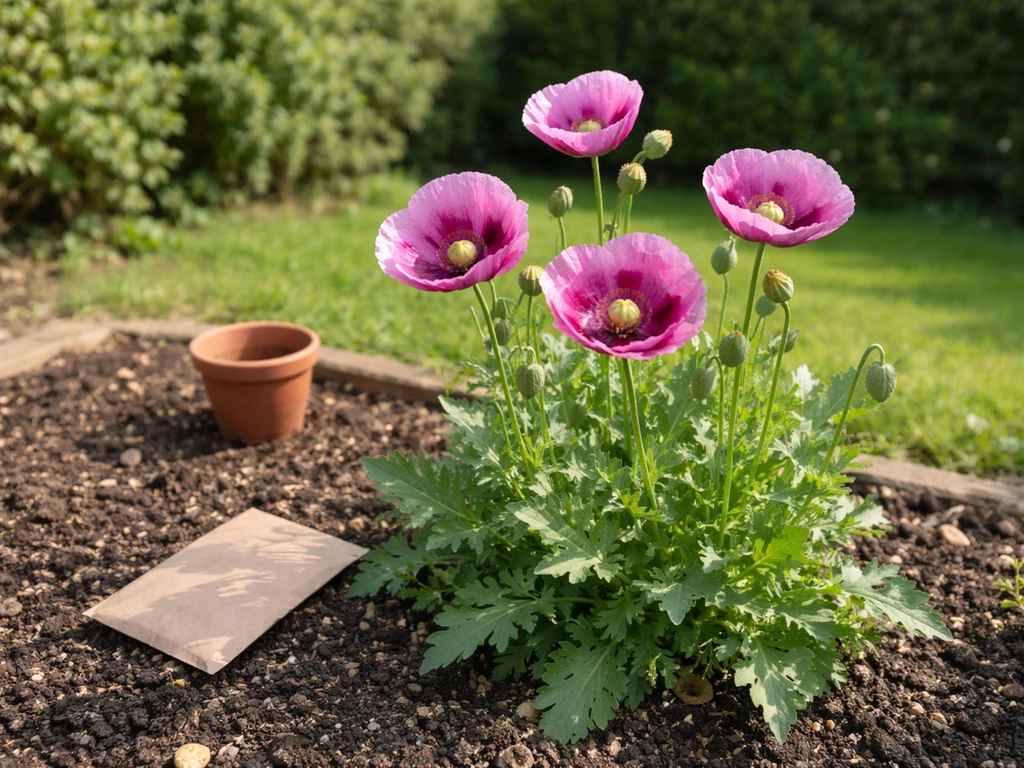
This is genuinely worth addressing clearly. Papaver somniferum, the opium poppy, is legal to grow as an ornamental plant in the UK. It's sold openly by garden centres, nurseries, and seed companies, appears in countless cottage gardens, and is listed without restriction on the RHS website. The legal issue arises not from growing the plant itself as a decorative species, but from any attempt to extract opium or process it into controlled substances. Cultivation for drug production is an offence under the Misuse of Drugs Act and would require a specific Home Office licence, something no ordinary gardener has or should need.
In practical terms: growing Papaver somniferum in your garden for its flowers and ornamental seed pods is completely fine. Don't score the seed pods or attempt to collect latex from them. Don't grow it in quantities that suggest anything other than ornamental intent. If you're ever in doubt about what's permitted, the GOV.UK guidance on controlled drug cultivation licensing is the authoritative place to check. For the vast majority of UK gardeners, opium poppies are simply a beautiful, hardy cottage garden flower and nothing more complicated than that.
Your next steps for getting poppies flowering
If you're reading this in spring or early summer, you still have time to direct sow Papaver rhoeas or Papaver somniferum outdoors right now (it's June, so aim to get seed in the ground soon for a late summer display). If you've missed that window, plan for a late August sowing for flowers earlier next season, this often produces better plants anyway.
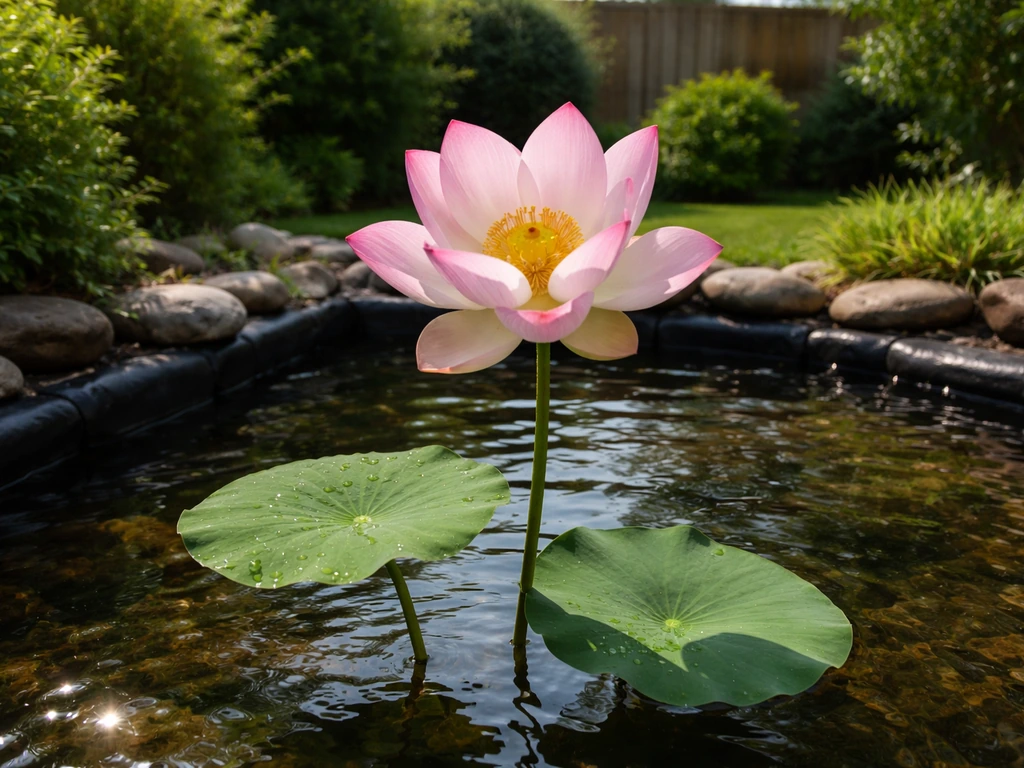
Pick a sunny spot, rake it fine, scatter the seed, press it in with your palm, and water with a fine rose. If you're wondering whether lotus flowers can grow in the UK, the answer depends mainly on finding the right growing conditions, such as a sheltered spot and adequate water. That's genuinely most of it. Poppies reward minimal fuss far more than they reward overthinking.
Bermuda grass can grow in the UK, though it tends to be more limited to warm, sheltered areas and well-managed turf.
FAQ
Do poppies in the UK mean wild field poppies, garden poppies, or both?
Yes, but many gardeners mean different things by “poppies.” In the UK you will often see field poppies (Papaver rhoeas), Iceland poppies (Papaver nudicaule), and opium poppies (Papaver somniferum). The outdoor timing and hardiness vary by type, so check the seed packet for the species, not just the common name.
How deep should I sow poppy seeds in the UK?
Most annual poppies should not be covered deeply. A reliable rule is to rake the soil level, scatter the seed, press it firmly, then leave the surface uncovered or only cover with a very thin dusting of compost at most. If you can’t see or barely see the seed after sowing, it is usually too deep.
Why aren’t my poppy seeds sprouting in the UK?
If your poppies fail to germinate, the most common causes are buried seed, drying out before they sprout, or sowing in shade. To help, water gently right after sowing, keep the surface evenly moist during the germination period (without waterlogging), and choose a sunny spot with free-draining soil.
Can I transplant poppy seedlings in the UK?
Poppies are easiest to manage when sown directly into their final bed. If you start them and they must be moved, do it only when very small and handle seedlings by the leaf, not the stem or root. Still, expect some transplant shock, and many varieties will look weak or fail to flower.
What’s the best way to get poppies to flower at different times in the UK?
For most annual poppies, direct sowing is best, but you can extend the show by staggering sowing dates. Try a late spring sowing (March to May, once soil warms a little) and a second late summer to early autumn sowing (late August to September). This reduces the risk of a single bad weather window wiping out your display.
Will poppies keep failing because of slugs in UK gardens, and what should I do?
Yes, but plan around slugs and soil. Use barriers or targeted slug control over the sowing area, sow into the sunniest available spot, and avoid heavy mulch. Also, keep the surface disturbance low, since both weeds and slugs take advantage of exposed, freshly worked soil.
Do poppies come back every year in the UK, or do I need to re-sow?
Some annual poppies self-sow and will keep returning, especially if you let seed pods ripen and you do not disturb the soil. If you want a tidy bed, remove spent blooms before seeds form. If you want long-term patch growth, leave some pods until seed is dropped, then avoid turning the soil over winter.
Is it legal to grow opium poppies (Papaver somniferum) in the UK garden?
Papaver somniferum is typically sold as an ornamental plant in the UK, but it becomes a legal issue if you attempt to extract opium or produce controlled substances. For safe practice, do not score pods, do not try to collect latex, and do not grow in ways that suggest drug production. Keep your intent clearly ornamental (flowers and seed pods).
Can I use weedkiller around poppies, and what’s the safest approach?
If you use weedkiller near poppies, be very cautious. Broadleaf weedkillers and some residual herbicides can harm young seedlings or reduce germination. Prefer hand weeding early on, and if you have an herbicide history in the bed, avoid direct sowing until you know it is safe for your specific poppy type.
What should I do if my UK garden soil is heavy clay?
If your soil is heavy clay that holds water, use a raised bed or add coarse grit and organic matter to improve drainage before sowing. Waterlogged ground is one of the quickest ways to lose seedlings. Raised beds also make it easier to protect the sowing area from slugs and puddling after rain.
Next Article
Can Lotus Flowers Grow in the UK? Guide to Bloom and Winter Care
Can lotus flowers grow in the UK? Learn which Nelumbo types fit, pond setup, and winter care to get blooms.