
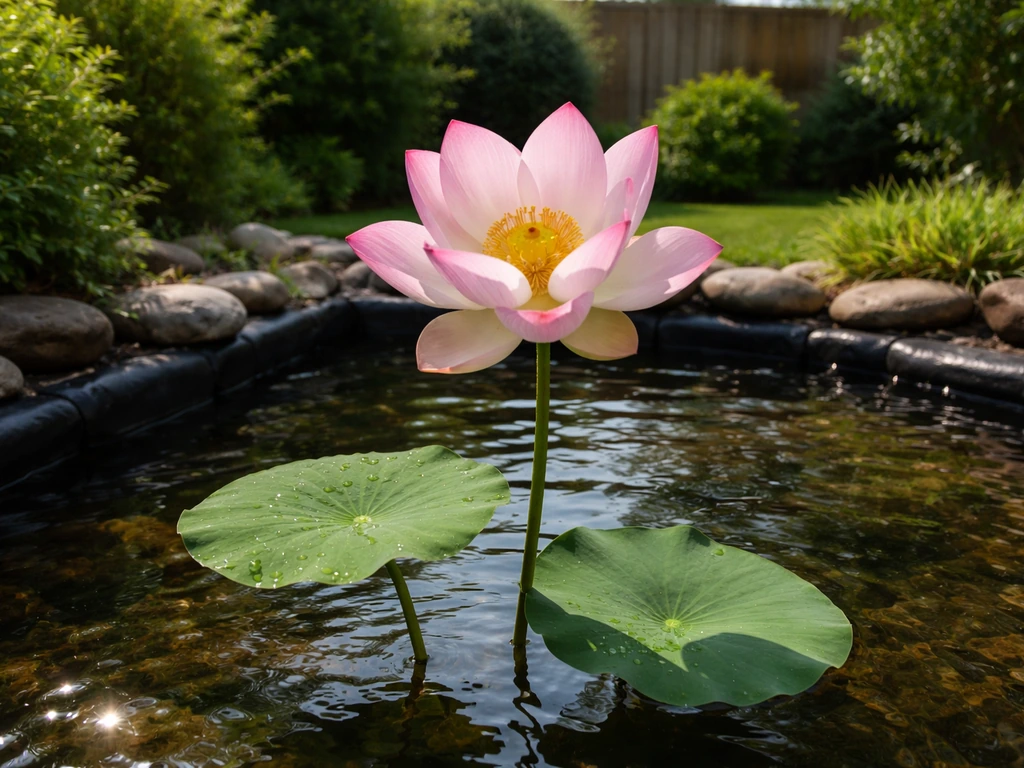
Yes, lotus flowers (Nelumbo) can grow and even bloom in the UK, but it takes the right variety, a warm sheltered spot, a decent summer, and a solid plan for getting them through winter. Yes, lotus flowers (Nelumbo) can grow and even bloom in the UK, but it takes the right variety, a warm sheltered spot, a decent summer, and a solid plan for getting them through winter do poppies grow in the uk? capture.
Can Lotus Flowers Grow in the UK? Guide to Bloom and Winter Care

James Hartwell
5 Jun 2026
If you are also wondering does mullein grow in uk, that is a different plant but it is another option worth considering for UK garden conditions. Milkweed can also be grown in the UK, but you will need to choose the right conditions for the plants to establish well milkweed growing in the UK.
It is not effortless, and if you are in Scotland or anywhere that sees regular hard frosts, you will almost certainly need to overwinter your rhizomes indoors. In the south of England, particularly in a sheltered, sun-drenched spot, outdoor success is genuinely achievable. Everywhere else, expect to put in some work.
Which lotus varieties actually make sense for the UK
There are two main species worth knowing about: Nelumbo nucifera (sacred lotus, native to Asia) and Nelumbo lutea (American yellow lotus, native to North America). For UK growing, Nelumbo lutea is the more practical choice. It is rated hardy down to USDA Zone 4, which roughly equates to temperatures as low as -34°C, though the critical caveat is that the crown and rhizomes must never freeze solid. Nelumbo nucifera is slightly less cold-tolerant in practice and originates from warmer climates, so while it will grow here, it is fussier about heat and tends to take longer to establish.
Within both species there are named cultivars bred to stay more compact, which suits UK container growing well. Dwarf and bowl lotus cultivars (sometimes called 'bowl lotus') are particularly useful because they fit into smaller containers, warm up faster in spring, and flower at lower water temperatures than the full-size giants. For UK gardeners, prioritising a compact Nelumbo lutea cultivar or a dwarf Nelumbo nucifera variety gives you the best shot at actually seeing a flower before September.
What to avoid: large, full-size Nelumbo nucifera varieties bred for tropical ponds. They need a long, hot growing season that most of the UK simply cannot reliably deliver. You might grow the plant, but flowering is a real long shot outside of a heated greenhouse.
How UK climate and your location affect your chances
Lotus needs warmth, a lot of it. Water temperature needs to reach and stay above around 20°C for the plant to grow actively, and ideally higher for flower buds to form. In the UK, this is the main bottleneck. Our summers are relatively short and cool, and even a warm July can be followed by a chilly August that stalls flowering completely.
| UK Region | Realistic Outdoor Prospects | Notes |
|---|---|---|
| South Coast (Kent, Sussex, Dorset, Devon, Cornwall) | Best chance outdoors | Longest warm season, milder winters, sheltered microclimates available |
| Midlands and East Anglia | Possible with effort | Good summer sun but colder winters; deep containers or indoor overwintering needed |
| Wales and the North of England | Marginal outdoors | Shorter warm season, more cloud cover; container growing in a warm spot helps |
| Scotland and Northern Ireland | Not practical outdoors | Frost risk too high and summers too cool; greenhouse or heated indoor setup required |
Microclimate matters enormously here. A south-facing walled garden in Yorkshire will outperform an exposed coastal garden in Sussex. Urban heat islands in cities like London, Bristol, and Birmingham add a meaningful buffer too. If you have a spot that bakes in full sun from morning to late afternoon and is sheltered from cold northerly winds, you are already most of the way there.
Setting up your pond or container to give lotus the best chance
Container vs open pond
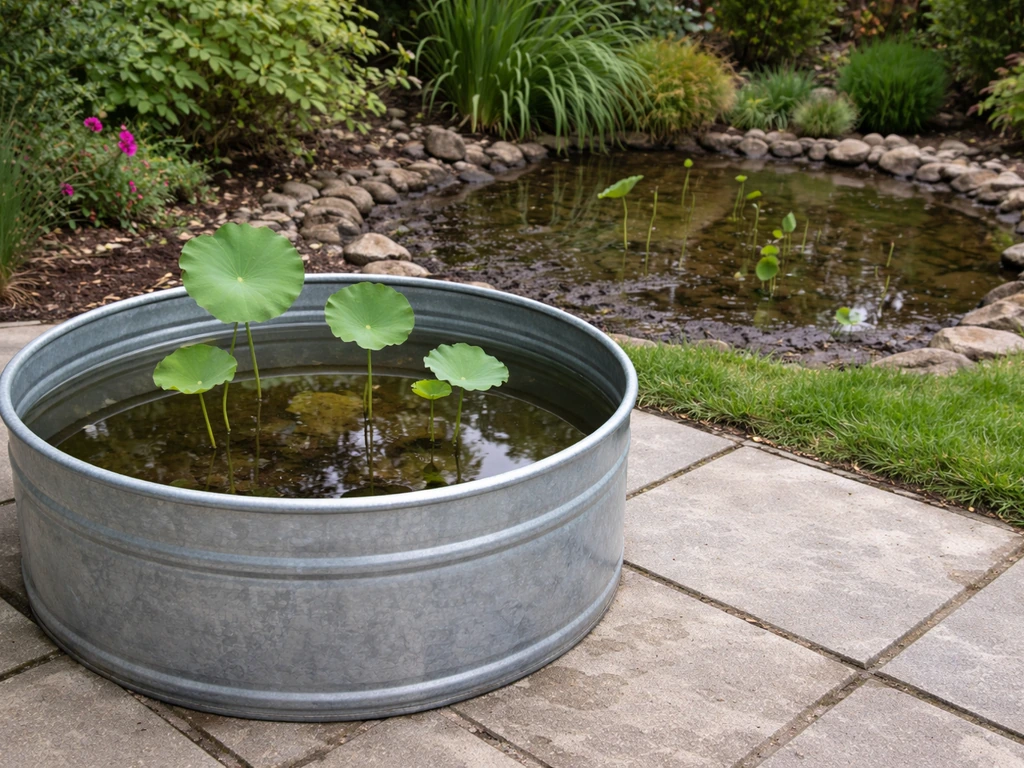
For most UK gardeners, a container setup in a pond or freestanding is the better approach, not because lotus will not grow in an open pond, but because containers let you control conditions, move the plant if needed, and retrieve rhizomes for winter without draining the whole pond. The RHS recommends growing Nelumbo in a large container filled with heavy loam enriched with well-rotted farmyard manure or compost. Avoid standard potting compost; it floats, clouds the water, and does not anchor the rhizome properly.
Depth and water temperature
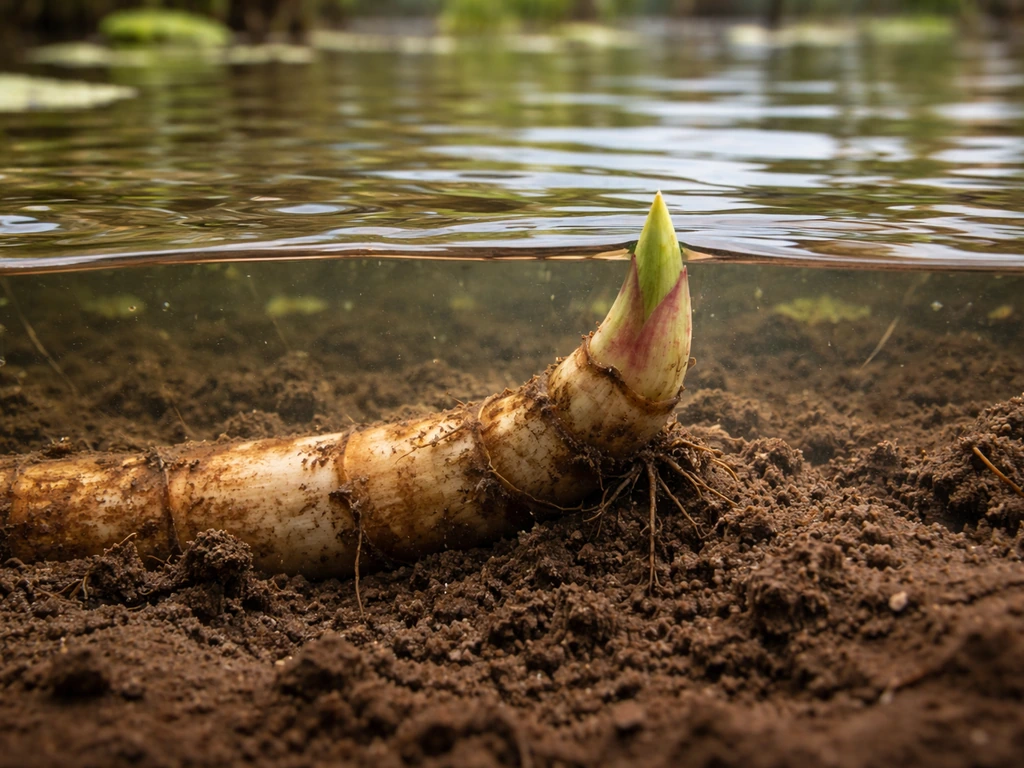
Lotus rhizomes are typically planted so the growing tip is just at or slightly below the water surface, with the container sitting at a depth of around 15 to 30cm of water over the soil surface. Shallower water warms up faster in spring, which matters a lot in the UK. Starting the container at just 10 to 15cm depth in May can be the difference between the plant taking off in June versus struggling until August. As the plant grows and temperatures stabilise, you can lower the container gradually.
Sun and site
Full sun is non-negotiable. Lotus needs a minimum of six hours of direct sunlight per day; ideally more. Even partial shade will result in lush leaf growth but no flowers. Choose the sunniest, most sheltered spot you have. A dark or north-facing pond is simply not suitable, no matter what else you do right.
Soil and feeding
Heavy clay loam is genuinely better than any bagged growing medium here. Pack it firmly into a large container (the bigger the better, think half-barrel size minimum for standard varieties, smaller for dwarf types). Once the plant is actively growing, feed every three weeks or so using a water-soluble aquatic fertiliser. As a rough guide, something in the region of 1 to 2 teaspoons of fertiliser per 15 gallons of water volume is a sensible starting point, scaled up for larger containers. Over-feeding promotes leaf growth at the expense of flowers, so do not go overboard.
Your outdoor season plan, month by month
- March to April: Start rhizomes indoors in a shallow tray of warm water on a sunny windowsill or in a heated greenhouse. Change the water every couple of days. Wait until the growing tip is clearly sprouting before potting up.
- Late April to May: Once night frosts are reliably past (late May for most of the UK, earlier in the South), pot the sprouted rhizome into your prepared container with heavy loam and place in your pond or water feature at a shallow depth of around 10 to 15cm. Do not rush this step; a cold water shock can set the plant back weeks.
- June to July: The plant should be producing aerial leaves and growing vigorously. Lower the container gradually as the plant grows. Begin feeding every three weeks. Make sure it is getting full sun all day.
- August to September: Flowers are most likely to appear during the warmest stretch of the UK summer, typically late July to August in a good year. Keep feeding and ensure water levels are maintained. Do not let the water drop and expose the rhizome.
- October: Growth will begin to slow as temperatures drop. Stop feeding. Begin preparing for overwintering.
Getting lotus through a UK winter
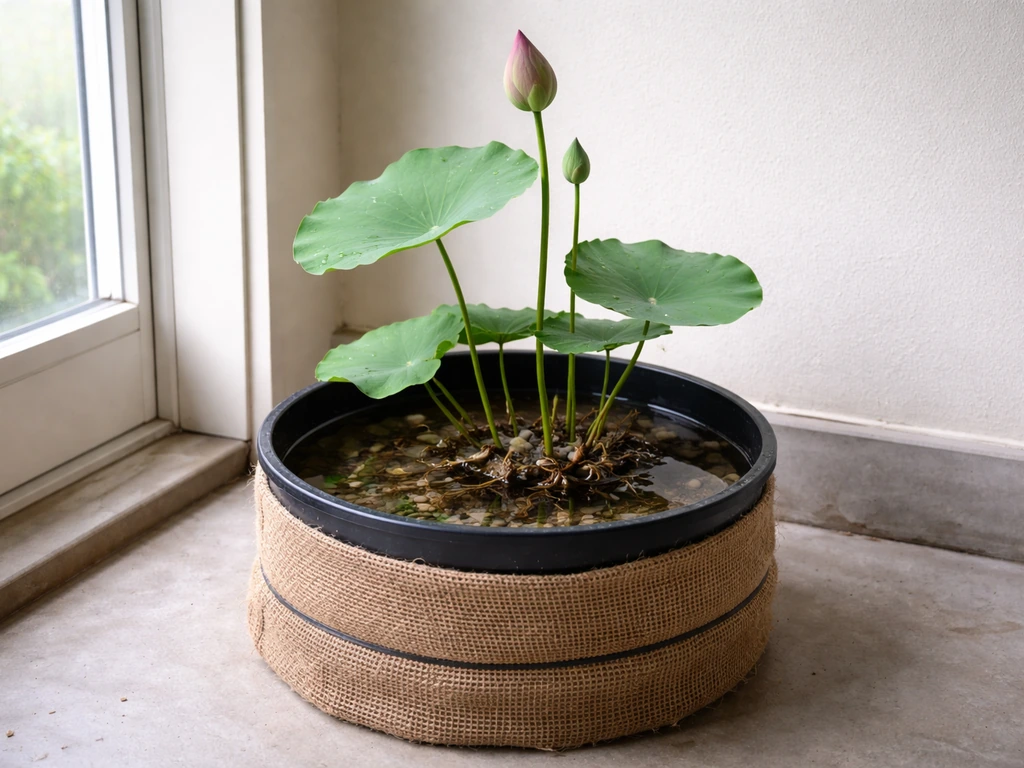
This is where most UK lotus attempts succeed or fail. The rhizome is the plant's survival mechanism, and if it freezes solid, the plant dies. There are two approaches depending on your situation.
Overwintering outdoors (South of England only)
In mild areas, particularly the South Coast, it is sometimes possible to leave lotus in a deep pond outdoors. The key is that the rhizomes must be below the frost line, which means the water above them must not freeze solid. A pond depth of at least 60cm above the container is a reasonable minimum. Insulating the surface with bubble wrap or fleece over a frame can help in a mild winter, but this is genuinely risky outside of the warmest corners of the UK. If temperatures are forecast to drop below -5°C for several nights running, intervene.
Bringing containers indoors (recommended for most UK gardeners)
The RHS approach is the sensible one for most of the UK: in autumn, gradually reduce the water level, then lift the container out of the pond and move the plant to frost-free conditions. You do not need to keep it warm, just above freezing. An unheated but frost-free garage, shed, or greenhouse works well. Keep the soil around the rhizomes just barely moist throughout winter; not wet, not bone dry. Soggy conditions in cold temperatures encourage rhizome rot faster than almost anything else. Check on them every few weeks and add a small amount of water if the soil is drying out significantly.
Splitting and storing bare rhizomes
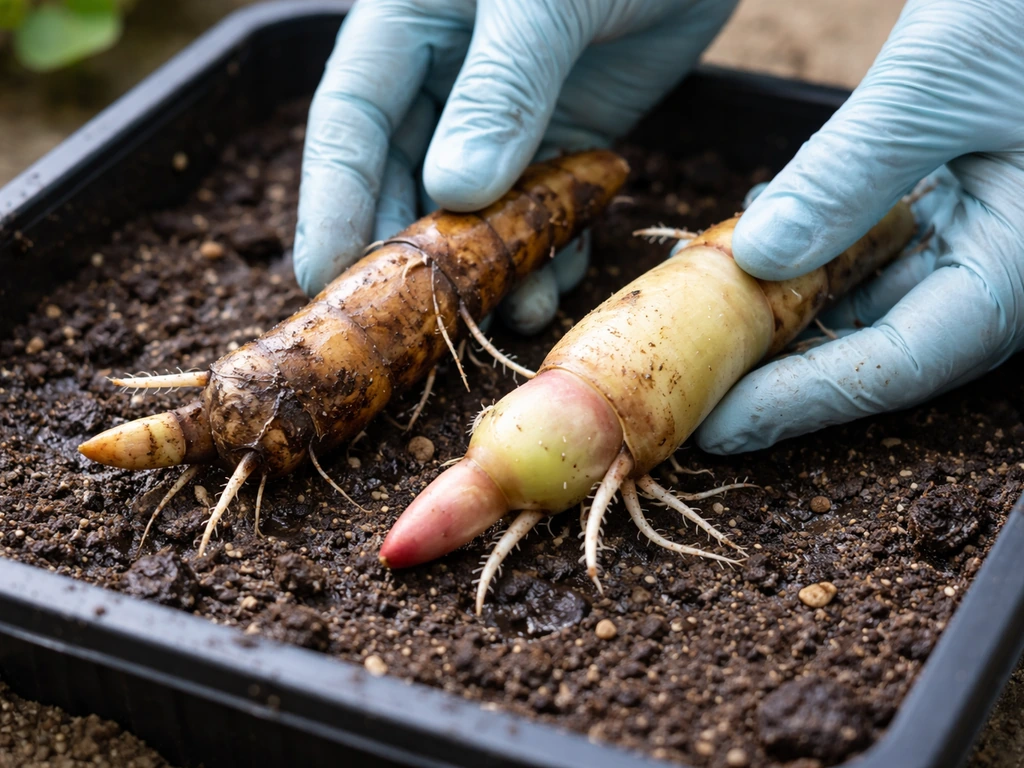
If you want to store rhizomes out of soil entirely (useful if space is tight), carefully lift them in October, rinse off the soil, allow them to dry slightly, and pack them in barely damp sand or peat-free compost in a cool frost-free place. Check regularly for rot, and remove any soft or blackened sections with a clean knife. This method works but the rhizomes are more vulnerable than when left in their container with soil.
When things go wrong: solving the most common problems
No flowers after a full growing season
This is the most common frustration with UK lotus growing. The usual culprits are insufficient sun (lotus really does need all-day direct light), water that never gets warm enough (a shaded or large deep pond stays too cold even in summer), starting the season too late (rhizomes placed outdoors in cold water in April will barely have time to establish before autumn), or using the wrong variety (large tropical cultivars are genuinely unlikely to flower in most UK conditions). If you are also wondering about milkweed, check whether milkweed can grow in the UK based on your local climate and growing conditions does milkweed grow in uk.
If you are wondering whether fiddleheads like fern fronds even grow in the UK, it helps to start by checking your species and growing conditions first wrong variety. To learn when do nettles grow in the UK and how that timing affects your gardening plans, it helps to understand the typical seasonal window for nettle growth when do nettles grow uk. Switching to a dwarf variety and starting growth indoors earlier often solves this.
Leaves but no growth above the water
Floating leaves (the first juvenile leaves lotus produces) are normal early in the season. If the plant never progresses to tall aerial leaves, it is likely not getting enough heat or sun, or the container is too deep and cool. Raise the container closer to the surface to warm the water around the rhizome and you should see aerial leaves follow within a few weeks.
Rhizome rot in winter
Soft, foul-smelling rhizomes in spring are caused by sitting in wet, cold conditions all winter. Make sure your overwinter storage is genuinely frost-free, not just cool, and that the soil or medium around the rhizomes is barely damp rather than saturated. Good air circulation helps too. If you spot rot early, cut back to clean firm tissue, dust the cut with sulphur powder or activated charcoal, and keep conditions slightly drier going forward.
Plant dies back completely in late summer
Some die-back in autumn is completely normal as the plant prepares to go dormant. If it happens in July or August, check that the water has not dropped and exposed the rhizome to air, that the container has not tipped or shifted, and that the site is not getting hit by a cold draught or shade from a nearby structure. Lotus is more sensitive to sudden environmental changes than most pond plants.
Realistically, if you have a warm sunny garden in southern England, a decent-sized container with proper soil, and you start your rhizomes off early indoors, you have a solid chance of seeing lotus flowers in a good summer. You might be surprised, but Bermuda grass can also be grown in the UK only in very warm, sheltered conditions or as a greenhouse lawn. Further north, the project becomes more about keeping the plant alive year to year and working with the climate you have. It is not the easiest plant in the UK gardening toolkit, but for those who get it right, the flowers are genuinely extraordinary and well worth the effort.
FAQ
What temperature does lotus need in the UK to start growing, not just survive the winter?
For active growth, the water needs to stay above about 20°C for extended periods. If your summer water temperatures only briefly reach that level, you may see leaves but the plant often stalls before aerial growth or buds form.
Can I keep lotus in an open pond instead of a container and still get flowers?
You can, but open-pond success depends heavily on pond volume, sun exposure, and how consistently the water warms. Containers are easier because you can lift them for winter and position them to keep the root zone warmer and more stable during late spring and early summer.
When is the best time to pot up or move rhizomes outdoors in the UK?
Aim to start them earlier than most people do. If you place rhizomes outside in cold water in April, they often lose the whole summer window to warming and may not flower. A common approach is to begin indoors, then move or deepen gradually once the water is reliably warm.
How deep should the water be over the rhizome once the plant is established?
Start shallow so the rhizome warms quickly, roughly 10 to 15 cm in spring. As temperatures stabilize, you can lower the container deeper gradually, but avoid sudden changes that expose the crown to air or keep it too deep and cool.
My lotus grows lots of leaves but never flowers, what’s the likely cause?
Most often it is insufficient direct sunlight or water that never warms enough to support bud formation. Another frequent issue is fertilizer imbalance, where heavy feeding pushes foliage at the expense of flowering, so reduce dose and focus on full sun and warm water.
Do I need to feed lotus only during the growing season?
Yes. Stop or greatly reduce feeding once the plant begins natural die-back in autumn. Continuing strong fertilizing late in the year can leave softer growth that does not harden off, and it also makes storage more prone to rot if conditions stay cool and damp.
Is frost-free storage indoors always warm enough for lotus rhizomes?
No, they do not need warmth, but they must not freeze solid. A frost-free but cool garage or shed is fine as long as the rhizomes stay just barely moist and you avoid soggy conditions that accelerate rot.
What’s the safest way to tell if a rhizome has rotted before I plant it?
Check for soft, blackened, or foul-smelling sections during inspection in late winter or early spring. Remove any clearly affected tissue with a clean knife, then keep the remaining rhizome in slightly drier conditions while you re-start it.
Can I overwinter lotus in a pond that never freezes, but is still cold?
If the water does not freeze solid over the rhizome, outdoor overwinter can work in mild areas, but it is still risky where winters are consistently near-freezing. Even if it is not technically frozen, very cold, stagnant water can promote rot, so monitor the frost severity and consider insulation or lifting the container if very low temperatures are forecast.
Why are my first floating leaves fine, then the plant never makes aerial leaves?
That pattern usually points to insufficient heat or light, or the root zone staying too cool. Raise the container or reduce water depth so the rhizome zone warms faster, and give it consistently bright, direct sun rather than partial shade.
Next Article
When Do Nettles Grow in the UK? Season Timing Guide
UK guide to when nettles grow: early spring shoots, peak growth in late spring, plus regrowth and timing factors.