Stinging nettles (Urtica dioica) start pushing up new shoots in early March across most of the UK, with seedling emergence peaking through April. If you are also wondering about milkweed, you might be surprised by whether it grows in the UK and which growing conditions it needs does milkweed grow in uk. If you are wondering does sweetgrass grow in uk, it is a different plant with its own growing conditions and seasonality Stinging nettles. By late spring they're in full growth, and they keep going right through to early autumn. If you're trying to harvest young shoots or get ahead of a nettle patch before it takes over, late March to mid-April is your practical window.
When Do Nettles Grow in the UK? Season Timing Guide

James Hartwell
30 Apr 2026
When stinging nettles appear in the UK
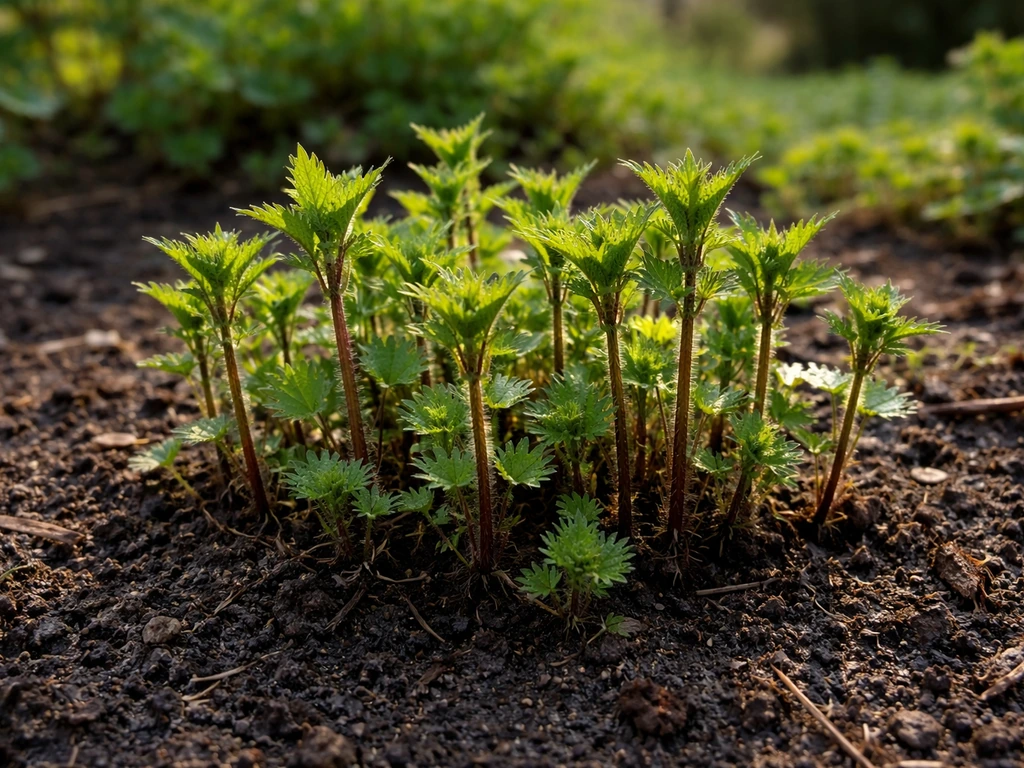
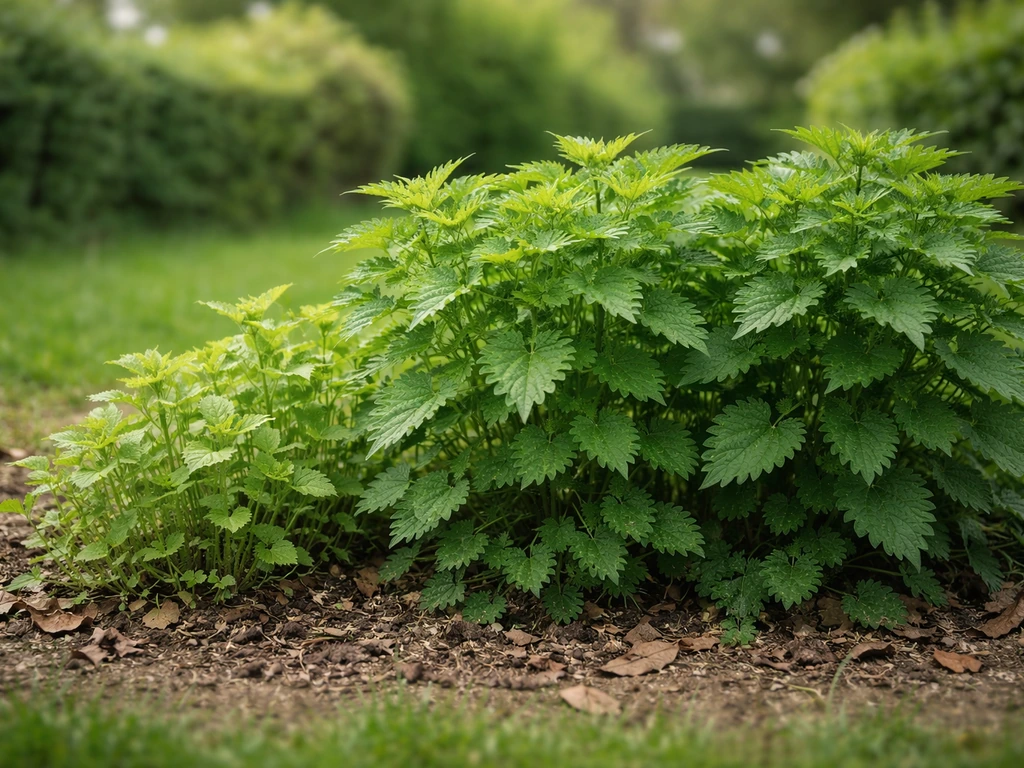
Established nettle patches regrow from underground rhizomes each year, and those fresh green vertical shoots typically appear in early March. New seedlings on bare or disturbed soil follow shortly after, peaking in April. From May onwards, plants start flowering, and flowering continues right through to September. So March and April are the months when nettles really get going, and by late spring you've got full-sized plants that are increasingly unpleasant to deal with without gloves.
One thing worth understanding: established plants from rhizomes and brand-new seedlings behave slightly differently. Rhizome-driven regrowth tends to appear earlier in spring because the plant already has an energy store underground. Seedlings from seed need bare soil and some warmth, so they emerge a little later, usually April, and expand quickly in those first four weeks as they race to get their shoot tips into the light.
How to spot new nettle growth
New nettle growth in early spring looks quite different from the tall, coarse plants you'll see by June. Young shoots are small, upright, and a fresh bright green, often with a slightly reddish tinge at the base. The leaves are already covered in fine hairs at this stage, and yes, they already sting. BSBI notes that common stinging nettle (Urtica dioica) is among the only common stinging plants in Britain and Ireland that punishes touch with its stinging hairs punish touch (by the stinging hairs). Don't be fooled into thinking young nettles are harmless. Always wear gloves and cover your wrists when handling them, even early in the season.
- Fresh shoots from rhizomes emerge as upright green tips, often 2–5 cm tall in early March
- Leaves are heart-shaped with serrated edges, already covered in stinging and non-stinging hairs
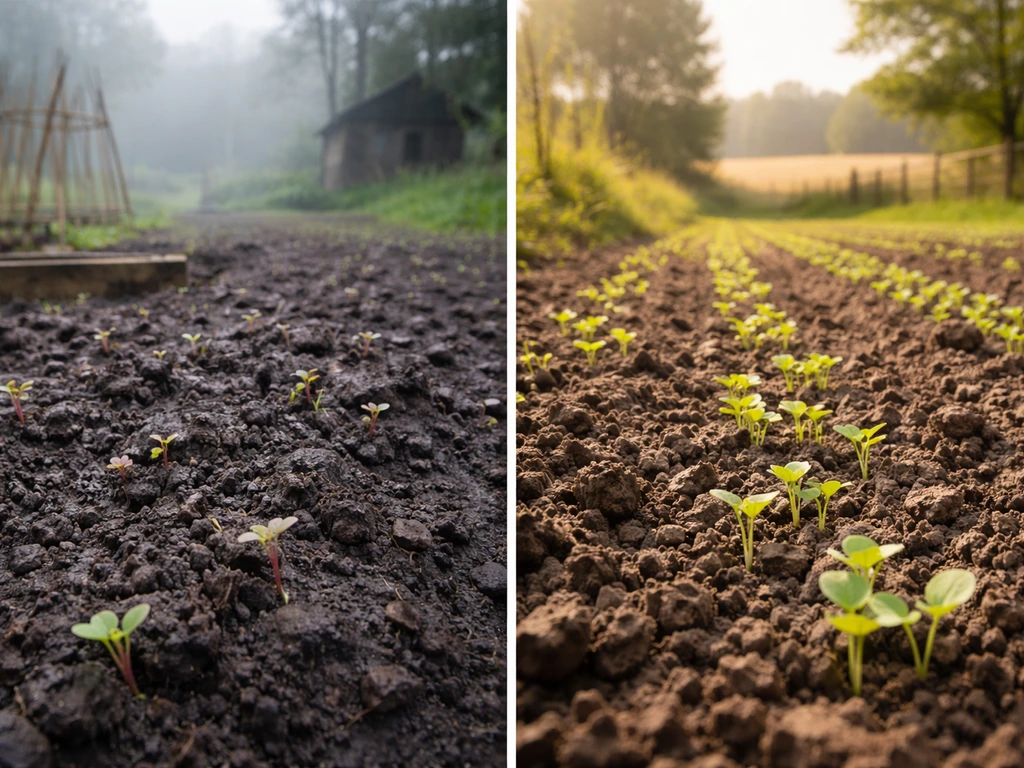
- New seedlings on bare soil are tiny, with rounded seed leaves first, then the characteristic toothed true leaves
- Regrowth after cutting appears as clusters of new upright shoots from the same rootstock, often within a couple of weeks
- After a late frost, damaged shoot tips go limp and dark, but new tips usually push up from below within days
How growing conditions shift the timing across the UK
The UK is not one climate, and nettle timing reflects that clearly. Poppies are also native to the UK, and their growth depends heavily on conditions like soil, sunlight, and the local climate timing reflects that clearly. In milder parts of the south and west, especially coastal Cornwall, Devon, and south Wales, you can see first shoots in late February in a mild year. By contrast, Bermuda grass is much less common in the UK climate and will only grow in very warm conditions or as an outdoor ornamental where winters are mild. In the north of England and most of Scotland, early March is more typical, and in exposed upland areas or colder gardens, April is when things really get moving. Nettles are essentially absent from high boggy ground in north and west Scotland, so if you're gardening at altitude in that region, you may simply not have them. If you’re wondering whether mullein can grow in the UK, it is well suited to many parts of the country and typically establishes in sunny, well-drained soil Nettles are essentially absent from high boggy ground in north and west Scotland.
Beyond geography, a few site-level factors make a real difference to when you see growth: Can lotus flowers grow in the UK is another common question, and the answer depends on temperature, season length, and whether you can provide a suitable growing setup can lotus flowers grow in uk.
- Soil moisture: nettles thrive in moist but well-drained, nitrogen-rich soil. Dry or sandy soils slow them down; persistently waterlogged ground can also limit them
- Nitrogen levels: the more nutrient-rich the soil (near compost heaps, chicken runs, or old muck piles), the faster and more vigorous the early growth
- Shade vs sun: nettles tolerate partial shade but grow most vigorously in open spots; a heavily shaded patch may be two to three weeks behind a sunny one
- Frost exposure: shoot tips die back if frosted, so a sheltered south-facing spot will show usable growth earlier than an exposed north-facing border
- Bare soil: new seedlings can only establish on open, disturbed ground, so a densely planted or mulched garden will have far fewer seedlings even if nettles grow nearby
| UK Region | Typical First Shoots | Notes |
|---|---|---|
| South coast and Cornwall | Late February to early March | Mildest winters; earliest emergence in warm years |
| South and Midlands | Early to mid-March | Standard timing; April peak for seedlings |
| North of England and Wales | Mid to late March | Cooler springs delay rhizome regrowth slightly |
| Scotland (lowland) | Late March to April | Frost risk persists longer; seedlings peak in April–May |
| Scotland (upland/boggy) | Absent or very limited | Unsuitable habitat on high, wet ground |
Best times to harvest or manage nettles
For harvesting young nettles to eat, late March through to early May is the window you want. The top four to six leaves of young shoots are tender, flavoursome, and at their most nutritious before flowering starts. Once the plant starts to flower (from May onwards, with mid-June being a reliable flowering benchmark for most of the UK), the leaves become coarser and develop compounds that make them less pleasant to eat. Snip just the growing tips with scissors or gloved hands and blanch them immediately to neutralise the sting.
If your goal is control rather than harvest, timing still matters. Cutting nettles back in flower means the plant doesn't set seed, which helps stop them spreading beyond their patch. Garden Organic puts it plainly: plants cut down in flower don't produce viable seed. For control, start cutting or digging in early spring when shoots first appear, and repeat every few weeks through summer. The rhizomes are the real challenge though. Nettles spread via underground stems and any pieces left in the soil will regrow, so persistent cutting wears the plant down over time rather than eliminating it in one go. The GrowSmartGrowSafe IPM prescription notes that newly disturbed sites favor stinging nettle establishment and that cutting once or twice in a season does very little to control them, so control needs to be sustained blank" rel="noopener noreferrer">cutting once or twice in a season does very little to control stinging nettles.
If you want a managed nettle patch for wildlife (they're essential habitat for several UK butterfly species), cut a section back in midsummer after the first flush of caterpillars, and again in late autumn. That way you always have some fresh growth available without the whole patch going woody and rank.
Why nettles might seem late or not show up at all
If you're waiting for nettles and they haven't appeared when you expected, there are usually a few straightforward explanations: Fiddleheads are a separate type of spring edible, and whether they grow in the UK depends on the fern species and local conditions.
- No established patch: if there are no rhizomes in the soil and no bare ground nearby for seed to germinate, nettles simply won't appear. They colonise rather than magically materialise
- Late or cold spring: a prolonged frost period after the first shoots emerge will knock tips back, and regrowth can be two to three weeks behind a milder year's schedule
- Persistent cutting: if a patch has been repeatedly cut back over several years, the rhizome's energy store is gradually depleted and regrowth can be sparse or delayed
- Wrong soil conditions: very dry, sandy, acidic, or nutrient-poor soils won't support nettles well. They want moist, fertile, nitrogen-rich ground
- Too much shade with no disturbance: heavily mulched or densely planted ground gives seedlings no foothold, and mature plants in deep shade grow weakly
- Unsuitable location: high, boggy upland ground in north and west Scotland is genuinely outside nettles' preferred habitat range
An unusually mild, wet winter doesn't necessarily cause problems, but a cold snap in March after early shoots have emerged can set a patch back visibly. You'll see the tips go dark and floppy, then new growth pushes up from below. It looks alarming but the plant usually recovers within a week or two.
Your UK nettle calendar at a glance
| Month | What's happening | What to do |
|---|---|---|
| February | Possible early shoots in mild southern locations only | Check sheltered, sunny spots near compost heaps or old manure piles |
| March | Main flush of rhizome regrowth; fresh green shoots appear across most of the UK | Harvest young tops for eating; begin early control cutting if managing a patch |
| April | Seedling emergence peaks on bare soil; established plants growing fast | Best harvest window for tender tops; hoe or pull seedlings before they root deeply |
| May | Rapid upward growth; first flowers starting to form | Last reliable harvest of tender tips; begin cutting if controlling for seed prevention |
| June–July | Full flowering; seed setting from late June | Cut before seed shed to limit spread; manage wildlife patches by cutting sections |
| August–September | Continued growth and seeding; late flowers on some plants | Second cutting for control; allow a section to stand for wildlife habitat |
| October–November | Above-ground growth dies back; new rhizomes form underground | Clear cut if tidying; note where patches are for spring management |
| December–January | Dormant underground; no visible growth | Plan access; avoid compacting soil over rhizome areas if you want the patch |
Nettles are one of the UK's most reliably timed plants. Once you know an established patch is there, you can almost set your calendar by those first March shoots. Whether you're foraging, managing weeds, or trying to encourage wildlife, working with that timing rather than against it makes the whole job easier.
FAQ
Why did I see nettles early one year in the UK, but not the next?
Yes, but it is usually most noticeable on hedgerows, woodland edges, and sheltered city gardens. If you get early shoots but they stall, it is often because temperatures remain too low for continued growth, or because competition from leaf litter slows new shoots. Expect the “real” ramp up to restart in March or April even if a few plants appear earlier.
How long can I harvest young nettle shoots before they get too tough to eat?
If you want tender shoots, stop harvesting as soon as flowering starts locally (typically from May). After that point, leaves become tougher and you may also notice more fibrous stems around the shoot tips. A practical rule is to harvest only the top four to six leaves on bright green young growth, then reassess weekly.
Is the best time to cut nettles the same as the best time to eat them?
Foraging and management are different: for control, you usually need to cut or dig before seed set and keep repeating, while for eating you are targeting small shoots before the plant becomes coarse. Cutting in flower can reduce seed spread, but it will not remove the underground rhizomes, so regrowth is expected.
What should I check if nettles never appear where I expect them in spring?
Nettles often start in March, but they can be delayed for weeks if the soil is waterlogged, heavily shaded, or repeatedly disturbed. Also check whether the site is actually the same patch, since new shoots can be coming from rhizomes just beyond what you are observing. If the ground stays cold, seedlings (April) can take longer than established shoots.
Can I keep harvesting from the same nettle patch without making it disappear?
Remove only the top growth for harvesting, if possible, and leave most of the shoot base intact so the plant can regrow. If you strip large amounts from a small patch, the next flush may be weaker and you will also expose fresh growth to more sunlight and drying. For a foraging area, plan to rotate spots rather than taking from the same clump repeatedly.
What happens to nettles if there is a late cold snap after early shoots appear?
During a cold snap, the stung shoot tips may blacken and droop, but that does not mean the patch is finished. Watch for new shoots emerging from below ground within 1 to 2 weeks. If nothing new comes through after that, the site may be too exposed, too dry, or the patch has been physically disrupted.
Does digging up nettles work, or will they come back?
Yes. If you are controlling nettles rather than harvesting, plan for multiple passes, because any rhizome fragments left in the soil will resprout. Digging can help on small areas, but for best results you usually need repeated cutting over the growing season, then maintenance through autumn to weaken the root system.
How do I manage nettles for butterflies without destroying the habitat?
If your patch is for wildlife, avoid leaving it completely unmanaged until it goes woody. A common approach is to cut back part of the patch in midsummer after caterpillars have used the first flush, then do another cut in late autumn. This staggers fresh leaves for later broods while preventing the whole area from becoming rank and impenetrable.
Next Article
Does Sweetgrass Grow in the UK? How to Grow It
Find out if sweetgrass can grow in the UK, which type to buy, UK timings, site and care tips, and realistic success.