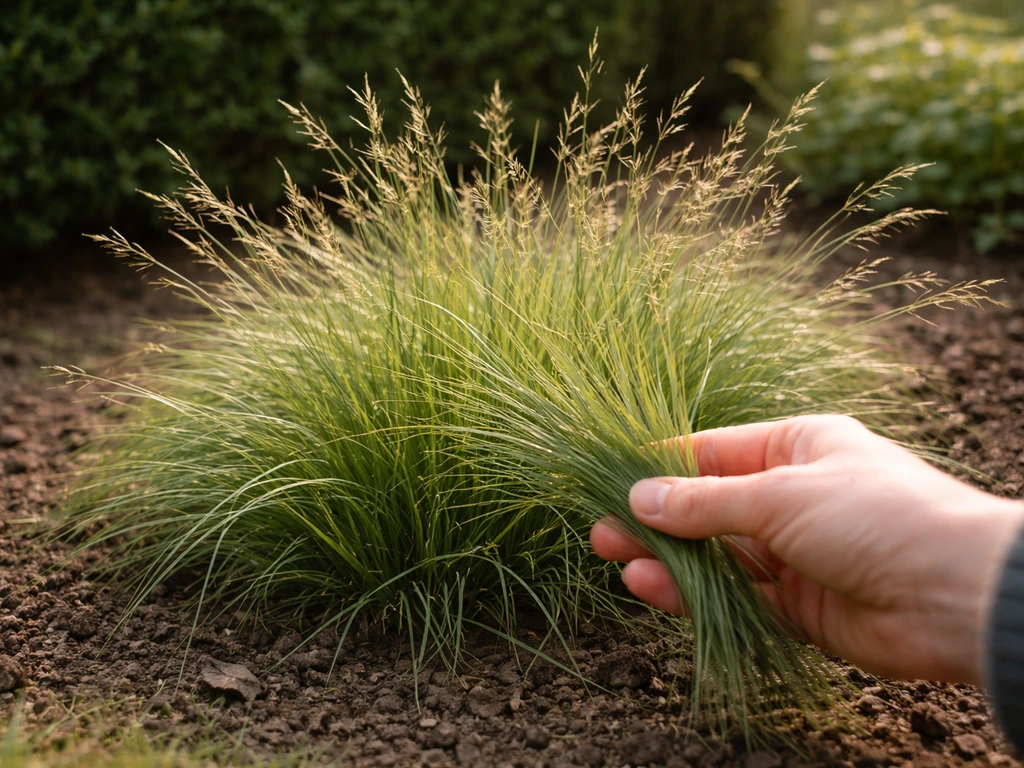
There's a secondary layer of confusion worth flagging: the common name "sweetgrass" occasionally gets applied to other fragrant or meadow grasses in casual use, and older botanical literature lists the plant under slightly different genus names due to historical taxonomic reshuffling. For practical purposes, what you want is Hierochloe odorata. Check the Latin name on any packet or plant label before you commit, because buying the wrong species is one of the most common reasons people end up disappointed.
Short answer: yes, it grows in the UK
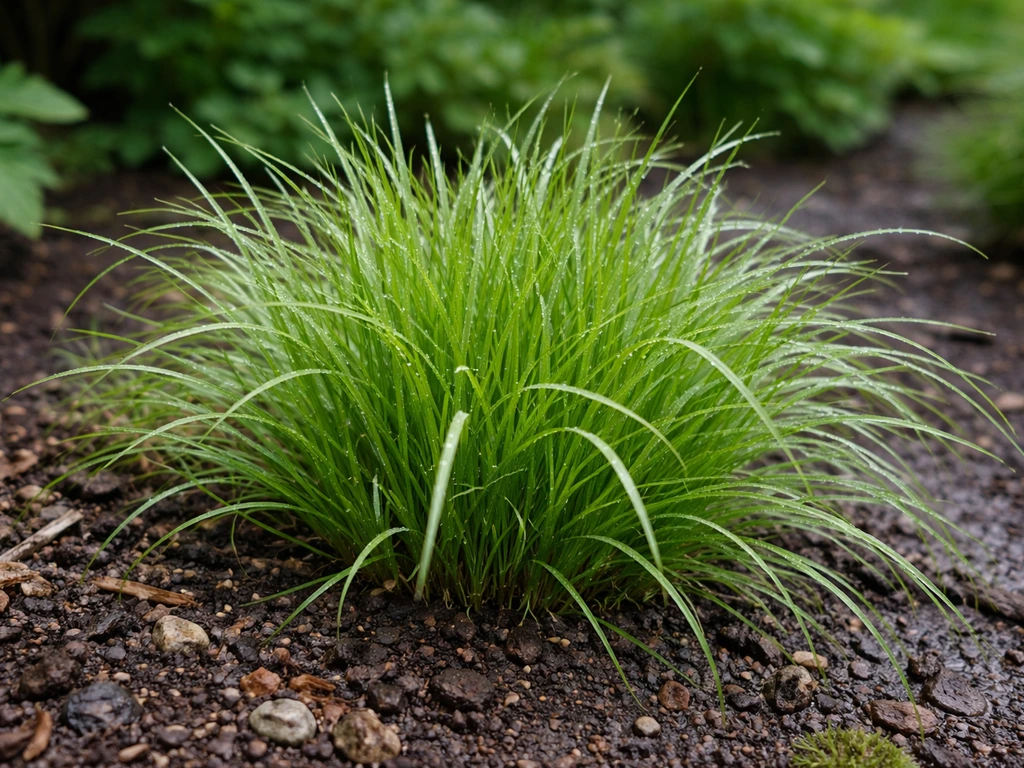
Sweetgrass (Hierochloe odorata) can absolutely be grown in the UK, and it's hardy enough for most of the country. If you are asking about mullein specifically, it is usually classed as a different plant and not the same sweetgrass species discussed here. Milkweed is a different plant group, so the key question is whether the right milkweed species can survive UK winter conditions mullein. The RHS rates it at H5 to H6, which means it can handle temperatures down to -15°C and in some cases as low as -20°C. That covers even the colder parts of Scotland without any special protection. It's not a tender exotic that needs coddling through winter. The real obstacles are not cold temperatures but soil drainage, soil pH, and the slow establishment phase, which catches a lot of people out.
Regionally, the plant is most at home in the wetter, cooler parts of the UK: Scotland, Northern England, Wales, and the wetter parts of the West Country. These areas naturally match its preference for consistent moisture. It does exist as a rare native or naturalised plant in a handful of Scottish coastal and marsh locations, so those growing conditions are genuinely close to ideal. In drier parts of the South and East of England, it can still work but you'll need to manage moisture more carefully, especially during dry spells in May through August.
What the UK climate actually needs to offer
Temperature and winter cold
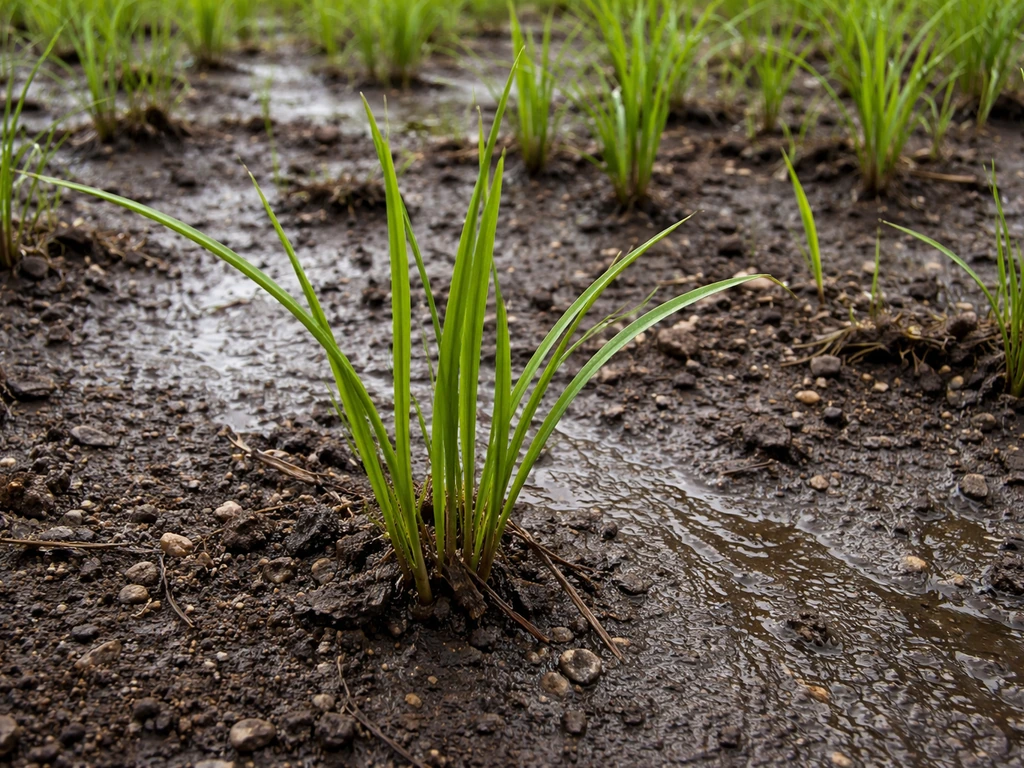
As mentioned above, the cold tolerance is not your problem here. Even an H5 rating (-15 to -10°C) is more than enough for the vast majority of UK winters. The plant is rhizomatous and dies back above ground in winter, re-emerging from underground stems in spring. What can cause winter losses is not cold air temperature but a combination of cold and waterlogged soil, where the rhizomes sit in stagnant wet ground over winter. That's a drainage issue rather than a temperature issue.
Moisture and rainfall
Sweetgrass is naturally a marsh and wet meadow plant. It wants consistent moisture at the root zone, but not standing water. Think moist rather than boggy. The UK's average rainfall suits it reasonably well in most regions, and the cooler, wetter west and north of the country can sustain it without much supplemental watering once established. In drier, eastern counties or during dry summers, you'll need to water regularly, particularly in the first two years while the plant is building its rhizome network.
Soil type and pH

This is where most UK growers trip up. Sweetgrass is notably sensitive to soil pH. Research from WWT Caerlaverock on wild UK populations notes the plant is rigidly restricted by pH, and American species profiles back this up. It performs best in slightly acidic to neutral soils, roughly pH 5.5 to 7.0. Very alkaline soils (common on chalk or heavy lime-amended plots) will cause problems. If your garden sits on chalk downland or you've been liming heavily, test your pH before planting. Soil texture should be loamy or sandy loam with good drainage but moisture retention. Heavy clay that holds water around the crown over winter is a recipe for rotting rhizomes. If you only have clay, improve it with grit and organic matter before planting.
How to actually grow it: site, soil, and planting
Choosing the right spot

Sweetgrass is happy in full sun or partial shade. A position that gets morning sun and some afternoon shade often works well in the UK because it keeps the soil from drying out too fast in summer. Avoid deep shade under dense tree canopy, as the plant won't thrive and fragrance production drops with reduced light. If you're in a sunnier, drier part of the country, lean toward a partially shaded spot to help retain soil moisture.
Preparing the soil
Dig in plenty of well-rotted organic matter to improve both water retention and drainage. If your soil is heavy clay, work in horticultural grit to open up the structure and prevent waterlogging at the crown. Check the pH and, if it reads above 7.5, don't try to overcorrect with large amounts of sulphur all at once. A gradual improvement over one or two seasons will work better than a rushed fix. Avoid adding lime or using alkaline compost mixes.
Pot versus in-ground growing
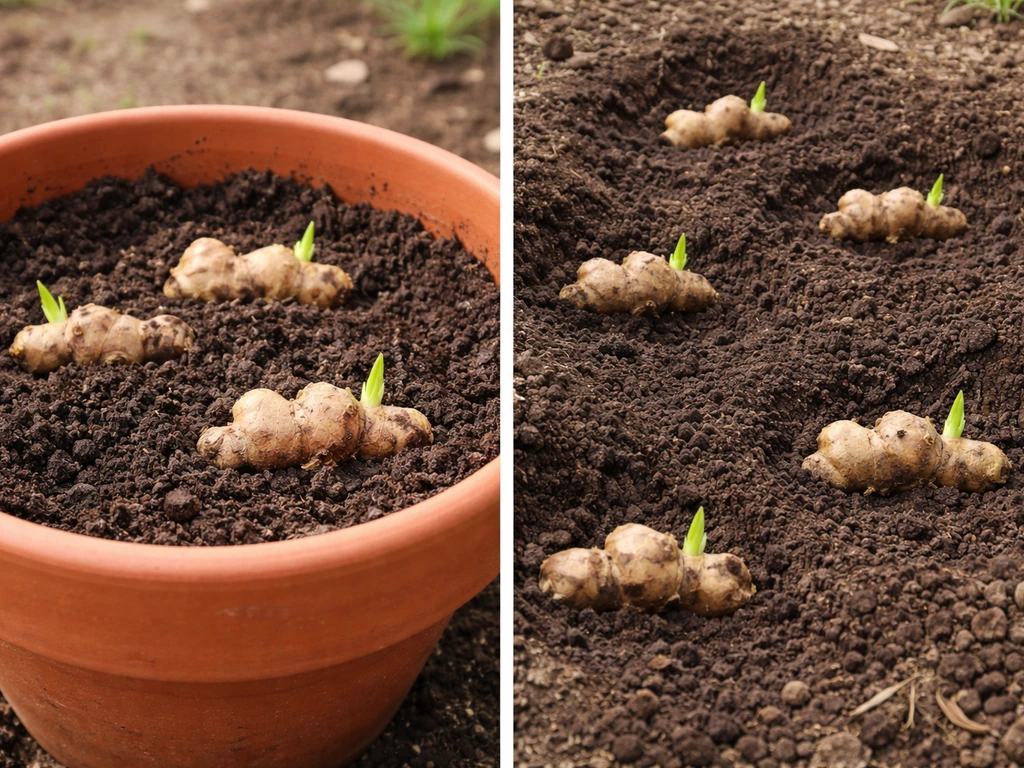
Both options work, but they suit different situations. In-ground planting gives the rhizomes room to spread, which is how the plant naturally establishes into a fragrant groundcover patch. Be aware that once established, sweetgrass spreads at roughly 60cm outward per year via underground rhizomes, and it can be difficult to remove once it takes hold. That's a feature if you want a growing patch for harvesting, but a problem if you plant it next to something you want to keep neat. Growing in a large pot (at least 30 to 40 litres) gives you control over spread, but you'll need to water more frequently and repot or divide every couple of years to prevent the plant becoming pot-bound and root-stressed.
Planting depth and spacing
Plant divisions or plugs at the same depth they were growing previously, with the crown at or just below soil level. Space individual plants around 30 to 45cm apart if planting a patch, and they'll fill the gaps over the following two to three growing seasons. After planting, water in well and mulch around (not over) the crowns to retain moisture and suppress weeds during establishment.
Seasonal guide: what to do and when
| Season | What's happening | What to do |
|---|
| Late winter (Feb–Mar) | Rhizomes dormant, new growth just starting | Prepare soil; order plugs or divisions; start cold-stratified seeds indoors |
| Spring (Apr–May) | New shoots emerging; main planting window | Plant out divisions or plugs; sow stratified seed; water in well; apply mulch |
| Early summer (Jun) | Rapid leafy growth; best fragrance period | Water in dry spells; remove competitive weeds; feed lightly with balanced fertiliser |
| Midsummer (Jul–Aug) | Growth slows in heat; harvest leaves if needed | Keep soil moist; harvest mature leaves by cutting not pulling; watch for drought stress |
| Autumn (Sep–Oct) | Growth slows; foliage may yellow | Divide overcrowded clumps; prepare new planting sites for spring; reduce watering |
| Winter (Nov–Jan) | Plant dies back above ground | Leave old stems as light frost protection; ensure drainage is good to prevent crown rot |
The most important timing note for UK growers is that spring planting (April to May) gives divisions the maximum growing season to establish before their first winter. Plants put in the ground in autumn can survive, but they haven't had time to build the rhizome mass needed to bounce back confidently, which increases the risk of losing them in a cold, wet winter.
Year-round care
Sweetgrass is not high maintenance once established, but it does need a bit of attention in the first couple of years. Watering is the main task, especially in dry summers. A thick mulch of composted bark or leaf mould around the plants helps enormously with moisture retention and also gradually acidifies the soil slightly, which suits the plant's pH preferences.
Feeding is optional but a light top-dressing of a balanced, low-phosphorus fertiliser in spring can help in poorer soils. Don't overdo it. Rich feeding pushes lush leafy growth but can reduce the coumarin concentration that gives the grass its scent. Less is more here.
Cutting back is straightforward. In late winter or very early spring, before new growth pushes up, cut the old stems down to a few centimetres above the soil. This tidies the plant and lets you see the new growth coming through clearly. Don't cut it back hard in autumn because the standing stems offer a small amount of crown protection and also provide useful habitat.
Dividing is necessary every three to four years as the clump spreads and the centre starts to look tired or bare. Dig up a section in early spring, split the rhizomes into chunks each with several shoots attached, and replant the healthiest sections. This also gives you propagation material at no extra cost.
Propagation and where to find plants in the UK
Seeds: possible but genuinely tricky
Growing sweetgrass from seed is the most difficult route. Multiple sources flag it as hard to germinate, and the specialist seed supplier Alchemy Works specifically describes it as "very difficult to grow from seed." The seeds require cold, moist stratification before they'll germinate. The recommended protocol is to mix the seeds with damp sand or vermiculite and keep them in the fridge at roughly 1 to 5°C for at least 30 days, and ideally up to 12 weeks. After stratification, move them somewhere warm (around 20°C) to germinate. Even with correct treatment, germination rates are variable. If you're starting from seed, use it as a backup option or as an experiment alongside a division purchase, not as your primary strategy.
Divisions: the recommended method
Vegetative division is by far the most reliable propagation method. If you know someone who already grows sweetgrass, a clump division in early spring is the best possible starting point. The divisions establish quickly because they're already rhizomatous, and you skip the difficult germination phase entirely. Once you have an established plant of your own, you can divide it every few years to expand your patch.
Buying plants in the UK
Several UK nurseries stock Hierochloe odorata under either "holy grass" or "sweet grass." Nurseries known to list it include Careys Secret Garden (listed at around £12 for a 2-litre pot, though availability changes seasonally), Barnsdale Gardens, Vanstone Nurseries, and Crosby Holme Grown. Availability fluctuates, so it's worth checking in late winter or early spring when nurseries update their stock lists. Searching for "holy grass" rather than "sweetgrass" will get you further faster on UK sites. Plugs or small pot-grown divisions are ideal: they establish well and give you a head start over seeds by one to two growing seasons.
Why it fails: common problems and how to fix them
Most failures with sweetgrass in UK gardens come down to a handful of repeating problems. Here's what to watch for and what to do about each.
- Wrong species: if your plant has no scent or very little fragrance, double-check the Latin name. Some sellers mislabel other grasses as sweetgrass. True Hierochloe odorata has a distinct sweet, coumarin scent when you crush a leaf.
- Poor drainage and crown rot: sitting in waterlogged soil over winter is the most common cause of plant death. Fix drainage before planting rather than after. If you're on heavy clay, raised beds or containers are a more reliable option.
- Alkaline soil: if the plant is yellowing, slow to spread, and generally sulking, check the pH. Values above 7.5 will restrict growth significantly. Lower pH gradually with sulphur chips or by mulching with acidic materials like pine bark.
- Drought during establishment: in the first year especially, dry spells will set the plant back badly. New rhizomes are shallow and vulnerable. Water deeply once or twice a week in dry conditions rather than a light daily sprinkle.
- Planting too late in the season: divisions planted in autumn don't have time to establish before winter. Stick to a spring planting window for best results.
- Seed failure: germinating from seed without adequate cold stratification almost never works. If seeds aren't germinating after four to six weeks at room temperature, they need a cold treatment. Put them in the fridge with damp vermiculite for another month and try again.
- Overcrowding: after three or four years, a patch that hasn't been divided can become congested. The centre dies out, fragrance production drops, and the plant looks ragged. Lift and divide in early spring to reinvigorate it.
What success actually looks like
When sweetgrass is doing well in a UK garden, it forms a spreading, low to mid-height mat of narrow, bright green leaves that smell unmistakably of fresh hay and vanilla when brushed or cut. Spread is gradual in the first year, more confident in the second, and noticeably expansive by year three, with rhizomes pushing out roughly 60cm in a good growing season. It's not a dramatic specimen plant but a quiet, useful groundcover with a remarkable scent.
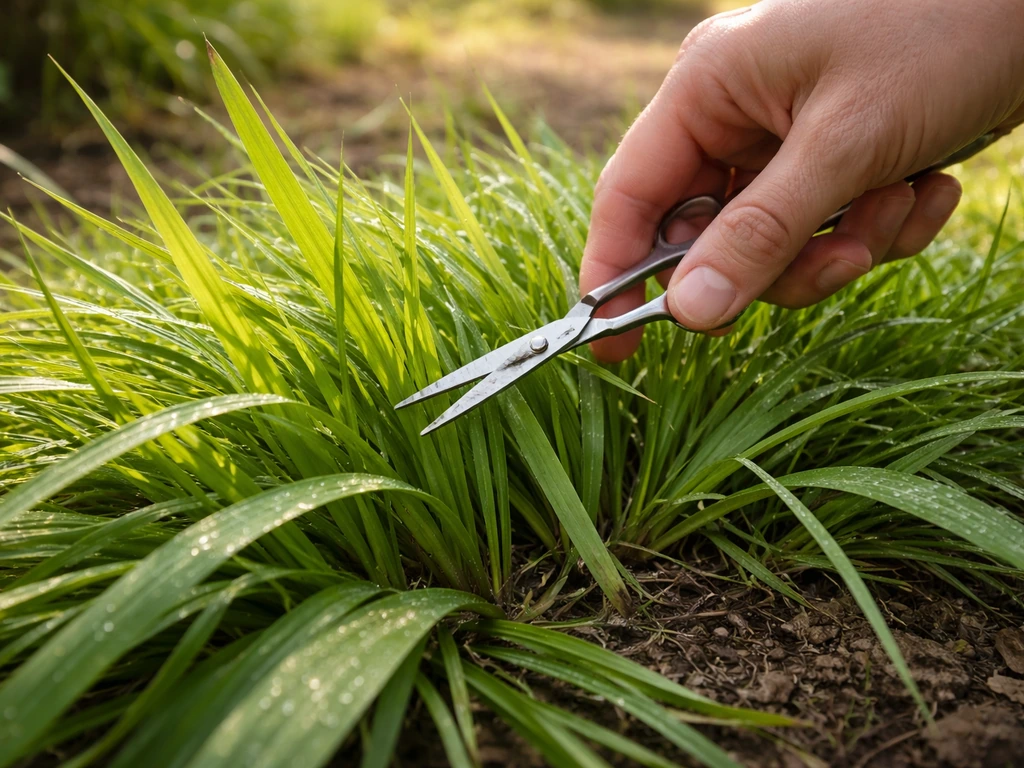
For harvesting, the leaves are best cut in midsummer when they're at their longest and the coumarin content is highest. Cut rather than pull, leaving the lower portion of the leaf intact so the plant can continue photosynthesising and recover quickly. Harvested leaves can be braided fresh or dried flat in a warm spot. The scent intensifies as they dry.
To give you an honest summary of feasibility by UK region:
| UK Region | Feasibility | Main consideration |
|---|
| Scotland (west coast, central lowlands) | Very good | Natural climate match; watch drainage not cold |
| Northern England | Good | Works well; moisture usually sufficient |
| Wales | Good | High rainfall suits it; check pH on limestone areas |
| Midlands | Moderate | Water in dry summers; improve heavy clay soils |
| South West England | Good | Mild and wet; works well in most gardens |
| South East and East England | Moderate | Drier summers require active watering; full sun sites may need afternoon shade |
| Chalk downland (any region) | Poor without intervention | Alkaline soil is the main barrier; raised beds with ericaceous-blend compost can help |
Overall, sweetgrass is a genuinely achievable plant for most UK gardeners, not a difficult exotic. If you're wondering specifically whether do fiddleheads grow in UK, the answer depends on the local type of fern and its growing conditions sweetgrass. It handles UK winters without fuss, it's available from UK nurseries, and once established it largely looks after itself. The effort front-loads into getting the soil right, buying the correct species, and keeping it watered through the first summer. Get those three things right and you'll have a fragrant, spreading patch that rewards very little ongoing work. Compare that with something like trying to grow lotus flowers in the UK, where the climate fight is constant, and sweetgrass is a straightforward win for most growers. Do poppies grow in the UK? If you are also curious about other common plants, you might be wondering when do nettles grow in the UK when do nettles grow uk. Yes, and their success depends on local conditions like sunlight and soil.