
Yes, milkweed (Asclepias) can grow outdoors in the UK, but which species you choose makes all the difference between a thriving perennial and a dead plant by March. Do poppies grow in the UK? While poppies and milkweed are different plants, you can grow hardy milkweed species outdoors across the country if you match the right conditions.
Does Milkweed Grow in the UK? Species and How to Grow It

James Hartwell
28 Jun 2026
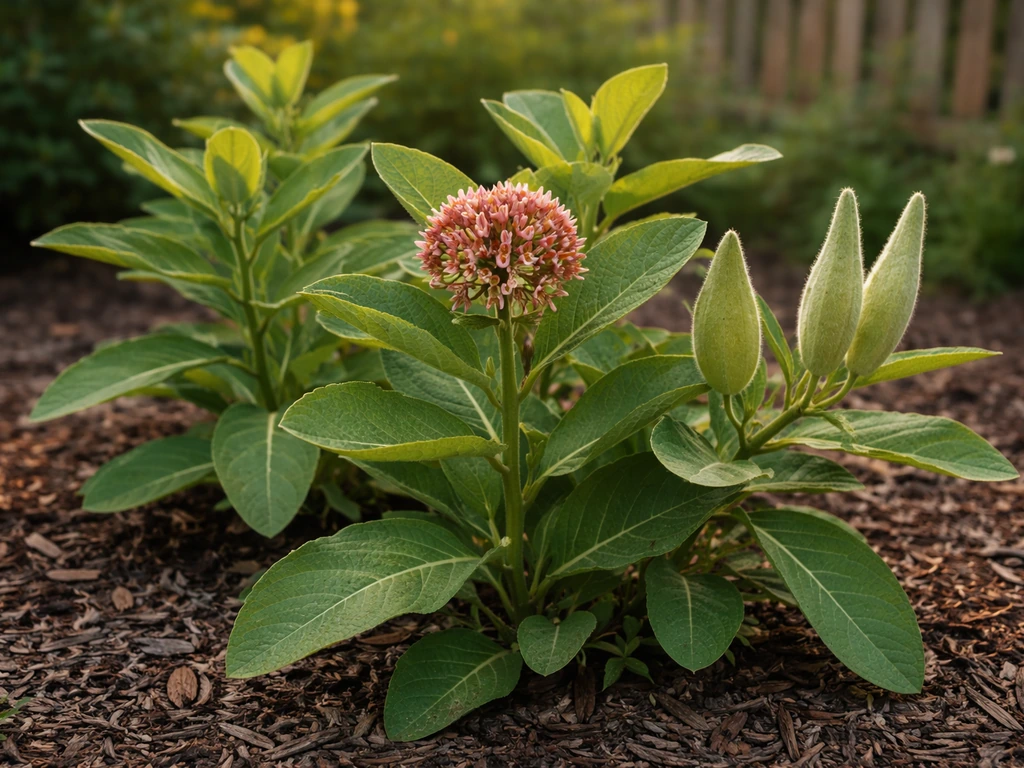
Two species in particular, Asclepias incarnata (swamp milkweed) and Asclepias tuberosa (butterfly weed), are genuinely hardy in British conditions and can be grown outside year-round. The tropical milkweeds you often see pictured online, especially Asclepias curassavica with its vivid orange-red flowers, are tender plants that need a heated greenhouse in the UK and will not survive a British winter outdoors. Stick to the hardy species and milkweed is absolutely a viable garden plant here.
Which milkweed species actually work in the UK
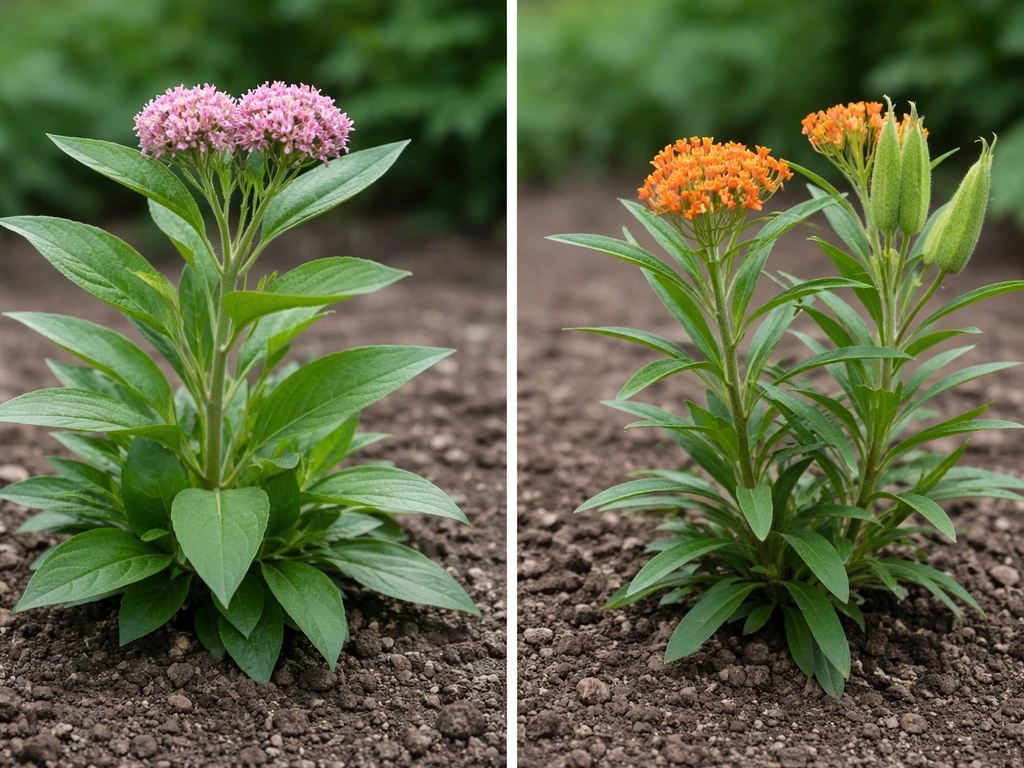
The genus Asclepias contains around 140 species, but only a handful are worth trying outdoors in Britain. Here's how they break down in honest terms:
| Species | Common Name | RHS Hardiness | UK Viability | Notes |
|---|---|---|---|---|
| Asclepias incarnata | Swamp milkweed | H6 | Excellent across the whole UK | Hardy in all of the UK and northern Europe; tolerates heavy and moist soils |
| Asclepias tuberosa | Butterfly weed | H3–H4 | Good in south/mild areas; needs care elsewhere | Hardy through most of the UK but inland, high-altitude, and northern sites need protection or shelter |
| Asclepias syriaca | Common milkweed | H5–H6 | Good to very good | Very spreading and can become invasive; worth considering if you have space |
| Asclepias curassavica | Tropical milkweed | H1c | Greenhouse only | Will not survive UK winters outdoors; treat as a tender annual or keep under glass |
| Asclepias speciosa | Showy milkweed | H4–H5 | Reasonable in sheltered spots | Less commonly available in the UK; similar needs to tuberosa |
Asclepias incarnata is the one I'd recommend first for most UK gardeners. [Its H6 rating means it's considered hardy across all of the UK](https://www. rhs. org.
uk/plants/56419/asclepias-incarnata/details), including Scotland and northern England. It dies back to the ground in winter and reappears reliably each spring. Asclepias tuberosa is beautiful, with vivid orange flowers that pollinators go absolutely mad for, but it's a bit more conditional. Burncoose Nurseries, who grow a lot of unusual plants, flag it as 'hardy through most of the UK' while noting that inland valleys, higher altitudes, and more northerly locations can be problematic.
If you're in Cornwall, the south coast, or a sheltered urban garden, you'll likely be fine. If you're in the Peak District or Aberdeenshire, expect to provide some extra protection or accept losses.
What milkweed needs to thrive in Britain
Sun and aspect
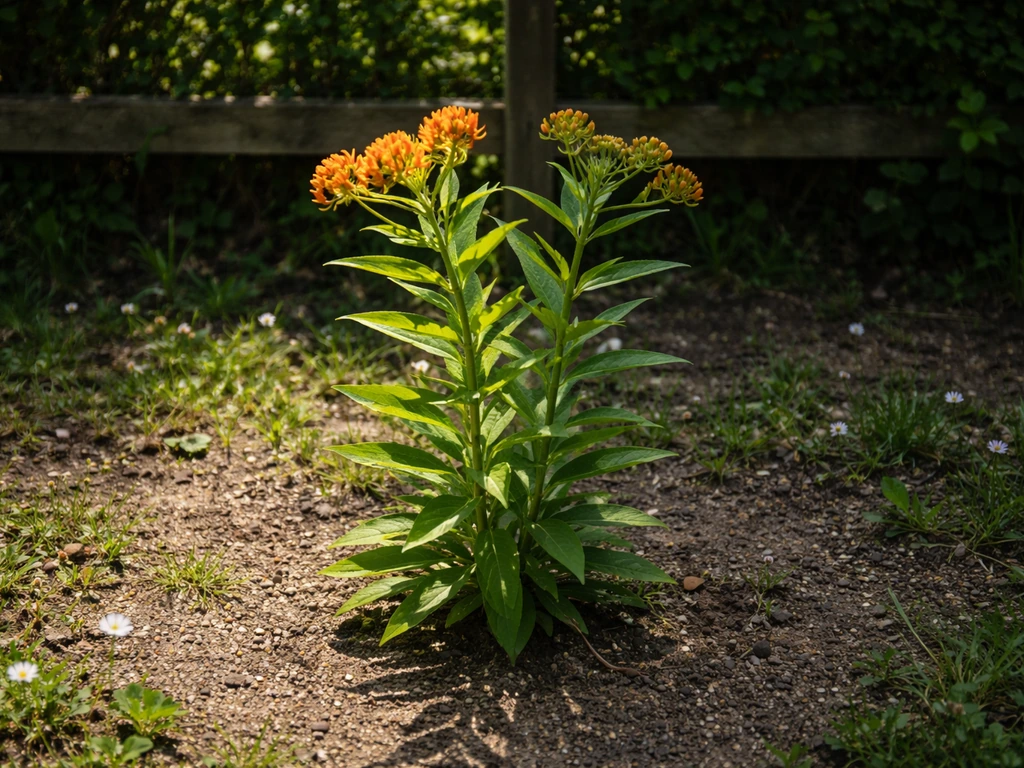
Milkweed is a sun-lover. Asclepias tuberosa in particular demands full sun and will sulk, produce fewer flowers, and become more vulnerable to disease in partial shade. Give it your sunniest, most open spot. Asclepias incarnata tolerates a bit more shade and actually prefers moist conditions, making it more forgiving in typical UK gardens where you might not have a blazing south-facing border available.
Soil and drainage
This is where most UK gardeners run into trouble with Asclepias tuberosa specifically. It wants free-draining, lean, even slightly sandy or gritty soil. Rich, heavy clay with winter waterlogging is the fastest way to kill it. The roots rot when they sit in cold wet soil through a British winter. If your soil is clay-heavy, either build a raised bed with added grit and sharp sand, or grow it in a large container using a gritty loam-based compost. Asclepias incarnata is the complete opposite: it's native to wet meadows and streamsides in North America and actually prefers moist to wet soil, which makes it far more compatible with the average UK border that doesn't drain perfectly.
Hardiness and regional differences
The UK is not a single climate, and this matters a lot with milkweed. Lotus flowers are different from milkweed, but they can still be grown in the UK if you provide warm conditions, lots of sun, and the right water setup can lotus flowers grow in uk.
The south coast, most of Wales, and sheltered urban gardens in cities like London, Bristol, and Manchester sit in a different world to exposed sites in Scotland, the Pennines, or the Yorkshire Moors. For Asclepias incarnata, these regional differences are largely irrelevant: it's tough enough to handle the lot.
For Asclepias tuberosa, a coastal garden in Devon or a sheltered London plot will give you consistent results, while a more exposed or northerly site needs you to take a few extra precautions at planting time and before winter sets in.
The RHS notes Asclepias tuberosa as hardy in the UK, with an H3 rating note that it is best suited to coastal or mild parts a coastal garden in Devon or a sheltered London plot will give you consistent results.
When and how to grow milkweed in the UK
Starting from seed
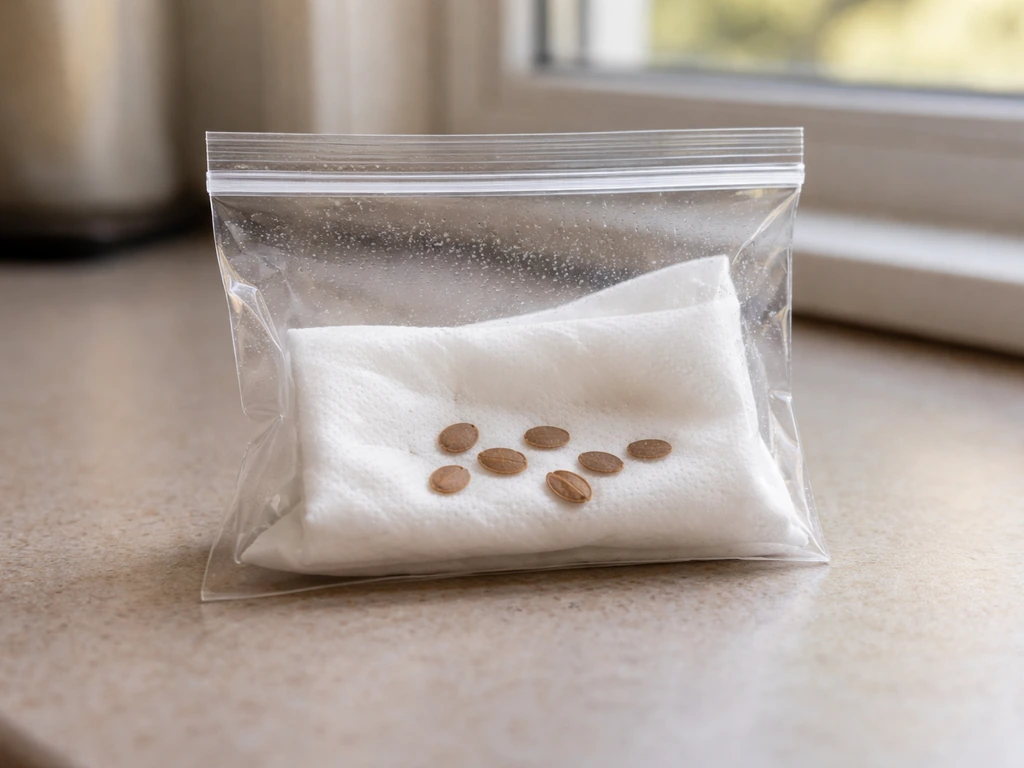
Milkweed seed germinates best after cold stratification, mimicking the natural freeze-thaw cycle it experiences in North American winters. The easiest method is to sow seeds in modules or small pots in autumn and leave them outside over winter to stratify naturally, then bring them in to germinate in early spring. Alternatively, put seeds in a damp piece of kitchen towel, seal them in a plastic bag, and pop them in the fridge for 4 to 6 weeks before sowing indoors in February or March. Germination can be slow and patchy, so don't give up too quickly. Sow at around 20°C, and expect seedlings in 2 to 4 weeks once they're warm enough.
Buying plants in the UK
Sourcing milkweed plants in the UK has become easier in recent years. The RHS sells Asclepias tuberosa through its plant centres, and specialist nurseries including Burncoose Nurseries, Chiltern Seeds, and various online wildflower suppliers stock seed and occasionally pot-grown plants. Search for both the Latin name and common name (butterfly weed, swamp milkweed) when shopping, as labelling is inconsistent. Avoid buying unlabelled 'milkweed' from general garden centres without checking the species, because you may end up with Asclepias curassavica, which is the tender tropical type that won't survive outdoors.
Planting times
Plant pot-grown milkweed outdoors after the last frost in your area. For when to grow nettles in the UK, timing depends mostly on whether you’re growing them from seed or cutting starts in spring or early summer. In southern England that's typically late April to early May. In Scotland and northern England, wait until mid-May to be safe. Milkweed is slow to emerge in spring and you'll often still be staring at bare soil in April when everything else is growing, which panics people into thinking the plant has died. It hasn't. It's just late. Mark the spot clearly so you don't accidentally dig into it.
Getting milkweed through UK winters
Overwintering the hardy species
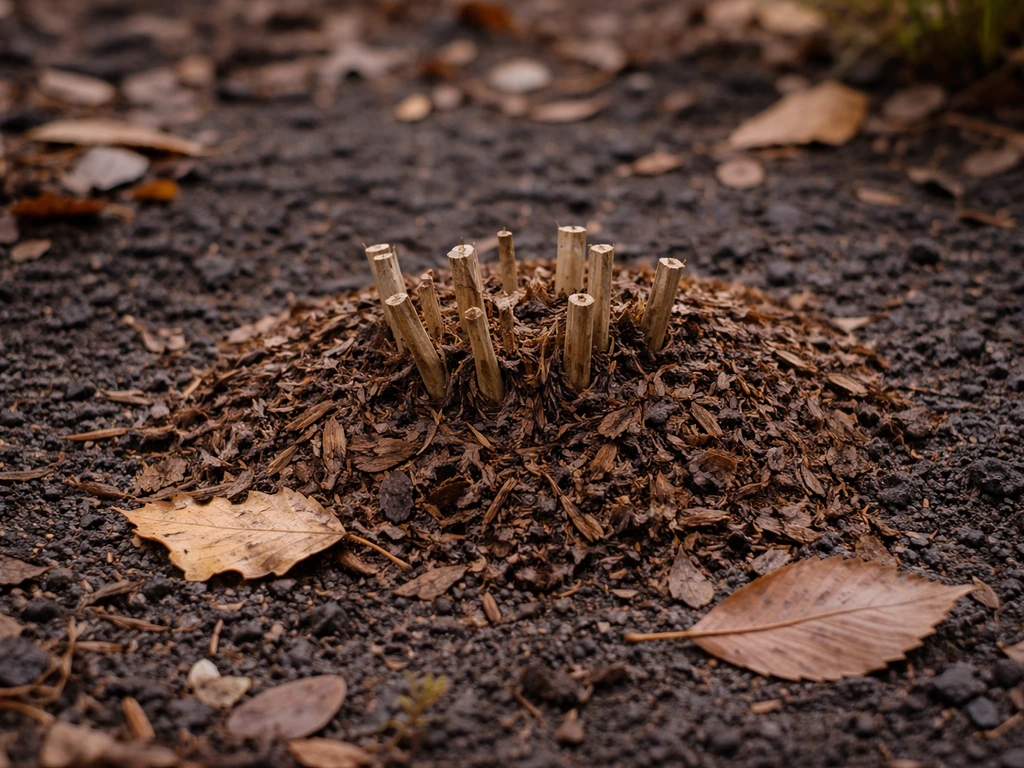
Asclepias incarnata needs almost no winter care. Cut stems back to ground level in late autumn, and the crown will overwinter happily in the soil. For Asclepias tuberosa, especially on marginal sites, add a thick mulch of dry bark, straw, or bracken over the crown before hard frosts arrive. This isn't about warming the plant: it's about preventing the freeze-thaw cycles that push the crown out of the ground and expose it. In really wet winters, a cloche or open-bottomed cold frame placed over the crown to shed excess rain is genuinely useful. Tuberosa has a deep taproot that stores energy, so even if the top of the plant is killed by cold, the root often survives and regenerates.
Pests, diseases, and the common failure points
Aphids, particularly milkweed aphids (bright yellow-orange ones), are the main pest issue. They can appear in large numbers on stems and undersides of leaves. Resist the urge to spray with broad-spectrum insecticides if you're planting for wildlife: the milkweed's whole point is to support insects. A strong blast of water, or simply leaving natural predators like ladybirds to do the work, is the better approach. Root rot from waterlogged soil is the number one killer of tuberosa in the UK. Powdery mildew can appear on incarnata late in summer, especially in dry years, but it's cosmetic and the plant recovers fine.
- Wrong species: buying tender curassavica and planting it outdoors
- Poor drainage: heavy clay soil killing tuberosa roots over winter
- Impatience: digging up the crown in spring because it's slow to emerge
- Shade: planting in a sheltered but shady spot and wondering why it's not flowering
- Skipping stratification: getting low or zero germination from unstratified seed
Supporting butterflies and pollinators with milkweed in the UK
The main reason people search for milkweed in the UK is often connected to monarch butterflies, which are famous for their relationship with Asclepias in North America. It's worth being honest here: monarch butterflies do occasionally appear in the UK as rare vagrants blown off course, but they do not breed here and you cannot create a monarch breeding habitat in a British garden. Planting milkweed specifically for monarchs is not a realistic UK goal.
That said, milkweed is an outstanding plant for UK native pollinators. The flowers produce abundant nectar and are visited heavily by bumblebees, honeybees, hoverflies, and various butterfly species including small tortoiseshells and red admirals. If your goal is a pollinator-rich planting rather than specifically monarchs, milkweed earns its place easily. Pair it with other long-blooming nectar plants to extend the season, and plant in drifts rather than single specimens to make the patch easier for insects to find.
If you're interested in building a wider wildflower and pollinator planting, it's worth knowing that other plants in this general space, including native species like common poppy and even mullein, can also be combined with milkweed in a British pollinator border for a long season of interest.
Your practical trial plan for UK milkweed
Here's how I'd approach this if I were starting from scratch in a typical UK garden this year: Fiddleheads are the young, coiled tips of certain fern fronds, and in the UK they only grow if the right fern species is present in the area.
- Start with Asclepias incarnata if your soil is average to moist, or Asclepias tuberosa if you have a free-draining, sunny border. Don't try both in identical conditions: let them tell you which suits your site better.
- Buy pot-grown plants from a specialist nursery this season (late June is still fine to plant) rather than starting from seed this year. Seed is better started in autumn or given fridge stratification the following February.
- Choose your sunniest spot. For tuberosa especially, this is not optional.
- If your soil is clay, either build a simple raised bed or grow tuberosa in a large pot (at least 30cm deep to accommodate the taproot) with a gritty loam-based mix.
- Mark the planting spot clearly in autumn before the plant dies back. This prevents accidental damage in spring.
- Mulch tuberosa in November with a 5 to 10cm layer of dry material over the crown. Incarnata needs nothing.
- In spring, don't panic when nothing appears until late April or even May. Milkweed is one of the last perennials to emerge.
- After one full season, assess: did the plant flower well, increase in size, and come back strongly? If yes, expand the planting. If not, adjust drainage, aspect, or species before adding more plants.
Best varieties and species to look for
- Asclepias incarnata 'Ice Ballet' (white flowers, very hardy, great for moister soils)
- Asclepias incarnata 'Soulmate' (pink flowers, compact form suited to smaller borders)
- Asclepias tuberosa (straight species, vivid orange, best for sunny free-draining borders)
- Asclepias tuberosa 'Hello Yellow' (yellow-flowered form, slightly more compact)
- Asclepias syriaca (common milkweed, fragrant, spreads readily so give it space or contain it)
What to check locally before you buy
Check your local frost dates and soil type before committing to tuberosa in quantity. If you're north of Manchester or at altitude above 200 metres, lean heavily towards incarnata and treat tuberosa as the more experimental option. If you're on the south or west coast, or in a sheltered urban garden, tuberosa is a straightforward choice.
Check the RHS hardiness map to get a rough sense of your zone, and ask in local gardening groups whether anyone is already growing Asclepias nearby. A single successful local example is worth more than any generalised advice, because microclimates in the UK vary enormously even within a few miles. If you are wondering whether Bermuda grass can grow in the UK, it generally struggles outdoors unless you have unusually warm, sheltered conditions Asclepias nearby.
FAQ
Can I grow milkweed outdoors in the UK, or do I need a greenhouse?
Yes, but only if you pick hardy Asclepias and plan for UK winter conditions. The tender type often sold online as “milkweed” (commonly Asclepias curassavica) will usually die back or fail outdoors, even in mild areas. Stick to Asclepias incarnata or Asclepias tuberosa for outdoor year-round growing.
My milkweed is not sprouting yet, is it dead?
Don’t judge viability by how much greenery you see in April. Both recommended UK-hardy species can be slow to emerge in spring, especially in cooler, wetter plots. Mark the planting spot, then wait, since tuberosa in particular may look like nothing is happening before warming triggers growth.
Which UK milkweed species is most forgiving for beginners?
If you want the easiest success in average UK gardens, start with Asclepias incarnata. It tolerates less-than-perfect drainage better because it naturally comes from wetter habitats, so it is less likely to fail from winter rot than Asclepias tuberosa.
What’s the fastest way to lose Asclepias tuberosa in the UK?
For Asclepias tuberosa, the biggest “kill switch” is winter waterlogging. Improve drainage before planting by using a raised bed or container with a gritty, lean mix. In a container, make sure you can see excess water draining out the bottom, and never let the pot stand in a saucer of water.
Can I grow milkweed in pots in the UK?
Yes, you can use containers, and it can actually help tuberosa in heavier clay soils. Choose a container large enough for a deep taproot (go bigger rather than smaller), use gritty compost, and water only to the extent needed in summer, then allow it to dry slightly heading into autumn.
How should I sow milkweed seed in the UK?
The reliable approach is cold stratification. For the UK, sow seeds in autumn and leave them outside over winter, or refrigerate seeds on damp kitchen towel for about 4 to 6 weeks before sowing indoors in late winter. Either way, expect patchy, slow germination and keep young seedlings warm after sowing.
Do I need to protect milkweed crowns for winter in the UK?
Once established, Asclepias incarnata is generally low maintenance in winter since it dies back and comes again. Asclepias tuberosa is different on marginal sites, so a dry mulch layer over the crown (not wet compost) before hard frosts helps prevent the freeze-thaw effects that can heave and expose the crown.
What’s the best way to deal with aphids on UK milkweed?
Avoid broad-spectrum insecticides. Aphids can build in clusters on stems and leaf undersides, but many gardeners get faster, healthier control from a strong water spray and by letting predators like ladybirds and hoverflies do their work. If the infestation is extreme, spot-treat rather than spraying the whole planting.
Will planting milkweed guarantee monarch butterflies in the UK?
Yes, but treat it as a pollinator plan, not a monarch plan. Milkweed in Britain does not create monarch breeding in UK gardens, since monarchs are rare vagrants and do not establish breeding cycles here. If your goal is conservation, the practical win is habitat for local pollinators and wider biodiversity.
How much sun does milkweed need in the UK?
To maximize flowering and reduce disease risk, put milkweed where it can get strong light. Asclepias tuberosa really benefits from full sun, while Asclepias incarnata tolerates more shade but still performs better with good light. In partial shade, tuberosa often flowers less and can struggle more.
Should I cut milkweed back in autumn, and does it differ by species?
You can, but choose the right “cut-off” point for each species. For incarnata, cutting stems back to ground level in late autumn is usually fine. For tuberosa, focus on protecting the crown and keeping the area dry, because rot risk is higher in wet winters than from mild cold alone.
Is powdery mildew on milkweed a reason to panic?
Yes, you may see diseased-looking patches like powdery mildew, especially late summer on incarnata, but it is often cosmetic and the plant rebounds. The more serious issue to watch is root rot from persistent wet conditions, which is why drainage is more important than treating mildew.
What should I do if my plant was sold as just “milkweed” in a UK store?
If you bought an unlabeled “milkweed” plant, the safest step is to re-check the Latin name on the label or receipts, since common names are inconsistent. If it turns out to be a tender tropical species, plan to treat it as a greenhouse or houseplant, not an outdoor UK perennial.
How can I make sure I bought the right milkweed for UK winters?
If you want to source correctly, search both the Latin name and the common name, butterfly weed for tuberosa and swamp milkweed for incarnata. This reduces the risk of ending up with a tender species that will not survive a British winter.
Next Article
Do Poppies Grow in the UK? Types, Planting, and Legal Tips
Find which poppies grow outdoors in the UK, how to sow, and key legal rules to stay compliant for opium poppy.