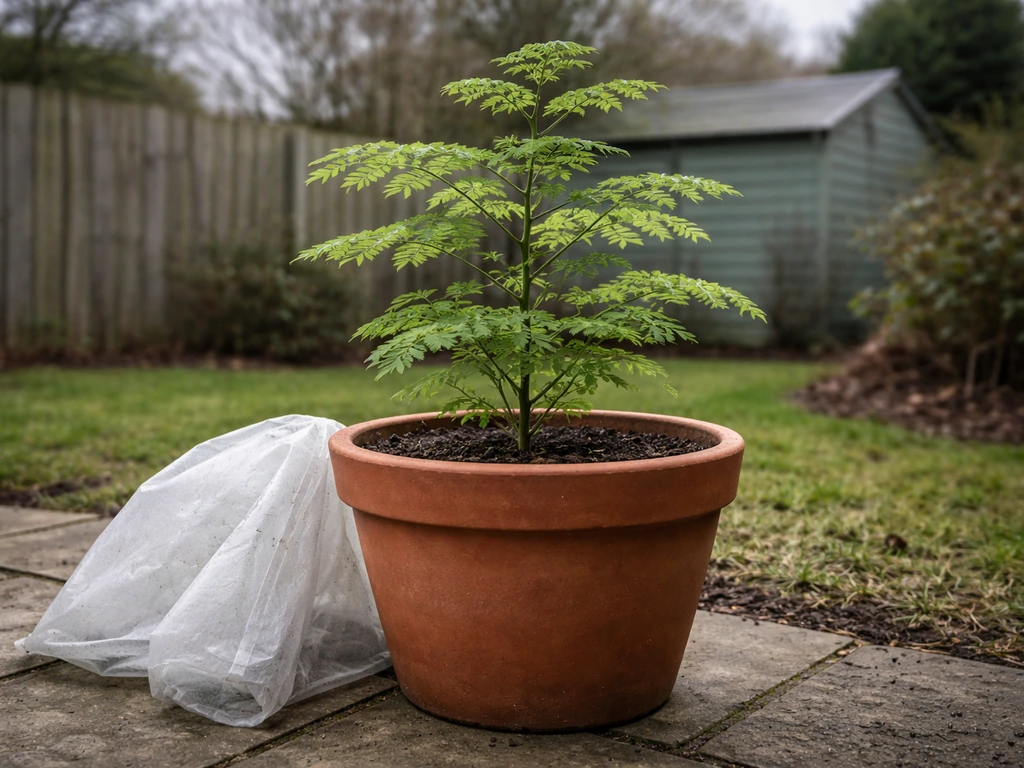
Soursop (Annona muricata) can be grown in the UK, but not outdoors in any reliable sense. It is a tropical fruit tree that needs warmth, hates frost, and will die if temperatures drop below 0°C. Your realistic options are a heated greenhouse, a warm polytunnel with supplemental heating, or a large container kept indoors. Even then, getting it to fruit takes serious effort and the right setup.
Can Soursop Grow in the UK? Conditions and How to Try
James Hartwell
17 Jun 2026
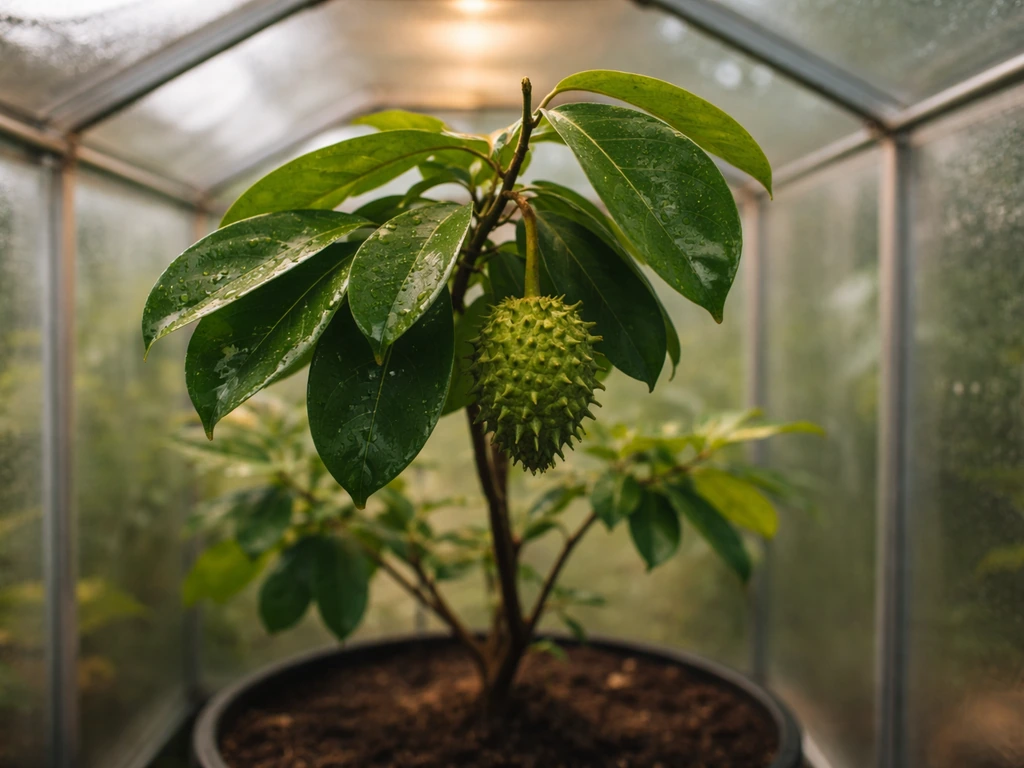
But if you are happy growing it as an exotic houseplant or greenhouse specimen, with fruiting as a bonus rather than a guarantee, it is absolutely worth attempting. If you are also wondering can you grow banyan tree in UK, the key is whether you can provide consistent warmth and light for year-round growth.
The honest verdict: indoors only for most UK growers
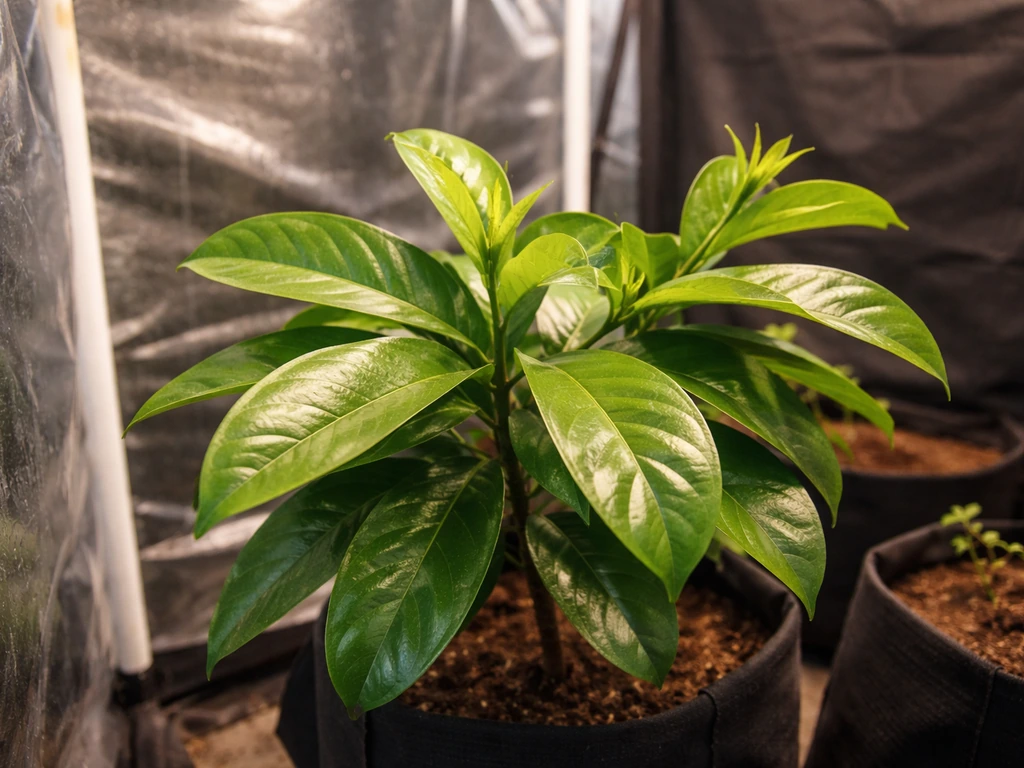
Let's be clear about what soursop is. It originates from the warm tropical regions of the Americas, grows best between 21 and 30°C, and starts showing real stress once temperatures fall below 12°C. Frost of any kind is lethal. Foliage gets damaged right around 0°C, and anything near -3.5°C causes serious tissue damage that the plant usually does not recover from. That rules out outdoor growing in virtually the entire UK, including most of the South Coast which still sees regular winter frosts.
If you are in a very sheltered urban microclimate in London or the far South West, you might manage a containerised plant on a protected south-facing wall in summer, but it still needs to come indoors before October. Mangroves can grow in the UK too, but only in the right coastal conditions such as warm, sheltered sites and very mild winters can mangroves grow in the uk.
In Scotland, the Midlands, Wales, and most of the North, outdoor growing is simply not on the table. The only paths to success are a heated greenhouse, a warm polytunnel with a heater, or growing it as a container plant that spends its winter indoors. That is the honest baseline before we get into the details.
Why UK winters are so problematic for soursop
The core issue is temperature, both the lows and the lack of sustained warmth. Soursop needs winter temperatures to stay above 10°C to stand any chance of producing fruit, and even to keep the plant healthy it should not drop below 7°C (around 45°F). An unheated greenhouse in the UK typically sits only 3 to 5°C above the outside temperature, which means during a cold January night in most of England it could easily dip to 1 or 2°C inside an unheated structure. That is not enough. You need active heating.
The UK's short winter days compound the problem. Even if you manage the temperature, the low light levels between November and February slow growth almost to a standstill. Soursop is used to consistent tropical photoperiods, and while it will not die from short days alone, it will sulk, drop leaves, and be vulnerable to root rot if you keep watering it at a summer pace. Understanding these two constraints, cold and low light, shapes every decision about how to grow it successfully.
Greenhouse and polytunnel vs indoor container growing
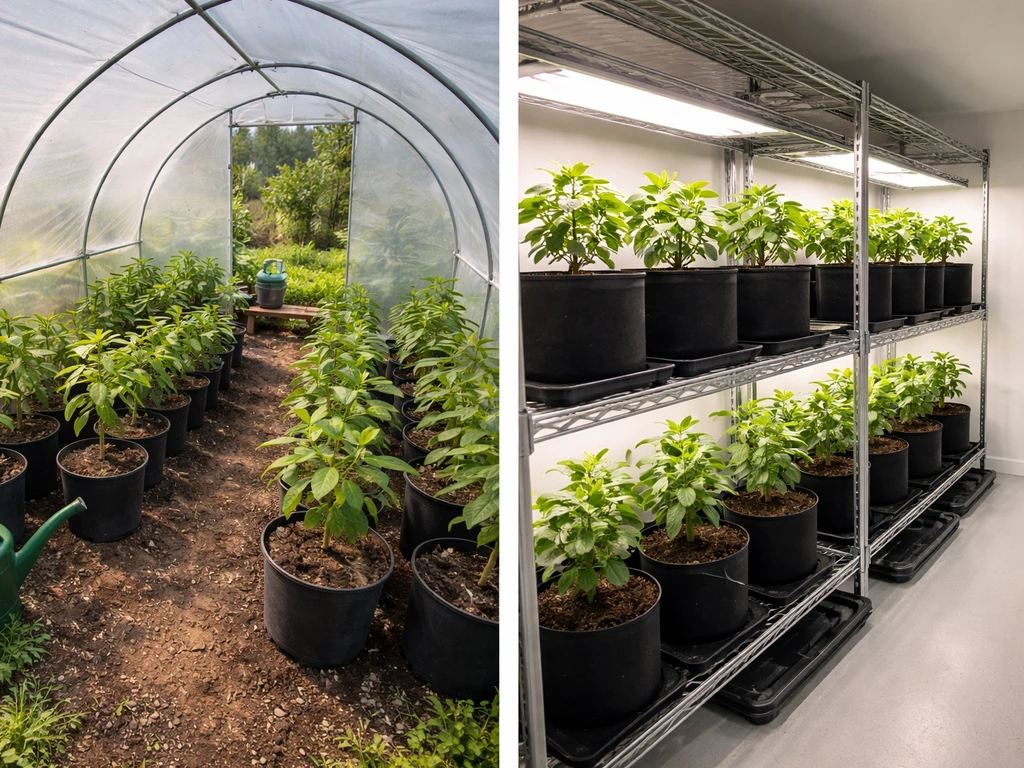
Both approaches can work, but they suit different situations. Here is a quick comparison to help you decide which route makes more sense for you.
| Setup | Pros | Cons | Best for |
|---|---|---|---|
| Heated greenhouse | More space for larger plants, better light year-round, easier temperature control | Running costs for heating can be high; needs minimum 10°C maintained all winter | Growers aiming for fruiting; those with existing heated greenhouse space |
| Heated polytunnel | Cheaper to heat than glass greenhouse, larger growing space possible | Less insulation than glass in severe cold; harder to maintain 10°C minimum in northern UK | South of England growers with good infrastructure |
| Indoor container (conservatory or warm room) | No extra heating infrastructure needed if room is kept warm, easiest setup for beginners | Limited space restricts tree size; supplemental grow lights usually needed in winter | Beginners, renters, or growers without greenhouse access |
| Unheated greenhouse | Free to run, reasonable summer conditions | Winter temps far too low; plant will die without supplemental heat | Not suitable without a heater |
My recommendation: if you are just getting started, begin with an indoor container in the warmest room you have access to, ideally a conservatory or south-facing room that does not drop below 12°C in winter. Once you know the plant and its needs, scaling up to a heated greenhouse is the logical next step if fruiting is your goal.
Planting and care through the UK seasons
Containers and potting mix
Soursop in the UK will almost always be grown in a container, which gives you the flexibility to move it. Start seeds or young plants in a well-draining mix, something like a loam-based compost with added perlite or grit to prevent waterlogging. As the plant matures, blank" rel="noopener noreferrer">repot every 2 to 3 years into a larger vessel, aiming for at least 60 cm diameter at full container size. Good drainage is non-negotiable: soursop roots are intolerant of sitting in wet soil, especially in the cooler months when root rot is a real risk.
Light
Place your plant in the brightest spot available. Indoors, that means a south-facing window without obstruction. From October through to March, the UK's short days simply do not deliver enough light for strong growth, so supplemental LED grow lights are genuinely worth the investment if you want the plant to thrive rather than just survive. In the greenhouse, position the plant to get maximum winter sun through the glass, and keep the glass clean so you are not losing any precious light.
Watering
In the growing season (broadly April to September in UK terms) water regularly, allowing the top inch or two of compost to dry out between waterings. In winter, cut back significantly. The cooler temperatures mean the plant is barely growing and the soil dries out far more slowly. Overwatering in winter is one of the most common ways to kill a soursop indoors. A useful guide for active growing periods is around 500 ml per watering session for a medium-sized container plant, adjusting up or down based on pot size and how quickly the compost dries.
Feeding
Feed with a balanced liquid fertiliser every two to three weeks during the active growing season. A fertiliser with a reasonable potassium and phosphorus content will support flowering and fruiting once the plant is mature enough. Stop feeding entirely from October through to February, when the plant needs to rest rather than push new growth it cannot sustain in low light.
Temperature targets by season
- Spring (March to May): aim for 18 to 24°C in the greenhouse or growing space; start the plant back into growth gradually
- Summer (June to August): 21 to 30°C is ideal; this is the main growing and potentially flowering window
- Autumn (September to October): start reducing watering and feeding as temperatures fall; prepare to move container plants indoors
- Winter (November to February): maintain a minimum of 10°C at all times, ideally 12 to 15°C; cut back on water and stop feeding
Keeping it alive through winter
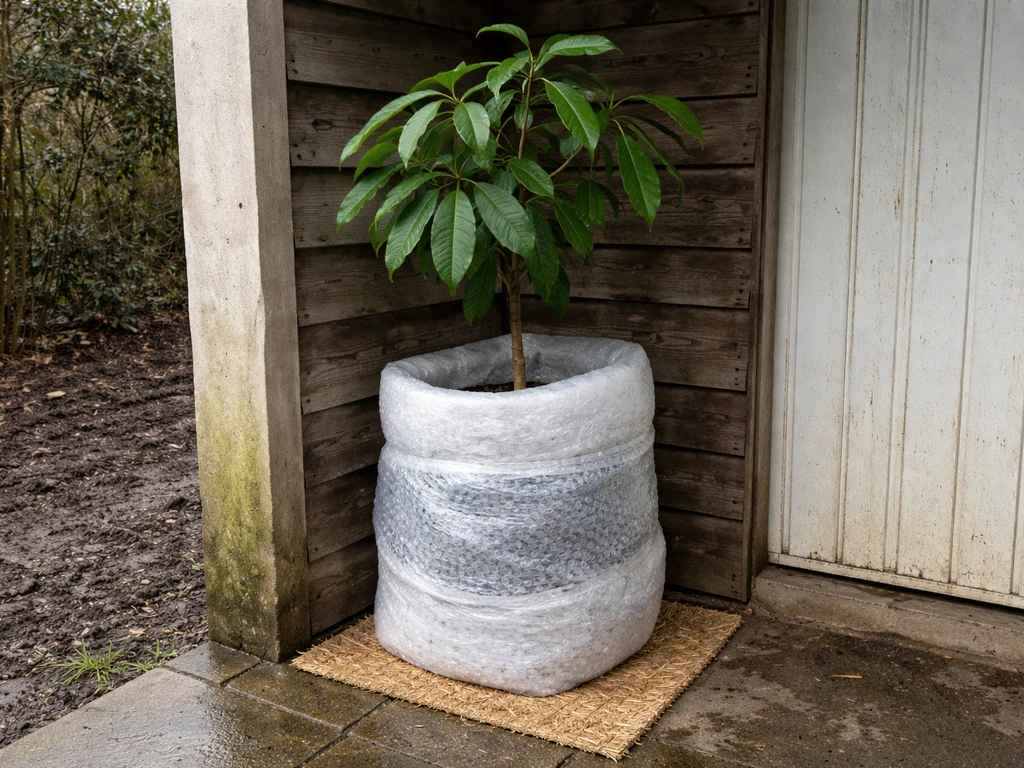
Overwintering is the biggest challenge and the point where most UK attempts fail. The key rule is simple: do not wait for cold weather to arrive before acting. Move container plants indoors or into a heated greenhouse before the end of September, certainly before the first forecast frost. If you are growing in a greenhouse or polytunnel, install a reliable thermostat-controlled heater set to cut in at 12°C so the plant never dips below that threshold even on the coldest nights.
If a cold snap catches you out and temperatures approach 7°C, wrap the plant in horticultural fleece as an emergency measure. However, fleece alone is not sufficient protection if the temperature drops to freezing. At 0°C, foliage is damaged; below -3.5°C the damage becomes severe and often fatal. Think of fleece as a last resort, not a winter strategy. If you are growing in a conservatory that might get cold on very frosty nights, a small electric fan heater on a thermostat positioned nearby can make the difference between losing the plant and keeping it.
During the winter months indoors, expect the plant to drop some leaves and look a bit sorry for itself. That is largely normal in low light and cooler conditions. Resist the temptation to water more or feed it to perk it up as that usually makes things worse. Just keep it warm, keep it in the lightest spot you have, and wait for the days to lengthen in February before you start coaxing it back into growth.
What about fruiting? Setting realistic expectations
Fruiting soursop in the UK is genuinely difficult, but it is not impossible. If you are wondering about another fruit tree, you might also ask can you grow mulberry tree in UK conditions. The main barriers are warmth, maturity, and pollination. A soursop grown from seed takes a long time to reach blank" rel="noopener noreferrer">flowering maturity: germination happens in about 30 to 40 days under warm conditions, and from there you are looking at several years before the plant is old enough to flower. Grafted plants can speed this up (grafting age is around 210 days from propagation), and if you can source a grafted specimen, that gives you a head start.
Once a plant does flower, pollination is another hurdle. Soursop flowers are protandrous, meaning the male and female parts of the same flower are not receptive at the same time. Natural pollinators in the tropics (specific beetles) are not present in the UK, so natural pollination is essentially off the table. [Hand pollination is the only realistic route, and it genuinely works: studies have shown fruit set from hand pollination in Annona species in the range of 31 to 37%.
](https://journals. ashs. org/view/journals/hortsci/42/7/article-p1534. xml) The technique involves collecting pollen when it is being shed and transferring it to the stigma of a flower in its receptive female phase, typically a day or two earlier in the flower's cycle.
It is fiddly but doable with a small paintbrush.
In short: expect a plant you enjoy growing and occasionally get flowers from. Fruit is a real but challenging bonus. If your main goal is eating soursop regularly, it is an ambitious target in UK conditions. If you are happy with the process and the novelty, this is a rewarding plant to grow. If you are also wondering about hibiscus, you can check whether does hibiscus grow in the UK under similar temperature and winter-light conditions.
Where to get started today
Seeds vs plants
Seeds are the most accessible and affordable starting point. Several UK sellers stock soursop seeds, including specialist tropical seed retailers. When you buy, check that the seeds are fresh as soursop seeds lose viability relatively quickly. To germinate: soak the seeds in water for 24 hours before sowing, then plant in a sterile, well-draining seed compost and cover lightly with vermiculite. Maintain a temperature of 25 to 30°C consistently (a heated propagator is ideal) and expect germination in 30 to 40 days. Some growers also lightly scarify the seed coat with sandpaper before soaking to speed up water uptake and germination.
Young plants and occasionally grafted specimens are harder to find in the UK but do appear through specialist tropical plant nurseries and online marketplaces. A grafted plant is worth seeking out if you are serious about fruiting, since it skips years of juvenile growth. Wherever you source it, make sure the plant has not been chilled during transit as even a few hours below 10°C can stress young soursop significantly.
Realistic timeline from seed to possible fruiting
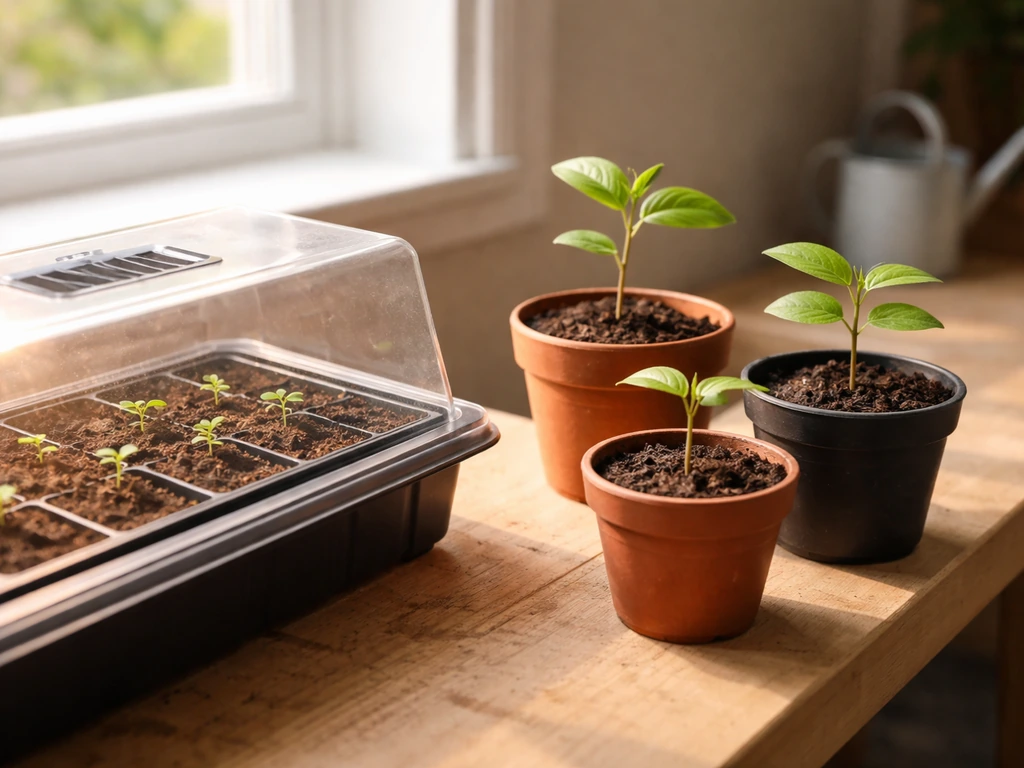
- Sow seeds in heated propagator (25 to 30°C): germination in 30 to 40 days
- Transplant seedlings to small containers: around 60 to 90 days from sowing
- Grow on indoors or in heated greenhouse through first winter: keep above 12°C
- Continue growing and repotting over years 2 to 4, increasing container size gradually
- First flowers possible from year 3 to 5 for seedlings (sooner for grafted plants); hand-pollinate to attempt fruit set
- Fruit development, if successful, takes around 30 weeks from pollination in tropical conditions; expect this to be slower in UK conditions
It is a long game, no question. But soursop is a genuinely striking plant with large glossy leaves and interesting flowers, and it is a satisfying challenge for anyone who enjoys pushing the boundaries of what UK growing conditions can support. If you enjoy growing other tricky tropicals, you will likely find soursop fits right into that mindset. Other ambitious tropical projects like moringa, neem, and bananas face similar constraints around frost and winter warmth, so if you are already managing those, you have most of the knowledge and infrastructure you need to give soursop a proper go.
FAQ
Can soursop survive UK winter outdoors if I use fleece or a cloche?
In almost all UK locations, no. Fleece and cloches can slow heat loss, but they do not prevent lethal frost damage if temperatures reach 0°C or below (and around -3.5°C tissue damage becomes severe). Treat outdoor survival as unrealistic, even in a sheltered spot, unless you have genuine frost protection plus active heat.
What winter temperature should I aim for if my goal is fruit, not just keeping the plant alive?
For a realistic chance of healthy growth and any flowering progress, keep the plant consistently above 10°C in winter, with 12°C as a safer control target for heated setups. Allowing the pot to cool briefly is less damaging than letting it sit near freezing for several hours, so thermostat control matters.
How much light does a UK indoor soursop actually need in winter?
Bright south windows help, but between roughly November and February growth is usually weak without supplemental light. A practical approach is to run LEDs for about 8 to 12 hours per day (adjust to your setup), and watch for signs like persistent leaf drop or pale new growth that suggest you still lack intensity.
My soursop drops leaves in winter. Is that normal or is it a problem?
Some leaf loss and a dull, tired look is common in UK winter conditions because light is limited and the plant slows down. The key check is moisture, if the compost stays too wet it can trigger root rot. If leaves drop but the pot is relatively dry between waterings, it is usually manageable.
How do I avoid overwatering when soursop is cool and not growing?
Water only after the top layer dries out, then water thoroughly but let excess drain away completely. In winter, the interval usually stretches a lot longer than summer, and pots that do not drain well are the biggest risk. If in doubt, wait an extra day and re-check moisture.
What pot size should I use for container growing in the UK?
Start medium for the plant size you have, then scale up gradually. Aim for roughly 60 cm diameter at full size as a target, but repotting too aggressively can keep compost wet for longer and increase root rot risk in winter.
Should I repot soursop in spring only, or can I do it in winter?
Repot in the active season (spring into summer). Moving roots during winter rest often leads to stress, slower recovery, and higher chances of rot if temperatures or light are low. If you must repot due to a problem, prioritize speed and use a well-draining mix, then keep it warm and bright.
Can I grow soursop in a conservatory without a heater?
Sometimes you can keep it alive, but many conservatories still experience cold nights and short winter days. If winter temperatures in your conservatory dip near 10°C, you will likely struggle, and if they approach freezing you should plan for supplemental heat. Monitoring overnight lows with a thermometer is the easiest way to decide.
Is hand pollination really necessary in the UK, and when should I do it?
Yes, because the natural pollinators found in the tropics are not present in the UK. Pollinate by timing the transfer of fresh pollen to the receptive female stage, typically within the flower’s early cycle, and repeat across multiple flowers because fruit set depends heavily on correct timing and flower health.
How many flowers or fruits should I expect after hand pollination?
Even when timed correctly, fruit set is not guaranteed. Plan for partial success, and treat it as a numbers game, pollinating several flowers across days to improve odds. Also note that a plant may need several seasons of stable warmth and light before flowering becomes reliable.
Are seeds or grafted plants better for fruiting in the UK?
Grafted plants usually have a big advantage because they can skip years of juvenile growth, bringing flowering forward. If you go from seed, expect a much longer wait before you see flowers, and make sure the seedling has truly warm, stable conditions during establishment.
When buying seeds or young plants, what should I check for on arrival?
Check that the plant or seeds have not been chilled during shipping. Even short exposure below about 10°C can slow or stress young soursop, so prioritize quick transit and packaging that stays warm. For seeds, confirm freshness because viability declines relatively quickly.
What common mistakes kill UK-grown soursop even with heating?
Most failures come from one of three issues: temperatures dropping too low during winter nights, insufficient light leading to weak growth (and then poor recovery), and persistent overwatering in cool months. Good drainage and a thermostat-based heating plan reduce the odds of losing the plant dramatically.
Next Article
Does Moringa Grow in the UK? How to Grow It Successfully
Can moringa grow in the UK? Learn climate limits, container growing, winter protection, and a seasonal care plan.