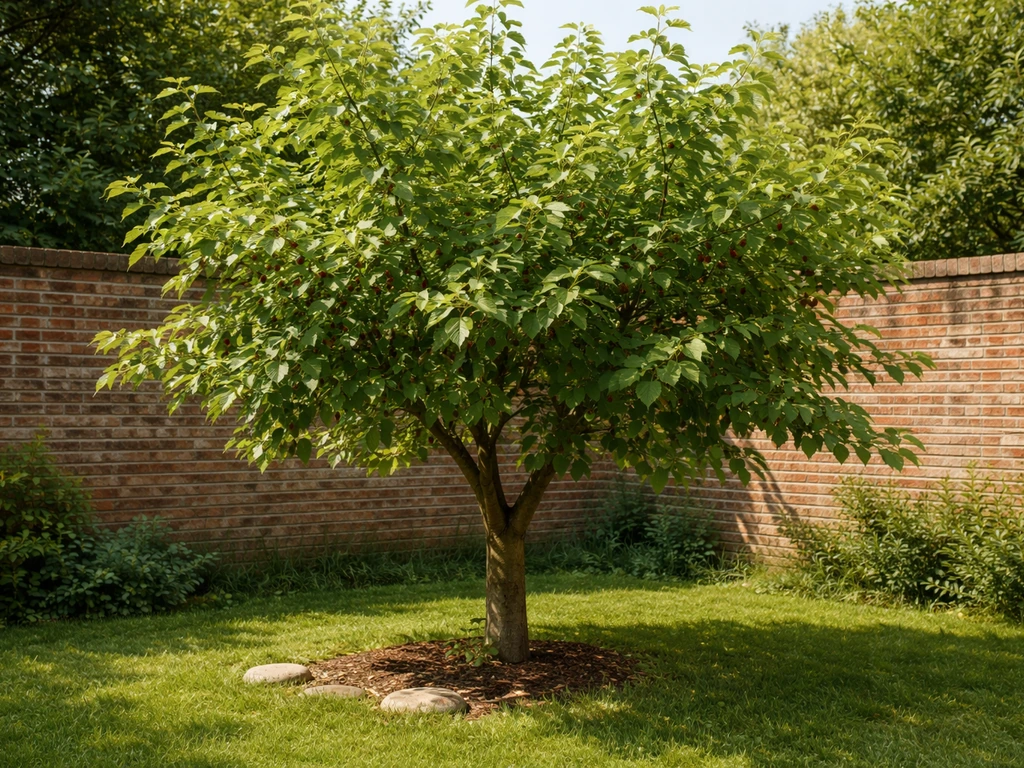
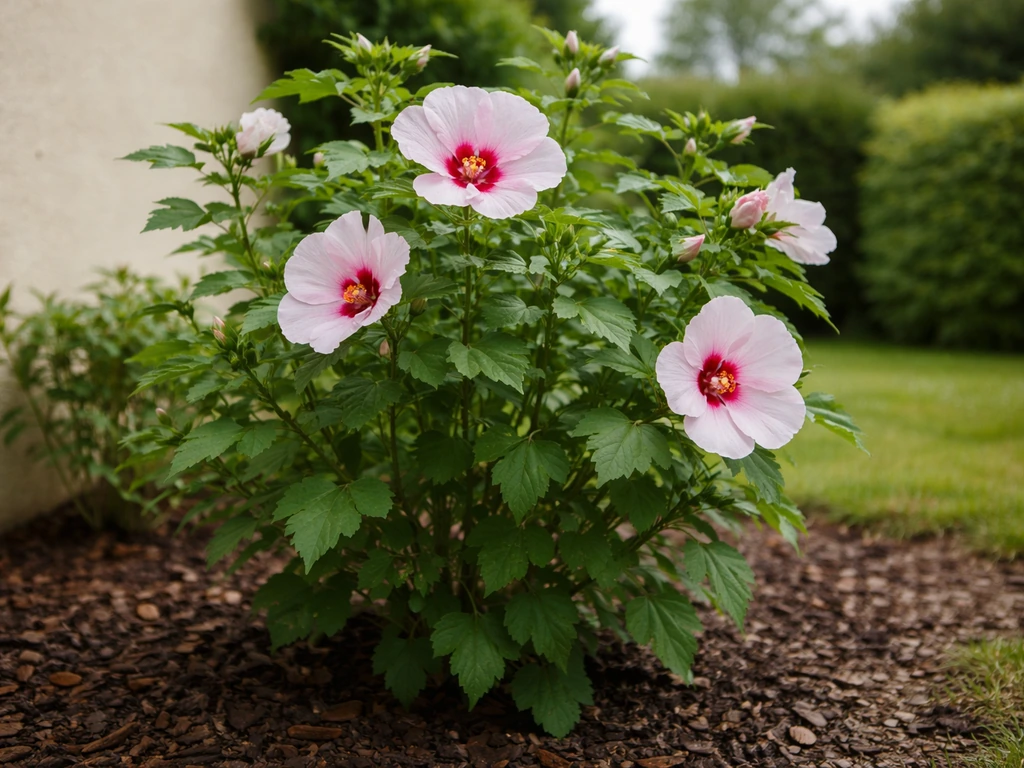
Yes, hibiscus can grow in the UK, but the honest answer depends entirely on which type you're talking about. If you're also wondering, can you grow banyan tree in UK, the answer depends heavily on your local temperatures and whether you can protect it from cold. Hardy hibiscus (Hibiscus syriacus, sometimes called Rose of Sharon) will happily live outside year-round in most of England and Wales, flowering reliably every summer with minimal fuss.
Does Hibiscus Grow in the UK? How to Grow It Successfully

James Hartwell
2 Jun 2026
Tropical hibiscus (Hibiscus rosa-sinensis, the glossy-leaved one with the enormous blooms) is a different story: it needs frost-free overwintering and really only works outdoors in the UK during the warmest months. Get those two types muddled up and you'll either be pleasantly surprised or deeply disappointed come October.
Hardy vs tropical hibiscus: which one is right for your garden
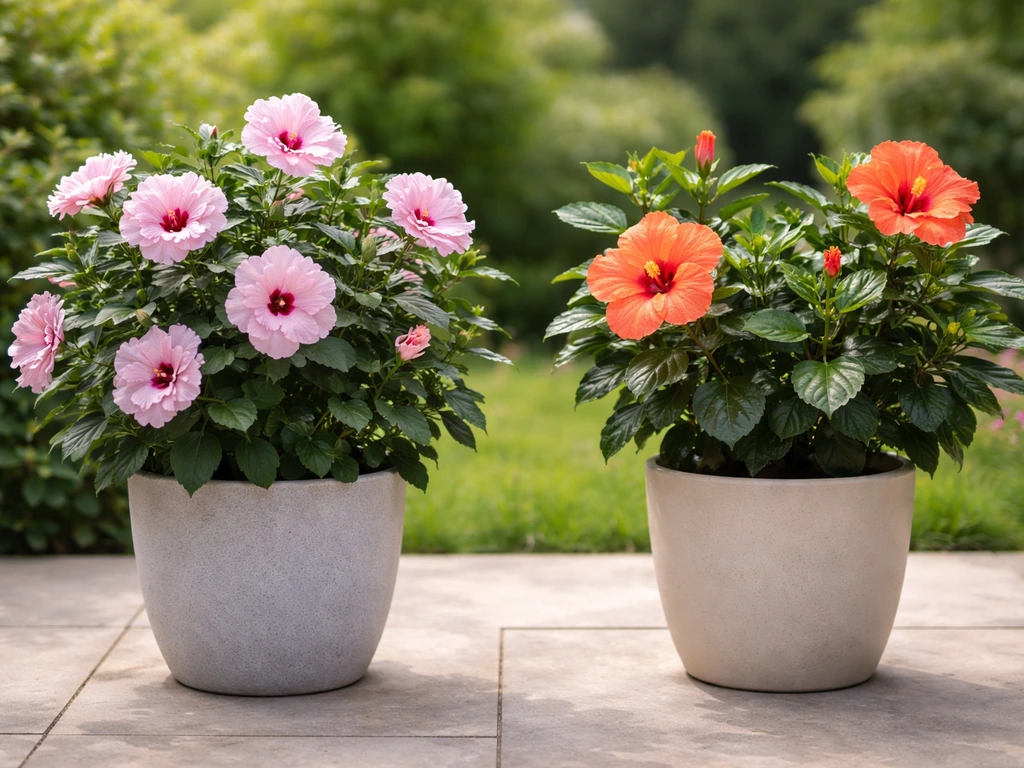
This is the single most important decision you'll make, so it's worth taking a moment to get it straight. The two main species UK gardeners encounter are Hibiscus syriacus and Hibiscus rosa-sinensis, and they behave completely differently in British conditions.
Hibiscus syriacus (hardy hibiscus / Rose of Sharon)
This is the one to go for if you want a proper outdoor shrub that looks after itself. Hibiscus syriacus is genuinely cold-tolerant, fully hardy across most of the UK, and flowers from late summer into autumn when most garden shrubs have given up. It's a slow grower and can take a couple of years to settle in and flower freely, but once established it's reliably tough. You'll find single and double-flowered varieties in whites, pinks, purples, and bicolours. It's the realistic choice for most UK gardeners, including those in the Midlands and north of England.
Hibiscus rosa-sinensis (Chinese hibiscus / tropical hibiscus)
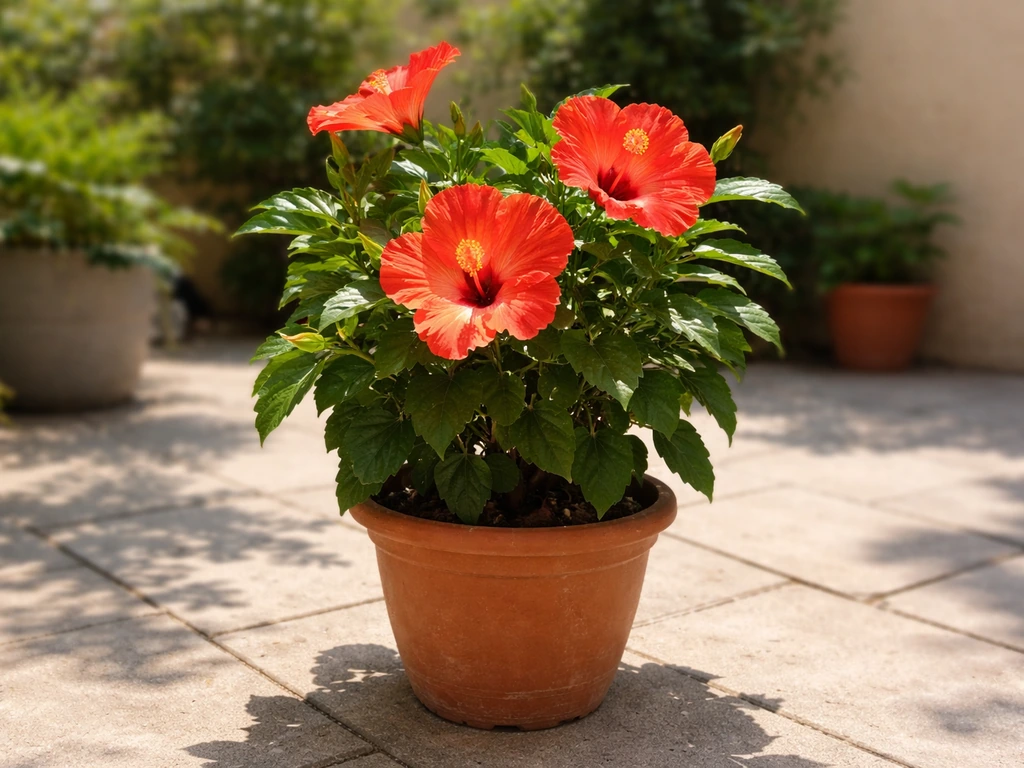
This is the show-stopping tender plant you see in florists and garden centres every summer, with huge blooms in vivid reds and oranges. It cannot tolerate frost at all, and outdoors it needs a minimum night temperature of around 7°C to stay healthy. In practice, that means it's a patio container plant in the UK: outside from roughly late May to early September, and somewhere frost-free for the other seven months. If you're prepared for that level of commitment, you can absolutely grow it. If you want something to plant in the border and forget, stick with syriacus.
| Feature | Hibiscus syriacus (hardy) | Hibiscus rosa-sinensis (tropical) |
|---|---|---|
| UK outdoor hardiness | Fully hardy in most of UK | Tender – frost will kill it |
| Winter care needed | Minimal (mulch in cold regions) | Must be brought indoors or into frost-free space |
| Flower season (UK) | Late July to October | June to September (outdoors), year-round indoors if warm enough |
| Flower size/colour | Medium, elegant (white, pink, purple, blue) | Large, bold (red, orange, yellow, pink) |
| Suitable for borders | Yes | Container only (UK outdoor use) |
| Effort level | Low once established | High – moving, overwintering, humidity management |
| Best for | Most UK gardeners | Enthusiasts with greenhouse or large windowsill space |
If you're choosing between them, go with Hibiscus syriacus unless you genuinely have indoor overwintering space and enjoy the challenge. The tropical one rewards patience but it's a real commitment in a British climate.
Where to plant hibiscus in the UK
Sun and shelter
Both species want full sun and a sheltered position. In the UK that's not always easy to find, but it's non-negotiable if you want flowers. Hibiscus syriacus flowers on new growth, and it needs warmth and light to push that growth reliably. A south- or west-facing wall is ideal and can make a big difference, especially in the Midlands, north of England, and Scotland, where summers are shorter and cooler.
The wall acts as a heat store, extending the effective growing season and giving the plant the warmth it needs to set buds. In the south of England and along the south coast, you have more flexibility, and plants in more open positions tend to perform reasonably well in a decent summer.
Soil and drainage
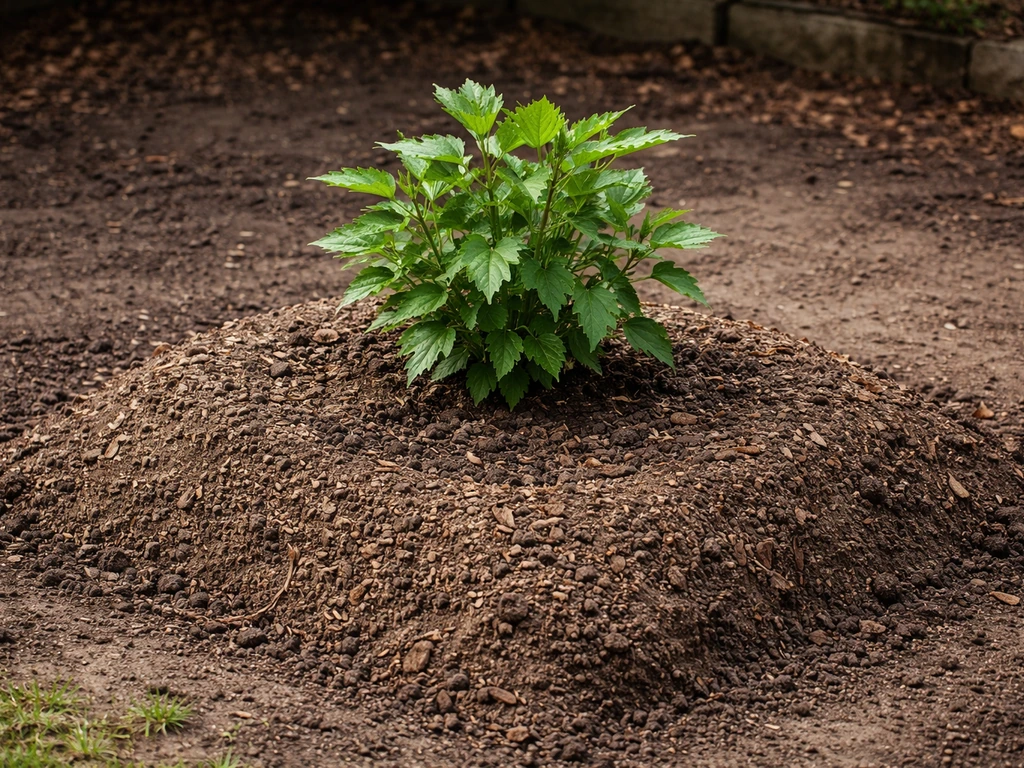
Hibiscus syriacus wants moist but well-drained soil. Heavy clay that waterloggs in winter is a real problem, particularly for younger plants. If your soil is clay-heavy, improve it with grit and well-rotted organic matter before planting, or consider raising the bed slightly. For Hibiscus rosa-sinensis grown in containers, use a peat-free multipurpose compost with extra perlite for drainage. Both species prefer neutral to slightly acidic soil (around pH 6.0 to 7.0). Waterlogged roots lead to rot, and root rot in hibiscus often shows up first as yellowing leaves or sudden wilting even when the soil looks damp, which is a sign to check whether the roots are brown and mushy rather than firm and white.
Regional reality check
The UK isn't one climate. If you're in Cornwall, the Isle of Wight, or coastal Sussex, you can push things further than someone gardening in Edinburgh or the Peak District. In warmer southern regions, Hibiscus syriacus in a sheltered spot will flower abundantly from July onwards. In Scotland or at altitude in northern England, you'll still get flowers but later in the season, and a cold early autumn can cut the display short. Tropical hibiscus in Scotland is essentially an indoor plant with summer holidays outside. Be honest with yourself about your microclimate before investing in plants or containers.
When to plant and what to do when
Timing matters a lot with hibiscus in the UK, particularly because the growing season is short and these plants flower late. Here's a practical calendar to work from. Yes, moringa can grow in the UK, but only if you grow it in a warm, frost-free setup or keep it indoors during colder months.
| Month(s) | Task |
|---|---|
| February to early March | Prune previous season's growth on Hibiscus syriacus and rosa-sinensis to create a framework for new flower-bearing shoots |
| March to April | Bring overwintered rosa-sinensis into brighter light; begin light watering as growth resumes |
| Late May (after last frost) | Move tropical hibiscus containers outside to a sheltered sunny spot; plant out syriacus from pot if buying now |
| June to August | Feed both types regularly; water consistently; enjoy the flowers from late July onward (syriacus) |
| September | Watch night temperatures; bring rosa-sinensis in before temperatures drop below 10°C |
| October to November | Apply mulch around base of syriacus in colder regions; store tropical hibiscus in frost-free, bright location |
| November to February | Minimal watering for overwintering rosa-sinensis; keep frost-free above 7°C; reduce feeding |
If you're planting a new Hibiscus syriacus in the ground, late spring (May) is ideal so the roots have a full growing season to establish before their first winter. Container-grown plants from garden centres can go in from April onwards if frosts have passed in your area, but protect with fleece if a cold snap is forecast.
Watering, feeding, and pruning for more flowers
Watering
Hibiscus needs consistent moisture during the growing season but hates sitting in wet soil. For container-grown tropical hibiscus, water thoroughly and then let the top couple of centimetres of compost dry out slightly before watering again. In summer heat, containers can dry out fast, so check daily. For Hibiscus syriacus in the ground, watering is mainly needed in the first couple of years while the roots establish, and during prolonged dry spells. Once established, it's fairly drought-tolerant for a UK garden plant. Cut back watering sharply for overwintering tropical hibiscus: just enough to prevent the compost drying out completely.
Feeding
Both types are hungry plants when flowering. From June through August, feed with a high-potassium liquid feed (tomato feed works perfectly) every two weeks for container-grown hibiscus. For Hibiscus syriacus in the ground, a balanced slow-release granular fertiliser applied in spring is usually sufficient, topped up with a liquid potassium feed once or twice in July. Stop feeding entirely in September to let the plant harden off before winter.
Pruning
Pruning is one of the most important things you can do to get more flowers from hibiscus, and the timing is specific. In February or early March, cut back the previous season's stems to create a strong framework of shorter shoots. This encourages the plant to push vigorous new growth, and it's that new growth that carries the flower buds. Don't be timid about it: a harder prune means more new shoots and ultimately more flowers.
For Hibiscus syriacus, leave a woody framework of main branches and shorten the side shoots back to a couple of buds. For Hibiscus rosa-sinensis, cut back by roughly a third to a half before you start ramping up watering and light in late winter. Avoid pruning in autumn as this can stimulate soft growth that gets damaged by cold.
Overwintering and frost protection
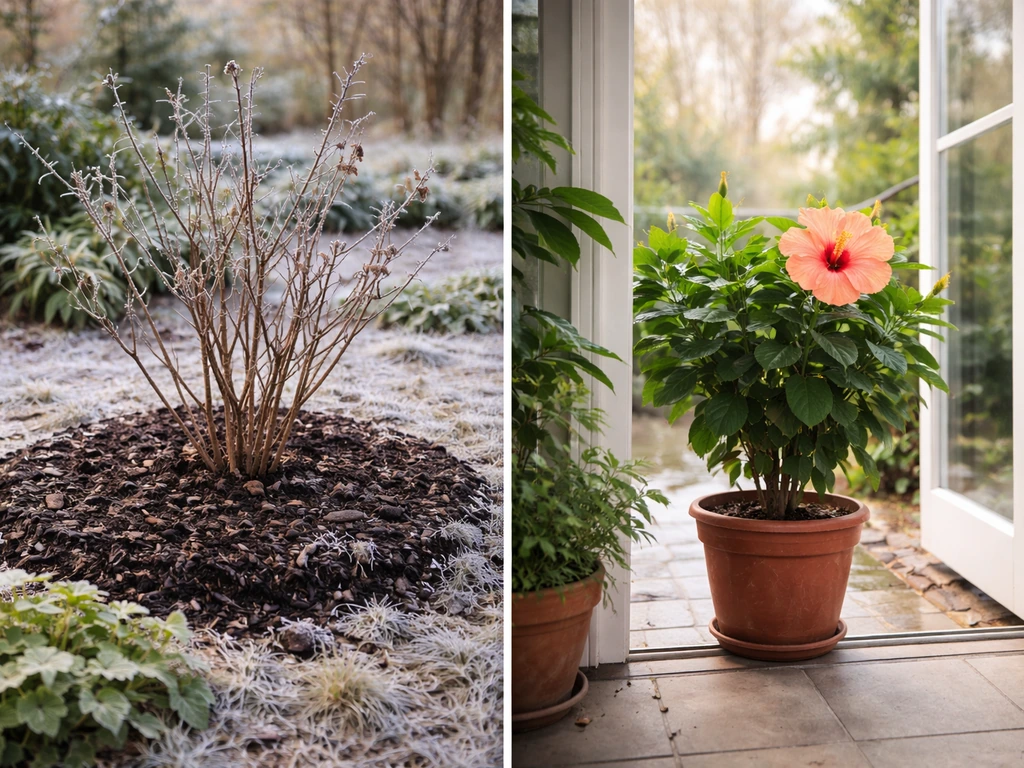
Hibiscus syriacus in the ground
In most of southern and central England, established Hibiscus syriacus needs very little winter protection. A thick mulch of bark or garden compost around the base (keeping it away from the stem itself) helps protect the roots during hard frosts and conserves moisture. In Scotland, northern England, or exposed sites, you might also wrap young plants loosely in horticultural fleece during sharp cold snaps in the first couple of winters. After that, established plants cope well on their own. The plant is deciduous, so don't panic when it drops its leaves in autumn: it's dormant, not dead.
Hibiscus rosa-sinensis: overwintering indoors
This is where tropical hibiscus gets demanding. It needs to come inside before night temperatures drop below about 10°C, which in most of the UK means September at the latest. It needs a frost-free space that stays above 7°C throughout winter. A spare bedroom windowsill, a heated conservatory, or a frost-free greenhouse all work.
The key word is bright: without good light, the plant drops its leaves and buds and goes into a stressed semi-dormancy that it may not recover well from. UMN Extension warns that flower buds may drop when tropical hibiscus is exposed to cold conditions, which can prevent it from flowering properly flower buds may drop in response to cold conditions.
Cut back watering significantly, stop feeding, and keep it somewhere cool but frost-free. Don't expect it to flower over winter unless you have supplementary grow lights and can maintain warmth above 15°C consistently. When you bring it back outside in late May, harden it off over a week or two by starting it in a sheltered spot before moving it to full sun.
When your hibiscus won't flower or keeps struggling
Hibiscus problems in the UK usually fall into a handful of familiar patterns. If you’re wondering about can soursop grow in the UK, the same climate thinking applies, but it’s usually even more challenging than tropical hibiscus. Here's how to diagnose what's going wrong.
- No flowers on Hibiscus syriacus: The most common cause is not enough sun. Even a partly shaded position dramatically reduces flowering. The second cause is no pruning: without cutting back in late winter, the plant produces a mass of leafy growth and very few buds. Try hard pruning in late February and move it to a sunnier spot if possible.
- Buds dropping off tropical hibiscus: Cold stress is usually the culprit. Flower buds drop in response to chilly conditions, so if you've moved the plant outside too early, or there's been a cool spell overnight, expect bud drop. Drastic changes in environment (moving from indoors to outdoors, or fluctuating temperatures) also trigger this. Gradual acclimatisation helps enormously.
- Yellow leaves: Can mean overwatering, underwatering, or a nutrient deficiency. Check the roots first: if they're brown, soft, and mushy, you have root rot from waterlogging and you need to reduce watering sharply and repot if the compost is soggy. If the roots look healthy and white, it's more likely a feeding issue or sudden temperature drop.
- Pests: Aphids are the most common problem, clustering on shoot tips and around flower buds and damaging new growth before it can develop properly. Check the undersides of young leaves and the growing tips regularly. Knock them off with a strong jet of water or use an appropriate organic spray. Under glass, Hibiscus syriacus can also attract scale insects, mealybugs, and glasshouse whitefly, so inspect plants you're bringing in for overwintering before you introduce them to your greenhouse or conservatory.
- Plant looks dead after winter: Hibiscus syriacus is slow to break dormancy, sometimes not showing signs of life until May. Scratch a small section of stem with your thumbnail: if there's green underneath, the plant is alive. Give it more time before giving up.
- Tropical hibiscus failing to regrow after overwintering: Usually caused by temperatures dropping below 7°C during storage, or the plant drying out completely. Check the stems with the scratch test and water lightly to see if it responds. Prevention is easier than cure: monitor your overwintering space with a min/max thermometer.
Most hibiscus failures in the UK come down to two things: wrong species for the conditions, or not enough sun and warmth in the growing season. Get those two right and the plant does most of the work itself.
If you've enjoyed the challenge of growing tropical species in UK conditions, you might find similar projects with other tender exotics interesting too: exploring what can realistically be grown here (and what genuinely can't) is half the fun of British gardening. If you are also wondering about other trees, you may be interested in whether you can grow a mulberry tree in the UK.
If you're also wondering can neem tree grow in UK conditions, the answer depends heavily on how mild your winters are and whether you can protect it from frost.
FAQ
Does hibiscus grow in the UK if I plant it directly in the ground?
If you mean Hibiscus syriacus (Rose of Sharon), yes, it can be planted outside and left to establish year-round in most UK gardens, as long as the site is sunny and the soil drains well. If you mean Hibiscus rosa-sinensis (tropical hibiscus), it will not survive UK winters outdoors because frost and cold nights damage it, so you need a frost-free overwintering space or you will lose the plant.
When should I bring tropical hibiscus indoors in the UK?
Tropical hibiscus is the one that needs a container routine. A common mistake is leaving it in a pot outdoors too long, then cutting watering too late, which can lead to rotting or leaf drop once nights cool. Bring it inside before prolonged night temperatures fall below about 7 to 10°C, and reduce watering only after you move it into a bright frost-free spot.
Why does my hibiscus get leaves but no flowers in the UK?
For best flowering, aim for at least 6 hours of direct sun. In cooler northern areas, the same plant in partial shade often grows but produces few or no buds, because hibiscus flowers on new growth that needs both warmth and light to start pushing shoots.
My hibiscus leaves are yellow and it wilts even though the soil is damp, what does that mean?
Overwatering is a major cause of failure, especially with younger plants in clay. Even when the surface looks damp, the real test is the root condition, healthy roots are firm and white or cream, rot looks brown and mushy. Improve drainage before planting (grit and organic matter, or raised beds), and avoid watering if rain has left the root zone wet.
Can I overwinter hibiscus in the UK using fleece or a garden cloche?
Hardy hibiscus (syriacus) can usually handle winter without protection once established, but tropical hibiscus should be kept somewhere bright and consistently frost-free. If you can only protect the plant during brief cold snaps with fleece, that is still usually not enough for tropical hibiscus, because it needs winter warmth above the frost range, not just cover.
Is container growing better than planting hibiscus in the ground in the UK?
Yes, and it is often the easiest way to manage UK winters, but choose the pot size carefully. Very small pots dry out quickly and cause stress, very large pots increase the risk of waterlogging in winter, for tropical hibiscus use a drainage-rich compost and a pot with good holes, and empty saucers after watering.
My hardy hibiscus has lost all its leaves, is it dead?
Hibiscus syriacus is deciduous, so leaf drop in autumn is normal and not a sign of death. You should expect re-shooting in spring, if you are unsure, gently scrape a small area of bark in late spring, if tissue is green the plant is alive and should recover.
Why are my hibiscus buds dropping before they open?
If you see buds forming but they drop, it usually comes from temperature swings, insufficient light, or inconsistent watering. For tropical hibiscus it can also happen when it is moved too suddenly outdoors, harden it off gradually over 1 to 2 weeks starting in a sheltered spot before full sun.
When is the best time to prune hibiscus in the UK for more flowers?
For Hibiscus syriacus, a hard prune in late winter helps because flowers form on new growth. If you prune in autumn, you can stimulate soft shoots that are later damaged by cold, reducing flowering. Also avoid cutting back too late in spring, very late pruning can delay bud formation.
How can I tell which hibiscus I bought, hardy or tropical?
If you are buying plants, check the label for the species or common type. Hibiscus syriacus is the hardy outdoor shrub, Hibiscus rosa-sinensis is the frost-tender patio plant, many people buy tropical hibiscus expecting it to behave like syriacus and then are surprised when it fails after winter.
Next Article
Can You Grow a Mulberry Tree in the UK? Species, Care, Fruiting
UK guide to growing mulberry trees: which species can fruit, best site and care, frost protection, and ripening odds.