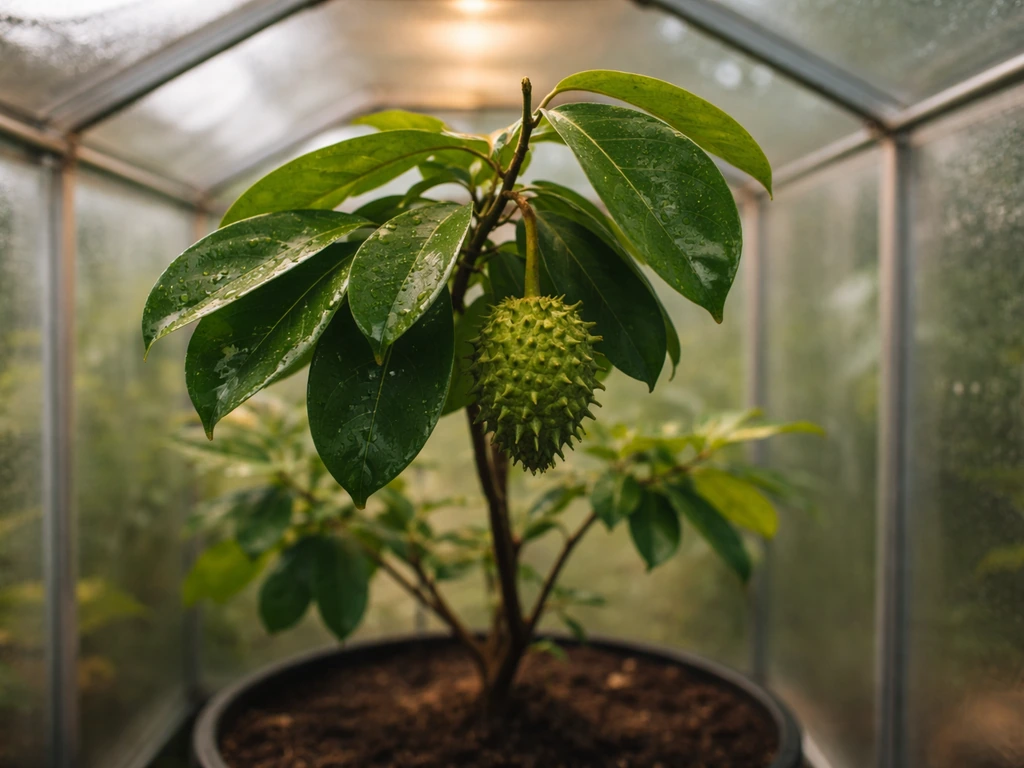
Neem (Azadirachta indica) can technically be grown in the UK, but not outdoors year-round. It's a subtropical tree that struggles badly blank" rel="noopener noreferrer">below 4–5°C, and most of Britain dips well below that from October through to April. Your best realistic shot is growing neem in a large container, moving it outside for the warmer months and overwintering it indoors or in a heated greenhouse. Don't expect it to reach the towering 15–20 metre specimens you'd see in India or East Africa. In UK conditions, neem is a container plant first and foremost, and that needs to be the starting point for anyone serious about making it work.
Can Neem Tree Grow in the UK? How to Grow It Successfully
James Hartwell
24 Jun 2026
UK climate feasibility for neem
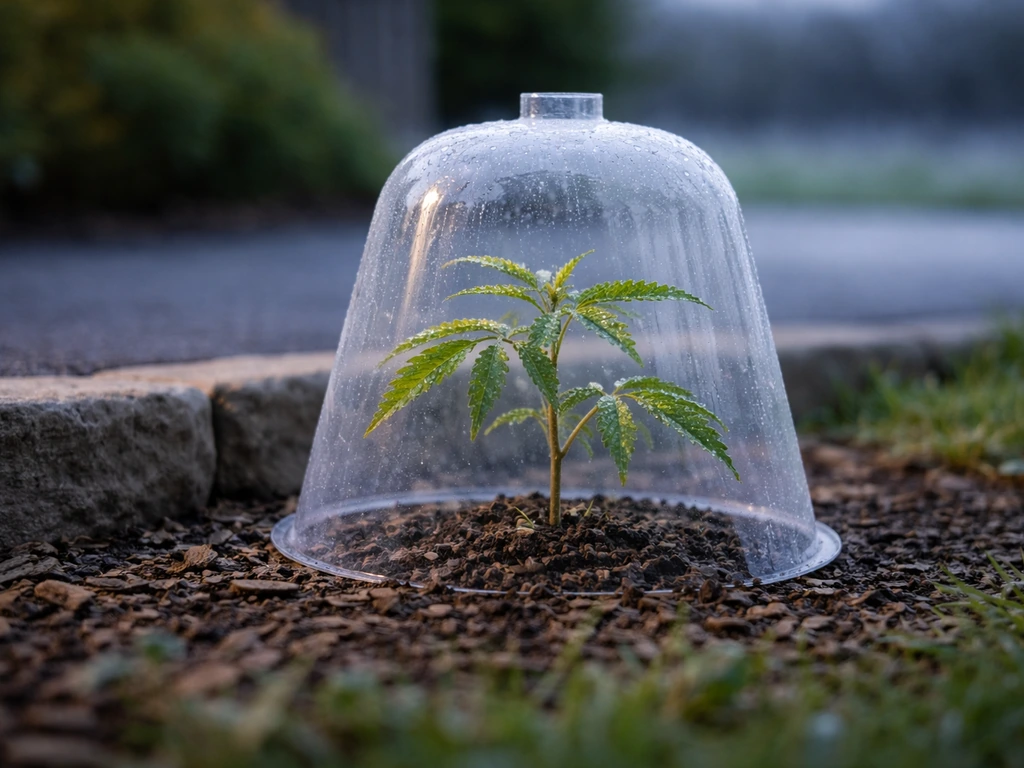
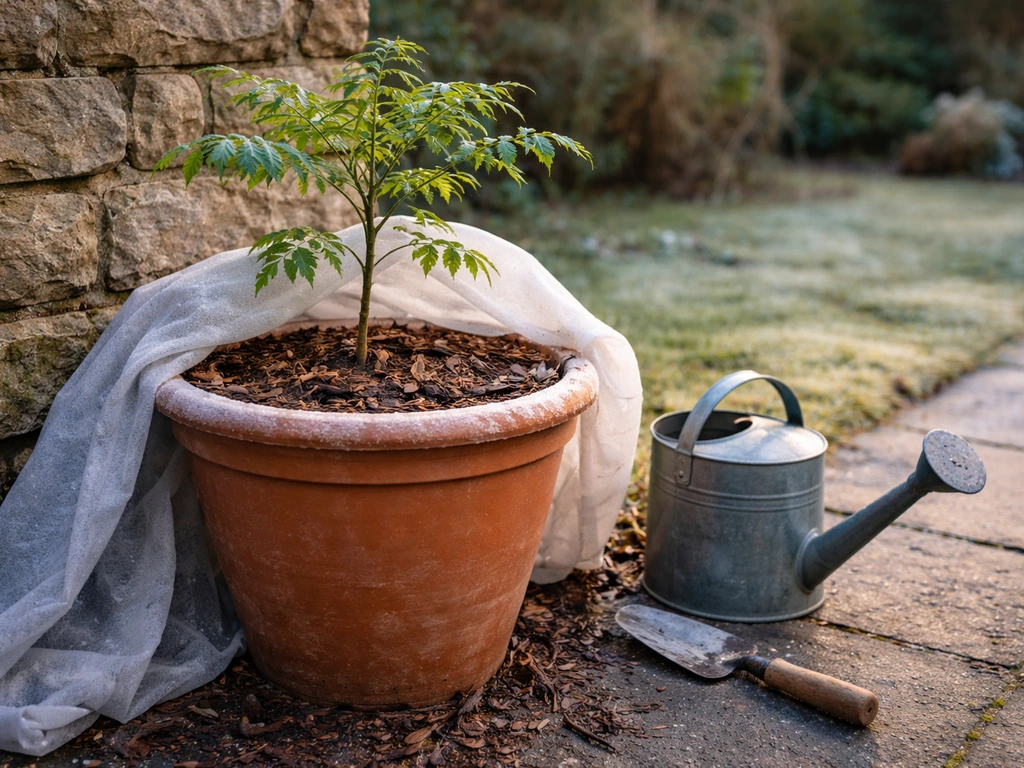
Neem's preferred growing temperature sits somewhere between 21°C and 32°C, with a workable range of roughly 9.5°C to 37°C. The UK simply doesn't offer that consistently. Neem's preferred growing temperature sits somewhere between 21°C and 32°C, with a workable range of roughly 9 can you grow mulberry tree in uk. Even in our warmest spots along the South Coast, summer temperatures rarely push past 25–28°C for any sustained stretch, and winters frequently hit freezing or below. Research from invasive plant risk assessments flags that leaf drop and potential death can occur at temperatures below 4°C, and most sources put the real lower limit at around 5°C. Some neem growers claim it can handle brief dips to 0°C, but that's pushing it, and a UK winter is not just a brief dip.
Compare that to what we'd call a typical British winter in the Midlands or northern England, where ground temperatures can sit below freezing for weeks at a time, and you get a clear picture. Even in London, temperatures regularly fall to -3°C or -5°C during cold snaps. Neem won't survive that unprotected outdoors. As a container plant brought indoors before autumn sets in, it's a different story and genuinely achievable.
Best chance locations: microclimates, regions, and shelter
If you want to maximise the time your neem spends outdoors, location matters a lot. The South Coast of England, parts of Cornwall, Devon, and sheltered urban gardens in London give you the longest frost-free window and the mildest winters. These aren't just marginally better than Scotland or Yorkshire, they're in a different league for tender exotics. A sheltered south-facing courtyard or walled garden in Brighton or Bournemouth might give you six solid months of outdoor growing from late May to late October. In Manchester or Edinburgh, that window shrinks significantly.
Microclimates within your own garden matter too. A south or southwest-facing wall absorbs heat during the day and radiates it at night, keeping immediate temperatures a degree or two higher than the open garden. Overhangs, fences, and neighbouring buildings all help buffer cold wind and frost. If you're setting up a spot for a potted neem to summer outdoors, think about wind protection as well as warmth. A sheltered, sunny patio corner is ideal. Avoid frost pockets, which are low-lying areas where cold air collects on still nights.
How to grow neem in pots
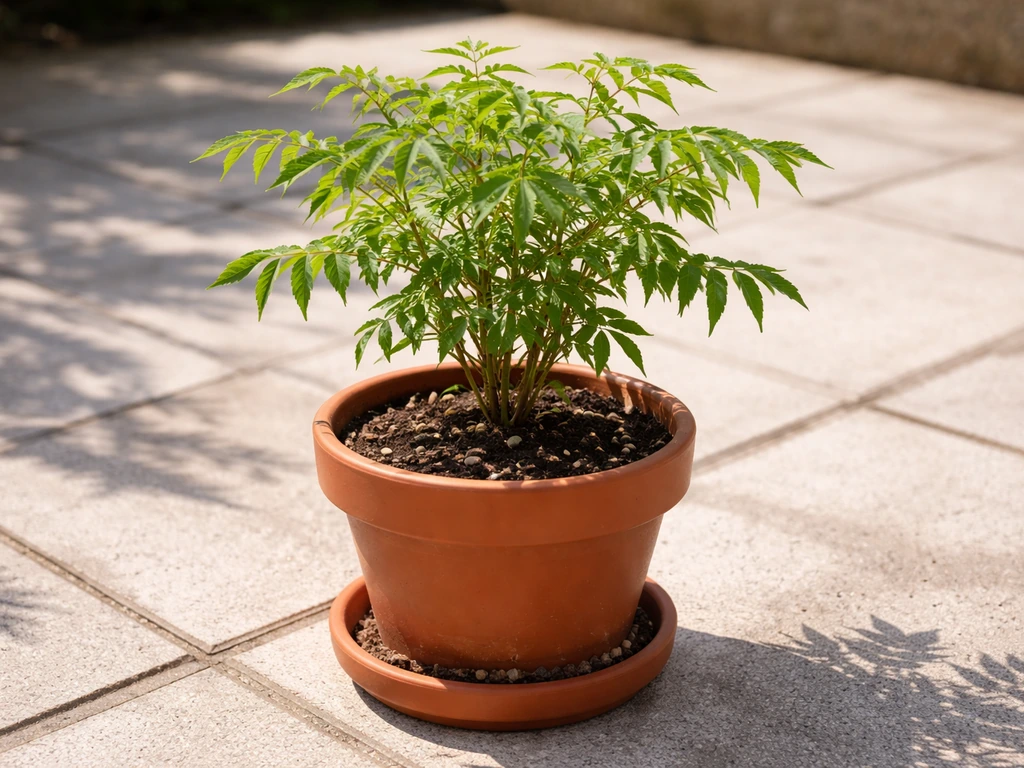
Growing neem in a container is the only realistic approach for most UK gardeners, and it actually works pretty well if you get the basics right. The key things are pot size, compost choice, drainage, and not keeping it in a dark corner when it wants full sun.
Choosing the right pot
Start young plants in something manageable, around 20–25cm, and pot up in stages as the roots fill the container. Don't jump straight to a huge pot because the excess moist compost around the roots can cause problems before the plant has filled the space. The RHS recommends a minimum final container size of around 45cm (18 inches) for trees grown in containers, and for neem that's a good target to aim towards over a few years. Terracotta looks attractive but adds weight and dries out quickly. Lightweight plastic or fibreglass pots are more practical when you're moving the tree in and out each season.
Compost and feeding
Neem likes free-draining, slightly sandy compost. Mix a good quality loam-based compost (John Innes No. 3 works well) with around 20–30% horticultural grit or perlite to sharpen drainage. Neem is drought-tolerant in its natural habitat, which means it really doesn't like sitting in waterlogged compost. Always make sure your pot has drainage holes and isn't sitting in a saucer that collects standing water. During the growing season from spring through summer, feed monthly with a balanced liquid fertiliser. Back off feeding in autumn as growth slows and stop altogether while the plant is overwintering.
Sunlight and positioning indoors vs outdoors
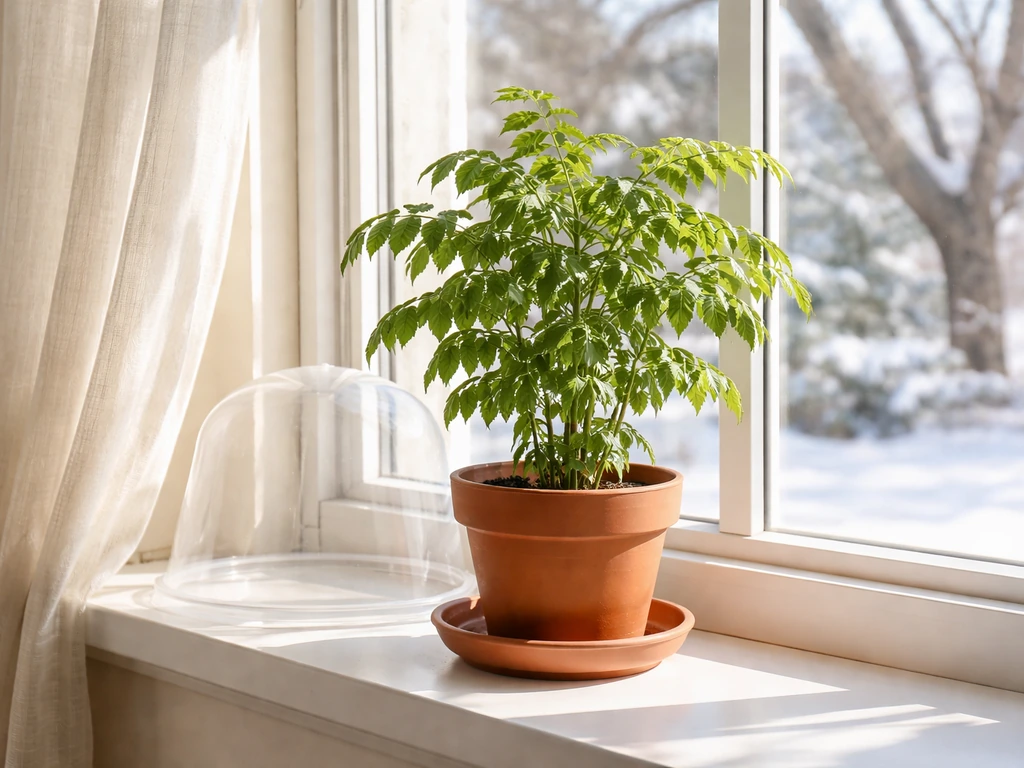
Outdoors from late May to September, give neem the sunniest spot you have. Indoors over winter, it needs a bright position, ideally a south-facing windowsill or a conservatory that gets real daylight. A gloomy corner in a heated living room will keep it alive but expect some leaf drop and leggy growth. A heated greenhouse set above 8–10°C overnight is better than most indoor situations if you have one available.
Outdoor vs indoor overwintering plans
This is probably the most critical decision you'll make with a UK neem. Outdoor overwintering is not a viable plan for most of Britain. For a similar “could it survive here?” question in the UK, see whether mangroves can grow in the UK. Even in Cornwall, winter cold snaps can hit 0°C or below, and a neem in a container is far more vulnerable than one in the ground because the roots have no soil insulation around them. The RHS is clear that container roots can be damaged by freezing temperatures and should be insulated or brought indoors. For neem, which already starts struggling at 4–5°C, that advice applies firmly.
| Approach | Pros | Cons | Verdict |
|---|---|---|---|
| Indoors (bright room/conservatory) | Reliable protection from frost, easy to monitor | Limited light, may cause leaf drop, needs checking for pests | Good option if temperatures stay above 10°C |
| Heated greenhouse (min 8–10°C) | Better light, more stable temperature, easy to ventilate | Running costs, not everyone has one | Best option if available |
| Unheated greenhouse | Some frost buffer but not enough alone | Can still hit near-freezing in cold snaps, risky | Only safe in very mild winters in the far southwest |
| Outdoors year-round | No effort required | Tree will almost certainly die in a UK winter | Not recommended anywhere in mainland UK |
Timing matters as much as the method. Don't wait for the first frost to bring your neem in. Move it undercover when overnight temperatures are consistently dropping below 10°C, which in most parts of the UK means early to mid-October. If a late cold snap arrives after a warm spell in spring, as they do in British weather, the tree is more vulnerable than it would be if the cold came gradually. That's a well-documented pattern with subtropical plants: a sudden freeze after warm weather causes more damage than the same temperature during steady cold conditions.
Seeds vs cuttings: sourcing and germination basics
In the UK, you're almost certainly starting from seed. Fresh neem seed is the key phrase here. Neem seeds lose viability very quickly, often within a few weeks of being removed from the fruit, so sourcing matters enormously. Look for suppliers who specifically sell fresh neem seed rather than packets that have been sitting in a warehouse. Some specialist tropical plant nurseries and online retailers stock them, and you might also find seeds through community growing groups or exchanges with gardeners in warmer countries.
To germinate, remove the outer fleshy layer from the seed if present, soak overnight in warm water, and sow in a free-draining mix at around 25–30°C. A heated propagator is useful here. Germination typically takes 1–3 weeks under warm conditions. Keep the compost moist but not soggy during this period. Once seedlings have a couple of sets of true leaves, pot them up gently into individual small pots and keep them somewhere warm and bright.
Semi-hardwood cuttings are possible but significantly harder to root than seeds, and success rates are lower outside of very controlled humid environments. Unless you have misting equipment or a high-humidity propagation setup, seeds are the more practical route for UK growers. Either way, don't expect to buy a neem tree from a UK garden centre. It's a specialist item and you'll usually need to grow your own from the start.
Common problems: cold damage, pests, and nutrient and water needs
Cold stress and leaf drop
The most common problem UK neem growers encounter is leaf drop triggered by cold stress. If you notice leaves yellowing and falling in autumn or winter, it's almost always a temperature response. The tree isn't necessarily dying, but it's telling you it's too cold. Move it somewhere warmer and brighter, cut back watering, and give it time. As long as the stems are still green and flexible rather than brittle and brown, it can recover when conditions improve in spring.
Overwatering in winter
This is the silent killer for indoor neem during winter. The plant is growing very slowly or barely at all, it needs very little water, and wet compost in low temperatures is a recipe for root rot. Water sparingly between October and March, only when the top few centimetres of compost feel dry. In summer outdoors, you can water more freely but still let the compost partially dry out between waterings.
Pests indoors
Overwintering indoors brings pest risk. Spider mites thrive in warm, dry indoor air and neem is a target. Look for fine webbing and stippled leaves. Increasing humidity around the plant (a pebble tray with water works) and wiping leaves down helps. Scale insects and mealybugs can also appear. Regular inspection is the best defence. Treat with neem oil spray (somewhat appropriate given the plant), insecticidal soap, or a targeted systemic if infestations get serious.
Nutrient needs
Neem isn't particularly hungry but container growing depletes nutrients faster than garden soil. A monthly balanced feed through the growing season keeps growth steady. If leaves look pale and yellowish during the growing season despite adequate warmth and light, try a feed with a slightly higher nitrogen content to boost foliage. Don't feed at all in winter.
Realistic expectations and alternatives in the UK
Let's be straight: you are not going to grow a neem tree in the UK that produces abundant fruit, flowers freely, or reaches anything like the size it would in its native range. Banyan trees have very different temperature needs from neem, so it is worth checking whether your UK conditions can support it, or whether you will need a container and indoor overwintering banyan tree in the UK. A well-managed container neem in the UK might reach 1–2 metres over several years and produce attractive pinnate foliage. Flowering is unlikely unless the tree is large, well-established, and enjoying an unusually warm summer. Fruiting is extremely unlikely. Most UK growers keep neem primarily as a foliage plant with cultural and botanical interest.
The effort involved, annual moving in and out, careful winter management, and pest monitoring, is real. If your main interest is growing something from a similar tropical or subtropical family that's more achievable in British conditions, there are better options. Moringa (Moringa oleifera) sits in a very similar difficulty bracket and is worth comparing directly if you're interested in fast-growing tropical trees. The mulberry tree is far more cold-hardy and genuinely thrives outdoors in the UK. Hibiscus can work surprisingly well in sheltered UK spots with the right variety. If you're drawn to the medicinal or insecticidal properties of neem, you might get more practical results using neem oil products sourced commercially rather than harvesting from a small container plant.
That said, if you want the challenge of growing a genuine neem tree in Britain, it is possible with the right setup. Container growing, a bright warm overwintering spot, and patience are what make it happen. Start with fresh seed, give it your sunniest outdoor spot from late spring, and get it inside well before October. That's the formula that gives you the best shot. If you are wondering the same thing about another leafy health trend plant, does moringa grow in the UK too?
FAQ
Can I leave a UK container neem outside over winter if we have a mild year?
Yes, but only with careful timing and protection. If you keep it outdoors into autumn, bring the container undercover before nights reliably drop under 10°C (often early to mid October). Before that, harden it off by giving it a week of extra wind protection and slightly reduced watering, so it transitions more gradually to lower light indoors.
How much should I water neem in the UK during winter?
Aim for an even “damp not wet” approach, then scale back. During winter indoors, water only when the top few centimetres of mix are dry, and use the pot weight as a guide (it should feel light before you water). If your indoor spot is cool, err on the drier side to prevent root rot, because slow growth means the plant uses less water.
What soil or compost mistakes most often make UK neem fail in a container?
Soggy, low-light conditions are the fast route to root problems and leaf drop. Use a loam-based mix with added horticultural grit or perlite, ensure drainage holes are clear, and do not keep the pot standing in water during saucer drainage. If you see leaves yellowing and dropping while stems stay green, that points more to temperature stress than a nutrient shortage.
Is it safer to wait until after the first frost before bringing neem inside?
Late cold snaps after warm spells are more damaging than the same temperature during steady cold. To reduce risk, you can cover the outdoor container during brief frosts with horticultural fleece, and place the pot against a heat-retentive wall. But for sustained low temperatures, fleece is not enough, you still need indoor or heated greenhouse overwintering.
How do I improve the chances of success when growing neem from seed in the UK?
To get the best germination, start with genuinely fresh seed and use warmth consistently. Neem often germinates in 1 to 3 weeks at around 25 to 30°C, and a heated propagator can make results more reliable than a typical windowsill. Keep the mix moist but never waterlogged, and ventilate the cover daily to avoid fungal issues on the seedling mix.
Can I propagate neem from cuttings in the UK instead of using seed?
They can work, but they are much less predictable unless you can maintain high humidity and stable warmth. If you try cuttings, use a propagation setup with humidity control and bottom heat, and expect lower success than seed. Because UK conditions vary widely, seeds are generally the more reliable route for most gardeners.
Will a UK-grown container neem flower or produce fruit?
In the UK, neem grown as a container plant is unlikely to produce meaningful fruit, and flowering is rare unless you get unusually warm, long summers and a well-established, large root system. Most growers treat it as a foliage and structural plant, focusing on healthy leaves rather than expecting flowers or pods.
My neem is losing leaves indoors, how can I tell if it is normal cold stress or a serious problem?
It depends on why the leaves are dropping. If leaf drop happens in autumn or winter with green, flexible stems, it is usually cold or low-light induced, so move it to a brighter warmer overwintering spot and reduce watering. If stems turn brown, brittle, and the compost stays wet, suspect root damage or rot and adjust quickly by moving to drier conditions and checking the roots.
Can I use neem oil spray on neem that I am growing in my UK container?
Yes, but do it carefully to avoid setting back the tree. If you spray, do it in the evening or on a calm day away from strong sun, and test on a small section first. Treating spider mite or scale outbreaks is more effective with repeated applications at the correct intervals, and you should also increase humidity by using a pebble tray or grouping plants.
What should I do if I cannot find fresh neem seed in the UK?
If you cannot find fresh seed, your best alternative is using a local tropical plant society or community exchange, because viability can drop quickly after removal from the fruit. Before sowing, check seed quality if the supplier can confirm freshness, and avoid old packets that sat in storage. If you are unsure about viability, sow more than one seed rather than relying on a single batch.
Where should I overwinter neem indoors to prevent pest and leaf problems?
Most indoor neem problems come from warm, dry air and inconsistent light, not from a lack of feeding. Put it in the brightest spot you have, ideally a south-facing window or a conservatory with real daylight, and consider a grow light if natural light is weak for months. Feed monthly during the outdoor growing season, then stop completely in winter.
Next Article
Can Soursop Grow in the UK? Conditions and How to Try
Yes, but only with greenhouse or indoor warmth, frost protection, and careful care; outdoors in most of the UK won’t fru