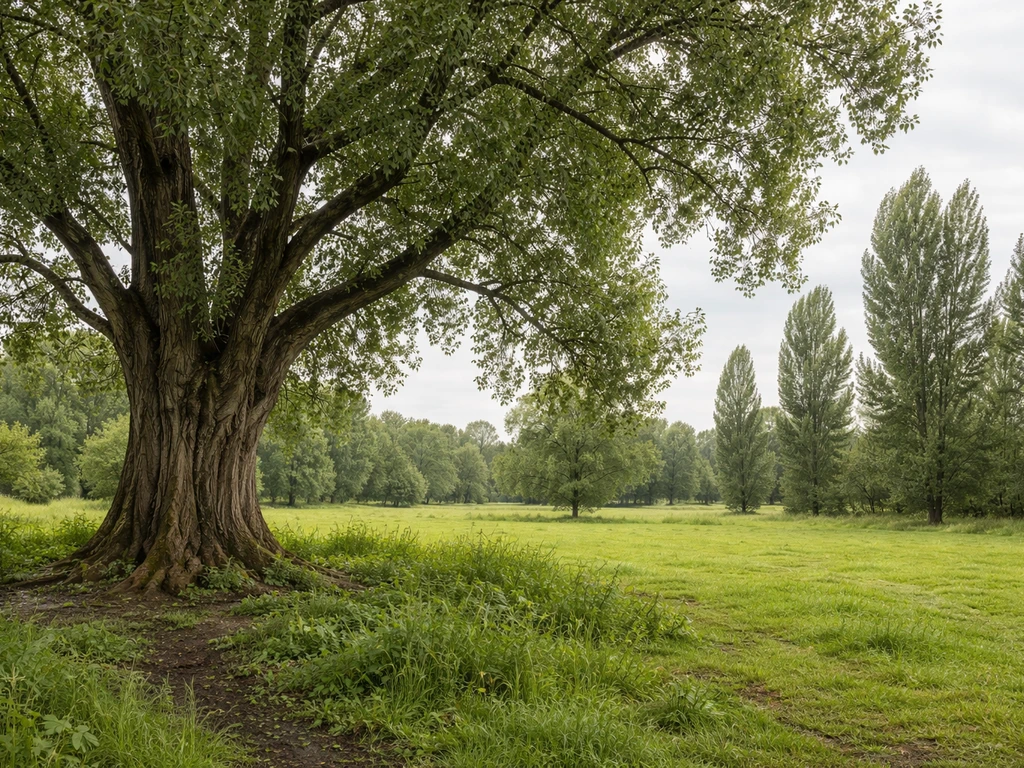
Yes, maple trees grow very well in the UK. In fact, one of them is native here. The honest nuance is which species you're growing and why: if you want ornamental maples for autumn colour or shade, you have plenty of reliable choices. If you want to produce maple syrup, that's a different, trickier story, and you should go in with realistic expectations. Cottonwood trees have very different needs to maples, so they do not generally grow as reliably in the UK as the native and ornamental maple species discussed above.
Do Maple Trees Grow in the UK? Species, Planting, Care
James Hartwell
21 Jun 2026
Can maple trees grow in the UK?
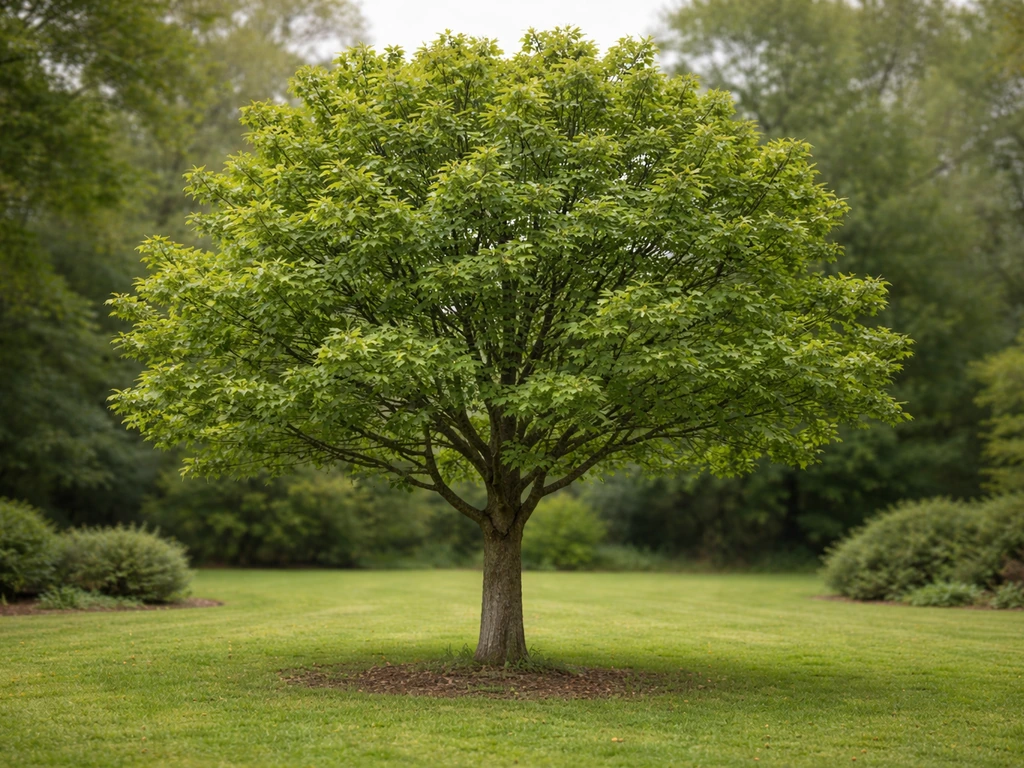
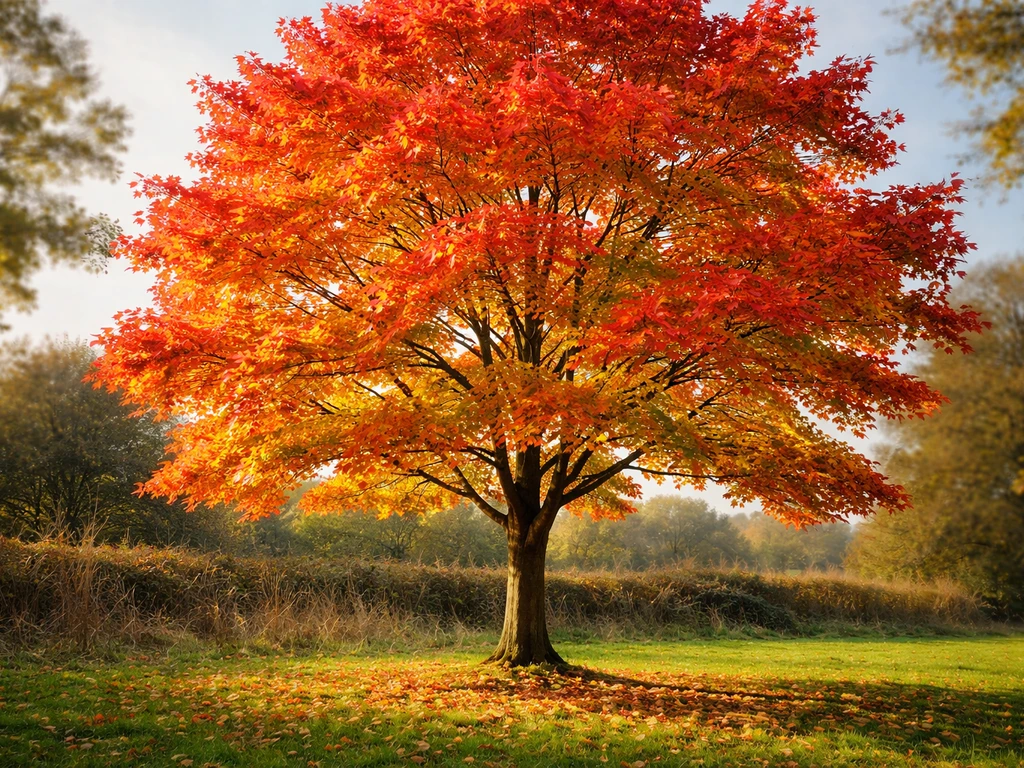
Maples as a group are completely at home in the UK climate. Acer campestre, the field maple, is actually the only maple tree native to Britain, so you're not fighting the climate at all with that one. Japanese maples (Acer palmatum) are sold in virtually every garden centre across the country and thrive in most regions. Norway maples (Acer platanoides) line streets and parks. Red maples (Acer rubrum) handle UK winters with ease. The only maple that causes real headaches in the UK is Acer saccharum, the sugar maple, and that matters specifically if you're thinking about syrup production.
Which maple species are actually reliable in UK gardens
The RHS hardiness scale runs from H1 (needs a heated greenhouse) up to H7 (survives anything the UK throws at it). Most maples land firmly in the H5 to H6 band, meaning they handle hard winters without any fuss. Here's how the main species stack up:
| Species | Common name | RHS hardiness | Best for |
|---|---|---|---|
| Acer campestre | Field maple | H7 | Wildlife, hedging, naturalising |
| Acer palmatum | Japanese maple | H6 | Ornamental, containers, small gardens |
| Acer rubrum | Red maple | H6 | Autumn colour, larger gardens |
| Acer platanoides | Norway maple | H6 | Shade, street/parkland planting |
| Acer saccharum | Sugar maple | H3 | Syrup production (risky in UK) |
H6 means the tree is hardy down to around -20°C, which covers the entire UK including Scotland in most winters. H3, where sugar maple sits, means tolerant of roughly -5 to 1°C minimum, which is marginal. It can survive mild winters in sheltered southern spots, but a hard frost or prolonged cold snap can damage or kill it. For pure ornamental use, Japanese maples, red maples, and Norway maples are all far safer bets.
Where in the UK maples grow best
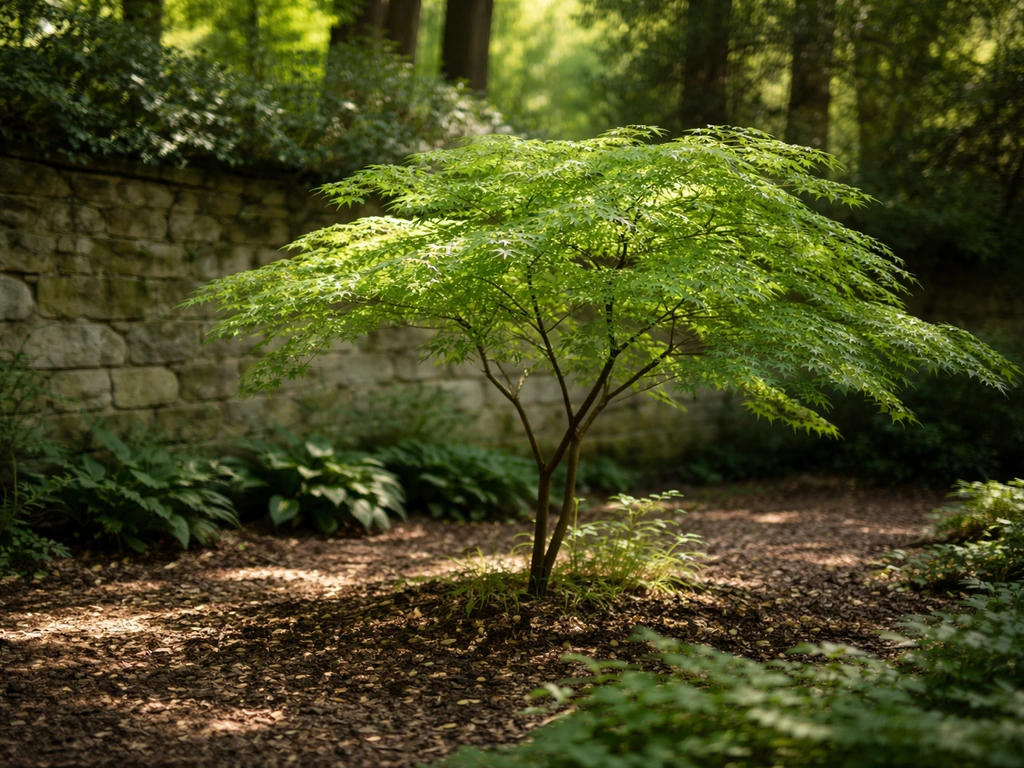
For the hardy species like Japanese maple, red maple, and field maple, almost anywhere in the UK works. That said, there are real regional differences worth knowing about.
Japanese maples are the most location-sensitive of the reliable group, not because of cold winters but because of late frosts and drying winds. Young spring leaves are soft and vulnerable, and a frost-laden wind in April can scorch them brown. In sheltered spots in southern and central England, Wales, and the west coast of Scotland (where Atlantic influence keeps things mild), they thrive. In exposed upland gardens, East Anglia, and anywhere that gets prolonged dry easterlies in spring, you need to choose a sheltered microclimate carefully or grow in a container you can move.
Red maples, Norway maples, and field maples are far more forgiving about exposure and region. The RHS notes that Acer rubrum is suited to sheltered exposure, alongside its hardiness rating of H6 blank" rel="noopener noreferrer">far more forgiving about exposure and region. You'll see them performing well from Cornwall to the Scottish Highlands. Sugar maples are realistically limited to the milder parts of the south and southwest of England, Wales, and the southern coastal strip of Ireland. Eucalyptus is a much more marginal tree in Ireland, where winter cold and wet conditions can limit what survives. Even there, they grow slowly and may not hit the size or vigour you'd expect from a North American specimen.
How to grow maple trees in the UK
Choosing a site
Most maples are fine in full sun or partial shade. Japanese maples actually prefer a cool, lightly shaded position, especially in drier parts of the country where afternoon sun can stress them. For any maple, avoid exposed, wind-swept spots. A sheltered position makes a real difference to establishment speed and leaf quality. If you're in an exposed garden, a windbreak of shrubs or a wall on the prevailing wind side helps enormously.
Soil preparation
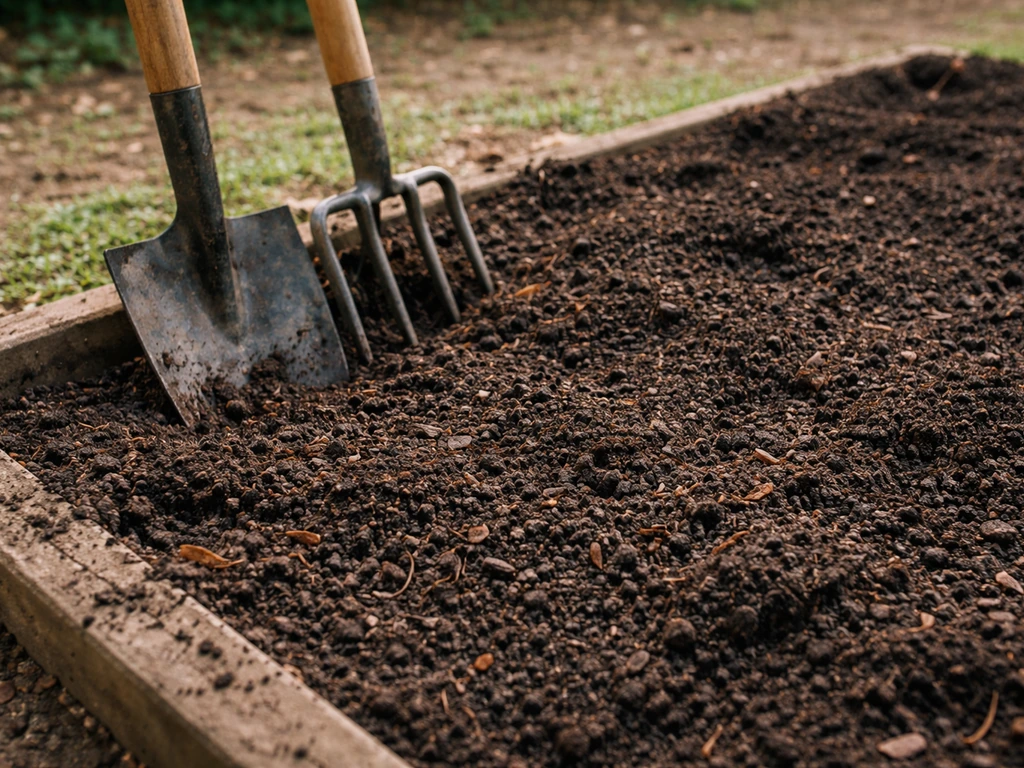
Most maples want moist but well-drained soil and are surprisingly unfussy about soil type. The RHS confirms that red maple, sugar maple, and Norway maple all cope with chalk, clay, loam, and sand. For Norway maple 'Crimson King', the RHS lists an ultimate height of 8, 12 metres and says it grows in moist but well-drained (or well-drained) conditions and soil such as chalk, clay, loam, or sand ultimate height of 8–12 metres and soil conditions such as chalk, clay, loam, or sand. Japanese maples are happiest in fertile, free-draining soil with decent organic matter content. One worthwhile note: red maples produce their best autumn colour on acidic soils, so if you're on chalk or alkaline ground, expect the colour to be less intense. For Japanese maples in containers, use ericaceous (acidic) compost mixed with perlite for drainage.
Planting
- Plant in autumn or early spring when the tree is dormant. Autumn is ideal because the soil is still warm and root establishment happens over winter.
- Dig a hole twice the width of the root ball and roughly the same depth. Avoid planting too deep: the root flare (where trunk meets roots) should sit at or just above soil level.
- Backfill with the original soil, mixing in some well-rotted compost if the soil is poor. There's no need to add fertiliser at planting.
- Water thoroughly after planting and firm the soil gently to remove air pockets.
- Apply a 5–7cm mulch of wood chip or bark around the base, keeping it away from the trunk. This retains moisture, which is critical in the first two summers.
Watering and ongoing care
The first two years after planting are the most demanding. Water deeply once or twice a week during dry spells rather than a little every day. You want the roots to chase moisture downward, not stay shallow. Once established, most maples are reasonably drought-tolerant with the exception of Japanese maples, which need consistent soil moisture throughout the growing season. Leaf scorch on Japanese maples is almost always a moisture or exposure problem, not disease. Little routine pruning is needed: maples bleed sap heavily if cut in spring, so if you do need to shape the tree, do it in late summer or autumn.
Maple syrup vs ornamental maples: what's actually possible in the UK
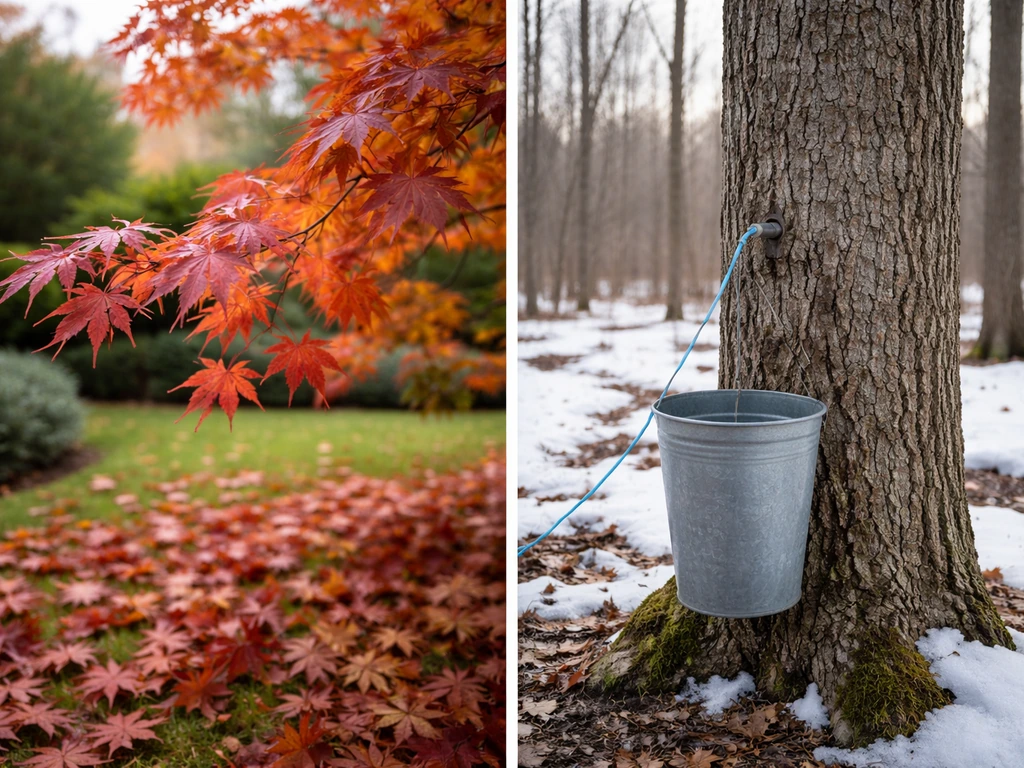
Maple syrup comes primarily from Acer saccharum, the sugar maple, and to a lesser extent from red maple and black maple. The syrup is made by tapping the tree in late winter when alternating freezing nights and warm days create a pressure difference that drives sap flow. In Canada and the northeastern US, you get weeks of this freeze-thaw cycle reliably every year. In most of the UK, that pattern is inconsistent at best.
The sugar maple itself is the main obstacle. Its H3 hardiness rating means it's only reliably safe in the mildest parts of southern England and coastal Wales. Worse, you need a tree of decent size before tapping, typically 25–30cm trunk diameter, which means waiting 30 to 50 years or more. Even then, UK growers who have tried syrup production report that sap yields are significantly lower than in North American conditions, partly because our winters don't give us the consistent cold snaps followed by warm days that drive good sap runs.
That said, it isn't completely impossible. Red maple (H6, so fully hardy across the UK) can also be tapped for syrup, and some UK growers and smallholders have experimented with it. The syrup yield is lower than sugar maple and the sugar content of the sap is less concentrated, meaning you need more sap per litre of syrup. Think of it as a long-term experiment rather than a reliable crop. If your goal is purely syrup production, you're looking at a decades-long project with uncertain results in UK conditions. If your goal is a beautiful, long-lived tree with great autumn colour that you might one day tap experimentally, red maple is a more sensible choice than sugar maple for most of the UK.
For ornamental purposes, there's nothing to hold you back. Japanese maples, red maples, and Norway maples are well-established in UK horticulture and deliver excellent foliage colour, seasonal interest, and structure with minimal fuss. If you’re also wondering whether you can grow manuka trees in the UK, it comes down to getting the conditions right for this native Australian plant can you grow manuka trees in the uk.
Common problems and how to fix them
Leaf scorch
This is the most common issue with Japanese maples in the UK. The leaves develop brown, dry edges or tips, often mid-season. The cause is almost always a combination of dry soil and wind exposure. The RHS specifically flags that leaf scorch is caused by lack of soil moisture or excessive exposure. The fix is consistent watering, a good mulch, and if your site is exposed, considering a windbreak or moving a containerised plant to a more sheltered spot. It isn't usually fatal but it does spoil the look.
Frost damage to young leaves
Japanese maples push out delicate new leaves in spring, and a sharp frost in April or early May can blacken or brown them overnight. This looks alarming but most established trees will push out a second flush of leaves within a few weeks. For young or recently planted trees, fleece overnight if a late frost is forecast. In colder parts of the UK, choose planting positions against a south or west-facing wall for extra warmth.
Transplant stress
Maples don't love being moved, especially larger specimens. If you've recently planted or transplanted a maple and it looks sulky, wilted, or drops leaves early in the season, that's usually transplant stress rather than disease. Keep it well watered for a full two growing seasons and resist the urge to feed it heavily. Too much nitrogen pushes soft growth that can't handle stress. A mulch to retain moisture around the root zone is your best tool.
Aphids and other pests
Aphids are the most commonly flagged pest on maples including red maple. They cluster on new growth in spring and summer, causing distorted or sticky leaves. On larger trees, aphid populations are usually kept in check by natural predators like ladybirds and lacewings. On smaller, younger plants or container-grown Japanese maples, a strong spray of water or an organic insecticidal soap will knock them back. Acer leaf scorch (the pathological version caused by a bacterial infection, distinct from the environmental leaf scorch mentioned above) can also appear but is less common than the environmental type.
Wind damage
Maples have relatively brittle branch junctions compared to some other trees. In exposed gardens, particularly in Scotland, northern England, and coastal areas, strong winds can cause branch breakage. Stake young trees for the first two years with a low stake (one third of trunk height), which allows the trunk to flex and strengthen while keeping the roots stable. Remove the stake once the tree is established to avoid long-term dependency.
What to buy and a simple plan to get started
For most UK gardeners, Japanese maple or red maple is the right starting point. Japanese maples give you unbeatable ornamental value in smaller spaces and containers. Red maple gives you a larger, fully hardy tree with good autumn colour and, if you're curious, long-term syrup potential. can you grow dates in england long-term syrup potential. Field maple is the choice if you want something native, fast-establishing, and wildlife-friendly.
Buy container-grown specimens from a reputable UK nursery rather than bare-root unless you're specifically planting in winter dormancy. For Japanese maples, look for named varieties like 'Bloodgood' (deep purple-red leaves, reliable), 'Osakazuki' (spectacular scarlet autumn colour), or 'Sango-kaku' (coral bark, four-season interest). For red maple, Acer rubrum 'October Glory' and 'Scanlon' are widely available and well-reviewed in UK conditions. For sugar maple, if you're determined to try it in southern England, source from a specialist UK tree nursery rather than generic garden centres, and expect to shelter it carefully for the first few winters.
Here's a straightforward plan to give your maple the best start:
- Choose your species honestly based on your goal: ornamental (Japanese maple, red maple, Norway maple), native/wildlife (field maple), or syrup experiment (red maple in most of UK, sugar maple only if you're in southern England with a sheltered site).
- Pick a sheltered spot with morning sun and afternoon shade if you're planting a Japanese maple. Full sun is fine for red maple, Norway maple, and field maple.
- Prepare the soil by digging in well-rotted compost and checking drainage. Waterlogged soil is more damaging than poor fertility.
- Plant in autumn (October to November is ideal) and water in thoroughly.
- Mulch with a 5–7cm layer of bark or wood chip, kept clear of the trunk.
- Water weekly during the first two summers in any dry spell. Don't let the soil dry out around Japanese maples at all in summer.
- Check for aphids in May and June on new growth. Spray with water or soap solution if numbers build up.
- If you're trying sugar maple or running a syrup experiment with red maple, keep records of trunk diameter each year. You're unlikely to be tapping for 30 years, but tracking growth gives you a realistic target.
Maples are genuinely one of the more rewarding tree groups you can grow in the UK. The ornamental options are reliable, low-maintenance once established, and deliver better autumn colour than almost anything else in a British garden. The syrup dream is possible in a very long-term, experimental sense, but go in knowing it's a decades-long project rather than a practical crop. If you enjoy growing trees that other people dismiss as 'too exotic,' you might also be interested in whether plants like eucalyptus or manuka trees can be grown in the UK, since those sit in a similar category of 'technically yes, but the regional caveats matter a lot.'
FAQ
What’s the easiest maple to grow in the UK for beginners?
For most people, Japanese maple or red maple are the easiest ornamental starting points. Japanese maples can need protection from wind and consistent moisture, while red maples are more forgiving across exposure levels and tend to establish with less fuss.
Can I grow a maple from seed in the UK?
Yes, but success is uneven and you will not reliably get the same leaf colour or growth habit as named garden varieties. Seed-grown maples can also take longer to become attractive, so for reliable autumn colour it’s usually better to buy a named variety.
Do maples need a male and female tree to grow?
Most commonly grown ornamental maples do not require pairing for ornamental effect, because you mainly value foliage and branching. If you specifically want seed production, you may need compatible trees nearby, and seed set also depends on weather during flowering.
How close can I plant a maple to a house or patio?
Give maples space. Even varieties chosen for gardens can spread wide and have sturdy, surface-rooting tendencies, so keep clear of damp masonry and paved areas. A practical rule is to plant well beyond the eventual canopy spread, and avoid putting them right next to drainage lines.
Will maples damage drains, pipes, or foundations?
They are not automatic offenders, but brittle branch junctions and spreading roots mean risk rises where soil is constrained or where trees are planted too close to services. If you have older drains or fragile underground runs, choose a larger planting distance and consider a root barrier.
What should I do if my Japanese maple’s leaves brown mid-summer?
Treat it as an exposure and moisture issue first. Check that the soil stays evenly moist, apply mulch to reduce evaporation, and look for wind exposure. If the plant is in a pot, verify the compost is not drying out between waterings.
Is leaf scorch on maples always a sign of disease?
No. Environmental leaf scorch from drying wind or inconsistent watering is far more common than bacterial infection. If the pattern is dry, brown tips and edges with otherwise normal growth, adjust watering and shelter before assuming disease, and only prune out affected tissue once you see healthy new growth.
When is the best time to plant a maple in the UK?
In most of the UK, spring or autumn planting works well, but container plants can be placed in many months if watering is reliable. The key is avoiding hot, drying spells immediately after planting, because the first two years depend on deeper weekly watering during dry weather.
Can I prune maples heavily?
Minor shaping is usually fine, but heavy pruning is not ideal because maples can bleed sap after cuts, especially when sap is rising. If you need to reduce size, aim for late summer or autumn, and avoid spring cuts unless you are experienced with timing.
What’s the best way to water a newly planted maple?
Water deeply once or twice a week during dry spells rather than frequent light watering. The goal is to encourage roots to reach down for moisture, which is particularly important for Japanese maples that dislike drying out during the growing season.
How do I protect a maple from late frosts in early spring?
For young trees, temporary fleece or horticultural cover on nights with forecast frost can prevent new growth from blackening. For shelter, planting near a south or west-facing wall helps, but still watch wind exposure, since drying winds worsen scorch even when temperatures recover.
Are Japanese maples safe to grow in pots in the UK?
Yes, and container culture is often the most controllable option in exposed locations. Use a free-draining acidic mix for Japanese maples, add perlite, and do not let the pot dry out. In winter, avoid waterlogging and consider moving the pot to a sheltered spot during heavy wet spells.
Which maples are best for wildlife in the UK?
Field maple (Acer campestre) is the most wildlife-friendly native option. It supports a broader range of local insects than many imported ornamental varieties, and it also provides reliable structure for birds across the seasons.
Is sugar maple ever realistic for syrup in the UK?
It’s possible but not practical for most people. The cold period and freeze-thaw timing that drives good sap runs are inconsistent, and the tree needs significant trunk size over decades. If you want a syrup experiment, red maple is more likely to be fully hardy, but expect lower yields and a need for more sap per litre of syrup.
Next Article
Do Cottonwood Trees Grow in the UK? Species, Suitability
Yes, some Populus cottonwoods can grow in the UK with the right microclimate, species, and care. Learn which and how.