You can grow a date palm in England, and it will probably survive if you look after it properly. What it almost certainly won't do is give you a meaningful harvest of ripe, edible dates. The heat simply isn't there. Date palms need around 3,400 heat units above 10°C across a long growing season to ripen fruit, and England, even the warmest corners of the south coast, can't reliably deliver that outdoors. So the honest answer is: yes to growing the plant, no (or very rarely) to eating your own homegrown dates.
Can You Grow Dates in England? Realistic Guide
James Hartwell
4 May 2026
What we're actually talking about: date palms vs date fruit
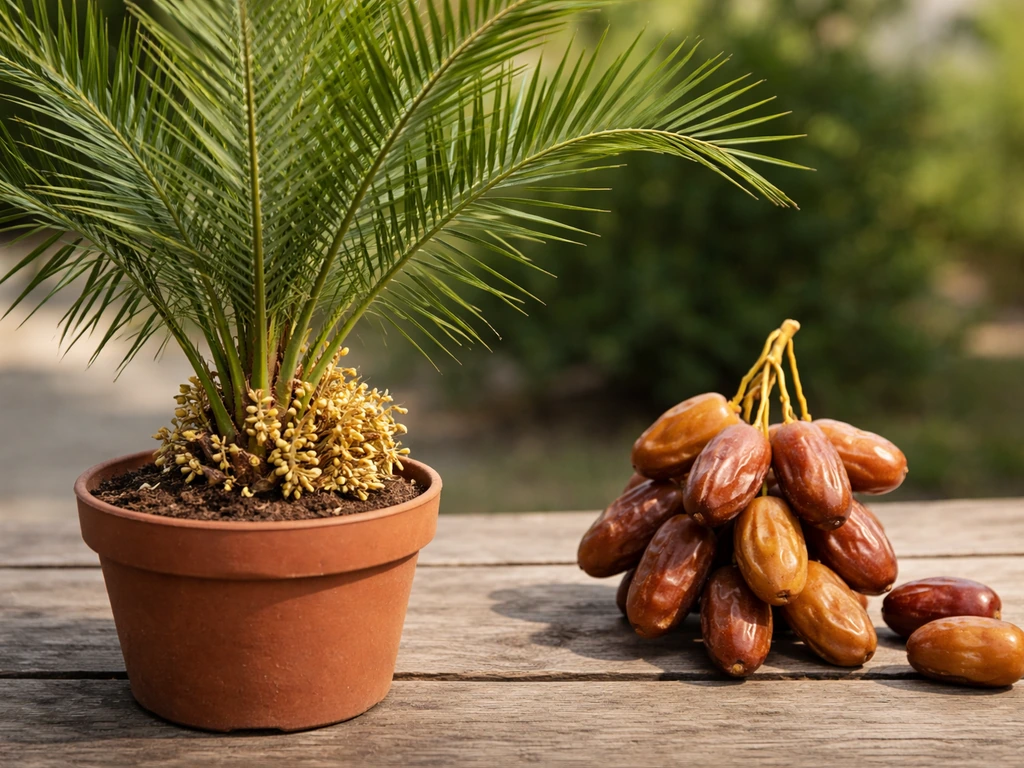
The date palm is Phoenix dactylifera, the species behind every date you've eaten. It's native to the Middle East and North Africa, where it thrives in intense dry heat, and it's been cultivated for thousands of years. Varieties like Medjool and Deglet Noor are the best-known cultivars, but there are hundreds worldwide. When people ask about growing dates in England, they usually mean one of two things: can I grow the actual palm tree, or can I grow it and get fruit? Those are very different questions with very different answers.
The RHS lists Phoenix dactylifera (female plant) with a hardiness rating of H6, which covers temperatures down to around -20°C. That sounds impressive, and in terms of cold alone it is, the plant is tougher than most people expect. The Natural History Museum notes it can tolerate some frost, though only briefly. The real limiting factor isn't cold, it's heat. Date palms need sustained high temperatures to flower reliably, with flowering kicking off when shade temperature consistently exceeds around 18°C, and fruit development demanding even more warmth across multiple stages. That's where England falls short.
The UK climate reality: what you're actually working with
England is broadly temperate and oceanic, which means mild winters but cool, often cloudy summers. Even in Devon or Kent, summer temperatures regularly sit in the low-to-mid 20s°C and rarely push into the 30s for sustained periods. Date palms flower when temperatures climb reliably above 18°C, which does happen in English summers, but fruiting and ripening require months of consistent heat that England just can't deliver outside of a heated glasshouse. Add in the UK's high rainfall and humid air (totally opposite to the hot, dry conditions dates evolved in), and the challenges stack up fast.
There's a significant difference between the south coast, places like Cornwall, Hampshire, and the Isle of Wight, and, say, the Midlands or the North. In sheltered south-facing spots near the sea, you'll have milder winters and longer warm summers. Those are the best realistic outdoor spots for keeping a date palm alive long-term. Further north, you're dealing with harder frosts, shorter summers, and more persistent cold, survivable with good protection, but fruiting becomes even more remote. Scotland is a definite no for outdoor cultivation unless you're committed to bringing it inside every winter.
Picking your palm: seed vs buying a plant, and which type to get
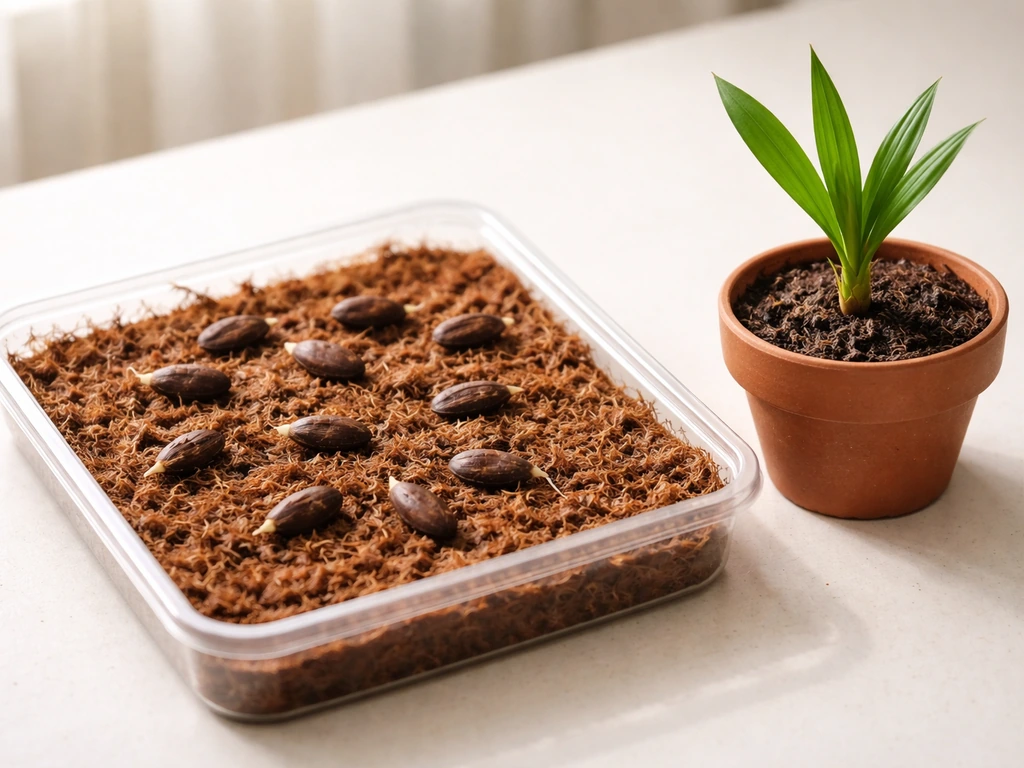
Phoenix dactylifera is the one you want for fruit, though be aware that other Phoenix species, like the Canary Island date palm (Phoenix canariensis), are more commonly sold in UK garden centres and are slightly more ornamental. They won't give you edible dates in the same way. For dactylifera, you'll need to source plants from specialist palm nurseries or order online, as they're less commonly stocked.
Growing from seed is viable as a project but comes with major caveats. Date palms grown from seed can take 4 to 8 years before they even attempt to fruit, and seedlings come out roughly 50/50 male and female, meaning you might raise a plant for years only to discover it's male. Full production is typically reached around 15 years after planting. If fruiting is your goal, buying a sexed female plant from a specialist nursery is the only way to avoid the guessing game and shave years off the timeline. That said, germinating dates from a packet of fresh supermarket Medjools is a genuinely fun experiment if you're patient and realistic.
Container setup: getting the basics right
In England, containers are your friend for date palms. Growing in a pot means you can move the plant under cover in winter, which significantly improves survival odds and makes management much more flexible. The RHS advises starting hardy palms in containers and keeping them under cover until they're well rooted in at least a five-litre pot before considering any outdoor placement.
Date palms need excellent drainage above all else. They originate in regions where rainfall is minimal and soils drain fast, so wet, compacted compost will rot the roots quickly, especially over a cool, damp English winter. Use a gritty, free-draining mix: a loam-based compost like John Innes No. 3 mixed roughly 50/50 with horticultural grit or perlite works well. Avoid peat-heavy mixes that hold too much moisture.
Pot size matters: start in something appropriately sized for the root ball and pot on gradually rather than planting a small palm into a huge container. A large pot filled with damp compost around a small root system is asking for trouble. For feeding, the RHS recommends a balanced liquid fertiliser monthly during the growing season, and watering freely when in active growth. In winter, cut watering back to a bare minimum, just enough to prevent complete drying out.
Making the most of English summers: sun, shelter, and microclimate
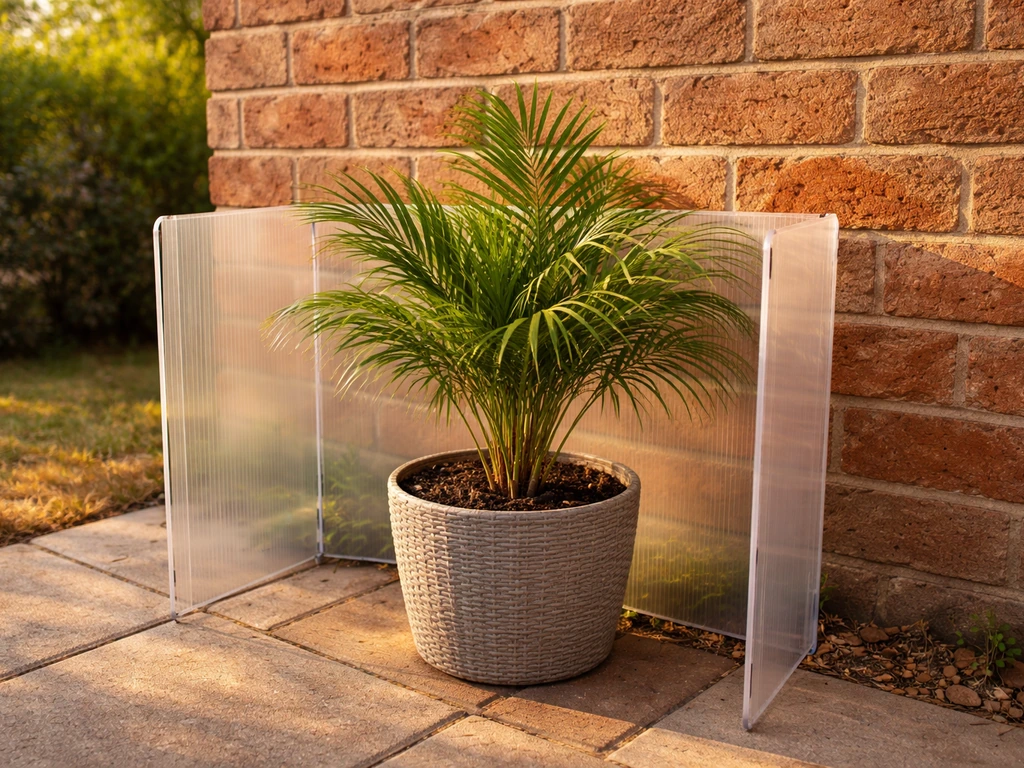
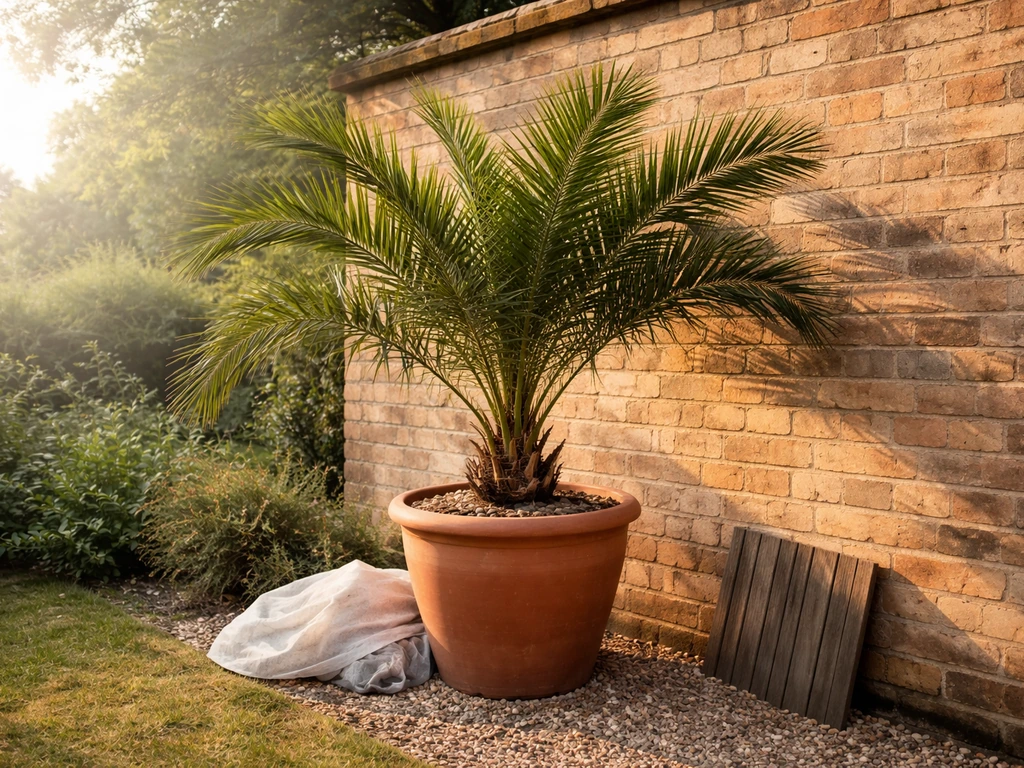
Date palms need as much direct sun as possible in the UK growing season. A south-facing wall that absorbs and radiates heat is ideal, this is your best free microclimate upgrade. Brick and stone walls in particular act as heat stores, raising temperatures noticeably in their immediate vicinity. Patios, gravel gardens, and paved areas that absorb solar radiation will all help extend the effective warm season. If you're in the south of England, a sheltered courtyard or walled garden can genuinely add a few extra degrees of effective temperature compared to an exposed border.
A greenhouse or polytunnel is the biggest game-changer if you're serious about fruiting. Even an unheated greenhouse will buffer temperatures significantly and extend the warm season by weeks at both ends. A heated greenhouse with temperatures maintained above 18°C during the day from spring to autumn gives your best shot at getting the plant to flower and potentially set fruit.
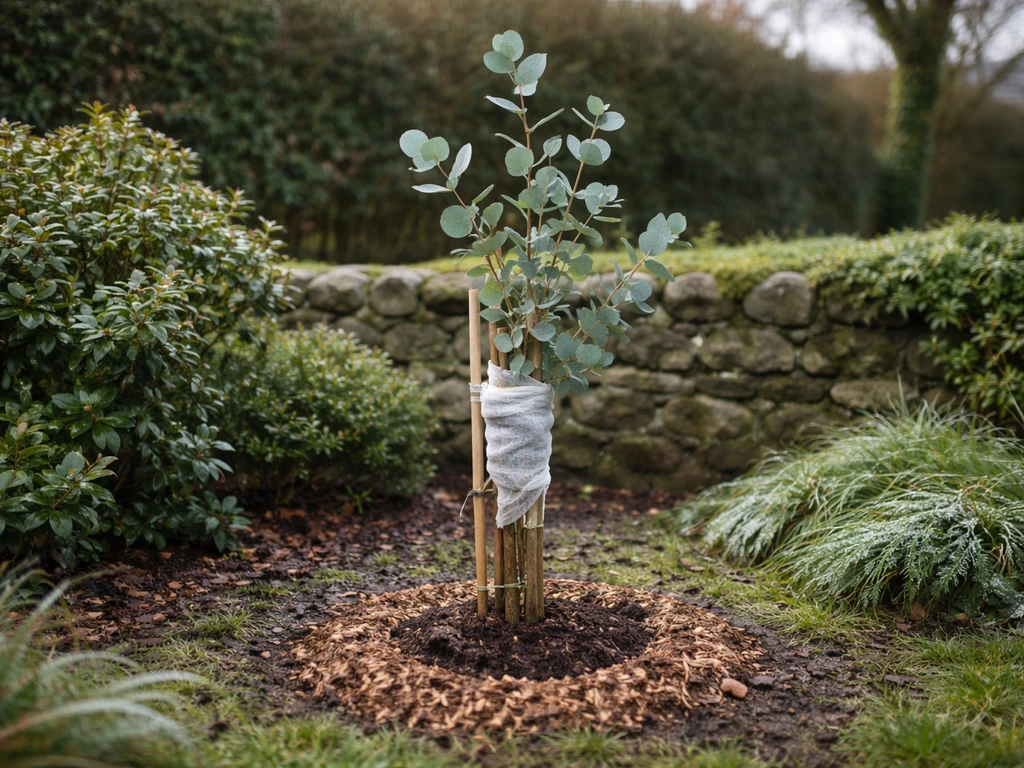
In terms of what other challenging plants can do in good UK microclimates, eucalyptus and manuka trees both illustrate how the right shelter can push the boundaries, but for date fruiting, passive solar is rarely enough without supplemental heat. Even though eucalyptus can thrive in the UK in the right conditions, it isn't the same plant or growing requirement as date palms does eucalyptus grow in uk.
Overwintering in England: keeping your date palm alive
This is where most UK date palm attempts succeed or fail. While Phoenix dactylifera can technically handle temperatures down to around -15 to -20°C on the RHS scale, what actually kills container-grown palms in the UK more often than outright cold is wet. Cold and wet together, the standard English winter, rot the crown and roots. The Palm Centre notes this failure mode clearly with Phoenix species grown in containers: a Hampshire outdoor attempt died from winter wet, while pots moved into a cool greenhouse and kept fairly dry survived down to around -2°C without issue.
The practical target is to keep your date palm in a frost-free or minimally heated space over winter: an unheated greenhouse, conservatory, or garage with good light works well. Aim to keep temperatures above freezing (0°C minimum, ideally above 5°C) and keep watering to an absolute minimum. If you must leave it outdoors in a mild spell, make sure it's in a sheltered spot, elevated off wet ground, and wrapped loosely with fleece around the crown if hard frost is forecast. Avoid wrapping so tightly that moisture builds up inside.
- Move container plants under cover (greenhouse, conservatory, or light garage) before first frost, typically October in most of England
- Keep temperatures above 0°C, ideally 5°C or higher
- Water very sparingly — once every 3 to 4 weeks is enough in a cool, dark overwinter location
- Do not feed during winter
- Ensure good air circulation to prevent fungal rot
- If leaving outdoors, elevate pots off wet ground and cover the crown loosely with fleece during hard frosts
The fruit question: what are the real chances of actually getting dates?
Let's be straight with each other here: getting ripe, edible dates from a plant grown in England outdoors is extremely unlikely. In most of the UK, maple trees are more common and can grow well, so you may be wondering this because you are comparing garden options. In the UK, date palms can survive in the right microclimates, but outdoor fruiting is the hard part date palm in England.
In Ireland, the challenge is similar to the rest of the UK, as date palms need sustained warmth for flowering and ripening date palms outdoors. The heat requirement of 3,400 heat units above 10°C across the growing season is a high bar that even a good English summer rarely clears. The RHS notes that in native environments the plant produces long flower spikes from the crown followed by edible dates, but native environments aren't England.
In a heated glasshouse kept consistently warm from spring through to autumn, you have a genuine chance of seeing flowers and, with luck and management, fruit. But it's still a long game. Date palms begin bearing around 5 to 6 years after planting, and full production comes around 15 years. [Phoenix dactylifera is also dioecious, meaning you need a male and a female plant for pollination.
](https://www. fao. org/4/t0681e/t0681e02. htm) In commercial growing, hand pollination is standard practice: pollen is collected from male flower clusters, dried, and can be stored (including by refrigeration) so it's available when the female is ready.
If you're growing indoors and aiming for fruit, you'll need to manage this yourself, buy a sexed female and source male pollen from a specialist, or grow both sexes. FAO explains that date palms are dioecious, with male and female plants on separate trees, and it also describes traditional and cultivated pollination practices used to manage fruiting [source male pollen from a specialist](https://www. fao. org/4/y4360e/y4360e0c.
htm).
| Growing approach | Survival odds | Flowering odds | Ripe fruit odds |
|---|---|---|---|
| Outdoor container, south coast England | Good with winter protection | Low to moderate | Very low |
| Outdoor in ground, sheltered south England | Moderate (weather-dependent) | Low | Negligible |
| Unheated greenhouse, England | Excellent | Moderate | Low |
| Heated greenhouse (18°C+, long season) | Excellent | Good | Realistic with pollination |
Your next steps: starting a first attempt without wasting years
If you want to try growing a date palm in England, here's the most practical path. Start by sourcing a young Phoenix dactylifera plant from a UK specialist palm nursery rather than trying to grow from scratch via seed, it saves years and removes the sex-guessing problem. Pot it into a free-draining gritty mix in a terracotta or plastic pot with good drainage holes, and place it in the sunniest, most sheltered spot you have from spring onwards. A south-facing patio, courtyard, or greenhouse is ideal.
Commit to a clear overwintering plan before autumn arrives, don't improvise when frost is forecast. If you have a greenhouse or conservatory, that's your best asset. Feed monthly through the growing season with a balanced liquid fertiliser, water generously in summer, and cut right back in winter. In year one, the goal is simply a healthy, growing plant. In years two to four, you're learning your microclimate and refining your care routine. If you're in a heated glasshouse and ambitious about fruit, look into sourcing male pollen from a specialist or growing a second plant and sexing it as it matures.
- Source a sexed female Phoenix dactylifera from a UK specialist palm nursery
- Pot into a 50/50 loam-based compost and horticultural grit mix with excellent drainage
- Place in the warmest, sunniest spot available — ideally against a south-facing wall or in a greenhouse
- Feed monthly with balanced liquid fertiliser from April to September
- Water freely in summer, very sparingly from October to March
- Move under frost-free cover by October each year
- If targeting fruit: source male pollen or a male plant and plan hand pollination for when flowers appear
- Set realistic expectations: survival and growth in years one to three, possible flowering in a heated greenhouse from year five onwards
The date palm is a rewarding plant to grow in England even if it never produces a single date. It's genuinely hardy once established, dramatic-looking, and a real talking point in any garden or greenhouse. Just go in with clear eyes: England can give you a thriving palm, but the Sahara sun it needs to fill a bowl with Medjools is not something we can reliably provide. If you also meant manuka, the key issue is whether you can provide the warm, sheltered conditions needed for reliable growth in the UK manuka trees in the uk.
FAQ
What is the most realistic outcome if I grow a date palm in England?
Expect a surviving, growing specimen, not edible fruit. Outdoors you can often get a healthy palm if drainage and sun are strong, but reliable fruit ripening usually needs a greenhouse (often heated) and even then it is a low-probability, long-term project (5 to 15 years from planting).
Can I get dates from a date palm grown in England without a heated greenhouse?
Possibly, but it is uncommon. An unheated greenhouse can extend the season and sometimes allow flowering, yet ripening needs sustained warm conditions, not just survival. Plan for the chance of flowers but no ripe fruit, and budget time for multiple attempts across several summers.
Do I need male and female date palms to get fruit?
Yes. Phoenix dactylifera is dioecious, so a single plant will not produce dates even if it flowers. If you only want edible fruit, buy a sexed female plant and either keep a male nearby or arrange hand pollination using pollen sourced from a specialist.
If my palm flowers, does that guarantee I will get ripe dates?
Not necessarily. Flowering depends heavily on heat timing, but fruit set and ripening depend on additional warm conditions later in the season. Even with good flowering, cool spells, poor pollination, or winter stress can prevent dates from maturing.
What is the biggest cause of death for container date palms in the UK?
Wet, cold conditions during winter. The plant can tolerate low temperatures, but in damp, compacted compost or poorly ventilated overwintering areas the crown and roots can rot. Prioritize gritty drainage, avoid overwatering in winter, and ensure excess water can escape quickly.
How should I water a date palm during winter in England?
Use a minimal approach. Keep the root ball just from fully drying out, do not water on a schedule, and only water if compost is clearly drying. If your overwintering space is cool and humid, watering too often is a common route to rot.
What potting mix should I use to avoid root rot?
Aim for a gritty, fast-draining mix. A loam-based compost cut with horticultural grit or perlite in roughly equal proportions helps, because it drains quickly while still holding enough moisture for active growth. Avoid peat-heavy mixes that stay wet for long periods in winter.
Does terracotta vs plastic potting change success in England?
It can. Terracotta often dries faster, which can reduce winter wet risk, but it can also dry out quickly in summer. Plastic retains moisture longer, so you must be stricter with watering and ensure drainage holes are excellent. Either can work if you match your watering to the pot type and overwintering conditions.
Should I grow from seed or buy a young female plant?
For fruit in England, buying a sexed Phoenix dactylifera female from a specialist is usually the better decision. Seed-grown palms can take years before fruiting and they are about half male, meaning you may wait a long time only to discover you cannot fruit without a male.
How do I handle pollination if I’m growing indoors or in a greenhouse?
You will likely need to do it yourself. In practice this means either having a male plant at flowering time, or sourcing male pollen and applying it when the female flowers are receptive. Store pollen only if you can do it properly, and plan to monitor bloom timing closely.
Where in England is best for outdoor survival, even if fruit is unlikely?
Your best bet is the warmest, most sheltered south-facing microclimate, especially near sea-influenced areas. Look for locations that combine maximum sun with wind protection and an area that heats up in the day and releases warmth at night, such as walls or courtyards.
Can I leave my date palm outdoors in winter if it is protected with fleece?
Protection helps for frost, but it does not solve damp conditions. If the plant stays wet-cold, fleece will not prevent rot. If you must cover it outdoors, keep it off wet ground, use good elevation and drainage, and treat airflow as important so moisture does not build up inside the wrap.
How quickly will my date palm start growing in the UK?
Year one is often about establishment rather than a big display of growth. Expect slower growth in cool seasons, then stronger flushes when temperatures rise and light levels improve. If it stays stalled, check for winter wet damage, insufficient light, or an overcrowded pot that holds too much moisture.
Next Article
Does Eucalyptus Grow in Ireland? How to Succeed
Find if eucalyptus can grow in Ireland and get practical tips for species, planting, winter protection, and troubleshoot