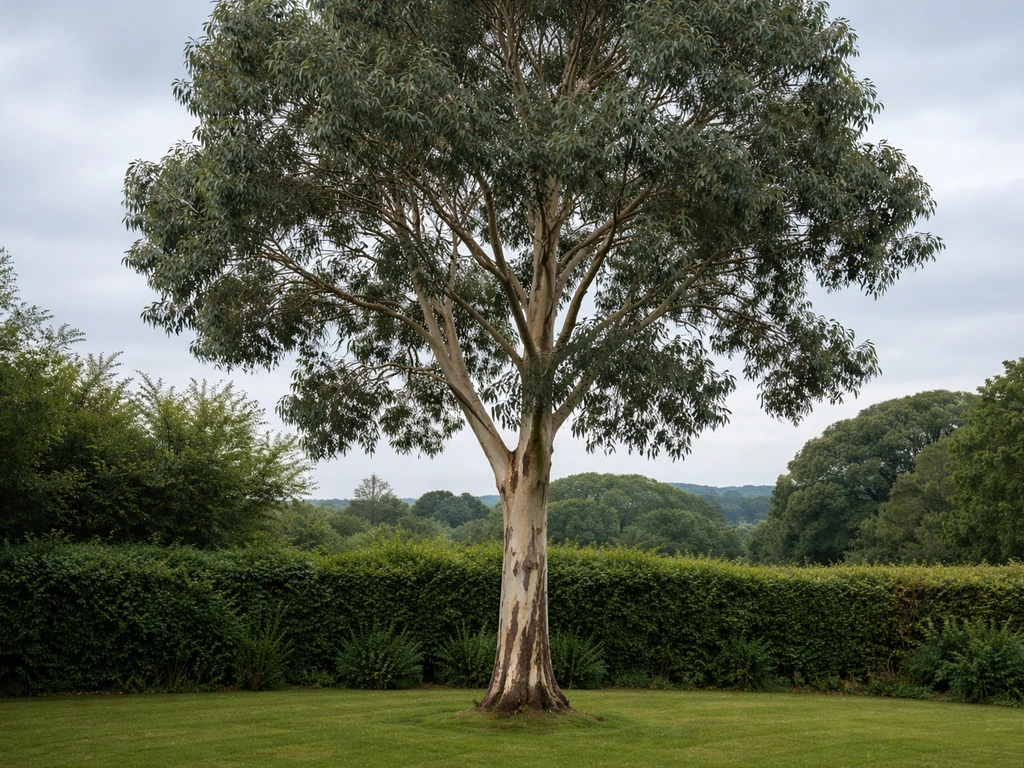
Yes, cottonwood trees can grow in the UK, but with an important caveat: true North American cottonwoods (mainly Populus deltoides) are rarely planted here directly. What most UK gardeners will realistically grow is a close relative, either the hybrid black poplar (Populus × canadensis), which has cottonwood in its parentage and is already naturalised across Britain, or other cold-hardy poplars like white poplar (Populus alba) or black poplar (Populus nigra). These trees are well-suited to British conditions, grow fast, and are genuinely achievable in most parts of the country.
Do Cottonwood Trees Grow in the UK? Species, Suitability

James Hartwell
9 Jun 2026
Cottonwood species worth considering for the UK
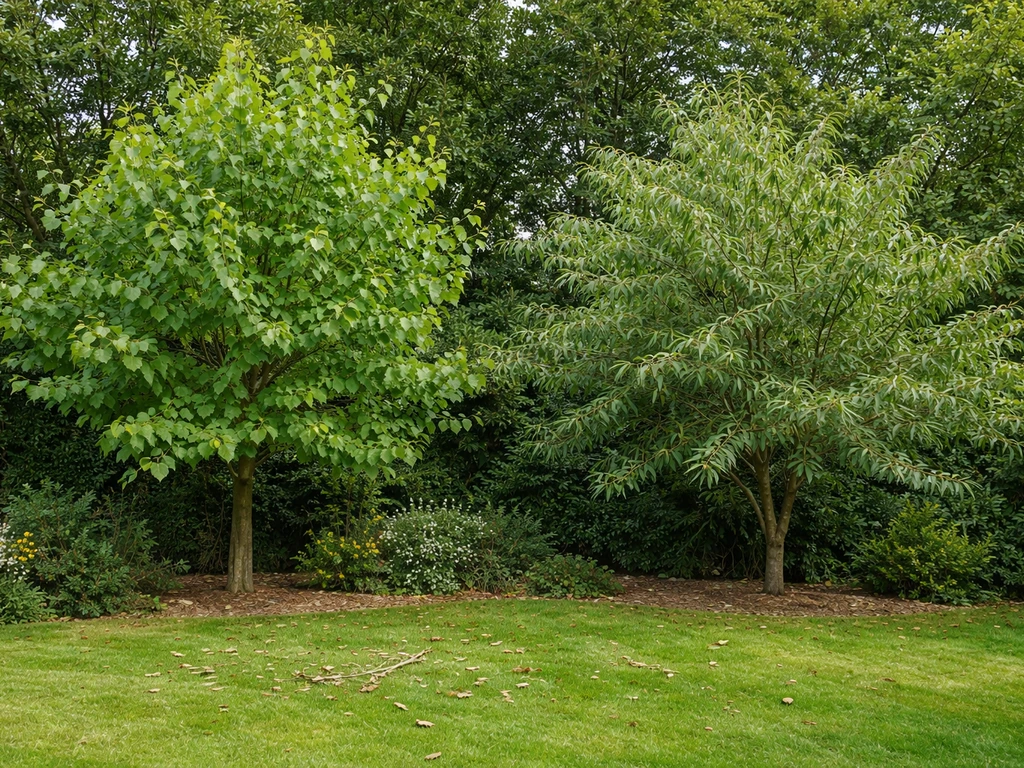
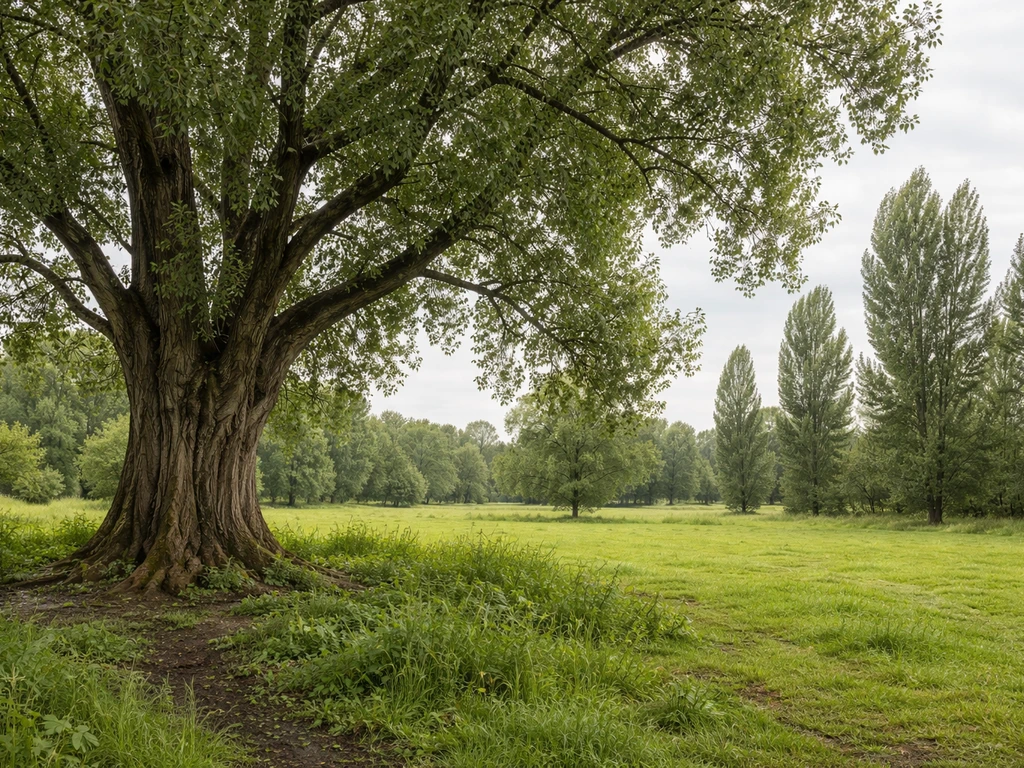
Cottonwood is a loose common name applied to several members of the Populus genus, particularly North American species like Populus deltoides (eastern cottonwood) and Populus trichocarpa (black cottonwood or western balsam poplar). In the UK, you're unlikely to see Populus deltoides sold as a specimen tree, but its genetics live on in Populus × canadensis, the hybrid black poplar, which arose from a cross between P. deltoides and the native British black poplar, P. nigra. That hybrid is now widespread and naturalised across the country, so in a practical sense, cottonwood-lineage trees are already growing in UK hedgerows and riverbanks.
Populus trichocarpa is hardy to USDA Zone 4, which maps comfortably onto most of the UK, and it does turn up occasionally in specialist nurseries. It's the most direct 'true cottonwood' option available to UK gardeners. Populus alba (white poplar) is even tougher, rated hardy to Zone 3, and has naturalised across Europe including Britain. And Populus nigra, the native black poplar, is genuinely British though now classed as a declining and endangered species, making planting it an act of conservation as much as gardening.
| Species | Common Name | UK Hardiness | Realistic Availability | Notes |
|---|---|---|---|---|
| Populus × canadensis | Hybrid black poplar / Canadian poplar | H6 (very hardy) | Good, nurseries and online | Naturalised in UK; cottonwood parentage; fast-growing |
| Populus alba | White poplar | H6 (very hardy) | Good | Zone 3 hardy; tolerates coastal exposure; spreads by suckers |
| Populus nigra | Black poplar | H3 (mild areas preferred) | Specialist nurseries | Native but endangered; conservation value; RHS rates H3 |
| Populus trichocarpa | Black/western cottonwood | H6 (hardy to Zone 4) | Specialist only | Most direct 'true cottonwood'; balsam-scented foliage |
| Populus deltoides | Eastern cottonwood | H5–H6 | Rarely sold in UK | More suited to continental climates; not commonly available here |
For most UK gardeners, Populus × canadensis or Populus alba are the practical starting points. If you specifically want the true cottonwood experience, Populus trichocarpa is your best bet and is worth searching out from a specialist native or broadleaf nursery.
How British climate suits these trees
Most cottonwood relatives are extremely cold-hardy, so UK winters are not really the limiting factor. Zone 3 and Zone 4 ratings mean they can handle temperatures well below anything a British winter is likely to throw at them. What matters more in the UK is summer heat and soil moisture. Cottonwoods and their relatives evolved near rivers and floodplains, and they thrive in consistently moist soils. Britain's wet climate and high water table in many areas is actually an advantage here, not a problem.
Populus nigra is the exception to the general hardiness rule. The RHS rates it H3, meaning it performs best in coastal and relatively mild areas, roughly the south and west coasts of England and Wales, and sheltered lowland spots. If you're in the Scottish Highlands or an exposed upland site, Populus nigra is a riskier choice. Populus alba and the hybrid Populus × canadensis are far more forgiving and will grow from Cornwall to Aberdeenshire without complaint.
Wind tolerance is genuinely good across the genus. Poplars are regularly planted as windbreaks and field boundaries, and Populus alba in particular handles coastal exposure well. Frost pockets are a minor concern during establishment of young trees, but once they're past their first season or two, the cold resilience of these species kicks in and they'll push through most UK winters without damage.
Where and how to plant

Choosing your site
Site selection is arguably the most important decision you'll make. Cottonwood relatives are large, water-hungry trees that grow fast and produce invasive roots. The RHS lists Populus among high water-demand broadleaved trees and specifically advises caution about planting near buildings, as roots can affect nearby structures and ground moisture. The standard advice is to keep these trees at least 20 metres from your house foundations, and further if you're on shrinkable clay. The roots will also travel toward drains, so keep them well clear of sewer lines, soakaways, and underground services. These are countryside, large garden, or smallholding trees, not small suburban plot trees.
The ideal spot is open ground with reliably moist soil: a field edge, a streamside, a large lawn or paddock away from buildings. South-facing slopes with good light are fine but not essential. These trees don't need sun to thrive the way a fruit tree does. They'll grow in partial shade but the growth rate slows noticeably.
Soil, spacing, and planting time
Poplars and cottonwoods aren't fussy about soil type. They'll grow in clay, loam, or sandy soils as long as moisture is reliable. The main limitation is constant waterlogging without drainage, though even this is more tolerable than for most garden trees. Soil pH isn't critical, and they don't need particularly fertile ground to establish, though they'll reward a well-prepared planting pit.
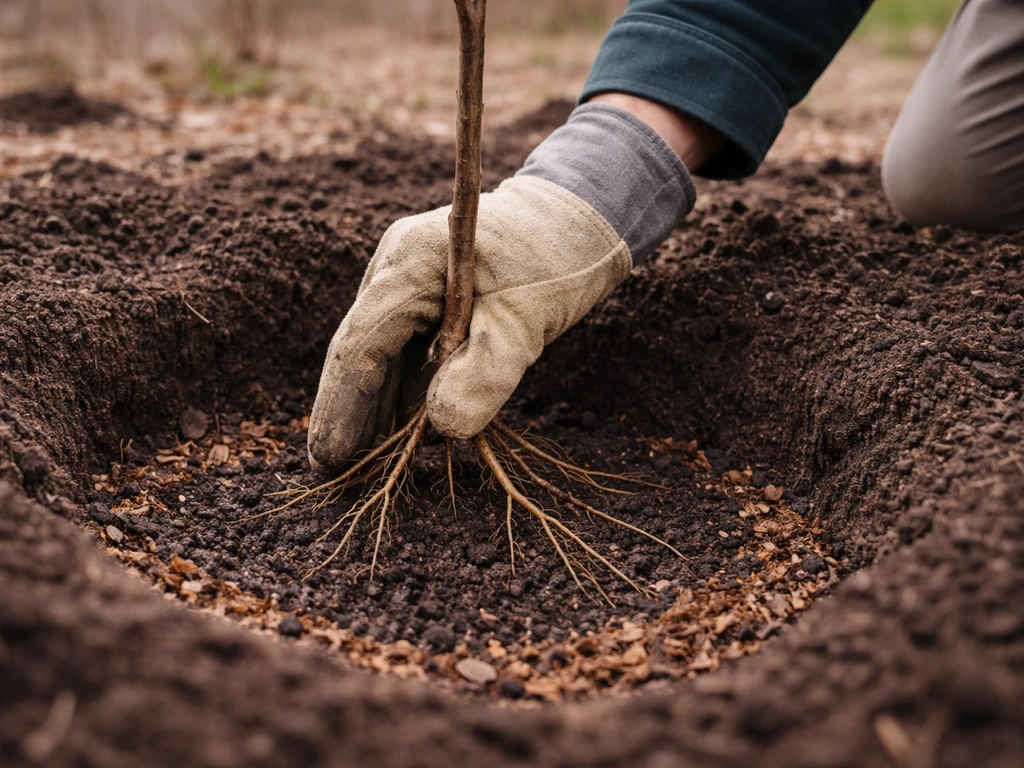
Plant bare-root trees during the dormant season, typically November through to early March. The RHS recommends continuing bare-root planting through January, and poplars respond well to this approach. Container-grown specimens can go in at any time of year with adequate watering, but bare-root winter planting is cheaper and often results in better establishment. Space large species like Populus × canadensis at least 10 to 15 metres apart if planting multiples, as they spread substantially at maturity. For a windbreak row, 5 to 8 metres between trees is workable if you're managing them with regular pollarding.
Growth rates and what to expect
Cottonwood relatives are genuinely fast-growing, and that's one of the main reasons people plant them. In good conditions, Populus × canadensis can put on 1.5 to 2 metres of height per year in its early years. Populus alba and Populus trichocarpa are similarly vigorous. At maturity, these trees can reach 20 to 30 metres, so you need to have a long-term plan. If height is a concern, regular pollarding keeps them manageable, though the RHS flags that poplars can become hazardous without appropriate pruning management because of their tendency to produce multiple shoots and relatively weak wood. If you're going to pollard, establish the pollard head in the first few years and keep it going on a regular cycle.
Suckering is a real-world consideration that catches people out. Poplars sucker freely, and once you start disturbing the roots, whether by digging, forking, or any excavation nearby, you can trigger a flush of suckers over a wide area. This is particularly noticeable with Populus alba. If you need to do any digging around an established tree, be prepared to deal with suckers persistently. Root barriers at planting time can help contain this, particularly if you're near a lawn, vegetable plot, or paved area.
Pests, diseases, and keeping problems in check
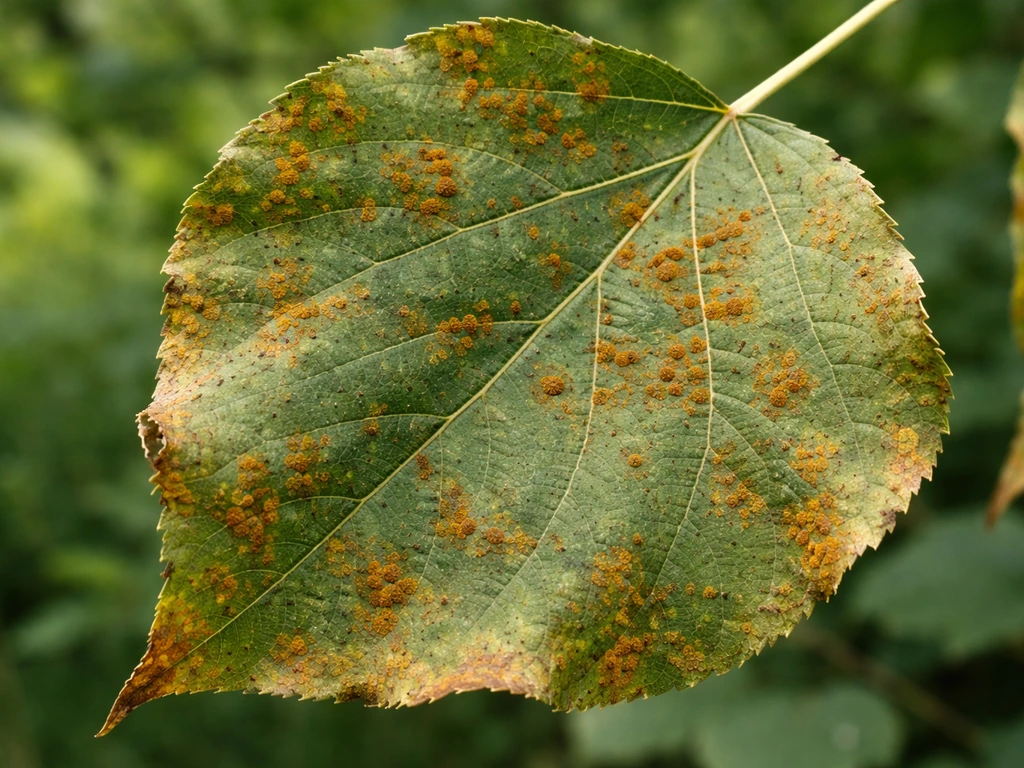
The most common disease issue you'll encounter in the UK is poplar rust (Melampsora species). Forest Research has documented it having a notable impact in Great Britain, and heavy infection causes leaf yellowing and premature defoliation. The reassuring news is that poplar rust has rarely if ever killed trees in Britain, according to Forestry Commission records. It's disfiguring and can weaken young trees repeatedly, but established trees generally push through it. If you're seeing significant rust, rake up and dispose of fallen leaves rather than composting them, as this reduces spore load for the following season.
Bacterial canker is the more serious threat, particularly for Populus nigra and Populus × canadensis. The RHS flags it specifically for both species. The RHS also notes that Populus × canadensis may be susceptible to silver leaf, bacterial canker, tree rusts and honey fungus. It causes dieback of branches and cankers on stems, and if left unchecked can disfigure or structurally weaken a tree. The practical management is to prune infected material out promptly and disinfect your tools between cuts. Timing your pruning for late summer is specifically advised for Populus × canadensis, as this reduces the risk of canker infection through fresh cuts and avoids the heavy bleeding that happens with spring pruning.
- Poplar rust: watch for orange pustules on leaf undersides from midsummer; rake and dispose of infected leaves in autumn
- Bacterial canker: prune out cankered wood in late summer; sterilise tools between cuts; avoid pruning in wet or cold weather
- Honey fungus: poplars are susceptible; if you see honey-coloured toadstools at the base or white mycelium under bark, get specialist advice
- Silver leaf: more commonly associated with cherries and plums but can affect poplars; remove affected branches promptly
- Suckering after root damage: plan any nearby excavation carefully and use root barriers if installing services close to the tree
General pest damage from caterpillars, aphids, and gall-forming insects is common across the Populus genus but rarely requires intervention on established trees. Young transplants in their first season may need monitoring, but chemical treatment is almost never necessary.
When cottonwood isn't right for your situation
If you have a small garden, a plot near buildings, or a site with underground services, a full-sized cottonwood or hybrid poplar is genuinely not a good choice. The combination of vigorous roots, suckering tendency, and eventual size creates long-term problems that outweigh the appeal. The RHS caution about these trees near buildings and drains is not overcautious, it's based on real-world experience of root damage to foundations, drains, and paved surfaces.
A more manageable alternative for smaller spaces is Populus tremula 'Erecta', the columnar aspen. The RHS notes it tolerates any soil except constantly waterlogged ground, and its narrow, upright form takes up a fraction of the space of a spreading cottonwood relative. It won't give you the same dramatic scale, but it has the characteristic trembling foliage and wildlife value of the poplar family in a form that suits a suburban plot. It's also notably cold-hardy and well-suited to most UK regions.
If you're drawn to fast-growing large trees for shade, screening, or windbreaks but want something less demanding, consider whether silver birch, alder, or field maple might meet your needs. Maples in particular are a great UK-friendly choice, and do maple trees grow in UK is a question with a very satisfying answer for most gardeners. Similarly, eucalyptus offers extremely fast establishment if you're after screening rather than a native-broadleaf feel. Whether eucalyptus can grow in Ireland depends on local conditions like frost exposure and winter shelter eucalyptus in Ireland. If you are wondering does eucalyptus grow in UK, the key is matching the right sheltered conditions and watering needs eucalyptus offers extremely fast establishment.
Verifying feasibility for your area
If you're unsure whether your specific site and region are suitable, the RHS Plant Finder is a good starting point for checking hardiness ratings and sourcing named cultivars from reputable nurseries. For Populus nigra specifically, contact your local Wildlife Trust or the Tree Council, as they sometimes have planting schemes for this endangered native. The Woodland Trust also occasionally offers native poplar as part of free tree packs for eligible landowners and smallholders in the UK. For Populus trichocarpa or specialist cottonwood cultivars, seek out broadleaf or native tree nurseries rather than general garden centres, which rarely stock them.
In short: if you have the space, the right site, and realistic expectations about size and maintenance, cottonwood relatives grow very well in the UK. That said, if you're wondering can you grow dates in England, you'll need to focus on genuinely cold-hard plants rather than cottonwood relatives. If you're in a mild coastal area and want the true native, Populus nigra is a conservation-worthwhile choice. If you want something that simply works almost everywhere in Britain, Populus × canadensis or Populus alba will give you that fast-growing, large-scale cottonwood experience with minimal fuss.
FAQ
Do I have to choose a different cottonwood species in the UK because Populus deltoides is not sold?
If you mean Populus deltoides specifically, it is not commonly sold in the UK and there usually is not a straightforward “true cottonwood” option. The practical substitute is Populus × canadensis for cottonwood-lineage performance, or Populus trichocarpa if you want the closest true-cottonwood experience that occasionally appears in specialist nurseries.
Will a cottonwood-line tree still grow well if my site is only partly sunny?
Cottonwood relatives tolerate partial shade, but they grow noticeably slower when light is limited. If your goal is fast height, put them on the sunniest, most open part of your site (even if it is still only “good light” rather than full exposure).
Are UK winters a problem when planting cottonwood relatives, or is it mainly summer conditions?
Mature trees usually survive winters fine, but the first couple of seasons are when frost pockets and cold winds can stress young plants. Use good establishment watering in dry spells during the first year, and avoid planting in areas where cold air pools around the trunk.
Can I grow cottonwood trees in a small garden if I keep them pruned?
Yes, in many UK gardens they can be too much. The key risk is root expansion toward foundations and underground services, plus frequent suckering, which turns into recurring maintenance. For tight urban plots, a columnar form like Populus tremula 'Erecta' is often a safer choice than a full-size poplar or cottonwood relative.
What should I do if I already have lawn areas near an established poplar and want to do garden work?
Root suckers are triggered more easily by digging or disturbing roots near the tree. If you need to do landscaping, expect follow-up removal over time, and consider installing root barriers at planting if the tree is near a lawn, vegetable area, or paved edge.
How far should cottonwood relatives be kept from drains, soakaways, or underground services?
If you plant Populus near drains or soakaways, roots can seek out moisture and create long-term problems. Use generous separation, keep well away from sewer lines and service trenches, and if you are near existing infrastructure, consider a non-poplar alternative.
Should I spray for poplar rust in the UK, or is there a better approach?
Poplar rust rarely kills trees in Britain, but heavy infections can repeatedly weaken young growth. For noticeable rust, remove and dispose of fallen leaves (do not compost), and target stress reduction (consistent moisture in establishment years) rather than expecting “spray solutions” to be necessary every time.
What’s the best way to manage bacterial canker if I spot dieback on a poplar/cottonwood relative?
Bacterial canker is the one issue where “wait and see” can cost you. Prune out infected material promptly, disinfect tools between cuts, and avoid fresh cutting during periods that increase the risk through open wounds, particularly for Populus × canadensis.
When is the best time to plant cottonwood relatives in the UK, bare-root or container?
Bare-root planting during dormancy is typically best value and often gives better establishment, especially from November to early March. Container trees can go in any time, but they require reliable watering afterward to compensate for heat and wind stress.
What spacing should I use if I’m planting cottonwood relatives as a windbreak?
If you want a windbreak row, spacing depends on whether you plan to let trees mature or manage them. For managed rows, closer spacing can work, but you should expect ongoing pruning and a regular pollarding cycle to keep them safe and uniform.
If I pollard, when should I start and can I do it only once to control size?
With Populus and related cottonwoods, height control is tied to ongoing maintenance. Pollarding can manage size, but you need to establish the pollard head early and repeat the cycle, otherwise regrowth can become awkward and potentially risky.
How can I choose the right cultivar for my exact UK region, and where can I find Populus nigra or trichocarpa reliably?
Yes, you can use hardiness and planting schemes as a decision aid. The RHS Plant Finder helps match your site with cultivar availability and hardiness expectations, and for Populus nigra you may find local conservation stock through wildlife or tree-focused organizations.
Next Article
Does Eucalyptus Grow in the UK? How to Succeed
Learn if eucalyptus can grow in the UK and get step-by-step care, cold protection, and planting tips for success.