Autumn in the UK is genuinely one of the best times to be sowing and planting, and there's far more on the table than most people realise. Right now, in mid-June 2026, you're actually at the perfect moment to start planning your autumn growing calendar.
What to Grow in Autumn in the UK: Planting Guide
James Hartwell
18 Jun 2026
If you're planning what to grow next, you may be wondering can you grow Jerusalem artichokes in the UK, and the good news is they can be surprisingly easy if you match their soil and spacing needs autumn growing calendar. The crops that thrive from September through November include hardy leafy greens, overwintering brassicas, root veg, garlic, onion sets, and a clutch of herbs and flowers that actually prefer the cooler, damper conditions autumn brings.
If you get the timing right and use even basic protection like fleece or a cold frame, you can be harvesting fresh food well into December and beyond.
Autumn growing reality in the UK
The UK doesn't have one autumn, it has dozens, depending on where you are and what your garden is like. A grower on the South Coast near a south-facing wall is working with a very different autumn to someone on a hilltop in the Scottish Borders. Average first autumn frost dates give a rough guide: South East England typically sees its first frost in late October, while the Midlands often gets there by mid-October.
But these are averages, and gardeners in exposed spots or low-lying frost pockets sometimes see a hard frost in late September when they weren't expecting it. On the flip side, a sheltered urban garden with a warm wall can often push well into November before seeing any serious damage.
South-facing walls and fences are genuinely useful here. They absorb heat during the day and release it overnight, which can keep temperatures just high enough to avoid the frosts that catch out neighbouring gardens. Cold air also sinks and pools in dips and hollows, so if your garden sits in a natural low spot, you're likely dealing with frost earlier and harder than your street-level forecast suggests. Worth knowing before you commit to something borderline-tender.
As a rough seasonal framework: early autumn runs September through to around mid-October, mid-autumn covers mid-October to early November, and late autumn takes you through to the end of November. Each phase has different sowing and planting priorities, and the further north you are, the tighter your windows get, particularly for anything that needs a few weeks to establish before the cold really bites.
What to sow vs what to plant, and when to do each
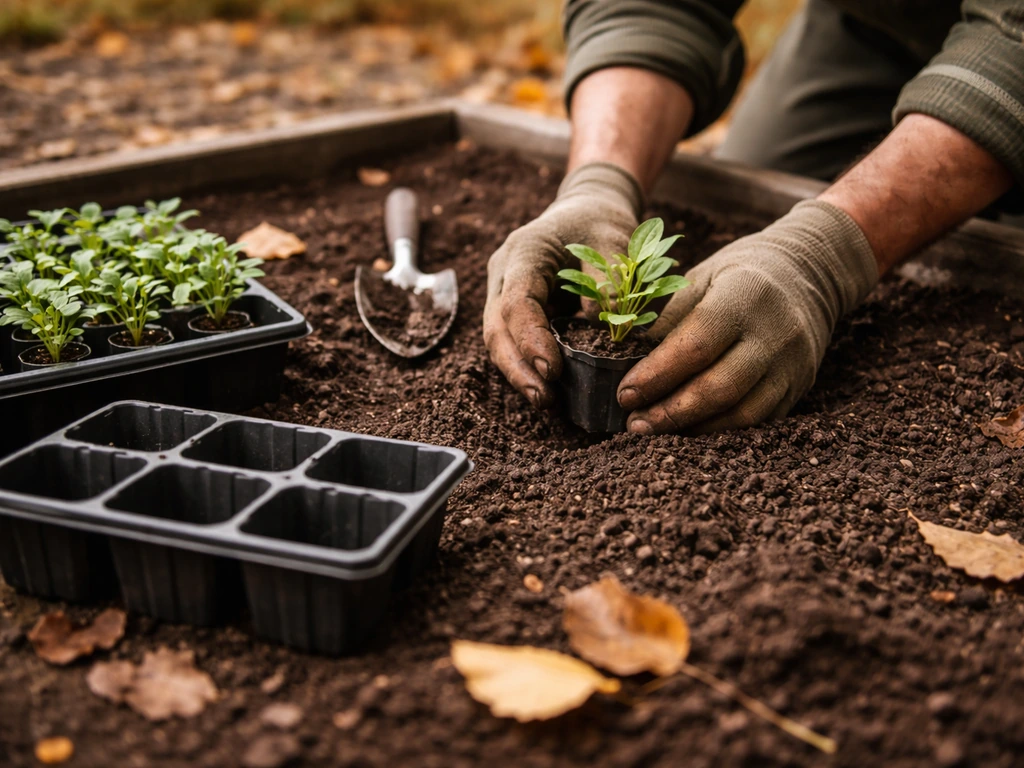
One of the most common autumn growing mistakes is treating sowing and planting as interchangeable. They're not. Sowing from seed in early autumn still works brilliantly for quick crops like radishes, spinach, and salad leaves, but as you move into mid and late autumn, the window for direct sowing shrinks fast. Cold soil slows germination badly, and a seedling that germinates slowly in wet, cold conditions is vulnerable to slugs, mould, and rot before it's had a chance to get going.
Early autumn (September to mid-October)
- Sow directly outdoors: winter spinach, radishes, salad leaves, land cress, corn salad (mâche), pak choi, mizuna, mustard greens, and overwintering peas
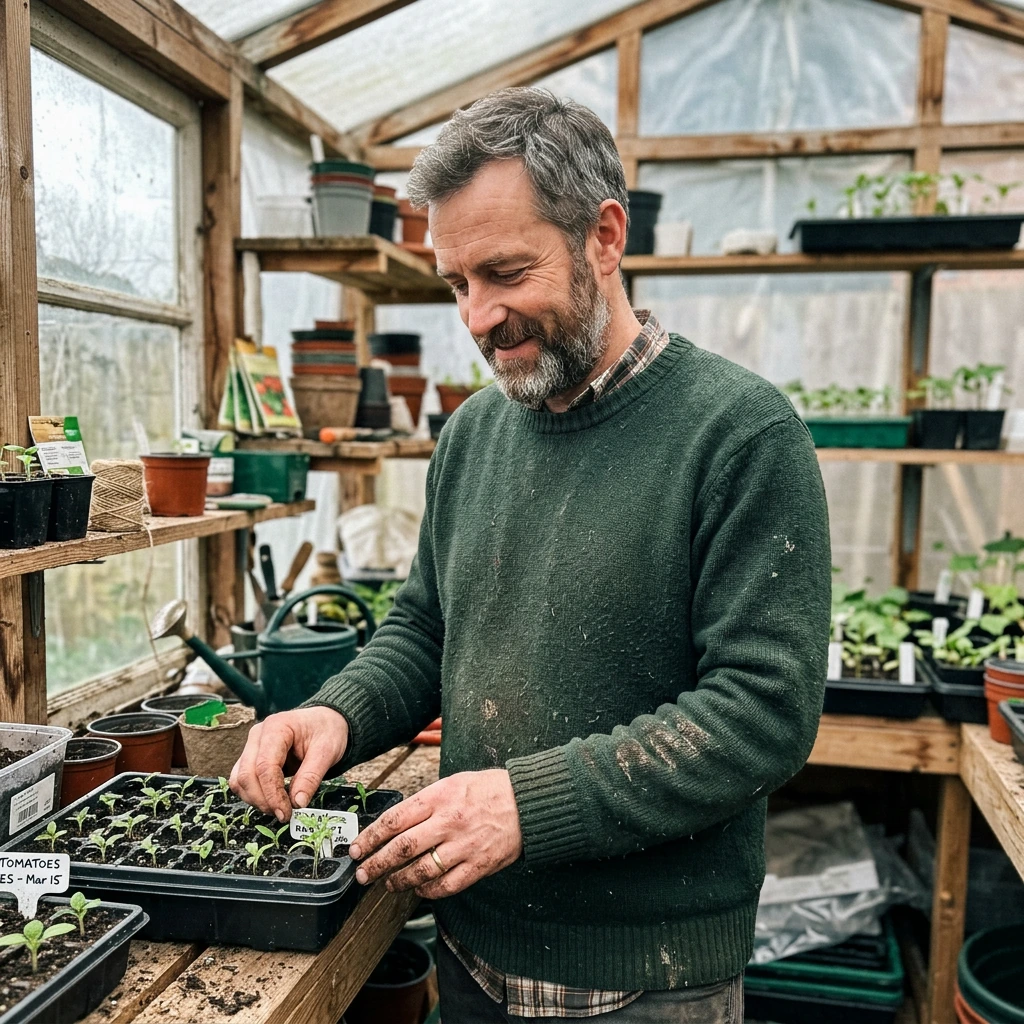
- Sow in modules/cell trays for transplanting: winter lettuce, spring cabbage, broad beans
- Plant out: autumn onion sets (tip just showing above soil), garlic cloves, spring cabbages raised from seed in summer, and established herb plants
- Consider sowing: overwintering hardy herbs like parsley in modules for transplanting under cover
Mid-autumn (mid-October to early November)
- Direct sowing is risky outdoors unless you have cover — focus on cold frames and cloches
- Plant garlic and onion sets if not done in September (the window runs through to November)
- Plant out spring cabbages into their final positions
- Sow overwintering broad beans directly in sheltered spots or under cover
- Plant Jerusalem artichoke tubers — they're extremely hardy (RHS H7 rating) and can go in now without any fuss
Late autumn (November)
- Sowing outdoors is largely done — focus on protecting what's already in the ground
- Overwintered garlic, onion sets, and broad beans should now be established
- Hardy greens like kale, chard, and spinach under cover or fleece can still be harvested
- Plant bare-root fruit trees and canes while the ground is workable
One tip worth flagging on overwintering peas: sow them undercover rather than directly outside. Mice are remarkably good at finding freshly sown peas and eating them before they even germinate. Starting them in modules or trays indoors, then transplanting once they've got a bit of height, sidesteps this problem neatly.
Best autumn vegetables: leafy greens, roots, brassicas, and overwinterers
Leafy greens
Winter spinach is arguably the star of the autumn sowing calendar. Sow winter varieties from the beginning of September (not summer varieties, which won't cope), and you can harvest through winter, especially with a cold frame or cloche over them. In mild areas, spinach planted in a greenhouse border or under cover will crop reliably all winter. Spinach also benefits from autumn's naturally cooler, wetter conditions, which means far less watering pressure than summer growing. Just water in the mornings to reduce moisture sitting on leaves overnight.
Oriental greens, pak choi, mizuna, mustard, and tatsoi, are some of the fastest and most rewarding autumn crops. They handle light frosts reasonably well and go from seed to harvest in four to six weeks in early autumn, compressing towards six to eight weeks as temperatures drop. Corn salad and land cress are even hardier and will sit through most of a British winter with minimal fuss. Kale, already established from a summer sow, keeps producing through everything autumn throws at it.
Root vegetables
Radishes are one of the few roots genuinely viable as a direct-sow in early autumn. Sow seeds 1cm deep and 10cm apart, and you're looking at harvest in four to six weeks, which means a September sowing can realistically give you radishes before mid-October. Choose AGM varieties for reliable performance and go for winter radish types (like mooli or Black Spanish) if you're sowing later, as they're slower but more cold-tolerant.
Carrots sown in early September are a stretch, they take around 90 days to harvest, which puts a September sowing at a December harvest in mild areas under cover, but it's tight and results are variable. Honestly, unless you have a polytunnel or cold frame to keep soil temperatures up, I'd focus your energy elsewhere for carrots and save the bed space for faster crops. Beetroot is more forgiving at around 40 to 60 days to harvest, though be aware it can bolt if conditions are erratic, it prefers steady, cool growing.
Brassicas
Spring cabbages sown in late summer and transplanted into their final beds in early autumn are a classic British growing move, and for good reason, they overwinter reliably and give you the first proper brassica harvest of the following year. Brussels sprouts are slow to mature and are better thought of as a crop you're finishing off in autumn (from a spring sow) rather than starting.
If you're planting out spring cabbage now, firm them in well, loose roots on brassicas in autumn mean they rock in the wind and struggle to establish. [Calabrese is worth avoiding as a new sowing in autumn](https://www. rhs. org.
uk/vegetables/calabrese/grow-your-own): it bolts easily in unstable conditions and really doesn't like being transplanted once the weather starts to warm up or fluctuate.
Overwintering crops
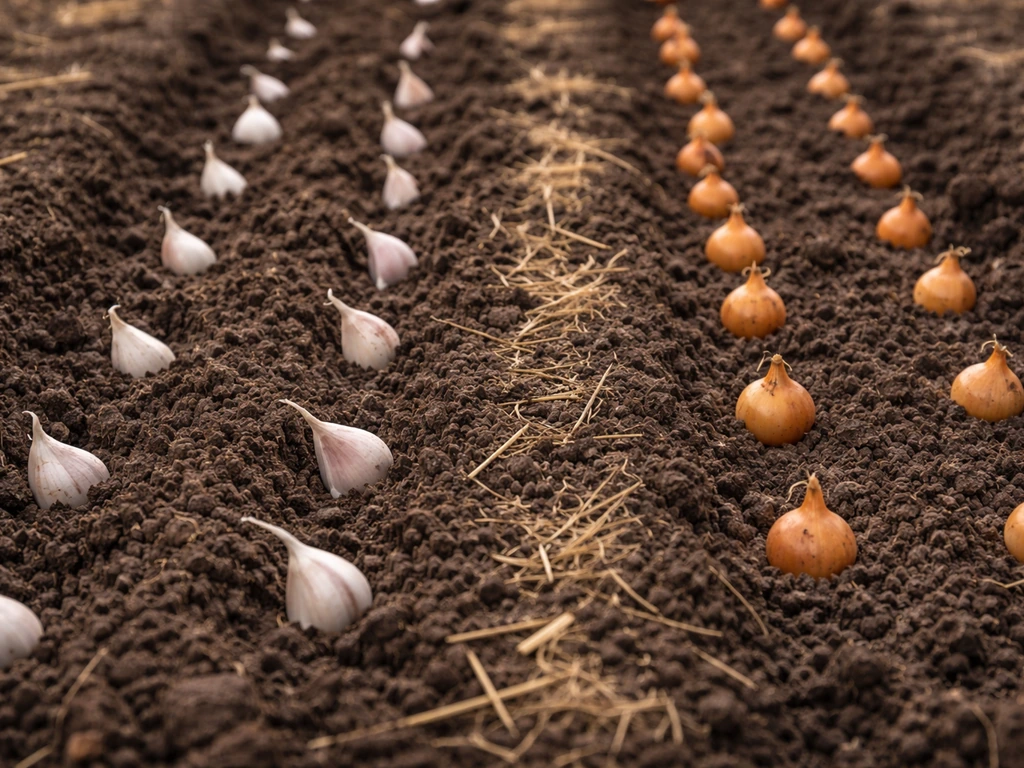
Garlic and autumn onion sets are the backbone of overwintering vegetable growing in the UK. If you are wondering about Tropea onions specifically, the UK approach is similar in timing to autumn onion sets, with attention to variety and protection. Plant onion sets from September to November with just the tip showing above soil, they use ground that would otherwise sit bare, help retain nutrients through winter rains, and give you an early harvest next summer.
Garlic goes in at a similar time, cloves pointed end up, about 2. 5cm deep. Jerusalem artichokes are another excellent overwintering option: plant tubers in autumn, leave them almost entirely alone, and they'll come back reliably every year. They're rated H7 by the RHS, which means they're among the hardiest things you can grow in Britain.
Herbs, flowers, and more unusual options for autumn
Herbs
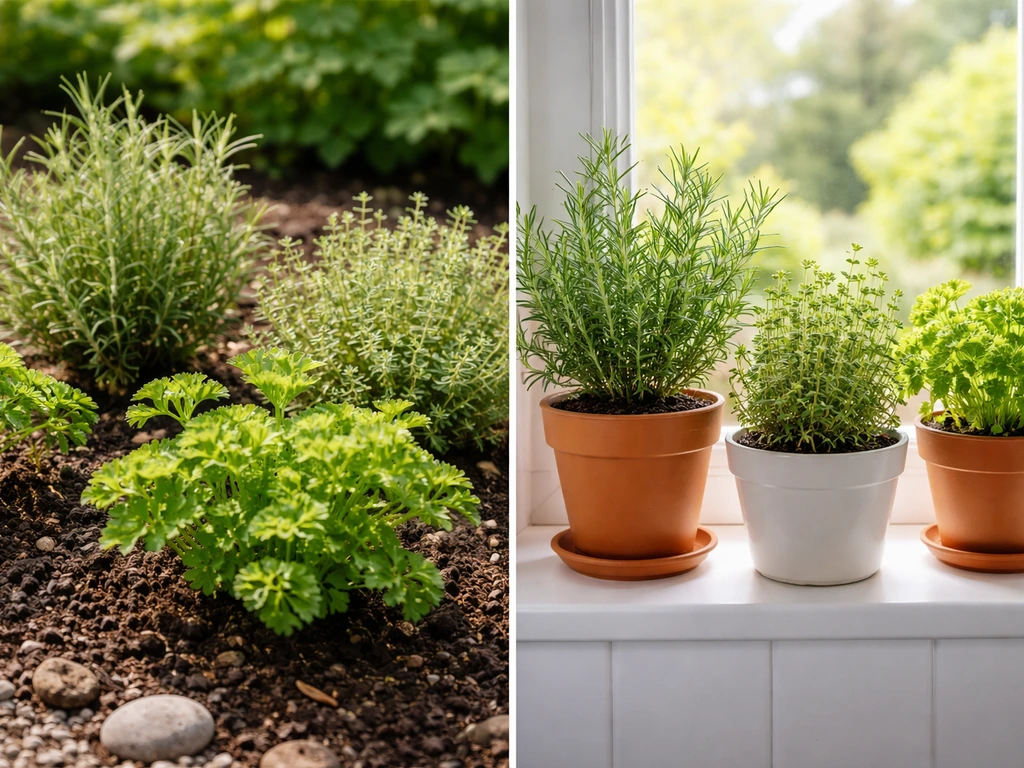
Parsley is the herb most worth sowing in early autumn, it's genuinely hardy, grows well through the cooler months, and is far less bolting-prone in autumn than in summer. Sow in modules and transplant under cover or into a sheltered spot. Chives, mint, and hardy thyme will continue growing into autumn without much intervention.
Many of the herbs listed for autumn growing in the UK, like parsley, chives, mint, and hardy thyme, are also among the best herbs to grow in the UK. If you're growing more tender herbs like basil, that season is effectively over outdoors, move any remaining plants indoors or under glass before the first frost. Coriander sown in early September can give a late harvest before it bolts or freezes, though it's unpredictable.
Flowers with practical value
Hardy annuals like cornflowers, calendula, and larkspur can be sown directly in early autumn for overwintering and a strong early-summer flowering next year, autumn-sown hardy annuals tend to be stockier and more floriferous than spring-sown equivalents. Garlic chives sown now will establish over winter and provide edible flowers and leaves from spring onwards. Venus fly traps are tricky in a UK garden, but with the right conditions you can still grow them successfully. Nasturtiums won't survive autumn frosts, but if you collect seeds before the cold comes they're one of the easiest to store and re-sow.
Container-friendly picks
If you're growing in containers, focus on crops with a compact root system and fast turnaround. Winter lettuce, salad leaves, spinach, spring onions, parsley, and radishes all work well in pots and can be kept mobile, bringing them under a porch or into a cold greenhouse when frost threatens. Use a loam-based compost rather than purely peat-free mixes in containers for autumn growing, as it retains moisture more consistently in the unpredictable wet-dry cycles of a British autumn. Keep containers off the ground on pot feet to improve drainage as rainfall increases.
Novel and fringe options worth trying
If you enjoy experimenting, autumn is a reasonable time to establish some less-conventional plants. Miner's lettuce (claytonia), Turkish rocket, and Good King Henry are all hardy perennial or annual crops that establish well in autumn and can be harvested into winter. Lamb's lettuce (corn salad) is genuinely underrated as a cold-season cut-and-come-again salad crop. For something a bit more unusual, consider sowing winter purslane, it's frost-hardy to around -10°C once established and produces fresh growth through even cold spells. For those exploring what UK conditions can support more broadly, crops like aubergines and chillies (which need warmth) are well and truly past their outdoor season by autumn, though they might survive under glass if you've been growing them on.
How to extend the season and protect your plants
Season extension in autumn isn't complicated, but it makes a massive difference to what you can actually harvest versus what just sits there sulking in the cold. The basic tools, fleece, cloches, and cold frames, are affordable and reusable, and even a modest investment here can push your harvest window by four to six weeks.
Fleece
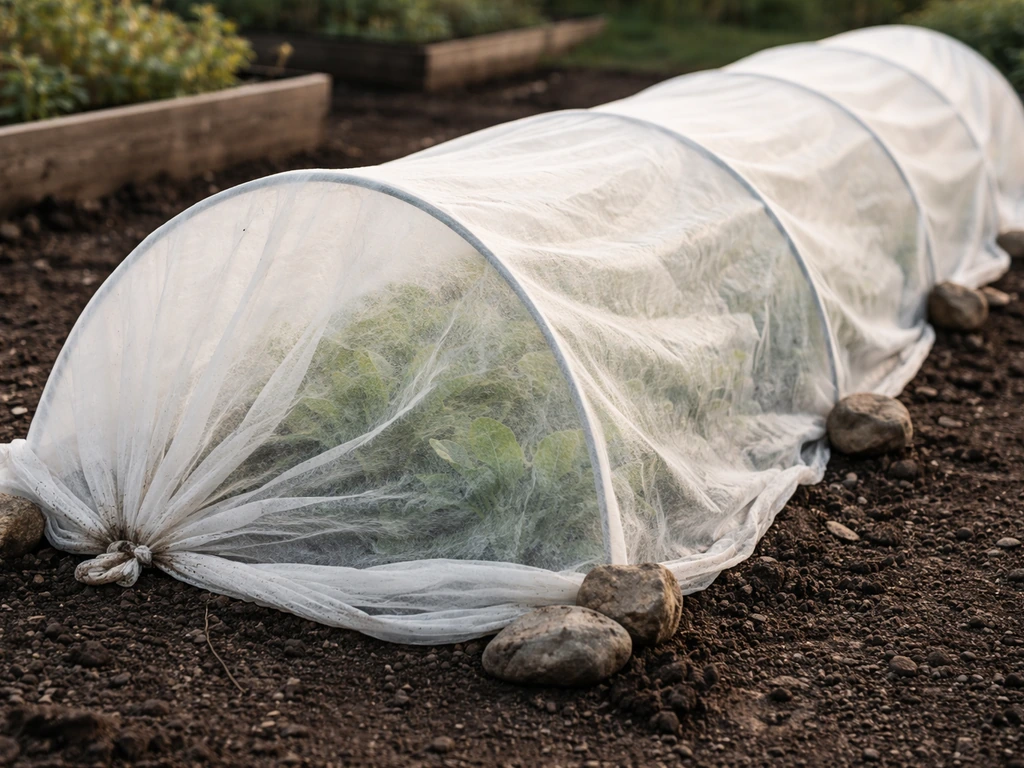
Horticultural fleece is porous, which means air and water pass through it, unlike polythene, which traps moisture and can cause rot or scorch on warmer days. Heavier grades of fleece offer around 2°C of frost protection, which is often exactly the margin you need to keep autumn crops alive through the first few frosts. Drape it loosely over plants rather than pulling it tight, and secure the edges with pegs or soil to stop wind lifting it. As temperatures fluctuate through autumn, ventilate or remove fleece on warmer days to prevent overheating, a lesson that applies all the way into late spring too.
Cloches and cold frames
Cloches and cold frames raise both daytime air temperature and soil temperature, which is critical for germination and early growth in autumn. A cold frame over a bed of spinach or salad leaves in October can mean the difference between a productive harvest and a rotted-off failure. Glass or polycarbonate cold frames are better than improvised versions for retaining heat overnight, but even a simple homemade cloche from clear plastic draped over wire hoops is better than nothing. Open the lids or vents on sunny days to prevent condensation build-up and reduce the risk of fungal disease.
Polytunnels and greenhouses
If you have a polytunnel or unheated greenhouse, autumn growing opens up considerably. Yes, aubergines can grow in the UK, but only with warmth and protection like a greenhouse or polytunnel. Spinach, winter salads, pak choi, and even winter lettuce will crop reliably through to late winter under glass without any extra heat. Sow directly into greenhouse borders or in pots from September through to late October. A heated greenhouse extends this further, but for most of the crops in this guide, heat isn't necessary, protection from wind, rain, and hard frost is the main requirement.
Keeping plants going as the cold sets in
Soil preparation
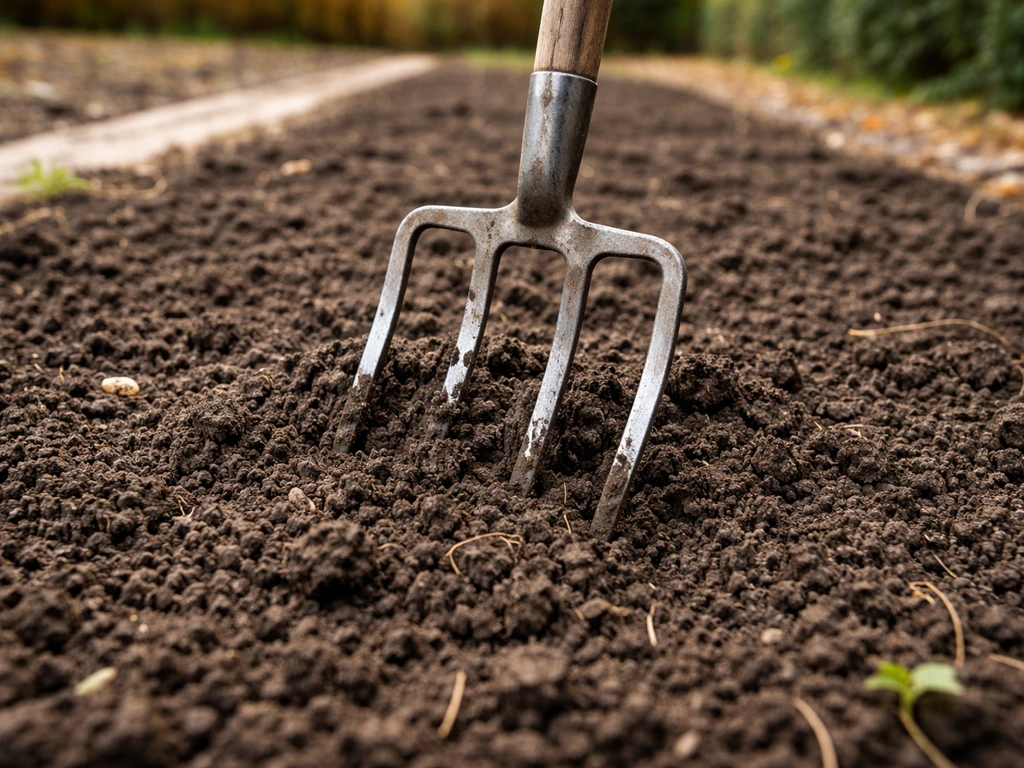
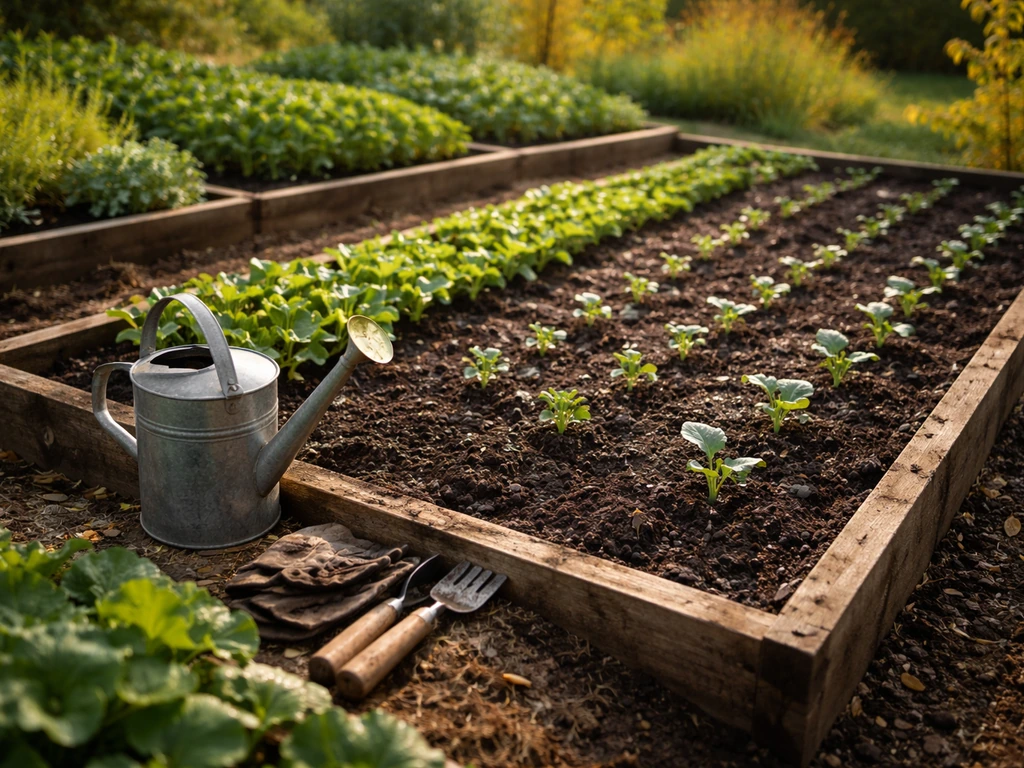
Autumn crops go into ground that's ideally been cleared of summer crops and given a light fork-through to break up compaction. Avoid digging heavily on wet clay soils, you'll damage the structure and create a compacted, waterlogged pan. Add compost or well-rotted manure to improve drainage on heavy soils and water retention on sandy ones. If you're growing brassicas and your soil is on the acid side, lime it before planting, clubroot disease thrives in acid conditions, and a lime application of around 500g per square metre on acid soils can help reduce risk, along with choosing resistant varieties.
Watering
As autumn progresses, watering needs drop significantly, rainfall generally takes over in most UK regions from October onwards. In early autumn, especially in September after a dry summer, beds may still need supplemental watering. Always water in the morning so plants go into the cooler overnight period with drier foliage, which reduces fungal disease risk. Containers dry out faster than beds and still need monitoring even in autumn, but check before watering rather than watering on a schedule.
Feeding
Heavy autumn feeding isn't necessary and can actually be counterproductive, pushing lush, soft growth late in the season makes plants more vulnerable to frost damage. A balanced slow-release fertiliser worked into the soil at planting is usually enough. Overwintering crops like garlic and onion sets don't need feeding at planting; they'll benefit more from a nitrogen feed in early spring when growth kicks off again.
Common autumn problems to watch for
- Slugs and snails: Autumn moisture brings them out in force. Beer traps are effective for slugs; note that soil-dwelling nematodes don't reliably control snails since snails rarely contact them in the soil. Check under cover structures regularly — cold frames and cloches create ideal slug habitat.
- Slow germination: Cool soil temperature is the most common cause. Use cloches or cold frames to warm the soil before sowing, and always sow at the correct depth shown on the seed packet — too deep in cool conditions leads to very slow or failed germination.
- Carrot fly: No approved amateur chemical control exists, so use insect-proof netting over carrot beds. This is also effective for other allium pests.
- Clubroot in brassicas: Raises soil pH before planting, avoid moving soil between beds, and choose resistant varieties when possible.
- Bolting: Less common in autumn than summer, but beetroot and some Oriental greens can still bolt in erratic early-autumn warm spells. Keep watering consistent and choose bolt-resistant varieties.
- Overwinter losses: The most common cause is waterlogging rather than cold. Improve drainage before planting, avoid heavy clay soils without amendment, and consider raised beds for vulnerable crops.
Choosing the right crops for your garden
There's no single right answer for autumn growing, it depends on your conditions. The table below matches crop types to the growing situations where they're most and least suited, so you can quickly narrow down what makes sense for your garden. Okra does not grow well outdoors in the UK because it needs consistently warm temperatures for a long season does okra grow in uk.
| Crop | Best situation | Avoid if... | Cover needed? |
|---|---|---|---|
| Winter spinach | Any garden, open or sheltered | Heavy waterlogged clay without drainage | Optional but extends season significantly |
| Salad leaves / Oriental greens | Any including containers | Totally exposed, frost pocket site | Cold frame or fleece from mid-October |
| Radishes | Open beds, containers | Very shaded sites (need at least 4h sun) | Not needed for early autumn |
| Garlic | Well-drained open beds | Waterlogged or compacted soils | None required |
| Autumn onion sets | Open beds, any region | Waterlogged soils | None required |
| Spring cabbage | Open beds, any region | Acid soils without liming | Fleece in frost pockets |
| Overwintering broad beans | Open beds, south of Scotland | Very exposed or northern sites without shelter | Fleece or cloche in severe cold |
| Jerusalem artichokes | Any garden including poor soils | Very small gardens (they spread) | None required — H7 hardy |
| Parsley | Containers or sheltered beds | Exposed north-facing sites | Cold frame or cloche from October |
| Hardy annuals (cornflower, calendula) | Open beds with reasonable sun | Deep shade | None needed for hardy types |
A simple decision checklist
- How much sun does your bed or container get? Less than 3 hours a day rules out most vegetables — stick to land cress, corn salad, and spinach which tolerate shade better than most.
- Do you have or can you get basic protection? Even one roll of fleece or a simple cold frame opens up spinach, winter salads, and Oriental greens through to December.
- Where are you in the UK? Northern England, Scotland, and exposed Welsh or Cornish hilltops need to prioritise hardier crops (kale, garlic, onion sets, Jerusalem artichokes) and get everything in earlier. South East and South West growers have more flexibility.
- Is your soil well-drained? If not, raised beds or containers are your best bet for autumn crops — waterlogging is responsible for more autumn failures than frost.
- How much time do you have to tend to crops? Low-maintenance picks for busy gardeners: garlic, onion sets, Jerusalem artichokes, and kale. Higher-attention crops: salad leaves under cover, radishes (need succession sowing), and broad beans (need staking and slug protection).
- Are you sowing or planting? If it's already mid-October, prioritise planting out established transplants and sets rather than sowing from seed outdoors without cover.
The practical starting point for most UK gardeners right now is this: get garlic and onion sets ordered if you haven't already (they sell out by October), sow winter spinach and a mix of salad leaves in early September into prepared beds, and have a roll of fleece ready for when the first frost forecast appears. If you're wondering what vegetables grow in the UK during autumn, this guide walks you through the best options by type and timing. That alone gives you fresh food through autumn and a head start on next year's harvest, and it's genuinely achievable in almost every UK garden, whatever your conditions.
FAQ
Is there still time to start planning or sowing if it’s already late September?
In most UK gardens you will still get a decent autumn harvest if you start sowing in early September, but timing gets tight quickly once nights regularly dip below freezing. A practical method is to check the forecast for the first hard frost in your postcode area, then count back the crop’s “time to harvest” from early sowing (for example, winter spinach is usually fine from September, but carrot timing is often too stretched without a cold frame or polytunnel).
What should I avoid sowing if the weather turns suddenly cooler?
Yes, but choose “cold-tolerant” rather than “warm-season” varieties, and avoid sowing anything that needs steady warmth. For example, winter spinach should be winter varieties, and calabrese is a poor choice for a new autumn sow because it can bolt when conditions fluctuate and you transplant later. If you are unsure, stick to short-cycle leaves (salads, mustard, mizuna) and root quick wins like radish.
How do I use horticultural fleece without causing condensation or overheating?
A simple rule for fleece use is to treat it like a cover, not a sealed bag. Make sure it is loosely draped (not tightly wrapped around leaves), peg or weigh the edges down, and ventilate on milder days so plants do not overheat and stay damp. If you notice condensation heavy inside the fleece, crack it open or remove it briefly.
Do autumn crops need feeding, and what happens if I overdo fertiliser?
For most autumn crops, heavy feeding is not the goal. Instead, apply a balanced slow-release fertiliser at planting (or compost/well-rotted manure as you prepare beds), then stop and let the season slow growth naturally. If you overfeed, you get soft growth that is more prone to frost damage and can also be more attractive to slugs.
Should I keep watering the same way in autumn, especially in containers?
Yes, but it changes what you should water. Beds usually need less once October brings regular rain, while containers keep drying out and need checking. Water in the morning, and in cold frames or cloches aim for damp soil with drier foliage, because consistently wet leaves overnight increase the risk of fungal problems.
What are the most common mistakes when planting garlic or onion sets?
Garlic and onion sets are a common “plant once and leave” success story, but only if you plant at the right depth and don’t bury too much. Sets should be positioned so just the tip shows above soil, cloves should go in pointed end up about 2.5 cm deep, and you should avoid waterlogging around planting on heavy ground by improving drainage with compost or well-rotted manure.
Which crops are best for autumn container growing in the UK, and how should I manage frost?
Use containers for crops with compact roots and short turnaround, and expect to move them. Winter lettuce, salad leaves, spinach, spring onions, parsley, and radish are good choices, but you will need to place pots somewhere sheltered from wind and elevate them on pot feet for drainage. For watering, check the compost before watering, not by a fixed routine.
Why do direct-sown seeds sometimes fail in mid to late autumn, even when temperatures seem mild?
Sowing and planting are related but not interchangeable, because seeds need conditions to germinate. In mid and late autumn, cold wet soil slows germination and increases the chance of rot and slug damage before seedlings establish. If you want reliable results, start more delicate crops under cover, then transplant only when they have enough size to handle outdoor conditions.
How can I help transplanted brassicas establish in autumn?
If you transplant brassicas, firming is essential. Loose root systems in autumn can rock in the wind and make establishment poor, so firm plants well into the soil around the root and keep them sheltered until growth resumes. Also, if your soil is on the acid side, address clubroot risk by liming before planting and choose resistant varieties.
What is the best way to extend winter spinach and salad crops safely?
For crops like winter spinach that benefit from cooler conditions, choose winter varieties and plan protection early, not only after the first frost. A cloche or cold frame from early October can improve survival and speed up early growth, and opening vents on sunny days reduces condensation and fungal risk.
Do south-facing walls always guarantee fewer frost problems?
South-facing walls can still underperform if you create a frost trap, for example in low spots where cold air pools. Also, a wall can encourage earlier growth, then a sudden cold snap can hit tender leaves. If you have a dip or hollow, treat it as higher frost risk and consider protection (fleece or a cold frame) even if the wall seems warm.
What is a realistic first-week action plan for autumn growing in the UK?
If you want a practical starter plan, prioritise the “fastest returns” and the “most reliable overwinterers.” A common UK approach is to order garlic and onion sets early, sow winter spinach and salad leaves at the beginning of September, and keep fleece ready for the first frost warnings. Then add short-cycle crops like oriental greens and radish to fill gaps before mid-autumn.
Next Article
Best Herbs to Grow in the UK: Outdoor and Indoors Guide
UK climate friendly herbs to grow outdoors or indoors, with starter list, setup tips, and quick today steps.