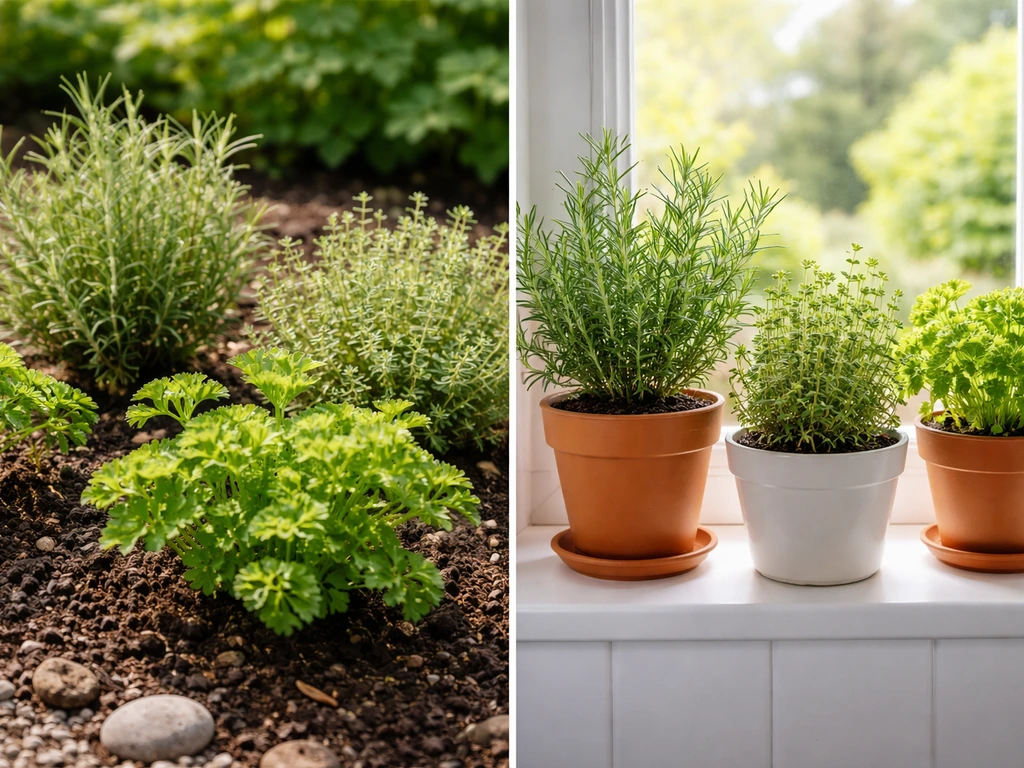
The most reliable herbs to grow in the UK are thyme, rosemary, sage, mint, chives, parsley, and coriander. These handle British conditions without needing much coaxing, and most of them will keep giving you harvests for years. If you're growing indoors on a windowsill, basil, mint, chives, and parsley are your best bets right now in June. The key to getting any herb to thrive here isn't exotic technique, it's matching the herb to your actual conditions: how much sun you get, how wet your soil stays in winter, and whether you're planting in a pot or straight into the ground. If you’re wondering does okra grow in the UK, it usually needs warm conditions and protection to succeed UK gardens.
Best Herbs to Grow in the UK: Outdoor and Indoors Guide
James Hartwell
16 Jun 2026
Best herbs for UK gardens
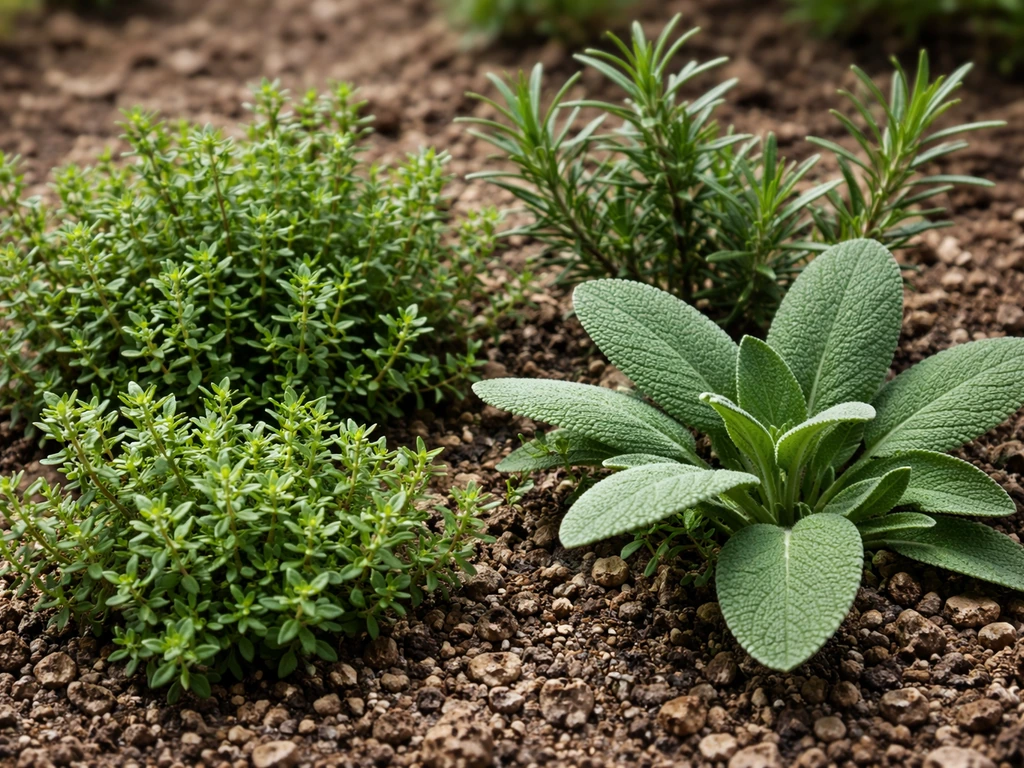
These are the herbs that consistently perform well outdoors in British gardens, with minimal fuss. Some are Mediterranean perennials that love our summers but need good drainage to survive our wet winters. Others are annual or biennial herbs you'll resow each season. Either way, all of these are genuinely worth your time and space.
Thyme
Thyme is one of the most reliable herbs you can grow in the UK. It's genuinely hardy, surviving down to around -15°C, and once established it's basically self-sufficient. The only thing that will kill it is sitting in waterlogged soil over winter, which is a real risk in heavier UK gardens. If your soil is clay or tends to stay damp, grow thyme in a container or raised bed with sharp drainage. In free-draining soil with a sunny spot, it'll thrive in the ground for years. Harvest regularly to stop it going woody.
Rosemary
Rosemary is hardy to around -10°C in open ground (RHS rates it H4), which covers most of the UK most winters. It loves full sun and hates waterlogged roots, so drainage is everything. Worth knowing: container-grown rosemary is more vulnerable to hard frost than in-ground plants because the roots don't have the insulating mass of surrounding soil. If you're in Scotland or a colder inland area and growing in a pot, move it somewhere sheltered in a bitter winter or wrap the pot.
Sage
Sage is another Mediterranean perennial that settles in happily once it has a warm, sunny spot and free-draining soil or compost. The RHS is clear that it dislikes damp conditions and low light, particularly in winter, so south-facing and well-drained is the goal. A well-sited sage plant should live for several years with little input from you beyond occasional trimming and keeping the drainage clear.
Mint
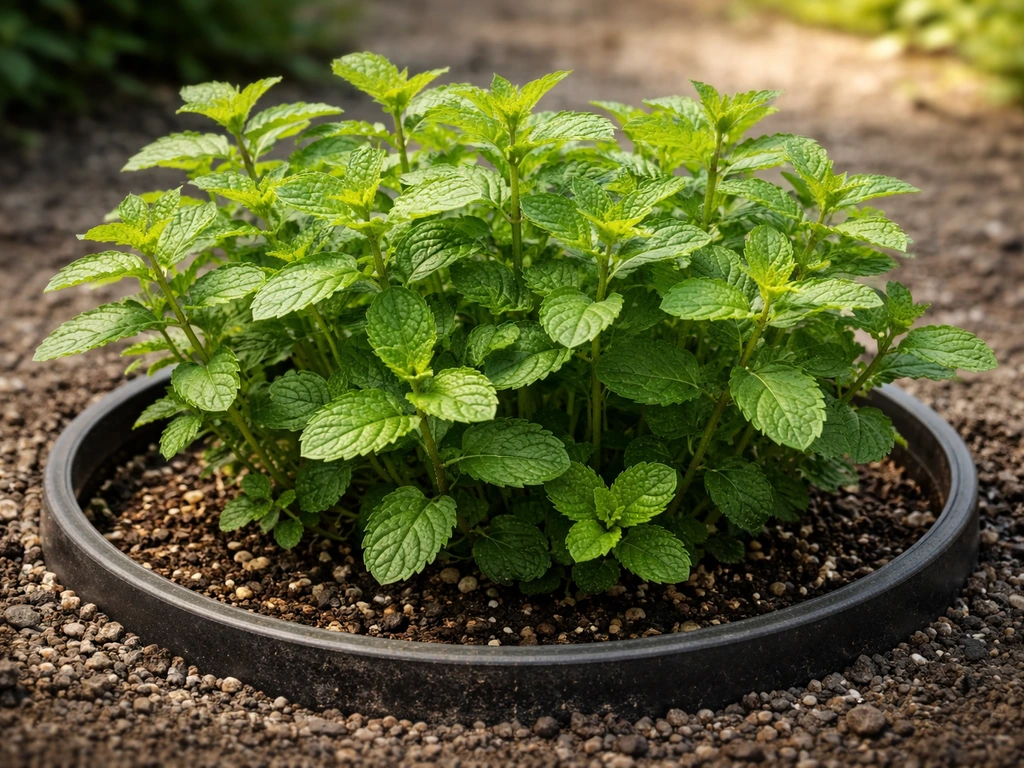
Mint grows brilliantly in the UK but will take over your entire garden if you let it. The standard advice from the RHS is to grow it in a container, or sink a bottomless container into the ground to restrict the roots. It tolerates partial shade better than most herbs, which makes it useful in less sunny spots. Watch out for mint rust, a fungal disease that shows up as orange powdery spots. If you see it, remove affected stems and improve airflow around the plant.
Chives
Chives are an easy, unfussy herb for UK gardens. They die back in winter and reliably return in spring, and they'll tolerate a bit more shade than the Mediterranean herbs. You can divide clumps every couple of years to keep them productive. They also work very well in containers, which means you can bring them indoors over winter and keep harvesting.
Parsley
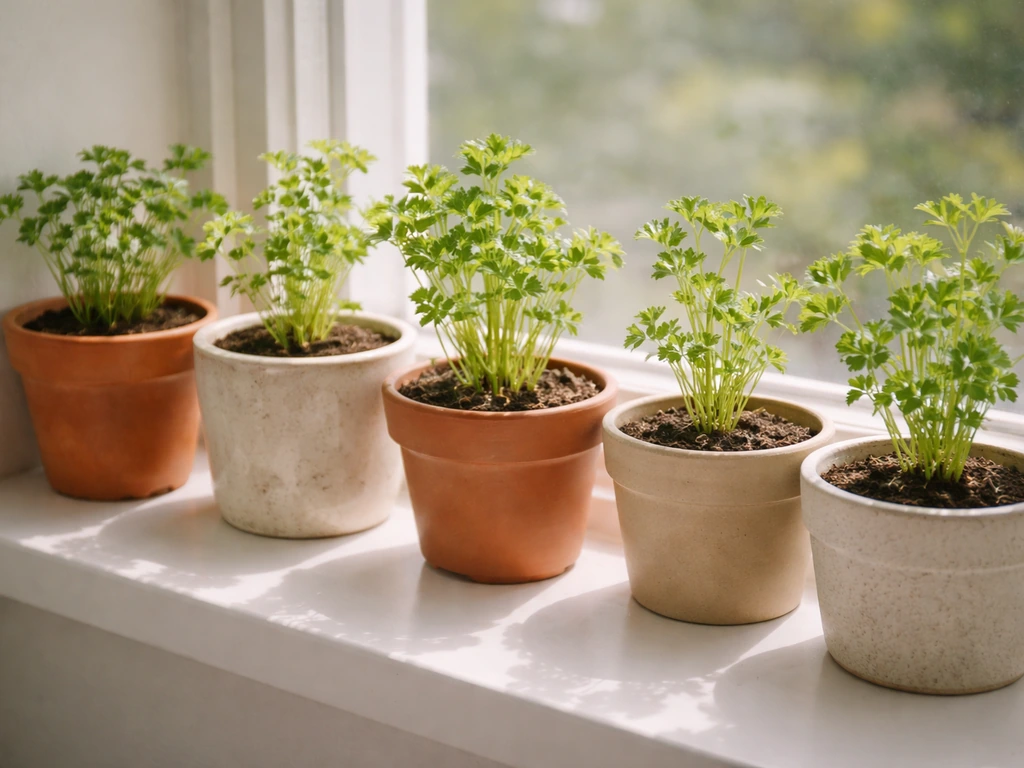
Parsley is a biennial that most people treat as an annual. Sow fresh seed each spring (it's notoriously slow to germinate, so be patient, sometimes 3 to 4 weeks) and thin seedlings to about 20cm apart. It grows well in ground or containers and tolerates partial shade. The flat-leaf varieties tend to have better flavour; curly parsley is hardier and holds up better in a wet winter.
Coriander
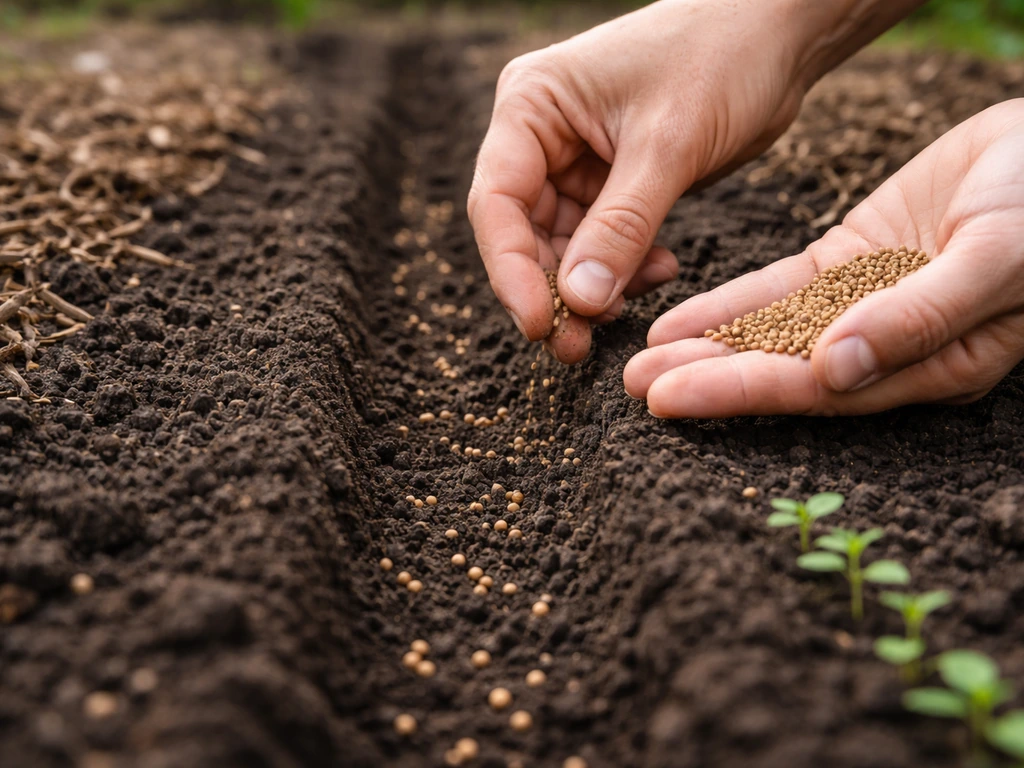
Coriander is easy from seed and you can sow it directly outdoors from now (mid-June) right through summer. The RHS says each sowing gives you several harvests before the plant flowers. The catch is that it bolts quickly in heat or if the soil dries out, so succession sow every 3 to 4 weeks for a continuous supply. RHS notes that herbs such as coriander, dill, basil, and wild rocket can be quick to bolt and go straight to flower, especially when overcrowded or in poor dry soil coriander, dill, basil and wild rocket can be quick to bolt and go straight to flower. Sow directly rather than transplanting, as coriander doesn't love having its roots disturbed.
Dill
Dill is similar to coriander in that it really dislikes root disturbance, so direct sow into the ground from spring onwards. It's a reliable outdoor herb that seeds easily and grows fast. Don't plant it near fennel or they'll cross-pollinate.
Oregano and Marjoram
Greek oregano is hardier than sweet marjoram and does very well in UK gardens. If you are curious about carnivorous plants too, can you grow Venus fly traps in the UK depends mostly on having enough light and the right type of compost. Like thyme and sage, it's a Mediterranean perennial that wants full sun and sharp drainage. It's particularly good in containers alongside sage, thyme, and rosemary because they all like the same conditions.
Best herbs to grow indoors in the UK
Growing herbs indoors in the UK comes with one hard constraint that people often underestimate: light. London gets under 8 hours of daylight in January, and if your windowsill faces north or east, the light is too weak for most herbs even in summer. A south-facing windowsill is the gold standard. If you don't have one, a grow light set to run 14 to 16 hours a day will compensate in winter.
Basil
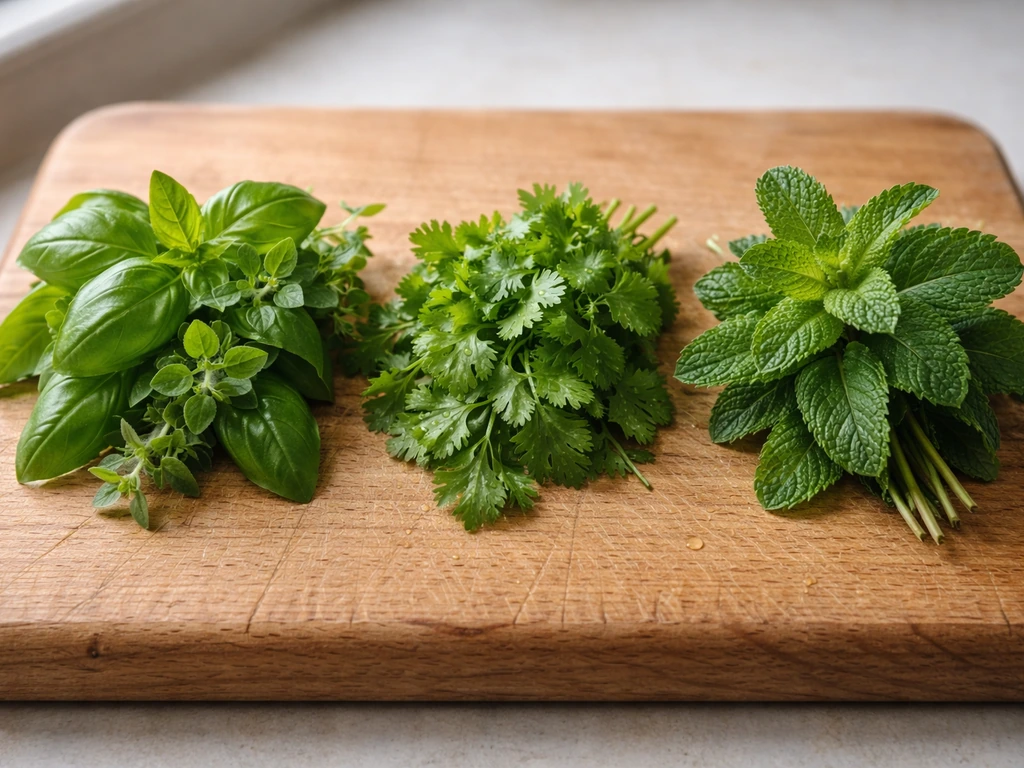
Basil is the one most people try indoors first, and the one that frustrates people most. It's actually rated H3 by the RHS, meaning it's only reliably hardy on the South Coast and in mild coastal spots. It needs at least 6 hours of direct sun daily and night temperatures above 10°C. Below about 5°C it collapses. On a warm, south-facing windowsill in summer it's brilliant. In a cool kitchen in December, it'll struggle even under a grow light. Right now in June, it's perfect for a sunny windowsill. Keep it away from cold draughts and don't let the pot sit in water.
Mint (indoors)
Mint works very well indoors, especially over winter when outdoor plants have died back. Pot up a division from the garden, stick it on a south-facing windowsill, and you'll have fresh mint all winter. It copes with slightly lower light than basil but still appreciates the brightest spot you can give it.
Chives (indoors)
Chives are one of the best herbs for indoor growing in winter. Pot them up from the garden in autumn or buy a pot, keep them on a sunny windowsill, and snip as needed. They're unfussy and give good returns for minimal effort.
Parsley (indoors)
Parsley grows well indoors as long as it has decent light. The RHS specifically recommends potting up outdoor parsley and bringing it inside for winter on a south-facing windowsill. Flat-leaf types do well; just keep the compost moist but never waterlogged.
Coriander (indoors)
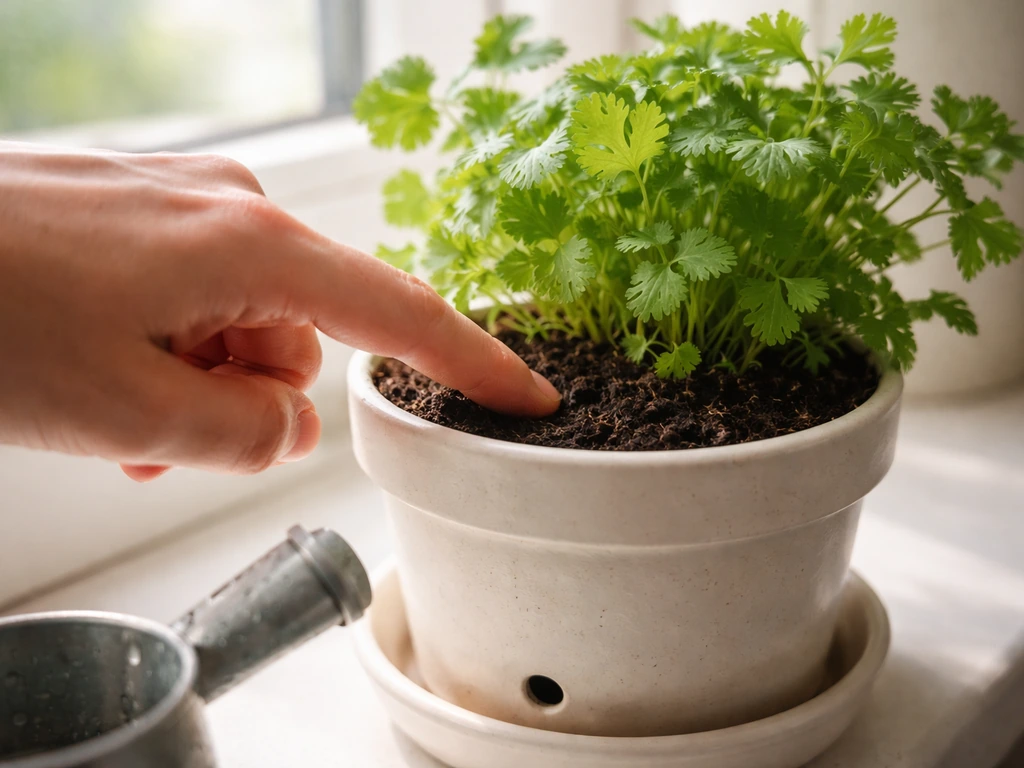
You can sow coriander indoors in a pot and harvest it young as cut leaves. It bolts faster indoors if it gets too warm, so keep it on a cooler (but still bright) windowsill. Succession sow every few weeks for continuous supply rather than trying to keep one pot going indefinitely.
Tarragon
French tarragon is worth potting up and bringing indoors over winter. It dies back outdoors but on a bright indoor windowsill you can extend the season. Use French tarragon (not Russian tarragon, which is much blander in flavour).
Outdoor vs indoor: a quick comparison
| Herb | Best for outdoor UK growing | Good indoors? | Main indoor challenge | Key outdoor challenge |
|---|---|---|---|---|
| Thyme | Excellent, very hardy | Possible but not ideal | Low winter light | Wet, heavy soil in winter |
| Rosemary | Excellent, H4 hardy | Can do in a large pot | Gets leggy without full sun | Root rot in containers in frost |
| Sage | Excellent, perennial | Possible, south-facing only | Damp + low light in winter | Poor drainage in winter |
| Mint | Very good (contain the roots) | Very good | Needs regular water | Invasive spread outdoors |
| Chives | Very good, perennial | Very good | Minimal, easy | Dies back in winter |
| Parsley | Good, biennial | Good | Needs consistent moisture | Slow germination |
| Coriander | Good, succession sow | Moderate | Bolts quickly in warmth | Bolts in drought/heat |
| Basil | Tender, summer only | Good in summer | Cold draughts, low winter sun | Frost kills it instantly |
| Dill | Good, direct sow outdoors | Less ideal | Needs depth for roots | Root disturbance from transplanting |
| Oregano | Excellent, perennial | Possible | Gets leggy indoors | Needs sharp drainage |
How to choose herbs that suit your conditions
Before you buy anything, answer three questions honestly: How much direct sun does your growing space get? How wet does your soil or outdoor area get in winter? And what do you actually want to cook or use the herbs for? Those three things will determine 90% of your herb choices. Met Office location-specific long-term averages for the UK are based on climate station data and provide monthly maximum and minimum temperatures, air frost days, sunshine hours, and rainfall for 1991 to 2020, which can help map herb needs to UK months match the herb to your actual conditions.
Light
Most culinary herbs want full sun, which the RHS defines as at least 6 hours of direct sunlight a day. If you have a south-facing garden, a sunny terrace, or a bright south-facing windowsill, almost everything on this list will work. If you're working with part shade (3 to 6 hours of sun), stick to mint, chives, and parsley, which tolerate it much better than the Mediterranean herbs. If you've got a north-facing windowsill or a shadowy garden corner, I'll be straight with you: most culinary herbs will be a disappointment. A modest grow light changes that equation indoors.
Soil and drainage
UK rainfall is high enough that drainage is a genuine issue, especially for Mediterranean herbs. If your garden has heavy clay soil that holds water through winter, sage, thyme, rosemary, and oregano are much safer in raised beds or containers filled with free-draining compost. For containers, use a peat-free compost mixed with some grit for drainage, put at least 2.5cm of drainage material in the bottom of the pot, and make sure every container has a drainage hole. Mint, chives, and parsley are more forgiving of moisture.
Your region
The UK is not one climate. The South Coast of England is genuinely mild enough to overwinter basil outside in a sheltered spot. Central Scotland has much shorter growing seasons, heavier rainfall in some areas, and harder winters. If you're in the north of England or Scotland, lean harder into the truly hardy perennials (thyme, chives, mint, rosemary in a sheltered spot) and treat basil and coriander as summer-only crops. In the South West or along the coast, you have more options.
Space and intended use
If you're cooking Italian food, basil and oregano are the priority. For South Asian cooking, coriander and mint earn their space. For everyday garnishing and salads, parsley and chives are the most consistently useful. For teas and aromatics, mint, lemon balm, and chamomile are worth considering. If space is tight, go for perennials first: thyme, chives, mint (contained), and sage give you harvests year after year from a single planting.
How to grow herbs in your UK garden
Getting the soil right
The RHS is consistent on this: culinary herbs do best in light, well-drained, moisture-retentive fertile soil with organic matter worked in. If you want to grow more than herbs, check which vegetables you can grow in the UK for your season and local conditions culinary herbs do best. In practice, that means if your soil is heavy or compacted, work in some grit and well-rotted compost before planting. For Mediterranean herbs especially, sharper drainage beats richer soil. They evolved on thin, stony soils in the sun and don't need or want feeding heavily.
Containers in the garden
A container filled with good peat-free compost and mixed grit works brilliantly for a Mediterranean herb collection. Sage, thyme, rosemary, oregano, and marjoram can all share a large pot because they want the same conditions: full sun, a sheltered spot, and sharp drainage. Put at least 2.5cm of gravel or similar drainage material in the bottom, use a pot with drainage holes, and position it in the sunniest, most sheltered part of your garden or terrace.
Watering outdoors
Mediterranean herbs in the ground rarely need extra watering once established, except in a real drought. Containers dry out much faster and need checking regularly in summer. Parsley, coriander, and mint need more consistent moisture than thyme or rosemary. Never let Mediterranean herb containers sit in saucers of water; that's a fast route to root rot.
Timing: what to do in June
Mid-June is a great time to plant most herbs outdoors. Frost risk is past for most of the UK, soil is warming up, and there are several good months of growing season ahead. You can direct sow coriander and dill now, plant out established thyme, rosemary, sage, and oregano, and sow a fresh round of basil if you can give it a warm, sunny spot. If you want the best chillies to grow outside in the UK, focus on warm microclimates, full sun, and containers with sharp drainage. Start succession sowing coriander every 3 to 4 weeks through July and August. For basil bought as supermarket plants, pot them into larger containers and put them somewhere genuinely sunny rather than a cool kitchen shelf.
Hardening off
If you've raised herbs from seed indoors or bought indoor-grown plants, don't move them straight outside into full sun and wind. Give them a week or two of gradual acclimatisation, putting them outside for a few hours a day and bringing them in at night, before leaving them out permanently. This is especially important for basil and any herbs raised in warmth.
How to grow herbs indoors in the UK
Containers and compost
Every indoor herb pot must have at least one drainage hole. This is non-negotiable: without it, roots sit in water and the plant dies. Use a peat-free multipurpose compost, and for Mediterranean herbs mix in some horticultural grit (roughly one part grit to three parts compost) to improve drainage. Don't use garden soil in pots indoors as it compacts, drains poorly, and can introduce pests.
Light and positioning
Put herbs on the brightest windowsill you have, ideally south-facing. East or west-facing windowsills work for some herbs in summer but are marginal in winter. In the UK, winter daylight is genuinely limiting: London gets around 7 to 8 hours of daylight in January, and much of that light is low-angle and weak. If you're trying to grow herbs through winter without a south-facing window, a basic LED grow light set to run 14 to 16 hours per day will make a real difference.
Watering indoors
Overwatering kills more indoor herbs than anything else. Check the compost with your finger: water when the top centimetre or so feels dry, not on a fixed daily schedule. Mediterranean herbs like thyme and rosemary want to dry out a bit between waterings. Basil, parsley, and mint prefer more consistent moisture but still dislike sitting in water. Empty saucers after watering so pots aren't sitting in pooled water.
Airflow
Good airflow matters indoors. Stagnant, humid air encourages fungal problems. Don't push pots right up against each other in a tightly sealed corner. A slight gap between pots and occasional ventilation from a window (without cold draughts hitting basil) keeps things healthier. Basil in particular is sensitive to cold draughts, which cause it to droop even if everything else is right.
Bringing outdoor herbs in for winter
In autumn, pot up chives, mint, parsley, and tarragon from the garden and bring them inside onto a south-facing windowsill. This gives you fresh herbs through winter when outdoor plants have died back or gone dormant. Wash pots down before bringing them in to reduce the chance of introducing pests.
Quick starter plan: what to plant this week
It's mid-June. Here's exactly what to do this week, depending on what you have available. If you want a similar UK-friendly, reliable crop to grow alongside your herbs, you can also grow Jerusalem artichokes in the UK.
If you have a garden or outdoor space
- Buy established plants of thyme, rosemary, and sage from a garden centre and plant them in your sunniest, best-drained spot or into a mixed herb container with gritty compost. These are your long-term perennials that will come back year after year.
- Direct sow a short row of coriander into the ground or a large container. It'll be ready to cut in 4 to 6 weeks. Set a reminder to sow another row in 3 to 4 weeks.
- Plant a mint cutting or division into its own container (not into open ground). Give it a spot that gets some sun but doesn't bake dry.
- Buy a pot of basil from the supermarket, pot it into a larger container with good compost, and put it in your warmest, sunniest outdoor spot. Bring it in on cool nights until temperatures are consistently above 10°C overnight.
If you're growing indoors only
- Put your brightest windowsill to work. South-facing is best. Chives and parsley are the most forgiving starters: buy small plants or pots and get them established on that windowsill today.
- Add a basil plant in its own pot on the warmest, sunniest part of your windowsill. Keep it away from draughts and don't overwater.
- Sow coriander seeds into a 15cm pot with good drainage and put it somewhere bright but not too hot. Expect seedlings in 1 to 2 weeks.
- If your light is really limited, invest in a basic LED grow light. Set it on a timer for 14 to 16 hours a day and you'll be able to grow almost any culinary herb reliably.
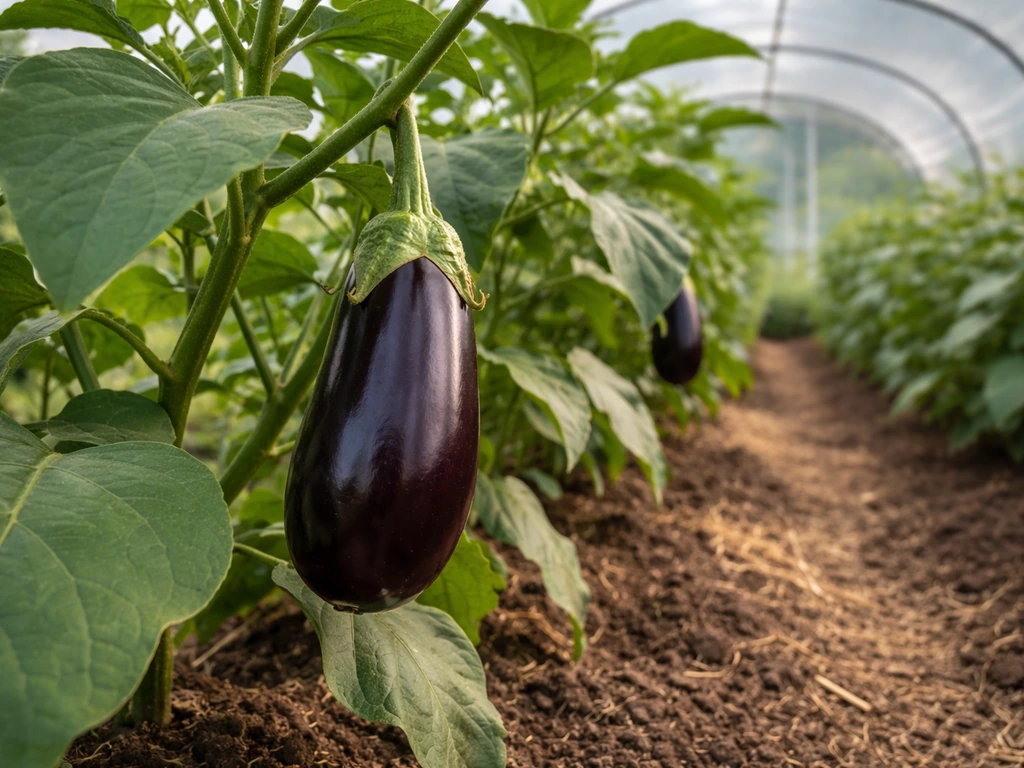
Start with three or four herbs rather than ten. Get them established, learn what they need in your specific conditions, and expand from there. The most common beginner mistake is buying too many plants at once and not having the right setup for any of them. Get thyme, chives, and coriander right first and everything else will follow naturally. Aubergines are a heat-loving crop, so in the UK they are usually grown in a greenhouse or under cover rather than outdoors in the open do aubergines grow in the UK. If you're also wondering can you grow Tropea onions in the UK, the key is choosing the right timing and giving them the kind of drainage and sun they need.
FAQ
What are the best herbs to grow in the UK if I have poor drainage or heavy clay soil?
Prioritise Mediterranean plants only if you can create sharp drainage, raised beds, or containers. Thyme, sage, rosemary, and oregano are your best bet, but grow them in grit-amended, free-draining compost (not garden soil) and use pots with drainage holes and gravel at the bottom. If you cannot improve drainage at all, stick more to mint in a contained pot, chives, and parsley in soil that does not stay waterlogged in winter.
Can I grow the best UK herbs in full shade?
Most of the Mediterranean list will struggle, even if they survive, flavour is weaker and growth slows. In part shade, mint, chives, and parsley are the most reliable options. If you only have deep shade indoors, a grow light matters most in winter, aim for long daily use (about 14 to 16 hours) rather than short bursts.
Which herbs are easiest for beginners who want very little maintenance?
Start with thyme, chives, and mint (in a container), because they tolerate imperfect conditions and keep producing. Then add parsley for steady garnish. Avoid starting with basil or coriander if you are not confident about warmth and regular light, those are more likely to disappoint in cool or drafty homes.
How do I stop mint from taking over if I want it outdoors?
Grow mint in a pot or sink a bottomless container into the ground so the roots are contained. Water it enough to establish, but after that it does not need constant feeding. Also, check the rim level each season, if the container is above soil level or cracked, runners can escape.
Why are my rosemary or sage plants dying even though the weather seems mild?
The usual cause is waterlogged roots, especially in winter or when containers are over-saucered. Make sure the pot has at least one drainage hole, empty saucers after watering, and use a peat-free compost mixed with grit. If your rosemary is in a pot, shelter it from hard frost, in-ground plants usually survive better due to extra soil insulation.
Is it worth growing herbs from seed indoors in the UK, or should I buy plants?
For reliability, it is often easier to buy established plants for slow starters like parsley, then keep them indoors through winter. For coriander, direct sow outdoors is usually best because it bolts quickly when warm and transplanting can stress roots. If you do start indoors, acclimatise outdoors gradually for one to two weeks to avoid shock in full sun and wind.
How can I keep herbs alive indoors over winter without overwatering?
Use finger testing, only water when the top layer of compost is dry. Mediterranean herbs prefer a dry-out period between waterings, basil and parsley need more consistent moisture but still cannot sit in water. Also, avoid crowding pots tightly against each other because reduced airflow increases fungal problems.
What’s the best windowsill direction for herbs in the UK, and what if I only have an east or north window?
A south-facing windowsill is the most dependable for winter growth. East-facing can work in summer for some herbs, but it is usually marginal in winter. With a north window, plan on using a grow light on a long timer to compensate, otherwise your herbs are likely to stretch and slow down.
What’s the biggest mistake people make when planting herbs in pots?
Using garden soil or potting mix that does not drain well, and letting water pool in saucers. Use peat-free multipurpose compost, improve drainage for Mediterranean herbs by mixing in grit, and ensure the pot has drainage holes. If you see consistently damp compost for days, reduce watering frequency immediately.
Can I grow basil outdoors in the UK?
Yes, but treat it as a warm-season crop. It needs sustained warmth and direct sun, and it generally struggles below about 5°C. In the South Coast and sheltered coastal spots you may get longer runs outdoors, but for most of the UK it is safer as a summer plant on a sunny wall or in a container you can move under cover.
How do I keep coriander producing instead of bolting?
Bolting is triggered by heat and dryness, so succession sow every 3 to 4 weeks and keep soil evenly moist. If you harvest young leaves regularly, you can extend the picking window. Avoid letting plants dry out between waterings, especially in containers.
Do herbs cross-pollinate, and should I worry about it?
Most culinary herbs are not a big problem for flavour if you are harvesting leaves, because cross-pollination mainly affects seed. A common exception mentioned for beginners is avoiding planting dill near fennel if you plan to save seed, since they can cross. If you are only harvesting foliage, this is usually less of a concern.
Next Article
Do Aubergines Grow in the UK? How to Grow Them
Yes, aubergines can grow in the UK with heat, light and the right varieties. Get step-by-step seed to harvest tips.