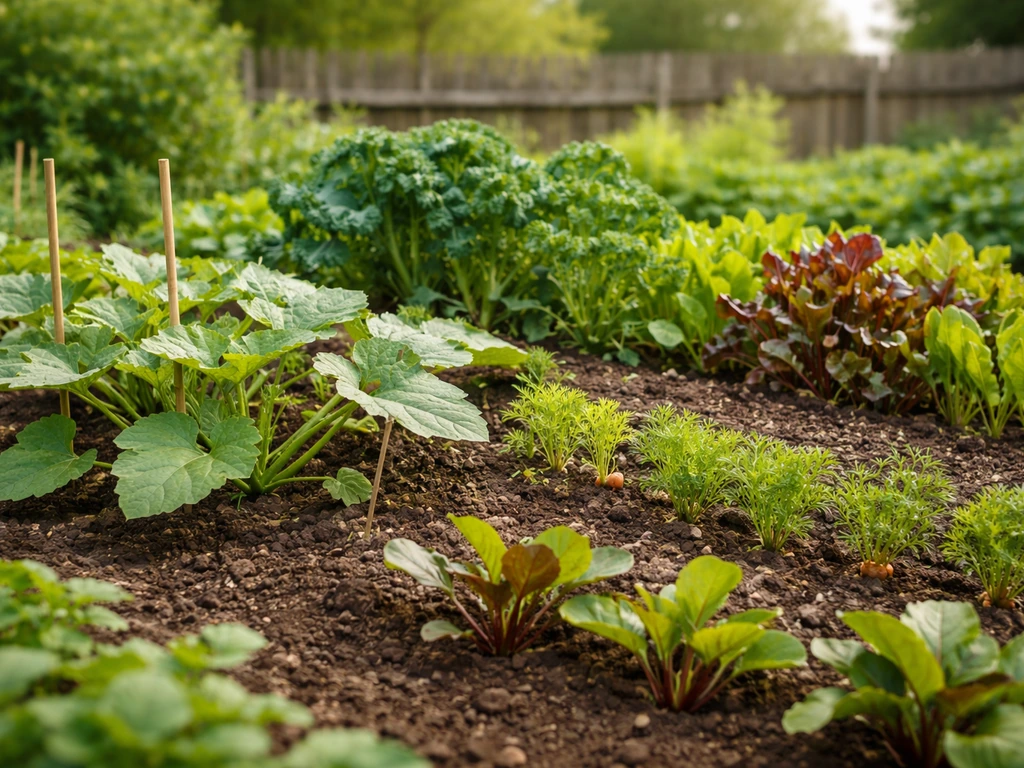
Yes, you can absolutely grow Jerusalem artichokes in the UK, and honestly they're one of the easiest crops you can put in the ground here. Can you grow venus fly traps in the UK? You can, but they need very specific conditions to thrive. They're fully frost-hardy, don't need a long hot summer, and will produce a generous crop of knobbly tubers from late autumn right through winter. The only real challenge isn't getting them to grow, it's stopping them from growing too enthusiastically once they've settled in.
Can You Grow Jerusalem Artichokes in the UK? Guide
James Hartwell
28 May 2026
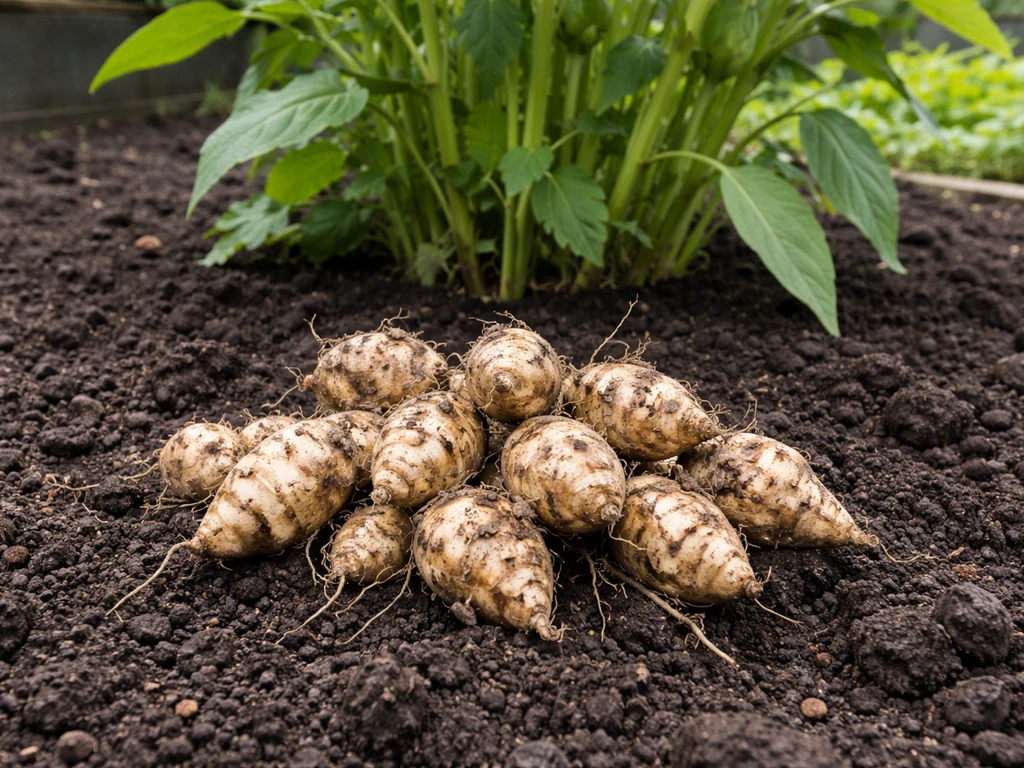
What you're actually growing (tubers, not plants)
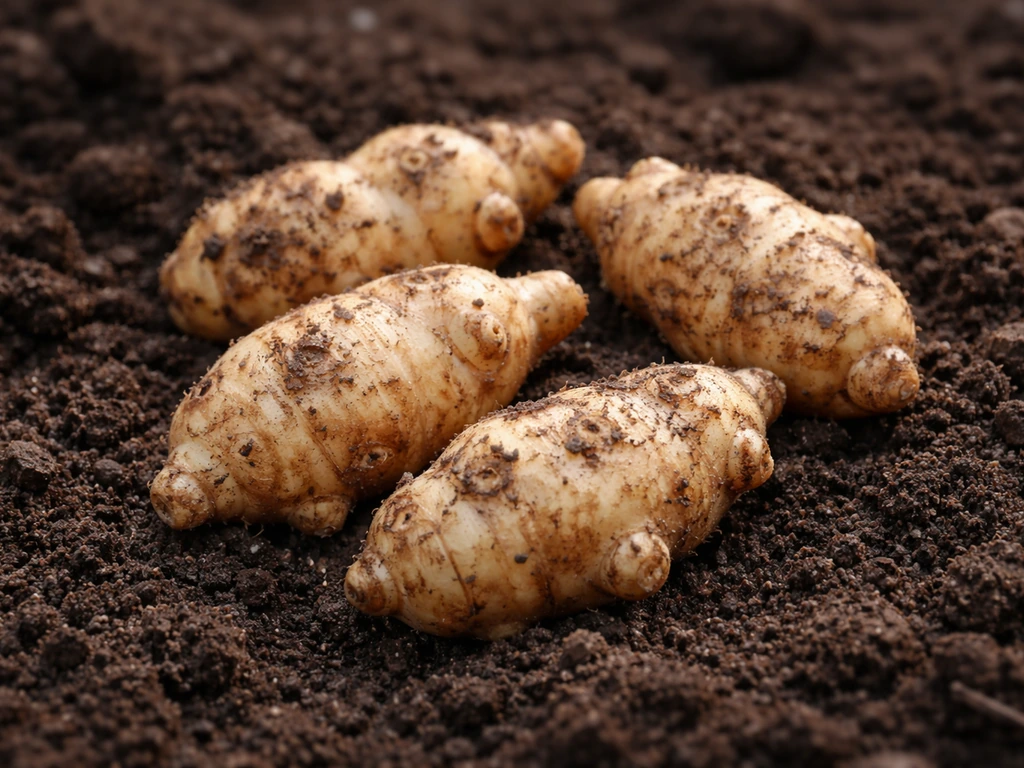
Jerusalem artichoke (Helianthus tuberosus) is a die-back perennial. You plant tubers in spring, tall leafy stems shoot up through summer, and then the whole top growth dies back in autumn while the plant puts its energy into producing a cluster of edible tubers underground. Each plant should give you 10 or more tubers at harvest, so a short row goes a long way. You're not growing it from seed, and you're not harvesting a globe artichoke head. Think of it like potatoes, just planted once and reliably productive year after year if you manage them right.
How well does the UK climate suit them?
Very well. The RHS rates Jerusalem artichokes as very hardy, meaning they'll shrug off the kind of winters we routinely get across most of England, Wales, and lowland Scotland. They can handle hard frosts in the ground without any protection, which immediately puts them in a different category to something like aubergines or okra, which need real heat to crop reliably outdoors. Rainfall levels across the UK are also broadly suitable since the plants want moist but well-drained soil, and most British gardens hit that naturally, especially if you're not on heavy waterlogged clay or fast-draining sand.
The one regional caveat worth mentioning is that in northern Scotland or exposed upland areas, the growing season is shorter and cooler, which can mean smaller tubers. But the plants will still grow. In mild coastal areas and the South of England, you'll get excellent results with very little effort. Broadly speaking, if your garden grows potatoes, it will grow Jerusalem artichokes.
Picking the right spot in your garden
Full sun is ideal and will give you the best yields. The plants will tolerate partial shade, but tubers tend to be smaller the less light they get. More importantly, think about wind shelter. These plants reach 2 to 3 metres tall by late summer, which makes them act like sails in an exposed garden. A sheltered spot, or a position where they can actually serve as a windbreak for other crops, is much better than somewhere they'll be battered all season.
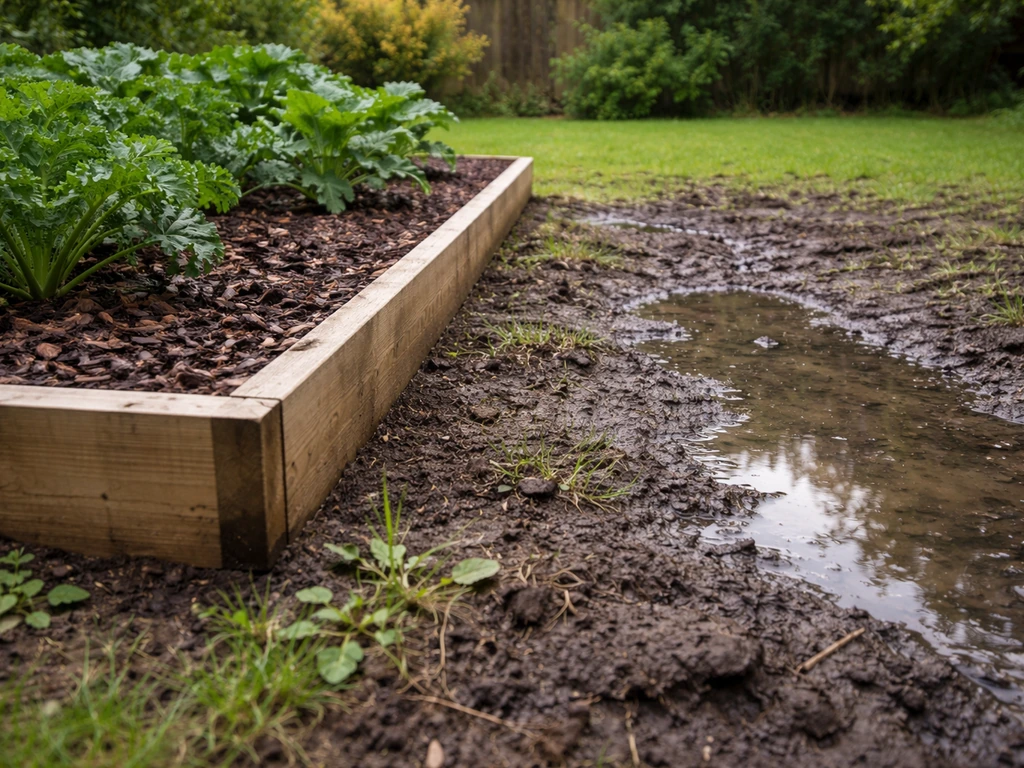
Drainage is critical in the UK context. Our autumn and winter rainfall can sit on poorly drained ground, and wet-sitting tubers will rot. Avoid anywhere that puddles after heavy rain. If your soil is on the heavy side, digging in some grit or compost before planting will help a lot. Soil pH isn't fussy, but they prefer moderately fertile conditions. There's no need to heavily manure the bed like you would for hungry crops.
When and how to plant in the UK
Plant tubers in spring, typically from February to April depending on your location. In the South and Midlands, late February or March is fine once the soil isn't frozen solid. Further north or at altitude, wait until March or April. You're looking for soil that's workable and not waterlogged, not necessarily warm in the way you'd want for tomatoes.
Plant each tuber about 15cm deep (6 inches) and space them roughly 30cm apart (12 inches) in rows, with about 1.5 metres between rows if you're planting more than one row. Place each tuber with any visible eyes or buds facing upward, just as you would a potato. Cover them over, firm the soil gently, and that's genuinely all there is to it. You don't need to chit them first, though leaving them somewhere light and cool for a week before planting doesn't hurt.
Looking after them through the growing season
Once established, Jerusalem artichokes are remarkably low-maintenance. Water them during prolonged dry spells, particularly in the first few weeks after planting while they're getting established and again in summer if you have a dry stretch. UK summers vary enormously, so use your judgement: if the soil is dry 5cm down, give them a soak.
Feeding is optional rather than essential. A balanced general fertiliser at planting time or a light application in early summer won't hurt, but these aren't hungry plants. Weeding matters more in the early stages when the shoots are short and competing with annual weeds. Once the stems get going and top 60cm or so, they'll shade out most weed competition themselves.
Pests and diseases are rarely a serious issue. Slugs and snails can damage young shoots as they emerge in spring, so if you have a slug problem generally (and most UK gardens do), put some protection down early. The RHS flags slugs as a risk for young Helianthus-family plants, so don't ignore it. Beyond that, the plants are robust. Powdery mildew can appear late in a dry summer, and Sclerotinia (white mold) is occasionally seen, but neither typically causes crop failure. These are healthy, resilient plants.
Harvesting and storing your tubers
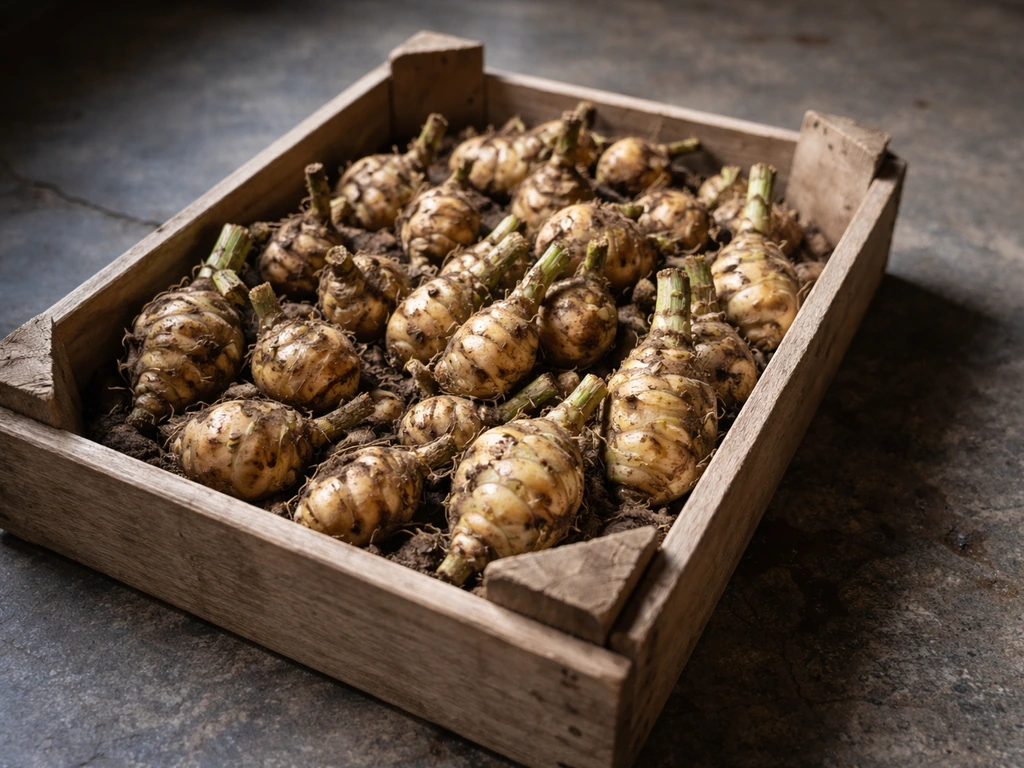
Harvest starts once the stems die back in autumn, typically from October onwards and continuing right through winter. If you're planning your autumn planting now, this guide on what to grow in autumn in the UK can help you pick suitable crops for the season. When leaves start turning yellow, cut the stems back to about 8cm from the ground. After that, you can lift tubers as and when you need them rather than digging the whole lot at once. This is one of the great practical advantages of Jerusalem artichokes in a UK winter: they essentially store themselves in the ground, and you just dig what you want to eat.
If you do want to lift and store tubers, keep them cool, dark, and slightly damp to prevent them drying out and shrivelling. The ideal storage condition is around 0 to 2°C at high humidity (around 90 to 95%), which in UK terms means a cool shed, garage, or cellar. Packing them in slightly damp sand in a box works very well and keeps them usable for several months. Don't leave them too long in warm conditions because they sprout quickly and the quality drops fast.
The spread question: will they take over your garden?
This is the thing most guides gloss over, but it matters. Jerusalem artichokes can and will spread if you're not deliberate about managing them. Any tiny piece of tuber left in the soil after harvest will regrow the following spring, and within two seasons an unmanaged patch can colonise a significant area. In a small UK garden, that's a real problem.
The good news is that containment is straightforward if you're consistent. The single most important step is a thorough spring clearance: after harvest, dig the bed carefully and remove every piece of tuber you can find. Then, decide how many you want to keep and replant just those. Alternatively, leave a controlled number in the ground intentionally and dig out any strays that emerge outside your designated patch. If the plants flower (they produce cheerful yellow sunflower-like blooms in late summer), cutting the flowers off or bringing them indoors as cut flowers prevents any seed spread too.
Troubleshooting common UK problems
Tubers not sprouting or establishing slowly
If you plant early in cold, wet soil, tubers can sit dormant for a long time and occasionally rot before sprouting. If it's been four or five weeks with no signs of life and the soil has been consistently cold and wet, dig a tuber up carefully to check. If it's soft and rotting, you've planted too early or the drainage is poor. Replant in better-draining ground once the soil has dried slightly, or wait until April.
Small or disappointing tubers at harvest
Undersized tubers are usually down to one of three things: too much shade, very dry soil during the growing season, or overcrowding if you've left too many from the previous year without thinning. Make sure your spacing is right (30cm between tubers), water during dry spells, and site them in as much sun as possible.
Rotting tubers in the ground over winter
Rot during winter storage in the ground is almost always a drainage problem. If your soil sits wet for weeks, tubers will deteriorate. The fix is to lift the whole crop by December in wet gardens rather than leaving them in the ground all winter, then store them in sand as described above.
Stems getting blown over
On exposed sites, tall stems can topple in summer storms. Earth up around the base as you would with brassicas (drawing soil up around the lower stems), or stake the tallest plants loosely. Choosing a sheltered spot in the first place is the easier long-term solution.
What if your conditions are genuinely marginal?
Very wet, poorly drained gardens are the main scenario where Jerusalem artichokes struggle in the UK. If you can't improve drainage and waterlogging is a persistent problem, a raised bed is worth considering. For gardens in particularly exposed upland areas of Scotland or Northern England where the season is very short, tubers will still form but may be smaller. It's still worth trying, but set your expectations accordingly. If you're looking for crops that handle tricky UK conditions, comparing notes on other robust vegetables and roots for your region is always useful. If you want something that works more like a traditional herb patch, you might also like our guide to the best herbs to grow in the UK.
A quick practical overview
| Factor | What Jerusalem artichokes need | UK reality |
|---|---|---|
| Hardiness | Very hardy, frost-tolerant | Suitable across virtually all of the UK |
| Sunlight | Full sun preferred, tolerates partial shade | Most UK gardens fine; avoid deep shade |
| Soil | Moist but well-drained, moderately fertile | Works in most UK soils; avoid waterlogged ground |
| Planting time | February to April | March/April for northern UK and colder regions |
| Planting depth | 15cm (6 inches) | Straightforward in any UK garden |
| Spacing | 30cm (12 inches) between tubers | Standard UK bed or allotment spacing |
| Harvest window | Late October through winter | Leave in ground or lift and store in sand |
| Spread risk | Can become invasive | Annual clear-up and replanting keeps it controlled |
Jerusalem artichokes are genuinely one of the more rewarding crops for UK growers precisely because they work with our climate rather than against it. Can you grow Tropea onions in the UK? It depends on how much warmth and sunlight you can give them, so site them well and choose an early variety.
If you want something a bit different, it helps to also look at the best chillies to grow outside in the UK so you can match your climate to the right varieties. They don't need coddling, they produce generously, and they'll give you fresh food through autumn and winter when most of the veg garden has shut down.
If you're planning your autumn plot, this is a strong option for the UK because it keeps working as the weather cools. Other options worth considering for the UK include a range of hardy herbs that can handle the country’s typical seasons. If you want to broaden your harvest beyond Jerusalem artichokes, it helps to compare other what vegetables grow in the uk options that suit your garden’s conditions.
Just go in with your eyes open about the spread, do your annual clearance in spring, and they'll reward you reliably for years. If you’re wondering specifically whether aubergines can be grown in the UK, it’s possible but you’ll need warmth and protection to help them fruit well grow aubergines in the UK. Because aubergines need sustained warmth, they are usually grown under cover in the UK rather than outdoors year-round aubergines can be grown in the UK.
FAQ
Can you grow Jerusalem artichokes in pots or containers in the UK?
Yes, you can, but only if the pot drains very freely. Use a large container (at least 40 to 50 litres), keep it in full sun, and water only when the top few centimetres dry out. Even then, expect fewer tubers than in open ground because wet compost and restricted root space are more likely in a container.
If I remove the flowers, will it stop Jerusalem artichokes spreading?
Cutting flowers can help limit spread only if your plants actually flower. They can also spread through volunteer regrowth from leftover tubers, so the real control method is spring bed clearance and removing any stray tubers that pop up outside your intended area.
What should I do if nothing comes up after planting?
If your sprouts are not emerging after you planted, dig up one tuber to check. Soft, smelly tubers mean rot from cold wet conditions, and in that case replant in drier ground (or after April). Hard, firm tubers that simply took longer can still sprout later, so avoid replanting too early into the same waterlogged spot.
How do I store Jerusalem artichokes over winter if I lift them?
They store better in cool, dark conditions, but avoid letting them freeze solid. If you are lifting and storing, aim for near 0 to 2°C with high humidity in a cool shed, garage, or cellar, and keep them in slightly damp sand so they do not shrivel or dry out.
Can I leave tubers in the ground year after year to avoid digging?
Letting them regrow in the ground is possible, but it usually leads to a bigger patch over time. For small gardens, most people replant intentionally from a controlled tuber stock after a thorough spring clearance, then only “seed” the patch size they can manage.
My soil is heavy clay and stays wet, should I use a raised bed?
In heavy clay that puddles, raised beds are often more reliable than amending alone. Even with compost or grit, the key is preventing winter waterlogging, so ensure the bed sits above the surrounding ground and has good drainage pathways.
Will Jerusalem artichokes still grow if my garden only gets partial shade?
Yes, but expect a smaller harvest and more variable tuber size. If the plant is shaded, it still grows stems, but tubers tend to develop less well, so prioritize sun, especially from late spring through summer when tubers are forming.
Can I use store-bought Jerusalem artichokes to plant?
You can, but they are not the same as potatoes for planting material. Avoid using supermarket tubers because they are often treated or may have rotted in transit; if you do use them, inspect for firmness and sprouts, and plant with eyes facing up once conditions are suitable (generally February to April depending on location).
When is the best time to harvest, and do I need to lift all tubers at once?
Yes, but the timing matters. Cut back once leaves yellow, then lift tubers gradually as needed. If you leave them too long in very wet ground, quality can drop, so in persistently wet gardens consider lifting by December rather than waiting until spring.
What are the most common reasons for poor results with Jerusalem artichokes in the UK?
Common mistakes are planting too early into cold wet soil, skipping drainage checks, planting too close together, and failing to remove leftover tuber pieces at spring clearance. If you correct those three, most UK gardeners avoid the main problems of rot, small tubers, and unwanted spread.
Next Article
What Vegetables Grow in the UK Best Options to Plant
Learn what vegetables grow in the UK, which varieties thrive, and a season-by-season sowing plan for easy success