Yes, okra can grow in the UK, but only if you give it a lot of help. Left to its own devices in a typical British summer, it will sulk, barely set pods, and likely get cut down by a cold snap before you get anything worth eating. Give it a greenhouse, a polytunnel, or at least a very warm and sheltered container spot, and you can genuinely harvest pods from late July through to September.
Does Okra Grow in the UK? How to Grow It Successfully
James Hartwell
4 Jun 2026
It is doable, but you need to go in with realistic expectations and the right setup from day one. If you are looking for the best chillies to grow outside in the UK, you still need to match the warm-weather requirements, pick the right varieties, and protect plants from cold snaps.
Can okra realistically grow in UK conditions?
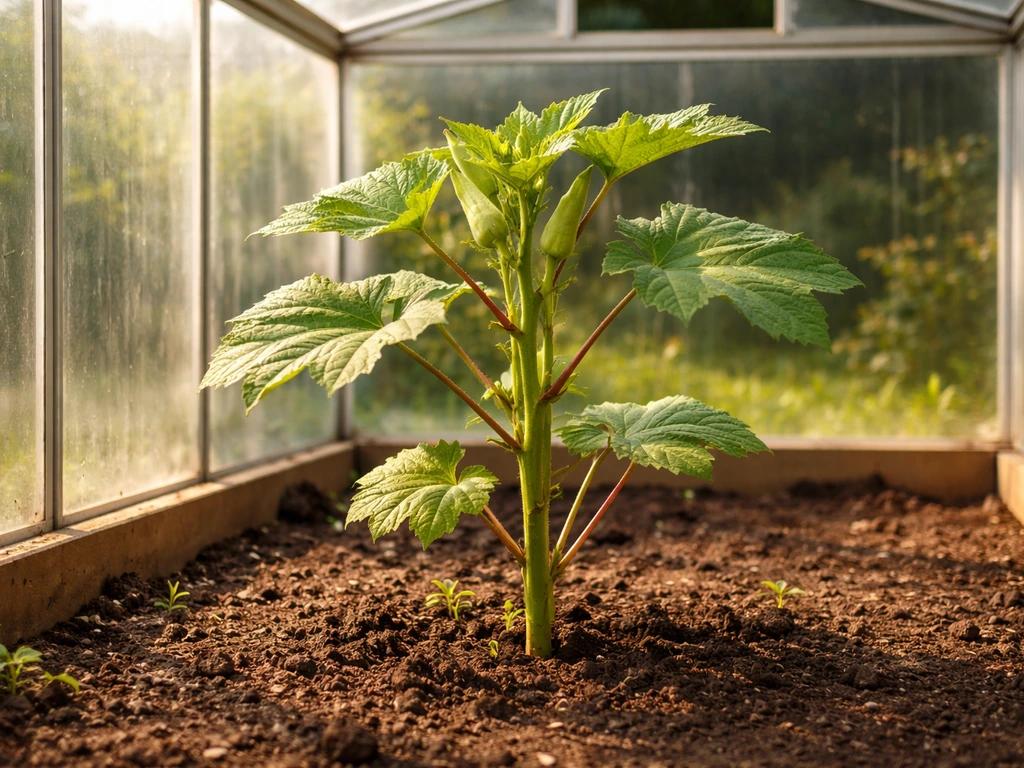
Okra is a tropical crop that originates from hot, humid climates. It needs sustained warmth, full sun, and a growing season that is long enough to take it from germination to cropping before the autumn chill arrives. The UK, as a general rule, does not naturally provide any of those things reliably. Average summer temperatures in most of Britain sit between 18 and 23°C on a good day, which is at the lower end of what okra tolerates.
It does not handle cold at all: any temperature below 10°C stresses the plant, and frost kills it outright. The RHS also notes that tender crops are vulnerable to chilling below about 12°C, which helps explain why UK cold spells are a challenge for crops like okra [does not handle cold at all: any temperature below 10°C stresses the plant, and frost kills it outright. ](https://www. rhs.
org. uk/Advice/grow-your-own/features/tender-crops).
That said, there is a big difference between growing okra in Cornwall or a south-facing London garden versus trying it in Yorkshire or Scotland. In the warmest parts of southern England, with a hot summer and a sheltered spot, outdoor growing is possible but still risky and will always produce fewer pods than a protected environment. The RHS is clear on this: even in a warm, sunny outdoor spot in the UK, expect fewer fruits than in a greenhouse. In Scotland or the north of England, treat a greenhouse or polytunnel as non-negotiable.
So the honest verdict: okra is feasible in the UK, but it sits in the same challenging bracket as aubergines and outdoor chillies. If you have already tried growing aubergines in the UK, you will find okra a very similar experience in terms of what it demands.
What okra actually needs and why the UK makes it hard
Okra is not just heat-loving, it is heat-dependent. For germination, it needs soil temperatures consistently above 16°C, ideally 20 to 25°C. The University of Saskatchewan similarly notes that optimal soil temperature for okra growth is about 24, 32°C, which is why warm, protected conditions matter soil temperatures consistently above 16°C). For growing on and fruiting, it wants daytime temperatures of at least 25°C and nights that stay above 15°C. British summers almost never deliver that reliably, especially not for the three to four months okra needs to go from seedling to productive plant.
The other big problem is season length. From germination to first harvest typically takes 60 to 70 days at minimum under good conditions. Sow too late and you run out of warm weather before pods appear. Sow too early and you are fighting cold windowsills and leggy seedlings. The window is genuinely tight, which is why timing your sowing precisely matters more with okra than with most other vegetables.
Light is the third factor. Okra wants full sun all day. In the UK, even south-facing gardens rarely get the kind of intense, uninterrupted sunshine that okra thrives on. Overcast July weeks are not uncommon, and every grey day slows the plant down and reduces your pod count at the other end.
Greenhouse, polytunnel, or outdoor containers: which setup actually works?
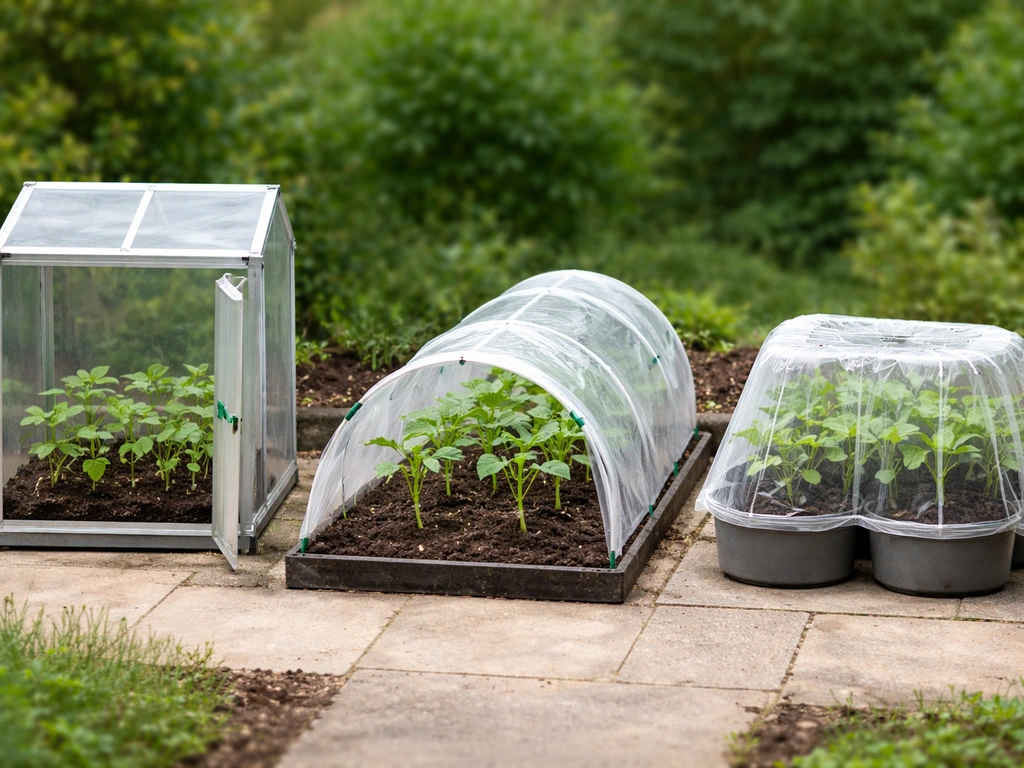
The RHS recommends keeping okra in a greenhouse as the primary option in the UK, and that advice is sound. A heated greenhouse is the gold standard: you can start plants earlier, maintain minimum temperatures through cold snaps, and extend the season at both ends. An unheated greenhouse still offers a significant advantage over outdoors by trapping warmth and blocking wind, though you will need to keep an eye on overnight temperatures in May and early June.
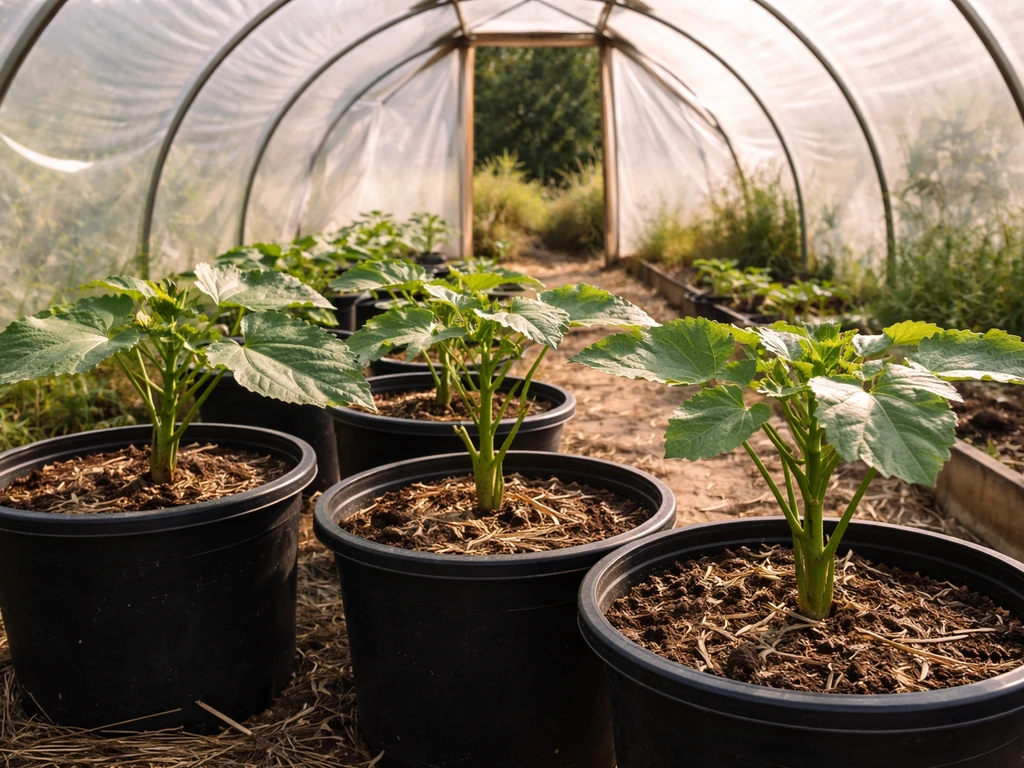
A polytunnel is an excellent alternative and is arguably more practical for most growers. The larger internal volume of a polytunnel means temperatures can be more stable, and you have more room to grow okra at a scale where yields become worthwhile. Plants can be grown directly in the polytunnel border or in large containers inside it.
Outdoor container growing in a south-facing microclimate is the third option and the highest-risk one. A large dark-coloured pot against a south-facing wall will absorb heat during the day and release it at night, giving you a warmer root environment than open ground. This can work in a good summer in southern England, but it requires warm summers and a genuinely sheltered spot. If your outdoor space is exposed or shaded for any part of the day, skip this and use a greenhouse or polytunnel instead.
| Setup | Suitability for UK | Heat control | Best for |
|---|---|---|---|
| Heated greenhouse | Excellent | High | All UK regions, most reliable yields |
| Unheated greenhouse | Very good | Moderate | Southern and midland UK |
| Polytunnel | Very good | Moderate to high | Most UK regions |
| Outdoor container, sheltered | Possible | Low | South coast, warm microclimates only |
| Open garden border | Poor outside warmest areas | None | South coast only, hot summers |
When to sow and plant okra in the UK
Sow okra in March or April indoors. Before sowing, soak the seeds in water for two hours to soften the hard seed coat and improve germination rates. Sow each seed individually into a small pot or module using good quality seed compost. Keep the pots above 16°C at all times during germination, ideally using a heated propagator. If you do not have a propagator, cover pots with a clear polythene bag and place them somewhere consistently warm, like the top of a boiler or a warm windowsill. Germination is slow and patchy below 16°C, so do not cut corners on warmth at this stage.
Once seedlings are 10 to 15cm tall, they are ready to move to their final growing position. For greenhouse or polytunnel plants, this is usually late April to May. For outdoor growing, wait until late May or June and harden the plants off first: acclimatise them to outdoor conditions over 10 to 14 days by gradually increasing their time outside, then use cloches or horticultural fleece for a further two weeks after planting out. Before planting outside, warm the soil for a couple of weeks in advance using cloches or black polythene laid on the ground. Cold soil is one of the fastest ways to stall an okra plant.
Soil, warmth management, watering, and feeding
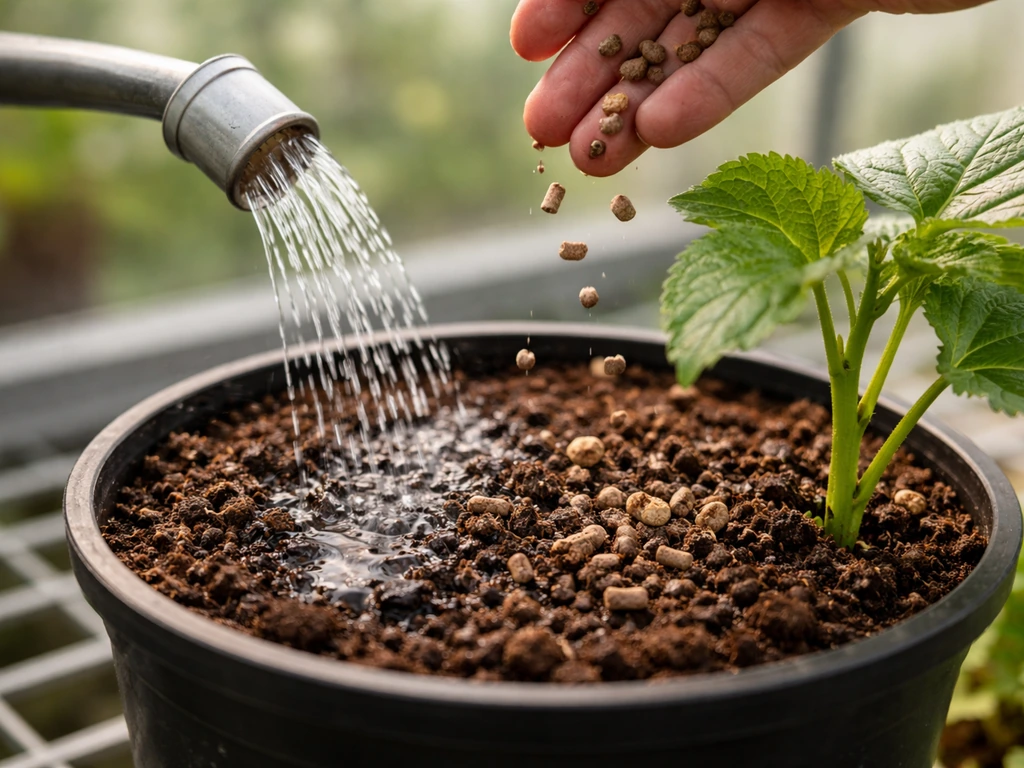
Okra wants rich, free-draining soil with good organic matter. A slightly acidic to neutral pH of around 6.0 to 6.8 is ideal. In containers, use a good quality peat-free compost mixed with some perlite or grit to improve drainage. Waterlogged soil is fatal: okra roots rot quickly in sitting water, so never let containers stand in saucers of water and make sure outdoor beds drain freely.
Keep plants consistently watered but not saturated. In a greenhouse in summer, daily watering is often needed, especially once plants are large and actively growing. Drought stress causes flower drop, which directly reduces pod set. Mulching around the base of outdoor plants with dark-coloured compost or black plastic helps retain moisture and adds extra soil warmth at the same time.
Feed with a balanced liquid fertiliser every two weeks during the growing season, switching to a tomato-type fertiliser (higher potassium) once plants are flowering and setting pods. Okra is a hungry plant and underfed specimens produce fewer, smaller pods. Space plants about 45 to 60cm apart to give each one enough room and airflow.
If temperatures in your greenhouse are dropping below 15°C overnight during May or early June, use a small electric heater or horticultural fleece draped over plants in the evening. A cold night at the wrong time can set a plant back by several weeks.
Pollination, harvesting, and what yields to expect
Okra flowers are self-fertile, so you do not need multiple plants for pollination. However, in a closed greenhouse with no insects, pollination can be poor. Either open vents on warm days to let pollinators in or hand-pollinate by gently transferring pollen between flowers with a soft brush or your fingertip. Outdoors, bees do the work naturally, which is one small advantage of outdoor growing.
Pods are ready to pick when they are 5 to 10cm long (about 2 to 4 inches). At that size they are tender and the texture is at its best. Leave them longer and they become tough and stringy very quickly: check plants every day or two once they start producing. Crucially, regular picking encourages the plant to keep producing more pods. If you leave pods to mature on the plant, production slows dramatically.
In a UK greenhouse, a healthy plant can produce 10 to 20 pods over the course of a season from around late July through September. Outdoors in a warm summer, expect fewer, and some years you may get barely any if the summer is cool. You can use the same idea for Jerusalem artichokes in the UK: aim for the right conditions and give the plants time to establish. Okra is not a plant that will fill your freezer in British conditions: treat it as an interesting seasonal crop where a decent handful of fresh pods per plant is a success.
Why okra fails in the UK and how to fix it
Most UK okra failures come down to the same handful of problems. Knowing them in advance means you can usually prevent them rather than troubleshoot after the fact.
- Sowing too late: If you sow after May, you simply will not have enough warm weeks to get a decent harvest before September ends. Aim for March or April without exception.
- Cold soil and air temperatures at transplanting: Moving plants outside before the soil has been warmed and hardened off is one of the most common reasons okra stalls or dies. The two-week soil-warming step and the two-week fleece period are not optional.
- Overwatering or waterlogged compost: Okra roots rot easily. Free-draining soil and containers with good drainage holes are essential. If a plant's lower leaves are yellowing and it looks wilted despite moist soil, root rot is a likely cause.
- Underfeeding: Okra is a heavy feeder. Plants that look pale, grow slowly, or flower but drop buds before setting pods are often just hungry. Start a feeding regime early and keep it consistent.
- Poor pollination indoors: Closed greenhouses with no insect access often result in flowers that open and drop without setting. Open vents on warm days or hand-pollinate every day or two during the flowering period.
- Letting pods get too large: Mature oversized pods tell the plant it has successfully seeded and pod production drops sharply. Harvest regularly at 5 to 10cm to keep the plant producing.
- Choosing the wrong location: Partial shade, exposed gardens, or north-facing spots will not work. Full sun and shelter from wind are minimum requirements even in a greenhouse.
Should you bother? An honest verdict
If you already have a greenhouse or polytunnel and you enjoy growing challenging crops, okra is absolutely worth trying. If you are wondering about the best herbs to grow in the UK, the good news is many are naturally suited to our climate and require far less heat control than okra. The effort is similar to growing aubergines in the UK: demanding, but rewarding when it works.
If you are starting from scratch without any protected growing space, the outdoor option is a gamble that depends heavily on which summer you get. You can grow Venus fly traps in the UK too, but you will need to mimic their native conditions, especially the right light, cool temperatures, and low-nutrient watering.
If you are wondering about Tropea onions specifically, you can still grow them in the UK with the right variety and timing Tropea onions in the UK. A 2022-style heat wave summer makes it possible; a cool, grey July makes it a write-off.
One practical shortcut if you are starting in June: look for established young okra plants at specialist garden centres or online suppliers rather than starting from seed. Buying a plant that is already 15 to 20cm tall saves you a month and gives you a fighting chance of pods even with a late start. Okra is a true annual in the UK and will not survive the winter outdoors, so there is no point trying to overwinter it: compost the plants at the end of the season and start fresh the following spring.
For gardeners who want to push the boundaries of what British conditions can support, okra sits in genuinely interesting territory alongside other warm-season crops worth exploring. If you are wondering what to grow in autumn in the UK, this kind of warm-season experiment can still work when you plan for the season and protect the plants what to grow in autumn uk. The key is treating it as a protected-growing project from the start, keeping warmth consistent throughout, and harvesting young and often once the pods appear.
FAQ
Can I grow okra outdoors in the UK without a greenhouse or polytunnel?
You can, but treat it as a high-risk experiment. It only becomes viable in very warm, sheltered south-facing spots, and even then expect lower yields and slower pod set. If you cannot protect from cold nights, plan to use cloches or horticultural fleece at planting and be ready to move containers under cover if temperatures drop.
What is the minimum temperature okra can handle in the UK?
Okra starts to struggle below 10°C and will not survive frost. In practice, aim to keep the root zone and nights above about 15°C during the run-up to flowering, since a single cool period in May or early June can delay the plant by weeks.
Why is my okra growing but not producing pods?
Most often it is not warm enough long enough, or it is getting irregular watering that causes flower drop. Check that daytime conditions are consistently hot in your setup and that nights are not dipping too low. Also confirm you are feeding with a higher-potassium tomato-type fertiliser once flowering starts, and harvest pods regularly rather than letting them mature.
Do okra seeds germinate better in a heated propagator, or can I manage without one?
A heated propagator is the easiest way to keep soil temperatures consistently above 16°C. Without one, the workaround is to keep pots in a reliably warm place and cover with clear plastic to trap heat, but you must still maintain steady warmth, since germination is patchy when temperatures fluctuate.
Should I soak okra seeds before sowing, and for how long?
Soaking helps soften the hard seed coat and can improve germination consistency. The practical target is about two hours before sowing, then keep the sown pots warm immediately, because cold after soaking often leads to stalled or uneven germination.
How many okra plants should I grow for a realistic harvest in the UK?
For a greenhouse or polytunnel, one or two plants can be enough to gauge success because production is weather-limited. If conditions are excellent, a healthy plant may produce roughly 10 to 20 pods, but in typical UK summers you may get far less, so do not plan on bulk freezer results.
Is hand-pollination actually necessary in a UK greenhouse?
It is not always required, but it can be if pollinator activity is low and your greenhouse is closed. If you notice flowers forming but pods rarely develop, try opening vents on warm days, or hand-pollinate by moving pollen between flowers with a soft brush, ideally in mid-morning when flowers are active.
What soil pH and drainage level does okra need in UK containers?
Aim for a slightly acidic to neutral range (around 6.0 to 6.8) and, more importantly, excellent drainage. Use a peat-free compost mixed with perlite or grit, and never let containers sit in water. If you reuse compost, refresh it with fresh mix for better structure and drainage.
How often should I pick okra pods, and what happens if I wait too long?
Check every day or two once pods start appearing, because they quickly become tough and stringy if left to mature. Frequent harvesting signals the plant to keep producing, so delayed picking can noticeably reduce the total number of pods you get.
Do I need to harden off okra plants the same way as other vegetables?
Yes, but with extra caution because okra is heat-dependent. After moving from indoors to a greenhouse or outdoors, acclimatise over 10 to 14 days, then protect newly planted crops with cloches or fleece for additional weeks if nights are cool or exposed. Sudden temperature drops can set plants back.
Can I start okra earlier than March or April indoors?
You can start earlier only if you can reliably provide warmth, sufficient light, and a plan for potting up. Starting too early without consistent conditions can create weak, leggy seedlings that later struggle to flower. In most UK cases, March or April timing is safer unless you have a controlled, warm setup.
Is okra an annual in the UK, can I overwinter it indoors?
Okra is treated as a true annual outdoors in the UK because it will not tolerate winter cold. If you want to try overwintering indoors, you would still need warm temperatures and good light, but it is usually simpler to compost plants at season end and start fresh the following spring for more predictable results.
Next Article
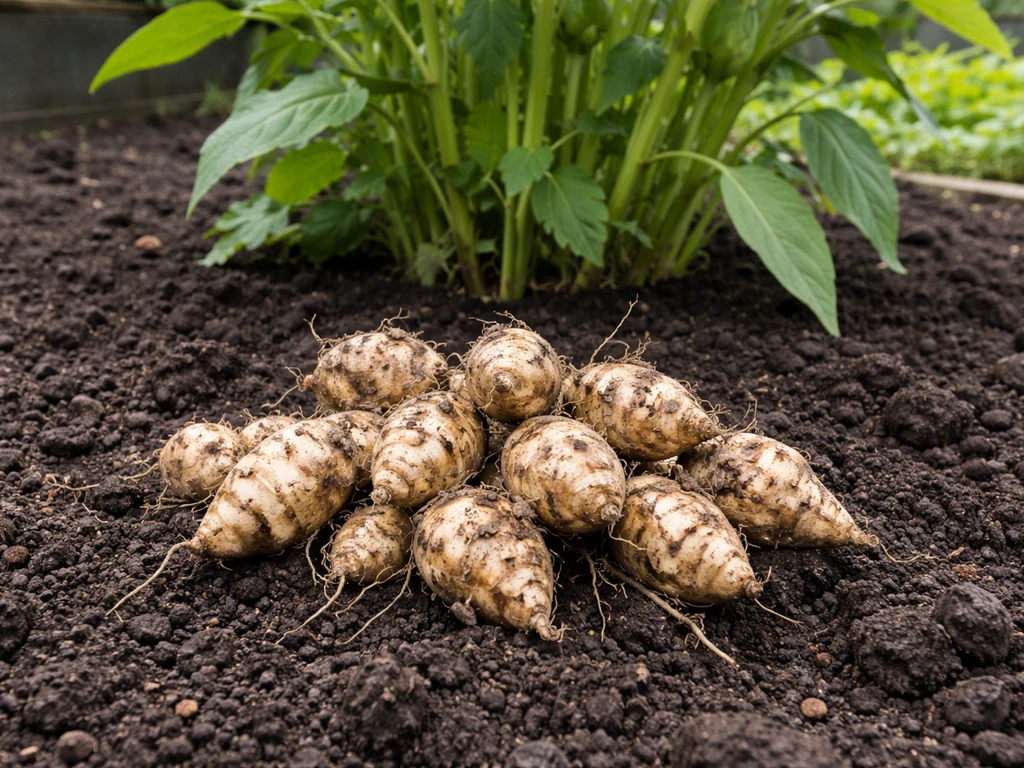
Can You Grow Jerusalem Artichokes in the UK? Guide
Grow Jerusalem artichokes in the UK: planting, care, harvest, storage, pest tips, and troubleshooting for tuber success.