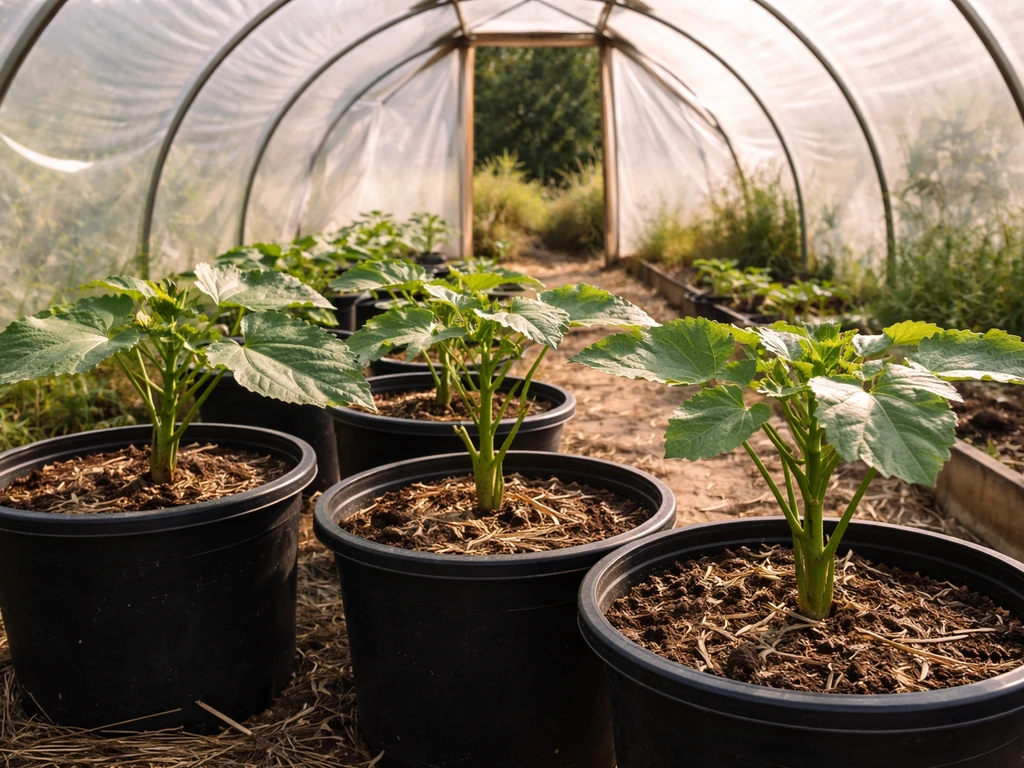
Yes, aubergines do grow in the UK, but they need more help than most vegetables. They are tropical plants at heart, and British summers rarely give them what they really want. With a greenhouse, polytunnel, or at minimum a warm windowsill and a sheltered spot, you can get a genuinely good harvest. Venus fly traps are also a niche plant that needs very specific conditions, so it is worth checking the UK-friendly setup before you buy.
Do Aubergines Grow in the UK? How to Grow Them
James Hartwell
12 Jun 2026
Growing them outside without protection is a gamble that usually pays off only in the warmest corners of southern England, and even then only in a good summer. Go in with that expectation, set things up right, and aubergines are absolutely achievable. If you are also planning an edible garden, our guide to the best herbs to grow in the UK will help you choose varieties that suit UK conditions.
If you are also planning a wider veg plot, you may be wondering what other vegetables grow in the UK besides aubergines what vegetables grow in the uk.
Is the UK climate realistic for aubergines?
Aubergines originate from South Asia and need long, hot growing seasons to thrive. Does okra grow in the UK? If you are also wondering can you grow tropea onions in the UK, the key is matching the crop to your available warmth and season length Does okra grow in the UK? .
It is also a warm-climate plant, so it generally needs heat and protection to succeed Aubergines originate from South Asia. They stop growing below around 15°C, won't set fruit reliably in cool conditions, and need consistent warmth of 20–30°C to flower and fruit well.
That immediately rules out most of the UK for straightforward outdoor growing. Scotland, northern England, Wales, and Northern Ireland get too little summer heat for reliable results outdoors, and even the South Coast has unpredictable seasons. The RHS is pretty blunt about it: aubergines need lots of sun and heat, and a greenhouse is the best bet for most UK growers.
That said, the UK is not one climate. A south-facing walled garden in Cornwall or Kent, or a sheltered urban microclimate in London, can give you conditions much closer to what aubergines want. In those spots, growing in containers outdoors during a warm July and August is possible. But even if you live in the mildest part of the country, starting plants under cover and keeping them warm through spring is non-negotiable.
BBC Gardeners’ World recommends sowing aubergine seed indoors as early as January if you have a heated propagator, or from March if you don’t starting plants under cover and keeping them warm through spring is non-negotiable. This is not a crop you direct sow outdoors and hope for the best.
What aubergines actually need to grow well
Warmth and light
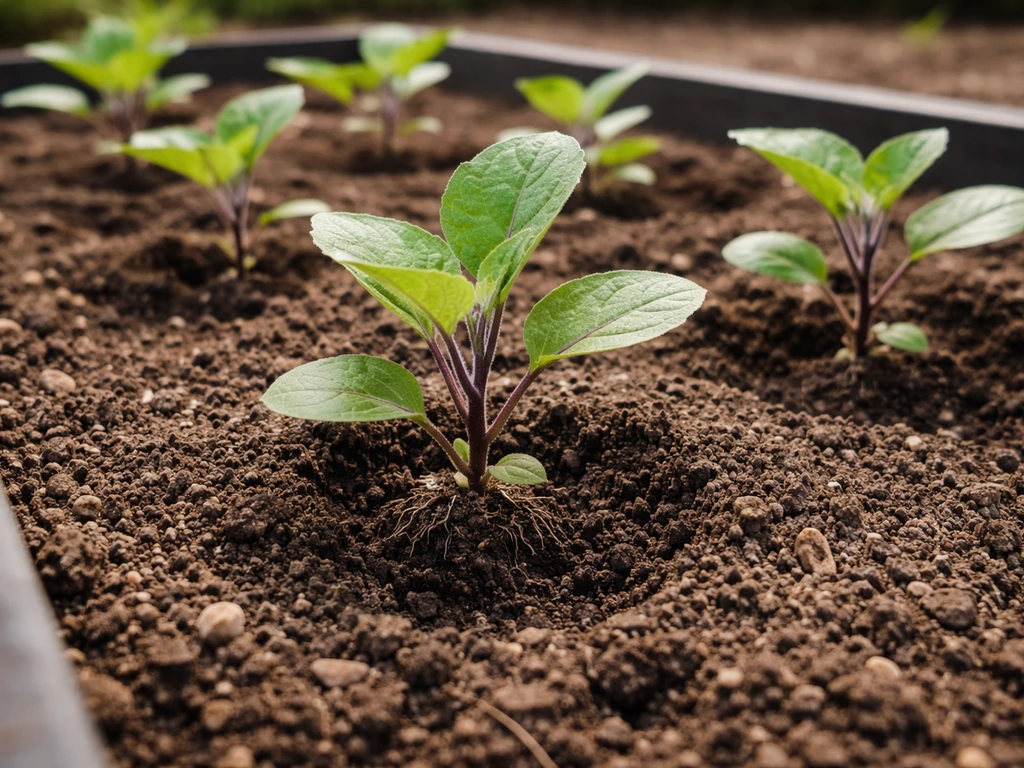
Warmth is the number one factor. Seeds need at least 21°C to germinate, and seedlings sulk and stall if temperatures drop. Once plants are established, they want night temperatures above 10°C before going anywhere near the outside world, and they really thrive when daytime temperatures are consistently above 20°C. Full sun is essential, ideally 8 or more hours a day. In a greenhouse or polytunnel, positioning them in the warmest, most sheltered spot makes a real difference, especially early in the season when UK temperatures are still unreliable.
Soil and compost
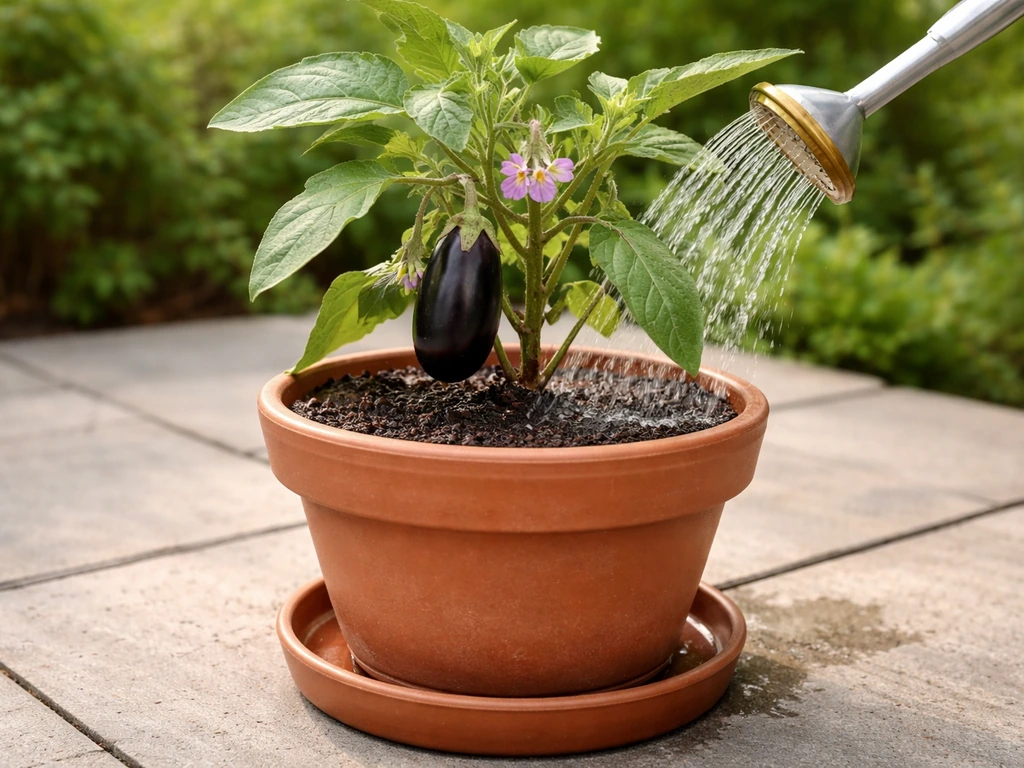
Aubergines need free-draining compost or soil. They hate sitting in wet conditions and will quickly develop root problems if drainage is poor. A good-quality peat-free multi-purpose compost works well in pots and grow bags. If you are planting into a greenhouse border, improve drainage by digging in plenty of grit or perlite. Rich compost is helpful early on, but once the plants are flowering you need to switch focus to feeding rather than relying on compost nutrients alone.
Watering
Container-grown aubergines can dry out extremely fast in warm weather, potentially needing daily watering during a hot spell. Inconsistent watering is one of the main causes of problems: it affects calcium uptake in the plant, which can lead to blossom end rot (dark blotches at the base of the fruit). The goal is to keep the compost consistently moist but never waterlogged. In a greenhouse on a hot day, damp down the floor in the morning to raise humidity, which also helps with pollination and fruit set.
Feeding
Once flowers appear, switch to a high-potash liquid feed, such as a standard tomato fertiliser, applied weekly. This directly supports fruit development. Comfrey liquid feed is a good organic alternative if you make your own. Before flowering, a balanced general fertiliser is fine, but do not over-feed with nitrogen or you will get lush leafy growth at the expense of fruit.
Best aubergine varieties for UK growing
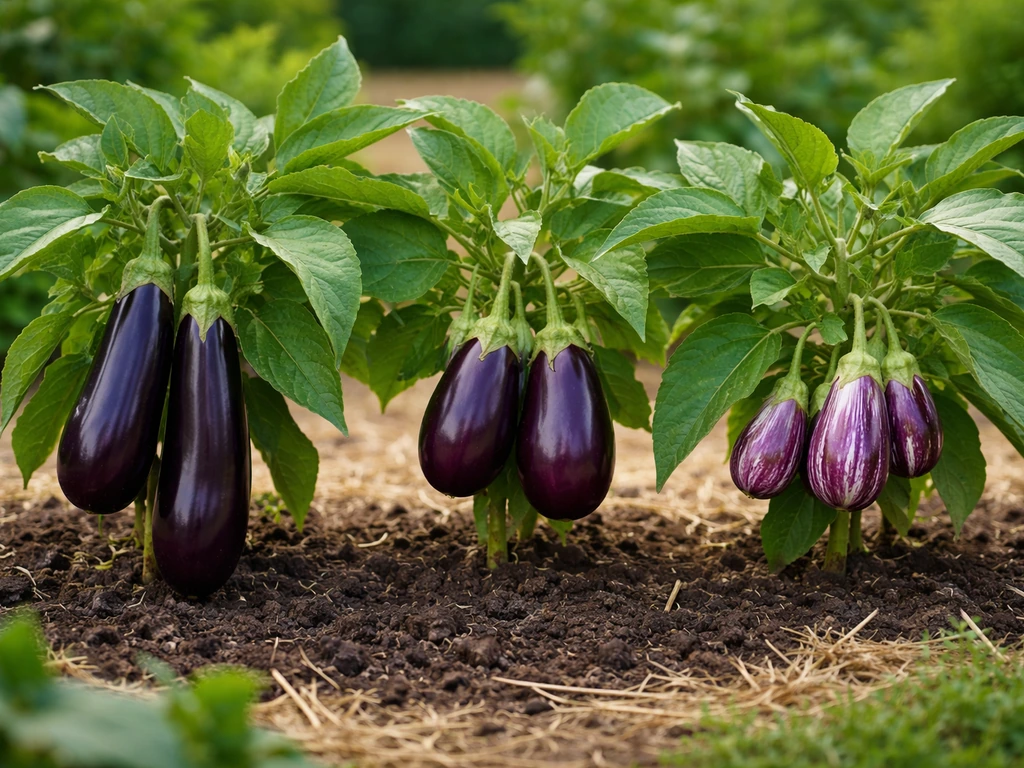
Variety choice genuinely matters in the UK. You want early-maturing, short-season types that can produce fruit before British autumn arrives and temperatures drop. If you are planning for the autumn in the UK, focus on early-maturing varieties and a sheltered growing setup so you get fruit before temperatures drop what to grow in autumn uk. Avoid varieties bred for long, hot Mediterranean seasons because they simply will not have enough time to ripen in our climate.
- Moneymaker: a reliable early-maturing variety with long, dark purple fruit. One of the most recommended for UK conditions and widely available.
- Bonica F1: compact, early, and well-suited to containers. Sets fruit at lower temperatures than many varieties.
- Ophelia F1: another early type, producing smaller fruits which is actually an advantage in a short UK season as they ripen faster.
- Black Beauty: a classic variety that produces large, glossy fruit. Best in a greenhouse where it has the warmth to develop fully.
- Baby Rosanna: a mini aubergine type that suits containers and produces fruit quickly, good for less confident growers.
When buying seeds or plants, look for the words 'early', 'compact', or 'F1 hybrid' on the label. F1 hybrids tend to be more vigorous and often more tolerant of variable conditions, which is a genuine advantage in the UK. If you are in Scotland or northern England, the early-ripening compact varieties are basically your only realistic option without a heated greenhouse.
Starting aubergines from seed: timing and steps
Timing is everything with aubergines in the UK. Sow too late and you will not get ripe fruit before autumn. Sow too early without adequate heat and the seeds will either fail to germinate or produce weak, leggy seedlings. The target window depends on your setup.
| Your setup | When to sow |
|---|---|
| Heated propagator or heated greenhouse | January to February |
| Warm windowsill indoors (consistent 21°C+) | February to early March |
| No propagator, cool house | March (accept a later harvest) |
- Fill 7.5cm pots with seed compost and firm it down gently. Sow 2 seeds per pot, about 1cm deep.
- Water in and place in a heated propagator set to 21°C, or cover with a clear plastic bag and put on the warmest windowsill you have.
- Germination takes around 10 to 20 days. Check regularly and keep the compost moist but not soggy.
- When seedlings appear, remove the weaker one from each pot so the stronger plant has space.
- Once the first true leaves (the second pair after the seed leaves) appear, pot seedlings on into individual 7.5cm pots if they were in a shared tray, using multi-purpose compost.
- Grow on in a warm, bright spot. A south-facing windowsill or heated greenhouse bench is ideal. Keep temperatures above 15°C at all times.
- When plants reach around 30cm tall, pinch out the growing tip to encourage side shoots and a bushier, more productive plant.
- Pot up into final containers (a 30–35cm pot or a grow bag) or plant into a greenhouse border once night temperatures are reliably above 10°C, which in most of the UK is late May to June.
Greenhouse, polytunnel, containers, or outdoors?
Where you grow your aubergines makes more difference than almost any other decision. Here is an honest comparison. If you are wondering can you grow Jerusalem artichokes in the UK, the good news is they are generally easy to establish in UK conditions.
| Growing method | Reliability in UK | Best for | Key consideration |
|---|---|---|---|
| Heated greenhouse | Very high | All UK regions | Running costs, but gives best results and longest season |
| Unheated greenhouse or polytunnel | High | Most of UK | Best practical option for most growers; extra fleece needed early season |
| Containers outdoors (sheltered) | Moderate | South of England, urban microclimates | Move inside if temperatures drop; daily watering essential in heat |
| Open ground outdoors | Low | South Coast only, warm summers only | Too risky for most UK regions; poor results in average years |
A greenhouse or polytunnel is the recommendation for most UK growers. Even an unheated polytunnel creates a microclimate that is several degrees warmer than outdoors, which is often the difference between flowers setting fruit and dropping. If you are growing in containers indoors or in a conservatory, make sure the plants get maximum light, as poor light combined with heat leads to weak plants that do not fruit well. Container growing is excellent for flexibility: you can start plants indoors and move them to a sheltered patio or against a south-facing wall once the weather warms, then bring them back inside if a cold snap threatens.
If you do want to try growing aubergines outdoors, wait until all frost risk has passed, which is typically end of May to June across most of England and later in Scotland and exposed upland areas. Choose the warmest, most sheltered spot available, ideally against a south-facing wall that retains heat. Even then, you should start plants indoors and harden them off gradually over two weeks before planting out.
Common problems and how to fix them
Slow or no germination
Almost always a temperature problem. If your propagator or windowsill is not hitting 21°C consistently, seeds will sit dormant. Use a thermometer to check actual temperature rather than guessing. A cheap heated propagator is one of the best investments for growing aubergines in the UK.
Leggy, weak seedlings
This is a light problem. If seedlings are stretching toward the light and flopping over, they are not getting enough. Move them to a brighter windowsill, use a grow light, or wait until later in the season when daylight is stronger before sowing.
Flowers dropping without setting fruit
The most frustrating problem UK growers face. Flower drop is usually caused by cold nights, dry air, or poor pollination. Make sure night temperatures are above 10°C, mist the flowers lightly with water to raise humidity, and gently tap the flower clusters each day to help release pollen. In a greenhouse with no insects, you may need to do this pollination by hand using a small paintbrush.
Blossom end rot
Dark, sunken patches at the blossom end of the fruit indicate blossom end rot. It looks alarming but is not a disease. It is caused by a calcium deficiency in the fruit, which itself is almost always the result of irregular watering rather than a lack of calcium in the soil. The fix is consistent, regular watering. Do not let pots dry out and do not swing between dry and waterlogged.
Aphids and whitefly
Both are common in greenhouse conditions. Check the undersides of leaves regularly from early summer. For aphids, a strong blast of water or a spray of diluted soap solution works well. Whitefly are trickier: yellow sticky traps help monitor numbers, and introducing parasitic wasps (Encarsia formosa) is the most effective biological control in a greenhouse setting. Avoid harsh chemical sprays if you want to encourage the beneficial insects that also help with pollination.
No fruit despite flowers
If flowers appear but no fruit develops, the most likely causes are temperatures that are too low, poor pollination, or inconsistent watering. Check that you are feeding weekly with a high-potash fertiliser once flowering starts. Also make sure you are not over-feeding with nitrogen, which pushes leafy growth instead of fruit. If fruit does begin forming but stays small or stops developing, cold nights are usually the culprit.
When and how to harvest your aubergines
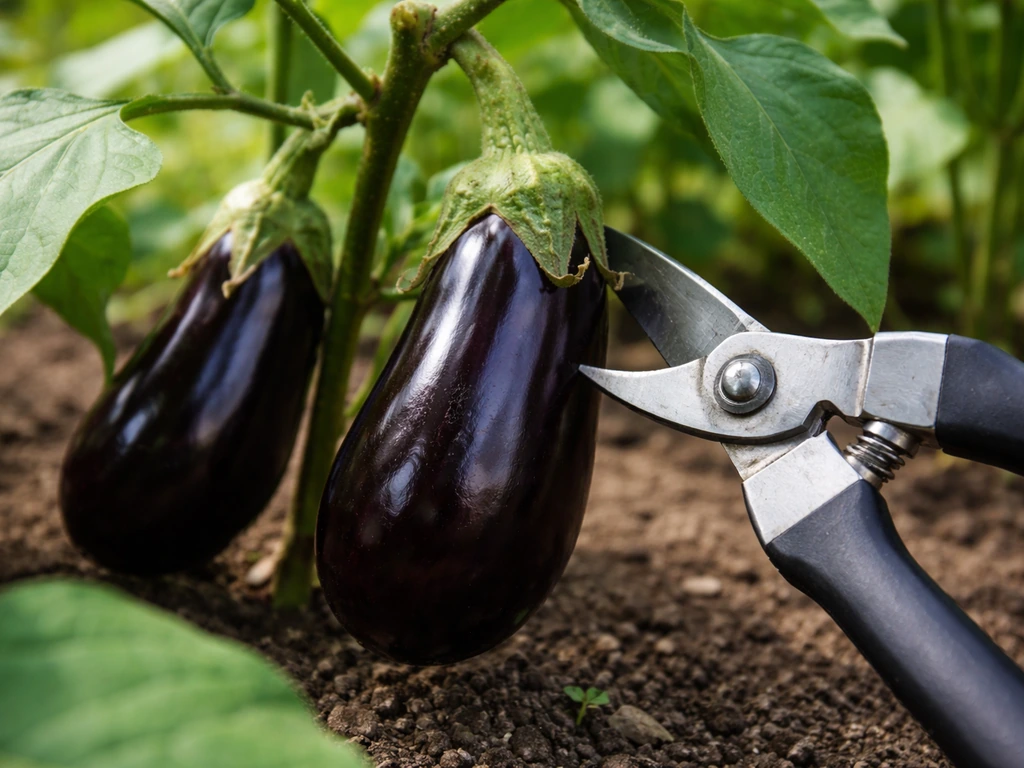
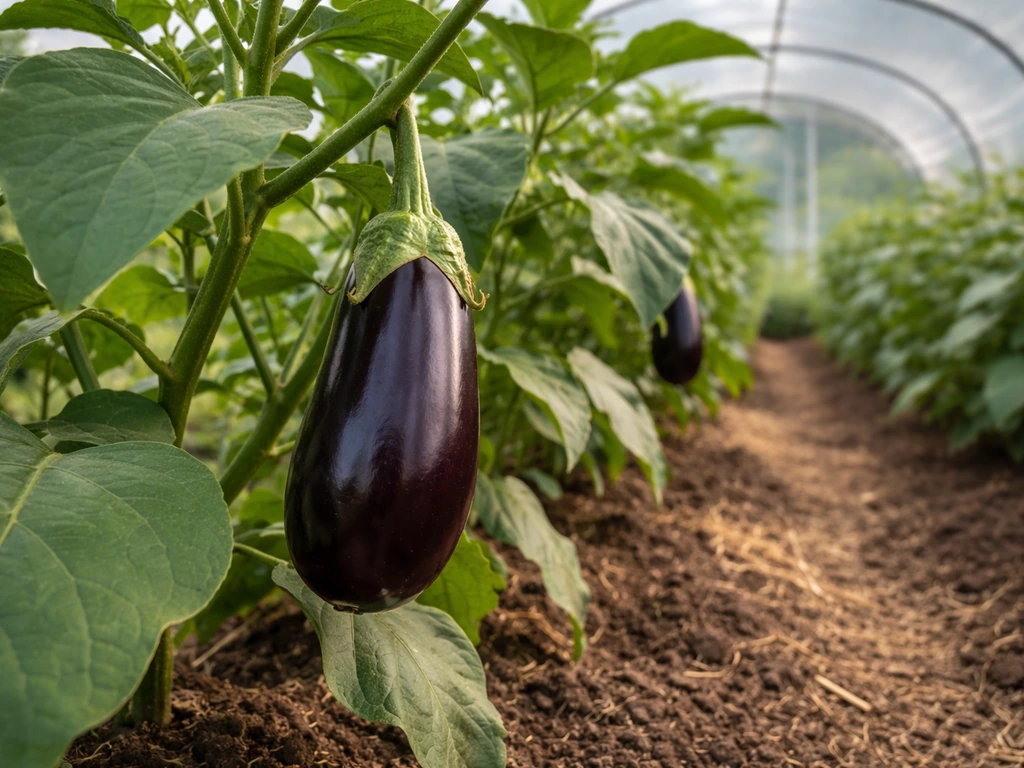
Aubergines are ready to harvest when the fruit is a good size and the skin still has a high gloss shine to it. That glossy surface is your main cue: once the shine dulls and the skin looks matte, the fruit is past its best and will likely be bitter and seedy inside. Do not wait for them to get as large as shop-bought ones. Picking slightly earlier, while the shine is still vivid, gives you better eating quality and also encourages the plant to produce more fruit.
Cut fruits from the plant with a sharp knife or secateurs, leaving a short stem attached. Do not pull or twist, as this can damage the plant. In a good greenhouse season in the UK you can expect to harvest from July through to September or even October, depending on when you sowed and how warm the season has been.
Storing the harvest
Aubergines do not store well for long. They are best eaten within a few days of picking, kept at room temperature rather than in the fridge (cold temperatures below 10°C actually damage the flesh and cause discolouration). If you have a glut, the best option is to cook and freeze them, either as a cooked dish like ratatouille or as roasted slices. Raw aubergines do not freeze well and turn to mush, so cook first.
If you grow other heat-loving crops alongside your aubergines, chillies and tomatoes make natural companions in a greenhouse setup, sharing similar needs for warmth, feeding, and humidity management. Like aubergines, chillies push the boundaries of what is reliably doable in British conditions outdoors, but can perform brilliantly under cover. If you are comparing companions for warmer greenhouse conditions, this is also where you will find the best chillies to grow outside in the UK.
FAQ
How cold is too cold for aubergines in the UK?
As a rule, they stop coping once nights regularly drop below 10°C, and they struggle to flower and fruit when temperatures sit under about 15°C. If your greenhouse nights are forecast to be below 10°C, use extra insulation (thermal curtain, bubble wrap on the staging, or fleece over containers) and keep watering consistent, because cold plus dry air commonly triggers flower drop.
Can I grow aubergines from store-bought fruit seeds in the UK?
It is possible but unreliable. Store-bought aubergines often come from varieties suited to hotter regions, and seeds may have lower germination or inconsistent results, especially if the parent plant was an F1 hybrid. For best UK outcomes, buy seeds labelled early or compact, and aim for germination temperatures at or above 21°C using a thermometer rather than guesswork.
Do aubergines need pollinators in a greenhouse?
They can set fruit with or without insects, but greenhouse conditions often lack effective pollination. If you see flowers but no fruit, manually help the process by gently tapping flower clusters daily and, on hot humid days, mist lightly around the flowers (not the whole plant) to encourage pollen to transfer.
Why do my aubergines have lots of leaves but no flowers?
This usually comes from too much nitrogen or feeding too early. Before flowering, a balanced feed is fine, but once you see buds switch to a high-potash fertiliser weekly. Also check that seedlings are getting enough light, because weak light plus excess food can delay flowering.
How often should I water aubergines in containers, and how do I avoid blossom end rot?
Keep compost consistently moist, not wet, and adjust frequency to heat. In a warm spell, containers can dry out within a day, so check moisture by feel (top few centimetres). Blossom end rot is driven by irregular watering, so do not let pots dry out then suddenly soak them.
What compost mix and drainage should I use for aubergines?
They need free-draining compost. A quality peat-free multi-purpose compost works, but in heavy greenhouse borders or large pots, mix in extra perlite or grit to prevent waterlogging. If water sits on top or drains very slowly, add more aeration before planting, because root problems can start before you notice wilting.
Can I grow aubergines in a conservatory or indoors without a greenhouse?
Yes, if you can reliably provide strong light and warmth. Place them where they get maximum sun hours, consider grow lights if daylight is limited, and keep night temperatures above 10°C if possible. Indoors, you may also need the same daily flower tapping and careful watering consistency as in a greenhouse.
What size and spacing should I plant aubergines to grow well?
Give each plant room to grow and to avoid shading. In containers, a larger pot typically performs better than a small grow bag because it holds moisture more steadily, which reduces flower drop and blossom end rot risk. In borders, ensure roots are not competing with other plants for water, especially in shared greenhouse beds.
When should I start harvesting for the best flavour?
Start picking when the fruit is a good usable size and the skin still looks glossy. Waiting for maximum size often makes the fruit dull and can reduce eating quality, even if it looks fine on the outside. Cutting regularly also encourages additional flowering and fruit set.
Do aubergines freeze, and what is the best way to use a glut?
Freeze cooked aubergine rather than raw. Roast or cook slices, then cool and freeze in portions, sauces like ratatouille work well too. Raw aubergines turn soft and watery after thawing, so cooking first saves texture and makes defrosting quicker.
Next Article
Does Okra Grow in the UK? How to Grow It Successfully
Yes, okra can grow in the UK with warmth and frost protection. Learn sowing times, care, spacing, and realistic yields.