The UK grows a huge range of vegetables well, and you don't need a polytunnel or a perfect summer to get a decent harvest. Reliable performers include courgettes, potatoes, beetroot, peas, beans, salad leaves, spinach, onions, garlic, leeks, carrots, kale, cabbage, chard, and broad beans. These crops suit British rainfall, tolerate cooler summers, and can be timed around our frost calendar without too much stress. Beyond those staples, more adventurous growers can push into aubergines, chillies, and squash with a bit of protection. The honest answer is: if you can name a vegetable from a typical UK supermarket, you can probably grow it at home in Britain.
What Vegetables Grow in the UK Best Options to Plant
James Hartwell
11 May 2026
Quick answer: vegetables that grow reliably in the UK
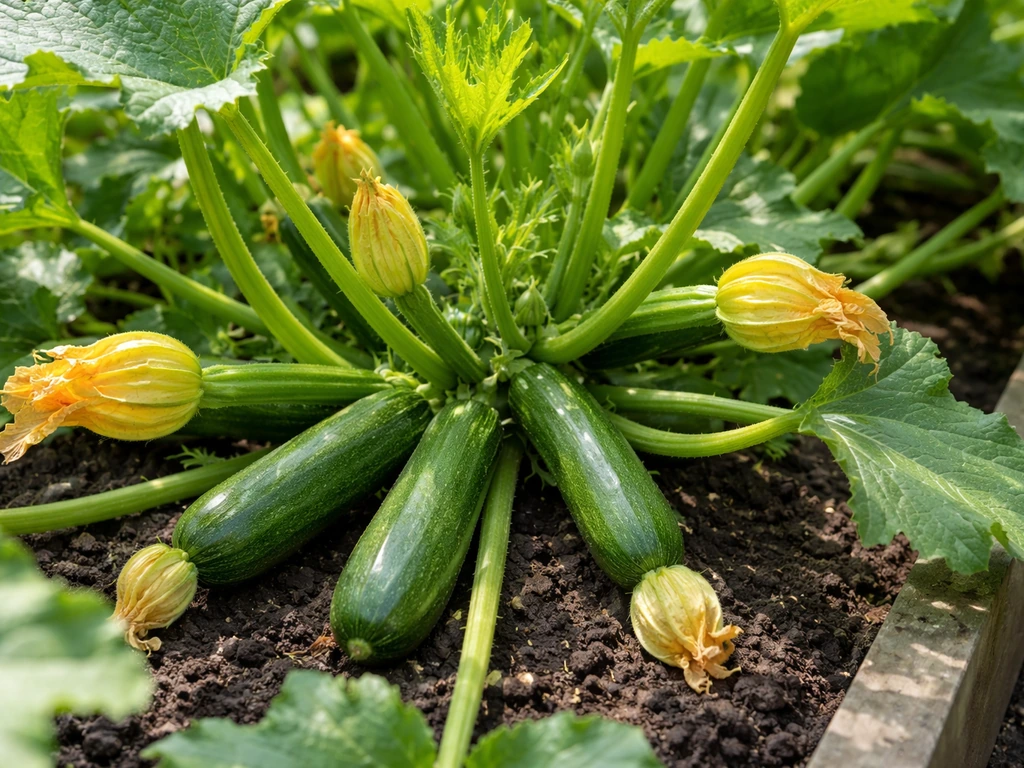
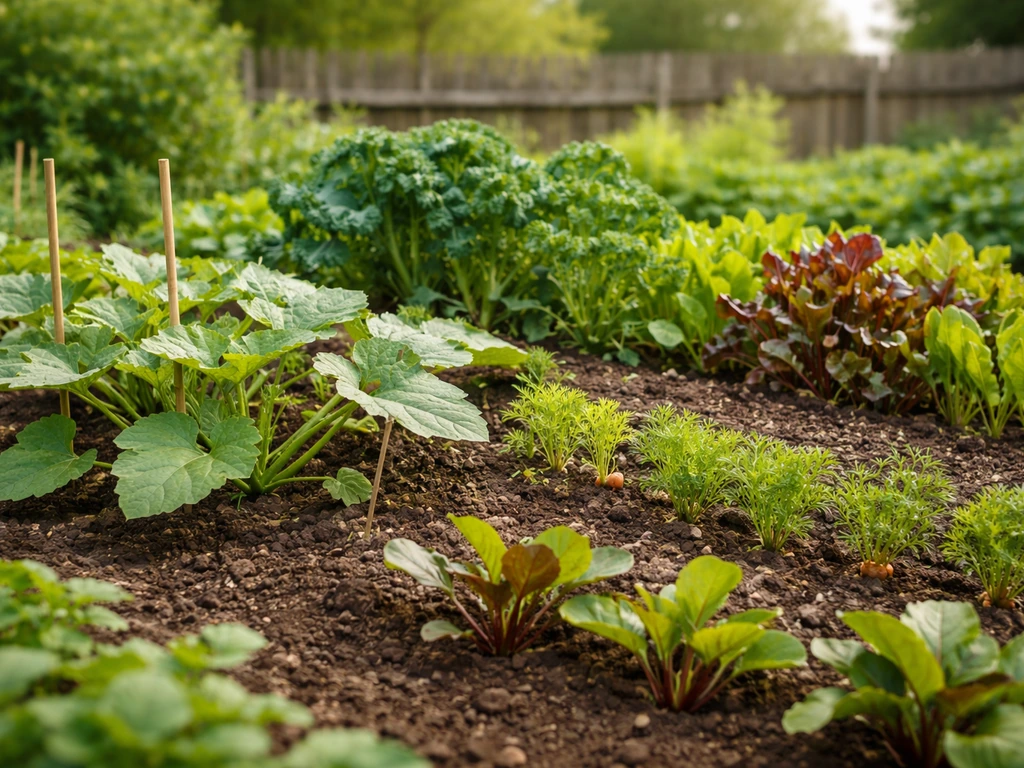
Here's a practical list ordered from easiest to slightly more demanding. Start at the top if you're a beginner, work your way down once you've got some beds established.
- Courgettes: incredibly easy, hugely productive. One plant can give you three or four fruits a week in a good summer.
- Potatoes: forgiving, satisfying, and suited to almost every UK soil type. Earlies avoid most blight pressure.
- Salad leaves (lettuce, rocket, mixed cut-and-come-again): fast, low-maintenance, and harvestable almost year-round with some protection.
- Peas: sow direct, harvest from June to October with succession sowing, and they thrive in cool British springs.
- Broad beans: frost-hardy, sow in autumn or early spring, and one of the most reliable crops in the country.
- Beetroot: quick from seed, tolerant of poorer soils, and great for succession sowing through spring and summer.
- Kale: virtually frost-proof, productive through autumn and winter, and genuinely hard to kill.
- Spinach and chard: cut-and-come-again crops that love the UK's mild, damp seasons.
- Onions and garlic: set and forget for most of the year. Garlic goes in autumn, onions in spring or autumn.
- Leeks: slow but incredibly hardy. Perfect for filling winter harvests when little else is growing.
- Carrots: need well-drained, stone-free soil but reward good prep with harvests that, with succession sowing and storage, can stretch nearly 12 months.
- French and runner beans: love warmth, so sow after the last frost. Runners especially are prolific in a decent summer.
- Cabbage, broccoli, and Brussels sprouts: classic brassicas that suit UK temperatures but need some pest management.
- Squash and pumpkins: need space and a warm spot but perform well in most English gardens in a reasonable summer.
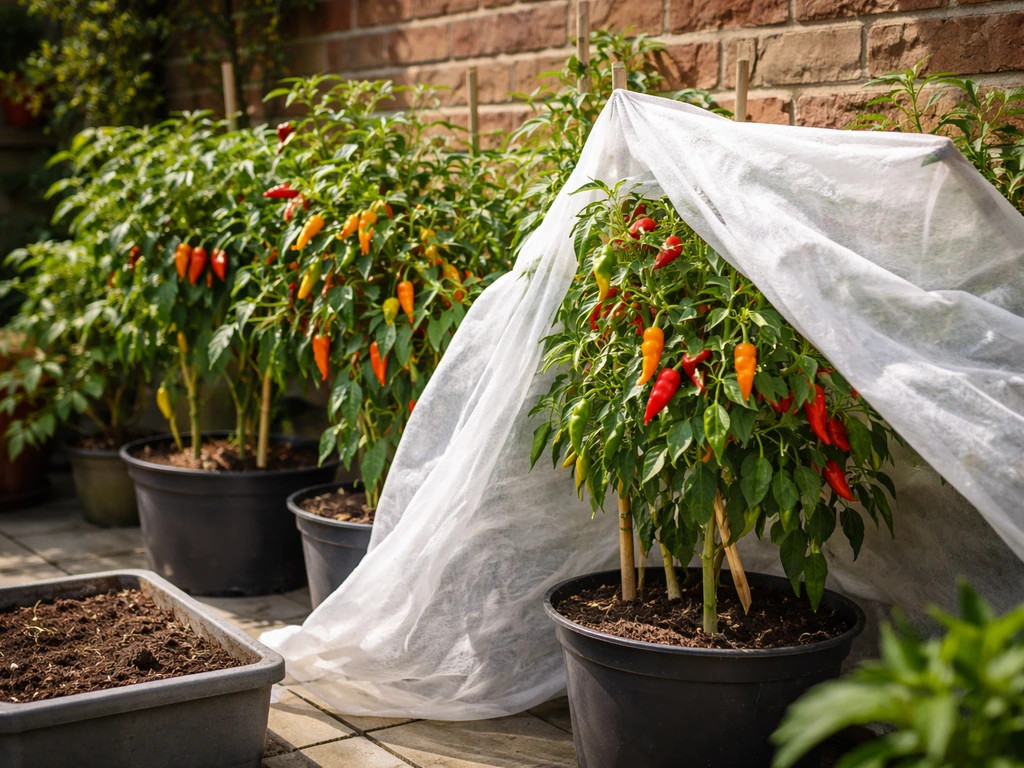
- Aubergines and chillies: possible outdoors in sheltered southern spots, but most UK growers get better results under glass or in a polytunnel.
England vs the wider UK: what the climate actually means for growing
The UK is not one climate. England, particularly the south and south-west, sits in the warmest, most sheltered part of the country, roughly equivalent to RHS hardiness zones H4 to H5 in most areas. That means milder winters, earlier last frosts (often late March to mid-April in southern England), and a longer frost-free growing window than Scotland, northern England, or much of Wales. The south coast of England gets the longest summers and occasionally hot enough spells to ripen tomatoes reliably outdoors. Cornwall and Devon get huge rainfall but rarely hard frosts, which suits leafy crops and root vegetables brilliantly. Central and northern England are cooler and shorter-seasoned, and Scotland can see frosts as late as June in upland areas. When people ask what grows in England specifically, the short answer is: almost everything on the list above, plus heat-lovers like aubergines have a fighting chance outdoors in the right south-facing spot. If you are wondering do aubergines grow in the UK, this is exactly why a hot, sheltered spot matters and why protection can make the difference.
Average summer temperatures across England run from around 17 to 22°C, which is enough for most vegetables but not quite enough for crops like sweet corn and peppers to thrive without help. Annual rainfall ranges from around 550mm in the east to over 1,000mm in the west. That wet west coast climate is brilliant for brassicas, leeks, and roots but can cause slug pressure and fungal issues if you're not on top of drainage. The east, drier and sunnier, suits heat-lovers a little better but means you'll need to water more through July and August.
When to sow and plant: a season-by-season guide
Spring (March to May)
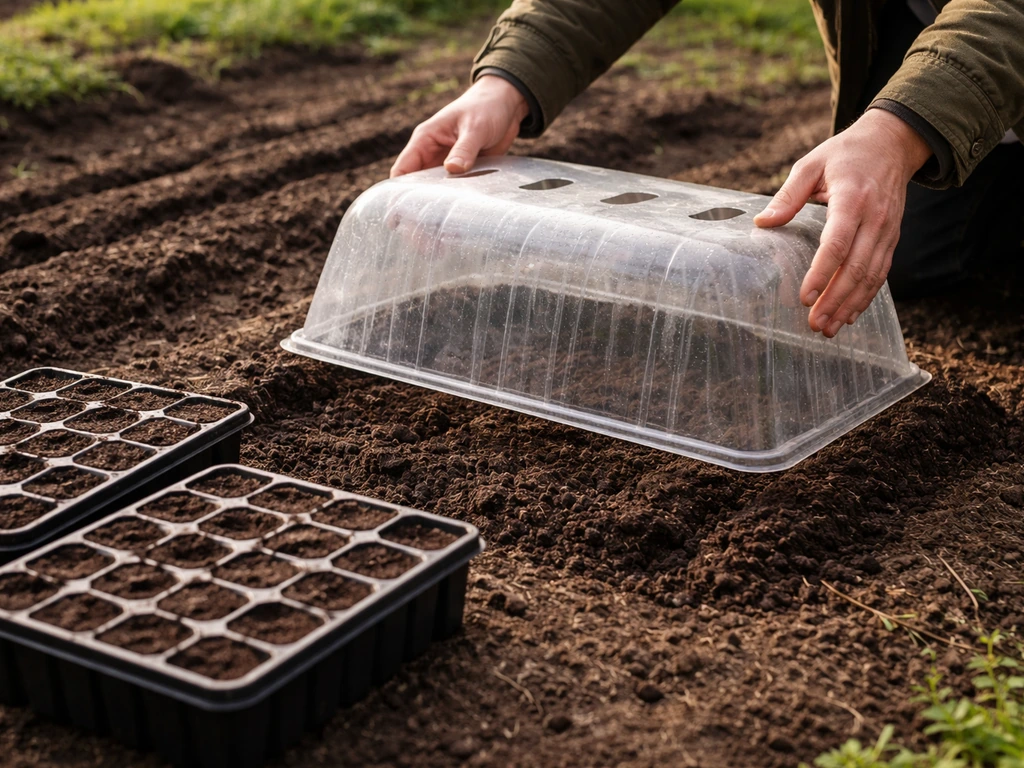
Spring is the main sowing season, but don't rush it. Soil temperature matters more than the calendar date. The RHS recommends warming your soil with cloches or clear plastic sheeting a few weeks before sowing, especially for early sowings in March. Aim for soil temperatures above 7°C for most seeds, 10°C for beans and courgettes. From mid-March you can direct sow peas, broad beans, beetroot, carrots, and salad leaves outdoors in the south. In the north, wait until April. May is when everything opens up: sow courgettes, beans, squash, and sweet corn indoors if you haven't already, and start hardening off seedlings raised on windowsills or in a greenhouse. Hardening off just means putting them outside for increasing amounts of time over a week or two, so they adjust to wind and temperature swings before you plant them out permanently.
Summer (June to August)
June is the transition point. Most tender plants go out after the last frost risk passes, which for most of England is late May to early June. In the north-east of England, southern Scotland and Northern Ireland, the RHS advises that tender plants are generally safe to plant out around early June. Runner beans and French beans go in, courgettes and squash planted out now will romp away, and you start harvesting early peas and salad. Keep sowing beetroot, carrots, and salad leaves in succession through July for autumn harvests. Water peas well once they start flowering and again about two weeks later when pods are swelling. Brassicas like broccoli and kale can be sown in late June for autumn and winter cropping. By August, start thinking about autumn sowings: spring onions, winter salads, spinach, and turnips can all go in now.
Autumn (September to November)
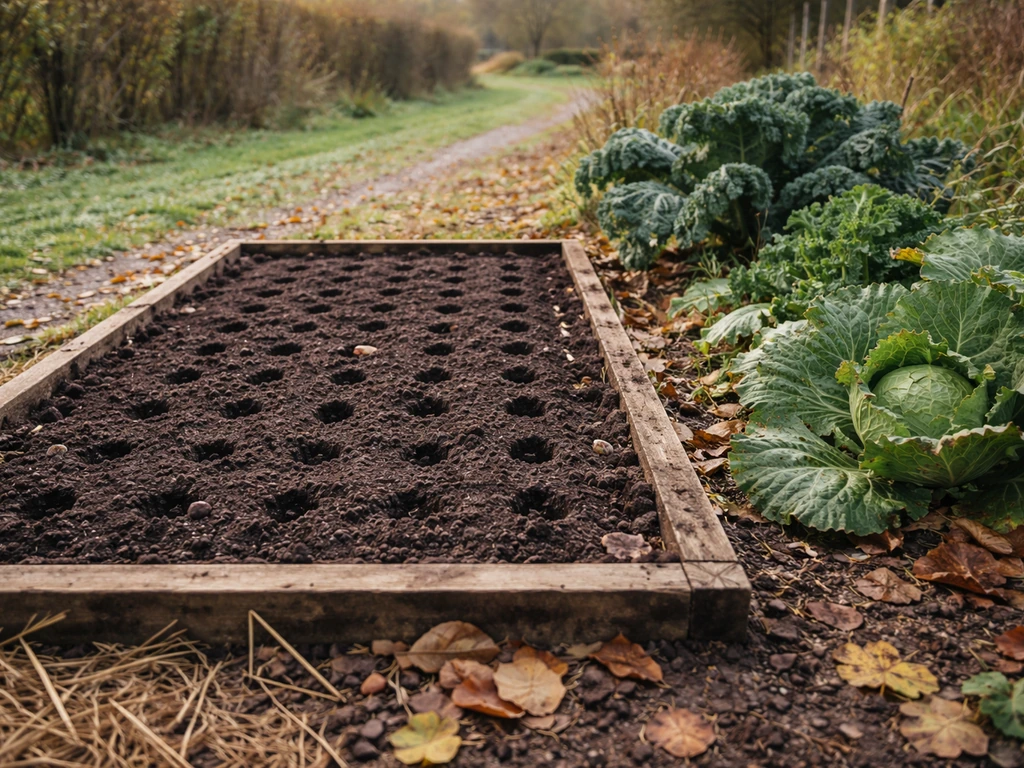
Autumn is underrated. September is a genuine second season for UK growers. Garlic cloves go in from October, and autumn-sown broad beans (planted October to November) overwinter to give earlier, heavier crops than spring-sown plants. Spinach, chard, and Oriental leaves like pak choi and mizuna all thrive in the cooling temperatures. Leeks, kale, and Brussels sprouts carry on cropping right through autumn. If you have a cold frame or unheated greenhouse, you can push salad harvests well into November. Carrots left in the ground in mild regions can stay put over winter under a mulch of straw or fleece, effectively giving you fresh carrots on demand.
Winter (December to February)
Not much goes in the ground in winter, but harvesting continues. Leeks, kale, Brussels sprouts, parsnips, and overwintering chard are all fair game. February is when you start chitting potatoes on a windowsill (just set them in egg boxes somewhere cool and bright), and in a heated propagator you can sow tomatoes, aubergines, and chillies from late January to give them the long growing season they need. Broad beans can go in February in the south. Think of winter as prep time: improve beds with compost, plan your crop rotation, and order seeds.
Your garden's conditions matter as much as the UK average
Regional averages are a starting point, but your specific plot can sit several degrees warmer or cooler than the general area. A south-facing garden against a brick wall in Manchester can outperform a flat, exposed plot in Kent. A frost pocket in a valley in the Midlands will lose tender plants even when nearby gardens are fine. The key factors to understand about your own space are: aspect (does it face south?), shelter (are there walls, hedges, or fences breaking wind?), soil drainage (does water sit after heavy rain?), and whether you have any frost pockets. Low-lying spots and the bottom of slopes collect cold air and frost harder than ground a few metres higher.
If you're in Scotland or northern England, lean heavily on hardy crops: kale, leeks, broad beans, chard, beetroot, and potatoes all perform reliably. Use raised beds to warm soil faster in spring and improve drainage. Fleece and cloches are worth their cost many times over. If you're in the south-west, you can push the season earlier than most of England and leave root crops in the ground longer. The south-east gives the best chance with heat-loving crops like tomatoes, courgettes, and squash outdoors, though even there a cool, wet August can cause problems. For more ambitious crops with specific regional constraints, aubergines are a good example of where extra heat really is necessary.
Picking the right varieties: hardiness, days to maturity, and when to use protection
Variety choice is one of the most practical things you can do to improve your results. A courgette bred for northern European climates will outperform a Mediterranean variety in a cool British summer, not because it grows bigger, but because it sets fruit at lower temperatures and resists mildew longer. The key things to look at on any seed packet are days to maturity (the shorter the better for heat-loving crops in the UK), RHS Award of Garden Merit (AGM) status as a rough indicator of UK performance, and any notes about disease resistance.
For carrots, varieties like 'Nantes 2' and 'Chantenay Red Cored' suit heavy soils and shorter seasons. For peas, choosing a mix of first earlies (like 'Kelvedon Wonder') and maincrop varieties gives you that long June-to-October harvest window. For brassicas, club root resistance is worth looking for if your soil has had the disease before. If you want to grow heat-loving crops like chillies or aubergines, variety choice is the difference between getting a crop and not. Look for early-ripening chilli varieties and compact aubergine types suited to container growing in a greenhouse or sunny porch. Those crops genuinely do better with some protection in most of the UK, even if you're growing in southern England.
| Vegetable | Recommended variety | Notes for UK growers |
|---|---|---|
| Courgette | Defender F1, Black Forest F1 | Mildew resistance extends the season |
| Carrot | Nantes 2, Chantenay Red Cored | Short roots suit heavier soils |
| Pea | Kelvedon Wonder (early), Alderman (maincrop) | Mix types for June-October harvest |
| Tomato | Tumbling Tom, Gardener's Delight, Losetto | Blight-resistant varieties worth it outdoors |
| Kale | Nero di Toscana, Dwarf Green Curled | Frost-proof and very long-cropping |
| Broad bean | Aquadulce Claudia (autumn sow), The Sutton (spring) | Aquadulce survives hard frosts |
| Potato | Charlotte (salad), Maris Piper (maincrop) | Earlies avoid most blight risk |
| Squash | Crown Prince, Uchiki Kuri | Early-maturing types ripen before frosts |
| Chilli | Apache, Hungarian Hot Wax | Early-ripening, manageable in containers |
Getting started the right way: soil, containers, watering, and dealing with pests
Soil and beds
Most vegetables want well-drained, reasonably fertile soil with a pH around 6.5 to 7. If you've never tested your soil, a cheap pH kit from a garden centre is worth using before you start. Add lime to raise pH if you're below 6. Dig in compost or well-rotted manure before planting, especially for hungry crops like courgettes, squash, and brassicas. Raised beds warm up faster in spring (important for getting an early start in the north), drain better, and make it easier to build up good soil structure year by year.
Containers vs beds
Containers work well for patio growers, but be realistic about what they'll support. Salad leaves, herbs, compact tomato varieties, chillies, and beetroot all do fine in pots. Courgettes, squash, potatoes (in a deep sack or bucket), and even peas can work in containers with regular watering and feeding. Root vegetables need depth, so use containers at least 30cm deep for carrots and parsnips. Beds are better for most crops long-term, especially if you want to do crop rotation (moving plant families around each year to reduce soil-borne disease and pest build-up).
Watering
Most of the UK gets enough rain that established crops in beds don't need constant watering from you, but there are critical windows. Seedlings always need consistent moisture until they're established. Courgettes and beans need water when fruits are forming. Peas need it at flowering and when pods are swelling. Containers dry out fast in summer and often need watering daily in a warm spell. In the drier east of England, a drip irrigation system or soaker hose on a timer saves a lot of effort and is worth setting up before summer arrives.
Pests and weeds
Slugs are the number one pest in most UK gardens, and they're worst in the wet west. Copper tape, nematodes (watered into soil from April onwards, when the soil is above 5°C), and going out with a torch at night are all effective. Brassicas attract cabbage white butterfly caterpillars and cabbage root fly. Fine mesh netting (not just fleece) is the simplest fix. Aphids build up on broad beans, especially at the shoot tips. Pinch out the top few inches of growth once the first pods form and you remove most of the colony in one go. For weeds, a thick mulch of compost or straw suppresses most annual weeds and improves soil at the same time.
Practical next steps: planning your crops and where to begin
If you're starting out, pick three or four crops and grow them well rather than trying twelve and stretching yourself thin. The best beginner combination in the UK is courgettes, salad leaves, peas, and either potatoes or beetroot. Those four cover a huge harvest window, all but courgettes are direct-sown outdoors, and none of them need a greenhouse. Get those right in your first year and you'll understand your soil and microclimate much better before expanding.
For crop planning, think in three blocks: what you're sowing now (May 2026 is peak time to get beans, courgettes, squash, and beetroot in), what you'll sow in six to eight weeks (summer salad successions, autumn brassicas), and what you'll prepare for in autumn (garlic, overwintering broad beans, spring onions under cover). A simple notebook or even a spreadsheet works. Note what variety you sowed, the date, and what happened. Within a season or two you'll know which varieties perform in your specific plot and which don't.
If you want to stretch beyond the reliable staples, this site has more detail on specific crops worth investigating. If you are wondering about more unusual plants like can you grow venus fly traps in the uk, it helps to check their light, moisture, and cold tolerance before you buy. Herbs pair naturally with a vegetable plot and follow similar seasonal logic. If you are wondering what the best herbs to grow in the UK are, focus on hardy staples like thyme, sage, chives, parsley, and mint that cope well with our seasons. Some adventurous growers try Jerusalem artichokes, Tropea onions, or even aubergines in warm spots. And if you're curious about what the trickier or more exotic options involve, crops like okra sit at the edge of what the UK climate can support, while chillies are genuinely viable in a sheltered spot with the right variety. You can also grow Jerusalem artichokes in the UK, and they generally do well as long as you give them enough space to spread. Okra is a heat-loving crop, so in the UK it usually needs warmth like a greenhouse or a very sheltered sunny spot. Chillies are genuinely viable outdoors in the UK when you pick suitable varieties and give them a sheltered, sunny spot chillies outdoors in the UK. The honest answer is that the UK growing season, while short, is rich, and with the right timing and a bit of variety knowledge, your plot can produce something worth eating for ten or eleven months of the year.
FAQ
What vegetables grow in the UK without a greenhouse or polytunnel?
Most reliable options are outdoors from spring onwards, especially peas, broad beans, salad leaves, spinach, onions, garlic, leeks, carrots, kale, cabbage, chard, and potatoes. Courgettes and many beans also work well outdoors once soil temperatures have warmed, so your easiest route is to start with a frost-tolerant mix and only add tender crops like aubergines later in the year if you have shelter.
Can you grow sweet corn in the UK, and where does it usually fail?
You can grow it, but it often fails in cooler regions because it needs sustained warmth during tasselling and ear fill. The fix is picking early varieties, sowing only when the soil is warm (often using cloches), and planting in a block for better pollination, otherwise you may get poor cobs even if plants survive.
What vegetables can I plant if my garden gets lots of rain or stays wet?
In wet spots, prioritize crops that handle damp roots better like leeks and brassicas, and avoid keeping soil saturated around shallow-rooted crops. Improve drainage with raised beds, dig in compost for structure, and use fine mesh or slug control because wet conditions increase slug pressure and fungal problems more than in drier areas.
How do I choose vegetables that match my UK frost dates?
Work backwards from your last frost by counting sowing windows: peas and broad beans go earlier, then courgettes, beans, and squash after frost risk reduces, and brassicas often have late summer sowings for autumn harvests. If you have frost pockets, assume your effective frost date is later than nearby streets and use cloches or fleece on the most tender plants.
What vegetables should I avoid if I have heavy clay soil or poor drainage?
Carrots and parsnips can struggle if soil is compacted or forms clods, because roots need clean, deep tilth. In heavy ground, use raised beds or add well-rotted compost and grit to improve structure, and consider container growing for deep-root crops only if you can provide at least 30cm depth.
Do I need to wait for soil temperature, or is the calendar date enough?
Soil temperature matters more than dates, especially for courgettes, beans, and early sowings in March. A practical target is above about 7°C for many seeds and closer to 10°C for warmer-likers, and if you are unsure, use simple soil thermometers or warm the bed with clear plastic before sowing.
What vegetables grow well in containers on a patio in the UK?
Containers are excellent for salad leaves, herbs, compact tomatoes, chillies (with heat protection if needed), and beetroot. For root crops like carrots or parsnips, you need depth (around 30cm or more), and for courgettes, use very large pots and expect frequent feeding because they are heavy nutrient users.
Why do my peas flower but pods fail to form?
This often happens when plants are short of water during flowering and pod swelling, or when cold winds stress them. Make sure seedlings are established before you cut watering, keep soil evenly moist through flowering, and avoid letting plants dry out in July, especially in drier eastern areas.
What is the easiest UK crop rotation plan for beginners?
A simple approach is to split your plot into three or four groups by plant family, then move them each year, for example legumes (peas, beans) rotating away from brassicas (kale, cabbage, broccoli) and roots (carrots, beetroot) that follow after. This reduces soil-borne issues and pest build-up, especially for brassicas and leeks over multiple seasons.
What vegetables should I plant in autumn for a second season harvest?
Good autumn picks include spinach, chard, turnips, winter salads under cover, spring onions, and winter-leaning brassicas like kale. Garlic cloves go in from October, and overwintering broad beans planted in autumn can give earlier, heavier crops compared with spring sowings.
If I want one reliable beginner set, what’s the best compromise for most of the UK?
A strong starter mix is courgettes, salad leaves, peas, plus either potatoes or beetroot. It gives a long harvest window, most of it can be direct-sown outdoors, and it teaches you about your soil and microclimate before you expand into more temperature-sensitive crops.
Next Article
Best Chillies to Grow Outside in the UK: Varieties and Tips
Best chillies for UK outdoor growing, with variety picks, planting dates, protection, and ripening troubleshooting for h