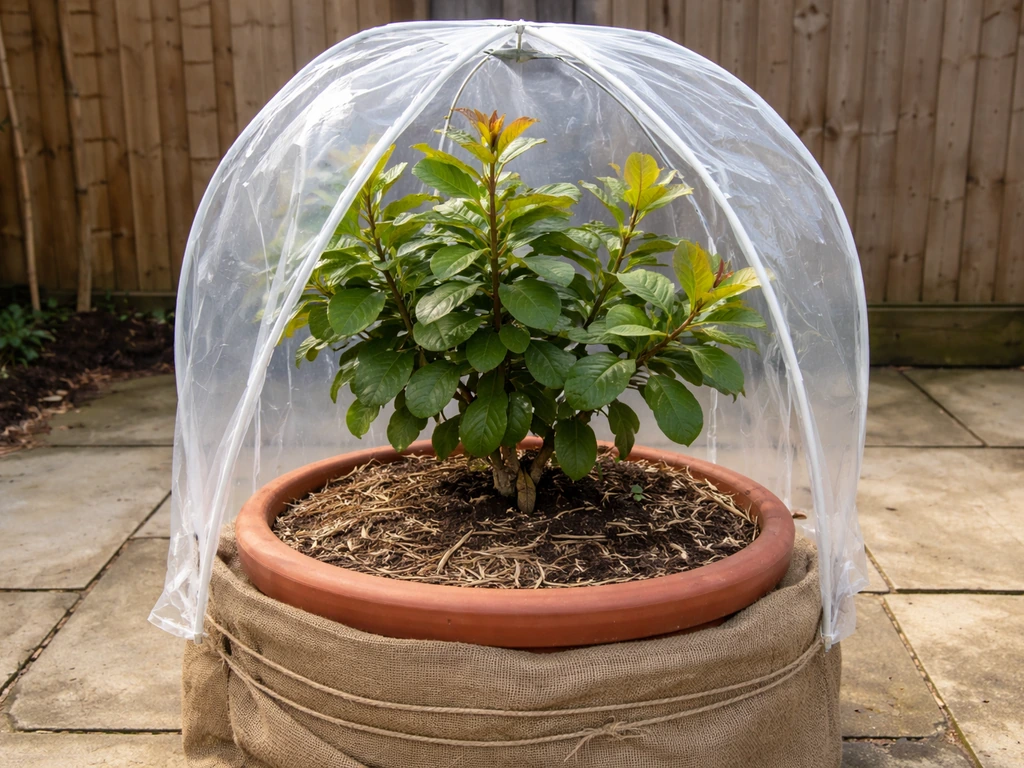
Yes, papaya can grow in the UK, but you need to be realistic about what that actually means. You can absolutely grow a healthy, impressive-looking papaya plant with big tropical leaves in a heated greenhouse, conservatory, or warm indoor space. Getting it to fruit, though, is a much harder ask, and requires consistent warmth above 18–20°C for most of the year, decent light levels, and careful winter management. It's doable, especially in southern England, but it's a project, not a sure thing. You can also use the same approach with black diamond apples, which are generally easier than many truly tropical crops when you match your winter protection and growing conditions.
Can Papaya Grow in the UK? Steps, Seasons, and Success Tips
James Hartwell
19 Jun 2026
Why papaya struggles in Britain
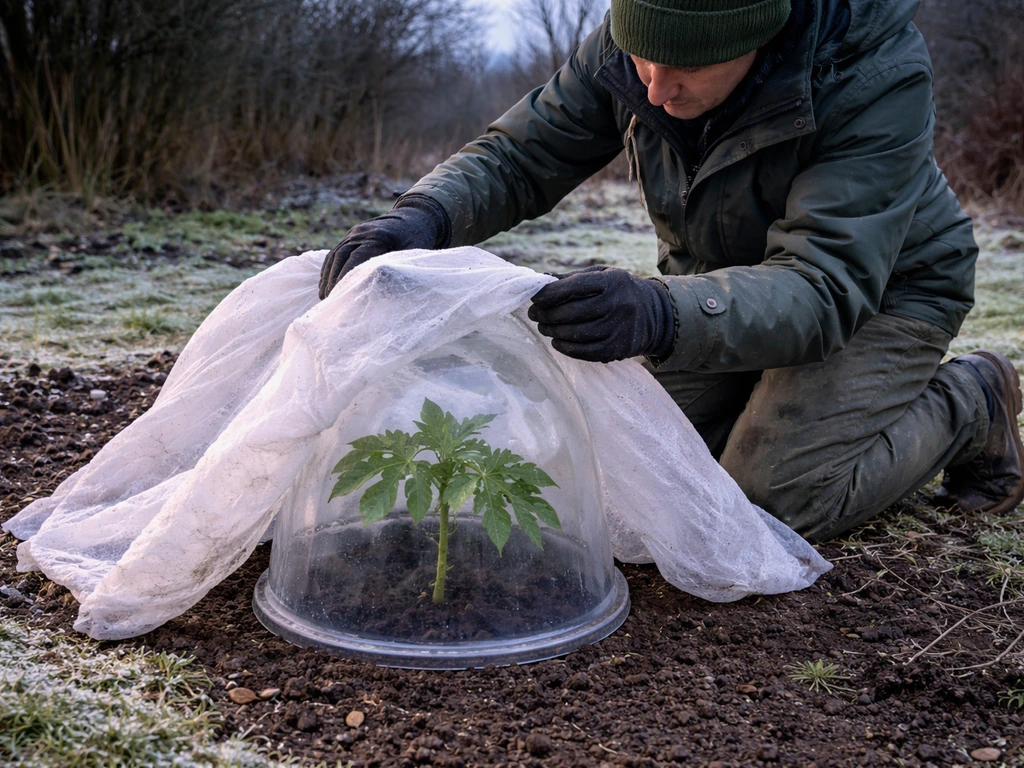
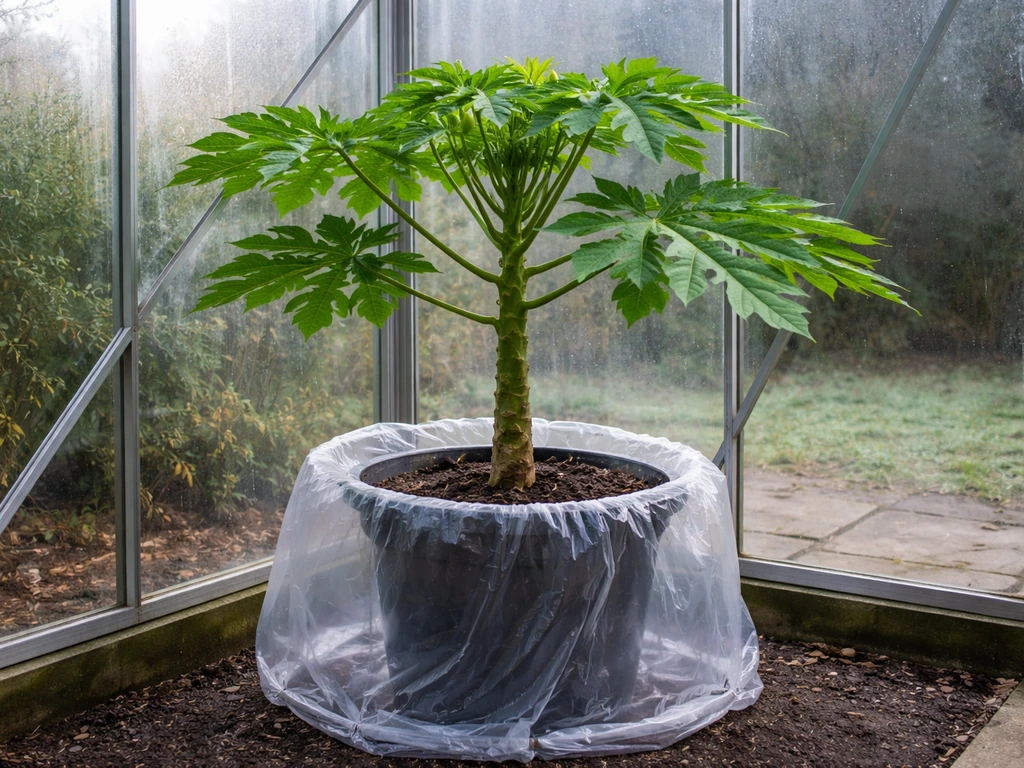
Papaya (Carica papaya) is a fast-growing tropical plant native to Central America. It wants heat, it wants sun, and it absolutely cannot tolerate frost. The critical minimum temperature is 11°C, meaning any space where you're keeping a papaya through winter needs to stay reliably above that threshold. Drop below 11°C for extended periods and the plant will struggle. An actual frost will cause serious leaf damage and can kill the plant outright.
The UK's problem isn't just winter cold. It's also our short, often grey summers. Papaya wants long days of strong sunlight and air temperatures consistently above 20°C to grow vigorously and set fruit. Our average summer temperatures in most of the country barely nudge into that range, and our growing season from last frost to first frost is too short for a plant that needs 6 to 9 months of warmth to produce a crop. Even in the warmest parts of the South Coast, outdoor papaya growing is extremely marginal.
There's also the daylight issue. Papaya from tropical latitudes is used to roughly 12 hours of light year-round. UK day length swings from around 8 hours in December to 16 hours in June, which confuses the plant's growth cycles and is one reason flowering and fruiting are so inconsistent here.
Best growing setups in the UK
There's no single right answer here because the UK isn't a single climate. A grower in Cornwall or on the Isle of Wight has meaningfully different options than someone in Manchester or Edinburgh. That said, here's an honest breakdown of what actually works.
Heated greenhouse
This is your best bet if you want a real shot at fruit. A heated greenhouse lets you maintain the minimum 11°C through winter and push temperatures much higher in summer. Papayas grow fast and tall, so you'll need a reasonably large structure, ideally 2.5m or taller inside. The RHS notes that in suitable conditions papaya can fruit within a year, and a well-maintained heated greenhouse is the closest UK equivalent to those suitable conditions.
Conservatory or large sunroom
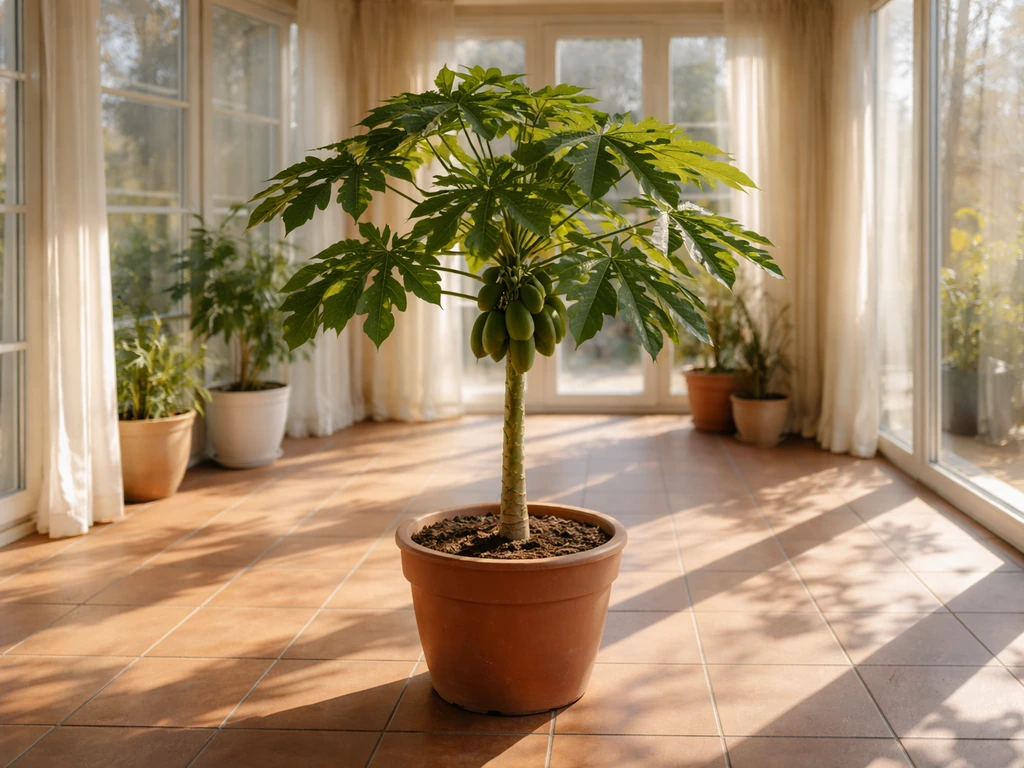
A south-facing conservatory works well, especially in England and Wales. The key is that it stays above 11°C all winter and gets direct sun for most of the day in summer. If you're wondering about growing pink lady apples in the UK, the temperature and winter protection they need are the biggest factors to get right stays above 11°C all winter. Watch out for overheating in midsummer without ventilation, papaya doesn't love being roasted in a closed glass box either. Regular opening of doors and windows from May to September helps.
Indoor growing under lights
If you don't have a greenhouse or conservatory, growing papaya indoors with supplemental LED grow lights is genuinely viable for keeping the plant healthy and even triggering flowering. It's more effort and running cost, but it solves both the temperature and daylight problems at once. The plant will eventually outgrow most rooms though, papayas can hit 3–4m under ideal conditions.
Outdoor growing in the UK
Outdoors in the UK should be treated as a summer-only option at best, and only in the mildest southern locations with a sheltered microclimate. You might put a container plant outside from late May to early September to catch natural sun and warmth, but it must come back under cover before temperatures drop in autumn. Don't attempt permanent outdoor growing in any part of the UK, even the Isles of Scilly, without substantial protection. This isn't like passion fruit, which can survive mild UK winters against a south-facing wall in the right spot. Papaya is far more cold-sensitive.
Starting your papaya: seeds, plants, varieties, and containers
Seeds vs plants
Seed is the most common starting point and works well. Fresh seed from a ripe supermarket papaya germinates surprisingly reliably at around 25–30°C. Sow seeds in spring (March to April is ideal) in small pots of seed compost mixed with a little perlite, covered lightly, and place on a heat mat or warm windowsill. Germination usually takes 2 to 3 weeks at the right temperature. You can also buy young papaya plants from specialist UK tropical plant nurseries, which saves 6 to 8 weeks and gives you a head start, though choice of variety is usually more limited.
Which variety to grow
For UK conditions, compact dwarf varieties are much more practical than standard types. Look for 'Solo', 'Sunrise Solo', or 'Tainung No. 1' if you can source them. These varieties stay smaller (often under 2m), fruit earlier, and are easier to manage in containers. Standard papaya cultivars can hit 4–5m and become unmanageable indoors fairly quickly.
Containers and soil
Papaya grows fast, so you'll be potting up regularly in the first year. Start in 10–15cm pots and move up to 30–45cm containers by summer. For long-term growing, a 50–60 litre container is the practical minimum for a fruiting plant. Papayas hate waterlogged roots, so drainage is critical. Use a mix of loam-based compost (like John Innes No. 3), perlite (about 25–30% of the mix), and a little sharp sand. Avoid standard peat-heavy multipurpose compost, it holds too much moisture and causes root rot fast.
Care basics: heat, water, feeding, and managing growth
Papaya is a fast grower when happy but a slow misery when conditions are wrong. Here are the targets to aim for.
| Care factor | Target / recommendation |
|---|---|
| Day temperature (growing season) | 20–35°C, ideally 25–30°C |
| Night temperature (minimum) | Above 15°C during active growth; no lower than 11°C at any time |
| Winter minimum | Above 11°C at all times |
| Watering (summer) | Regular, allow top 2–3cm of compost to dry before watering again |
| Watering (winter) | Much reduced; keep compost barely moist |
| Feeding | High-nitrogen liquid feed every 2 weeks during active growth; switch to high-potash feed once flowering starts |
| Light | Full sun; minimum 6 hours direct light daily; supplement with grow lights in winter if needed |
| Repotting | Move up a pot size every 4–6 weeks during first growing season |
Papaya doesn't really need pruning in the traditional sense. You can remove dead or yellowing lower leaves as the plant grows, which also improves airflow. If you want to limit height in a greenhouse or conservatory, you can tip-prune the growing point to encourage branching and keep the plant more manageable, though this may temporarily delay flowering.
Will it actually fruit? Flowering, pollination, and expectations
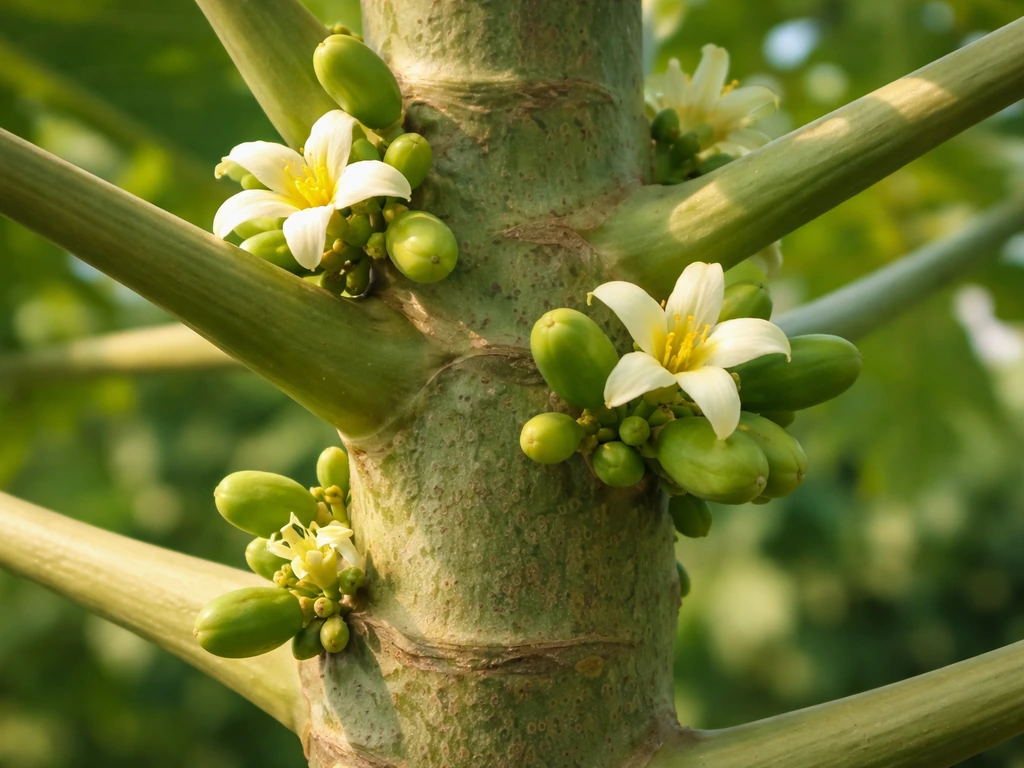
This is where it gets honest. Papaya flowering in the UK is achievable with consistent warmth and good light, but fruiting is harder because of pollination. Carica papaya has complicated sex. Plants can be male (produce pollen only), female (need pollen to set fruit), or hermaphrodite (self-fertile). The problem is that when you grow from seed, you often don't know what sex you've got until the plant flowers, which can take 6 to 12 months. Male plants won't fruit at all. Female plants need a male nearby. Only hermaphrodite plants can reliably self-pollinate and fruit on their own.
When flowers do appear, they emerge directly from the trunk, which is one of those strange, striking tropical things about papaya. The RHS notes that flowers can develop at any time of year, and the fruit is edible once properly ripened. In a UK heated greenhouse, if you've got a hermaphrodite plant or a matched male/female pair and you're maintaining 20°C or above, fruiting is genuinely possible. Fruit takes roughly 6 to 9 months from flower to ripe, which means starting early and maintaining heat right through the British autumn.
Hand pollination helps a lot in enclosed spaces. Use a small soft paintbrush to transfer pollen from male flowers to the centre of female flowers. Do this in the morning when flowers are freshly open. In a conservatory or heated greenhouse you won't have insects doing the job for you.
Realistically, most UK papaya growers should treat fruit as a bonus rather than a certainty. If you get it, brilliant. If you don't, you've still grown a genuinely impressive tropical foliage plant that makes a statement in any heated space.
Overwintering: keeping your papaya alive through a British winter
This is the make-or-break point for UK papaya growing. The plant must never drop below 11°C, and it will be much happier above 15°C even in the depths of winter. If you're in a heated greenhouse, set your heater thermostat to at least 13°C to give yourself a safety margin. A propagator or horticultural fleece inside the greenhouse gives extra protection on very cold nights.
Reduce watering significantly from October onwards. Papaya's growth slows dramatically in low light and lower temperatures, and continuing to water at summer rates will rot the roots. Keep the compost barely moist and don't feed during this period. Resume normal watering and feeding as days lengthen in March and temperatures start to rise.
If you've been keeping your papaya outdoors on a patio through summer, get it inside by mid-September at the latest in most of England, earlier if you're in the Midlands or further north. Don't wait for a cold night to prompt the move. By the time the plant shows cold stress, the damage is already done.
The RHS notes that papaya plants may need replacing every few years. That's honest advice worth taking on board. Even with good care, a UK papaya may simply exhaust itself or outgrow its space. Growing from fresh seed each spring and starting again is a completely legitimate strategy, particularly if you only have indoor or conservatory space.
When things go wrong
Yellowing leaves
Lower leaves yellowing and dropping is normal as the plant grows, nothing to worry about. Yellowing across the whole plant, especially accompanied by soft or mushy lower stem tissue, usually means root rot from overwatering or poor drainage. Act fast by reducing water, checking drainage holes aren't blocked, and if the root ball is badly affected, repot into fresh dry compost.
Slow or no growth
If your papaya seems stuck, the problem is almost always temperature or light. Below 18°C, growth slows dramatically. Below 15°C it pretty much stops. Check your thermometer rather than guessing, conservatories and greenhouses can be much cooler than you think on overcast days even in summer.
No flowers or fruit
If your plant is healthy but not flowering after 10 to 12 months, the most likely causes are: not enough light, temperatures that are consistently below the ideal range, or you have a male plant. Try supplementing light, pushing temperatures higher, and if you suspect a male plant, consider starting a second plant from seed alongside it to improve pollination odds.
Cold damage
Cold-damaged papaya leaves turn dark, limp, and translucent. Stem tissue may turn soft. If damage is limited to leaves and the stem is still firm, cut back to healthy tissue, keep the plant warm and almost dry, and it may re-shoot from the base or the stem. If the stem is fully soft and mushy, the plant is likely lost. World Agroforestry's factsheet is explicit: blank" rel="noopener noreferrer">frost or cold wind exposure causes leaf damage and can kill the tree. The only cure is prevention. With the same kind of cold sensitivity, it is also hard to reliably grow granny smith apples in the UK without the right protected setup frost or cold wind exposure.
Practical checklist and timeline for UK papaya growing
| When | What to do |
|---|---|
| February–March | Source seeds or young plants; set up heat mat and propagator; prepare seed compost mix |
| March–April | Sow seeds at 25–30°C; germination in 2–3 weeks; pot on into 10cm pots once seedlings have 2–3 true leaves |
| April–May | Move to heated greenhouse or conservatory; begin regular feeding with nitrogen-rich fertiliser; pot up as roots fill container |
| May–September | Move container outdoors to sunny sheltered spot if desired (South England only); water regularly; switch to potash feed if flowers appear; hand-pollinate if needed |
| September | Return to heated space before temperatures drop; begin reducing watering; stop feeding |
| October–February | Maintain minimum 11°C (aim for 13–15°C); water sparingly; supplement light if growth continues; monitor for root rot |
| Following March | Resume feeding and full watering as day length increases; re-pot into fresh compost if needed |
Which setup suits which UK grower
If you're in southern England (South Coast, Thames Valley, Cornwall, Kent) with a heated greenhouse or large conservatory, you have the best odds of getting papaya to fruit in the UK. Consistent summer temperatures and a more forgiving autumn give you a longer warm window. If you're in the Midlands or Wales, a heated greenhouse is really the minimum, and fruiting remains uncertain but possible. In northern England and Scotland, this is primarily an indoor or heated glasshouse ornamental project. Fruiting is unlikely but the plant itself is still a worthwhile, dramatic grower if you can maintain the heat.
If you enjoy growing challenging tropicals, papaya sits in similar territory to guava in terms of heat demands and winter care requirements. It's more demanding than passion fruit, which has a bit more cold tolerance, but the rewards if it fruits are hard to beat. Start with good drainage, a heated space, a dwarf variety, and realistic expectations, and papaya is a genuinely fun UK growing project.
FAQ
Can papaya be grown outdoors in the UK at all?
Outdoors is only realistic as a short summer window in very mild southern spots with strong shelter. A container can go outside roughly late May to early September, but bring it under cover before autumn nights drop, because leaf damage often starts after just several cold evenings, not after a first hard frost.
What is the safest winter temperature to aim for in a UK greenhouse or conservatory?
Avoid the bare minimum. The article mentions 11°C as critical, so in practice aim for a buffer, such as keeping the plant at least 13°C in cold spells, using a fleece or propagator on the coldest nights so you do not rely on thermostat accuracy during power dips or overnight cold.
Do I need LED grow lights if my conservatory is south-facing?
Lights can still help, especially in winter and during long grey stretches when temperatures may stay above 11°C but usable light is low. If growth slows and leaves look pale, add supplemental lighting on a timer to mimic more consistent day length rather than waiting for spring.
Will any papaya variety fruit in the UK, or should I choose dwarf ones only?
Dwarf or compact types are strongly preferred for UK conditions because they fit heated spaces and tend to fruit earlier. Standard cultivars can become too tall and can also make pollination and hand-pollination harder, which reduces your chances of getting usable fruit.
How do I know whether my papaya plant is male, female, or hermaphrodite?
You usually only know after flowering, which can take 6 to 12 months from seed. If fruit is a goal, start with two or three plants to reduce the risk of ending up with only male plants, and plan for hand pollination when the first flowers open.
If I have a male and a female plant, what’s the best way to pollinate in a greenhouse?
Use a small soft brush and transfer pollen in the morning when flowers are freshly open. Do it directly from the male flower center to the female flower stigma, and repeat on more than one day because enclosed environments can have fewer flowers open at the same time.
My papaya looks fine but hasn’t flowered after a year, what should I check first?
Start with a thermometer log for night temperatures, not just daytime highs. Consistently below the ideal range (growth slows below 18°C and can stall below 15°C) is a common cause, and grey-weather conservatories can sit cooler than you expect even when the roof is glass.
How can I prevent root rot in container papaya?
Use a very fast-draining mix and make sure drainage holes are clear. Water less during low light, never let the pot sit in a tray of excess water, and if you see widespread yellowing plus soft lower stem tissue, treat it as a drainage problem immediately rather than a nutrient issue.
Should I prune papaya in the UK to keep it small?
Routine pruning is not really required, but you can tip-prune to manage height and sometimes encourage branching. Expect a delay in flowering when you change the growing point, so do it early in the season if you are trying to time fruiting.
If my papaya gets cold, can it recover?
Recovery is possible only when damage is limited to leaves and the stem remains firm. Remove affected leaves, keep the plant warm and only barely moist, and watch for re-shooting, but if the stem becomes soft and mushy the plant is usually beyond saving.
How often should I replace a papaya plant grown in the UK?
Plan for replacement every few years, even with good care. Growing from fresh seed each spring is a practical strategy, especially if you run out of space, if you notice declining vigor, or if you want to ensure you have an appropriate sex or flowering habit in time.
What pot size is actually practical if I want fruit?
For a fruiting plant, a 50 to 60 litre container is a realistic minimum. Smaller pots may keep the plant alive but can limit vigor and flowering, and they also dry out faster in summer, increasing stress in a UK grower setup.
Is growing papaya in the UK similar to growing other tropical fruits like passion fruit or guava?
It’s in the same broad 'warm, protected tropical' category, but papaya is typically less tolerant of cold wind and night drops than passion fruit. Guava can be closer in approach, but papaya still demands stronger winter temperature control to avoid leaf damage and slow stalling.
Next Article
Can Guava Grow in the UK? Outdoor or Container Guide
Can guava grow in the UK? Learn outdoor vs container tips, winter protection, and step-by-step care for fruiting.