Yes, you can grow lisianthus (Eustoma russellianum) in the UK, but go in with your eyes open: it is one of the more demanding plants you can attempt in a British climate. It is not a plant you direct sow outdoors in April and forget about. To get it flowering reliably, you need a heated greenhouse or polytunnel for at least the first few months, a long growing season starting in January or February, and careful temperature management throughout.
Can You Grow Lisianthus in the UK? Practical Guide

James Hartwell
6 Jun 2026
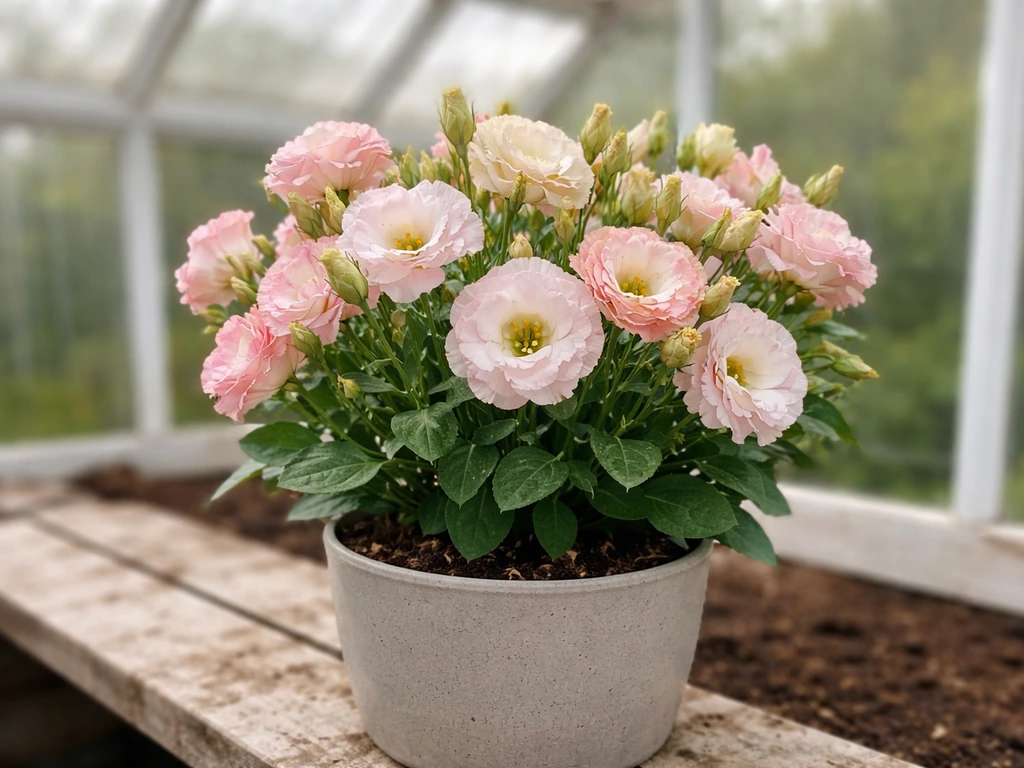
Done right, you will get those gorgeous poppy-like blooms in summer and early autumn. Done casually, you will end up with a flat rosette of leaves that never flowers. The good news is that plenty of UK growers do pull it off, especially in southern England, and with the right setup even a windowsill and a cold greenhouse can get you there.
Is the UK climate actually suitable for lisianthus?
Lisianthus is native to the prairies of North America and Mexico, where it gets long, warm, sunny summers. The UK does not naturally provide that. Our seasons are too short, our light levels in spring are often too low, and outdoor temperatures fluctuate too much to rely on without protection. That said, the UK is not hopeless for this plant. The real limiting factors are season length and warmth, not an absolute impossibility of temperature.
The South Coast and sheltered parts of the South West give you the best shot at success outdoors from late spring, once all frost risk has passed (typically late May). Further north, in the Midlands, Yorkshire, or Scotland, outdoor success is much harder without a polytunnel or greenhouse through summer. Scotland's cooler summers and shorter season make reliable outdoor flowering genuinely unlikely without protected growing. Think of lisianthus as a plant that needs treating more like a tender annual than a hardy garden flower in UK conditions.
One specific quirk to understand: lisianthus seedlings exposed to temperatures below 18°C for three or more weeks can get stuck in a low rosette stage and refuse to bolt upward and flower. Ball Colegrave’s cultural information lists an alternative set of night and day temperatures around 12, 14°C night and 15, 18°C day, noting that crop time is temperature dependent and can finish as early as about 8 weeks in some warmer programs. This is the single most common reason UK growers get leaves but no blooms. Keeping young plants warm is not optional; it is the whole game.
Best varieties to try in the UK
Not all lisianthus varieties are equal for UK growing. The ones bred for cut flower production tend to have stronger stems and better weather tolerance, which matters here. Here are the types worth seeking out:
- Echo series: one of the most widely grown commercial cut flower varieties, reliable, good stem length, and available in a wide colour range including white, pink, purple, and bicolours. A solid first choice.
- Rosita series: compact and earlier flowering than many, which suits our shorter UK season well. Good for containers.
- Voyage series: bred specifically for cut flower production, excellent stem strength, and performs well under protected growing.
- Flamenco series: slightly more heat tolerant and tends to have good disease resistance, worth trying in a greenhouse.
- Piccolo series: dwarf habit, ideal for pots and patio containers where you want a neater, shorter plant.
If you are buying plug plants rather than growing from seed, you will mostly find Echo and Rosita series available from UK horticultural suppliers. For seed, specialist suppliers like Chiltern Seeds and Nicky's Nursery stock a decent range. Avoid generic mixed packets with no named variety if you can; named series give you more predictable results.
Seed or plug plants: which is easier?
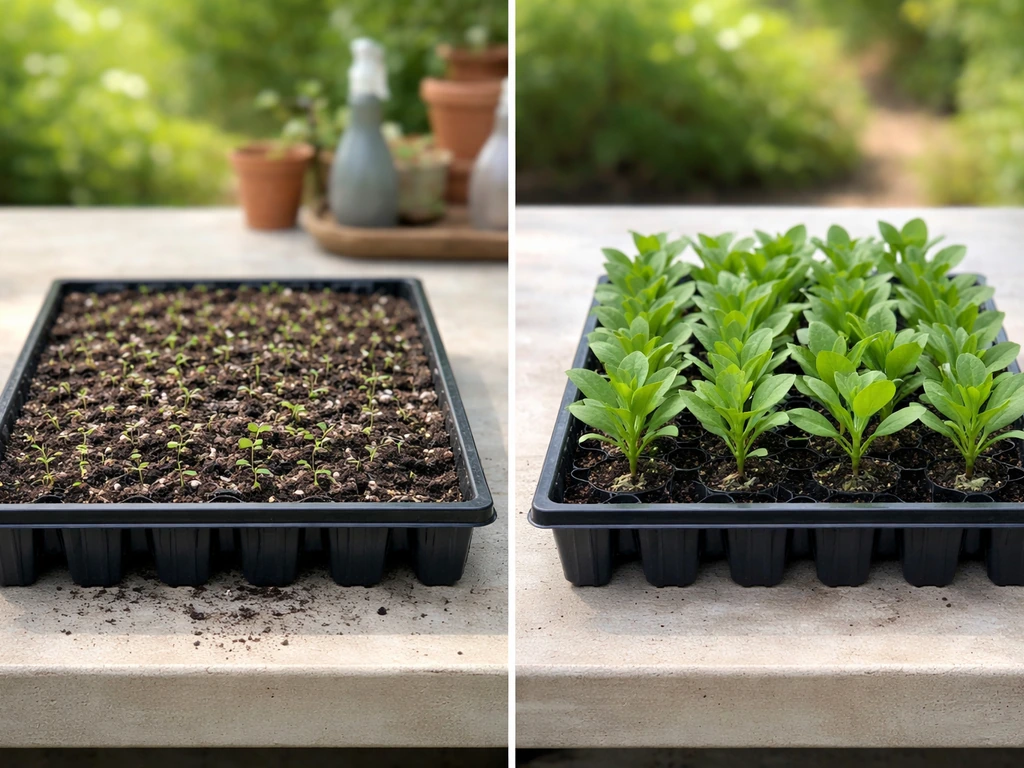
Lisianthus seed is notoriously difficult to germinate and grow on successfully. The seeds are tiny (most commercial seed is primed or pelleted to make handling easier), germination is slow and patchy, and the seedlings are fragile for weeks. For most UK home growers, buying plug plants is genuinely the smarter option, especially for your first attempt. You skip the hardest phase and start with plants that already have some size to them.
That said, if you want to grow from seed, here is what the process looks like. Germination happens best at 20 to 22°C (68 to 72°F) and typically takes 10 to 15 days. You need a heated propagator or heat mat to hold that temperature consistently. Sow on the surface of fine, moist seed compost and do not cover the seeds, as they need light to germinate. Keep the compost barely moist, not wet. Once germinated, maintain temperatures above 18°C and provide as much light as possible. The seedlings will look like almost nothing for weeks, which is normal but unnerving.
Plug plants from specialist suppliers arrive in late winter or early spring, usually February to April, ready to pot on. They take much of the stress out of the process and are well worth the slightly higher cost compared to a packet of seed.
When to sow, plant out, and what to expect season by season
Timing is everything with lisianthus in the UK. The plant needs a long run from sowing to flowering, often 5 to 6 months from seed, so you have to start early.
| Stage | Timing (UK) | Notes |
|---|---|---|
| Sow seed | January to February | Needs heated propagator at 20–22°C; heated windowsill or greenhouse essential |
| Prick out seedlings | February to March | Handle carefully, roots are fragile; pot into small cells or 7cm pots |
| Pot on / grow on under glass | March to April | Keep above 18°C; give maximum light to prevent leggy growth |
| Move to cold greenhouse or polytunnel | Late April to May | Frost-free conditions; temperatures still too risky outdoors |
| Plant out or move to final pots outdoors | Late May to June | After last frost; South only for open ground; elsewhere keep under cover |
| Flowering | July to September | Earlier under glass; outdoor plants often flower August onwards |
If you are buying plug plants rather than sowing yourself, you receive them in February to April and pot them on immediately, keeping them under glass and above 15°C until outdoor conditions are safe. The plug plant route shortens the window but you still cannot rush outdoor planting in the UK.
Greenhouse vs outdoors: what actually works
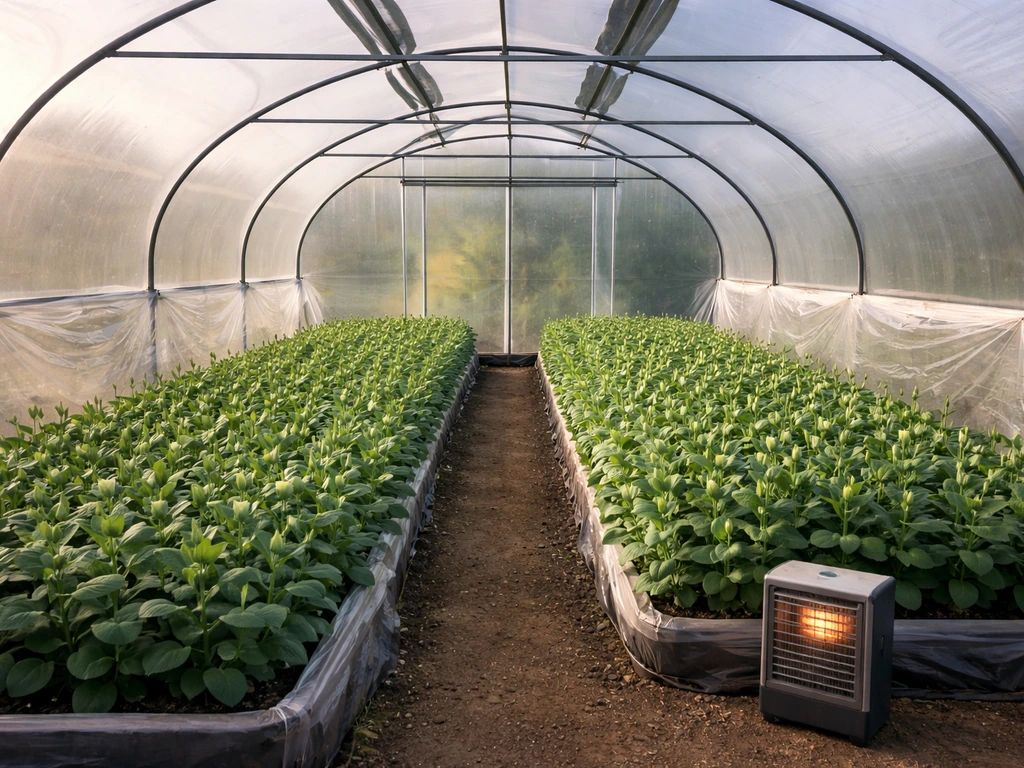
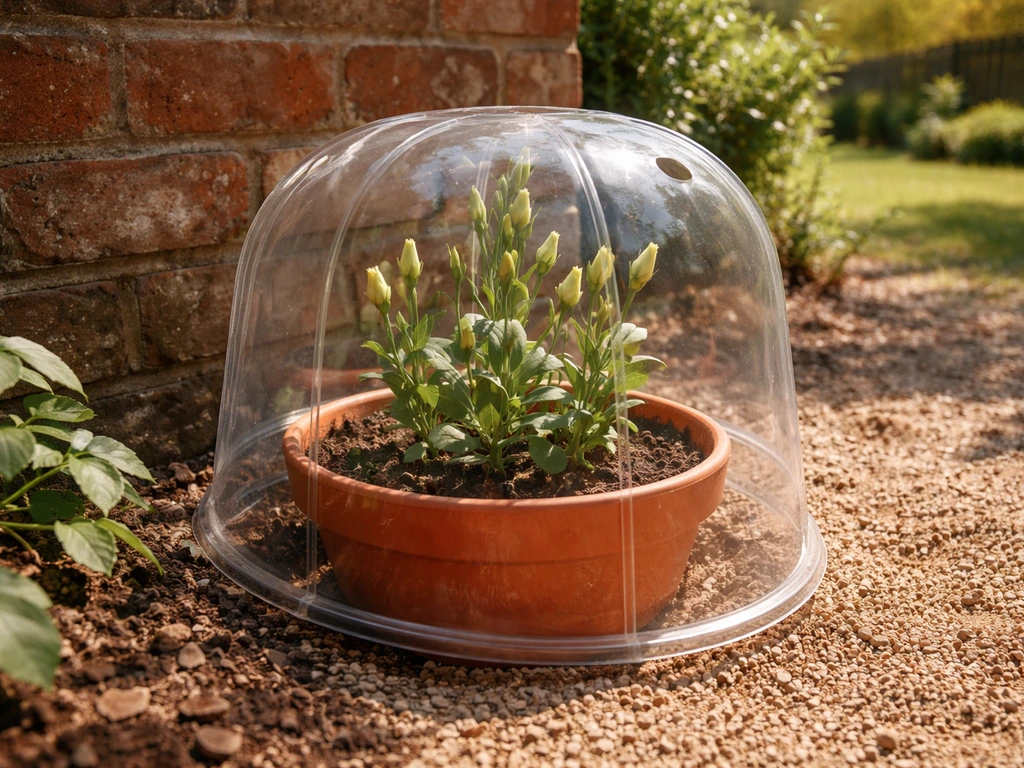
A heated greenhouse or polytunnel is the single biggest factor in UK success. Ideally you want daytime temperatures of 20 to 24°C and night temperatures of 16 to 18°C during the main growing phase. If you have a frost-free but unheated greenhouse, you can still do well by starting plants indoors and moving them under glass in April. An unheated polytunnel in southern England from May onwards is realistic. Outdoors in open ground, lisianthus is viable in the South from late May, but it will always perform better with some shelter: a south-facing wall, a cloche early on, or a patio microclimate all help.
In northern England and Scotland, aim to keep lisianthus under cover for most or all of its life. The season simply is not long or warm enough to get reliable outdoor flowering before September frosts threaten. Pots in a polytunnel or cool greenhouse are the most practical approach.
Soil, site, and pots
Lisianthus wants free-draining, neutral to slightly alkaline soil, ideally pH 6.5 to 7.5. It absolutely hates sitting in wet compost, which is a real risk in UK conditions. If you are growing in open ground, improve heavy clay soils with grit and organic matter before planting. If you are on chalk or limestone, you are actually in luck as the natural alkalinity suits it well.
For container growing, which suits UK conditions very well because you control the drainage and can move pots under cover, use a good quality peat-free multi-purpose compost mixed with around 20 to 30% horticultural grit or perlite. Avoid heavy loam-based composts for this plant. Use pots at least 15 to 20cm in diameter per plant; lisianthus resents being crammed and needs good root room to perform.
For spacing in borders or greenhouse beds, 20 to 30cm between plants works well. Lisianthus likes good air circulation, which also reduces disease issues. Choose a position in full sun, or as close to it as possible. In the UK, that means south or south-west facing with no overhead shade. Low light is one of the primary causes of leggy, non-flowering plants here.
Day-to-day care: watering, feeding, support, and pests
Watering
Water consistently but allow the compost surface to dry slightly between waterings. Overwatering is far more likely to kill lisianthus in the UK than drought, especially in cool, cloudy spells. In greenhouse conditions, water in the morning so foliage dries before cooler evenings, which reduces fungal disease risk. In pots, ensure drainage holes are completely clear. Never let plants sit in saucers of water.
Feeding
Start feeding with a balanced liquid fertiliser (something like a 10-10-10 NPK or similar) once plants are established and showing good root growth, usually 4 to 6 weeks after potting on. Once buds start forming, switch to a high-potash feed like a tomato fertiliser to support flowering. Feed every 10 to 14 days through the growing season. Do not over-feed with nitrogen or you will get lots of lush leaves and very few flowers.
Support
Taller varieties (most of the cut flower types) will need support. The stems are beautiful but relatively slender and will flop in any wind. Use bamboo canes and soft twine, or grow them through a grid of netting stretched horizontally at around 30cm height, which is how commercial cut flower growers do it. In a sheltered greenhouse you may get away with just canes, but outdoors in the UK wind is always a factor.
Pests and diseases
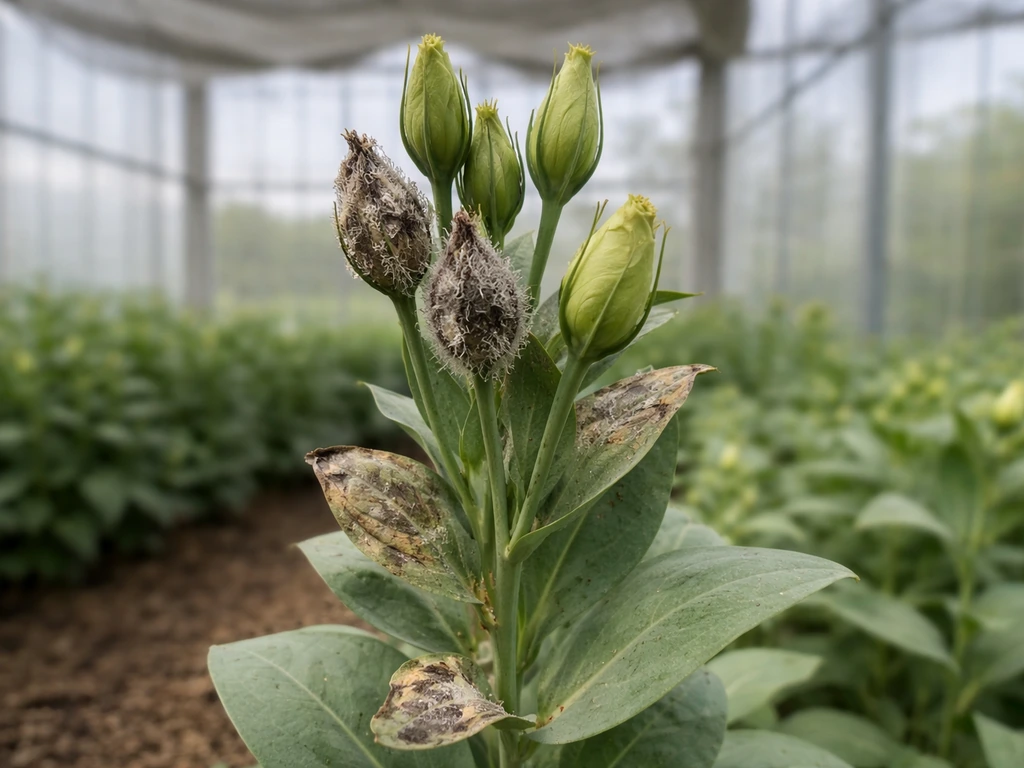
- Botrytis (grey mould): the number one disease problem in UK conditions, especially under glass in cool damp weather. Ensure good ventilation, avoid wetting foliage, and remove any dead or dying material immediately.
- Fusarium wilt: a soilborne fungus that causes sudden wilting. Use fresh, clean compost each season and avoid reusing soil from previous lisianthus crops.
- Aphids: common under glass in spring. Check the undersides of leaves regularly and treat early with an appropriate insecticidal soap or biological control.
- Thrips: cause silvery streaking on leaves and flowers; more common under glass in warm conditions. Sticky yellow traps help monitor levels.
- Slugs and snails: a threat to young plants moved outdoors. Use protection when first planting out.
Why your lisianthus isn't flowering: UK problems and fixes
If you have done everything right but still end up with a flat, leafy rosette that sits there doing nothing, you are not alone. This is the most common lisianthus complaint in the UK. Here is a practical checklist of what goes wrong and how to fix it:
- Plant has been too cold as a seedling: if night temperatures dropped below 15 to 18°C for several weeks, the plant may have locked into its rosette phase. Increase temperatures and give it time; some plants do eventually come out of it, but prevention is far easier.
- Not enough light: UK spring light is weak, and plants grown on windowsills or in shaded greenhouses become drawn and spindly. Move to the sunniest possible position. Supplementary grow lights from January to March make a real difference for seedlings.
- Sown too late: if you sowed in April hoping for summer flowers, you probably will not get them before autumn frosts arrive. Move your sowing date to January or February next year, or switch to buying plug plants.
- Overwatered: check your roots. If compost smells sour or roots look brown and mushy, you have been too generous with water. Ease off completely, improve drainage, and repot into fresh dry compost if needed.
- Wrong soil pH: acid compost can cause nutrient deficiencies that stall growth. Check pH and aim for 6.5 to 7.5. Lime if necessary.
- Pot too small: roots that are cramped will not produce flowers. Pot up into a larger container.
- Bought the wrong type: some ornamental lisianthus sold as bedding plants are very compact varieties that flower briefly and are not the same as cut flower types. Make sure you have a named variety suited to UK production.
Your next steps
If you are reading this in late spring or early summer 2026 and have not sown yet, the honest advice is to buy plug plants now if you can still find them, or accept that this year is a short-season attempt and go in with reduced expectations. If you are also wondering can you grow lychees in the UK, you will need to plan for warmth, shelter, and a long enough season for fruit to set.
For a proper crack at it, order seed in November or December and sow in January or February 2027 with a heated propagator. That gives you the full season you need. Sumac is a different plant from this lisianthus guide, but if you want to grow it in the UK you will need to choose a hardy variety and get the site and drainage right can you grow sumac in the uk.
If you already have plants growing and they look healthy but are not yet budding, keep them warm, in full sun, and feeding with a high-potash fertiliser. Be patient: lisianthus is a slow plant by nature and the UK season does push it to its limits. If you are also wondering about will lantana grow in the UK, the answer depends heavily on your winter protection and sun exposure.
The flowers, when they finally appear, genuinely are worth the effort. Can oleander grow in the UK too? It depends heavily on how cold winters get, because oleander is not reliably hardy without winter protection. You can also grow loofah in the UK, but like lisianthus it needs warm, sheltered conditions to do well.
If you enjoy tackling tricky plants that reward careful attention, lisianthus fits right alongside other challenging projects like growing loquats or lychees in UK conditions, where the climate is a hurdle but not an absolute barrier with the right approach.
FAQ
Can I grow lisianthus as a perennial or overwinter plants in the UK?
Yes, but only if you can meet the “warm seedling” rule after germination. If you try to overwinter a home-sown plant in an unheated space, you risk temperatures dropping below 18°C for weeks, which commonly causes the low rosette problem (leaves only). Many UK gardeners treat lisianthus as a one-season crop: grow through to flowering, then discard plants after bloom.
My lisianthus has lots of leaves, when should I worry that it will not flower?
Look for the bud-stage and stem quality rather than leaf growth. Seedlings and early plants can stay small and slow, so do not judge too early. If your plant has been consistently above 18°C and still never bolts by mid to late summer, the most likely causes are insufficient light (too much shade, cloudy positioning) or lingering cool temperatures early on.
How should I harden off lisianthus before putting it outside?
Hardening off is useful, but do it gradually because sudden outdoor exposure can chill young plants and trigger the rosette issue. Move plants under cover first (polytunnel or cold frame), then increase ventilation over 7 to 14 days. Avoid outdoor placement until nights are reliably warm for your setup.
When is the best time to support lisianthus stems in the UK?
Use support early, once stems start to rise. If you wait until they flop, you may damage stems or knock buds off. A simple grid or netting at about 30cm, or canes tied loosely with soft twine, is easier than trying to re-stake fully grown stems in windy weather.
Is it better to grow lisianthus in pots or in the ground in the UK?
For UK conditions, container growing usually outperforms open ground because you can manage drainage and move plants to avoid cold nights. If you grow in the border, the biggest risk is winter wet plus cool conditions, which can stall growth or lead to rot. Choose containers if you cannot guarantee a sheltered, fast-draining spot.
What fertiliser routine works best to get flowers rather than leaves?
Switch to a higher-potash feed when you see bud formation, not just after the first flowers appear. If you keep using balanced fertilizer late into bud development, you can get continued leaf growth and fewer blooms. Also, keep feeding light in cool spells, because uptake slows when temperatures drop.
What are the most common mistakes when growing lisianthus from seed?
Tiny, patchy seed is the common reason people fail at the germination stage. If you do sow seed, do not cover it (light helps germination) and keep a consistent 20 to 22°C using a heat mat or propagator. Once germinated, maintain warmth above 18°C for the next few weeks, otherwise rosette failure becomes much more likely.
Can I save seed from lisianthus I grew in the UK?
Yes, but choose the variety with stronger stems and a track record for cut-flower production, and expect better results if you can keep plants warm and well lit early. If you try to save seed from your own plants, results can vary because lisianthus can be inconsistent seed-to-seed, especially in UK growing conditions.
Next Article
Can You Grow Loofah in the UK? How to Grow From Seed
Can you grow loofah in the UK? Step-by-step seed method, timing, warmth, support, and troubleshooting to get fibrous pod