Oleander can grow in the UK, but not in the way you might be hoping. For the vast majority of UK gardeners, it needs to be grown in a container and brought under cover before the first frosts hit each autumn. It is not reliably hardy outdoors here, despite what its RHS hardiness rating might suggest on paper. The practical reality is that oleander is a Mediterranean shrub that wants long, hot summers and dry, mild winters, conditions that simply do not match most of Britain. That said, it is absolutely worth growing if you are prepared to manage it as a patio plant with a proper overwintering plan.
Can Oleander Grow in the UK? Conditions and Care Guide
James Hartwell
13 Jun 2026
Quick verdict: can oleander grow in the UK?
Yes, with significant caveats. The RHS lists Nerium oleander with an H6 hardiness rating, implying it can survive temperatures as low as -20°C, which sounds extremely tough. But in practice, oleander is flagged by the BBC Gardeners' World Magazine as frost tender and likely to die when temperatures dip below freezing. That contradiction is confusing, and it trips people up. The honest answer is that oleander is not a plant you can simply put in the ground and leave to fend for itself through a British winter in most parts of the country. If you live in a genuinely mild coastal area, parts of Cornwall, Devon, or the very mildest parts of the south and west, you might get away with a sheltered outdoor planting. Horticulture.co.uk notes that oleander can be grown outdoors in mild or warm, sheltered situations such as by the sea, with site protection and warmth at root-zone level helping success sheltered outdoor planting. Everywhere else, treat it as a container plant that needs winter protection.
Hardiness and UK climate limits
Britain's climate is the core problem. Most of the UK experiences winter temperatures that regularly drop below 0°C, with even coastal areas in the South West seeing 35 to 60 air frost days per year. Oleander can tolerate slight frosts, roughly down to about -5°C if it is well established and conditions are otherwise good, but repeated hard frosts combined with cold, wet winters are a different matter entirely. Cold and wet together are lethal in a way that cold and dry is not, and UK winters are notorious for exactly that combination.
The regional picture really does matter here. If you are in coastal Cornwall or the Isles of Scilly, a very sheltered south-facing wall planting is worth attempting. If you are in the Midlands, Scotland, or anywhere with regular prolonged frosts, you should plan from the outset to grow in a container and move it under cover every October without fail. The Met Office's location-specific long-term averages are genuinely useful here, you can check the actual monthly minimum temperatures and air frost day counts for your exact area and compare them against oleander's tolerance threshold of around -5°C. That gives you a much more honest picture than any general UK-wide advice.
| Region | Outdoor planting viable? | Realistic approach |
|---|---|---|
| Cornwall / Scilly Isles | Possibly, in sheltered spots | Try a south-facing sheltered wall; still watch for hard frosts |
| South Coast (Dorset, Hampshire) | Unlikely without fleece protection | Container with overwintering under glass or indoors |
| South East / London | No reliable outdoor planting | Container, move indoors or into a frost-free garage |
| Midlands / Wales / North England | No | Container essential, overwintering indoors or heated glasshouse |
| Scotland / Northern Ireland | No | Container only, frost-free overwintering required |
The best growing setup: containers, compost, and drainage
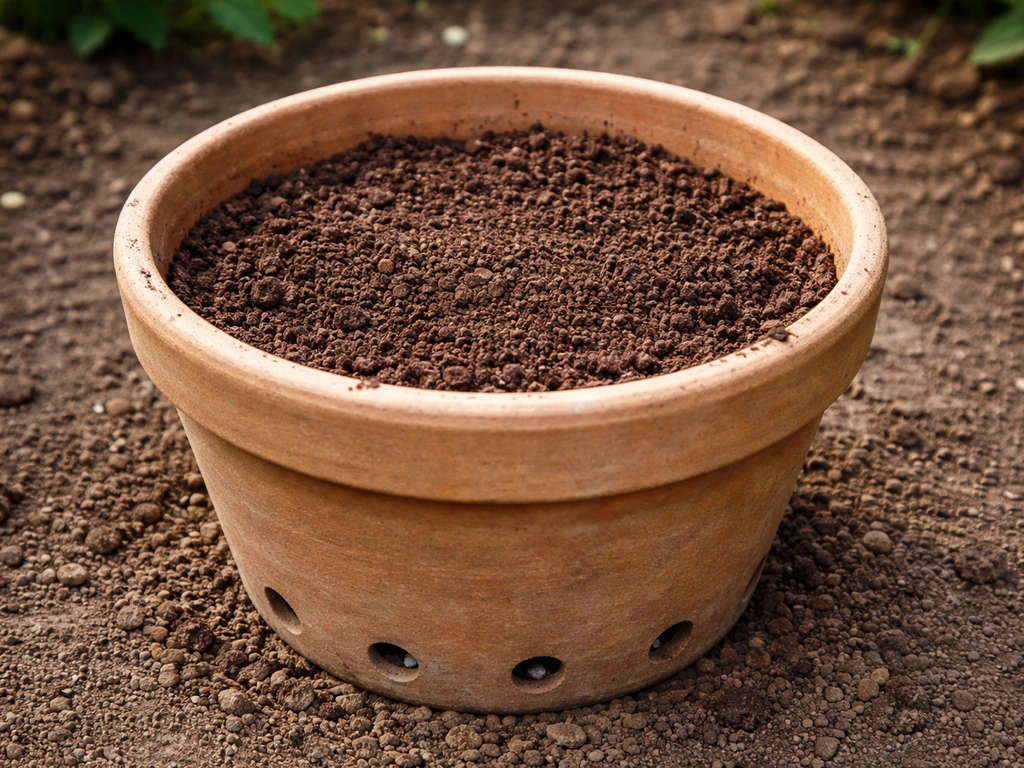
A container is the most practical and honest way to grow oleander in the UK, because it gives you full control over where the plant goes each season. Choose a pot that is generous but not enormous, oleander in a container will typically reach around 1 metre tall and 60cm wide, so a 30 to 40 litre pot suits a well-established plant. Make sure it has drainage holes at the base; this is non-negotiable. Oleander hates sitting in waterlogged compost, especially over winter, and poor drainage kills more container oleanders in the UK than frost does.
For the compost mix, go with a loam-based compost like John Innes No. 3, and mix in about one third by volume of coarse grit or perlite. This gives you the structure, nutrient retention, and drainage that oleander needs. Avoid peat-based multipurpose compost on its own, it holds too much moisture and breaks down too quickly. The RHS recommends peat-free, loam-based compost with good ventilation for glasshouse-grown specimens, and that same principle applies on the patio. A terracotta pot is ideal because it breathes and dries out more quickly than plastic, which suits oleander's preferences perfectly.
- Use a pot with drainage holes — 30 to 40 litres for a mature plant
- John Innes No. 3 mixed with one third coarse grit or perlite
- Terracotta pots are preferable to plastic for drainage and airflow
- Position in full sun — oleander needs as much direct light as possible
- Avoid heavy clay soils or moisture-retaining compost mixes
A seasonal care calendar for UK gardeners
Oleander's care rhythm follows the UK seasons closely, and getting the transitions right at each end of the year is the difference between a plant that thrives and one that limps along.
Spring (March to May)
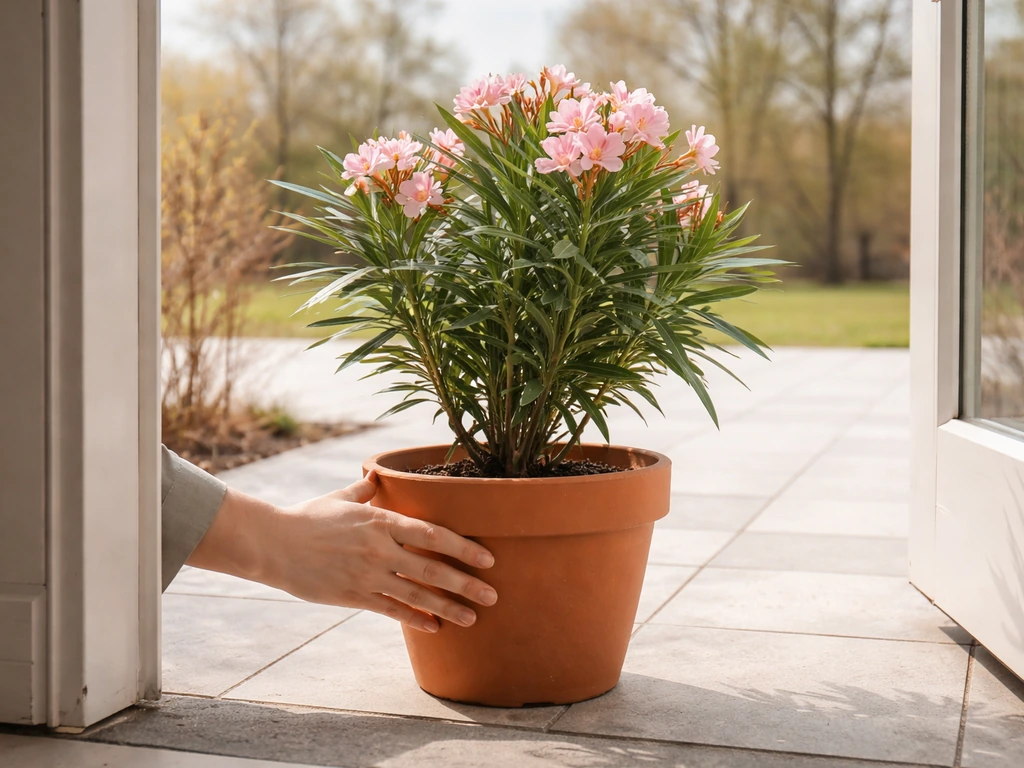
This is the critical window for flower bud development. Once the risk of frost has passed, typically late April to mid May depending on your region, move the plant back outside into a sunny, sheltered position. Increase watering gradually as temperatures rise, and do not let the compost dry out at this stage. Buds are forming now, and water stress in spring directly affects how well the plant will flower in summer. Start a monthly liquid feed with a balanced fertiliser from April onwards, switching to a high potassium feed (like tomato feed) from May to encourage flowering.
Summer (June to August)
This is when oleander earns its keep. Water regularly, consistently moist compost, not soggy and not bone dry. Avoid the boom-and-bust watering pattern that is easy to fall into with large pots; alternating between dryness and saturation stresses the plant and can cause bud drop. Continue the high potassium feed every two weeks through flowering. Deadhead spent flowers to keep it looking tidy, and position the pot where it will get maximum sun. The more heat and sun it gets, the better it performs.
Autumn (September to October)
Start winding down watering as temperatures drop in September. Stop feeding entirely by early October. Watch the forecast closely and bring the plant under cover before the first frost, do not wait and see. The moment overnight temperatures are consistently dropping towards 5°C, it is time to move it. This is the step most people either leave too late or skip entirely, and it is why their oleander dies over winter.
Winter (November to February)
Keep the plant in its overwintering location, water sparingly (just enough to stop the compost from drying out completely), and do not feed at all. Aim for temperatures of around 10 to 12°C. The plant may drop some leaves, which is normal. The main priorities are keeping roots frost-free, maintaining some light, and avoiding overwatering, which is actually the most common cause of container plant loss in winter.
Overwintering strategies and frost protection
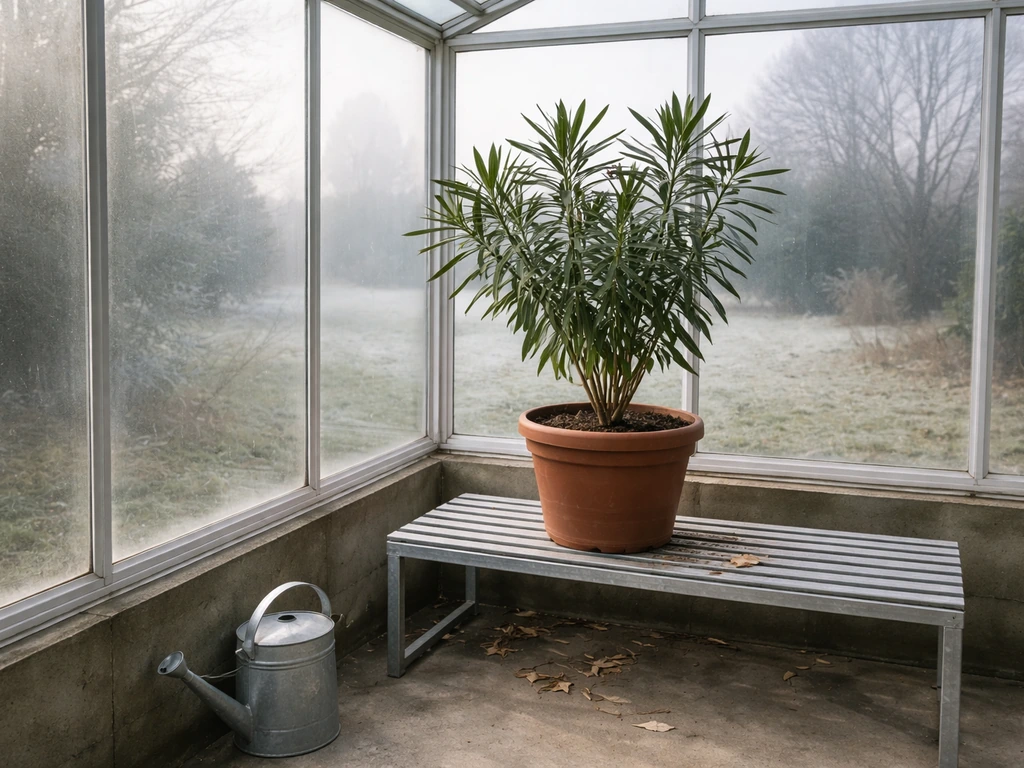
Getting your oleander through a UK winter safely is the make-or-break skill. You have a few realistic options depending on what you have available.
A frost-free greenhouse is the gold standard. Oleander needs light over winter to stay in reasonable condition, and a greenhouse provides both protection and brightness. Aim to keep the temperature above 5°C at all times, ideally around 10 to 12°C. At this temperature range the plant rests without shutting down completely, and it will be in much better shape to bounce back in spring.
An unheated garage or shed works in mild winters, but it is a risk in colder regions. The main problem is darkness, without any light, the plant will drop its leaves heavily and will be significantly weaker when spring arrives. If you use a garage, place the pot near a window or add a grow light for a few hours a day. Keep the temperature above freezing, ideally above 5°C.
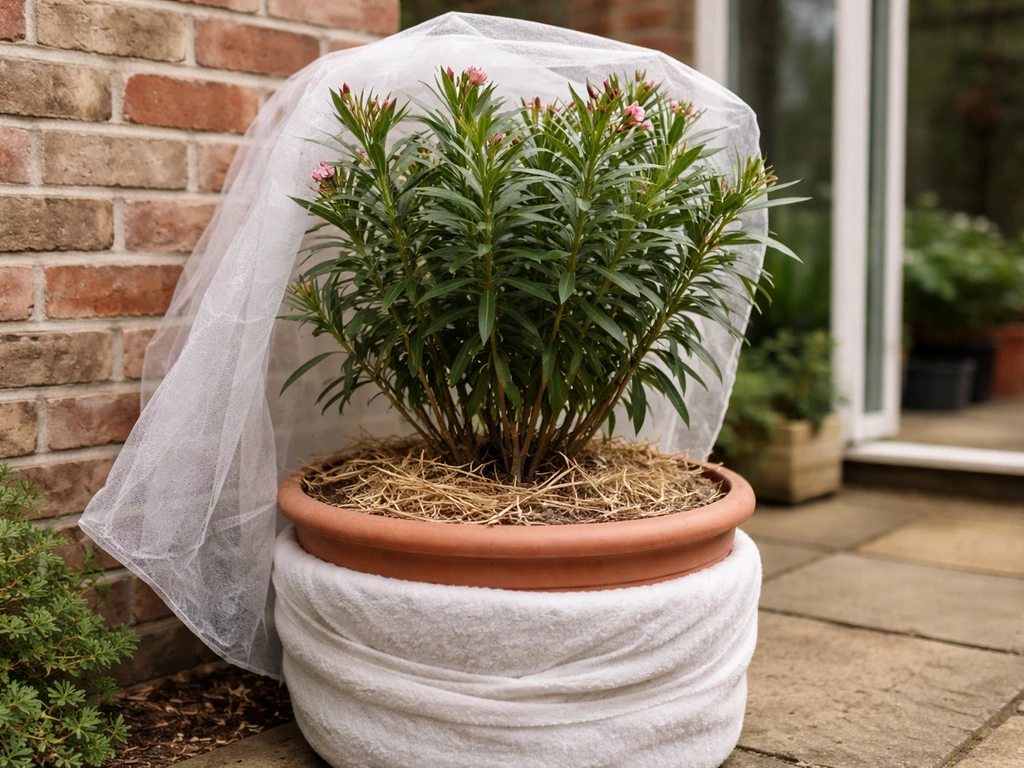
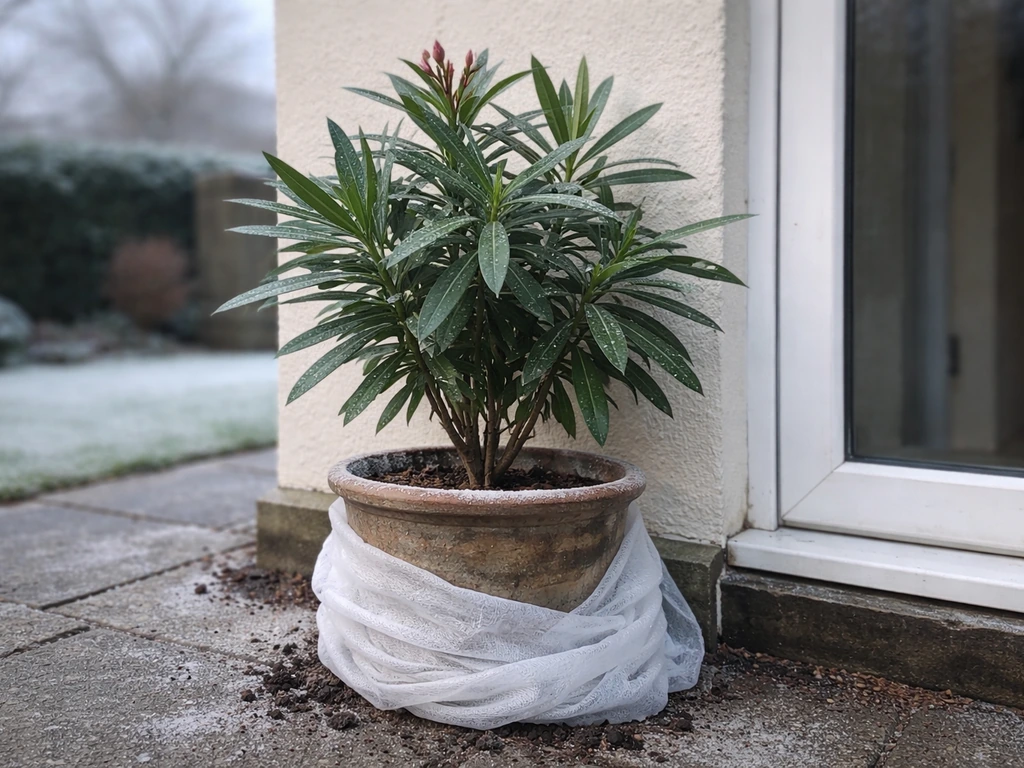
For gardeners in genuinely mild coastal areas who are attempting outdoor planting, horticultural fleece is your friend. Wrap the plant thoroughly from November through to March, securing the fleece at the base to trap ground warmth. A south-facing sheltered wall will provide reflected heat and some wind protection. Even so, plan to unwrap and rewrap during cold snaps rather than leaving fleece on permanently through summer-like spells in winter, oleander needs air circulation.
| Overwintering option | Temperature maintained | Light level | Best for |
|---|---|---|---|
| Heated greenhouse | 10–12°C (reliable) | Good | All UK regions — best overall option |
| Unheated greenhouse | Above 0°C (most winters) | Good | South / South West England in mild winters |
| Frost-free garage with window | Above 5°C (varies) | Low | Most UK regions as a backup option |
| Dark shed / garage | Above 0°C (varies) | Very poor | Last resort only — plant will suffer |
| Fleece-wrapped outdoor planting | Depends on site | Normal | Mild coastal gardens only, significant risk |
Pruning, training, and getting it to flower
Oleander flowers on secondary lateral branches that are at least around one year old, which means the timing and approach to pruning matters more than with some other shrubs. Prune in late spring, once the plant is back outside and showing new growth, rather than in autumn before overwintering. This preserves as many of the lateral branches as possible while still giving you control over shape and size.
For a container plant, the goal is usually to keep it compact and bushy rather than tall and sparse. Pinching out the tips of young shoots encourages branching and ultimately more flowering laterals. If you do a hard rejuvenation prune, cutting stems back significantly, be aware that it can take two to three years for the plant to flower abundantly again. Hard pruning also makes the plant more susceptible to cold damage for a season or two afterwards, which is something to factor in if you are growing in a marginal climate.
To actually get flowers reliably, the single biggest factor is light and heat during summer. Oleander in a shaded or cool position simply will not flower well, no matter how well you prune it. Make sure it is in the sunniest spot available, and do not skimp on the high potassium feed from May through summer. Spring watering consistency is the second factor, drought stress at bud formation stage (April to May) directly reduces flowering.
Common mistakes, troubleshooting, and a word on toxicity
The most common mistakes
- Leaving the plant outside too late in autumn and catching a frost that damages or kills it
- Overwintering in a dark shed with no light, leaving the plant in very poor shape for spring
- Overwatering in winter — a cold, wet root system in a pot is usually fatal
- Planting directly in the ground in any but the mildest, most sheltered UK spots
- Pruning heavily in autumn before winter rather than in late spring after the last frost
- Expecting flowers in the first year or two from a young plant — patience is needed
Pests and problems
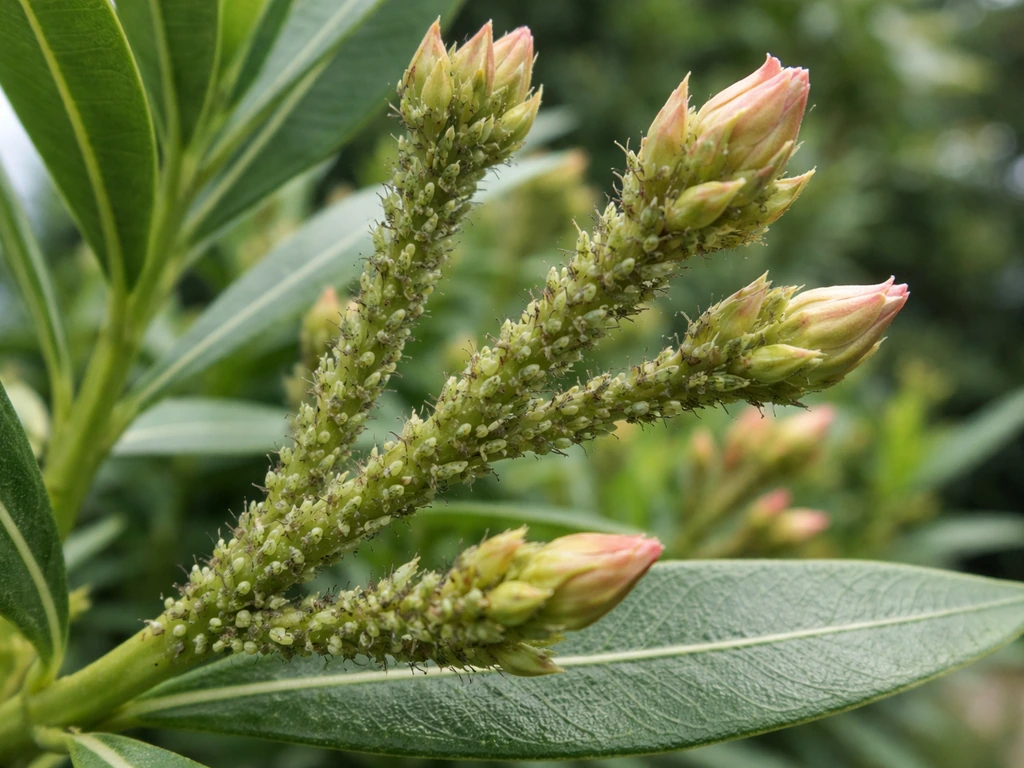
Aphids are the most common pest on oleander in the UK. They cluster on soft new growth and flower buds and can quickly build up on a plant that has been indoors over winter and then moved outside in spring. A forceful water spray will knock them off, or use an organic insecticidal soap if the infestation is heavy. Mealybugs and scale insects can also be a problem on plants kept in a glasshouse through winter, check regularly under leaves and along stems. Cold-damaged or defoliated plants are more vulnerable to follow-on problems, so overwintering well is also a pest prevention strategy.
Toxicity, please take this seriously
Oleander is seriously toxic. Nerium oleander is very toxic to many animal species, which is why it is important to handle it carefully even though it is popular as an ornamental Oleander is seriously toxic.. Every single part of the plant, leaves, stems, flowers, roots, sap, is poisonous to humans, dogs, cats, and many other animals. This is not a plant to position carelessly in a garden where children or pets spend time unsupervised. When pruning, always wear gloves and long sleeves to avoid skin contact with the sap. Do not burn prunings under any circumstances, the smoke from burning oleander contains toxins. Dispose of prunings through your garden waste collection instead. If you suspect an animal has eaten any part of the plant, contact a vet immediately.
Next steps and sourcing advice
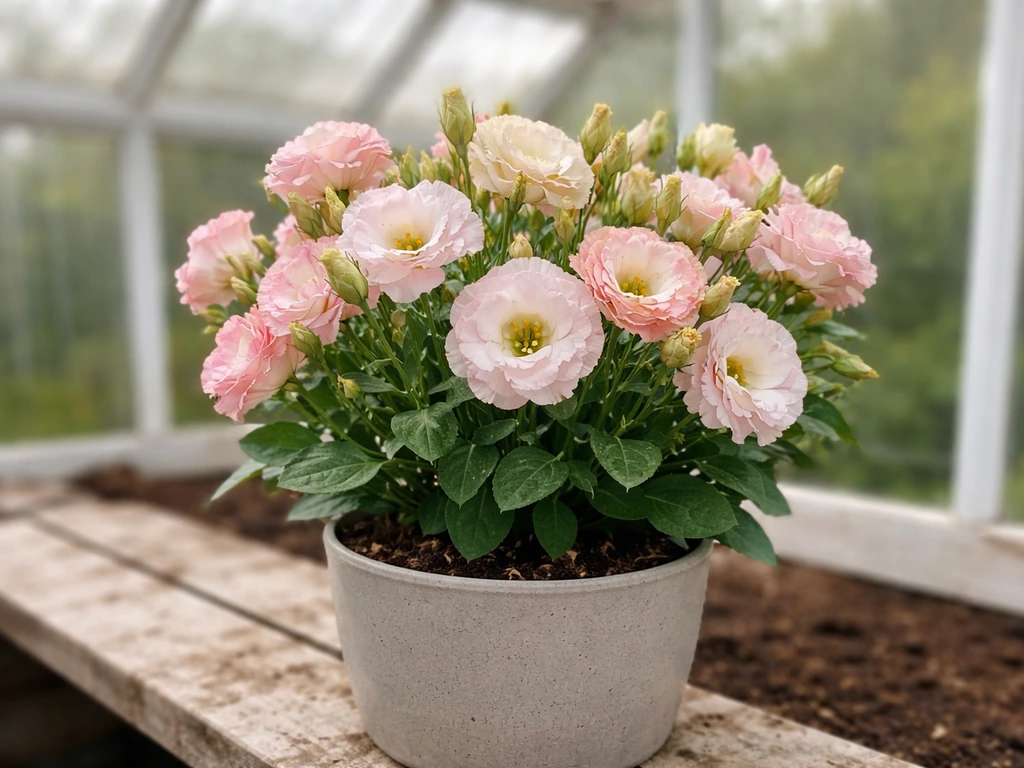
If you want to try oleander in the UK, start with a container-grown plant from a reputable nursery rather than attempting to grow from cuttings in year one. If you are also wondering, can you grow loofah in the UK, it is a different kind of plant that needs warmth and a long growing season grow oleander in the UK. Look for cultivars that are described as hardier or more compact, smaller-growing varieties are easier to manage and overwinter in limited space. White and pink-flowered forms are most commonly available in the UK. Before committing to an outdoor planting, spend a winter monitoring your microclimate: note the lowest temperatures you actually record, how many nights drop below -3°C, and whether your proposed site stays frost-free near a warm wall. That data will tell you more than any general guide. If you enjoy growing Mediterranean plants in containers with an overwintering regime, you might also find it interesting to explore plants like lantana or lisianthus, which follow a similar logic of summer outdoor performance with winter protection needs in the UK. Lantana can also be grown in the UK, but it needs the right warm, sheltered conditions and winter protection. You can apply the same UK container and winter-protection thinking to other Mediterranean fruit trees, so the question can you grow lychees in the UK is a practical one to consider. You may wonder can you grow sumac in the UK too, but it will have similar temperature and winter protection considerations Mediterranean plants in containers with an overwintering regime. If you are wondering can you grow lisianthus in the uk, the same container-and-overwinter approach makes it much more achievable. Loquat is much harder to grow outdoors in the UK, but with a sheltered spot and winter protection it may be possible to keep a container plant going grow loquat in uk.
FAQ
Can I plant oleander in open ground in the UK if I have decent drainage?
You still usually should not. Drainage helps, but repeated freezing plus cold wind and short daylight in winter are what typically kill UK-grown plants. If you want to test open-ground growing, only consider it in a very sheltered microclimate (warm south-facing wall, minimal frost pockets) and be ready to cover or lift the plant if temperatures drop hard.
What is the lowest temperature oleander can handle in a UK container?
A helpful rule of thumb from UK practice is that oleander often survives brief dips around -5°C if it is dry and sheltered, but it can fail after longer cold spells, especially if nights stay below freezing for many days. Use the forecast to move it under cover before sustained frosts begin.
Should I water less or more when I move oleander into a greenhouse or garage for winter?
Less. Keep the compost just barely moist, do not allow it to dry out completely, but avoid any soaking. Overwatering in winter is the most common container loss cause because roots cannot take up water well in low light and cool temperatures.
My oleander dropped most of its leaves indoors over winter, is it dying?
Leaf drop can be normal, especially in dark garages or sheds. The better check is the stems, look for firmness and no blackened, mushy areas. If the stems remain firm and there are no foul smells from the compost, it often recovers once light and warmth return.
When should I bring oleander back outside in spring?
Do it when overnight frosts are genuinely finished for your area, not just when daytime temperatures improve. If you move it too early, buds can abort or new growth can be damaged, so a few nights near freezing can set flowering back.
Why did my oleander not flower even though I fertilised?
Most commonly it is insufficient light and heat during summer, or inconsistent bud-stage watering in April to May. Another frequent issue is pruning in autumn or too late in the year, because oleander flower laterals form on older wood, so the timing of pruning can remove the stems that would have flowered.
How often should I feed oleander in the UK, and what if I miss a feeding?
During the growing season, follow a consistent rhythm, start the balanced feed from April, then switch to a high-potassium feed from May and continue through flowering (every two weeks). Missing one feeding usually will not ruin the plant, but long gaps during bud formation are more likely to reduce flower numbers.
Do I need to re-pot oleander every year?
Not necessarily. For container oleander, re-potting is usually only needed when roots become very crowded or drainage slows. If you do re-pot, do it in spring after frost risk passes, and do not choose a huge pot size because excess wet compost increases winter-root problems.
Can I grow oleander from seed or cuttings in the UK?
It is possible but not the easiest route, and year-one overwintering losses are common. If you are aiming for reliable flowers, starting from a healthy nursery plant is usually far more practical than experimenting with cuttings right away, especially if your overwintering setup is limited.
What is the safest way to prune oleander in a UK container?
Prune in late spring once new growth is clearly underway, and do not remove more than you need. Wear gloves and long sleeves for sap protection, and after pruning, keep the plant in bright conditions and avoid heavy frost exposure so new growth is not triggered and damaged at the same time.
Is oleander fully hardy outdoors in any part of the UK?
Even in milder coastal areas, it is risky because winter cold snaps and wind exposure can still harm roots and laterals. If you are in a genuine warm microclimate, aim for sheltered outdoor trials only with protection plans (fleece or covering on cold nights) and be prepared to treat it as a container plant if it struggles.
Next Article
Can You Grow Lisianthus in the UK? Practical Guide
Yes. Learn UK-friendly lisianthus growing conditions, timelines, and care from seed or plugs to flowering and troublesho