Lantana will grow in the UK, but with one important caveat: treat it as a tender container plant rather than a permanent garden fixture, and you'll get a genuinely rewarding summer display. Most lantana varieties can't survive a British winter outdoors, so the reliable approach is to grow them in pots, bring them inside before the first frost, and put them back out after mid-May. A small handful of hardier cultivars can push boundaries in sheltered, frost-light spots in the south, but for most UK gardeners, the container method is the one that actually works year after year.
Will Lantana Grow in the UK? How to Succeed in Pots

James Hartwell
15 Jun 2026
How the UK climate sits with lantana
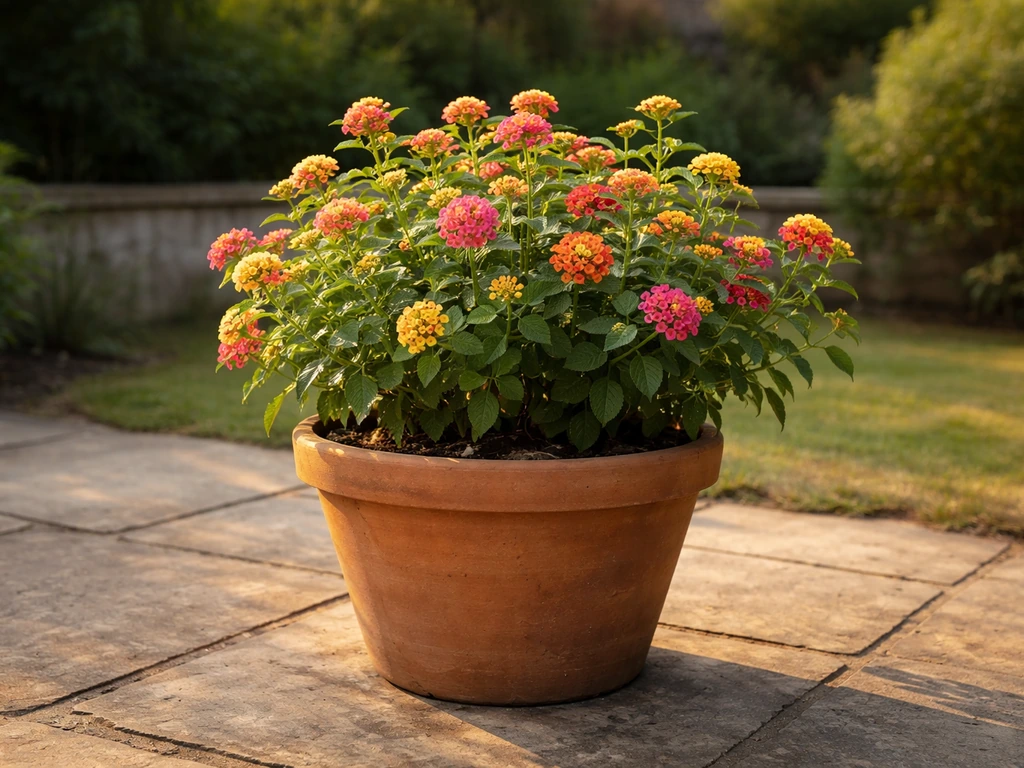
Lantana camara originates from tropical and subtropical America. It thrives in heat, loves full sun, and absolutely hates frost. The UK's mild, damp summers and cold winters create an obvious tension with all three of those preferences. You'll see lantana listed by the RHS with an H2 hardiness classification in practice (tender, protect from frost), even though some sources assign different ratings. What matters practically is this: lantana can't tolerate temperatures dropping consistently below 5 to 10 °C without protection, and a hard frost will kill it outright if left exposed. That rules out outdoor overwintering across virtually all of the UK, including most of the South Coast.
That said, the UK summer is genuinely usable for lantana. From late May through September, most of England and Wales gets enough warmth and sun hours for lantana to flower well. The South West, Channel Islands fringe, and sheltered urban gardens in London get the most out of it. Further north, in Scotland or exposed northern England, the shorter season and cooler summers mean lantana will survive but may not flower as freely. Think of it as a plant that rewards the warmest, sunniest spot you have.
Which varieties are worth growing in the UK
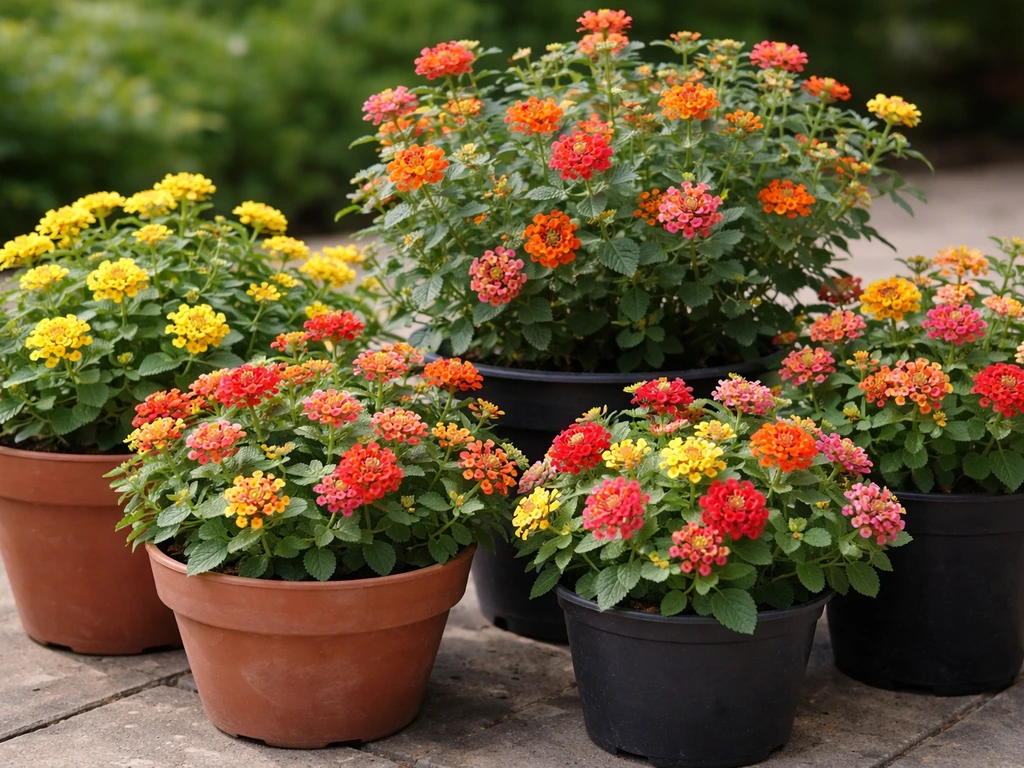
Most lantana sold in UK garden centres is Lantana camara in one of its many cultivars. These are the standard summer-bedding types: tender, colourful, and non-hardy. They're brilliant for pots and patio displays but need to come indoors for winter. Within that group, some cultivars from the 'Sunshine' series, including 'Chapel Hill Yellow', 'Chapel Hill Gold', and 'Sunny Side Up', are considered hardier than average and can reportedly cope with short frosts down to around −10 to −12 °C in very free-draining soil. That opens up the possibility of leaving them in the ground in mild, sheltered spots in the south, though even then it's a gamble.
The 'Miss Huff' series is another group worth knowing about. These are larger-growing, more cold-tolerant lantanas that have been trialled in outdoor situations. Lantana montevidensis, the trailing species with soft lavender-purple flowers, also has a degree of frost tolerance and works especially well as a trailing container or basket plant. For most UK gardeners, though, the variety matters less than the management approach: any lantana will reward you if you give it the right conditions and don't leave it out in the cold.
| Variety / Group | Cold Tolerance | Best UK Use | Notes |
|---|---|---|---|
| Standard Lantana camara cultivars | Frost-tender (min. 5–10 °C) | Containers, patio pots | Most widely sold in UK; overwinter indoors |
| 'Sunshine' series ('Chapel Hill Yellow', 'Chapel Hill Gold', 'Sunny Side Up') | Short frosts to −10/−12 °C in free-draining soil | Sheltered in-ground (south UK) or containers | More cold-tolerant but still risky outdoors in UK winters |
| 'Miss Huff' series | More cold-tolerant than standard camara | Sheltered in-ground trials, containers | Worth trying in frost-light gardens |
| Lantana montevidensis (trailing lantana) | Short frosts in free-draining soil | Trailing baskets, containers | Softer colour; good cold tolerance for the genus |
Containers vs in-ground: which works better in the UK
For the vast majority of UK gardeners, containers are the right call and make everything else easier. Growing in pots means you can move lantana to wherever the warmest, sunniest spot is in summer, and you can bring it inside the moment temperatures start dropping in autumn. The RHS specifically recommends lantana as a patio and container plant for UK growing, and that classification makes practical sense. The RHS specifically recommends lantana as a patio and container plant for UK growing, and that classification makes practical sense can you grow sumac in the uk. Pots also let you control the compost mix more precisely, which matters for drainage.
In-ground planting is possible if you're in a mild, sheltered part of the country, particularly the South West, southern coastal areas, or a warm urban microclimate with a south-facing wall. In those spots, the hardier cultivars (the 'Sunshine' or 'Miss Huff' groups) have a realistic chance of surviving a normal winter if the soil is very free-draining and you give the crown some fleece or mulch protection. But be honest with yourself: a cold snap in November or a wet, cold March can still kill an in-ground lantana stone dead. If you try it, have a backup plan, which usually means keeping a pot-grown cutting or specimen indoors.
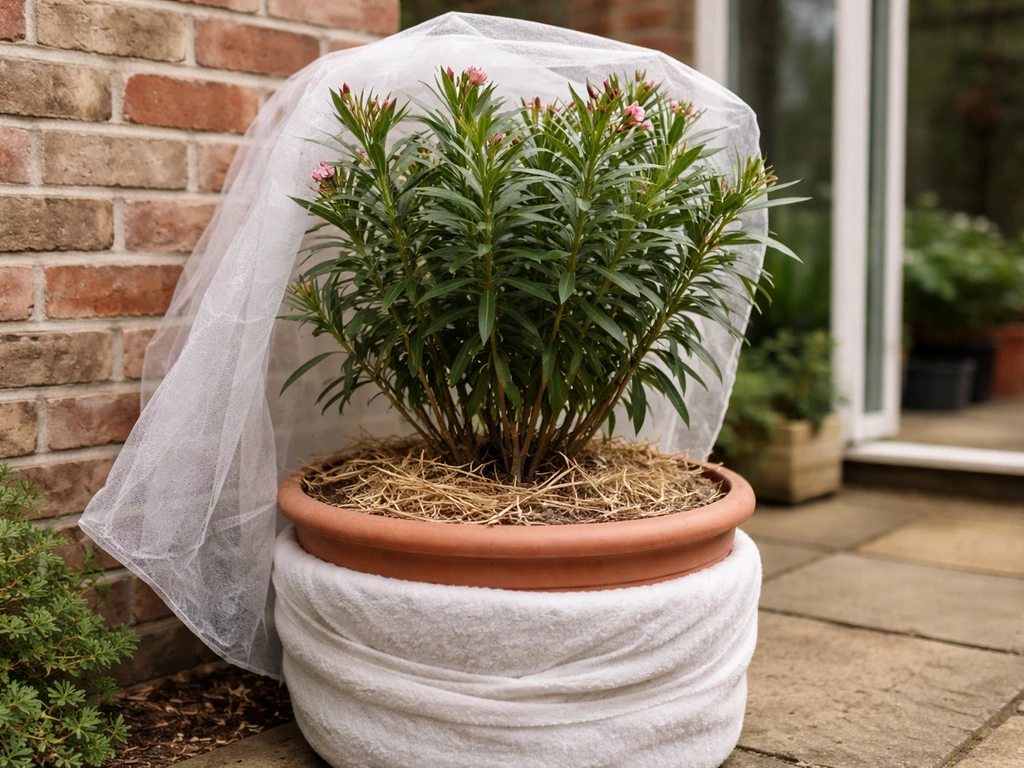
One important nuance: as PromessedeFleurs points out, pots are actually more vulnerable to frost than in-ground planting, because the roots in a container are surrounded by air on all sides and lose heat faster. So if you are growing in a pot and leaving it outside later than you should, wrap the container with cardboard and hessian, and use horticultural fleece over the top growth, to buy yourself some extra protection on cold nights.
Sun, soil, water, and feeding in UK conditions
Sun
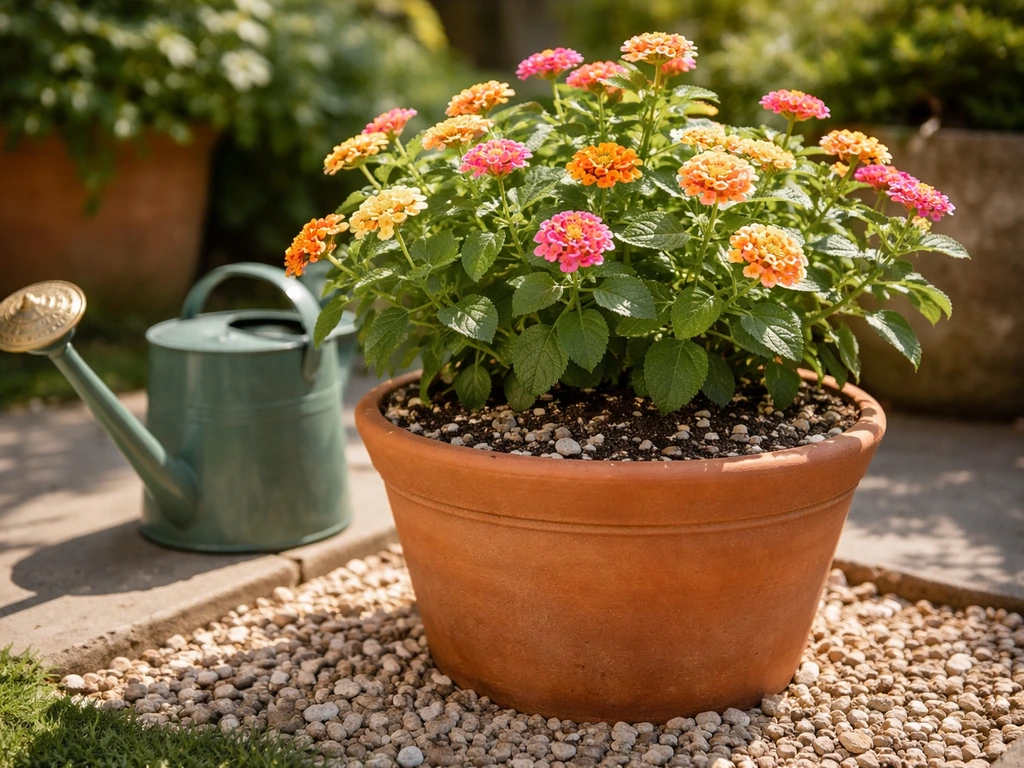
Full sun, no compromise. Lantana is one of those plants that genuinely needs the sunniest spot you have. In the UK, where full sun is already less intense than in the plant's native range, putting lantana in anything less than a south-facing, unshaded position will reduce flowering. Think south-facing wall, south-facing patio, or a conservatory with maximum light. Don't assume a 'mostly sunny' spot is good enough.
Soil and compost
Drainage is the single most important soil characteristic. If you're also experimenting with what to grow in UK conditions, can you grow loofah in the uk is another useful question to check before you commit to a new plant. Lantana hates sitting in wet compost, and in the UK's wetter climate that's a real risk, especially during the cooler months. For containers, use a peat-free, loam-based compost (the RHS recommends this specifically) and add extra grit or perlite to improve aeration and drainage. A ratio of roughly 70% loam-based compost to 30% grit or perlite works well. Avoid moisture-retentive multipurpose compost on its own. For large-growing varieties, aim for a container of at least 35 cm in diameter. Root rot from poor drainage or overwatering is one of the main ways lantana dies in UK conditions.
Watering
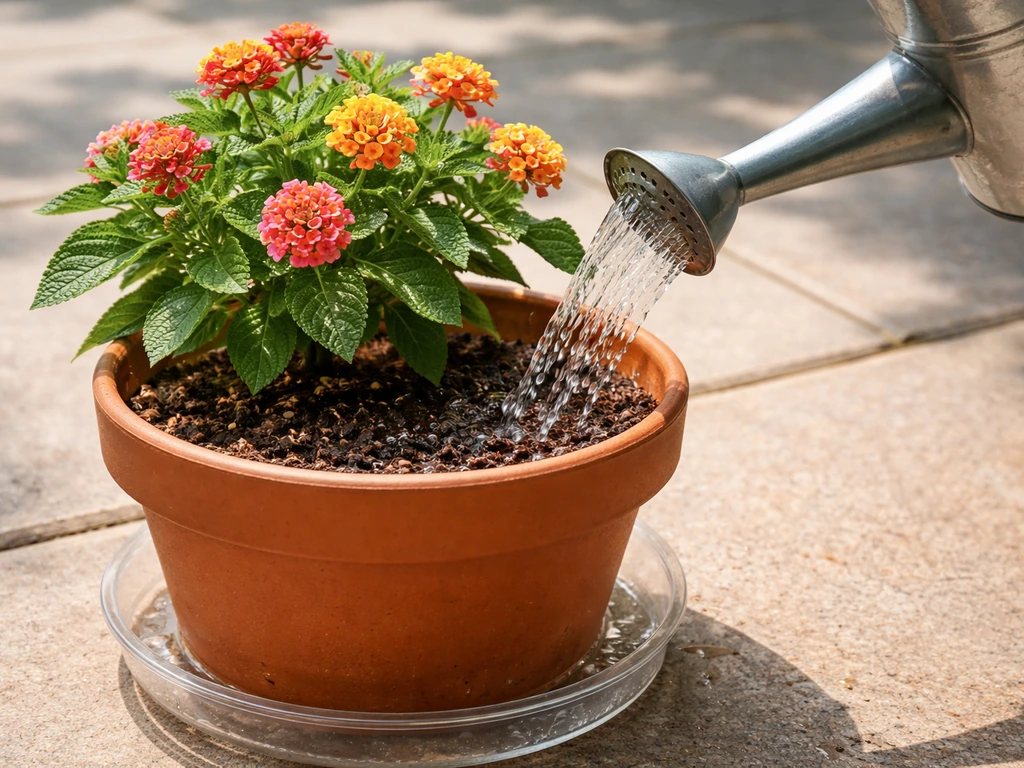
Water regularly during the growing season, but always allow the compost to partly dry out between waterings. In hot summer weather, containers may need watering every day or two. In cooler spells, back right off. During winter storage, water very sparingly, just enough to prevent the compost from drying out completely. Overwatering in winter is one of the fastest ways to lose a lantana.
Feeding
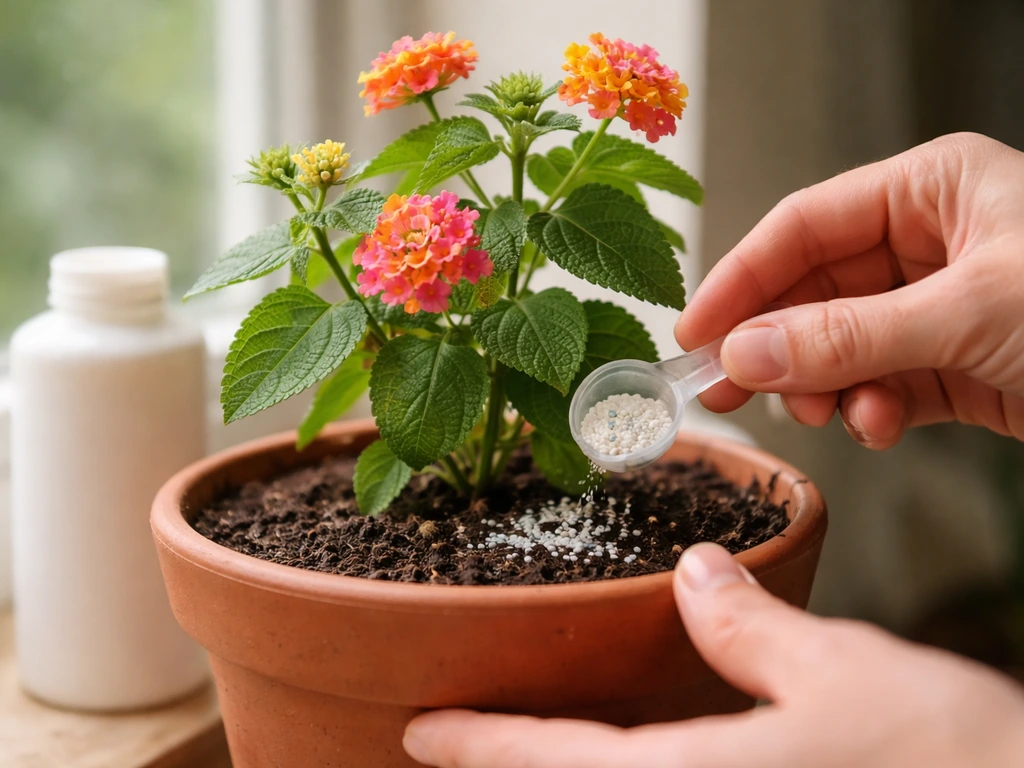
Feed container lantana with a balanced liquid fertiliser every two weeks through the growing season, switching to a high-potash feed (like tomato fertiliser) once flower buds start forming to boost flowering. Stop feeding entirely from late summer onwards to avoid pushing soft new growth that won't harden before the cold arrives.
Overwintering: how to keep lantana alive through a UK winter
This is the part that separates successful UK lantana growers from those who write it off as an annual. The core rule is to bring pot-grown lantana indoors before temperatures consistently drop below 10 °C, which in most of the UK means acting in September or October at the latest. Don't wait for a frost warning; by then you've already risked damage.
The ideal overwintering spot is a bright conservatory or unheated greenhouse that stays frost-free. Aim for a minimum of 5 to 7 °C if you can't heat the space, which is enough to keep the plant alive in a dormant state. Better still, aim for 10 to 15 °C, at which point lantana may hold onto some leaves and tick over more comfortably. Avoid warm, dark spots like airing cupboards or heated rooms with poor light, as the plant will draw toward light and produce weak, leggy growth.
Before bringing the plant in, cut it back by about a third to reduce its size and remove any dead or diseased material. Check thoroughly for pests, especially whitefly and red spider mite, which are common lantana problems under glass. Treat any infestations before bringing the plant inside where pests can spread. Keep watering minimal over winter and do not feed.
In late March or April, as light levels improve, you can start watering a little more, and the plant should begin pushing new growth. Harden it off gradually before moving it back outside, and don't put it out permanently until after the last frost risk has passed. In most of the UK, that means waiting until mid to late May.
Common problems and what to realistically expect
Poor or slow flowering
The most common disappointment with lantana in the UK is that it simply doesn't flower as freely as you might expect from seeing it in hot Mediterranean gardens. In a cool, cloudy summer, you'll get some flowers but nothing spectacular. In a warm, sunny UK summer, you'll be pleasantly surprised. The lesson: give it the very best spot you have, and don't be disheartened if flowering is modest in a dull year.
Whitefly and red spider mite
Both are serious risks for lantana, especially when grown under glass or brought indoors for winter. Glasshouse whitefly congregate on the undersides of leaves and can weaken the plant significantly. Red spider mite thrives in hot, dry conditions and causes mottled, papery foliage. Check plants regularly, and use yellow sticky traps, insecticidal soap, or biological controls (available from UK suppliers) to manage outbreaks. Good air circulation helps prevent both.
Powdery mildew
Powdery mildew can appear under glass, particularly when conditions are warm and there's poor airflow. It shows as a white, dusty coating on leaves. Improve ventilation, avoid wetting the foliage when watering, and remove affected leaves promptly. Avoid overcrowding plants in winter storage.
Die-back and leaf drop
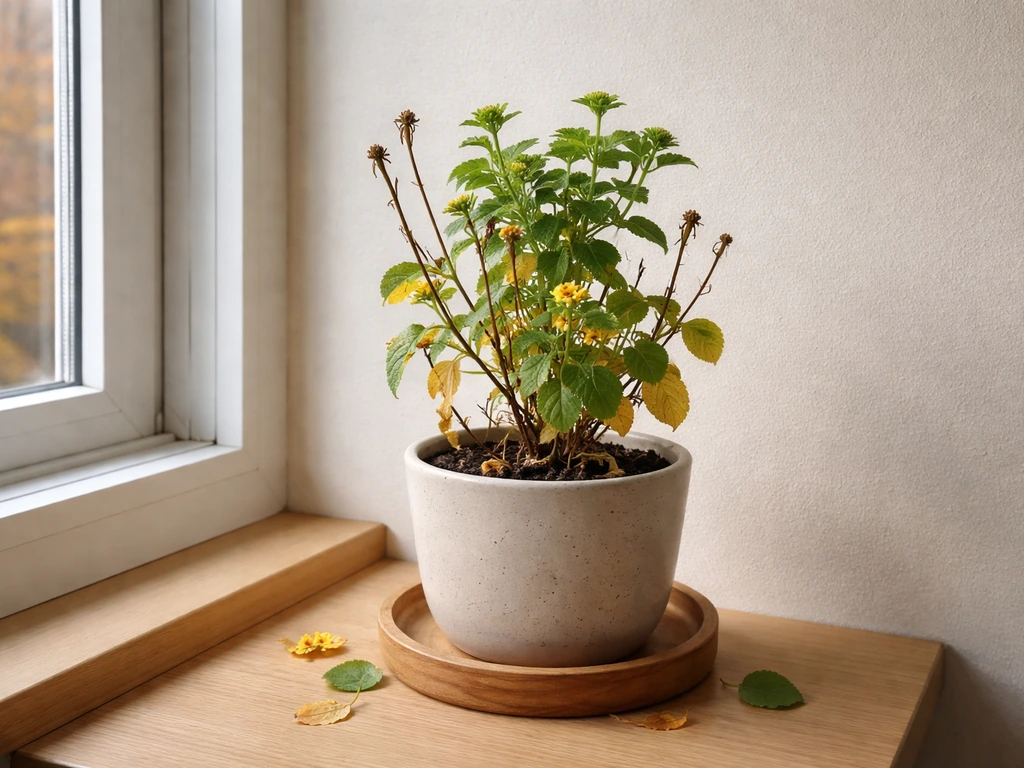
Lantana may drop leaves or experience some die-back when first brought indoors in autumn, or when it's in low-light winter storage. This is largely normal and the plant often recovers in spring. More serious die-back, especially at the roots, usually signals overwatering or root rot from poor drainage. If you suspect root rot, remove the plant from its pot, check the roots, cut off any blackened or mushy sections, and repot into fresh free-draining compost.
Root rot
Root rot is particularly common during winter storage when the plant is in low light and doesn't dry out between waterings. Water very sparingly in winter, ensure the pot has drainage holes, and never let the plant sit in a saucer of water.
Your practical plan for this season
You're reading this in mid-June 2026, which is actually a great time to get lantana established and flowering for summer. Here's exactly what to do: Lychees can be grown in the UK, but they need the right variety and protection from cold and frost grow lychees in the UK.
- Buy a lantana plant now from a garden centre or nursery. Look for healthy, bushy specimens with no signs of yellowing or pests. If you want to try a hardier type, look specifically for 'Chapel Hill Yellow', 'Chapel Hill Gold', 'Sunny Side Up', or a Miss Huff cultivar.
- Choose a container of at least 35 cm diameter with drainage holes. Fill it with a peat-free, loam-based compost mixed with 20 to 30% horticultural grit or perlite for drainage.
- Position the pot in the sunniest, most sheltered spot you have: a south-facing patio, against a south-facing wall, or on a sheltered balcony. Full sun all day is the goal.
- Water in well after planting, then establish a rhythm of watering when the top inch of compost feels dry. Don't let it sit in water.
- Begin feeding with a balanced liquid fertiliser every two weeks. Switch to a high-potash feed once flower buds appear.
- Deadhead spent flower clusters regularly to encourage continuous blooming through July, August, and into September.
- In September, watch the weather forecast. When nights start consistently dropping toward 10 °C, move the pot to a frost-free conservatory, greenhouse, or bright sheltered porch before a cold snap catches you out.
- Cut the plant back by about a third before storing. Check carefully for whitefly and red spider mite and treat if found.
- Water very sparingly through winter. Keep the plant in the brightest frost-free spot available, aiming for 5 to 15 °C.
- In late March or April, increase watering slightly and watch for new growth. Harden off outdoors gradually in May, and put the plant back in its summer position after mid-May when frost risk has passed.
Lantana isn't the easiest plant to manage in the UK compared to something like oleander, which shares a similar tender-but-worth-trying status in British gardens. But it's far from impossible, and a well-managed container specimen can genuinely reward you with months of colourful, butterfly-attracting flowers through a British summer. If you are also wondering can you grow loquat in UK conditions, it helps to think about similar constraints like temperature and frost protection before you plant. The key is committing to the overwintering routine rather than treating it as an annual and starting from scratch each year.
FAQ
Will lantana grow outdoors in the UK during summer without being brought inside?
It can, as long as you move it indoors as temperatures consistently fall below about 10 C (usually September or October). If you keep it out and only cover it, a cold snap or a wet, freezing spell can kill it, especially for container plants.
Can I grow lantana in a UK greenhouse and leave it there all winter?
Yes, if the space stays frost-free and bright. Aim for roughly 5 to 7 C as a minimum for survival, with better results around 10 to 15 C. If the greenhouse gets hot during the day and freezes at night, you risk leaf loss and stress, so use ventilation and insulation strategies.
What size pot does lantana need to survive UK overwintering?
For typical patio cultivars, use at least 35 cm diameter for larger plants. Bigger pots dry out more slowly and buffer against rapid temperature swings, which helps reduce winter stress and root injury in UK conditions.
Is it better to keep lantana dry or evenly moist in winter?
Mostly dry. Water just enough to stop the compost from fully drying out, then wait until the top layer feels light before watering again. Even when the plant is dormant, consistently wet compost is a common cause of root rot.
How quickly should lantana recover after being moved indoors in autumn?
Some leaf drop and die-back in low light is normal within the first couple of weeks. If you see mushy roots, persistent wilting despite dry compost, or blackened stems, treat it as root trouble and check roots rather than just waiting.
Why does my lantana stop flowering in the UK?
Most often it is shade, inconsistent sun, or feeding timing. Lantana needs a very sunny, unshaded position, and you should switch to a higher-potash feed once buds form, then stop feeding late summer to avoid soft growth that fails to set up for cold.
Should I prune lantana before bringing it indoors or after overwintering?
Prune about one third before overwintering to reduce size and remove dead or diseased material. Avoid heavy pruning in the darkest part of winter, then resume shaping lightly after new growth starts in spring.
Can I take cuttings from lantana in the UK to avoid overwintering risk?
Yes, and it is a smart backup plan if you want a fall back in case overwintering fails. Take cuttings when growth is active in late spring or summer, root them in free-draining mix, then keep them warm and bright until they are established enough to overwinter reliably.
What pests should I look for specifically on lantana in conservatories or greenhouses?
Check leaf undersides closely for whitefly and monitor for red spider mite, which shows up as mottled, papery foliage. Use yellow sticky traps early, and treat before the plant becomes crowded, because infestations spread quickly under glass.
Does powdery mildew mean I have watered too much?
Not always. Powdery mildew is often about poor airflow and foliage staying wet or staying damp. Improve ventilation, avoid wetting leaves, remove affected growth, and do not overcrowd plants during winter storage.
How do I stop lantana rotting in a pot in the UK?
Prioritize drainage and potting mix. Use a peat-free loam-based compost with added grit or perlite (about 70/30), ensure drainage holes are clear, never let the pot sit in a saucer, and keep winter watering sparse with pauses to dry slightly between waterings.
Next Article
Can Oleander Grow in the UK? Conditions and Care Guide
Learn if oleander can grow in the UK, plus container setup, UK overwintering, and frost-proof care for flowers.