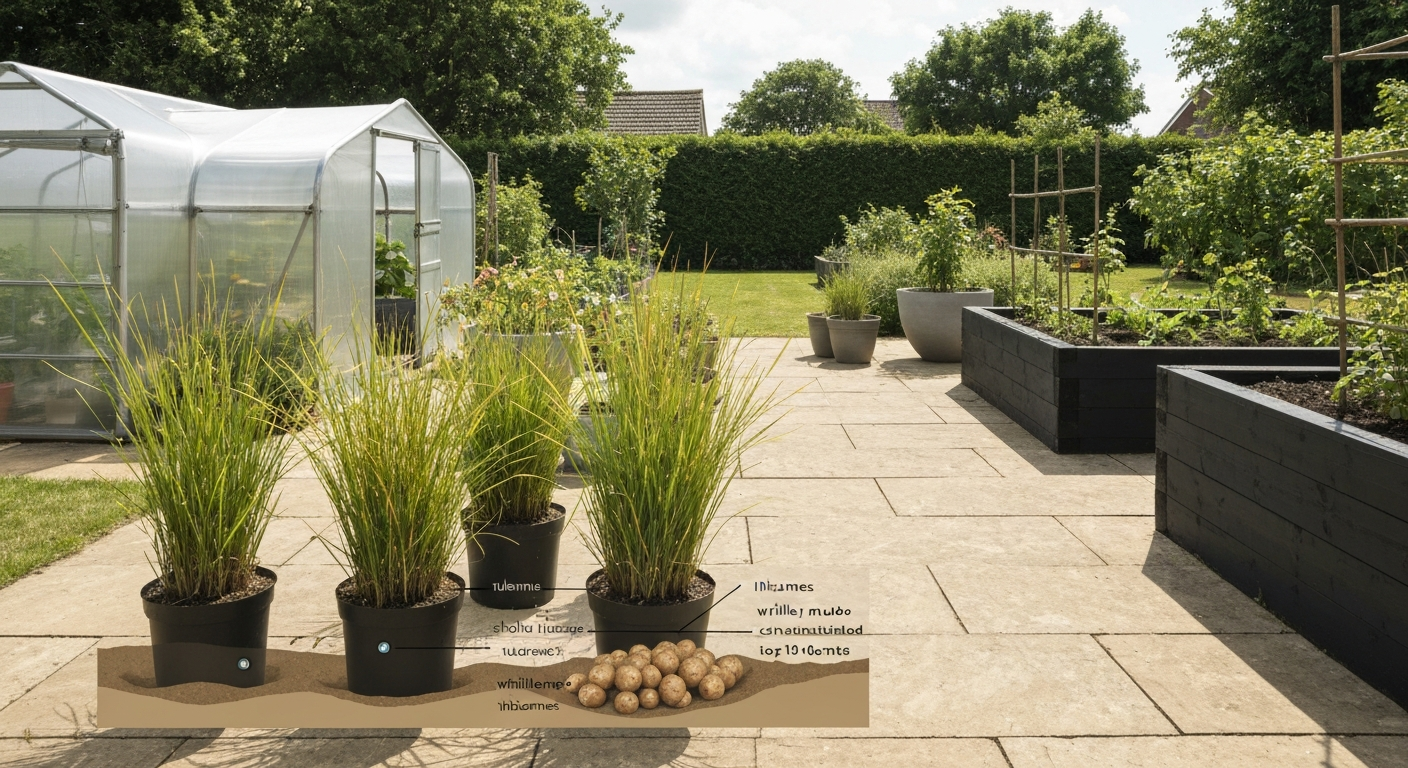
Yes, you can grow amla (Indian gooseberry, Phyllanthus emblica) in the UK, but let's be straight about what that means in practice. If you want the full answer to can you grow yams in the UK, the key is choosing the right variety and protecting them from cold wet soil. You're not going to plant one in a Surrey garden border and come back in five years to a fruit-laden tree.
Can You Grow Amla in the UK? Complete Guide
James Hartwell
27 Jun 2026
Amla is a subtropical plant that wants warmth, long sunny summers, and a climate nothing like what most of the UK delivers. What you can realistically do is grow it as a container plant, bring it inside for winter, keep it alive and healthy, and, if you're patient and lucky with your microclimate, eventually get some berries. It's a long game, and it takes commitment, but people in the UK are doing it.
What amla actually needs and why the UK climate is a challenge
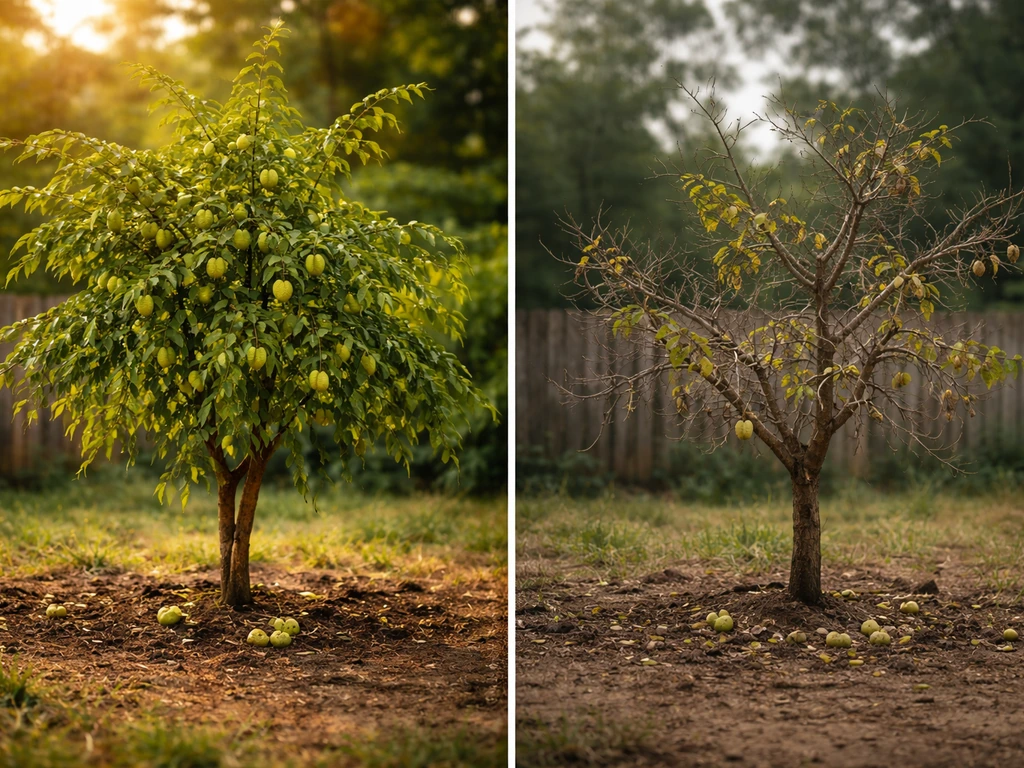
Amla is native to tropical and subtropical Asia, thriving in temperatures of 20–29°C with long, bright summers. It's deciduous in cooler conditions and goes into a kind of stress response when temperatures drop. The plant doesn't handle frost well at all. Even a light frost can damage young growth and defoliate the plant, and a hard freeze will kill stems back to the root or finish the plant entirely. That's the single biggest problem for UK growers.
In terms of sun, amla wants full sun or at least a good half-day of direct sun. UK summers, even in the south, are unreliable on this front. The southeast of England, the Thames Valley, and sheltered spots in the southwest offer the best conditions. Scotland, Wales, and most of northern England are genuinely difficult territory because the growing season is shorter and summer temperatures rarely get high enough to trigger flowering. If you're in those regions, you're growing amla as a novelty plant rather than a fruiting crop, unless you have a heated greenhouse.
Cold hardiness is the key metric here. Amla is not frost-hardy in any reliable sense. It may tolerate brief dips to around 0°C if it's well-established, dry at the roots, and the cold doesn't last, but anything below that for more than a night or two causes real damage. Compare that to the UK average: even in the south, you'll see several nights below 0°C most winters. This means outdoor overwintering in open ground is simply not viable for most UK gardeners. Container growing with indoor overwintering is the practical route.
Choosing the right plant and where to source one in the UK
Before you worry about varieties, focus on how the plant was propagated. Grafted amla trees start fruiting in about 3–5 years. Seed-grown trees can take 7–10 years to even begin flowering. In a UK container-growing context, where every growing season is short and precious, starting from seed is a very long road to potentially no fruit. Get a grafted plant if you can.
In India, named commercial varieties include NA-6, NA-7, NA-8, NA-9, NA-10, Banarasi, Chakaiya, Krishna (also listed as NA-4), and Kanchan, among others. These are optimised for Indian growing conditions and you're unlikely to find them labelled precisely in UK nurseries. What matters more for UK growing is that you get a grafted specimen in good health, rather than chasing a specific variety name. One variety sold in the UK under the name 'Chinnanelli' is available as a grafted live plant from specialist online suppliers.
For sourcing, your best options are specialist online retailers who import or grow subtropical fruit plants. A handful of UK-based sellers stock grafted amla plants, often listed as Indian gooseberry or by the botanical name Phyllanthus emblica. Seeds are also available from UK sellers such as Pretty Wild Seeds, and from European seed catalogues where they're sometimes listed as collector or ornamental plants. Seeds are cheap and accessible, but remember the fruiting timeline issue. If you do want to try from seed, a hot-water soak at around 60°C for 24 hours before sowing has been shown to improve germination rates significantly.
Container, greenhouse, or open ground: which setup works in the UK
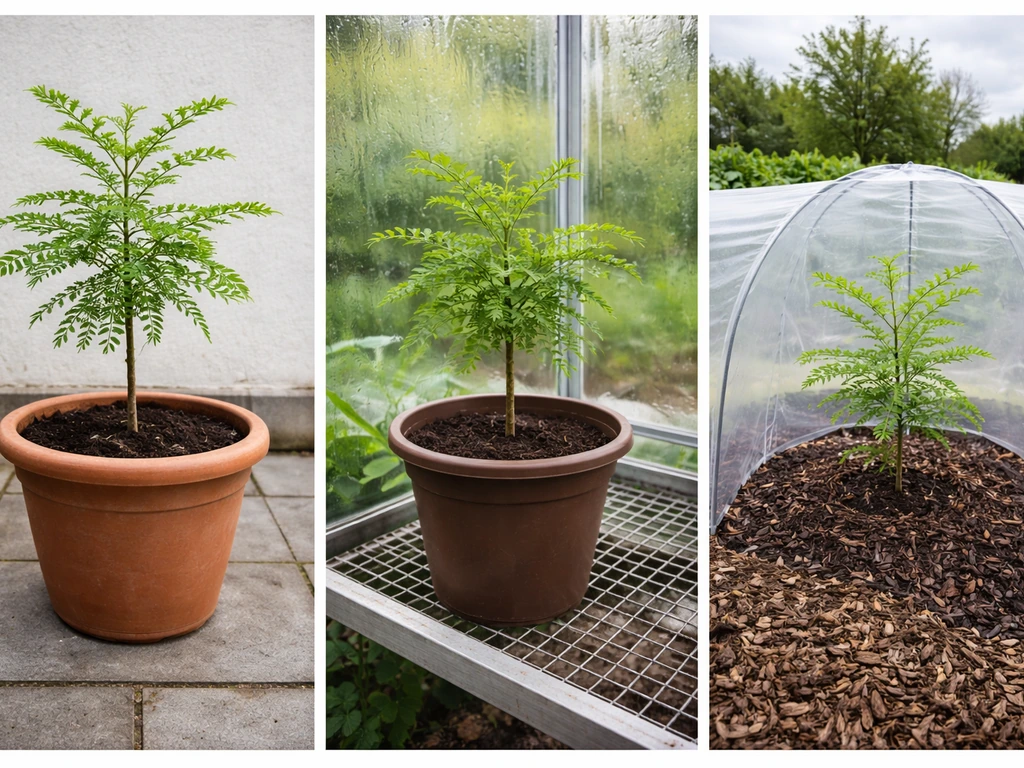
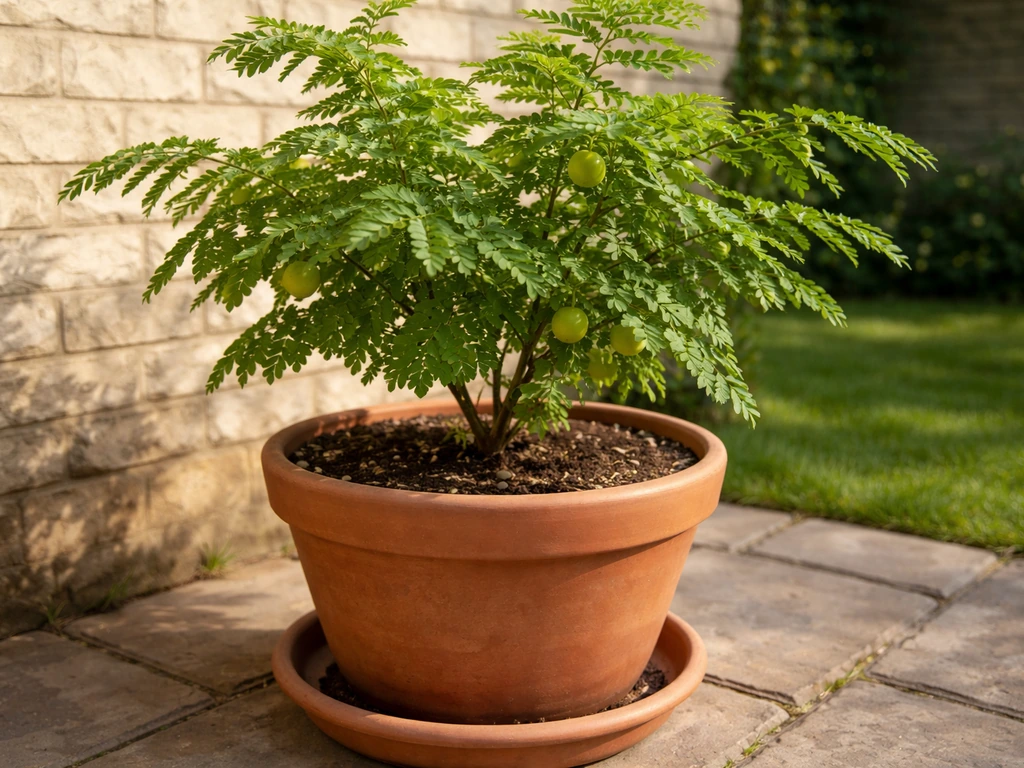
Container growing is the most practical and most commonly successful approach for UK conditions. Keeping the plant in a pot means you can move it inside for winter, control the soil environment precisely, and bring it into a warm, sunny spot during the growing season. Most UK growers who have had any success with amla have taken this route.
A heated greenhouse or a conservatory is the next-best option, and for anyone serious about getting fruit, it's the most reliable setup. A conservatory that holds a minimum of 10°C through winter provides decent conditions for amla, and the RHS notes that even an unheated cool conservatory maintaining 5–7°C can work as winter shelter for tender plants. ForwardPlant’s care guidance for Phyllanthus emblica also recommends keeping it above 50°F (about 10°C) in winter and moving it indoors to protect it from cold holds a minimum of 10°C through winter. If you can keep temperatures above 10°C through the coldest months, the plant stays in better condition and recovers faster in spring.
Planting in open ground is only worth attempting in very sheltered, south-facing microclimates in the warmest parts of the UK (think coastal Cornwall or the Channel Islands), and even then you'd need significant frost protection every winter. For the vast majority of UK gardeners, this is not a realistic option. The risk of losing a multi-year plant to a single hard frost is too high. Stick with containers.
| Setup | Best for | Main risk | Realistic verdict |
|---|---|---|---|
| Large container, overwintered indoors | Most UK gardeners | Running out of space as plant matures | Best practical option |
| Heated greenhouse (min 10°C) | Anyone with space and budget | Cost of heating | Most reliable for fruiting |
| Cool conservatory (min 5–7°C) | South-facing homes | Cold spells below 5°C | Good if frost-free |
| Open ground, very sheltered spot | SW England/Channel Islands only | Single hard frost kills plant | Too risky for most |
Planting, soil, watering, and feeding in UK containers
Amla is relatively undemanding about soil as long as drainage is excellent. It prefers a loamy or sandy-loam mix with a pH of around 6.0–7.5. For containers, a mix of good-quality loam-based compost (John Innes No. 3 works well) with around 20–30% added horticultural grit or perlite gives the drainage the plant needs while holding enough nutrients. Avoid peat-heavy mixes that stay wet. Waterlogging is one of the fastest ways to kill this plant.
Start a young plant in a 30–40 cm diameter container and pot up by one size each spring as the roots fill the pot. As the plant matures, you'll eventually need a 60–80 cm container or half-barrel. Make sure every container has multiple drainage holes and is never sitting in a saucer of standing water.
Watering should follow a straightforward rhythm: water thoroughly, then let the top 2–3 cm of compost dry out before watering again. During the active growing season (May to September in the UK), the plant will need more frequent watering, especially during hot spells. In winter, if the plant is indoors and semi-dormant, cut back watering significantly. Overwatering in winter is a common cause of root rot in container-grown amla.
For feeding, a balanced slow-release fertiliser applied in spring sets things up well. Through the growing season, switch to a liquid feed every two to three weeks. A tomato-type feed (higher potassium) from midsummer helps support flowering and potential fruiting. Avoid heavy nitrogen feeding late in the season as it encourages soft growth that's more vulnerable to cold damage. Make sure the plant goes into winter in good nutritional balance rather than lush and over-fed.
When to move the plant outside: wait until after the last frost date for your area, typically mid-May in most of the UK. Harden it off gradually over a couple of weeks before leaving it in full outdoor sun, as abrupt moves from indoor light to strong outdoor sun can scorch leaves. From late September onwards, watch the forecast and bring it back inside before any cold nights.
Pollination, flowering, and when to expect berries
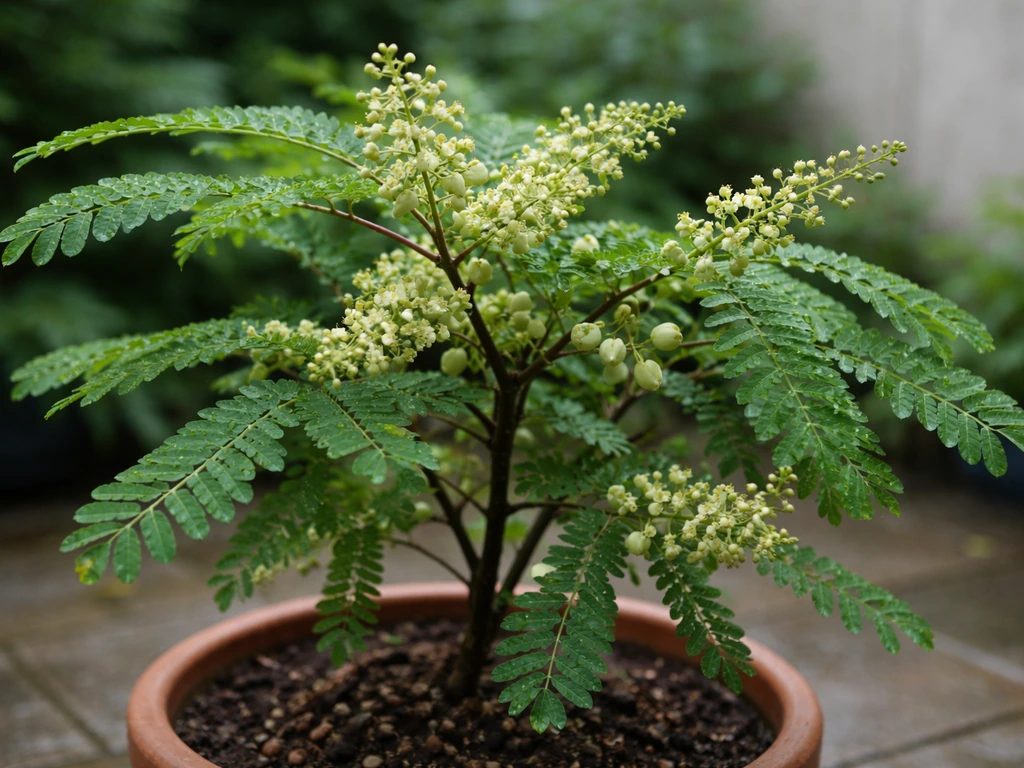
Amla is self-fertile, which is good news for UK growers who are unlikely to have room for two trees. Pollen can come from flowers on the same tree and set fruit without a second plant. That said, having two plants in proximity does improve pollination and fruit set, so if you have space, it's worth growing a pair.
Cold, wet, or overcast conditions during flowering significantly reduce pollination success. This is a real problem in the UK, where spring weather is unpredictable. Amla flowers in spring, and a cold rainy spell at the wrong moment can mean a season with no fruit set at all. If your plant is in a greenhouse or conservatory during flowering, you can hand-pollinate using a soft paintbrush to transfer pollen between flowers, which helps get around poor weather.
Fruiting timelines depend heavily on how the plant was propagated. Grafted plants can begin flowering in 3–5 years from planting. Seed-grown plants typically take 7–10 years before they even attempt to flower. Berries, when they do appear, grow to about 26 mm in diameter and ripen from green to yellowish-green or pale yellow. Be realistic: many UK container-grown amla plants live healthy lives without ever producing fruit, either because they never get warm enough to trigger flowering, because pollination fails, or simply because they're not yet mature enough.
Getting through winter: frost protection, overwintering, and pruning
This is where most UK amla grows succeed or fail. The plant needs to be above 10°C through the coldest months. If you can't guarantee that, aim for at minimum 5°C and accept that the plant will drop its leaves and sit in a semi-dormant state. Temperatures below 0°C for any length of time will damage or kill it.
Move the plant indoors before the first autumn frosts, usually in October. A conservatory, heated greenhouse, or bright indoor room (a south-facing window) all work. If you're using an unheated space, monitor temperatures and use fleece or bubble wrap around the container to insulate the roots. Root protection matters as much as protecting the canopy; roots in containers are more exposed to cold than roots in the ground. AHDB recommends that container-grown nursery stock enters winter in good condition with balanced nutrition, and it suggests protecting roots using a “setting down” or “gapping up” approach with extra pot thickness root-protection approach for container stock (“setting down” / “gapping up”).
During overwintering, reduce watering substantially and stop feeding altogether. The plant doesn't need much from you during this period. Keep it in the brightest available spot to minimise leaf drop. Some leaf loss over winter is normal and not a disaster; the plant should push new growth once temperatures rise in spring.
Pruning is best done in late winter or very early spring, just before the plant breaks dormancy. Keep the shape open to allow light into the centre of the canopy, remove any dead or damaged wood, and shorten overly long stems to keep the plant a manageable size for its container and for moving in and out. Avoid heavy pruning in autumn or summer, as it can stimulate soft growth at the wrong time of year.
Common problems UK growers run into (and what to do about them)
Leaf drop in winter is the most common concern and usually isn't a crisis. If the plant has been moved into a cooler, darker space for winter, some defoliation is a normal response. Keep it as warm and bright as you can and wait for spring. If it's dropping leaves heavily in summer, check the roots for waterlogging and look for signs of spider mite.
Spider mite is the main pest problem in UK container-grown amla, especially when plants are brought inside for winter into warm, dry indoor air. Look for fine webbing on the undersides of leaves and a speckled, pale appearance to the foliage. Increase humidity around the plant, mist regularly, and use a suitable miticide or biological control if the infestation is established.
Cold stress shows up as blackened or wilted shoot tips and leaf scorch. If you catch it early, move the plant somewhere warmer immediately and remove damaged growth. If the main stems have been killed back, cut back to live wood in spring and give the plant time to recover from the roots. A well-established root system can often send up new growth even after significant top damage.
Poor flowering or no flowering at all is frustrating but common. If you're wondering, can you grow taro in uk, the short answer is that taro is usually much harder in UK conditions unless you can create warm, consistently wet growing conditions. The main causes in the UK are insufficient summer heat and light, a plant that's still too young, or a container that's become root-bound and stressed. Make sure the plant gets the sunniest spot you can give it from May to September, repot if it's been in the same container for two or more years, and be patient. Some UK plants simply never flower, and that's a realistic outcome to accept.
- Yellowing leaves with waterlogged compost: repot into fresh well-draining mix immediately and reduce watering
- Leggy growth with small pale leaves: the plant needs more direct sunlight
- Sticky residue and distorted new growth: check for scale insects, treat with neem oil or a systemic insecticide
- No new growth in spring after indoor overwintering: scratch the stem bark to check for green (alive) tissue and wait a few more weeks before assuming the worst
Harvesting amla berries and what to do with them
If you do get berries, harvest them in late autumn when they've turned from bright green to a paler yellowish-green and feel slightly firm rather than hard. UK-grown berries are unlikely to be as large as commercially grown Indian fruit (which reach about 26 mm diameter), but they're nutritionally the same. Don't wait for them to go soft on the tree.
Fresh amla berries are intensely sour and astringent. Most people find them more useful processed than eaten raw. Common uses include amla juice (blended with water and a little honey), amla powder made by dehydrating and grinding the fruit, pickles, chutneys, and amla-infused oil for hair. The fruit is extremely high in vitamin C. Even a small number of berries is genuinely useful.
Assessing whether your grow has been a success is worth thinking about honestly. If you're in northern England, Scotland, or Wales and you've kept a healthy amla plant alive through two or three winters, that in itself is an achievement. Flowering is a bonus. Fruit is a real win. If you're in the southeast or southwest and you've got a grafted plant in a conservatory or sunny greenhouse, you have a realistic shot at berries within five or six years of starting with a young grafted plant. Keep records of temperatures, flowering dates, and what protection you used. That data helps you improve year on year.
If you enjoy growing challenging subtropical plants in UK conditions, amla sits in the same general territory as trying to grow taro or yams in British climates: perfectly possible with the right setup, but demanding consistent management and realistic expectations. If you are specifically asking about cotton, it is a very different crop from amla and you would need to check climate and growing requirements closely for UK conditions grow cotton in the UK. The reward, when it works, is a plant that earns genuine curiosity from other gardeners and berries you genuinely can't buy fresh anywhere in the country.
FAQ
Can you grow amla outdoors in the UK year-round, without a greenhouse or conservatory?
For most UK gardens, no. Amla needs frost avoidance and winter temperatures above 0°C for any extended period. If you try open ground, only consider a very sheltered, south-facing microclimate with winter protection you can guarantee every year, even during cold snaps.
What is the minimum winter temperature I should aim for in the conservatory or indoors?
Aim for at least 5°C, ideally 10°C or more. Below 0°C for more than a short dip can kill stems back or kill the plant in containers. Use a thermometer in the pot area, not just an air-temperature reading.
Is it worth buying a named variety for UK growing?
Usually no. UK nurseries rarely label the same Indian varieties you see in commercial catalogs, and UK success depends more on whether you get a healthy grafted plant and can keep it warm enough for flowering. Prioritize grafted stock over the label name.
How can I tell if my amla is too cold before damage becomes obvious?
Watch the newest growth and shoot tips. Early signs include leaf scorch, blackened or wilted tips, and sudden leaf drop after cold nights. If you see it, move the plant to a warmer spot immediately and remove only clearly dead tips later.
Will amla fruit if I only have one plant?
Yes, amla is self-fertile, so one plant can set fruit. However, UK spring weather can reduce pollination, so keeping flowering conditions as warm and dry as possible, and placing the plant in the best shelter you have, increases your odds.
Can I pollinate my amla by hand in the UK, and when should I do it?
Yes. If flowers open during cold or rainy spells, use a soft paintbrush to transfer pollen between flowers on the same plant. Do it on the driest, warmest day you can, typically mid-morning when blooms are most active.
What size container is best, and can a small pot stop it flowering?
A young plant can start in a 30 to 40 cm container, but root restriction can reduce flowering. Repot up as roots fill the pot (often every 2 to 3 years for active container plants). Long root-bound periods are a common reason for persistent leaf growth with no flowers.
How do I avoid root rot when overwintering a potted amla?
Use fast-draining compost, keep the pot off standing water, and reduce watering a lot once indoors. Water only when the top few centimeters dry out, and never leave the container sitting in a wet saucer. If the compost stays wet for weeks, that is when rot risk rises.
Why does my amla drop leaves every winter, is it dying?
Some leaf loss is normal when the plant goes cool and slightly darker. It should recover in spring with new shoots. If leaves are dropping heavily in summer instead, check for waterlogging or spider mite rather than assuming normal dormancy.
What’s the most common pest problem on UK-grown amla?
Spider mite is the main one in dry indoor winter conditions. Look for fine webbing and pale speckling on leaf undersides. Increase humidity around the plant and inspect regularly after you bring it indoors, before infestations explode.
If my amla never flowers, what are the top things to check first?
Start with temperature (did it stay above 10°C in the coldest months, or at least around 5°C?), maturity (seed-grown plants can take 7 to 10 years), and light (give the sunniest spot from May to September). Also check that the pot is not overly small or root-bound.
When should I harvest UK-grown amla berries?
Harvest when they shift from bright green to a paler yellowish-green and the fruit feels slightly firm. Do not wait for them to go soft, because late-ripening berries can become less useful for processing.
Next Article
Can You Grow Tiger Nuts in the UK? Practical Guide for Gardeners
Can you grow tiger nuts in the UK? Practical, regional guide with planting dates, containers, harvest & recipes.