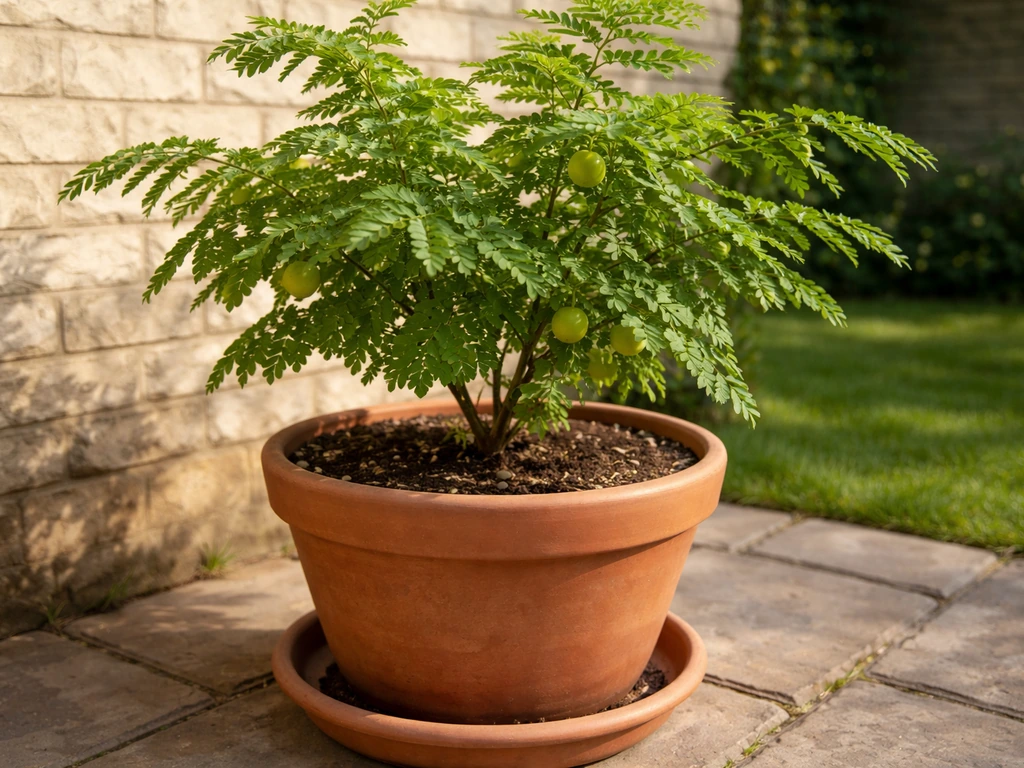
Yes, you can grow indigo in the UK, but which 'indigo' you mean makes a huge difference to your chances of success. True indigo (Indigofera tinctoria) is a subtropical plant that struggles with UK winters and needs real summer heat to thrive.
Can You Grow Indigo in the UK? Woad vs True Indigo Guide
James Hartwell
2 Jul 2026
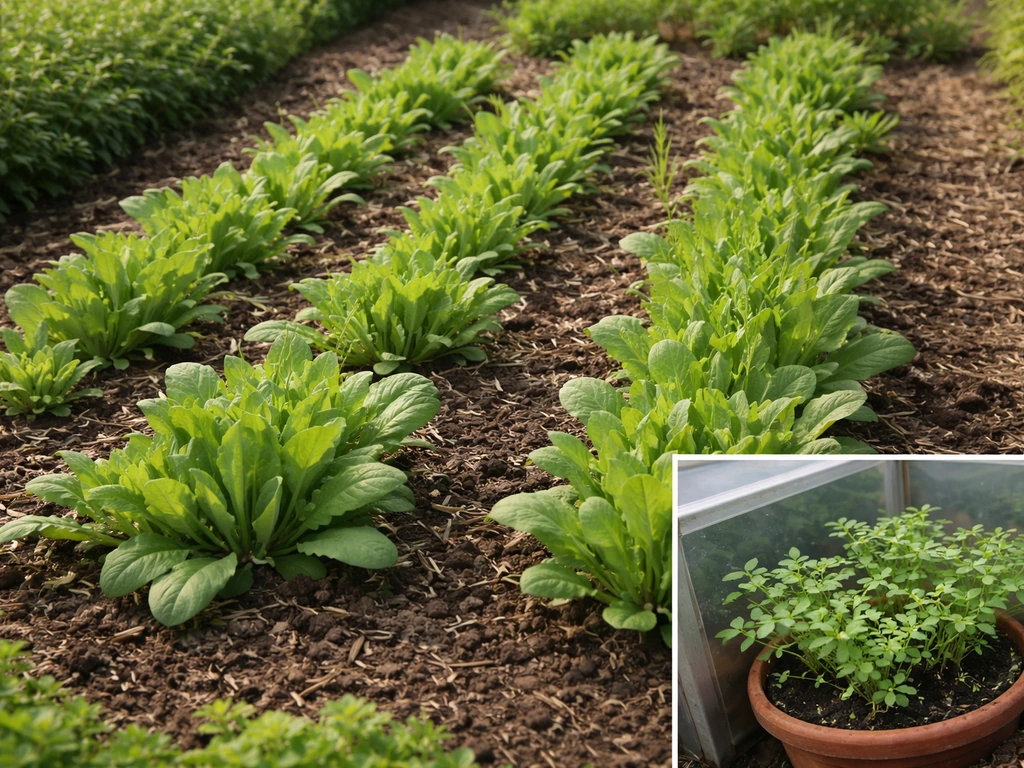
Woad (Isatis tinctoria), the plant British dyers used for centuries before tropical indigo arrived, is far better suited to this climate and will give you a genuine blue dye from a plant you can grow reliably outdoors in most of England. If your goal is blue dye from your own garden, woad is almost certainly your best bet. If you're specifically set on Indigofera tinctoria, it's doable with protection, but you'll be pushing against the climate the whole time.
If you meant growing amla instead, you can still try it in the UK, but you will likely need a sheltered spot or a container to manage winter cold grow indigo.
Which 'indigo' are we actually talking about?
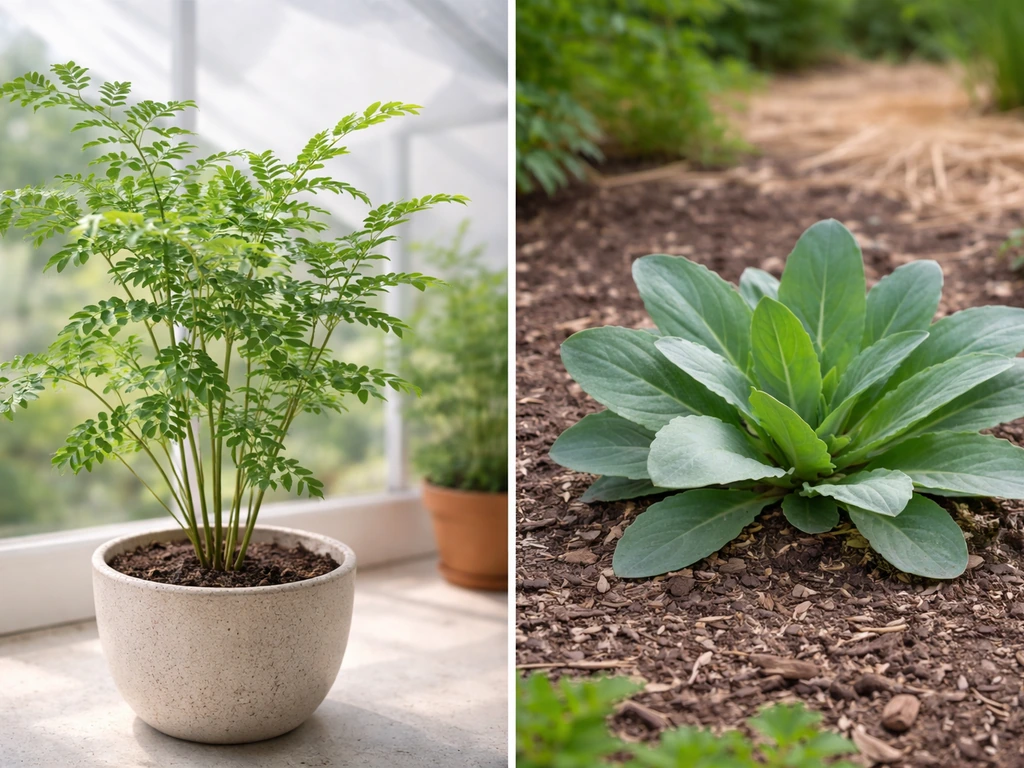
When people search for growing indigo in the UK, they usually mean one of two very different plants. Indigofera tinctoria is the true tropical indigo used commercially for centuries to produce deep blue dye. It's native to South and Southeast Asia, loves heat, and is rated H3 by the RHS, meaning it's only reliably hardy in coastal and relatively mild parts of the UK, with a minimum tolerance of around -5 to 1°C.
That means a hard winter in most of the country will kill it outright. Woad (Isatis tinctoria), on the other hand, is a European native that was the primary source of blue dye in Britain before imported indigo took over in the 17th century. It's also rated H3 by the RHS, but as a biennial it behaves completely differently in practice.
You sow it in spring, harvest leaves for dye in the first year, and it flowers and sets seed in the second. It's tougher, easier to manage, and far more forgiving of British weather. blank" rel="noopener noreferrer">Both plants contain indigotin, the same blue pigment. Woad just contains it in smaller amounts, which is why you need more plant material to get the same depth of colour.
True indigo vs woad: which is right for your garden?
| Feature | True Indigo (Indigofera tinctoria) | Woad (Isatis tinctoria) |
|---|---|---|
| Origin | Subtropical Asia | Europe/Western Asia |
| RHS hardiness | H3 (min -5 to 1°C) | H3 (min -5 to 1°C) |
| UK outdoor viability | South Coast/mild microclimates only | Most of England, sheltered Wales |
| Life cycle | Perennial (grown as annual in UK) | Biennial |
| Dye yield per plant | Higher indigotin content | Lower indigotin, needs more material |
| Seed availability in UK | Specialist suppliers only | Widely available |
| Greenhouse needed? | Yes, in most of UK | No, unless north Scotland |
| Ease of growing | Moderate to difficult | Straightforward |
If you're in the South East, South West, or a warm urban microclimate and you have a greenhouse or polytunnel, true indigo is worth trying. If you're anywhere north of the Midlands, or you want a reliable outdoor crop for dye, grow woad. The two aren't mutually exclusive either. Some UK dyers grow both, using woad as their main dye crop and Indigofera as a small-scale experiment under glass.
What conditions does indigo need in the UK?
Temperature and frost
Indigofera tinctoria needs warm summers to grow vigorously and produce good dye yields. In the UK, it's effectively grown as a tender annual because frost will kill it. You need to keep it frost-free over winter (minimum around 5-10°C) and get it into warm conditions as early in spring as possible to maximise the growing season. Woad is considerably tougher. It can handle ground frosts and light snow once established, though seedlings in early spring need protecting from hard late frosts. Neither plant will survive a severe freeze as a young plant.
Sun and soil
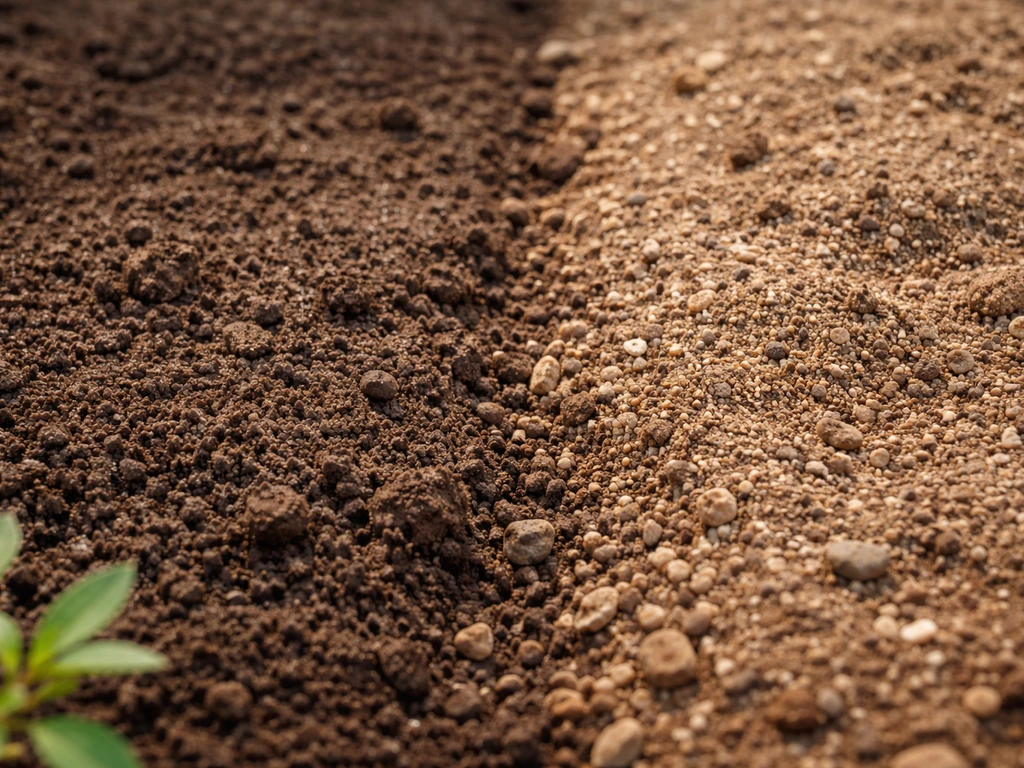
Both plants want full sun and well-drained soil. Woad specifically thrives in neutral to alkaline soil and actually tolerates poor, infertile conditions well, which makes it easy to site in parts of the garden where other crops struggle. Indigofera prefers slightly richer soil with consistent moisture but will rot in waterlogged ground. For either plant, avoid heavy clay unless you've improved drainage significantly. A south-facing bed or a raised bed with gritty compost mixed in is ideal for both.
Protected growing
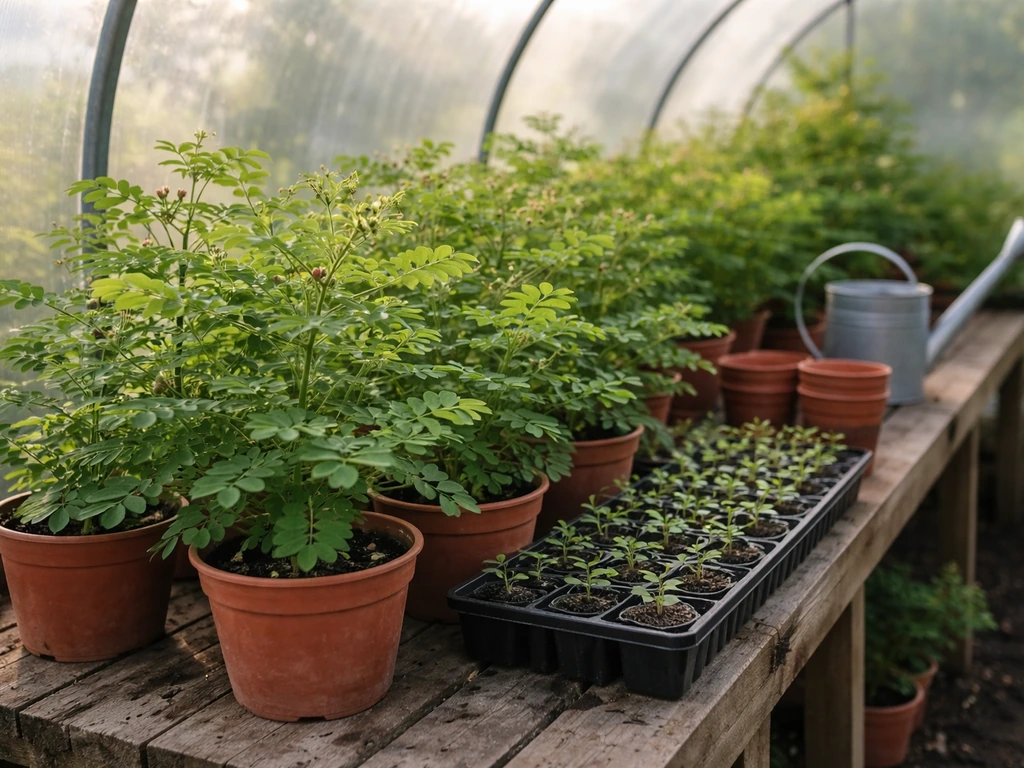
For Indigofera tinctoria anywhere north of roughly the M4 corridor, a greenhouse, polytunnel, or large conservatory isn't optional. The plant needs a long, warm growing season to produce enough leaf material for dye, and UK summers alone don't always provide enough heat. A polytunnel dramatically extends what's possible and lets you start earlier in spring. Woad doesn't need this protection in most of England, though in Scotland or exposed northern sites a cold frame or cloche over young plants in early spring is sensible.
How to grow indigo from seed in the UK
Sowing Indigofera tinctoria
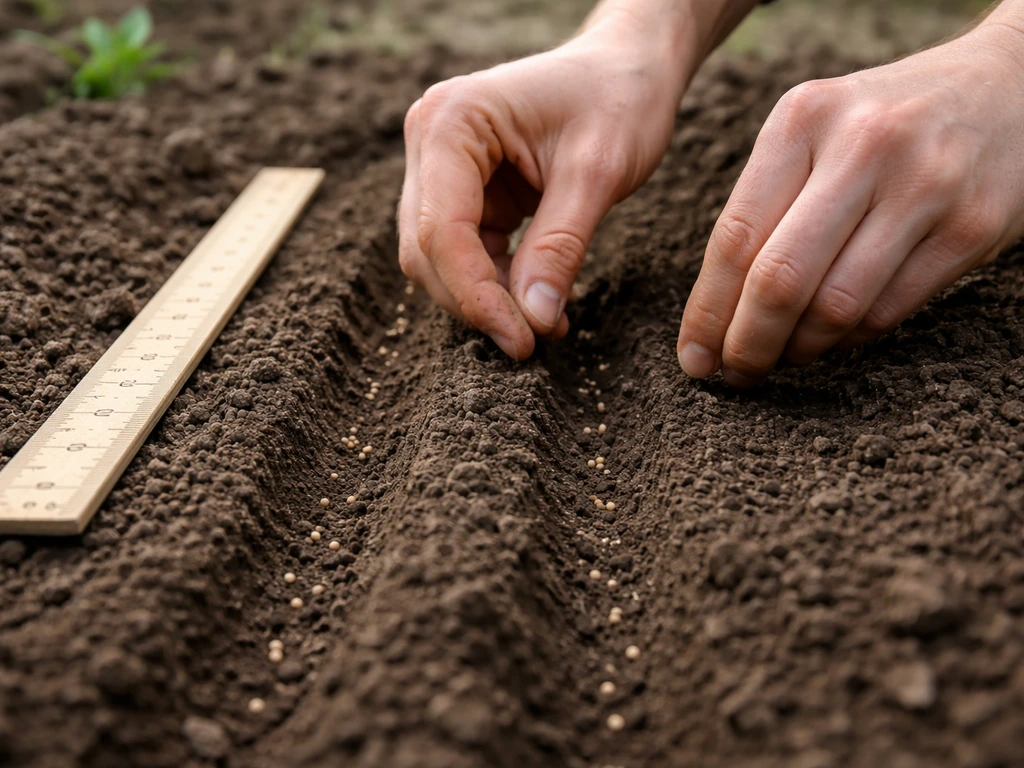
Chiltern Seeds notes that germination for Indigofera tinctoria can take anywhere from 30 to 90 days, which is slow by most standards. Soak seeds in warm water for 24 hours before sowing to help break dormancy. Sow into small pots or modules in late February to March on a heated propagator set to around 20-25°C. Cover seeds with about half a centimetre of compost.
Once germinated, grow on in a warm, bright spot and don't rush them outdoors. Transplant to a greenhouse bed or large container in May, spacing plants around 30cm apart. In the first year you can expect to take up to four cuts of leafy growth for dye. The plant will flower in the second year, but in practice most UK growers treat it as an annual because overwintering is challenging without a frost-free structure.
Sowing woad
Woad is much more straightforward. blank" rel="noopener noreferrer">Sow in March directly into shallow drills outdoors, covering the seed lightly, or start in seed trays at the same time. The Perthshire Wool approach works well across the UK: sow in pots or seed trays in early spring, cover with about 1cm of compost, and expect germination in one to two weeks. Transplant or thin to around 30cm (12 inches) spacing when seedlings are large enough to handle. You can also sow woad directly in March where it's to grow. Woad is a brassica relative, so rotate it and avoid ground where brassicas grew the previous year to reduce disease risk.
Container growing
Indigofera tinctoria actually does well in large containers (30 litres or more) because you can move it under cover in autumn and bring it back out in late spring. If you are wondering about taro specifically, you can usually only grow it in the UK by treating it like a warm-weather plant and using protection such as a heated greenhouse grow taro in uk.
Use a free-draining loam-based compost mixed with grit, and don't let pots sit in saucers of water. Container growing is probably the most practical approach for UK gardeners wanting to try true indigo, as it lets you manage temperature without committing a greenhouse bed permanently. Woad can be grown in containers too but does better in the ground where its taproot can develop properly.
Seasonal care through the year
Watering and feeding
Woad is drought tolerant once established and actually doesn't want rich soil. Overfeeding it with nitrogen will push leafy growth but can dilute dye yield. Water young plants regularly until established, then ease off. For Indigofera under glass, keep compost consistently moist but not wet, especially during the hot growing period in June to August. A balanced liquid feed every two to three weeks through the growing season supports good leaf production without overfeeding.
Weeds and pests
Woad is competitive once established but young plants can be swamped by weeds, so keep beds clear for the first few weeks. The main pest concern for woad is caterpillars from cabbage white butterflies, which will eat woad leaves just as enthusiastically as any brassica. Check undersides of leaves regularly and pick off eggs and caterpillars by hand. Aphids can affect both plants, particularly under glass.
UCANR's pest notes for dyer's woad also flag that in some climates it can spread aggressively by seed, so deadhead or harvest seed heads before they drop if you're in a small garden.
Indigofera under glass can attract whitefly and spider mite in hot conditions. Ventilate well and use sticky traps or biological controls if needed.
Overwintering
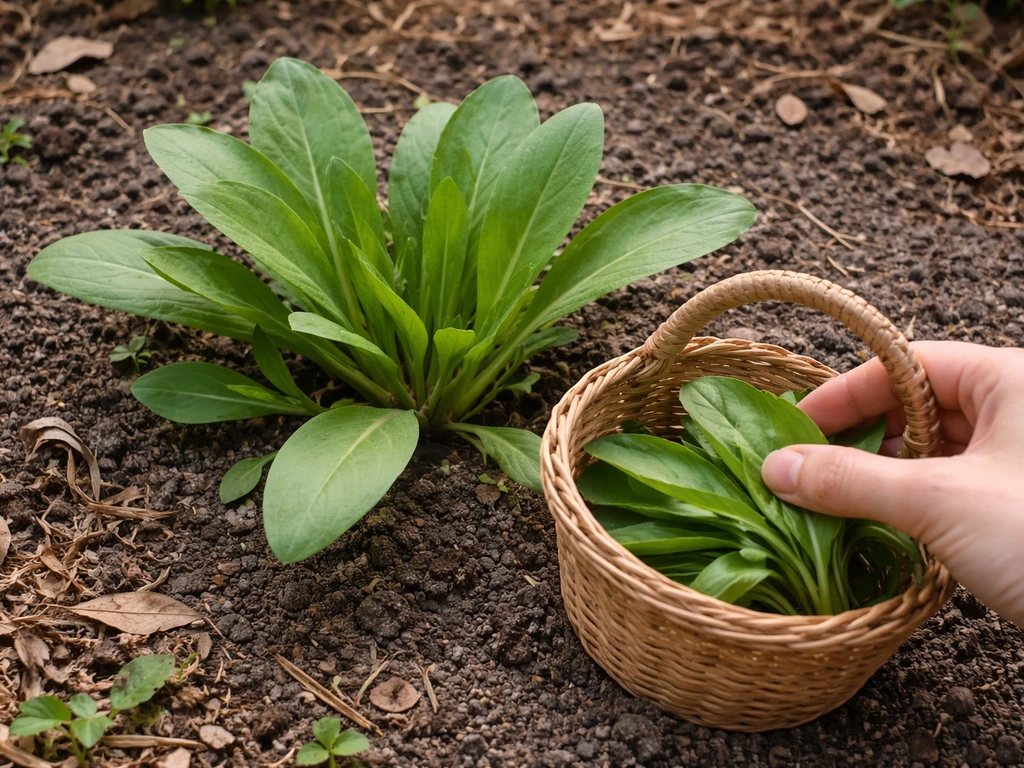
Woad is a biennial. First-year plants form a rosette and survive winter to flower and set seed the following summer. No special overwintering treatment is needed in most of England beyond normal cold. In Scotland or very exposed sites, a loose mulch over the crown helps. Indigofera tinctoria must come inside before the first frost. Lift container plants or take cuttings in late August to September and root them in a propagator as a backup. Keep overwintered plants in a cool but frost-free space (5°C minimum) with minimal watering until spring.
Harvesting and making blue dye at home
This is where expectations need to be set honestly. Making a proper indigo dye vat from homegrown woad or Indigofera is genuinely achievable but involves chemistry that takes a bit of practice to get right. The blue pigment (indigotin) isn't water soluble in its normal state. To dye with it, you have to reduce it chemically into a soluble form called leuco-indigo, dye your fibre, then let air oxidise it back to fix the colour. That's why freshly dyed fibres look yellow-green when you pull them out of the vat and then turn blue in front of your eyes as they oxidise. It's one of the more dramatic moments in natural dyeing.
Harvesting leaves
For woad, harvest timing matters. Leaves harvested before the plant flowers in year two give better dye yields, and research shared by dye practitioners suggests different harvest times across the season shift the shade of blue you achieve. WSD’s “Woad from Seed to Dye” document discusses how the timing of leaf harvesting and cutting throughout the year affects the shades of blue you can achieve on wool [harvest times across the season shift the shade of blue you achieve](https://www. wsd.
org. uk/wp-content/uploads/2022/12/J273-woad-from-seed-to-dye. pdf). Cut the largest outer leaves, leaving the plant to regrow and give you multiple harvests.
For Indigofera, you're cutting whole stems of leafy growth. Chiltern Seeds notes that from a first-year plant you can expect up to four cuts of herbage, which gives you several dyeing sessions through summer and early autumn.
Processing for dye
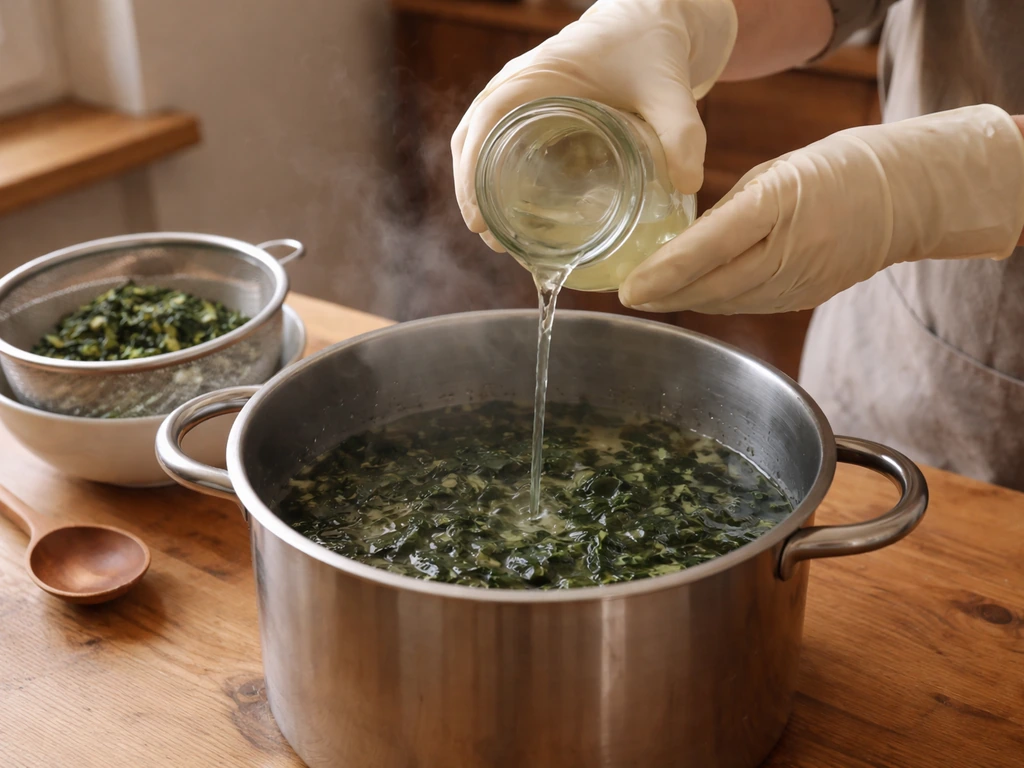
The basic home process for woad or Indigofera leaves involves steeping fresh or dried chopped leaves in hot water, straining the liquid, raising the pH with an alkali (typically soda ash or lime), then aerating the liquor by whisking or pouring between buckets to precipitate pigment. You can filter and collect this pigment as a concentrate, or use the vat directly.
Wild Colours describes a healthy vat at the right stage as yellow-green with a bronze-coloured foam bloom on the surface, which is your cue that reduction is working. No mordant is needed because indigo dye works through a physical oxidation reaction rather than a chemical bond with a mordant, though some dyers do use a mordant to improve washfastness in practice.
Woad yields less indigotin per kilogram of leaves than Indigofera, so you need more plant material, but results are genuinely achievable at home scale.
Feasibility by UK region
The UK is not one climate, and where you are makes a real difference to what's achievable. Can you grow yams in the UK? It depends on whether you can recreate warm, frost-free conditions for tuber development.
- South Coast and Cornwall: Best chance for outdoor Indigofera tinctoria in a sheltered, south-facing spot. Woad will thrive here with no protection needed. Warmest summers and mildest winters make both plants viable.
- South East and Midlands: Woad is straightforward outdoors. Indigofera can be grown in a greenhouse or polytunnel reliably. Outdoor Indigofera is risky without a warm, very sheltered microclimate.
- Wales and South West (inland): Woad grows well. Indigofera needs protection. High rainfall areas need to focus especially on drainage.
- Northern England: Woad is manageable in sheltered gardens. Indigofera really does need a polytunnel or greenhouse to produce a worthwhile harvest. Shorter summers mean smaller yields.
- Scotland: Woad is possible in sheltered, lower-altitude sites, particularly in the Central Belt and coast. The Perthshire Wool operation shows it's achievable even in Perthshire with the right approach. Indigofera under glass only, and even then expect modest results.
- Urban microclimates: Cities like London, Bristol, and Manchester run 2-4°C warmer than surrounding rural areas. An urban south-facing walled garden or rooftop can push the boundaries considerably for both plants.
Common reasons plants fail
- Sowing Indigofera too late: starting seed in May instead of February means the plant never reaches productive size before cold weather returns.
- Waterlogged soil: both plants hate it, especially Indigofera. Even a few days of sodden roots in a cool, wet summer can set plants back badly.
- Leaving Indigofera outside too long in autumn: one unexpected early frost can kill plants that were close to providing a final harvest.
- Expecting heavy dye yields from small plants: a realistic dye session for woad requires several kilograms of fresh leaves. Grow more plants than you think you need.
- Skipping the vat chemistry: trying to dye directly from a leaf infusion without reducing the indigo pigment won't give you proper blue. The chemistry step is non-negotiable.
If true indigo won't work for you
Woad is the obvious and genuinely excellent alternative. It's a plant with real history in UK dye growing, it's straightforward to cultivate, and it produces genuine blue from a hardy plant you can grow in most English gardens without any special structures. For a small-scale dye garden, woad is arguably the better starting point anyway because it teaches you the chemistry and process with a more forgiving crop.
Other alternatives worth knowing about include Japanese indigo (Persicaria tinctoria), which is sometimes grown in UK polytunnels and has slightly different cultural needs but a similar dye process, and commercially dried indigo pigment from Indigofera sources, which lets you practise vat dyeing without the growing challenge.
If you're interested in the broader challenge of growing unusual crops in the UK, this question has a lot in common with other ambitious growing projects like cotton or taro, where the honest answer is 'yes, but only with the right setup and realistic expectations about yield. If you're wondering can you grow cotton in the UK, the answer is similar: it's possible only with the right setup and realistic expectations about yield. '
Where to start today
- If it's March to May, sow woad seed now outdoors in a prepared, well-drained bed in full sun. Sow thinly in shallow drills or modules and thin to 30cm spacing.
- If it's later in the season (June onwards), source woad plants from a specialist herb or dye plant nursery and plant out immediately. You'll still get a first-year harvest.
- For Indigofera tinctoria, source seed from a specialist supplier like Chiltern Seeds. Sow in a heated propagator in February or March. Plan for greenhouse or polytunnel growing from the start.
- Prepare your soil: both plants need free-draining, reasonably alkaline ground. Add grit to heavy soil and check pH, aiming for 6.5 to 7.5.
- Read up on indigo vat basics before harvest time. Understanding the reduction chemistry before you have leaves in hand makes the dyeing process far less stressful.
- Consider growing both: a bed of woad outdoors and a pot or two of Indigofera in a greenhouse gives you a reliable dye crop plus the satisfaction of experimenting with the harder plant.
FAQ
If I grow Indigofera tinctoria in the UK, can I keep it outdoors over winter if it is slightly protected?
Probably not for an outdoor bed. Indigofera needs frost-free conditions (around 5 to 10°C minimum) to survive the winter, so a cold frame or fleece can still be risky during sharp freezes, especially in exposed areas. The safest approach is a greenhouse, polytunnel, conservatory, or a large container you can move under cover before the first frost.
Will woad grown in the UK produce “true indigo” blue, or is it a different colour?
It can produce genuine indigo-blue because both woad and true indigo contain indigotin, the same core blue pigment. The difference is yield and the amount of leaf required, so you may need more woad plant material to reach the same depth of colour you get from Indigofera under warm conditions.
How much plant material do I realistically need for a first vat, so I do not waste time?
Plan on making a smaller test vat first. Since woad typically has lower indigotin content per kilogram of leaves, start with a limited dye batch to dial in your reduction and aeration, then scale up only after you see strong oxidation from yellow-green to blue. If you are set on Indigofera, the limitation is getting enough biomass before the frosts end the season.
Can I grow indigo in the UK without a greenhouse at all?
Yes, if you choose woad. Woad is the one that will usually work outdoors in most of England with normal protection only for early seedlings. Indigofera may be possible in a warm urban microclimate with a very sheltered site, but without a frost-free structure you are likely to lose the crop.
What is the biggest mistake UK growers make when starting a woad or Indigofera vat?
Underestimating how sensitive reduction and oxidation are. Many people either do not reduce long enough to make the pigment soluble, or they do not aerate properly, so the fibre pulls out yellow-green but fails to turn a strong blue. Use your vat indicators (yellow-green with a bronze foam bloom for a healthy stage) and do small test skeins before committing to a full batch.
Do I need to use a mordant to make the dye last?
Not in the basic indigo vat process because indigo fixes mainly through oxidation on the fibre rather than chemical bonding to the fibre. That said, some dyers use mordants as an optional step to improve practical washfastness depending on fibre type and how the fabric is pre-treated.
Can I grow indigo in containers and still get enough dye for regular projects?
For Indigofera, containers are often the most practical UK method because you can move the plant to keep it frost-free and control moisture. Aim for large pots (30 litres or more) with free-draining compost and never let pots sit in standing water. Woad can also be container-grown, but its taproot develops better in the ground, so container yields may be lower.
When should I harvest leaves on woad and Indigofera to get the best blue?
For woad, harvesting before it flowers in the second year generally gives better dye yields, and the exact timing across the season can shift the shade. For Indigofera, you harvest leafy stems in multiple cuts from first-year plants, so you can spread your dye sessions through summer and early autumn instead of relying on one big harvest.
What should I do about pests and disease if I am growing near other brassicas?
If you have cabbages or brassicas nearby, expect caterpillar pressure on woad because cabbage white caterpillars treat woad like a host plant. Check leaf undersides regularly and remove eggs and caterpillars early. Also rotate crops, avoid reusing the same bed where brassicas grew the previous year, and keep young plants weed-free so they are not overwhelmed.
Next Article
Can You Grow Amla in the UK? Complete Guide
Learn if you can grow amla in the UK, plus container and overwintering steps, care, and troubleshooting for fruiting.