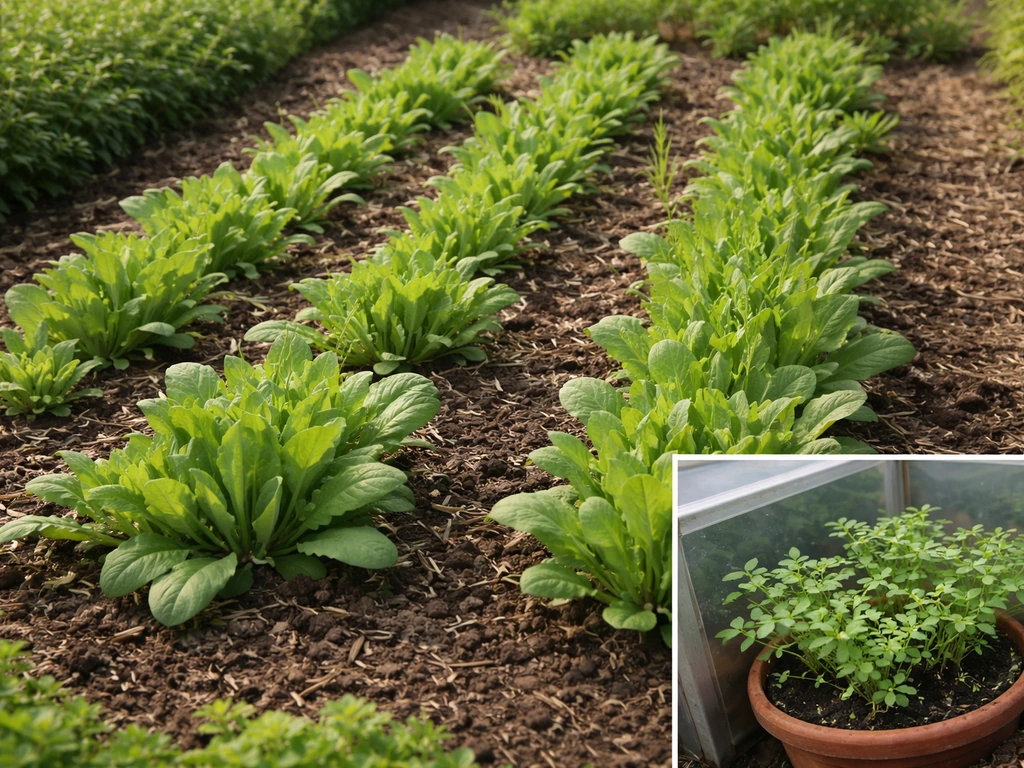
Yes, you can grow cotton in the UK, but not as a commercial crop and not easily outdoors across most of the country. With a greenhouse, polytunnel or a very sheltered south-facing garden in southern England, you can genuinely get cotton plants to flower and produce bolls in a single season. The fibre you harvest will be a novelty rather than a commercial yield, but it is real, usable cotton. For most UK gardeners, this is a fascinating project rather than a practical crop, and it is absolutely worth attempting if you have the right setup and realistic expectations.
Can You Grow Cotton in the UK? Practical Guide for Gardeners

James Hartwell
18 Jul 2026

Quick verdict: can you actually grow cotton here?
Cotton is a tropical and subtropical plant that evolved in regions where summers are long, hot and reliably sunny. The UK's average July maximum is around 19.6°C, which is at the cooler edge of what cotton can tolerate for reproductive growth. The optimal temperature range for boll development sits roughly between 22°C and 30°C, so even a decent UK summer puts you right on the borderline. From sowing to a mature boll typically takes 150 to 180 days, and the UK's frost-free window is shorter than that in most regions, which is the crux of the problem.
That said, it is not hopeless. Growing degree days across the UK have risen noticeably in recent decades (around 17% higher than the 1961 to 1990 baseline), the growing season is measurably longer, and protected growing environments can close the gap considerably. The honest verdict: in a heated greenhouse or well-managed polytunnel, cotton is very achievable. Outdoors in the warmest southern English or Welsh microclimates, it is a worthwhile experiment with real but limited odds of success. In Scotland and Northern Ireland, outdoor cotton is a non-starter without serious protected growing infrastructure.
| Growing method | Chance of bolls | Who it suits |
|---|---|---|
| Heated greenhouse (min 18°C nights) | High | Any UK region, committed grower |
| Unheated polytunnel, southern England | Moderate | South England and Wales, good summers |
| Unheated polytunnel, northern England/Wales | Low to moderate | Warm summers only, short-season varieties essential |
| Outdoors, sheltered south-facing, south England | Low but possible | Enthusiastic experimenters in SE/SW England |
| Outdoors, Scotland/Northern Ireland | Very low | Not recommended without protection |
Cotton basics for UK gardeners: heat, season length and what the plant actually needs
Cotton is a member of the Gossypium genus and the most commonly grown species for fibre is Gossypium hirsutum, or upland cotton. It is a warm-season annual in temperate climates, completing its entire life cycle within a single growing season. The plant needs warmth at every stage: germination ideally at 24 to 30°C, vegetative growth at 20°C plus, and reproductive development (flower buds, flowers, and bolls) most reliably above 22°C. Glasshouse experiments used day/night regimes such as 28/20°C or 34/21°C to show cotton will set flowers and bolls in warm protected environments but is sensitive to heat stress at flowering and to cool conditions that lengthen the season Glasshouse experiments used day/night regimes such as 28/20°C or 34/21°C to study flowering, heat stress and yield. Below about 15°C, growth slows sharply and below 10°C it essentially stops.
The timeline is demanding. From sowing, cotton typically takes 50 to 85 days to produce its first flower buds (called squares), then around 25 to 30 more days to open flowers, then a further 50 to 60 days from flower to a fully mature, open boll. Add that up and you are looking at 150 to 180 days of warm growing conditions. The UK's reliably frost-free period in southern England runs roughly from late April to mid-October, which is about 170 days in the best spots. That is technically enough, but it leaves no margin for cold spells during the season and relies on the plant hitting every developmental milestone on time. Under protection, where temperatures are consistently higher and you can start earlier, the odds improve significantly.
Cotton also dislikes waterlogged soils, long periods of cloud cover and high humidity around the bolls. Given that the UK's climate delivers all three fairly reliably, choosing the right growing environment is not just helpful, it is the deciding factor in whether you get bolls or just a leafy tropical-looking plant.
Which cotton types to choose for UK conditions
Not all cotton varieties behave the same way. For UK growing, you want the shortest season you can find, which typically means looking beyond standard upland cotton selections bred for commercial fields in Texas or Australia.
Short-season varieties
Short-season or early-maturing Gossypium hirsutum varieties are your best bet for producing actual fibre. These have been bred to complete their cycle in closer to 120 to 140 days under good conditions, which gives you a fighting chance in a UK polytunnel or warm greenhouse. Look for varieties described as early-maturing or short-season when buying from UK seed suppliers.
Gossypium herbaceum (Levant cotton)
Levant cotton is a different species that several UK seed suppliers stock specifically for hobbyist growers. It tends to be more compact than upland cotton and is sometimes described as better suited to container growing. It does produce usable, if shorter-staple, fibre. UK seed suppliers including specialist botanical seed sellers carry this species and it is a practical starting point for a first attempt.
Ornamental cotton selections
Various ornamental Gossypium species and selections are available through specialist nurseries and are grown primarily for their striking yellow, cream or purple flowers and attractive boll structures. These are genuinely ornamental rather than fibre crops, but they are hardier in temperament for UK growing, perform well in containers and still give you the full experience of watching a boll open. If you are doing this as a garden project rather than a fibre experiment, an ornamental selection is a lower-stress option.
Where to grow cotton: comparing your options
Where you grow cotton matters more than almost any other decision you make. The same variety can go from a few bolls to none at all simply by moving from a polytunnel to an open border. Here is how each option stacks up in realistic UK conditions.
| Location | Pros | Cons | Verdict |
|---|---|---|---|
| Heated greenhouse | Full season control, warmest nights, earliest start, best boll set | Running costs, setup cost if you don't already have one | Best option for reliable bolls in any UK region |
| Unheated polytunnel | Good heat accumulation in summer, extends season, lower cost than greenhouse | Can be cold in May/June and September, humidity risk in wet summers | Strong option in south and midlands England; marginal further north |
| Conservatory/indoor windowsill | Warm, frost-free, accessible for watering | Light quality often poor, limited space, no airflow — aphid and whitefly risk | Fine for germination and early growth, difficult to produce bolls |
| Containers (outdoors, sheltered) | Flexibility to move plants to warmest spots, good drainage control | Dries out fast, needs frequent watering, exposed to cool nights | Works in SE England in a good summer; marginal elsewhere |
| Open garden border | Natural conditions, no setup cost | Too cool except in warmest microclimates in southern England | Experimental only; do not rely on bolls |
If you are serious about producing fibre, a polytunnel or greenhouse is the sensible choice. If you want to try cotton outdoors as a garden experiment, grow a few plants in the border alongside your main crop of container plants so you can compare results without betting everything on a warm August.
Regional recommendations and microclimate tricks
Southern and south-east England
This is the most viable region for UK cotton growing. Last spring frosts in coastal and lowland areas typically fall between late March and mid-April, and summer temperatures are the highest in the country. Typical last‑spring frost windows by region are: southern/coastal England late March–mid‑April; much of England and Wales mid‑April–early May; lowland Scotland and northern England late April–mid‑May, Leaftide, 'Last Frost Date Guide' (UK regional frost‑date windows) Leaftide — 'Last Frost Date Guide' (UK regional frost‑date windows). In a polytunnel or greenhouse, a short-season variety sown in mid-March under heat can realistically produce open bolls before October. Outdoors, sheltered south-facing walls with good reflected heat give you the best shot. Urban gardens in London and the south-east have measurable heat island benefits that add genuine warmth through the night.
South-west England and Wales
The south-west is mild but often wetter and cloudier than the south-east, and cotton dislikes prolonged cloud cover during boll development. Under polytunnel protection, the mild winters and warm springs make this a workable region, particularly in Devon, Cornwall and coastal south Wales. Prioritise varieties with good resistance to high humidity and ensure good airflow in your polytunnel to reduce fungal issues.
Midlands and northern England
A heated greenhouse is your best bet here. The frost-free window shrinks, last frosts can run into early May in lowland areas and nights cool quickly from mid-August onwards. In a good summer, an unheated polytunnel in the East Midlands can get cotton to flower, but boll set and maturation before the first autumn frosts is tight. Do not attempt outdoor cotton in the north without protection.
Scotland and Northern Ireland
Outdoor cotton cultivation is not a realistic proposition here. Summer temperatures are simply too low and the season too short for a 150+ day crop without consistent supplemental heat. A well-managed heated greenhouse can produce results, but the effort and cost involved mean most growers in these regions will find cotton a curiosity rather than a practical project. If you are keen on growing unusual tropical-origin plants in Scotland, something with better climate tolerance (taro, for instance) makes a more satisfying project.
Microclimate tricks that genuinely help
- South or south-west facing walls absorb heat during the day and radiate it at night, keeping air temperatures around your plants measurably warmer
- Raised beds warm up faster in spring than ground-level soil and drain better, which cotton appreciates
- Dark-coloured containers absorb solar heat and keep root zones warmer than terracotta or light-coloured pots
- Fleece or horticultural bubble wrap over polytunnel plants during cold spells in May or early September can save a crop
- Mulching with dark compost or a dark plastic mulch film helps retain warmth and moisture in the root zone
- Growing near a south-facing fence or wall in the garden effectively creates a microclimate 2 to 4°C warmer than open ground
Step-by-step: from sowing to usable fibre
- Sow seeds indoors in late February to mid-March. Plant seeds about 1.5 to 2 cm deep in small individual pots (9 cm works well) filled with a free-draining seed compost. Cotton seedlings do not like root disturbance, so avoid multi-cell trays that require teasing apart roots later.
- Apply bottom heat of 24 to 30°C for germination. A heated propagator is ideal. Germination typically takes 7 to 14 days. Without consistent warmth, germination rates drop sharply and you will wait much longer.
- Once seedlings emerge, give them as much light as possible. A south-facing windowsill is fine for the first few weeks but supplemental grow lighting for 14 to 16 hours per day will give you stronger, more compact plants.
- Pot on to 15 cm pots when the seedlings have 2 to 3 true leaves. Use a free-draining loam-based compost with added perlite (roughly 70:30 mix). Keep temperatures above 18°C at night at this stage.
- Harden off plants gradually during late April and into May if you plan to move them to a polytunnel or outdoors. Two weeks of increasing outdoor exposure on mild days (but bring in at night until frosts have passed) prevents the shock that sets plants back weeks.
- Transplant to their final position after all frost risk has passed. Spacing for outdoor or polytunnel beds should be 60 to 90 cm between plants. For containers, use the largest pot you can manage (30 litre plus for best results).
- Pinch out the growing tip once plants reach about 60 cm tall. This encourages branching and more flower bud sites, which means more potential bolls. Cotton produces squares (flower buds) on side branches, so more branches equals more opportunities.
- Support plants with canes if needed. In a polytunnel or greenhouse, cotton can reach 1 to 1.5 metres and becomes top-heavy with bolls.
- Watch for squares appearing from around June (if started in March under heat). Flowers open in sequence from the bottom of the plant upward, typically white or cream on the first day and turning pink or red on the second day before they drop.
- Bolls form where flowers drop. They look like small green bumps that grow to roughly golf-ball size over 50 to 60 days. Keep temperatures up through this critical period. Cool nights in August and September are the most common reason UK growers end up with green bolls that never open.
- Harvest bolls when they split open naturally, revealing the white fibre. Do not force them. If a cold snap threatens before all bolls have opened, bring container plants indoors and allow bolls to open at room temperature.
- Dry harvested bolls and fibre thoroughly before processing. Spread on a clean tray in a warm, well-ventilated spot for several days.
- Basic ginning (separating the seeds from the fibre) can be done by hand for small hobby quantities. Roll the fibre between your fingers to release seeds, or use a simple hand roller. The resulting lint can be spun or simply kept as a curiosity.
Seasonal schedule for UK cotton growing
| Month | What to do |
|---|---|
| February | Order seeds from UK suppliers. Set up propagator and check germination temperatures. |
| March (early to mid) | Sow seeds in heated propagator at 24 to 30°C. Begin under grow lights or south-facing windowsill. |
| March (late) to April | Pot on to 9 to 15 cm pots as first true leaves appear. Keep indoors with heat. Begin feeding with dilute balanced fertiliser. |
| Late April to May | Harden off for polytunnel or conservatory moves. Do not move outdoors until night temperatures are reliably above 12°C. Last frost dates in south England typically mid-April; further north allow until early May. |
| May to June | Transplant to final growing position. Pinch out growing tip at around 60 cm. Increase watering and switch to a potassium-rich feed to encourage flowering. |
| June to July | First squares (flower buds) should appear. Monitor for aphids and whitefly. Ensure maximum heat and light under cover. |
| July to August | Flowers open and set bolls. This is the most critical period. Keep temperatures above 20°C wherever possible. Maintain consistent watering — drought stress at this stage causes flower or boll drop. |
| August to September | Bolls swell and develop. Watch for early autumn temperature drops. Fleece or additional heat may be needed in September. Do not let plants dry out. |
| September to October | Bolls begin to open from late September onwards in a good season. Harvest open bolls as they split. Bring container plants indoors at first frost threat. |
| October onwards | Dry and process harvested fibre. Compost spent plants. |
Soil preparation, watering and feeding
Soil and growing medium
Cotton performs best in a free-draining, fertile soil or compost with a pH between 5.8 and 7.0. It is highly intolerant of waterlogging, and in a UK context where summer rainfall is unpredictable, drainage matters enormously. For polytunnel or outdoor beds, dig in plenty of grit or horticultural sharp sand if your soil is heavy clay, and raise the beds if possible. For containers, use a loam-based compost (John Innes No. 3 works well) mixed with around 20 to 30% perlite to ensure drainage. Avoid multi-purpose composts alone as they tend to become compacted and waterlogged in larger pots.
Watering
Cotton needs consistent moisture but absolutely not sitting in water. The general rule is to keep the compost or soil moist but allow the top centimetre or two to dry out slightly between waterings. In containers, you will need to check daily during warm spells as pots dry out fast. The most critical period for watering is during flowering and boll set. Water stress at this stage causes flowers and young bolls to drop, and in UK conditions where you have limited time to replace dropped bolls, this can end your season. Cut back watering slightly once bolls are fully swollen and approaching maturity.
Feeding
Cotton is a reasonably hungry plant. Start with a balanced liquid fertiliser every one to two weeks once plants are established and growing actively. As flower buds begin to form, switch to a feed with a higher potassium ratio (the kind sold for tomatoes and peppers works perfectly) to support flowering and boll development. Avoid heavy nitrogen feeding once flowering begins as excessive nitrogen encourages leaf growth at the expense of bolls. At the vegetative stage, nitrogen is important for building a healthy canopy, but balance is key.
Pests, diseases and common failure points
Aphids and whitefly are the two pests you will deal with most under UK protected growing conditions. Both thrive in the warm, sheltered environment of a greenhouse or polytunnel and cotton is attractive to both. Check the undersides of leaves regularly and deal with infestations early. Biological controls including parasitic wasps and predatory beetles are approved for UK greenhouse use and work well for both whitefly and aphid management. Check current approved products and biological agents through the appropriate UK regulatory channels (the Health and Safety Executive administers pesticide approvals in Great Britain) and avoid applying anything not licensed for UK use.
Helicoverpa armigera, the cotton bollworm, is a pest of concern in the UK under EPPO and UK plant health monitoring, though it is not an established field pest in the UK. It is worth being aware of, particularly if you are importing seeds or growing materials from overseas. Report any suspected sightings through the appropriate plant health channels.
The most common reason UK cotton crops fail is not pests but the season running out. Cool August or September nights slow boll development dramatically, and plants that flowered later than planned simply do not have enough time to mature. Sowing late (after April), getting plants into a cold position or experiencing a cool June are the most frequent causes of this. The fix is to start earlier under heat, use protection and choose the shortest-season variety you can source.
- Damping off: use clean pots and fresh compost for germination; avoid overwatering seedlings
- Boll drop: most often caused by heat stress during flowering (above 35°C) or water stress; maintain consistent moisture and ventilate greenhouses in hot weather
- Yellowing leaves: often a sign of overwatering or nitrogen deficiency; check drainage first before feeding
- Failure to open bolls: bolls that stay green through autumn usually need warmth to finish; bring plants inside and they will often open at room temperature over several weeks
- Leggy, pale plants: almost always insufficient light; cotton needs full sun and will not perform on a dark windowsill
Realistic yields and what to do with your cotton
Let us be straightforward about yields. A single cotton plant in a good UK greenhouse season might produce 5 to 15 open bolls, each yielding a few grams of lint. You are not going to spin a jumper from three plants. What you will get is a genuinely interesting small quantity of hand-processed fibre, a thorough understanding of how this crop works and a plant that flowers beautifully and looks striking throughout the summer. For many growers, those are the actual rewards. If you want to grow enough cotton to actually spin with, plan on growing 20 or more plants under optimal conditions, which requires a serious commitment of greenhouse space.
Cotton also makes a superb talking point as a garden plant. The flowers are closely related to hibiscus and hollyhock (all in the Malvaceae family) and genuinely attractive. Growing cotton in the UK has a mild subversive charm, sitting alongside other unusual crops like indigo (another dye and fibre plant that shares some of cotton's UK-growing challenges) or other tropical-origin plants that UK growers increasingly experiment with as the climate warms.
Cost and effort: is it worth it?
Cotton seeds from UK suppliers are affordable and widely available. The main investment is either an existing greenhouse or polytunnel, or the cost of a heated propagator for the early weeks. If you already have protected growing space, the incremental cost of trying cotton is low. The effort, however, is moderate to high: this is not a low-maintenance crop. It needs daily attention during warm periods, careful temperature management in spring and autumn and active pest monitoring. Compared to growing amla or yams, which also push UK climate boundaries, cotton requires more consistent warmth over a longer season, so the overall challenge level is higher.
If you are already comfortable growing tomatoes or peppers in a polytunnel or greenhouse, the cultivation approach for cotton is similar enough that you will find the learning curve manageable. If you are new to protected growing, start with something more forgiving in year one and add cotton to your rotation once you understand how your specific growing environment behaves through the season. If you're exploring alternative unusual crops suited to UK gardens, see our guide on can you grow yams in the UK for practical advice.
Starting checklist for your first UK cotton trial
- Source short-season or Levant cotton seeds from a UK supplier before February
- Set up a heated propagator capable of maintaining 24 to 30°C for germination
- Prepare 9 cm individual pots with free-draining seed compost
- Identify your warmest growing position: heated greenhouse is first choice, unheated polytunnel second, sheltered south-facing outdoor spot third
- Plan your final container size (minimum 15 cm, ideally 30 litres for polytunnel or outdoor growing)
- Source a loam-based compost with added perlite and a potassium-rich liquid feed for the flowering stage
- Check your last frost date for your specific location using the Met Office postcode tools and plan transplanting accordingly
- Set a reminder to pinch out the growing tip at around 60 cm to encourage branching and more boll sites
- Plan your pest management approach before the season starts: source biological controls if using a greenhouse
- Accept that year one is a learning season; treat every boll you get as a success
FAQ
Can you grow cotton in the UK?
Yes — but mainly as a novelty or protected‑crop hobby project, not as commercially viable field production. In warm sheltered microclimates (south/coastal England) or under protection (greenhouse, polytunnel, heated conservatory) you can reliably grow Gossypium and produce usable fibre. Outdoors in much of the UK (Wales, Scotland, Northern Ireland and cooler northern/ upland England) it is much harder and often fails to fully mature bolls within the season.
Which cotton species or varieties are best for UK gardeners?
Choose short‑season or ornamental types and upland cotton (Gossypium hirsutum) cultivars marketed for hobbyists, plus dwarf/ornamental species (G. herbaceum, Levant cotton). Seed suppliers aimed at gardeners often label varieties for greenhouse or container culture — these are the most reliable choices in the UK.
Where should I grow cotton in the UK — outdoors or under cover?
Best: greenhouse, conservatory or polytunnel (maintain warm temperatures and protect flowers). Good outdoors only in the warmest sheltered sites in southern/coastal England with a long, frost‑free season and a sunny, south‑facing microclimate. Containers are fine for protected culture and make moving plants to sun/warmth easy. In Scotland, Northern Ireland and cool/windy Welsh sites, grow only under protection.
What climate and heat does cotton need to set bolls?
Cotton prefers warm conditions; optimal reproductive development typically occurs in the low‑to‑high 20s °C. Cotton needs a long frost‑free warm period — commercial crops often need 150–180 days; hobby short‑season types & greenhouse culture reduce that requirement. Cool nights and low GDD slow or prevent boll maturation in open UK seasons.
When should I sow and transplant cotton in the UK? (seasonal schedule)
Sow seeds indoors with bottom heat 4–8 weeks before your local last frost date (commonly March–April in England). Keep seedlings warm (24–30°C for germination, cooler 18–22°C after cotyledons). Transplant outdoors or to larger pots after last frost and when night temperatures are reliably above ~8–10°C (often mid‑ to late May in many areas). Expect first flowers 6–12 weeks after transplant depending on temperature; bolls can take ~40–60 days to mature from flower under warm conditions.
How should I prepare soil, water and feed cotton plants?
Soil: free‑draining, fertile loam or potting mix with added organic matter and moderate drainage. pH neutral to slightly acidic (6.0–7.0). Water: keep evenly moist but not waterlogged; container plants dry faster and need frequent checks. Focus water supply during flowering and boll development. Feed: start with a balanced feed; moderate nitrogen to avoid excessive vegetative growth delaying flowering; supply phosphorus and potassium per standard garden guidance. Use liquid feeds every 1–2 weeks in pots once established.
Next Article
Can You Grow Indigo in the UK? Woad vs True Indigo Guide
Learn if you can grow indigo in the UK: true indigo vs woad, best sites, planting care, overwintering, and dye prep.