
Yes, you can grow tiger nuts in the UK, but with some important caveats. Outdoor growing works reasonably well in southern and eastern England during a warm summer, and you'll get partial harvests in the Midlands too. North of that, or in Scotland, Wales and much of Northern Ireland, you really need a polytunnel or greenhouse to get a worthwhile crop. The plant is not frost-hardy, UK summers are cooler than its preferred 25–35 °C optimum, and the growing season here is tight. Done right, though, with good microclimate choices and a bit of season extension, this is a genuinely achievable crop for the enthusiastic UK grower.
Can You Grow Tiger Nuts in the UK? Practical Guide for Gardeners

James Hartwell
11 Aug 2026
What are tiger nuts, exactly?
Tiger nuts are not nuts at all. They are the small, marble-like tubers of Cyperus esculentus, a sedge plant native to warm parts of Africa, southern Europe and the Mediterranean. The crop has two faces: one is a serious agricultural weed (yellow nutsedge) that plagues arable farmers worldwide; the other, Cyperus esculentus var. sativus, is the cultivated form known as chufa in Spain, where it is grown commercially around Valencia to make the sweet drink horchata de chufa. The edible tubers are wrinkled, roughly the size of a large raisin, and taste faintly of coconut or marzipan. They are nutritionally dense, high in resistant starch, fibre and oleic acid, and they have seen growing interest in the UK health food market.
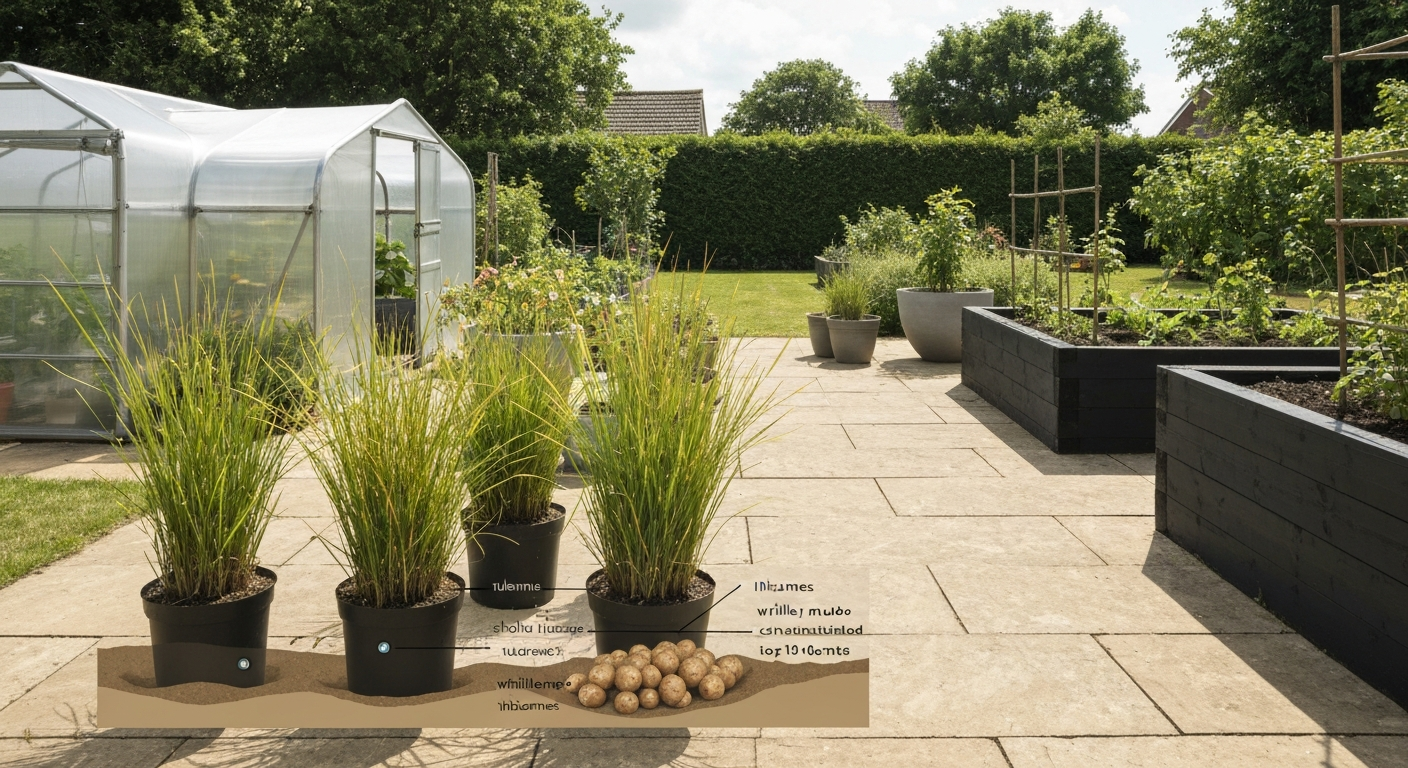
The plant itself looks like a clump of upright grass, typically reaching 20–60 cm tall, and spreads via underground rhizomes that terminate in tubers. It is that shallow rhizome system that makes it a manageable crop in pots and raised beds: more than 90% of tubers form in the top 10 cm of soil, and virtually all are found within 20 cm depth. That is actually good news for UK growers, because it means containers work well and harvest is straightforward.
Climate, light and soil, what tiger nuts actually need
Tiger nuts are warm-season plants that need long, reliably warm summers to thrive. The soil temperature needs to hit at least 6 °C before tubers will sprout at all, but active growth and tuber formation really only kick in consistently between 25 °C and 35 °C. That temperature range is the crux of the UK challenge: our summers rarely deliver those figures outdoors for any sustained period.
Day length matters too. Research shows that photoperiods shorter than roughly 12 hours encourage tuberization, while long days push the plant into producing more leafy, rhizome-derived shoots instead of bulking up tubers. Daylength strongly influences tuberization in Cyperus esculentus: shorter photoperiods (under ~12 h) promote tuber formation while long days favour vegetative/rhizome-derived shoot growth (Rhizome Differentiation in Yellow Nutsedge, Cambridge Core (Weed Science/Plant Sciences)) Rhizome Differentiation in Yellow Nutsedge — Cambridge Core (Weed Science/Plant Sciences). This is a double-edged sword in the UK: our long summer days (June in southern England can see 16+ hours of light) actually favour vegetative growth over tuber production, then as days shorten in August and September the plant wants to tuberize just as temperatures are dropping. Timing your planting to hit that sweet spot is the key to squeezing a decent harvest out of a British season.
For soil, tiger nuts prefer loose, free-draining, sandy or sandy-loam ground. Heavy clay is a problem on two fronts: it stays cold longer in spring, and compacted soil physically restricts the expanding tubers, reducing yield. Aim for a pH of 5.0–7.5, so slightly acidic to neutral is ideal. If your plot has a tendency toward waterlogging, that is a deal-breaker unless you raise your beds or use containers. Adequate moisture during tuber-bulking is important, but these plants do not want wet feet, especially in cooler UK conditions where wet soil stays cold longer.
Realistic expectations by UK region
The UK is not one climate. Met Office regional data makes clear that mean July temperatures and annual heat accumulation vary considerably between the south coast and the Scottish Highlands. Here is an honest breakdown of what you can realistically expect, region by region.
| Region | Outdoor viability | Best approach | Realistic outcome |
|---|---|---|---|
| Southern England (south coast, Thames Valley, Kent) | Good to moderate | Outdoor in sheltered, south-facing beds or containers | Decent harvest in a warm year; patchy in a cool, wet summer |
| Midlands (East and West) | Moderate | Containers or raised beds; polytunnel preferable | Light to moderate harvest with season extension; risky outdoors alone |
| North England (Yorkshire, Lancashire, North East) | Low outdoors | Polytunnel or heated greenhouse strongly recommended | Worthwhile harvest only under cover; outdoor results very inconsistent |
| Wales | Low to moderate | Polytunnel or sheltered coastal microclimate | Coastal south Wales may manage outdoors; inland/upland very difficult |
| Northern Ireland | Low outdoors | Polytunnel or greenhouse needed | Short warm season limits outdoor production significantly |
| Scotland | Very low outdoors | Heated greenhouse for reliability | Outdoor growing not practical; possible under cover in central belt in a hot summer |
I have spoken to growers in Kent and the Isle of Wight who have had genuine outdoor success in warmer years. The same year, growers in Lancashire reported minimal tuber formation from plants that looked healthy above ground but never got the soil heat they needed to bulk up. Region makes a real difference here.
Outdoor feasibility: when it works and when it doesn't
Outdoor tiger-nut growing in the UK is feasible in the right conditions, but it is not a low-effort crop. The growing season from sprouting to tuber maturity runs approximately 10–14 weeks. If you plant in late April (after last frost risk) in southern England, you are looking at harvest in late July to early September. That is a realistic window in the south, but it is very tight, and a cold wet summer like many the UK serves up will compress your yields significantly.
The specific failure modes I see repeatedly with UK outdoor growing are: planting too early into cold soil (below 10 °C slows sprouting badly and risks rot), planting too late and running out of warm season before tubers bulk up, and growing in heavy or waterlogged soil that stays cold and restricts root and tuber development. Sandy, south-facing raised beds with a dark-coloured mulch to absorb heat give you the best outdoor chance. If your soil is clay-heavy, do not bother outdoors, go straight to containers or polytunnel beds.
Outdoor planting timing for the UK: aim for late April to mid-May in southern England once soil temperature consistently exceeds 12–15 °C. In the Midlands, wait until mid-May. In the north, if you insist on outdoor growing, you are looking at late May and the odds are against you. Foliage turning yellow and dying back signals the tubers are maturing, that is your cue to harvest before the first autumn frosts arrive, typically in October across most of the UK.
Polytunnels and greenhouses: the reliable route
If you have access to a polytunnel or greenhouse, tiger nuts become significantly more achievable across a much wider range of UK regions. Under cover, you can start tubers earlier (late February to mid-March in a heated greenhouse, April in an unheated polytunnel), extend the warm season later into autumn, and most importantly maintain the soil temperatures that drive tuber bulking. In a polytunnel on a sunny day in southern England, soil temperatures can comfortably exceed 25 °C through July and August, that is the environment this crop is looking for.
The downsides of under-cover production are mainly practical: space competition with tomatoes, cucumbers and other crops that also want your best polytunnel beds in summer; the need to manage watering more carefully since tunnel conditions can dry soil quickly; and the risk of overheating if the tunnel is small and poorly ventilated. Tiger nuts will tolerate high temperatures better than most crops, but good airflow matters to prevent fungal issues at soil level, especially in UK-style damp autumns when you are waiting for tubers to mature.
For a heated greenhouse, RHS sowing guidance suggests starting warm-loving crops like this in mid-February to mid-March. For an unheated polytunnel, April planting makes more sense. In either case, using modules or small pots to start tubers off before transplanting into final beds gives you a week or two of extra growing time without the risk of planting into still-cold ground.
Container growing and patio production
Container growing is genuinely one of the better strategies for tiger nuts in the UK, and it plays directly to the crop's natural habit. Because over 90% of tubers form in the top 10 cm of soil, you do not need deep pots. What you do need is width, since each plant spreads laterally via rhizomes and you want room for tubers to form without being cramped.
A 30–40 cm wide pot (or larger trough) at least 25–30 cm deep works well. I have had good results with large plastic storage boxes with drainage holes drilled in the base, cheap, light enough to move, and wide enough for two to three plants. Fill with a mix of loam-based compost and sharp sand (roughly 60:40), which keeps the growing medium open and free-draining while retaining enough moisture during tuber bulking. Avoid peat-heavy composts that compact easily or heavy garden centre multipurpose mixes that stay wet.
The real advantage of containers is mobility. You can start them off on a warm windowsill or in a greenhouse in April, move them outside to a sunny, south-facing patio once the weather settles in May, and bring them back under cover in September if you want to extend the growing season before harvest. That flexibility is valuable in a UK climate where outdoor temperatures can swing unpredictably. Keep containers well watered during active growth and tuber bulking, and ensure drainage is genuinely free-flowing, sitting in waterlogged compost in cool UK conditions is a quick route to rotting tubers.
A practical growing plan: from tubers to harvest
Where to source starter tubers
Dried tiger nuts sold in health food shops will not germinate reliably, they have usually been heat-treated or dried too aggressively. Look for 'planting tiger nuts' or 'chufa seed tubers' from specialist UK seed suppliers and online garden retailers. A handful of UK seed companies and European chufa specialists (particularly Spanish suppliers who ship to the UK) sell viable planting tubers. Ordering in February or March ensures delivery in time for a late winter start under glass.
Planting and early care
- Soak dry planting tubers in lukewarm water for 24–48 hours before planting to rehydrate them and speed up sprouting.
- Plant tubers 3–5 cm deep in your prepared container or bed, spacing them 10–15 cm apart.
- In a heated greenhouse, plant from late February to mid-March. In an unheated polytunnel or on a warm windowsill, wait for April. For outdoor beds in southern England, late April to mid-May once soil is reliably above 12 °C.
- Expect sprout emergence in 6–14 days at adequate soil temperatures. If nothing appears after three weeks, the soil is probably too cold.
- Water consistently but do not let the growing medium become waterlogged. Allow the surface to dry slightly between waterings.
Feeding
Tiger nuts respond to nitrogen fertiliser, particularly in low-fertility sandy soils, but there is a balance to strike. High nitrogen pushes leafy, vegetative growth at the expense of tuber formation. A moderate balanced feed (such as a general liquid feed at half strength) during the first six weeks of growth is reasonable. As plants reach the tuberization phase (around weeks six to ten), reduce nitrogen and switch to a potassium-richer feed if using a liquid fertiliser, to support tuber development rather than top growth.
Harvesting and curing
Harvest when foliage yellows and dies back naturally, which in a UK season typically happens from late August onward in a polytunnel or September outdoors. For containers, tip the entire pot out onto a tarpaulin and sift through the compost for tubers. For beds, fork carefully through the top 20 cm. Wash tubers thoroughly in cold water, spread them in a single layer in a warm, ventilated spot (a greenhouse bench or airing cupboard works), and allow them to cure and dry for two to four weeks. Properly dried tiger nuts will last in a cool, dry store for many months.
Basic processing
To eat tiger nuts raw, rehydrate dried tubers by soaking in cold water for 24 hours, they soften up and take on a pleasantly chewy, sweet texture. To make chufa milk (horchata), blend soaked tubers with cold water (roughly 1 part tubers to 3 parts water), strain through a fine cloth or nut-milk bag, sweeten lightly if desired, and chill. It is genuinely tasty and a decent use for even a modest harvest. You can also roast dried tiger nuts at a low oven temperature (around 120 °C for 20–30 minutes) for a nutty snack.
What yield to expect
Under UK polytunnel or warm patio conditions with good management, expect somewhere in the region of 200–400 g of dried tubers per large container (40 cm pot). Commercial Spanish chufa fields yield several tonnes per hectare, which puts the hobby scale in perspective. For most UK growers, this is a crop you grow for the novelty and the flavour experience rather than to fill a freezer. A single large trough of three plants will give you enough for a batch of chufa milk and a bag of snacks, which is a satisfying result given what the UK climate is working against.
Microclimates, frost risk and overwintering your tubers
Frost will kill the above-ground parts of the plant instantly, but the tubers in the ground are slightly more resilient. In a very mild coastal area of southern England, tubers left in-ground may survive a light frost if they are under a thick layer of mulch, but this is a gamble I would not take in most of the UK. The safer approach is to harvest all tubers before the first autumn frosts (typically October across England, earlier further north), dry them as described, and store them somewhere frost-free over winter. Replant fresh from those stored tubers the following spring.
Microclimate choices make a real difference to outdoor performance. A south-facing wall in a walled garden in Hampshire is a fundamentally different growing environment from an open allotment plot in Leeds. Tactics worth using: plant against a south-facing wall to absorb and radiate heat, use dark-coloured raised beds (dark painted timber or dark plastic) to absorb solar radiation and warm the soil faster, cover the soil with a black polythene mulch before and after planting to drive up soil temperature, and use cloches or fleece during the first few weeks after planting to give tubers the best possible start. Garden Organic & RHS guidance on season extension and microclimate (UK horticulture sources) supports using south-facing walls, sheltered courtyards, raised beds, polytunnels/unheated greenhouses, and movable containers to create warmer microclimates for marginal tender crops in the UK. These tactics do not transform the UK climate, but they meaningfully extend the effective warm season at plant level.
One thing worth watching is the photoperiod effect on UK timing. Remember that long June and July days actually suppress tuberization. Planting in late April and letting plants establish through the long-day period means they should be entering the tuberization window right as days shorten in late July and August. If you plant too late (June or July), you compress the vegetative establishment phase and the plant may still be putting on leaf when temperatures start to drop. Earlier planting, with frost protection if needed, tends to give better results.
Common failure modes and how to avoid them
- Cold soil at planting: tubers rot rather than sprout if soil is below 10 °C. Always check soil temperature before planting outdoors.
- Overwatering in cool conditions: wet, cold compost promotes rot and slows growth. Ease off watering during cool spells.
- Too much nitrogen late in the season: high N pushes leafy growth and suppresses tuber bulking. Reduce feeding once plants are well established.
- Harvesting too early: immature tubers are tiny and barely worth the effort. Wait for full foliage senescence (yellowing and die-back).
- Using dried edible tiger nuts as planting material: these often have poor viability. Always use tubers sold specifically for planting.
- Heavy clay soil outdoors: restricts tuber expansion and stays cold. Amend heavily with sharp sand or use containers instead.
- Leaving tubers in-ground over a UK winter: very high risk of frost damage and rot. Always lift and store.
How tiger nuts compare to other nut crops in the UK
If you are exploring what nut or nut-adjacent crops are actually worth growing in the UK, tiger nuts sit in an interesting middle ground. Compared to growing monkey nuts (peanuts) in the UK, tiger nuts are more forgiving of slightly cooler conditions and are easier to harvest from containers since the tubers sit so shallow. Peanuts need even more consistent warmth and a longer growing season to pod up reliably in British conditions. General nut crops like hazelnuts, cobnuts and walnuts are a completely different category, being hardy trees that suit the UK climate far better than any of these warm-season exotics. Pine nuts, which come from specific pine species, are essentially not a realistic UK production crop given the decades-long establishment time needed. Niger seed (used primarily as birdseed) is a warm-season annual that faces similar UK climate constraints to tiger nuts, needing a long, warm season to set seed reliably. For more detail on that comparison, see guidance specifically addressing whether niger seed will niger seed grow in the UK and its climatic requirements.
So within this group of warm-season, non-traditional crops, tiger nuts are arguably among the more achievable for a UK gardener willing to use containers or a polytunnel. They reward effort with a genuinely useful edible product, and the shallow root habit makes them well-suited to the container and raised-bed culture that UK growers already rely on for heat-loving crops.
The honest verdict
Tiger nuts are possible in the UK. They are not easy, and outdoor production outside of the warmer southern and eastern regions is genuinely unreliable without season extension. For broader context on how various nut and nut-like crops perform across Britain, see can you grow nuts in the UK. But for a gardener with a polytunnel, a sun-trap patio or a well-placed raised bed in the south, this is a crop worth trying. Start with a few large containers, source viable planting tubers from a reputable supplier, time your planting correctly, and manage soil temperature carefully. You will not fill a pantry, but you will almost certainly harvest enough for a batch of homemade horchata and a very satisfying conversation about growing something genuinely unusual in Britain.
FAQ
Can you grow tiger nuts (Cyperus esculentus) in the UK?
Yes — but with caveats. Tiger nut is a warm‑season, shallow‑tubering plant that prefers high soil/root temperatures (optimum tuber bulking ~25–35 °C). Much of the UK is cooler than commercial growing regions, so reliable, high yields outdoors are unlikely except in very warm microclimates in southern England. For hobby/small‑scale production in the UK, growing in containers, polytunnels or greenhouses gives the best chance of producing respectable tuber crops.
Which UK locations and microclimates give the best chance of success?
Choose the warmest, sunniest sites: sheltered south‑facing walls, courtyards, raised beds in south or southeast England, and sheltered parts of the southwest or Midlands. If you have a heated greenhouse or well‑insulated polytunnel, success is much more likely. Avoid exposed northern/western sites if your aim is consistent tuber bulking.
Can tiger nuts be grown outdoors, in containers or under cover in the UK?
Outdoors: possible but yields are unreliable and often low unless you have an exceptional microclimate. Containers: a very practical option — shallow tuber habit (0–20 cm) means patio pots or grow bags work and containers can be moved to warmer spots. Under cover (polytunnel/greenhouse): best option in the UK — extends season and raises soil temperatures, improving tuber initiation and size.
When should I plant tiger nuts in the UK?
Timing depends on protection: - Heated greenhouse: start tubers in late Feb–Mar. - Unheated polytunnel/greenhouse or warm sunny windowsill: start April. - Outdoors/containers: plant from late May after all risk of frost and soils are warming (soil/root temps ideally >6 °C for sprouting; warmer for tuber bulking). Expect ~10–14 weeks from planting to tuber maturation in favourable conditions; under UK timings plan for a 3–4 month season.
How to source starter tubers or seed in the UK?
Buy disease‑free chufa/tiger‑nut tubers from specialist seed/tuber suppliers or reputable online sellers. Some health‑food stores sell edible chufa (dried) tubers that can be used as starter material but quality and viability vary. Look for suppliers that describe the stock as 'seed tubers' or direct‑sale growers. Check return/replacement policies and avoid using tubers of unknown provenance in soil if you’re concerned about pests/diseases.
What containers, soil mix and planting density should I use?
Container size: minimum 25–30 cm diameter and 25–30 cm depth (tubering occurs in top 0–20 cm). Use 1–3 plants per 30 cm pot or a 10–20 litre growing bag per 2–3 plants. Soil mix: a free‑draining, loam/sandy‑loam based mix with good organic matter — e.g., 50% multi‑purpose compost, 30% sharp sand/perlite, 20% loam/composted bark. pH: slightly acidic to neutral (around 5.0–7.5). Keep the medium loose to allow easy tuber formation and harvesting.
Next Article
Can You Grow Pine Nuts in the UK? Practical Guide for Gardeners
Can you grow pine nuts in the UK? Practical verdict, best species, site tips, harvesting, yields and alternatives.