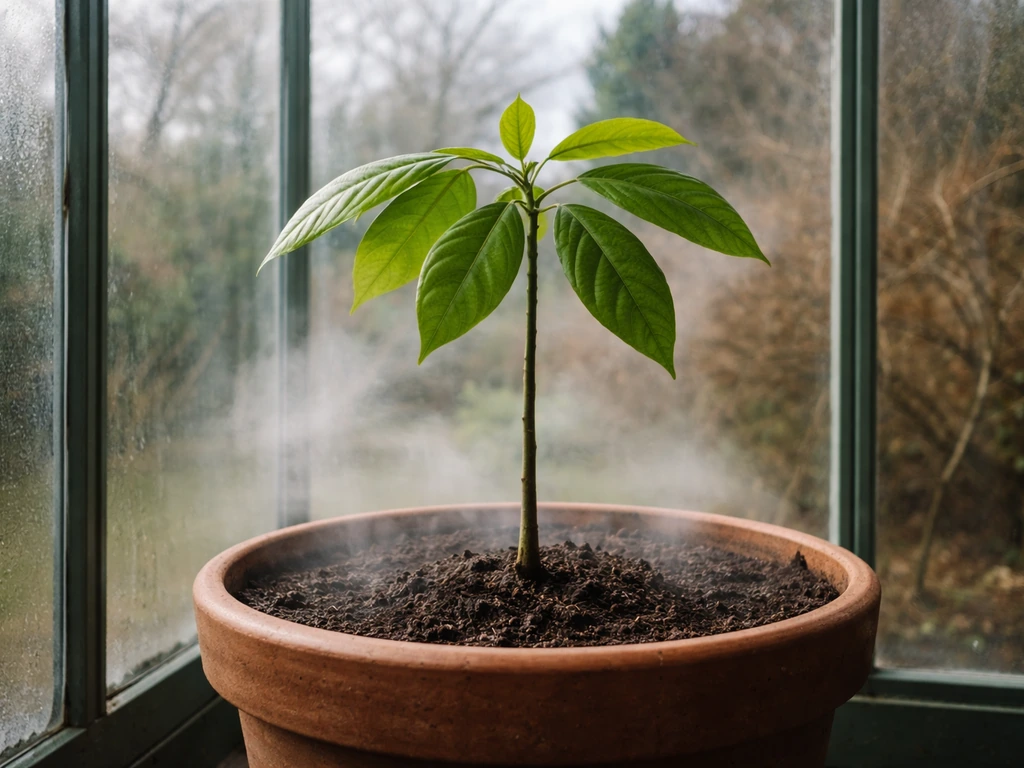
Niger seed (Guizotia abyssinica, also spelled nyjer) can grow in the UK, but only under the right conditions and only in the warmer parts of the country. In the South East, South West and other sheltered, sunny spots, you have a realistic shot at getting it to flower and set seed outdoors in a good summer. Further north, in the Midlands, Northern England and especially Scotland, the season is simply too short and too cool to reliably reach seed maturity without a polytunnel or greenhouse. Think of it less as a reliable crop and more as an ambitious summer experiment that rewards growers who understand its heat requirements and plan around them.
Will niger seed grow in the UK? Feasibility, sowing & harvest guide
James Hartwell
23 Jul 2026
Quick verdict: will niger seed grow in the UK?
Yes, conditionally. Niger is a warm-season annual from the Ethiopian and Indian highlands, and it needs a long, warm growing window that the UK can only partly provide. In southern England, direct outdoor sowing after the last frost is plausible and can produce mature seed in a favourable summer. In the Midlands it becomes marginal: you may get flowers but seed set is unreliable. In Northern England and Scotland, outdoor production without season extension is unlikely to reach physiological maturity before autumn sets in. The honest answer for most UK gardeners is: try it in the South, grow it under cover anywhere else.
Decision checklist: is niger worth trying where you garden?
Before you commit a bed or border to niger, run through these questions. They are based on the thermal and seasonal requirements the plant actually has, not wishful thinking.
- Are you in southern England (South East, South West, East Anglia, or a sheltered coastal site)? If yes, outdoor production is feasible.
- Do you have a polytunnel or greenhouse you can use from late spring? If yes, you can attempt niger almost anywhere in the UK.
- Can you guarantee a frost-free window from late May to at least mid-September — ideally longer? Niger needs roughly 100–120 days from sowing to maturity.
- Does your site get at least 6 hours of direct sun daily? Niger is a full-sun crop and will not perform in shade.
- Is your soil free-draining and not waterlogged? Niger tolerates drought better than wet feet.
- Are you buying seed from a specialist supplier and not just using bag-bought birdseed? Commercial birdseed is often heat-treated to prevent germination — it will not sprout reliably.
- Are you realistic about yield? Even in ideal conditions, a small bed will produce modest amounts — enough for feeding birds or pressing small quantities of oil, not a commercial harvest.
- If you're in the Midlands or further north, are you prepared to start plants under cover and use a polytunnel or cold frame for the full growing season?
What is niger (nyjer / Guizotia abyssinica)?
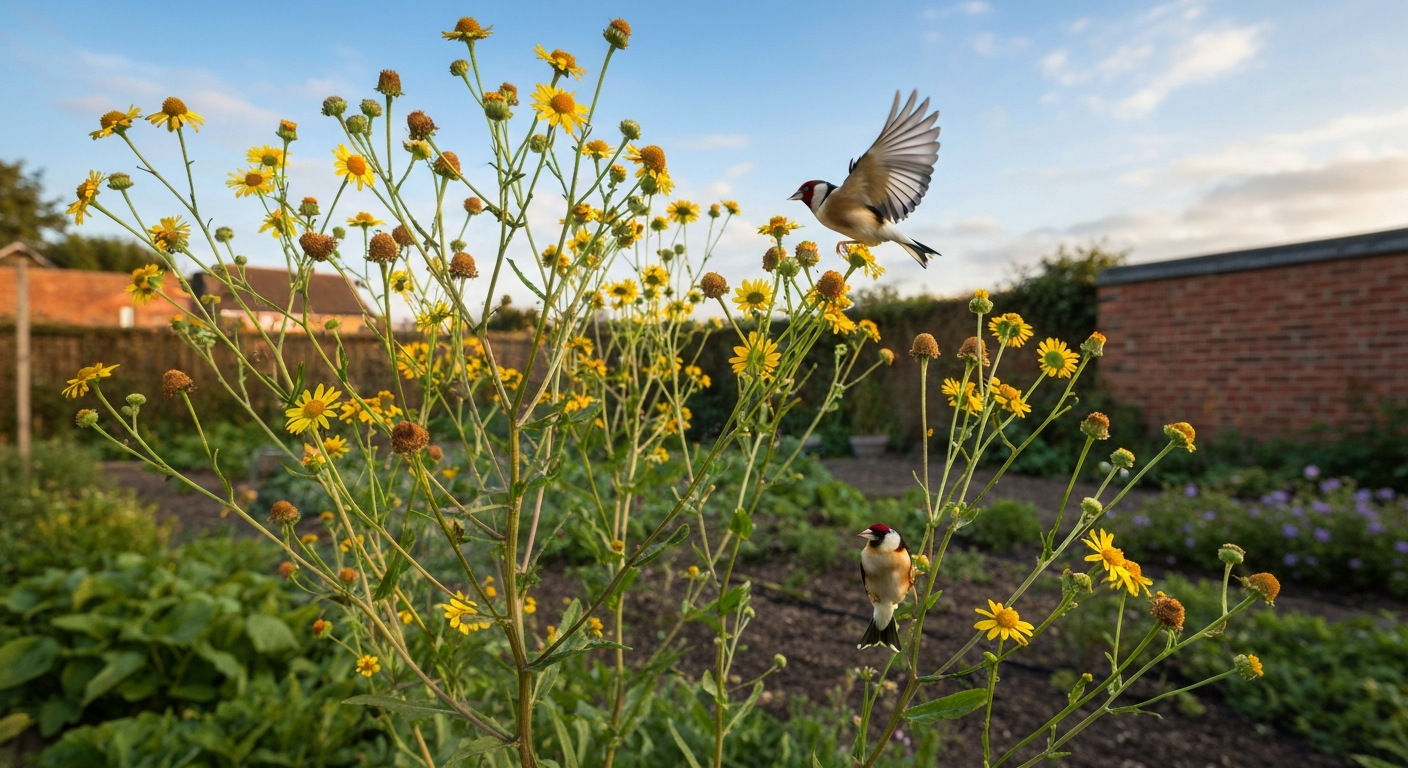
Niger is a stout, branching annual in the daisy family (Asteraceae), originally domesticated in the Ethiopian highlands and widely grown across the Indian subcontinent as an oilseed crop. It grows to roughly 1–2 metres in good conditions, producing masses of small yellow daisy-like flowers on branching stems. Each flower head develops into a small, narrow black seed, the nyjer seed you buy in bags for goldfinches and siskins. The plant is entirely frost-tender, dies at the first hard frost, and completes its life cycle in a single season.
The seed contains around 38–50% oil, which is used for cooking, soap-making and as a lubricant in parts of Africa and Asia. In the UK its main appeal is as wildlife feed, attracting finches that adore the oily seeds. Some growers also press small quantities of oil for culinary use. Because it is an annual with attractive flowers, it can also pull its weight ornamentally in a cutting patch or mixed border during the summer months.
What niger needs to thrive: climate, temperature and soil
Niger's thermal requirements are the biggest factor in deciding whether it works for you. Germination begins at a base temperature of around 8°C, but you really want your seedbed at 15–22°C for fast, reliable emergence. The optimum germination temperature is close to 29°C, far warmer than a typical UK April or May soil. Under warm greenhouse conditions (around 25°C) seed can emerge within a week, but in cool outdoor conditions germination is slow, patchy and vulnerable.
From sowing to physiological maturity takes approximately 100–120 days under field conditions, closer to 108–117 days in Ethiopian trial data. Phenology data in the study 'blank" rel="noopener noreferrer">Biology and population dynamics of Delia flavibasis (includes experimental phenology data for noug/Guizotia in Ethiopia)' report 108–117 days to physiological maturity in Ethiopian field trials. In practical terms, sow in late May outdoors in the South and you are targeting a harvest window of September to October, which is achievable in warm years but tight. Sow later and you risk running out of season before seeds ripen. Starting under cover in April and planting out in late May buys you a couple of extra weeks that can make the difference.
For soil, niger is not especially fussy but it prefers well-drained, moderately fertile ground. It is notably drought-tolerant once established, which actually suits many free-draining UK garden soils. What it does not tolerate is waterlogging, heavy clay that sits wet in summer will cause root problems. A slightly acidic to neutral pH (around 5.5–7.0) is ideal. It does not need rich soil; feeding it too heavily with nitrogen encourages leafy growth at the expense of seeds.
Frost sensitivity and microclimate guidance by UK region
Niger is completely frost-intolerant at every stage. A single ground frost will kill seedlings and damage mature plants. This is non-negotiable. The Met Office data makes it clear that frost risk, last frost dates, and accumulated growing degree days (GDD) vary dramatically across the UK, and those differences matter enormously for a crop with a 100-plus-day growing window.
| Region | Typical last frost | Outdoor sowing window | Realistic outlook |
|---|---|---|---|
| South East / South West England | Late March to mid-April | Late May, after last frost | Good — full outdoor season possible in warm years |
| East Anglia | Mid to late April | Late May | Reasonable — warm, dry summers help; frost risk low by June |
| Midlands | Late April to mid-May | Late May to early June | Marginal — may reach flower but seed set unreliable; polytunnel recommended |
| Northern England | Mid to late May | Early June at earliest outdoors | Poor outdoors — polytunnel or greenhouse strongly advised |
| Scotland | May, sometimes early June | Outdoor direct sowing not recommended | Very unlikely outdoors — protected culture only |
| Sheltered coastal sites (any region) | Earlier than regional average | Earlier by 2–3 weeks in favoured spots | Microclimates can shift feasibility by a full zone |
If you garden in a sheltered walled garden, against a south-facing brick wall, or on a coastal site with mild winters, your microclimate may outperform the regional average by enough to push niger into the feasible zone. A south-facing wall in Cornwall or a sheltered town garden in London genuinely does make a difference. In contrast, an exposed site in Yorkshire or a frost pocket in Scotland is not going to cut it outdoors, regardless of how warm the rest of the summer feels.
Outdoors, under cover or in containers: what works best?
Growing outdoors
Outdoor cultivation is the simplest approach and the most satisfying when it works. It suits southern England best. You need a sunny, sheltered bed, warm soil, and a sowing date timed after the last frost. The main risks are a late cold snap killing seedlings, a cool or wet summer slowing development, and autumn frosts arriving before the seeds fully ripen. In a good year on a good site it is absolutely achievable. In a poor summer, you may end up with lots of handsome flowers and frustratingly immature seed heads.
Growing under cover (polytunnel or greenhouse)
This is the route I'd recommend for anyone north of the Midlands and the sensible insurance policy for gardeners further south. A polytunnel gives you warmer soil temperatures, an extended frost-free season, and protection against the cold, wet spells that stall niger's development. You can start seeds in April under cover, get strong plants established, and have them cropping well before outdoor plants have even been sown. The downside is space, niger grows tall and branching, so it takes up room that could go to tomatoes or cucumbers.
Growing in containers
Container growing is possible but not ideal. Niger develops a substantial root system and branching habit that benefits from open ground. In large pots (30 litres or more) you can grow single plants, and the advantage is mobility: you can move containers into a greenhouse or conservatory if cold weather threatens. Containers also warm up faster than border soil in spring, which gives earlier sowing opportunities. Yields from container plants will be much lower than in-ground crops, but for ornamental interest or a handful of seeds for the birdfeeder it is a valid option.
| Method | Best suited to | Main advantages | Main drawbacks |
|---|---|---|---|
| Outdoor direct sowing | South East, South West, East Anglia | Simple, no infrastructure, full plant development | Season-dependent, frost risk, unreliable in cool summers |
| Under cover (polytunnel/greenhouse) | All UK regions, especially North and Scotland | Extended season, warmer conditions, frost protection | Space competition with other crops, ventilation needed |
| Containers | Any region with moveable protection available | Mobile, warms up fast, manageable scale | Lower yield, more watering needed, root restriction |
Sowing dates by UK region
Getting the sowing date right is probably the single most important practical decision. Sow too early outdoors and you risk cold soil slowing germination and late frosts killing seedlings. Sow too late and you run out of season before the seeds ripen. The table below gives practical windows based on regional last-frost averages and the crop's 100-to-120-day maturity requirement.
| Region | Start under cover (indoors/greenhouse) | Direct sow outdoors | Expected maturity window |
|---|---|---|---|
| South East England | Early to mid-April | Late May | September to early October |
| South West England | Early April | Mid to late May | September |
| East Anglia | Mid-April | Late May to early June | Late September to October |
| Midlands | Early April | Early June (marginal) | October — risky; under cover safer |
| Northern England | Late March to early April | Not recommended outdoors | Under cover only |
| Scotland | Late March to early April | Not recommended outdoors | Under cover only; long season required |
Starting seed under cover in April and then transplanting hardened-off plants outdoors in late May is worth considering even in southern England. You gain 4–6 weeks of growing time, which in a British summer can genuinely be the difference between ripe seed and a crop that never quite makes it. Harden off plants gradually over 7–10 days before outdoor planting, don't rush them from a warm propagator to a cold April night.
Sowing methods and seed handling
Niger seed is tiny, similar in size to the nyjer you might put in a feeder. This means it needs careful handling to avoid sowing too thickly or too deeply. The recommended sowing depth is 2–3 cm, which sounds straightforward but with seed this small it is easy to bury it too deep and get poor emergence. In practice, I aim for the shallower end: about 1–2 cm in a fine seedbed, with the surface firmed gently after sowing.
For direct outdoor sowing, prepare a fine, crumbly seedbed as you would for carrots or parsnips. Sow in rows spaced about 30 cm apart, with plants thinned to around 10 cm within the row once established. Broadcast sowing works too but makes weeding harder in the early stages. For sowing under cover into modules or trays, use a fine seed compost, sow 2–3 seeds per cell at 1–2 cm depth, and keep the tray at 20–25°C for best germination speed. At 25°C you can expect emergence within 7–10 days. At cooler temperatures (under 15°C) germination becomes slow and erratic.
One important practical note: niger seed sold as bird food is often heat-treated specifically to prevent germination, as part of import phytosanitary controls designed to prevent viable non-native plants spreading through waste feed. Canada's RMD‑13‑04 (Consolidated Pest Risk Management Document) notes heat treatment is used to render seed non‑viable in imported feed/seeds as a phytosanitary mitigation Canada's RMD‑13‑04 (Consolidated Pest Risk Management Document) notes heat treatment is used to render seed non‑viable in imported feed/seeds as a phytosanitary mitigation.. If you try to grow seed bought in bulk birdseed bags, germination rates will likely be very low or zero. Always source seed explicitly sold for growing, from a seed supplier or specialist grower, rather than assuming birdseed will sprout. This is a common and frustrating mistake.
Caring for niger plants through the season
Once seedlings are established, niger is relatively undemanding. Water regularly during dry spells through germination and early growth, but ease off once plants are established, the species is noted for its drought tolerance and dislikes sitting in wet soil. During flowering and seed development, consistent but moderate moisture helps seed set, so don't neglect watering entirely in a dry August.
Feeding is rarely necessary if you've prepared the bed reasonably. Over-rich soil or heavy nitrogen applications push leafy growth and delay flowering. If your soil is very poor, a single balanced feed at planting or a light dressing of a low-nitrogen fertiliser in early summer is sufficient. Niger does not generally need staking, it is described in agronomy literature as an erect, stout annual and stands up reasonably well on its own, though very exposed sites or very rich soil producing tall lush plants may benefit from light support.
Timeline from sowing to harvest
Expect roughly 100–120 days from sowing to physiological maturity. Field data from Ethiopian trials records typical maturity at 108–117 days. In UK conditions that translates to the following rough milestones for a late-May outdoor sowing in southern England:
- Week 1–2: Germination and emergence (faster in warm soils, slower in cool conditions)
- Week 3–6: Establishment and rapid vegetative growth; plants branch and build height
- Week 7–10: Flower buds appear; yellow daisy-like flowers open progressively across the plant
- Week 11–14: Seed development in earlier flower heads; later flowers continue opening
- Week 15–17 (September to early October): Seeds in early heads ripen and begin to drop; harvest window opens
- First hard frost: kills the plant; harvest any remaining seed heads immediately
Harvesting, drying and storing niger seed
Niger doesn't ripen all at once, heads on lower, earlier branches mature first while the plant is still flowering higher up. Watch for the seed heads turning from green to brown and the seeds starting to darken and harden. The tricky part is that ripe seeds shed quickly, so if you wait until every head is perfectly ripe you'll have lost a significant portion. The practical approach is to harvest entire stems or plants when the majority of heads look brown and mature, then allow them to finish drying in bunches hung upside down over a sheet or tray indoors. Seeds that aren't quite ripe will often continue to mature in the head after cutting.
Once dry, thresh the heads by rubbing them between your hands or tapping the bunches against the inside of a bucket. Winnow lightly to remove chaff. Store the clean seed in a dry, airtight container away from light and damp. Well-dried seed keeps for a year or more. If you're saving seed for the following year's sowing (assuming your source is garden-grown, not birdseed), test germination rates in late winter before committing to a full sowing.
What to expect from your harvest: yields and uses
Commercial yields in Ethiopia and India range from around 200–500 kg per hectare under typical smallholder conditions, with improved varieties under good management reaching 800–1,000 kg/ha in trials. For a UK garden plot those figures translate to very modest harvests. A 10-square-metre bed in a good summer might yield a few hundred grams to a kilogram of dried seed, enough to fill a bird feeder repeatedly over winter or to press a small amount of oil, but not a significant food crop by any measure.
The main uses for home-grown niger in the UK are birdseed (goldfinches, siskins and redpolls are particularly drawn to it) and, if you have enough seed and the right equipment, cold-pressed oil for culinary or cosmetic use. It works well as a cut-flower annual in a cottage-garden setting, and the late-season flowers are attractive to bees and hoverflies. It's worth growing for the ornamental and wildlife value even if your seed yield is modest.
Pests, diseases and common problems in UK conditions
Niger is not heavily plagued by UK pests, which is one of its advantages as an unusual crop. The main issues I'd flag for UK growers are:
- Slugs and snails: the usual suspects target seedlings, especially in wet springs. Protect young plants with copper barriers, grit, or nematode treatments.
- Aphids: can colonise soft growth in warm weather. Usually manageable with a strong water spray or organic aphicide; natural predators such as ladybirds often control populations without intervention.
- Grey mould (Botrytis): a risk in polytunnels or in wet, humid conditions, especially on damaged or stressed plants. Ventilate well and remove damaged material promptly.
- Poor germination: usually caused by cold soil, over-deep sowing, or (most commonly) using heat-treated birdseed rather than viable growing seed.
- Failure to set seed: the most common disappointment in UK conditions. Almost always caused by insufficient heat accumulation — a result of sowing too late, a cool summer, or growing too far north without protection.
- Birds eating the crop: somewhat ironic given the crop's purpose, but finches and sparrows will target ripening seed heads. Netting may be needed in the final weeks before harvest.
Where to source viable niger seed in the UK
This is where many people come unstuck. As mentioned above, virtually all nyjer/niger sold in birdseed products has been heat-treated or otherwise processed to prevent germination, this is an import control measure to stop viable non-native seed entering the food chain or spreading via waste feed. Buying a bag of birdseed and sowing it will almost certainly fail. You need to source seed explicitly labelled and sold for cultivation, from a UK or European seed supplier.
Search for Guizotia abyssinica or niger seed in the vegetable, oilseed or experimental crop sections of specialist seed suppliers. A handful of UK seed companies and herb/unusual plant specialists stock it. Quantities available are usually small and stocks can be inconsistent, so order early in the year. If you find a source, buy enough to allow for the variable germination rates typical of the species, and test germination before committing your main sowing.
Practical alternatives if niger won't work for you
If your region or garden conditions make niger too much of a gamble, there are other oilseed and wildlife-friendly annuals that are better suited to UK conditions. If you're exploring alternatives, you might also be interested in can you grow tiger nuts in the UK for guidance on cultivating Cyperus esculentus as another edible, wildlife-friendly option. If you’re also asking 'can you grow nuts in the UK', see our guide on growing nut trees for regional suitability and practical tips. Sunflowers (Helianthus annuus) are far more reliable, ripen readily across most of England and Wales, and produce seed loved by the same birds that visit niger feeders. Phacelia is a brilliant pollinator annual that is easy to grow anywhere in the UK. Borage produces seed with a useful oil content and is far less demanding about heat. For wildlife, a mix of teasel (Dipsacus fullonum) and native thistles grown in a wilder corner will attract finches just as effectively as a niger crop. See also our guide on can you grow pine nuts in the UK for another edible-seed option that some UK gardens can support.
If you're interested in unusual oilseed crops more broadly, it's also worth knowing that growing nuts and nut trees in the UK throws up a similarly complex set of regional questions, from monkey nuts and tiger nuts to pine nuts, all of which have their own climate requirements and regional feasibility considerations across British growing zones.
The bottom line for UK growers
Niger seed is genuinely growable in the UK, but it asks a lot of you and is not forgiving of marginal conditions. If you're in the south, have a warm sunny bed, source proper growing seed (not birdseed), and time your sowing carefully, you have a real chance of producing a crop that flowers beautifully and yields enough seed to be genuinely useful. Further north, invest in a polytunnel or greenhouse and treat it as a season-long protected crop. Anywhere else, set your expectations accordingly: this is a fun experiment, not a reliable harvest. The plants are attractive, the wildlife value is genuine, and the satisfaction of growing something that most UK gardeners never attempt is real, just go in with clear eyes about what the British climate will and won't give you.
FAQ
Will niger seed (Guizotia abyssinica) grow in the UK?
Short answer: Yes — but conditionally. Niger is a warm‑season annual that can germinate and mature in the warmest, frost‑free parts of the UK (southern and south‑west England) or reliably when grown under protection (polytunnel/greenhouse) or started early in containers. In cooler or northerly regions outdoor direct sowing is likely to be marginal or fail to reach seed maturity before autumn frosts.
What is niger (nyjer/noug) and why might I want to grow it?
Niger (Guizotia abyssinica) is an erect, branching annual in the Asteraceae family with yellow composite flowers. It is grown for small, oil‑rich seeds used as birdfeed (goldfinches) and for oilseed. It is drought tolerant once established but needs warm conditions for germination and seed set.
What are the key climate and temperature needs?
Germination and quick establishment prefer seedbed temperatures between about 15–28°C; lab studies put the base germination temperature near 8°C and optimum around 25–29°C. Time to physiological maturity is typically ~100–120 days in production environments — so sufficient warm growing‑degree‑days and a frost‑free season are important.
Can I sow niger outdoors in the UK and when should I sow?
Outdoor direct sowing is plausible in the warmest UK regions. Sow after the last risk of damaging frosts and when soil has warmed — typically late May to June in southern/south‑west England. In Midlands it is marginal; in northern England, Wales highlands and Scotland outdoor sowing is unlikely to reach reliable maturity.
Should I start niger under cover or in containers?
Yes — starting in modules or under cover (greenhouse/polytunnel) gives the best chance of success outside the warmest microclimates. Sow indoors in early–mid spring (April–May) and transplant out after last frosts, or keep the crop under protection for the season to ensure adequate warmth and a longer growing window.
What sowing depth, spacing and seed rate should I use?
Sow seeds shallow: about 2–3 cm depth. For small plots or trials plant in rows with 20–30 cm inter‑row spacing and 10–20 cm within‑row spacing for upright habit; for smallholder or birdseed aim for seeding densities that give stand similar to 200–400 kg/ha seed rates used commercially (home/garden scale adjust by seed count — a light, well‑spaced stand is fine). Broadcast sowing is possible but thins and gaps reduce yield.
Next Article
Can You Grow Nuts in the UK? Brazil Nut Reality Check
Can you grow nuts in the UK? Brazil nut tree reality, UK climate limits, greenhouse odds, and a practical start plan.