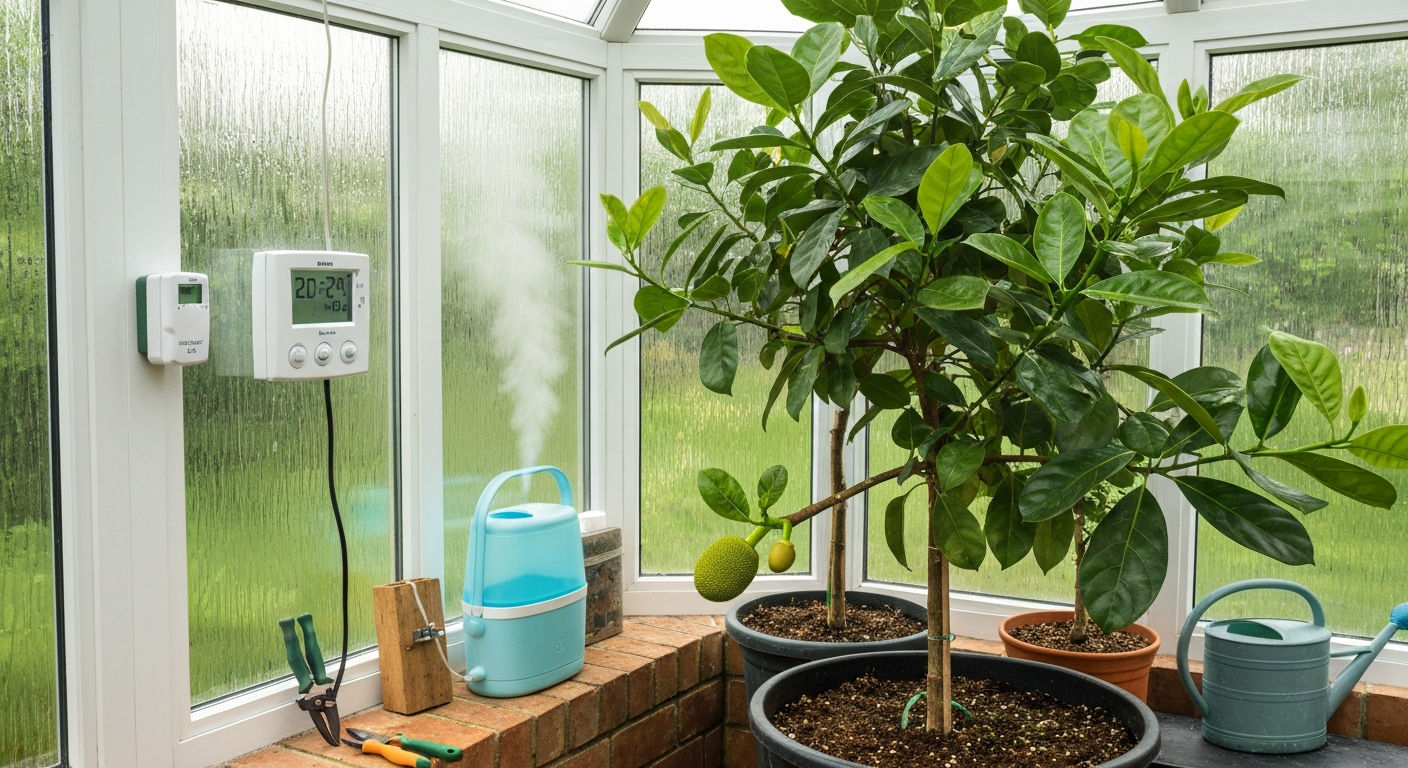
Yes, you can grow nuts in the UK, hazelnuts, walnuts, sweet chestnuts, and almonds all do reasonably well here. But if you're specifically wondering about Brazil nut trees (Bertholletia excelsa), the honest answer is: you can grow one, but you will almost certainly never eat a nut from it in the UK. The tree is a genuine Amazonian rainforest giant with requirements so far outside what British weather offers that fruiting is essentially off the table, even in the best greenhouse.
Can You Grow Nuts in the UK? Brazil Nut Reality Check
James Hartwell
10 Jul 2026
The UK climate reality for growing nuts
The UK is actually decent nut-growing territory for temperate species. The Gulf Stream keeps coastal and southern areas mild enough to support walnuts, hazelnuts, sweet chestnuts, and even almonds, all of which BBC Gardeners' World lists as achievable in British gardens. The challenge isn't so much winter survival for those species; it's late spring frosts hitting at the wrong moment. Walnuts are a perfect example: the RHS notes they're fully hardy in the UK, yet a single frost during flower set can wipe out your year's harvest. That's the UK nut-growing reality in a nutshell, survival is usually fine, fruiting is where things get complicated.
Now stack that against a tropical species. The UK's Met Office long-term averages (1991–2020) put the average UK winter temperature at around 4°C, with regular air frost days across most of the country from November through March. The Met Office provides location-specific long-term averages using UK 1991, 2020 climate normals, including metrics such as days of air frost, which can help quantify winter cold and frost risk for a particular UK location Met Office long-term averages (1991–2020) for winter temperature and air frost days. Scotland averages 23 days of lying snow per year; even the milder south gets 13+ days. Record lows are brutal, -22.7°C in Wales, -22.2°C in the Scottish Highlands. Any plant that needs a year-round minimum of roughly 16–18°C and hates even a brief frost is going to struggle enormously in that context.
What Brazil nut trees actually need
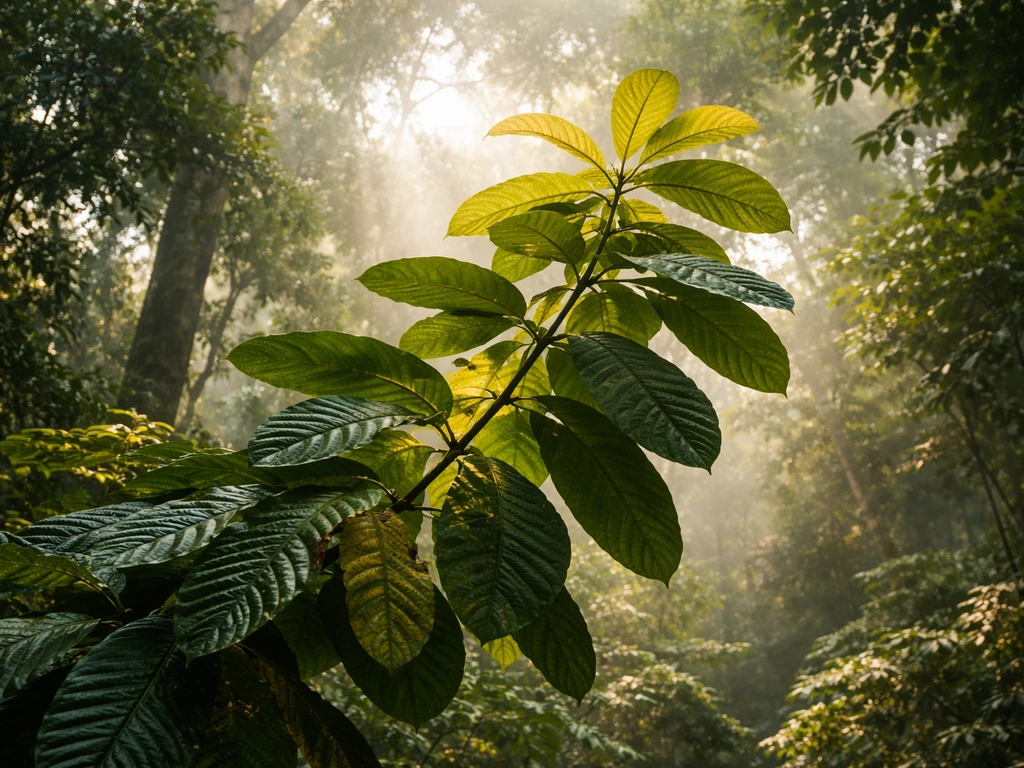
Bertholletia excelsa is a canopy giant from the Amazon basin, it can reach 50 metres in its native habitat. Understanding its requirements makes it immediately obvious why the UK is such a poor fit.
| Requirement | What it needs | What the UK offers |
|---|---|---|
| Temperature | Year-round warmth, minimum ~16–18°C; no frost tolerance | Average winter 4°C; frost in almost all regions Nov–Mar |
| Rainfall | High annual rainfall (1500–2000mm+), well-distributed | Variable; south gets ~600–800mm, often poorly distributed seasonally |
| Soil | Well-drained terra firme (non-flooded) forest soil | Heavy clay common; waterlogging risk is high |
| Light | Full tropical sun, long photoperiod | Short winter days; overcast summers in most regions |
| Humidity | High ambient humidity year-round | Low relative humidity especially in winter heating season |
The soil point is worth stressing. NYBG notes that Brazil nut trees prefer non-flooded (terra firme) forest, they do not like waterlogged roots. UK winters, with their combination of cold and persistent wet, hit this species from two directions at once. Cold roots sitting in saturated clay is about the worst possible environment for a tree evolved on free-draining Amazonian forest floors.
Outdoors, greenhouse, or indoors, what's actually feasible?
Growing outdoors in the UK
Forget it, even on the Scilly Isles. In practice, will a Brazil nut seed grow in the UK? You can only keep one alive in a heated setup, and even then fruit is unlikely Forget it, even on the Scilly Isles.. There is no outdoor location in the UK where a Brazil nut tree will survive a full winter, let alone thrive. The mildest parts of Britain, the south Cornwall coast, parts of the Channel Islands, coastal areas of south-west Ireland, do push winter minima above freezing more reliably than the rest of the country, but they still drop to 2–4°C regularly, and occasional hard frosts arrive even there. One hard frost below about -1°C will kill a young Brazil nut tree outright. The RHS is clear that tender tropical plants need full protection in all but the very mildest microclimates, and even then the risk is high.
Growing in a heated greenhouse
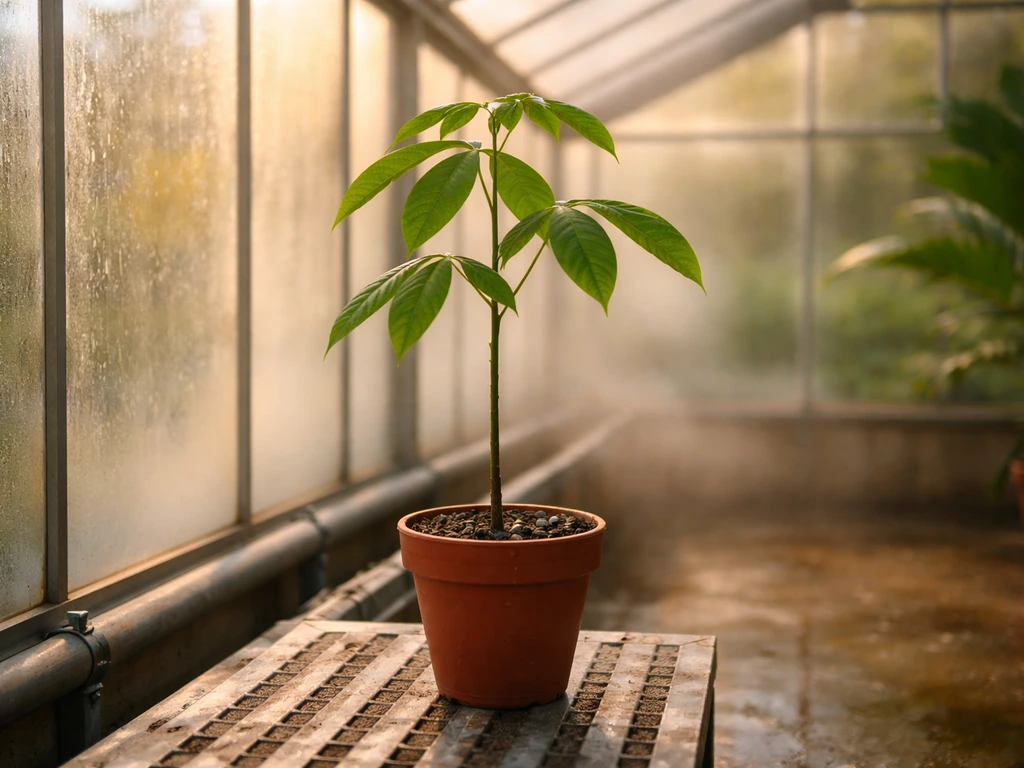
This is the only realistic route for keeping a Brazil nut tree alive in the UK, and institutions like Oxford Botanic Garden do house tropical species in heated glasshouses precisely because you can control temperature, humidity, and conditions. You would need a tropical glasshouse kept at a minimum of 16–18°C through winter, with high humidity and good light. A domestic heated greenhouse can work for keeping a young tree alive, but the heating bills over a British winter would be substantial, and you'd still be working against the short day length and lower light intensity compared to the tropics.
Here's the bigger issue with the greenhouse route: even if you keep the tree alive for decades, fruiting is almost impossible in a UK setting. Brazil nut trees flower in their 5th or 6th year but typically don't bear fruit until they're 10–20 years old according to FAO data. And when they do flower, pollination is the killer problem. Bertholletia excelsa is predominantly cross-pollinating and requires specific biotic pollinators, large-bodied bees including Bombus, Centris, Xylocopa, and Epicharis species, to transfer pollen between flowers. Research confirms that self-pollination and restricted pollination treatments produced zero fruit set. Those pollinators don't exist in UK greenhouses. The practical conclusion: you might grow a beautiful specimen tree in a large heated greenhouse, but you're not going to harvest Brazil nuts from it.
Growing indoors as a houseplant
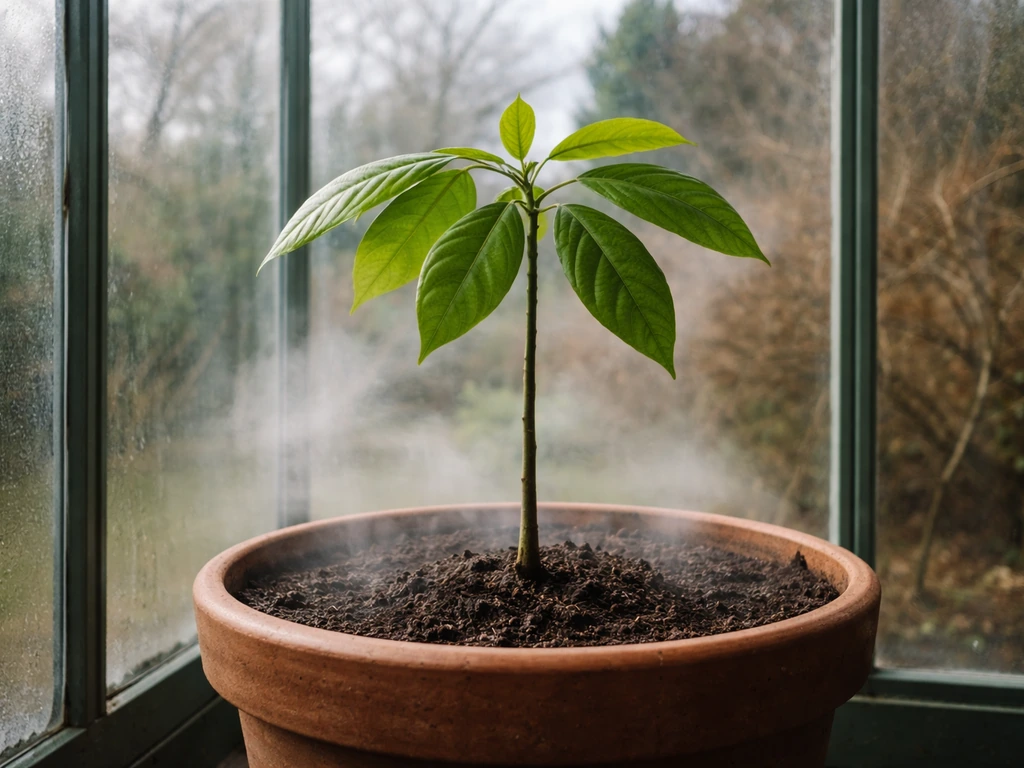
A young Brazil nut seedling can be kept as an indoor plant for a few years, it's actually a reasonably attractive tropical foliage plant when small. You'd need a very warm, bright conservatory or heated room, high humidity (a pebble tray with water or regular misting helps), and a container with excellent drainage. Eventually the tree will outgrow any domestic space, these things want to be 50 metres tall. Think of this as a curiosity project, not a food production exercise. The short answer is that you can only realistically grow pine nuts in the UK from the right stone pine varieties, and even then they depend heavily on suitable conditions and time.
What you can realistically harvest instead
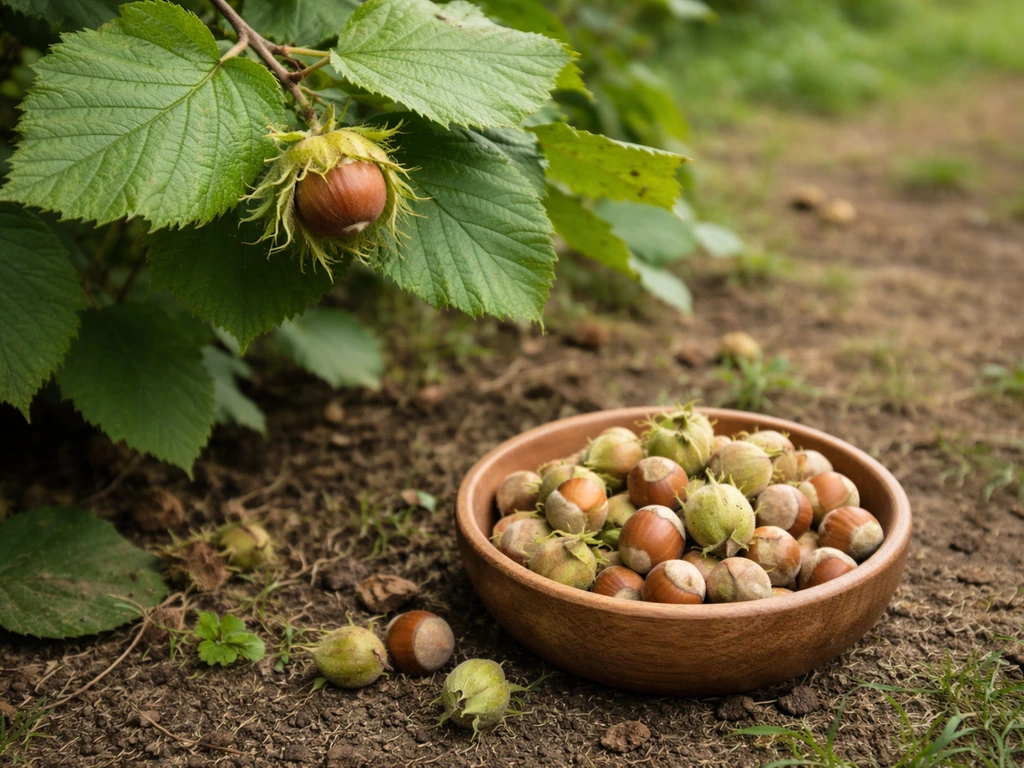
If you actually want to eat homegrown nuts, the UK has some genuinely excellent options. The following all have a realistic track record in British gardens and smallholdings.
- Hazelnuts (cobnuts and filberts): The easiest UK nut crop by far. Corylus avellana is native to Britain and thrives almost anywhere. Harvests are reliably possible from year 3–5 and the trees handle most UK soils.
- Sweet chestnuts (Castanea sativa): Well-suited to free-draining, slightly acidic soils in southern and central England. Harvest from around year 5–7. Needs a warm summer to ripen well.
- Walnuts (Juglans regia): Fully hardy across the UK. Slow to fruit (typically 7–10 years from seed, faster from grafted trees) but well worth the wait. Late frosts during flowering can reduce yield.
- Almonds (Prunus dulcis): More marginal, but achievable in sunny, sheltered spots in southern England. Wall-trained trees do best. Needs a warm, dry spring for good pollination and nut development.
- Pine nuts: Growing your own pine nuts in the UK is a very long-term project and a separate topic worth exploring in its own right.
- Tiger nuts (Cyperus esculentus): Technically a sedge rather than a tree nut, but worth mentioning — they can be grown in the UK and are an entirely different proposition to tree nuts.
- Monkey nuts (groundnuts/peanuts): Occasionally attempted in the UK, though the season is a challenge. This is covered in detail separately.
For most UK growers, hazelnuts and sweet chestnuts are the highest-value investment of time and space. They're genuinely productive, low-maintenance once established, and well-suited to the British climate.
Step-by-step: how to attempt a Brazil nut tree in the UK
If you still want to try growing a Brazil nut tree, for the challenge, the horticultural interest, or just to see if you can, here's how to give it the best possible shot.
- Source fresh seed or a young seedling (see the sourcing section below). Fresh, unroasted Brazil nuts from a reputable tropical seed supplier are your starting point. The nut you buy in a supermarket is heat-processed and will not germinate.
- Soak fresh seeds for 24 hours in warm water before sowing. Use a free-draining tropical mix — something like two parts peat-free multipurpose compost to one part perlite. Plant seeds on their side, about 2–3cm deep.
- Keep germination temperature consistently above 25–28°C. A heated propagator is very useful here. Germination can take 2–8 weeks and is notoriously unreliable even under ideal conditions.
- Once germinated, pot into a container with excellent drainage holes. Brazil nut seedlings are sensitive to waterlogging from the start. A mix of loam-based compost with added grit and perlite works well.
- Place in the warmest, brightest spot available — a heated conservatory, tropical greenhouse, or south-facing room with supplemental grow lighting in winter.
- Maintain minimum 16°C at all times. If your growing space drops below this, add a thermostatically controlled heater. In winter, even brief cold draughts can cause leaf drop and setback.
- Keep humidity high. Group plants together, use a humidity tray, or mist regularly. Central heating air in UK homes is very drying and directly opposed to what this tree wants.
- Repot every 1–2 years as the tree grows. These are fast-growing tropical trees and will exhaust a small container quickly.
- Accept that flowering, if it happens, will require compatible pollinators you almost certainly don't have. Enjoy the tree as a specimen rather than a productive crop.
How long until you get nuts, and what to actually expect
The timeline here is genuinely sobering. According to FAO data, Brazil nut trees typically begin to flower in their 5th or 6th year from seed. They begin to bear fruit somewhere between 10 and 20 years after planting. After flowering, the fruits (called pyxidia) take around 14 months to ripen and drop. So even in an ideal tropical environment, you're looking at a decade or more before you'd see a single nut, and that's with perfect conditions, correct pollinators, and cross-pollination happening successfully.
In a UK greenhouse, the realistic scenario is: you might keep a tree alive for many years with consistent effort, you might eventually see flowers if the tree reaches maturity and your conditions are good enough, but without the right bee species to cross-pollinate between at least two trees, you'll see zero fruit set. Research is unambiguous that hand self-pollination and restricted pollination treatments produce no fruit in this species. You'd need multiple trees, the right pollinators, and frankly more luck than most people have.
If you start today with a fresh seed, set your mental expectation at this: in 10–15 years, with consistent heat, humidity, and care, you might have a large, impressive tropical tree. Eating your own UK-grown Brazil nuts is not a realistic outcome for the vast majority of people attempting this.
Where to get seeds or seedlings, and what to watch out for
Finding viable seed
Your best source is a specialist tropical seed supplier, there are several UK-based ones that import and sell Bertholletia excelsa seed legally. Kew's Plants of the World Online records the species correctly as Bertholletia excelsa (Bonpl.), so check any supplier is selling the right species. Avoid anything described simply as 'Brazil nut' without the Latin name confirmed, as misidentification is common in the hobby seed trade.
The seeds need to be genuinely fresh to germinate. Brazil nut seeds lose viability relatively quickly once dried or processed. If you're buying from a supplier, ask when the seeds were harvested. Seeds more than 6 months old have sharply reduced germination rates. The Brazil nuts sold in UK supermarkets and health food shops are heat-treated during processing and are completely non-viable for planting, don't try it.
UK plant health rules and import requirements
This is important and often overlooked. Importing seeds or plant material from outside Great Britain is regulated by Defra's plant health controls. If you're sourcing Brazil nut seeds or seedlings from outside the UK, the consignment may require a phytosanitary certificate (PC) from the exporting country to confirm the material is free of pests and diseases. GOV.UK is clear that certain plants and plant-based products brought into Great Britain may need this documentation. If you're ordering from within the UK from a registered supplier, plant passports provide traceability and attestation for regulated material moved within GB. The practical advice: buy from a UK-registered specialist tropical seed company that already handles import compliance, rather than trying to import directly yourself. It avoids the bureaucracy and reduces biosecurity risk.
A quick note on handling
Brazil nuts themselves are safe to handle and eat in normal quantities, but the shells of fresh, unprocessed nuts can harbour Aspergillus mould, which produces aflatoxins. This is mainly a concern during storage and processing in large quantities rather than a casual gardening hazard, but it's worth knowing if you're handling imported raw seeds or nuts for planting. Keep them dry before soaking and planting, and wash hands after handling unprocessed shell material.
FAQ
If I can keep a Brazil nut tree warm enough in a greenhouse, can I still harvest nuts in the UK?
You might keep a young Brazil nut tree alive for years indoors, but fruiting in the UK is the bottleneck. Even with a heated greenhouse at 16 to 18°C, you still need cross-pollination, which normally requires large-bodied bees that are not available in typical UK glasshouses, so plan for a display tree rather than a food crop.
What’s the biggest mistake people make when trying to grow Brazil nuts in the UK?
Don’t rely on heat alone. Brazil nut trees dislike waterlogged roots, so a container or raised bed setup must drain extremely well (coarse mix, lots of perlite or bark, and no standing water). In UK winter conditions, persistent cold plus wet soil is more damaging than short cold snaps.
Can I pollinate one Brazil nut tree by hand in a greenhouse?
You generally need more than one mature tree to have any realistic chance of cross-pollination, because the species is predominantly cross-pollinating. If you only have a single tree, hand-pollination or self-pollination attempts will still not reliably produce fruit.
How long can a Brazil nut tree be kept in a domestic container before it outgrows the space?
A seedling can be kept as a houseplant for a while, but you should expect multiple stages of repotting and eventually a major space problem. These trees naturally become very tall, so even if you start in a pot, you need a plan for long-term conservatory size and structural support.
How can I tell if Brazil nut seeds I buy are fresh enough to germinate in the UK?
Buy seeds where the Latin name is confirmed as Bertholletia excelsa, and ask for the harvest date or at least the age of the seeds. Viability drops quickly, and seeds older than about 6 months often germinate poorly.
Do I need paperwork to import Brazil nut seeds into Great Britain?
If you want to do it legally and reduce biosecurity problems, use a UK-registered specialist supplier that already handles import compliance. Direct importing from outside Great Britain can require a phytosanitary certificate (PC) and other documentation depending on what you’re importing.
Can I plant Brazil nuts from the supermarket to grow a tree?
Normal edible Brazil nuts from supermarkets or health stores are usually heat-treated, which makes them non-viable for planting. For growing, only use seeds supplied explicitly for propagation with viability information.
What UK-grown nut options are actually realistic for home harvest?
If your goal is to eat homegrown nuts, focus on temperate species. Hazelnuts and sweet chestnuts tend to be the highest-value beginner options in the UK, because they’re more aligned to local climate limits and don’t rely on tropical pollinator species to set fruit.
What humidity and light conditions should I plan for if I try keeping a young Brazil nut indoors?
For a tropical seedling in the UK, aim for stable warmth and high humidity, not intermittent swings. A pebble tray can help locally, but consistent misting, adequate ventilation to prevent fungal problems, and high light from winter onward matter just as much as the temperature.
When would a Brazil nut tree start producing nuts, even under ideal conditions?
Expect no harvest for many years. From seed, flowering is typically around the 5th to 6th year, and fruiting can be 10 to 20 years after planting, with roughly 14 months for fruit ripening after flowering, assuming pollination works.
Next Article
Can You Grow Jackfruit in the UK? Practical Guide for Gardeners
Can you grow jackfruit in the UK? A practical guide to where it's possible, greenhouse/container methods and realistic期待