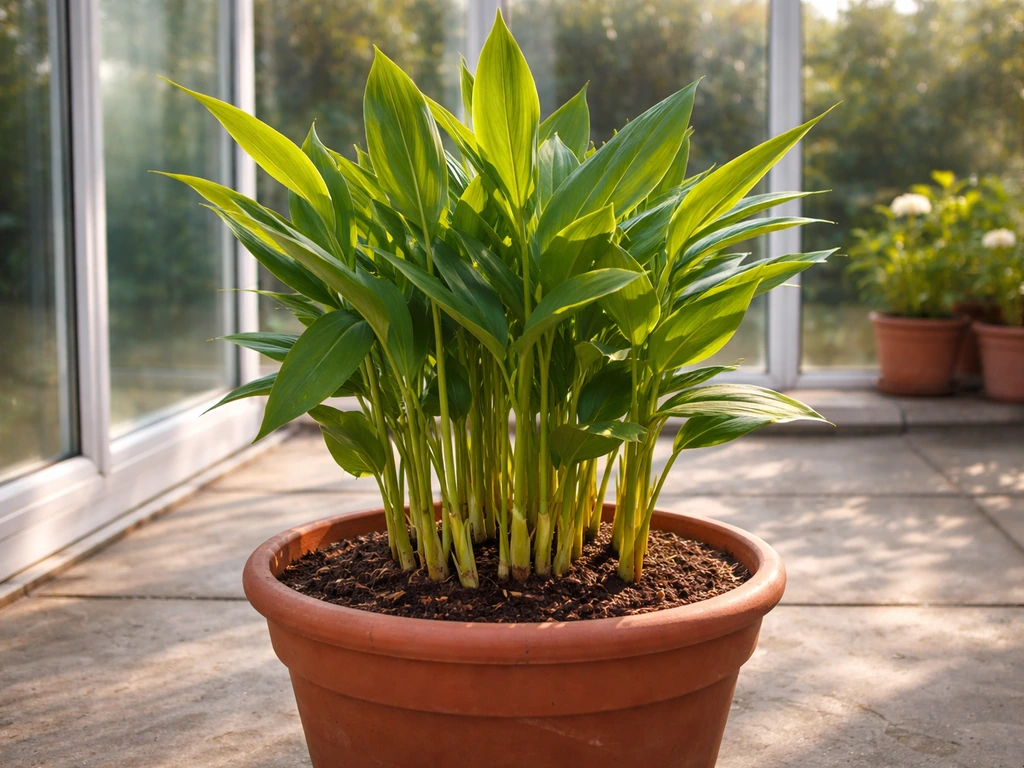
Yes, you can grow a jacaranda tree in the UK, but not in the ground outside and not without effort. The realistic path is a large container, a warm sunny spot outdoors from late May to September, and a heated greenhouse or conservatory to overwinter it above 5°C. Do that, and you get a genuinely spectacular foliage plant (and with luck, flowers). Skip the overwintering plan, and it will die the first hard frost it meets.
Can You Grow Jacaranda Tree in the UK? Real Advice
James Hartwell
27 May 2026
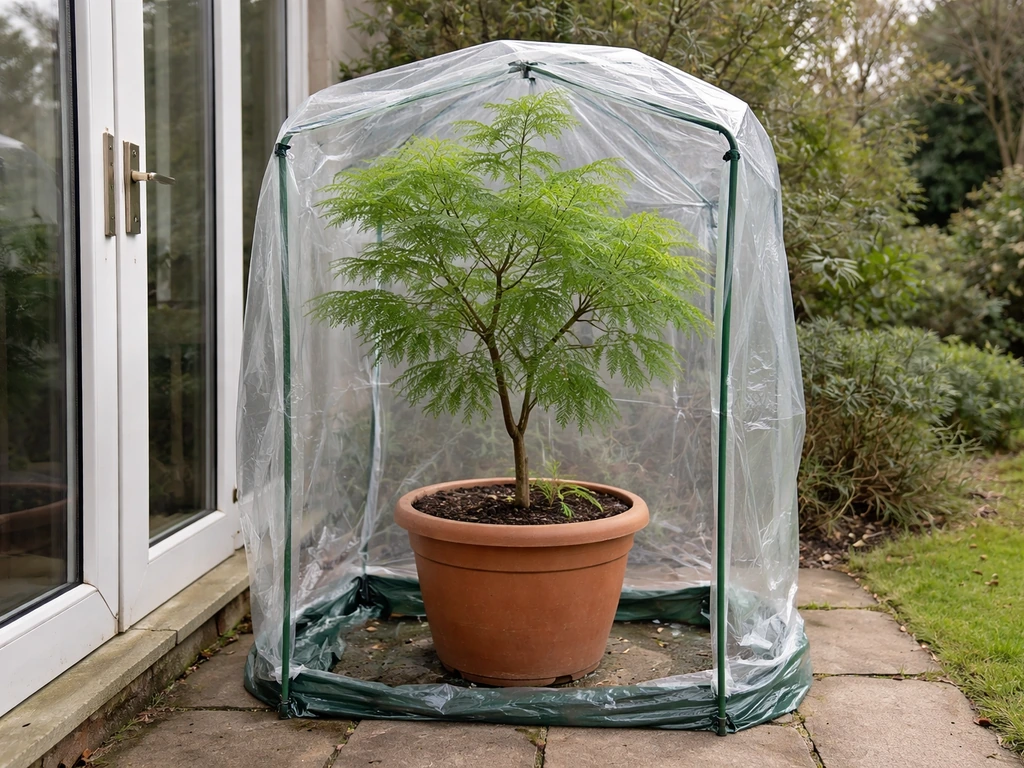
Will a jacaranda actually survive UK conditions?
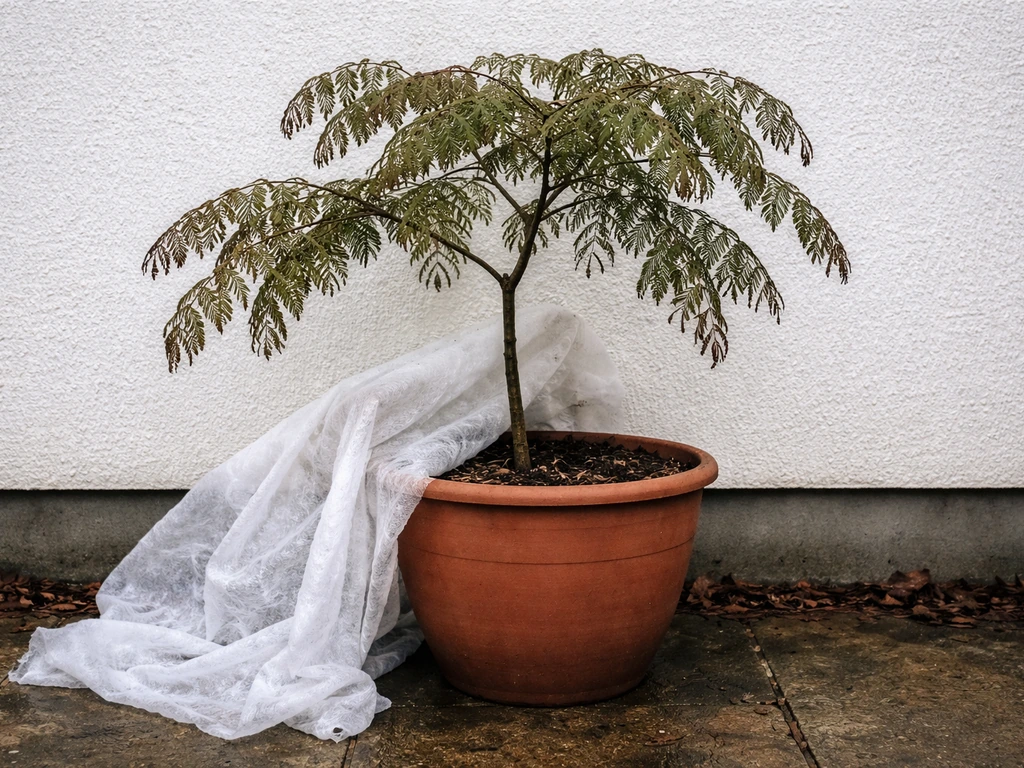
Jacaranda mimosifolia is classed as frost tender by the RHS, which means it needs a minimum night temperature of around 5°C in winter to survive. That alone rules out leaving one outside year-round almost anywhere in the UK. Even in the mildest corners of the south coast, winter nights regularly drop well below that threshold, and a hard freeze will kill the plant outright. The Met Office data shows Southern England averages fewer than 30 air-frost days a year in the most sheltered spots, which sounds promising until you realise even one unprotected night at -3°C can be enough to finish a jacaranda off. In Scotland and most of the Midlands and North, the picture is bleaker still.
There is some marginal tolerance in the compact variety 'Bonsai Blue', which blank" rel="noopener noreferrer">Suttons and Dobies both note can briefly tolerate a dip to around -2°C. But 'briefly' is doing a lot of work in that sentence. Treat -2°C as an absolute emergency floor, not a target, and never rely on it as your winter protection strategy.
Why UK conditions make it genuinely difficult
The problem is not just cold. Jacaranda is native to subtropical South America and flowers in response to a combination of heat, drought stress, and long warm seasons. In the UK, the summer is often not hot enough or long enough to trigger flowering reliably, especially in a container. You can get the plant to grow well and look lush, but the famous purple blooms are not guaranteed even in a good year. Think of it less as a flowering tree and more as a beautiful ferny foliage plant that occasionally surprises you.
- Winter cold: temperatures below 5°C will damage or kill unprotected plants
- Insufficient summer heat: UK summers rarely deliver the sustained warmth jacaranda needs to flower
- Short growing season: plants barely hit their stride before you need to bring them back indoors
- Humidity and rainfall: UK wet summers can cause root rot if drainage is poor
Container vs in-ground: which approach works in the UK
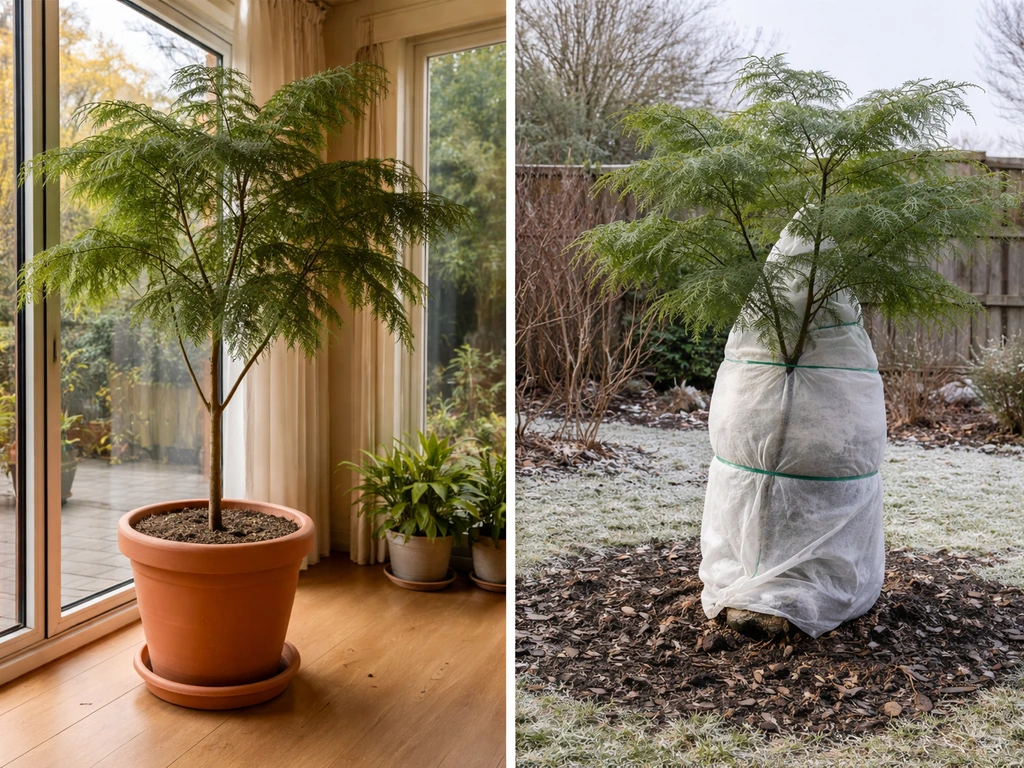
Containers win, full stop. Growing in a pot means you can move the plant indoors before the first frost, control the soil conditions precisely, and manage watering over winter. In-ground planting is only worth attempting in the very warmest, most sheltered UK microclimates, think the Isles of Scilly or the mildest coastal gardens of Cornwall and South Devon, and even then you would need significant frost protection infrastructure and would be taking a real gamble every winter.
For containers, the RHS and BBC Gardeners World both recommend working up gradually to a maximum pot size of around 45cm in diameter and height. Restricting the root run slightly encourages the plant to put energy into flowering rather than endless vegetative growth, which is exactly what you want. A south-facing patio, a walled garden with reflected heat, or a sheltered courtyard all give your jacaranda its best chance during the outdoor summer months.
| Method | Where it works | Frost risk | Flowering chance | Effort level |
|---|---|---|---|---|
| Container (moved indoors) | All UK regions with heated undercover space | Low if managed | Moderate | High but manageable |
| In-ground with frost cloth | South/SW England only, sheltered microclimates | High | Low to moderate | Very high |
| Permanent outdoor planting | Isles of Scilly, exceptional coastal spots only | Very high | Possible | Extreme, unpredictable |
The container method is the only one I'd genuinely recommend to most UK gardeners. Unless you have a genuinely exceptional microclimate backed up by local frost records, in-ground is more heartbreak than garden.
Getting started: seed or young plant?
You can grow jacaranda from seed, and it is satisfying when it works. Seeds have a hard coat, so give them a good soak in tepid water for 24 to 48 hours before sowing, and consider lightly scarifying the coat with sandpaper to help water penetrate.
Forest Research explains that hard-seeded species can have impermeable seed coats that prevent or significantly retard germination, which is why mechanical scarification or other pretreatments are often used hard-seeded species with impermeable seed coats prevent or significantly retard germination.
Sow into a free-draining seed compost and keep the temperature at around 25°C (a heated propagator is ideal). Germination usually happens within 4 to 6 weeks, though some seeds take longer. The downside is that seed-grown plants take several years to reach a size where flowering is even possible.
Buying a young plant or a named compact variety like 'Bonsai Blue' gets you ahead by a year or two and means you know exactly what you are getting. 'Bonsai Blue' is bred specifically for container culture and has a more compact habit, making it much more practical for UK growing conditions than a full-sized species plant. If your goal is flowers within a reasonable timeframe, start with a decent-sized young plant from a reputable supplier rather than a packet of seeds.
Caring for your jacaranda through the growing season
Compost and potting
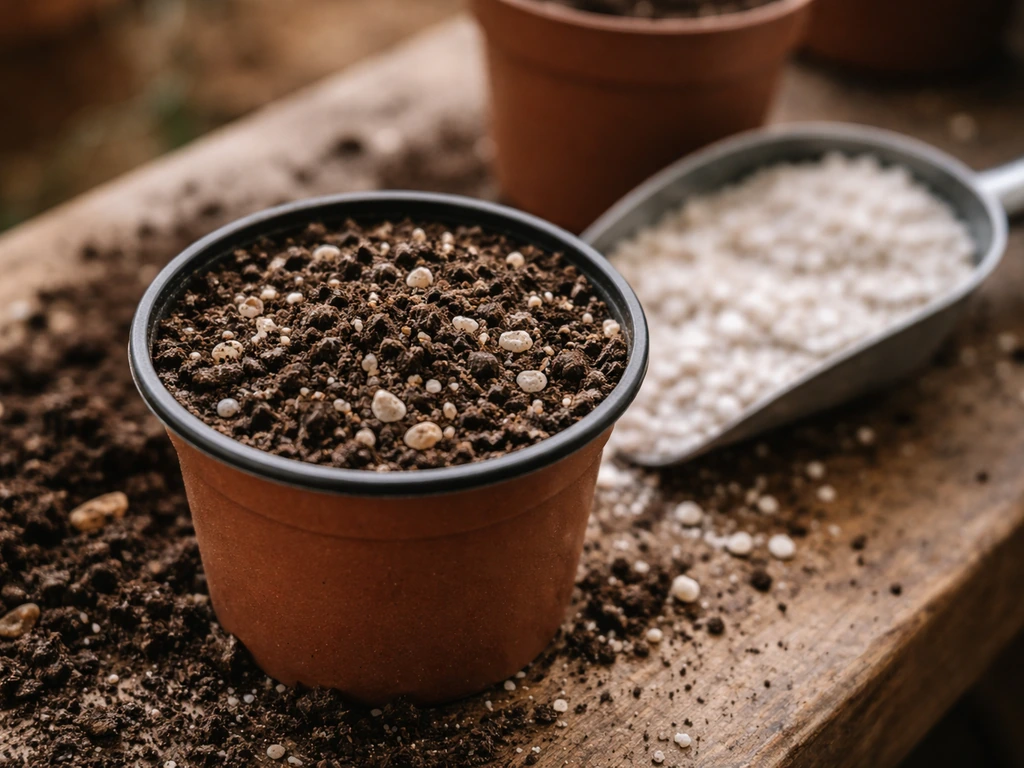
Use a peat-free John Innes No. 2 compost mixed with plenty of coarse grit or perlite. Both the RHS and BBC Gardeners World recommend this approach specifically for jacaranda, and the reason is drainage. These plants absolutely hate sitting in wet soil, and a free-draining mix prevents the root rot that kills more UK-grown jacarandas than frost does. Pot on into a slightly larger container each spring until you hit that 45cm maximum, then top-dress with fresh compost annually instead.
Light
Jacaranda needs as much direct sun as possible. If you are wondering specifically about galangal, the key questions are whether you can provide reliable warmth and protect it from frost. A south or southwest-facing position is essential outdoors, and when overwintering indoors, the brightest spot you have is the right spot. A well-lit conservatory is ideal; a dim garage or shed is not suitable and the plant will etiolate and weaken quickly without adequate light.
Watering and feeding
During the growing season (roughly late May to September outdoors in the UK), water moderately and allow the top few centimetres of compost to dry out between waterings. Feed with a balanced liquid fertiliser every two to three weeks through the summer to support healthy growth. Once you bring the plant indoors for winter, ease off dramatically, watering only when the compost has become almost bone dry. Overwatering in winter is a common cause of death.
Pruning
Jacaranda can be lightly pruned in early spring to maintain shape and encourage bushier growth. Avoid heavy pruning, as this can delay or prevent flowering. Pinching out the growing tips on young plants helps create a more compact, manageable shape, which is particularly useful when you are working with container culture and limited indoor space in winter.
The overwintering plan: how to keep it alive through a UK winter
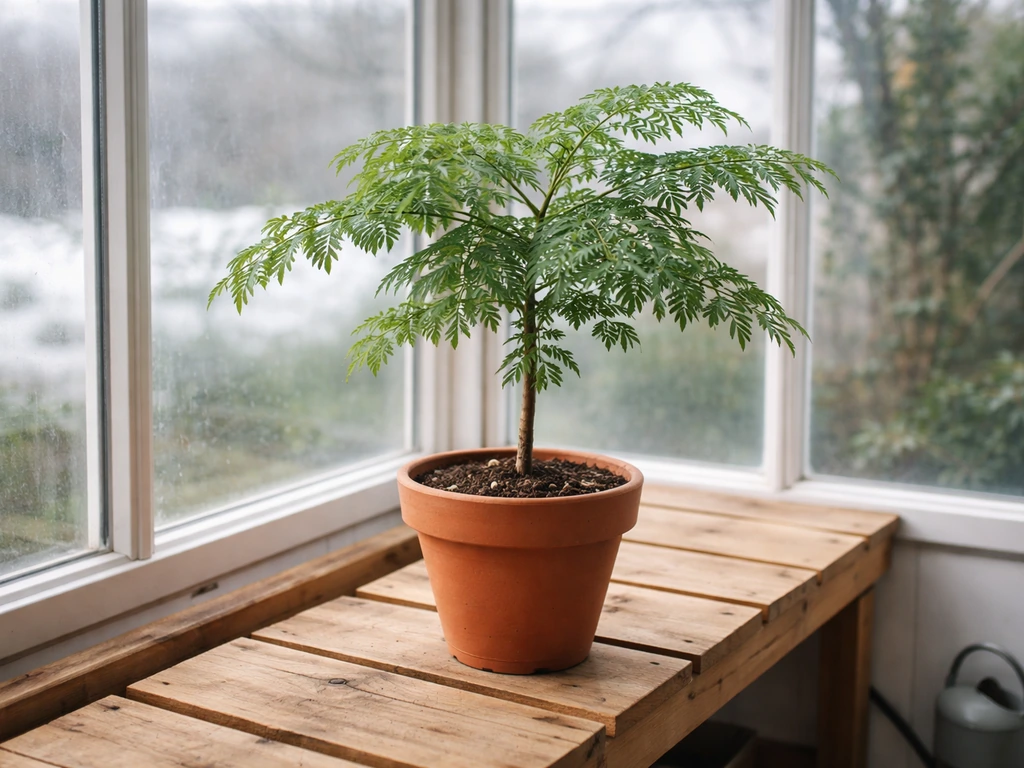
This is the make-or-break part of UK jacaranda growing. Before the first autumn frost (typically October in most of England, earlier in Scotland), move your plant into a heated greenhouse or conservatory where night temperatures will stay above 5°C. The RHS is clear that this is the minimum survivable temperature, and BBC Gardeners World reinforces that a well-lit, frost-protected environment is non-negotiable. An unheated greenhouse in most UK regions will not cut it through January and February.
Once indoors, the plant will likely drop some or all of its leaves. This is normal and not a sign of disaster. Reduce watering to almost nothing, only watering when the compost is completely dry. Keep it in the brightest available spot. Do not put it in a dark corner and forget about it. Check regularly for pests like red spider mite, which thrive in warm, dry indoor conditions and can decimate a plant over winter.
- Move indoors before the first frost, usually by mid-October at the latest
- Maintain a minimum night temperature of 5°C in a heated greenhouse or conservatory
- Place in the brightest spot available, direct light is ideal
- Water only when compost is bone dry, roughly once every 3 to 4 weeks
- Stop feeding entirely until spring
- Check regularly for red spider mite and treat early if found
- Move back outdoors once all frost risk has passed, usually late May
What to realistically expect and whether it's worth trying
If you have a heated greenhouse or a bright conservatory that stays above 5°C in winter, and a warm sheltered outdoor spot for summer, then a container-grown jacaranda is absolutely worth attempting. You will get beautiful fern-like foliage every year. Flowers are possible, but not guaranteed, and honestly quite unlikely without a very warm summer. Think of the blooms as a bonus rather than a baseline expectation.
If you do not have frost-free indoor space with good light, this plant will not make it through a UK winter. That is the honest answer. If you meant jujube, the UK is still very challenging, but I can explain what to look for and how to set up protection can you grow jujube in the uk. Compared to similarly exotic projects like growing jackfruit or gardenia in the UK, jacaranda is actually more achievable because it tolerates a cool dry winter dormancy rather than needing constant warm humidity, but it still demands commitment.
Your best starting move today is to get a 'Bonsai Blue' plant from a reputable UK supplier (Suttons and Dobies both stock it), pot it into a well-draining John Innes No. Gardenias have their own specific needs too, and UK gardeners usually need to give them the right acidic soil and protection to have any real chance of success. 2 and grit mix, put it in your sunniest outdoor spot now that we are in late May, and start planning where it will overwinter before October arrives. Do not leave the overwintering plan until the last minute. That is where most UK attempts fail.
FAQ
Can you grow a jacaranda in the UK outdoors in the ground if you cover it with fleece or bubble wrap?
In-ground outdoor overwintering is still very risky, even with covers. Jacaranda is frost tender and a single unprotected freezing night can kill it. Covers can reduce wind chill, but they do not reliably prevent the internal root and stem temperatures from dropping below the survival threshold, and they can also trap moisture that increases rot risk.
What is the lowest winter temperature a jacaranda can survive at in the UK?
Aim for winter nights staying above about 5°C. The compact ‘Bonsai Blue’ is sometimes reported as briefly tolerating around -2°C, but that should be treated as an emergency floor, not something to plan around. If your conservatory or greenhouse drops below 5°C for sustained periods, plan for additional heating or reject the spot.
Do jacarandas need to be watered normally during winter after they drop leaves?
No. Leaf drop in winter is common, and it is not automatically a sign of failure. Once indoors, water only when the compost is almost bone dry, then water thoroughly, and let excess drain away. Winter overwatering is a more common cause of death than cold.
My conservatory is bright but it gets chilly at night, what should I do?
If night temperatures can fall near or below 5°C, you need temperature control, not just light. A bright but unheated conservatory often is not enough through January and February. Consider supplemental heating, insulating the pot area, or keeping the plant in a space that stays above the minimum at night.
How big should the container be, and can I use a larger pot to speed things up?
Do not jump straight to the largest size. The practical maximum is around 45cm diameter and height, and potting on gradually helps the plant manage its root system. Oversized pots can stay wet longer, raising root rot risk, and too much unrestricted root growth can delay flowering by pushing vegetative growth.
Do I need grow lights if I cannot keep the jacaranda in a greenhouse or heated conservatory?
Grow lights can help, but they cannot replace frost protection. If you do not have a frost-free, heated space, the limiting factor is cold tolerance, not just light. Lights are useful once the temperature is safely above the survival minimum to prevent stretching and weakness during winter.
Should I expect jacaranda flowers every year in the UK?
No. Good foliage growth is the realistic outcome, flowering is possible but inconsistent. UK summers often lack the sustained warmth needed to trigger blooms, especially in containers. If you want the best odds, prioritize maximum sun outdoors, avoid water stress during summer, and keep overwintering warm and bright.
What watering schedule is best during the summer outdoors?
Water moderately in summer, and let the top few centimetres of compost dry out before watering again. After a hot spell, check more frequently because drying can happen faster in patios and walled gardens. In cloudy periods, reduce frequency to avoid staying wet.
What compost and potting mix should I use to reduce root rot risk?
Use a free-draining mix, such as peat-free John Innes No. 2 with plenty of coarse grit or perlite. Drainage is crucial, jacarandas hate wet conditions. Make sure the pot has clear drainage holes, use a saucer that you empty, and avoid dense, moisture-retentive composts.
Can I prune a jacaranda hard to keep it small in winter?
Avoid heavy pruning, it can delay or prevent flowering. Light pruning in early spring for shape is fine, and pinching out growing tips on young plants can help produce a compact form. For container culture, focus on gentle maintenance rather than drastic cuts.
Do seed-grown jacarandas flower sooner than bought plants?
Usually seed-grown plants take several years longer to reach a flowering size, sometimes longer than you expect. Seed can be rewarding, but if your goal is blooms within a reasonable timeframe, starting with a named compact cultivar or a larger young plant is the more predictable route.
What pests should I watch for when the plant is indoors?
Red spider mite is the main one to monitor, they thrive in warm, dry indoor conditions. Check undersides of leaves regularly during winter and improve humidity around the plant carefully without making the compost stay wet. Catching mites early makes treatment far easier.
Next Article
Can You Grow Galangal in the UK? How to Succeed
Yes, with warmth and frost-free care. Learn UK setup for growing galangal in pots or greenhouse, avoiding rot.