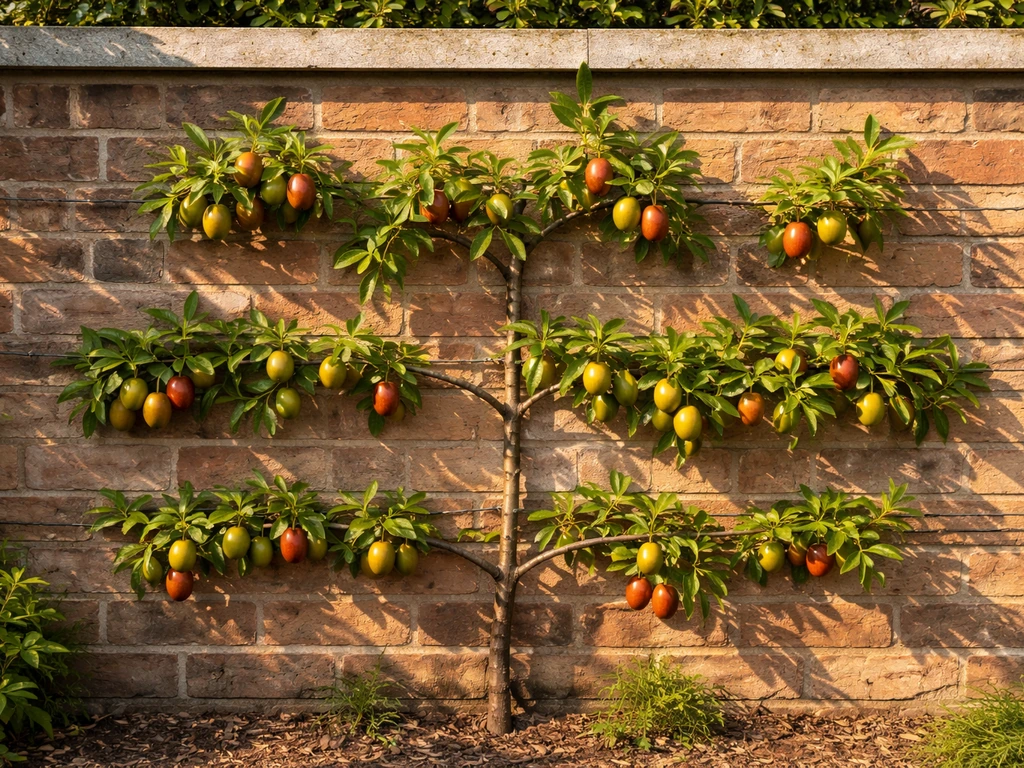
Yes, you can grow galangal in the UK, but not outdoors in the ground (at least not reliably). It's a tropical plant that needs consistent warmth, high humidity, and protection from cold, so your realistic options are a heated greenhouse, a sunny conservatory, or a large pot kept indoors from autumn to late spring. Done right, you can get a usable rhizome harvest within 10 to 14 months.
Can You Grow Galangal in the UK? How to Succeed
James Hartwell
18 May 2026
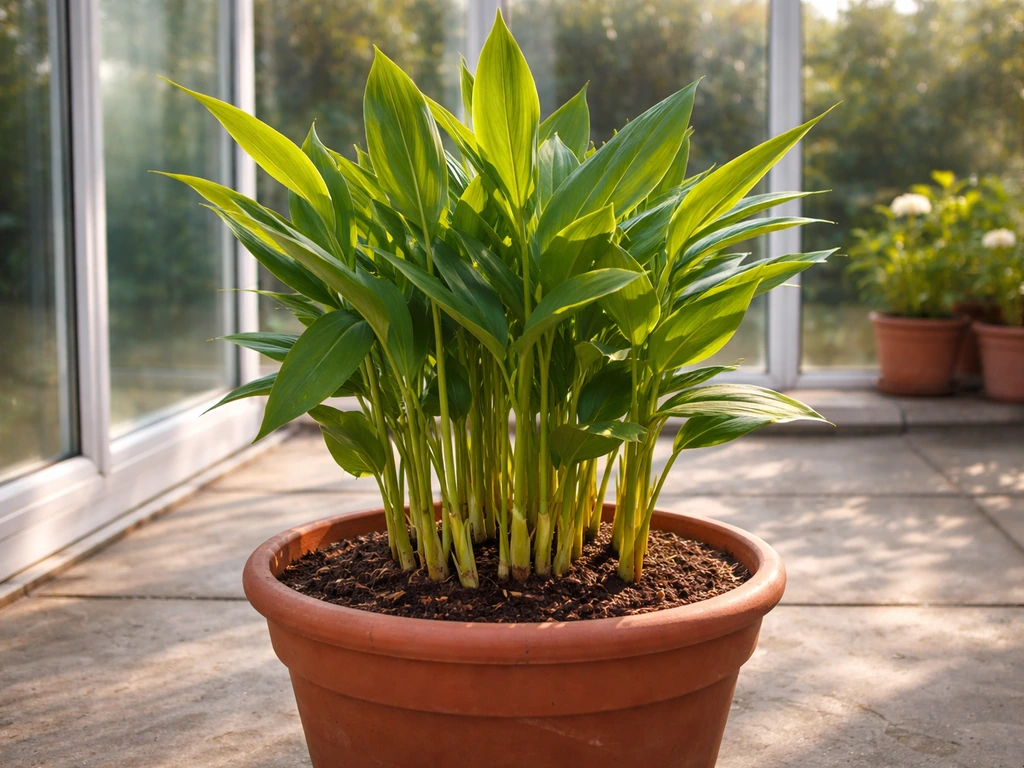
Done wrong, too cold, too wet, not enough light, you'll end up with a pot of rot. This guide covers exactly what it takes to make it work in British conditions. If you're also wondering about a very different tropical plant, you may be asking can you grow jacaranda tree in uk.
Quick verdict: indoors or outdoors?
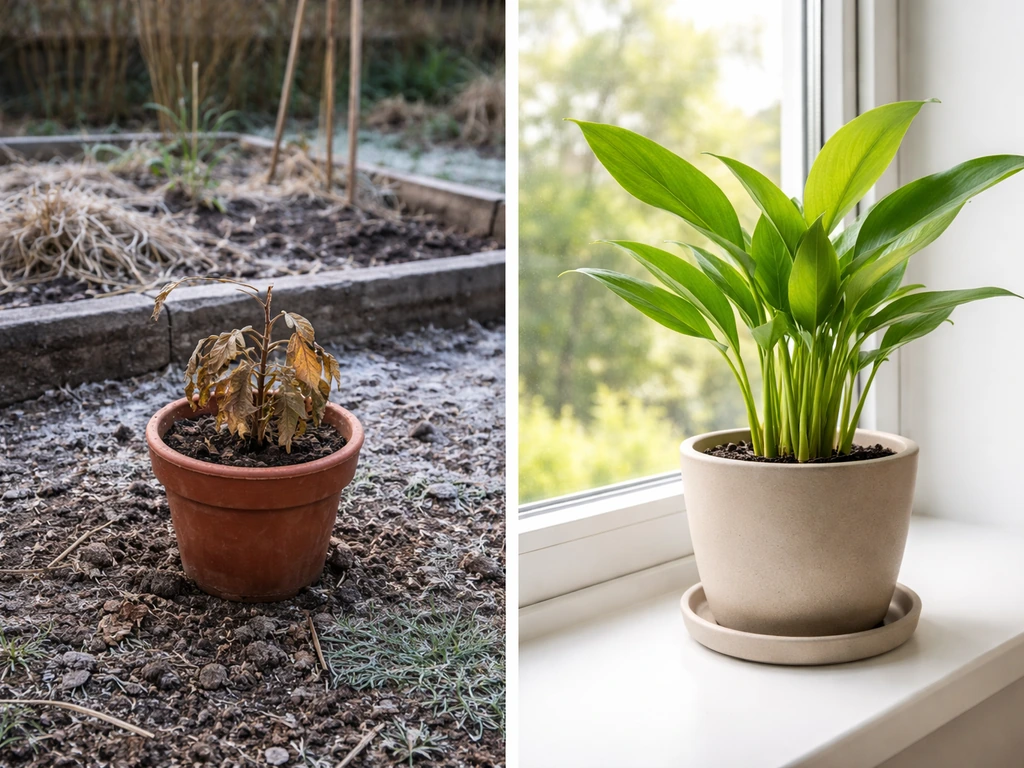
Outdoors in open ground is not a realistic option for most of the UK. Galangal (Alpinia galanga, the greater galangal you find in Thai cooking) is frost-tender and struggles even in the mildest parts of the South Coast when left unprotected. It originates from tropical Southeast Asia and wants temperatures that stay above 15°C consistently, something UK summers can sometimes deliver for a few weeks, but not for the full growing season it needs.
The practical verdict by growing setup looks like this:
| Setup | Viability | Notes |
|---|---|---|
| Open ground, South Coast/SW England | Poor | Too cold overnight even in summer; frost risk from October onwards kills rhizomes |
| Open ground, Midlands/North/Scotland | Very poor | Growing season far too short and cool |
| Unheated greenhouse or cold frame | Marginal | Useful for summer months only; needs moving indoors before autumn |
| Heated greenhouse or polytunnel | Good | Best outdoor-style setup; keeps temps stable enough year-round |
| Sunny conservatory or warm windowsill | Good | Most realistic option for home growers; works well with large containers |
| Indoors under grow lights | Good | Supplements weak UK winter light; keeps growth ticking over |
If you're in Scotland, the North of England, or anywhere that regularly sees cold, grey springs, lean heavily toward a heated space. If you're in the South West or have a really sheltered south-facing garden with a warm microclimate, you might get away with placing pots outside from June through August, but they need to come back in well before the first frost.
Which galangal to grow, and where to get rhizomes
Before you buy anything, check the botanical name carefully. 'Galangal' is used loosely and covers several different plants in the ginger family (Zingiberaceae). The main ones you'll encounter in the UK are Alpinia galanga (greater galangal, the larger culinary root used in Thai and Southeast Asian cooking) and Alpinia officinarum (lesser galangal, smaller and sharper-flavoured, more common in dried herbal preparations). Baldwins, for instance, sells dried galangal root labelled as Alpinia officinarum, not Alpinia galanga, so if you're after the greater galangal for fresh cooking use, double-check before buying.
For UK cultivation aimed at a culinary harvest, Alpinia galanga is the one to go for. Here's where to source it:
- Fresh rhizomes from Asian supermarkets or food suppliers: The fresh galangal sold at specialist food suppliers and Asian grocers is usually imported from Thailand and is viable for planting. Choose firm, plump pieces with visible growth buds (small pink or pale nodules). Avoid anything shrivelled, mouldy, or very dry.
- UK specialist plant nurseries: A small number of UK sellers such as Growforth list Alpinia galanga plants already growing in pots (typically 80–100 cm specimens), which gives you a head start if you'd rather skip the germination phase.
- Online rhizome suppliers: Some UK tropical plant sellers and herb nurseries stock rhizome sections or potted plants. Search specifically for Alpinia galanga to avoid getting the wrong species.
- Seed: Possible in theory (galangal does reproduce by seed), but germination is slow and unreliable compared to rhizome division. Stick to rhizomes for practical UK attempts.
Mid-spring (April to May) is the best time to start. If you're buying fresh rhizomes from a food supplier, look for pieces that are at least 5–10 cm long with at least two healthy buds. That's your planting material.
Getting the conditions right
Heat and temperature
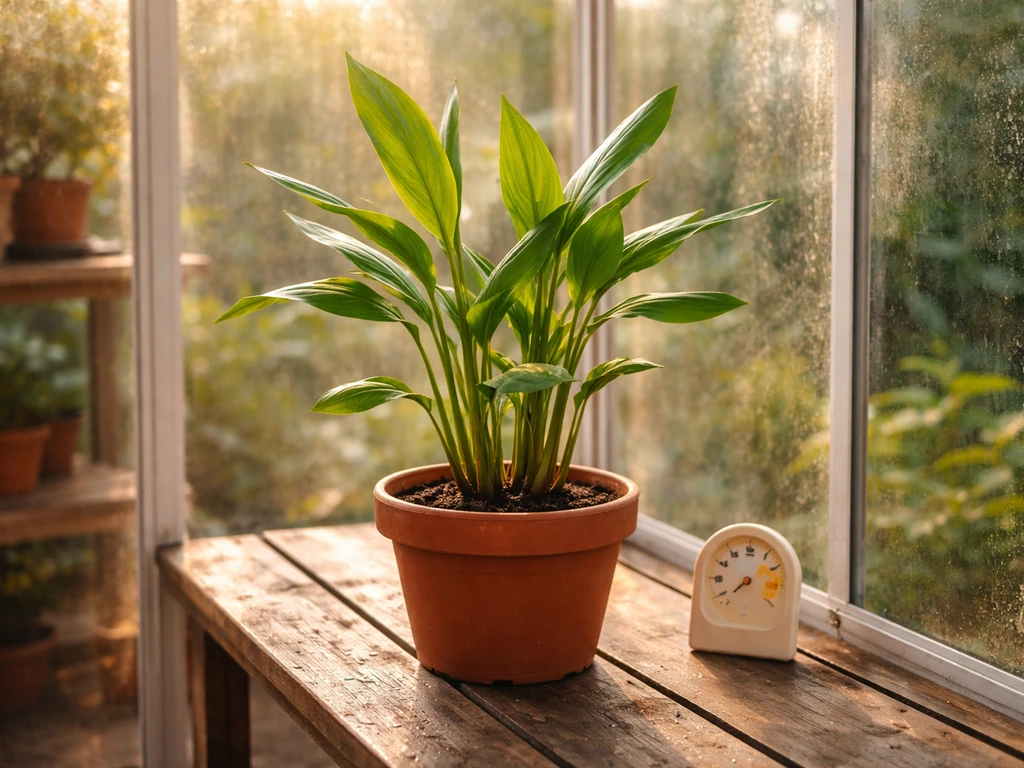
This is the make-or-break factor in the UK. Galangal wants daytime temperatures of 22–30°C for active growth and should never drop below around 10°C, even at night. In a conservatory or heated greenhouse, you need to maintain a minimum of around 15°C through the growing season. During the coldest months, you can drop to 10–12°C and the plant will go semi-dormant, but anything below that risks cold damage or rot setting in. A thermometer in your growing space isn't optional, it's essential.
Light
Galangal grows naturally in partial shade in tropical forests, so it doesn't need blazing direct sun. In UK conditions, a bright spot with several hours of indirect or gentle direct light is ideal, a south or west-facing conservatory works well. In winter, UK daylight is genuinely insufficient for active growth regardless of your setup, which is why the plant naturally slows down and needs less water during that period. If you want to push growth through the darker months, a full-spectrum LED grow light on a 12–14 hour timer will help.
Container size and setup
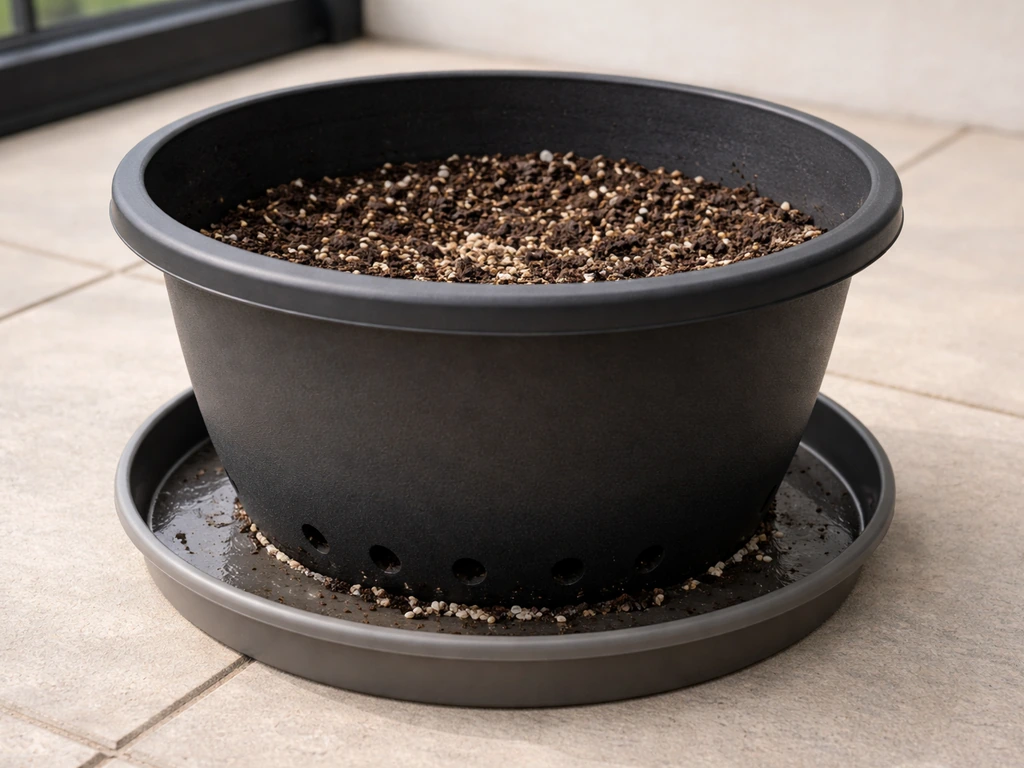
Go bigger than you think you need. Rhizomes won't spread and bulk up properly in a small pot. Aim for a container of at least 40 cm in diameter and with a volume of over 19 litres (roughly 5 gallons). Larger is better, galangal is a substantial plant that can reach well over a metre tall at maturity. The container must have drainage holes. This is non-negotiable: sitting in waterlogged compost is the fastest route to Pythium and Fusarium rot, which will destroy your rhizomes.
Soil and drainage
Use a loose, nutrient-rich, free-draining mix. A good starting point is a mix of peat-free multipurpose compost with around 20–30% perlite or horticultural grit added to improve drainage. Galangal likes a slightly acidic to neutral pH (around 5.5–7.0). Avoid heavy clay-based mixes or anything that tends to compact and hold water, in a UK conservatory over winter, overly wet compost combined with cool temperatures is the classic recipe for rot.
Planting and early care
Preparing your rhizome
If you're starting from a fresh rhizome purchased from a food supplier or Asian supermarket, cut it into sections of 5–10 cm, each with at least two healthy, undamaged growth buds. Let the cut surfaces dry out for a day or two before planting, this reduces the risk of rot entering through the cut. If you have a plant that's been growing for a season, you can divide the rhizome clump in the same way in spring.
Planting depth and spacing
Plant rhizome sections horizontally about 5–8 cm deep in your prepared compost mix, with the buds facing upward. Don't bury them any deeper, galangal rhizomes need reasonable soil warmth to break dormancy, and deeper planting slows that down. If you're planting multiple rhizomes in a large container, give them plenty of space: in field conditions the spacing recommendation is around 75 x 100 cm, but in a container context you're typically planting one or two sections per large pot and letting them colonise the space naturally.
Watering and feeding
Keep the compost consistently moist but never waterlogged during the active growing season (late spring through summer). In warm conditions with a large pot, this might mean watering every day or two, check the top few centimetres of compost rather than following a fixed schedule. Feed with a balanced liquid fertiliser every two to three weeks from May through August. Once temperatures drop in autumn and growth slows, reduce watering significantly and stop feeding altogether through winter. Overwatering during the cool months is the single most common cause of rhizome rot in a UK conservatory setup.
Seasonal plan for UK growing
- March to April: Source your rhizomes and prepare containers. Start rhizomes indoors on a warm windowsill or in a heated propagator to encourage sprouting before planting into final containers. Keep temps above 20°C if possible during this phase.
- May to June: Once rhizomes are showing shoots and night temperatures are reliably above 15°C indoors, move pots to their summer growing position — a bright conservatory, heated greenhouse, or (if conditions allow) a very sheltered outdoor spot in the warmest parts of England. Begin regular watering and feeding.
- July to August: Peak growing season. Water frequently, feed every two to three weeks, and ensure good ventilation to prevent fungal issues in humid conditions. Galangal can grow vigorously in warm British summers.
- September: Bring any outdoor pots inside well before the first frost — don't wait until October. Growth will start to slow. Begin reducing watering frequency.
- October to February: Overwintering phase. Keep the plant in the warmest spot you have, minimum 10–12°C. Water sparingly (roughly once every couple of weeks, just enough to stop the compost drying out completely). No feeding. A heated conservatory or frost-free greenhouse is ideal.
- March: As temperatures rise and light improves, resume regular watering and feeding. New shoots should appear, signalling the plant is coming back into active growth.
What to expect: harvest timeline and signs of success
Year one
In tropical field conditions, galangal rhizomes can be harvested as early as three months after planting. In a UK conservatory or heated greenhouse, temper your expectations: year one is mostly about establishment. You should see shoots emerging within one to two weeks of planting if the rhizome is healthy and the temperature is warm enough. By summer you'll have leafy, upright stems that can reach 60–100 cm or more. By the end of the first season, there will be rhizome growth underground, but the mass is unlikely to be large enough for a significant harvest in year one alone. You might take a small piece to taste or use, but think of year one as building the clump.
Year two and beyond
A realistic harvest of genuinely useful rhizome size comes at around 10 to 14 months after planting, so if you start in April or May, you're looking at the following summer (June to July of the second year) for a proper harvest. Some home growers report flowering as a marker that the plant has matured enough, flowering typically coincides with the rhizomes being ready.
To check without fully disturbing the plant, gently dig along the edge of the container and feel for rhizome mass. If the clump feels dense and the rhizomes are firm and plump, it's time. Don't harvest everything at once: leave a third to a half of the root mass in the pot to continue growing for future harvests.
Troubleshooting common UK problems
Rhizome rot
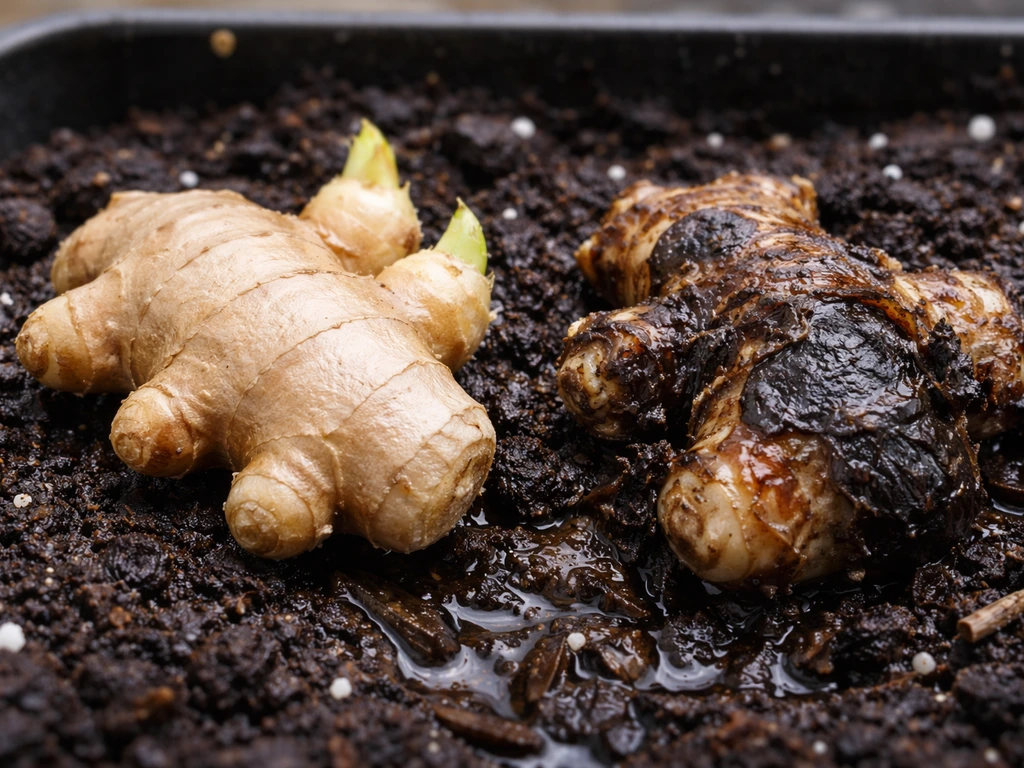
This is the most common failure mode in UK conditions. Rot (caused by Pythium or Fusarium fungi) sets in when rhizomes sit in cold, wet compost, exactly what happens if you keep watering through winter the same way you do in summer. Prevention is straightforward: ensure excellent drainage in your mix, use pots with proper drainage holes (not just a single small hole), and cut back watering dramatically from September onwards. If you notice mushy, discoloured roots when you check the plant, remove the affected sections with a clean knife, dust the cuts with sulphur powder or cinnamon, let them dry, and repot in fresh, dry compost.
Cold damage
Symptoms: leaf tips browning and curling, yellowing leaves, stems collapsing at the base. If the rhizome itself hasn't rotted, a galangal plant can sometimes recover from mild cold stress if moved to a warmer spot promptly. Cut back damaged top growth and let the plant re-shoot from the rhizome. Prevention is far better than cure: bring pots inside early (by mid-September at the latest in most of the UK) and don't let temperatures drop below 10°C.
Slow or stalled growth
If your rhizome has been in the pot for three to four weeks and nothing is happening, the most likely culprit is temperature. Galangal won't break dormancy reliably below 20°C. Move the pot somewhere warmer, or place a heat mat underneath it. Insufficient light is another common issue in UK conservatories in April and May, if the space is still quite dim, add a grow light. Also check that the rhizome itself is still firm and healthy by carefully digging alongside it: a healthy rhizome is pale cream to pinkish, firm, and aromatic. A dead one will be mushy, dark, or smell of rot.
Pests
In a conservatory or greenhouse setting, the most common pest problems are aphids, spider mites, and mealybugs on the foliage. Mealybugs can also infest the roots and rhizomes, which is harder to spot, watch for yellowing, wilting, or unexplained stunting even when watering and temperatures seem fine. Wipe visible pests off leaves with a damp cloth, use neem oil spray for persistent infestations, and consider a systemic drench (following label instructions) if you suspect root mealybugs. Keep conservatory air moving with occasional ventilation to reduce spider mite pressure in warm, still conditions.
Is it worth the effort for UK growers?
Honestly, growing galangal in the UK is one of those projects that rewards patience and a good warm space more than any particular gardening skill. If you have a heated conservatory, a bright south-facing room, or a heated greenhouse, the answer is a clear yes, it's genuinely achievable and produces a fresh ingredient that's hard to get locally. If you're hoping to grow it outside in open ground anywhere in the UK, it's not realistic as a reliable crop. The same kind of limitation applies when you ask can you grow jackfruit in the UK, since it also needs consistent tropical warmth.
If you're wondering about gardenias, the same theme applies: they are hard to grow reliably outdoors across most of the UK without protection grow it outside in open ground. Think of it in the same bracket as other tropical rhizome crops: possible with the right setup, not for the average unprotected garden.
If you're already experimenting with exotic plants in similar conditions, things like jackfruit or jujube in a heated structure, galangal is a worthwhile addition that won't demand a dramatically different environment. Jackfruit is also a tropical fruit that needs consistent warmth, so in the UK it is typically only realistic in a heated greenhouse or indoors can you grow jackfruit in the uk. The key investment is in getting the winter temperature and drainage right.
Get those two things sorted and everything else follows fairly naturally.
FAQ
Can you grow galangal outdoors in the UK if you use fleece or cloches?
In most of the UK, fleece or cloches are not enough for open-ground success because galangal needs consistently warm soil and air through the whole season. Protection can help only if you also control cold snaps, usually with a heated frame or by moving the pot early (around mid-September) before temperatures approach 10°C.
What is the minimum temperature that still lets galangal grow, not just survive?
Dormancy can start if temperatures fall, but reliable growth generally needs daytime warmth closer to the low-to-mid 20s (and night temperatures staying safely above about 10°C). If your conservatory spends regular periods below that, expect slow, weak shoots or delayed rhizome development.
My galangal shoots stopped early, what should I check first?
Check temperature and light before watering changes. If the plant has not broken dormancy after a few weeks, the rhizome is usually too cold. Use a thermometer at pot level, confirm the space is bright enough in April to May, and consider a grow light before you add fertilizer or increase moisture.
How do I prevent rot without letting the compost dry out completely?
Keep compost evenly moist in the active season, but use a very free-draining mix, a large pot, and only water when the top few centimetres start to dry. In cool months, reduce watering drastically, because wet compost at lower temperatures is what triggers fungal rot.
Should I re-pot galangal after buying a rhizome?
Often yes, especially if the rhizome came in a dense or unfamiliar mix. Re-pot into fresh, free-draining compost with drainage holes, and avoid planting into a pot that is much smaller than 40 cm diameter, because overly tight roots increase the risk of lingering wetness.
Can I propagate galangal from store-bought dried rhizome pieces?
Fresh, living rhizomes with intact buds are the reliable option. Dried galangal root typically will not sprout because buds lose viability during drying, even if it looks similar. If you can only find dried pieces, treat them as culinary only rather than planting material.
How can I tell if poor growth is nutrient deficiency versus temperature trouble?
If growth stalls while temperatures are adequate, leaves may pale and slow, and the plant may respond to feeding. If growth stalls while night temperatures are cool, it is usually temperature-related even if you are fertilizing. Adjust warmth first, then feed from May through August, not in winter.
Do I need to let galangal flower before harvesting the rhizome?
Flowering can be a useful maturity clue, but it is not a strict requirement. Use time targets (around 10 to 14 months for a meaningful harvest in a UK heated setup) and check rhizome firmness at the pot edge rather than waiting for blooms in every season.
How much of the rhizome should I harvest, and can I split the plant after harvesting?
Do not strip the entire clump. Leave roughly one-third to one-half of the root mass in the pot so it can continue the next cycle. If you need to divide, do it in spring when growth is restarting, and let cut surfaces dry for a day or two to reduce entry points for rot.
What should I do if I suspect root mealybugs but I cannot see them?
Look for symptoms like persistent yellowing, unexplained stunting, and wilting despite correct watering and warmth. If you confirm infestations at the pot edge or by gentle inspection, consider a systemic treatment as directed on the label, and isolate the pot to reduce spread through conservatory plants.
Are there common watering mistakes unique to UK conservatories?
Yes. Many growers keep watering on a summer schedule into autumn and winter, when transpiration slows and compost stays wet longer. Another mistake is watering more frequently because the conservatory feels humid, even though the pot is cold, so the safest approach is to water less as temperatures fall and to rely on soil moisture checks.
Next Article
Can You Grow Jujube in the UK? Yes, Here’s How
Learn if you can grow jujube in the UK and get step-by-step tips for site, varieties, care, and winter protection.