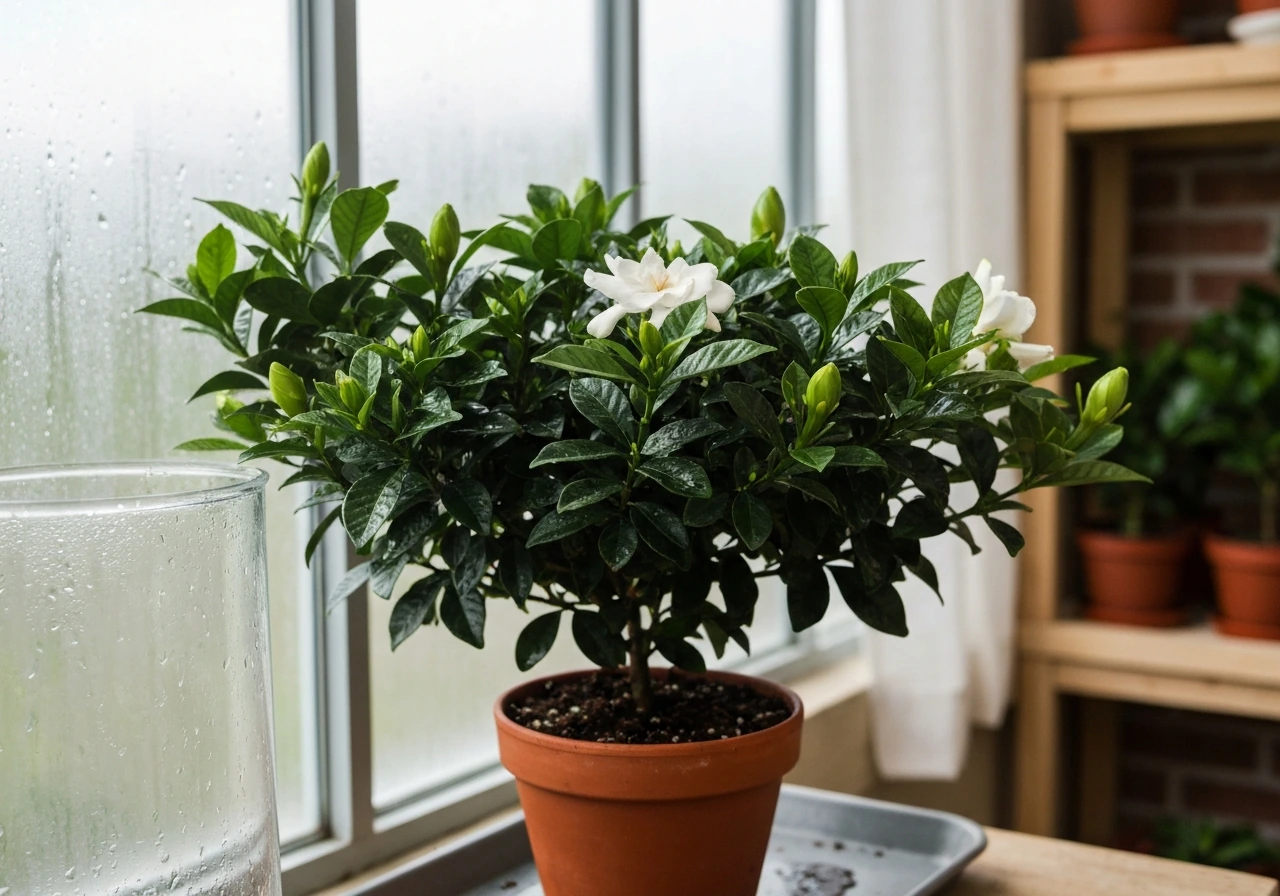
You can grow gardenias in the UK, but not outdoors year-round in most of the country. You can apply the same idea of protecting from cold, controlling acidity, and managing humidity to learn how to grow jujube in the UK. They need warmth, high humidity, and acidic soil that British weather rarely delivers consistently enough. Your best shot is growing them in pots indoors, in a warm conservatory, or in a heated greenhouse, bringing them outside only during the warmest summer weeks. Get those conditions right and you will get the glossy leaves and intensely fragrant white flowers gardenias are famous for. Get them wrong and you will get yellowing leaves, dropped buds, and a very unhappy plant.
Can You Grow Gardenias in the UK? Practical Guide
James Hartwell
27 Apr 2026
Is the UK climate actually suitable for gardenias?
Honestly, the UK is at the very edge of what gardenias can tolerate. They are subtropical plants that want daytime temperatures around 21 to 24°C and never want to drop below 16°C indoors, or below 10°C if you have them outside. [The RHS classifies Gardenia jasminoides as H1c to H3](https://www. rhs.
org. uk/plants/7605/gardenia-jasminoides-cape-jasmine-common-gardenia/details), which means in most of the UK they are only suitable for outdoor growing in summer, and even then only in sheltered, frost-free spots. In mild coastal areas of the far south and west of England, think Cornwall, the Isles of Scilly, or sheltered parts of south Devon, you might get away with a very protected outdoor position in a warm microclimate through mild winters.
In Scotland, the Midlands, or anywhere with cold, wet winters, that is simply not realistic without protection.
The other challenge beyond temperature is humidity. Gardenias want moderate to high humidity consistently, which is not what most UK homes or gardens naturally provide, especially once the central heating comes on in autumn. Low humidity combined with cool draughts is one of the fastest ways to lose buds or trigger leaf drop. The good news is that all of this is manageable with the right setup, it just requires a bit of commitment.
Choosing the right gardenia variety
Not all gardenias are equal when it comes to cold tolerance. The species most commonly sold in the UK is Gardenia jasminoides (also called Cape jasmine), and within that species, a couple of cultivars give you a slightly better chance in cooler conditions. 'Kleim's Hardy' is frequently cited as one of the more cold-tolerant options, with smaller, intensely fragrant flowers and a compact habit. 'Crown Jewel' is another cultivar with a reputation for handling lower temperatures better than the standard species. Neither of these is truly frost-hardy, the RHS is clear that even the 'relatively cold-tolerant' cultivars should come inside before nights dip below 10°C, but they will be more forgiving if conditions slip temporarily.
Where you buy matters too. Plants sold as supermarket or garden centre impulse buys in spring are often forced under warm greenhouse conditions and can struggle to acclimatise to real-world UK growing environments. You are generally better off sourcing from a specialist houseplant nursery or a reputable online seller that can tell you the provenance of the plant and ideally has grown it in UK conditions. Look for a plant with dark, glossy, unblemished leaves and firm buds rather than one that looks lush but has been sitting under intense artificial light.
The best growing setups for UK conditions
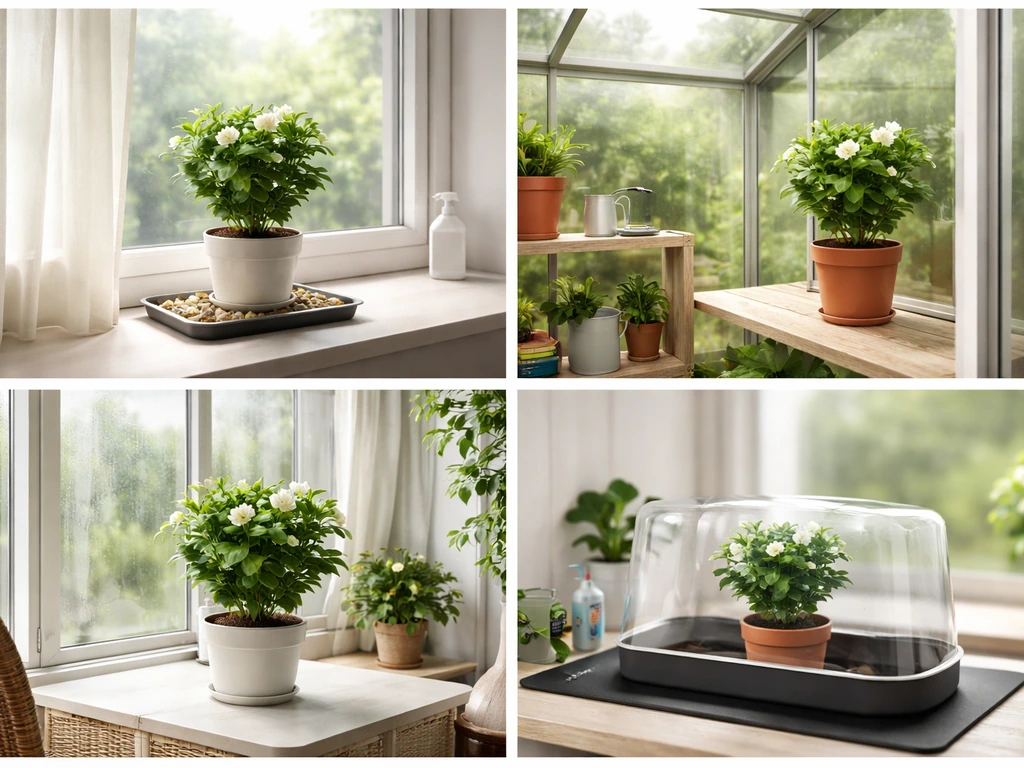
There are essentially four options for growing gardenias in the UK, and they vary quite a bit in how much effort they need and how reliable your results will be.
| Setup | Viability | Key requirement | Best for |
|---|---|---|---|
| Warm indoor windowsill | Good | South-facing, high humidity | Most UK gardeners |
| Conservatory or sunroom | Very good | Frost-free, 16°C+ in winter | Year-round success |
| Heated greenhouse | Excellent | Temperature control and ventilation | Serious growers |
| Outdoor pot in summer only | Moderate | Bring in before nights hit 10°C | Summer accent planting |
| Outdoor in ground (mild areas) | Poor to moderate | Very sheltered coastal microclimate | Cornwall/Scilly only |
A warm conservatory or sunroom is the most practical setup for most UK gardeners. It gives gardenias the bright filtered light they need, protection from the cold, and a relatively stable environment. An unheated conservatory can work in the south if it stays above 10°C in winter, but you are taking a risk. A heated conservatory that holds around 16°C in the coldest months is close to ideal. In a heated greenhouse, you have the most control, you can dial in temperature and manage humidity actively, which is why serious collectors tend to go that route.
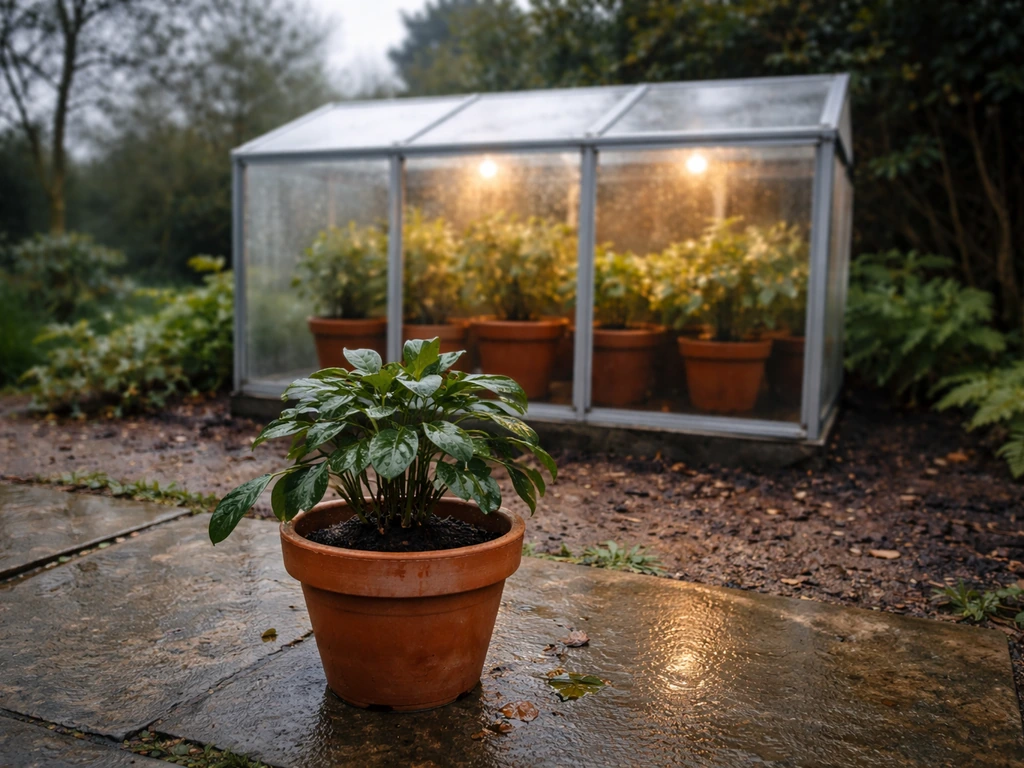
Taking gardenias outdoors for summer is a nice idea and gives the plant a boost from natural light and air movement, but you need to harden them off gradually over a couple of weeks rather than just moving them straight outside. A sudden change in temperature, light intensity, or humidity can trigger bud drop very quickly. Move them to a sheltered, partially shaded outdoor spot in late May or early June, and be ready to bring them back in well before October, or earlier if a cool spell is forecast.
Soil, compost and container setup
Gardenias are acid-loving plants, full stop. They need a compost with a pH below 7, and specifically you should be planting them in a peat-free ericaceous compost, the same type used for rhododendrons, azaleas, and blueberries. Using standard multipurpose compost is one of the most common mistakes people make, and it will lead to yellowing leaves and poor growth within months as the plant cannot access the nutrients it needs at a higher pH.
Container size matters too. Gardenias prefer to be slightly pot-bound rather than swimming in a huge container, so do not be tempted to jump up more than one or two pot sizes at a time. A pot that is too large stays wet for too long, which leads to root rot. Make sure whatever container you choose has good drainage holes, and stand it on feet or a draining saucer rather than letting it sit in standing water. Terracotta pots look lovely but dry out faster and can be harder to keep consistently moist, plastic or ceramic pots retain moisture better, which suits gardenias.
When you repot (every two to three years in spring is usually right), refresh the ericaceous compost and check the roots. If the plant is heavily root-bound, you can gently tease the roots out before potting on. Top-dressing the surface with fresh ericaceous compost in between repotting years helps maintain soil acidity.
Getting light, water and humidity right
Light
Gardenias want bright filtered light but not harsh direct sun, which scorches the leaves and stresses the plant. Indoors, a south-facing windowsill is ideal in winter when light levels are low, the RHS specifically recommends this to maximise light during the shorter days. In summer, if the plant is on a south-facing windowsill, use a sheer curtain to filter the strongest midday sun. In a conservatory or greenhouse, shade cloth on the roof panels does the same job.
Watering
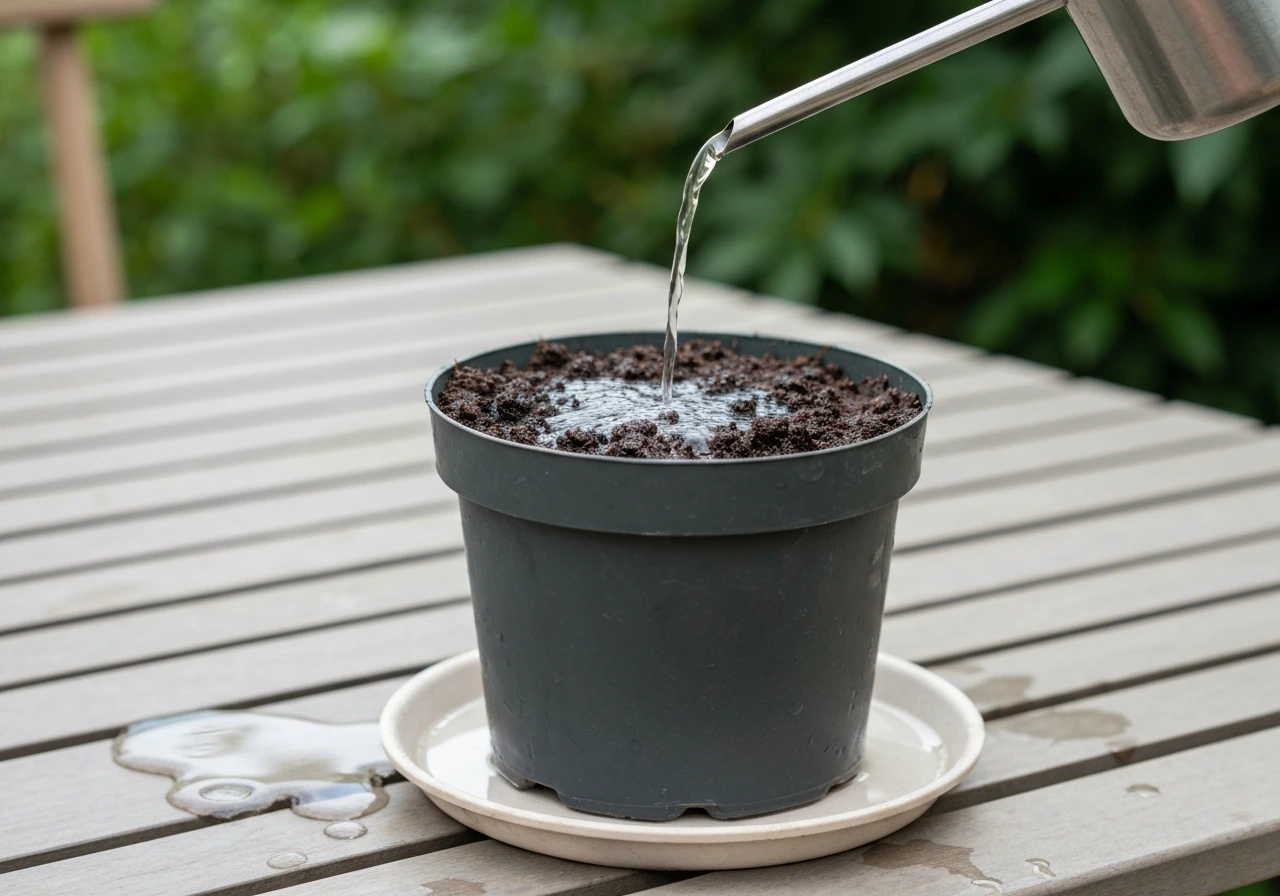
Gardenias need consistently moist compost but absolutely cannot sit in waterlogged soil, it is a fine line. Water thoroughly so the compost is evenly moist all the way through, then let the surface dry out slightly before watering again. The critical detail for UK gardeners is to use rainwater or filtered water wherever possible.
Tap water in most parts of the UK is alkaline and high in lime, and using it regularly will raise the pH of your compost over time, leading to nutrient lockout and the classic yellowing leaves. Collect rainwater in a butt if you can. If tap water is your only option, let it stand overnight to at least let the chlorine off-gas, and compensate with an ericaceous liquid feed.
Humidity
This is where many UK growers struggle most. Gardenias want moderate to high humidity, and central heating in autumn and winter dries indoor air dramatically. The practical solutions are: standing the pot on a tray filled with damp gravel or pebbles (the water evaporates around the plant without the roots sitting in water), grouping plants together so they create a microclimate, or using a room humidifier nearby. You can mist the leaves in hot weather, but the RHS makes an important point here: do not mist when the plant is in flower, because water droplets on the petals cause brown discolouration. During flowering, stick to the pebble tray method instead.
Feeding, pruning and solving common problems
Feeding
Gardenias are hungry plants. The RHS recommends a high-nitrogen liquid feed weekly through spring and summer to keep them in good health and encourage flowering. Use a liquid feed specifically formulated for acid-loving plants (ericaceous liquid feed or a product like Miracid) to avoid inadvertently raising the pH. In autumn and winter, reduce feeding to once a month or stop entirely, as the plant is not actively growing and excess feed in cold, low-light conditions can cause root problems.
Pruning
Prune lightly after the plant has finished flowering, usually in late summer or early autumn. Remove any dead or weak stems and trim the shape lightly, gardenias do not need heavy pruning and respond poorly to it. Pinching out the tips of young shoots encourages a bushier plant. Avoid pruning in late winter or early spring because you risk cutting off the buds that are developing for the season ahead.
Troubleshooting yellowing leaves, bud drop and pests
Yellowing leaves are the most common complaint from UK gardeners growing gardenias, and the cause is almost always one of three things: watering with alkaline tap water, using the wrong compost, or not feeding with an ericaceous feed. If the yellowing is between the leaf veins but the veins themselves remain green, that is classic iron chlorosis from a pH that is too high, treat with a sequestered iron product and review your watering and compost. If leaves are uniformly yellow and dropping, it is more likely a temperature stress or waterlogging issue.
Bud drop is the other heartbreaking issue. Gardenias are notoriously sensitive to environmental changes, and the RHS is very clear that large temperature fluctuations are the main trigger. This includes cold draughts from open windows or doors, moving the plant around the house, or bringing it indoors too quickly from outside without hardening off. When buds are forming and opening, keep the plant as stable as possible, same spot, same temperature, same watering routine. Black or brown tips on buds or leaves can also indicate temperature stress or inconsistent watering.
Under glass or indoors, the most likely pest problems are glasshouse whitefly, mealybugs, and scale insects. Spider mites are also common, especially in hot, dry conditions, they thrive when humidity is too low, so maintaining good humidity is partly a pest prevention strategy. Check the undersides of leaves regularly. Treat whitefly with yellow sticky traps or an appropriate insecticide.
Mealybugs can be dabbed with a cotton bud dipped in rubbing alcohol for minor infestations, or treated with a systemic insecticide for heavier ones.
Scale insects on stems should be scraped off and treated with a horticultural oil. Grey mould (botrytis) can develop on decaying buds and petals in humid conditions under glass, remove affected material immediately and improve air circulation to prevent it spreading.
Year-round care: what to do in each season
Gardenias do not have a simple annual cycle in the UK the way hardy garden plants do, but following a rough seasonal routine will keep them healthy and give you the best chance of flowers.
- Spring (March to May): This is when the plant starts to wake up. Move it to its brightest indoor position if it has been on a south windowsill all winter. Begin weekly ericaceous liquid feeding. Check whether it needs repotting — if roots are coming out of the drainage holes, move it up one pot size using fresh ericaceous compost. Start hardening off gradually if you plan to move it outside for summer, beginning in mid to late May when night temperatures are reliably above 10°C.
- Summer (June to August): If outside, keep it in a sheltered spot with dappled shade and water regularly — outdoor conditions dry pots out faster than you expect. Continue weekly feeding. Watch for pests. Flowers typically appear in summer; if they are in bud, avoid moving the plant and do not mist the flowers. Maintain humidity around the plant using a pebble tray.
- Early autumn (September to October): This is a critical window. Bring the plant indoors before night temperatures start dropping toward 10°C — in most of the UK this means September, not October. Harden off in reverse if it has been outside, gradually acclimatising it back to indoor conditions over a week or two. Reduce watering frequency as growth slows. Taper off feeding.
- Winter (November to February): Move to a south-facing windowsill for maximum light. Maintain a minimum temperature of 16°C if possible — 10 to 15°C is survivable but not ideal, and the plant will not thrive or flower well if it gets too cold. Keep compost barely moist rather than wet. Feed once a month at most, or stop entirely if the plant is in a very cool position. Watch for pests, which can still build up in warm indoor conditions. Keep away from radiators and cold draughts.
The plants most likely to flower reliably in the UK are those that get through winter in a warm conservatory or heated greenhouse at a stable temperature, rather than surviving on a cool windowsill. If you can hold 16°C through the coldest months, you are in a strong position for summer blooms. If you are regularly dipping below that, you will get a plant that survives but flowers unreliably.
Compared to some of the other challenging plants people ask about growing in the UK, like jackfruit or jacaranda trees, which face even steeper climate hurdles, gardenias are genuinely achievable with the right indoor or conservatory setup. Can you grow jujube in the UK? A similar approach with warm, sheltered conditions and careful temperature management is usually the deciding factor for tender fruit like jackfruit.
If you are wondering can you grow galangal in the UK, you will need similarly warm, sheltered conditions and careful attention to temperature and moisture like jackfruit. They reward careful attention to temperature stability, soil acidity, and humidity in a way that most other tender exotics simply do not. It takes some effort, but when a UK-grown gardenia flowers, the scent alone makes it completely worth it.
FAQ
Can you keep a gardenia outdoors in the UK all year if it is sheltered or against a wall?
In most of the UK, shelter alone is not enough for year-round outdoor growing. Even with a wall, you still need to prevent winter nights getting below about 10°C. If you do try a protected spot, treat it like a risk plan, use extra insulation and fleece, and have a clear trigger to move it back indoors when cold spells are forecast.
What temperature should I aim for indoors when my gardenia is not growing much in winter?
Aim for steady warmth, ideally around the mid-teens at night, rather than letting it swing with room temperature. Cold draughts and sudden drops are a common bud-drop cause. If your home is cool, use a warm conservatory or position the pot where it avoids air movement from doors, vents, and leaky windows.
How do I stop my gardenia’s leaves turning yellow without overwatering?
First check whether the yellowing is linked to lime. Yellowing between veins with green veins often points to pH and iron availability, so switch fully to rain or filtered water and use an ericaceous liquid feed plus a sequestered iron product. If leaves are uniformly yellow and soil stays wet, then root stress or waterlogging may be the issue, improve drainage and water less frequently but thoroughly.
Can I use tap water if I do it “carefully” for my gardenia?
It can work temporarily, but regular tap watering usually raises compost pH over time in many UK areas. If tap water is all you have, let it stand overnight, consider filtering, and compensate with an acid-specific feed, then monitor leaf color. If yellowing keeps returning despite feeding, it is a sign to prioritise rainwater or filtration.
Why do my gardenia buds drop right before they open?
Bud drop is most often triggered by instability, sudden temperature changes, or drafts, including moving the plant between rooms or bringing it indoors quickly after being outside. Keep it in one place during bud formation, keep humidity stable, and avoid frequent watering changes, even if the top layer dries.
Should I mist my gardenia leaves in the UK to raise humidity?
You can mist in hot weather, but do it with care. Do not mist when the plant is in flower, because water droplets on petals can cause brown spotting. During flowering, it is safer to use a pebble tray, a humidifier nearby, or grouping plants to create a more stable microclimate.
How big should the pot be for a gardenia in the UK, and what if it is already in a large container?
Gardenias usually prefer a slightly snug root run. If your pot is much larger than it needs, it stays wet longer and increases the risk of root issues. Rather than repotting immediately, you can improve drainage and watering technique, then repot at the next appropriate time in spring, stepping up no more than one or two pot sizes.
What compost should I use, and do I need to check the pH?
Use peat-free ericaceous compost made for acid-loving plants, and consider refreshing it at repotting to prevent gradual pH drift. If you have persistent iron chlorosis, checking pH can help confirm the problem, but most practical growers can diagnose using leaf symptoms plus the water source and compost type they are using.
How often should I repot a gardenia, and can I repot in autumn if it looks unhappy?
Typically repot every two to three years in spring. Repotting in autumn or winter can add stress just when the plant is not actively growing, which can worsen bud issues. If the plant is in the wrong compost or sitting in poor drainage, you may need an emergency fix, but try to do it only when absolutely necessary.
What is the best way to fertilise gardenias in the UK without burning roots?
Use an acid-specific liquid feed and keep it consistent in spring and summer, usually about weekly during active growth. In autumn and winter, reduce to once a month or pause to avoid stressing the roots when light is low. Flush with plain water occasionally if you suspect salt buildup, especially if your plant is in a heated conservatory.
Which gardenia type or cultivar is most likely to cope with UK conditions?
Gardenia jasminoides is the common one sold in the UK, and some people have better luck with cultivars labelled as relatively cold-tolerant, such as 'Kleim’s Hardy' or 'Crown Jewel'. Even with these, you should still plan to protect from frost and bring the plant in before nights drop close to 10°C.
My gardenia is dropping leaves, but the compost is not obviously wet. What else could be wrong?
Check humidity and light changes first, especially if central heating has come on. Also look for drafts from windows, radiators, or extractor fans. Sudden repositioning, turning the plant frequently, or moving it to a colder room can also cause leaf loss even when watering seems correct.
How do I manage pests on a gardenia grown indoors or in a conservatory?
Inspect leaf undersides regularly, especially after bringing the plant indoors or if it has been outside in summer. Start with mechanical control for small infestations, like dabbing mealybugs, and use sticky traps for whitefly. Scale often needs scraping and horticultural oil. For spider mites, improving humidity is both control and prevention.
Next Article
Can You Grow Tiger Nuts in the UK? Practical Guide for Gardeners
Can you grow tiger nuts in the UK? Practical, regional guide with planting dates, containers, harvest & recipes.