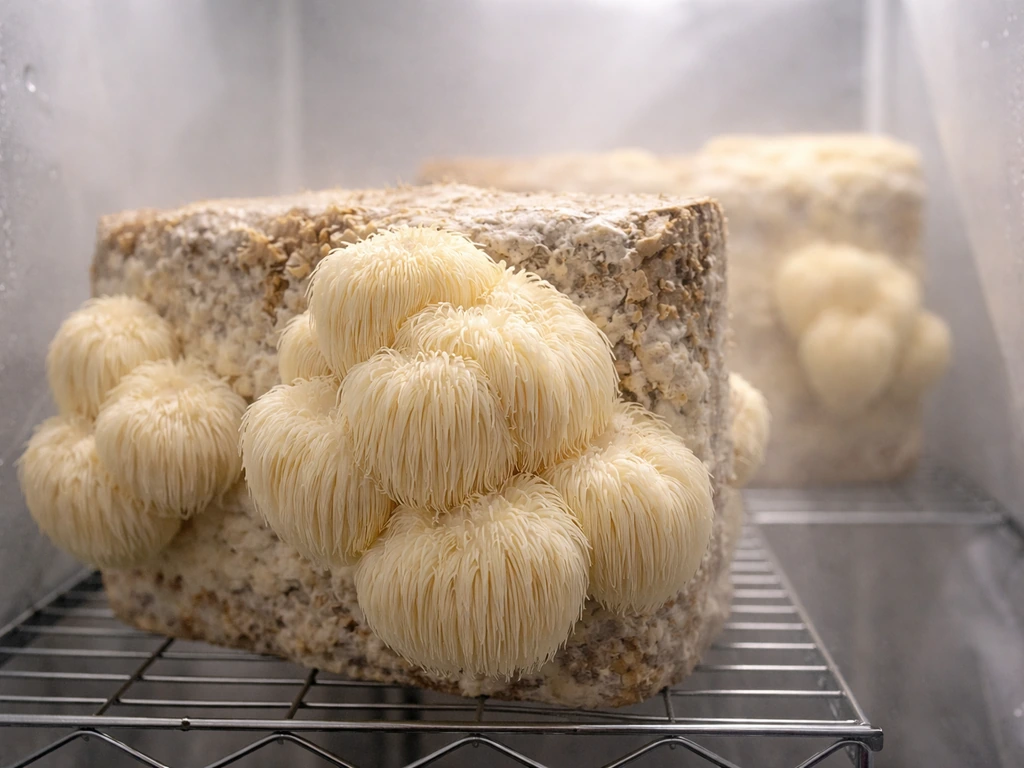
Yes, chamomile grows really well in the UK. It's one of the more forgiving herbs you can grow here, and whether you want it for tea, ground cover, or just the smell, the British climate suits it fine. Both main types, German chamomile and Roman chamomile, will thrive in most UK gardens with minimal fuss. You can sow from seed, expect flowers in about ten weeks, and harvest through summer. The honest answer is: if you can give it a sunny spot with reasonable drainage, you'll have chamomile. If you want to grow chayote in the UK, you will generally need warmth and protection so it can thrive in a shorter, cooler season. Chaga does grow in the UK, but it is much more likely to be found on birch trees rather than reliably cultivated like common herbs does chaga grow in the uk. Reishi is another medicinal mushroom people often ask about, so it helps to know whether does reishi grow in the UK. Cordyceps are another medicinal fungus people ask about, so it helps to know whether they can grow in the UK do cordyceps grow in uk. If you are also curious about medicinal mushrooms, you may want to check whether lion's mane can grow in the UK do cordyceps grow in uk.
Does Chamomile Grow in the UK? How to Grow It Successfully

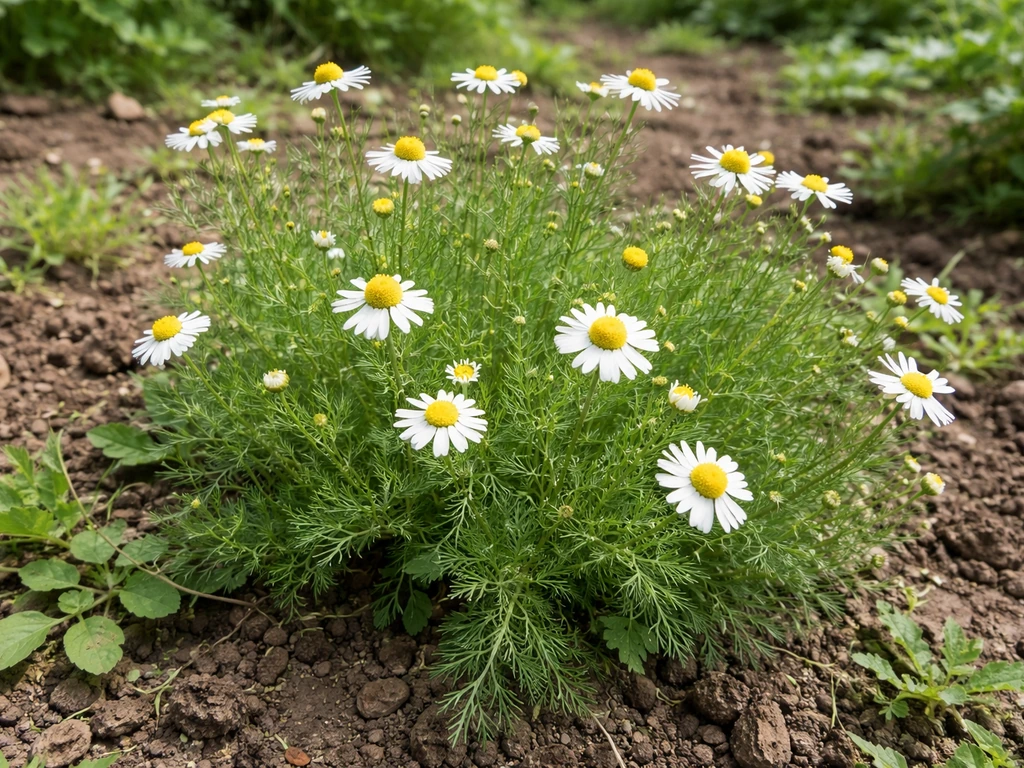
Quick yes/no: chamomile in the UK
Chamomile is absolutely suited to UK growing conditions. The RHS lists it as easy to grow from seed, indoors or outside, and it doesn't need any special treatment to succeed in British gardens. It tolerates the cooler summers, the variable rainfall, and the general unpredictability of UK weather better than most Mediterranean herbs. You don't need a greenhouse, a polytunnel, or a particularly warm microclimate. A south-facing bed in Surrey or a sheltered spot in Yorkshire will both work. Even Scotland can grow chamomile, though you'll get slightly shorter seasons and may need to start seeds indoors to get ahead of the cold.
The only real risk is waterlogged soil in winter, which can rot the roots of perennial Roman chamomile. As long as drainage is decent, there's no reason this shouldn't become a regular fixture in your garden.
Which chamomile to grow: German vs Roman
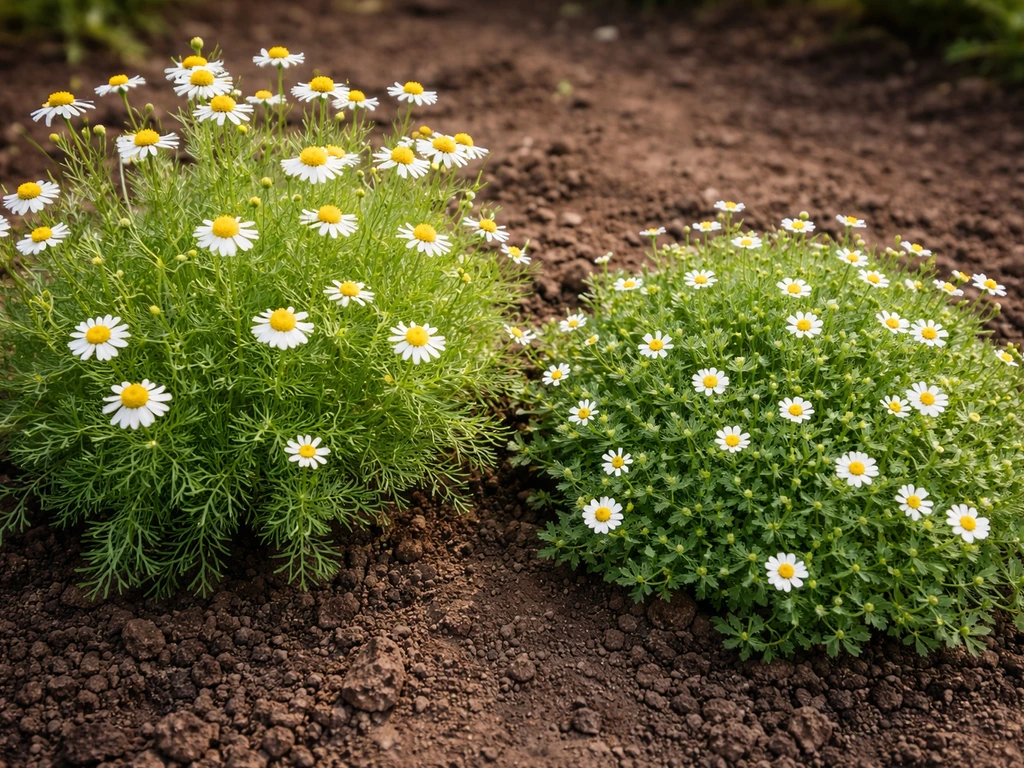
This matters more than most guides admit, because the two plants behave quite differently in UK gardens. German chamomile (Matricaria chamomilla, also called Matricaria recutita or scented mayweed) is an annual. It grows, flowers, sets seed, and dies in one season. Roman chamomile (Chamaemelum nobile, often called common chamomile) is a mat-forming perennial that spreads low across the ground and comes back year after year, reaching about 25cm in height with small daisy-like flowers roughly 1.5cm across.
For tea, German chamomile is the more commonly used variety. The flowers have a stronger flavour and it produces them prolifically. For a chamomile lawn or ground cover, Roman chamomile is the one to choose. It was historically widespread in southern and central England on grazed grassland, so it's genuinely native to British conditions. Kew notes it declined mainly because grazing that kept the grass short disappeared, not because the climate stopped suiting it.
| Feature | German Chamomile | Roman/Common Chamomile |
|---|---|---|
| Latin name | Matricaria chamomilla | Chamaemelum nobile |
| Annual or perennial | Annual (but self-seeds readily) | Perennial |
| Height | Up to 60cm | Up to 25cm (mat-forming) |
| Best use | Tea, dried flowers | Lawn, ground cover, tea |
| Overwinters in UK | No (self-seeds instead) | Yes, with good drainage |
| Ease of growing from seed | Very easy | Easy |
| Flower size | Larger, more upright | Small, low-growing |
If you're mainly here for a cup of chamomile tea from your garden, go with German chamomile. If you want a permanent planting that spreads and comes back, choose Roman. Both are worth growing if you have the space.
Best conditions in UK gardens
Sun and site
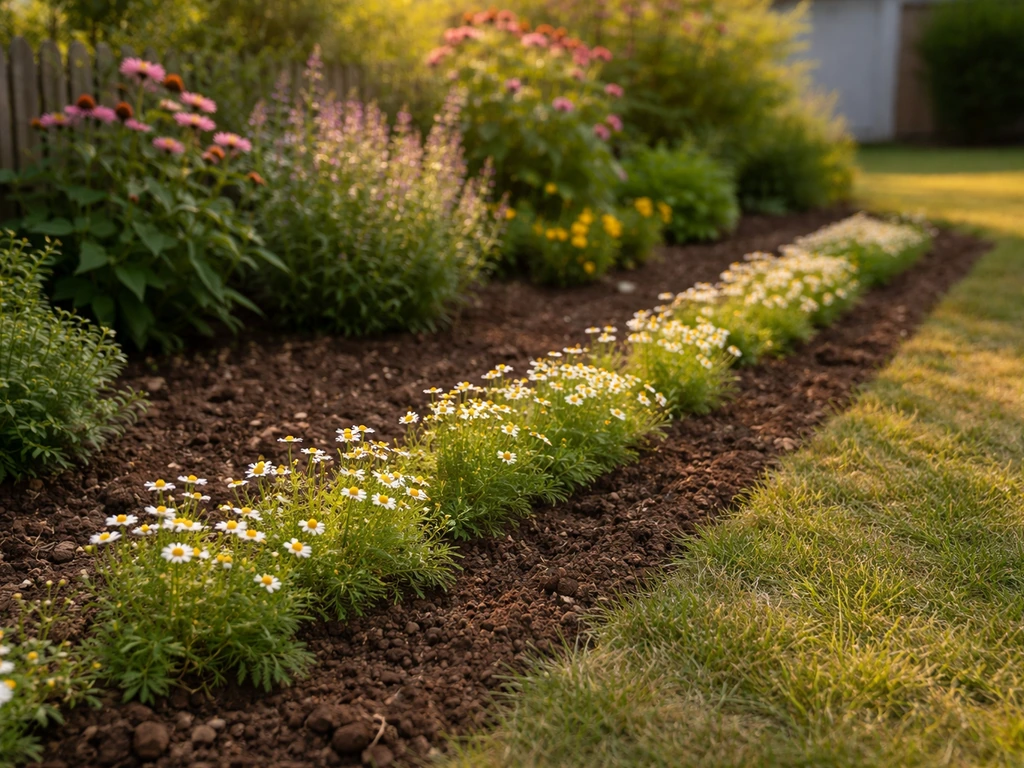
Chamomile wants full sun. A south or south-west facing bed is ideal. It will tolerate partial shade but tends to get leggy and produce fewer flowers the less light it gets. In southern England this is rarely an issue. Further north, in Scotland or northern England, you want to pick the warmest, most sheltered spot you have. A wall that traps heat, or a raised bed that warms up earlier in spring, can make a real difference to how quickly plants establish and flower.
Soil and drainage
Light, well-drained soil is the key requirement. Chamomile doesn't want to sit in wet ground, especially over winter if you're growing perennial Roman chamomile. But it also doesn't want bone-dry soil that bakes solid in a heatwave. The RHS describes the ideal as soil that doesn't dry out totally and doesn't get waterlogged, which is a fairly good description of a reasonably maintained UK garden bed. If your soil is heavy clay, work in some horticultural grit before planting, particularly if you're laying a chamomile lawn. Sandy or loamy soils need very little preparation.
Spacing
For a flower bed or herb garden, space plants about 15 to 20cm apart. For a chamomile lawn, plug plants are typically set at about 10 to 15cm intervals and left to spread and knit together. German chamomile, being taller and more upright, can be thinned to around 20cm spacings after germination.
When to sow and plant in UK gardens

You can sow chamomile seed from late February indoors right through to April or May for outdoor sowing. The RHS notes that seeds need light to germinate, so scatter them thinly on the surface of compost and don't cover them with soil or grit. Press them gently to make contact with the compost, keep them warm (a windowsill or propagator works well), and they should germinate within a couple of weeks.
- February to March: Sow indoors on a warm windowsill or in a propagator. Use peat-free seed compost. Scatter seeds on the surface without covering.
- March to April: Harden off seedlings before moving outdoors. Give them a week or two in a sheltered spot outside during the day, bringing them back in at night.
- April to May: Transplant outdoors into prepared beds once frost risk has passed. In Scotland or northern England, wait until mid-May to be safe.
- April to May (direct sow): You can direct sow outdoors once soil has warmed up. Rake the surface fine, scatter seeds thinly, press down gently, and keep moist.
- Ten weeks from sowing: Expect flowers. From a February indoor sow, that can mean blooms by late April or May.
If you're in the south of England, outdoor sowing from April onwards is perfectly reliable. If you're further north, starting indoors gives you a head start and usually means better results.
Keeping your chamomile happy through the season
Watering
In the first year, especially if you've planted plug plants or transplants, water regularly during dry spells. UK summers can be drier than you'd expect, particularly in the south-east, and young plants that haven't yet developed deep root systems will suffer in a prolonged drought. Once established, perennial Roman chamomile is quite drought-tolerant and needs much less attention. German chamomile being annual needs consistent moisture through its growing season to produce well.
Thinning and weeding
After direct sowing, thin seedlings once they're large enough to handle, aiming for one plant every 15 to 20cm. Chamomile seedlings are easy to confuse with common weeds at first, so let them get to about 5cm tall before you start weeding in earnest. Keep the area around young plants clear, because chamomile doesn't compete aggressively for space when it's small.
Pests to watch for
Slugs and snails are the main threat, particularly to soft young shoots after transplanting. A few slug pellets or a beer trap around new plantings in April and May will protect the vulnerable seedling stage. Aphids can also colonise shoot tips and flower buds, weakening growth if left unchecked. Check plants regularly and squash colonies by hand or use a forceful spray of water to knock them off. Powdery mildew can appear in hot, dry spells. Overhead watering in mid-morning can help because powdery mildew is suppressed by direct water contact. These pests aren't serious threats to chamomile's long-term survival, just worth monitoring during the growing season.
Feeding
Chamomile is a light feeder and actually tends to flower better in less-fertile soil. If you've raised seedlings in seed compost, give them a dilute liquid feed once they're established in pots or beds. Don't over-fertilise, especially with nitrogen-heavy feeds, which encourage leafy growth at the expense of flowers.
Harvesting the flowers and making the most of them

Pick chamomile flowers when they've just fully opened. This is the point when the petals are horizontal or just starting to reflex backwards (fold back). At this stage the essential oils are at their peak and the tea you make from them will be most flavourful. The RHS recommends picking newly-opened flowers throughout summer, which also encourages the plant to produce more blooms.
For drying, spread flowers in a single layer on a tray or piece of muslin and leave them somewhere warm and dry but out of direct sunlight. An airing cupboard, a warm room, or a dry shed works well. After a week or two they should be fully dry and crisp. Store in an airtight jar, away from light, and they'll keep for up to a year. For fresh chamomile tea, use about a tablespoon of fresh flowers per cup and steep for five minutes.
Will it come back next year? Overwintering, self-seeding, and containers
Roman chamomile (perennial)
Roman chamomile is hardy in the UK and will overwinter without protection in most parts of England and Wales. In Scotland or exposed northern sites, a light mulch of straw or leaf mould around the crown in November will help it through severe frosts. Once established after two or three years, the root system is strong enough that plants can support vigorous regrowth in spring without much help from you. Cut plants back lightly after flowering to keep growth tidy.
German chamomile (annual that acts like a perennial)
German chamomile dies at the end of the season, but it sets seed so prolifically that if you let a few flower heads go to seed in late summer, you'll almost certainly find new seedlings coming up in the same spot next spring. Many gardeners effectively treat it as a perennial for this reason. Just leave some spent heads on the plant in August or September and let them scatter naturally. You'll usually find a new generation appearing right where you want them the following April.
Growing chamomile in containers
Both types grow well in pots, which is useful if your garden soil is heavy clay or you want chamomile on a patio or balcony. If you’re also curious about mushroom growing, you might be wondering can you grow lion's mane mushrooms in the UK. Use a peat-free multipurpose compost mixed with 20 to 30 percent horticultural grit or perlite for drainage. A pot at least 25cm wide and deep gives roots room to establish. The main risk with container-grown chamomile is drying out in summer, so water more frequently than you would in open ground. For Roman chamomile in containers, move the pot to a sheltered spot over winter or wrap it in fleece in cold snaps, since container roots are more exposed to freeze than those in the ground.
FAQ
Can I grow chamomile in a pot in the UK, and what’s the biggest mistake people make?
Yes, chamomile can be grown in UK containers, but plan for drainage first and drying second. Use peat-free multipurpose compost with extra grit or perlite (about 20 to 30%), choose a pot at least 25cm wide and deep, and ensure it has free-draining holes. In summer you will likely need more frequent watering than in the ground, because potted chamomile dries faster.
When should I pick chamomile flowers for the best tea quality?
For maximum flavour, pick flowers when they are newly fully open, petals mostly horizontal, and harvest in dry weather. Avoid picking after heavy rain or early in the day when plants are still damp, since the dried flowers keep less well if they are wet when harvested.
My chamomile looks fine but flowers very little, what should I check first?
If your plant seems healthy but produces fewer blooms, it is usually light and temperature, not feeding. Chamomile prefers full sun, in part shade it gets leggy and flowers less. Also check that you are not using nitrogen-heavy fertiliser, which encourages leafy growth at the expense of flowers.
Will chamomile come back next year in the UK, or do I need to replant?
Expect different outcomes by variety. German chamomile is an annual, so you will not get it coming back naturally from the same plant next year, even though it may self-seed heavily. Roman chamomile is a perennial mat former, so it should regrow from the crown if winter conditions and drainage are good.
What should I do if my garden has heavy clay soil and winter waterlogging?
If you have heavy clay, the drainage risk is the main issue, especially for Roman chamomile over winter. Improve the bed with horticultural grit before planting, consider raising the growing area, and avoid sowing or planting in the lowest part of the garden. If water pools after rain, chamomile is unlikely to thrive there.
How do I avoid accidentally pulling out chamomile seedlings when I weed?
Yes, but do it lightly. Over-weeding too early can damage seedlings, since chamomile can look similar to common weeds when small. Wait until seedlings are around 5cm tall before weeding in earnest, and keep the surrounding area clear so airflow and light are not blocked.
Why didn’t my chamomile seeds germinate after sowing?
Chamomile seeds need light to germinate, so do not cover them with soil. Scatter thinly on the surface of compost, press gently for contact, and keep them warm. If germination is patchy, it is usually because seeds were buried too deeply or compost dried out, so check moisture without letting the surface dry hard.
What pests should I watch for first in UK chamomile, especially after transplanting?
In containers, slugs and snails can still be a problem, especially around tender new shoots after transplanting. Use protection around new plantings, and if you are seeing aphids, hose them off with a firm spray of water or remove heavily affected tips early before flower buds are damaged.
Can you grow lion’s mane mushrooms in the UK? A guide
Can you grow lion’s mane in the UK? UK-ready method, indoor vs outdoor setup, timelines, troubleshooting, and beginner c