Yes, you can grow chayote in the UK, but you need to go in with realistic expectations. Chamomile can sometimes be grown in the UK, but it depends on choosing the right variety and giving it enough sun and drainage does chamomile grow in uk. This is a warm-climate tropical vine that needs roughly 120 to 150 frost-free days of genuine warmth to produce fruit. The average UK summer does not hand you that on a plate.
Can You Grow Chayote in the UK? Step-by-Step Guide
James Hartwell
18 Apr 2026
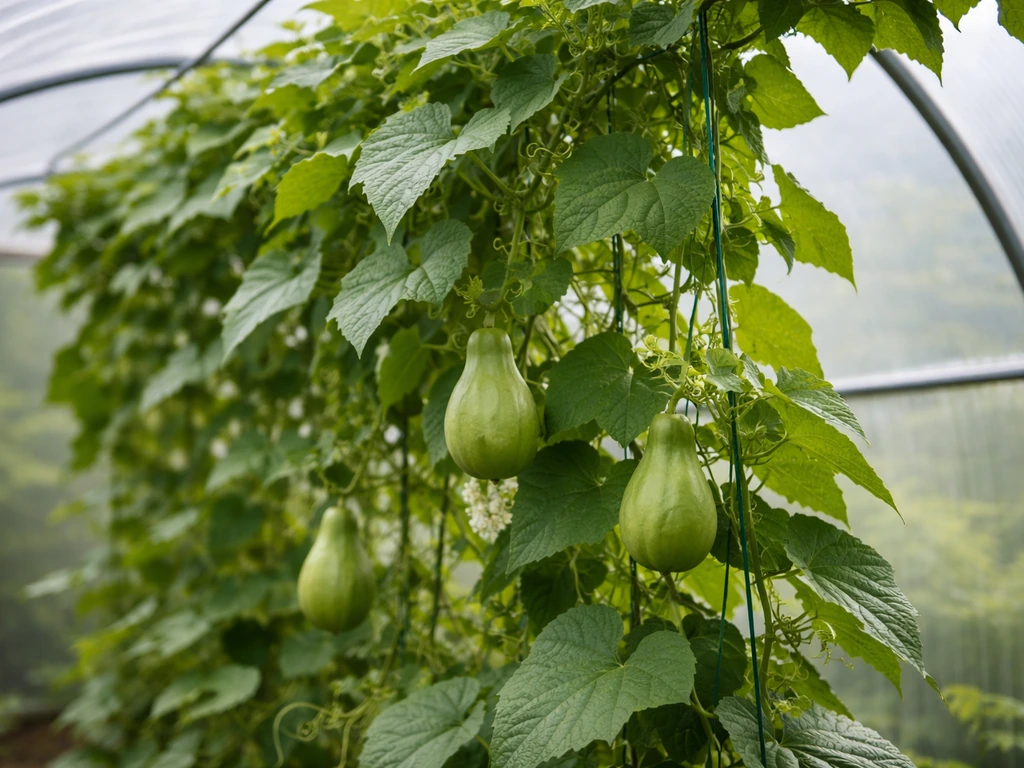
What it does offer, especially in the South of England, is enough of a season inside a greenhouse or polytunnel to make fruit production genuinely possible, not just a hopeful experiment. If you're in Scotland or the North, fruit is a stretch, but you can still grow the vine for its edible shoots and leaves. The honest summary: with the right protected setup and good timing, chayote is a viable, if demanding, crop for UK growers.
How realistic is growing chayote in the UK?
Chayote (Sechium edule) is native to Mexico and Central America and is typically grown as a perennial in USDA zones 8 to 11. The UK's average climate sits mostly in zones 8 to 9 by temperature, but the critical issue is not just winter cold: it's the length and warmth of the growing season. Chayote needs sustained heat to set and ripen fruit, and it is genuinely frost sensitive. According to Wikipedia, chayote is frost-sensitive and needs sustained heat to set and ripen fruit. Even a mild frost will damage the vine, and chilling injury to fruit can begin at temperatures below about 7°C. A cold, wet UK autumn will end your season fast.
Regional reality matters a lot here. The South Coast, parts of the South West, and sheltered spots in London and the Home Counties have the mildest springs and longest warm summers in the UK. These are the places where fruiting outdoors against a very sheltered, south-facing wall is at least plausible in a warm year. Move north into the Midlands, Yorkshire, or into Wales, and you really need a heated greenhouse or polytunnel to have any chance of fruit. In Scotland, a heated glasshouse is almost essential for fruiting, though the vine will grow vigorously enough if kept warm. The UK is not one climate block, and what works in Cornwall will not work the same way in Aberdeen.
The best setup for chayote in the UK
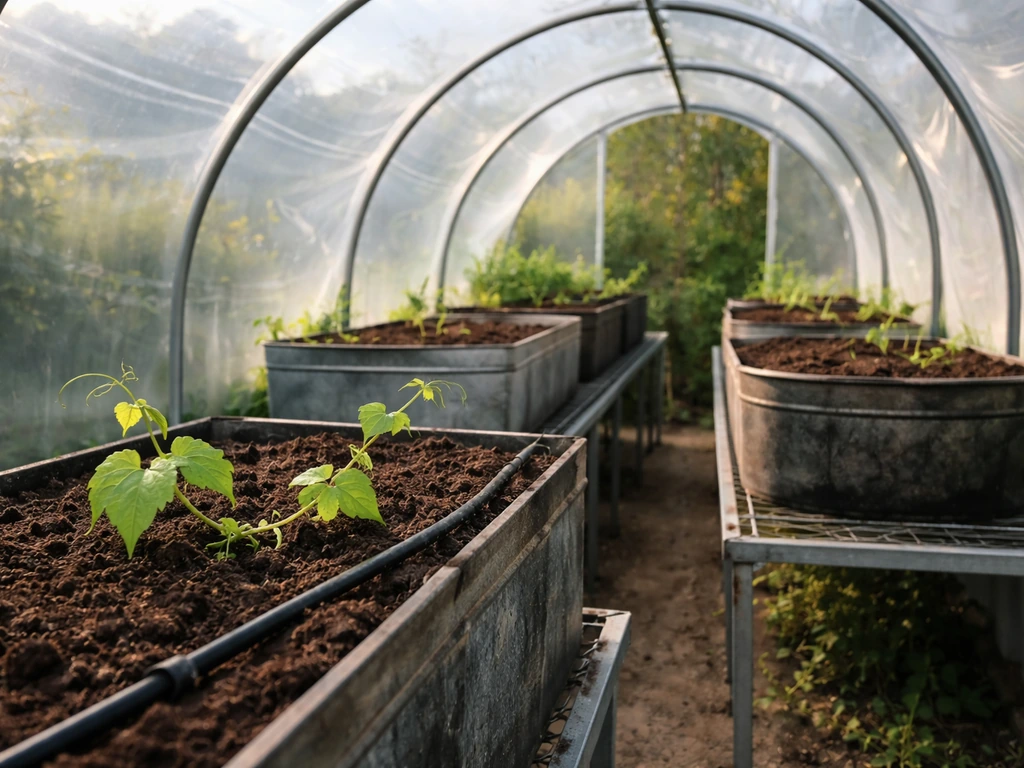
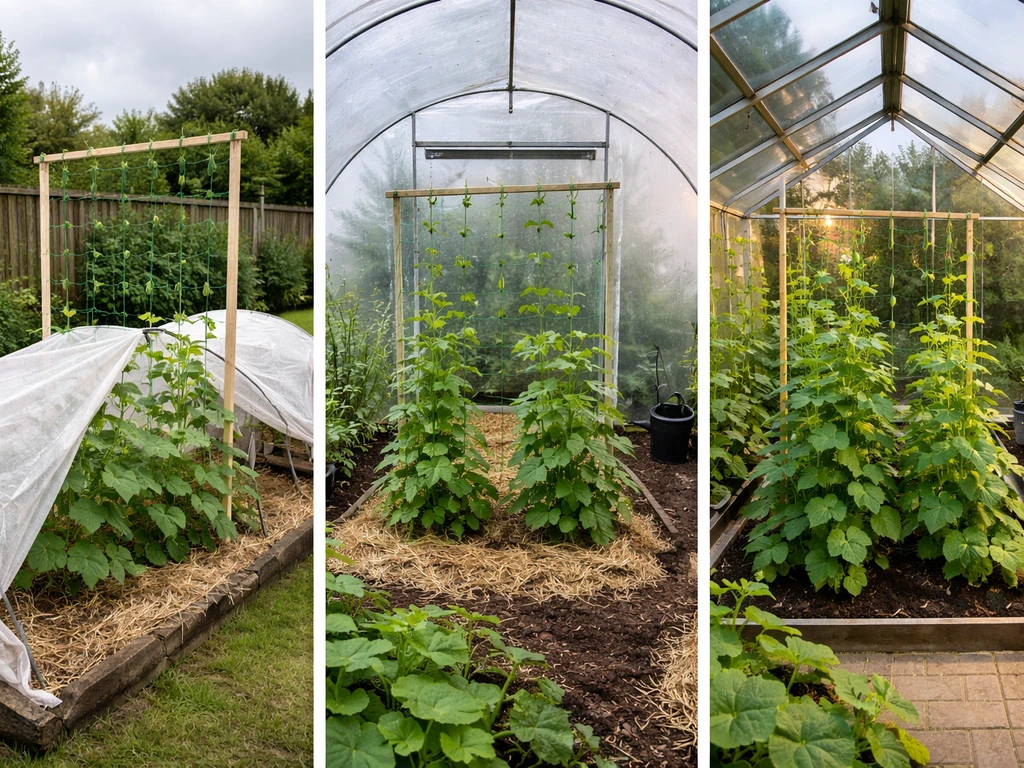
A greenhouse or polytunnel is by far the most reliable setup. It extends your effective warm season by four to six weeks at each end, protects against late and early frosts, and keeps temperatures above the chilling threshold on cool summer nights. An unheated greenhouse in southern England will usually do the job for fruiting in a decent summer. A polytunnel works similarly, though it can get very warm on hot days, which chayote actually appreciates. If you have neither, a large, very sheltered south-facing wall in the South of England is worth trying, but you must be prepared for seasons where the vine grows beautifully and produces no fruit at all.
Container growing works well for chayote, and is arguably the smartest approach in the UK because it lets you move the plant. Start it in a large pot (at least 40 to 50 litres), get it growing warm indoors or in a greenhouse, and then move it to your most sheltered outdoor spot once summer arrives. Containers also let you bring the plant back under cover before the first autumn frosts rather than watching the vine collapse overnight. The trade-off is that chayote is a vigorous vine that can reach 5 to 10 metres, so your container plant will need serious support and possibly more frequent feeding and watering than a ground-planted one.
Starting chayote: sprouting the fruit and timing your sow
Chayote is almost always propagated by planting the whole fruit, not a bare seed. The seed is fused to the fruit flesh and does not separate cleanly, so you plant the entire sprouted fruit as your propagation unit. Your first job is to find a viable fruit. Look in Caribbean, Asian, or Latin American grocers, where chayote is sold as a vegetable.
Buy one that is firm, undamaged, and not waxed if possible. Place it in a warm spot indoors, stem end slightly upward, and wait for a sprout to emerge from the narrow end. This can take two to four weeks at room temperature. Once you have a visible sprout of a few centimetres, the fruit is ready to plant.
Timing is everything. Chayote needs the longest possible warm season in the UK, so start early: late February to late March is the target window for getting your fruit sprouting and planted up indoors. Set the fruit in a large pot of compost at about 10 to 15 cm deep, angled so the sprout end points upward and is near the surface. Keep it in a warm spot at around 18 to 24°C, which in a UK spring means a heated propagator, a south-facing windowsill, or a heated greenhouse. The vine will emerge and start climbing quickly once it gets going.
Planting out, hardening off, and protecting from frost
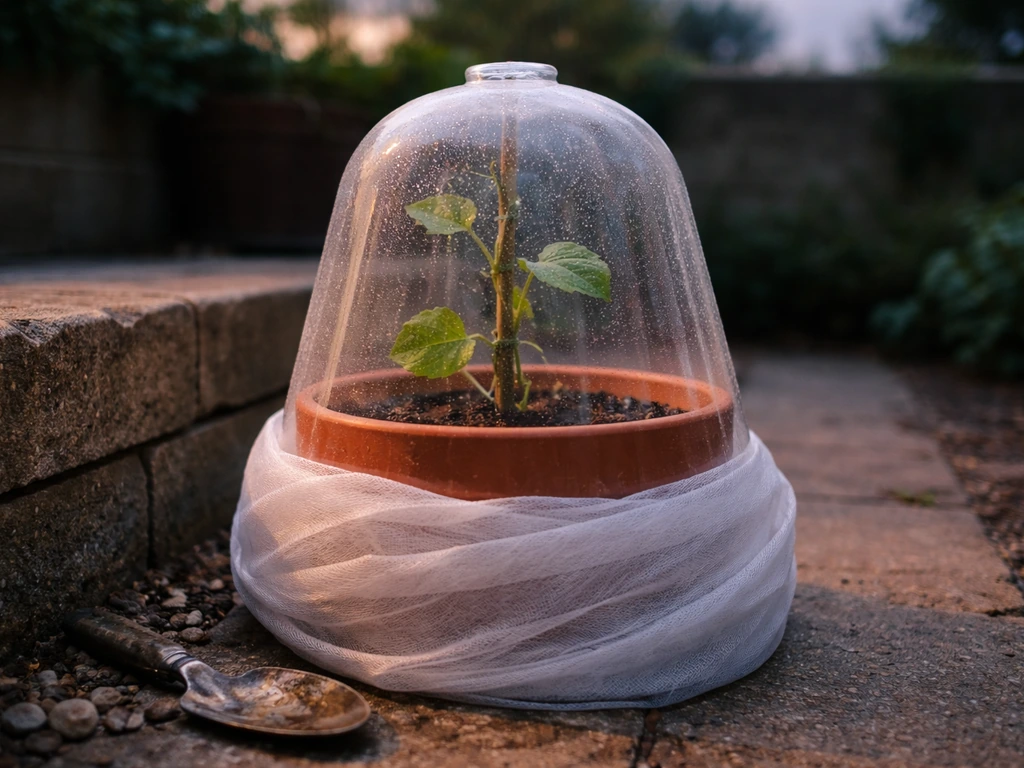
Do not rush to plant chayote outside. It will sulk, stall, or simply die if moved outdoors before temperatures have properly settled. The safe rule for the UK is to wait until at least late May, or early June if you are anywhere north of the Midlands or in an exposed position. Even in the South, a late frost in May is not unheard of, so keep fleece nearby. Before moving the plant outside, harden it off over two weeks: take it out for progressively longer periods during the day and bring it back in at night. This reduces the shock of cooler outdoor temperatures after a warm indoor start.
If you are keeping chayote in a greenhouse all season, you can move it to its final growing position earlier, around late April or early May, as long as night temperatures inside are staying above 10°C. Keep fleece or a frost cloth to hand even inside a greenhouse during cold May nights. Chilling injury starts below 7°C, so this is not overcautious. For outdoor planting in a sheltered spot, a cold frame or cloche during the first few weeks after planting out gives useful insurance against a late cold snap.
Growing care through the season
Soil and drainage
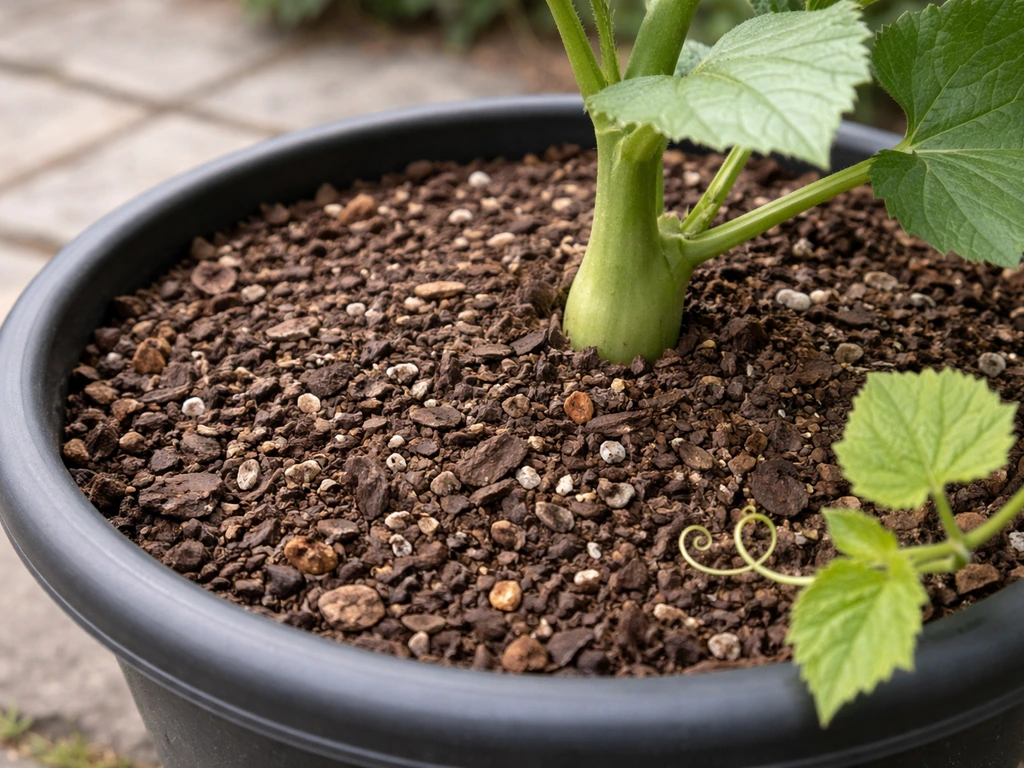
Chayote wants rich, well-drained soil with a slightly acidic pH, ideally around 6.0 to 6.5. In the UK, waterlogging is one of the biggest killers of chayote. Roots sitting in cold, wet soil rot quickly, and in our wet climate this is a real risk. If planting into the ground, work in plenty of organic matter and consider raising the bed by 15 to 20 cm. In containers, use a quality loam-based compost mixed with perlite or grit at roughly 80:20 to make sure water moves through freely. Never let the pot sit in a saucer of standing water.
Watering
Water consistently during the growing season, but always let the top few centimetres of soil dry slightly before watering again. Chayote likes moisture but cannot handle waterlogged roots. In a greenhouse during a warm UK summer, container-grown plants may need watering every day or two. Outdoor plants in the ground need less attention unless there is a prolonged dry spell, but in the UK that is rarely the issue. Reduce watering significantly as temperatures drop in autumn, both to harden the plant and to prevent rot as growth slows.
Feeding
Chayote is a heavy feeder. Once the vine is actively growing, feed every two weeks with a balanced liquid fertiliser during the vegetative phase, then switch to a higher-potash feed once flower buds appear to support fruiting. A target soil pH of around 6.0 also helps nutrient availability. Container plants in particular need regular feeding because nutrients leach out with frequent watering. If growth is looking yellow or sluggish, check both pH and nitrogen levels before assuming it is a temperature problem.
Support and training
Chayote is a vigorous, heavy vine and it will take over whatever space you give it. Put in solid support from the start: strong wires, a trellis, or a sturdy frame that can handle several metres of growth and the weight of developing fruit. In a greenhouse, train the main stem upward and then along horizontal wires. Outdoors, a south-facing fence or wall with tying wire works well. Pinching out the growing tip once the plant reaches the top of its support encourages lateral branching and more flowers. Do not be surprised if the vine grows 3 to 5 metres in a UK season under warm conditions.
Fruiting and what to realistically expect
Here is where honesty matters. Chayote needs roughly 120 to 150 warm, frost-free days to carry fruit from flower to harvest. In southern England in a good summer, inside a greenhouse or polytunnel started in March, you can get close to or achieve this window. In a poor summer, or further north, you may grow a beautiful vine with no fruit to show for it. Sechium edule (chayote) is a cucurbitaceous species reported to be relatively resistant to many pests and diseases. That is not a failure of technique; it is just UK weather.
Chayote is monoecious, meaning it carries both male and female flowers on the same plant, so you only need one plant for pollination. However, in a greenhouse with limited insect access, you may need to hand pollinate. Use a small paintbrush or simply pick a male flower and brush it against an open female flower (the one with a tiny swelling at its base). Do this in the morning when flowers are fully open. This is the same approach many greenhouse cucurbit growers use and it genuinely makes a difference to fruit set in a closed environment.
Fruit that does set should be harvested when it is still young and firm, typically when around 10 to 15 cm long, before the skin toughens. In the UK, depending on your start date and the summer you get, you might be harvesting from August through October if everything goes well. Do not leave fruit on the vine too long or it will over-ripen and the seed inside will begin to sprout (which is how chayote wants to reproduce, but it reduces eating quality).
Overwintering and restarting next season
Chayote is killed by frost but can be brought back from its tuberous root system (sometimes called chinchayote) if you protect it over winter. As autumn arrives and temperatures begin to drop, cut the vine back hard after the first signs of leaf dieback. If the plant is in a container, move it to a frost-free location such as a cool greenhouse, conservatory, or even a garage that stays above about 7 to 10°C. Keep the compost barely moist, not wet. The root will rest over winter and reshoot in spring when temperatures rise again.
If the plant is in the ground outdoors in a very mild part of the UK, you can try mulching the root zone heavily with straw or garden fleece to insulate it, but this is a gamble in most UK winters. A cold, wet winter is more likely to rot the roots than a short sharp frost, so the safest overwintering option is always to get the root under cover and keep it on the dry side. A chayote plant that has established a good root system in its first year will grow much more vigorously in year two, so it is well worth the effort of keeping it alive rather than starting fresh each spring.
If overwintering feels like too much hassle or you lose the plant, restart exactly as before: buy a fresh fruit from a greengrocer in late winter, let it sprout somewhere warm, and pot it up in late February or March. Second-year plants are faster and more productive, but a first-year plant in a good UK summer can still surprise you.
Quick comparison: growing setups for UK chayote
| Setup | Fruiting potential | Frost protection needed | Best suited to |
|---|---|---|---|
| Heated greenhouse | High | Minimal (heat provided) | All UK regions |
| Unheated greenhouse / polytunnel | Good in South, moderate elsewhere | Fleece in spring/autumn | South of England, Midlands |
| Large container, moved in/out | Good in South with warm summer | Move indoors before frost | South of England |
| Sheltered south-facing wall outdoors | Low to moderate, season-dependent | Cloche/fleece in spring/autumn | South Coast, South West |
| Open garden, no protection | Very low | Not practical | Not recommended in UK |
If you enjoy growing unusual crops and are curious about what else pushes the limits of a UK climate, chayote sits in interesting company alongside other challenging edibles that need specific conditions to thrive. If you are curious about other fungi and whether they can handle UK conditions, do cordyceps grow in uk? is a related question worth checking next.
If you are comparing other unusual crops, the question of whether reishi grows in the UK also comes down to the right conditions and temperature control. If you are wondering about another edge-case crop, can you grow lion's mane mushrooms in the UK will depend largely on your setup and temperature control chayote sits in interesting company.
To answer the question directly, does lion's mane grow in the UK depends on giving it the right conditions for fruiting, especially temperature and humidity. Can you grow chaga in the UK will depend largely on your setup and temperature control. The same honest approach to setup, timing, and protection applies across the board: the UK climate is workable for a wider range of plants than most people assume, but it rarely forgives neglect of the basics.
FAQ
If I cannot keep a greenhouse heated, is it still possible to grow chayote for fruit in the UK?
Yes, but only in the warmest southern spots where your greenhouse stays above about 10°C at night once you plant out. For most non-heated setups, expect leafy growth and possible delayed or no fruiting in cooler summers.
How do I know whether my chayote will produce fruit, or just grow vines, in a given year?
Look at your start date and your temperature history. If you cannot get sprouting and planting done in late winter to spring, or if night temperatures repeatedly dip below the chilling threshold during flowering and fruit set, you will likely end up with leaves and tendrils but no harvest.
Can I grow chayote from a store-bought chayote fruit without sprouting it first?
It is usually better to sprout first. The fruit is the propagation unit, but sprouting helps you confirm viability and lets you plant at the right stage, rather than waiting months with no clear sign the fruit is still alive.
What container size is truly “minimum” for UK success with chayote?
Aim for at least 40 to 50 litres, because the vine quickly becomes root-demanding in the UK’s greenhouse conditions. In smaller pots, plants can stall and drop flowers due to drought stress, nutrient exhaustion, or both.
Do I need more than one chayote plant to get fruit?
Usually no. Chayote is monoecious, so one plant can form both male and female flowers. If insects are limited or fruit set is poor, hand pollination becomes the practical fix.
When should I start hand pollinating, and how often?
Start as soon as you see fully open male and female flowers. Pollinate in the morning on days when flowers are fresh and open, and repeat across multiple flower cycles rather than relying on a single session.
My greenhouse chayote grows strongly, but flowers never turn into fruit. What’s the most common cause?
Chilling during flowering and early fruit development. Even if the vine grows, consistent nights below about 7°C can prevent proper set, so prioritize night heating or insulation and keep fleece or frost cloth ready.
How do I protect chayote from waterlogging in UK conditions?
Use a fast-draining mix and never leave the pot sitting in a saucer. In ground beds, raising the bed by 15 to 20 cm and adding ample organic matter helps, but the key is avoiding cold, saturated root zones.
Should I prune or pinch chayote, or will it fruit better if I let it run?
Pinching the top once it reaches your support encourages lateral branching, which often improves the number of flowering sites. Avoid aggressive pruning later in the season, because it can reduce the energy available for fruit set.
What are the signs that my chayote is suffering nitrogen or pH issues rather than cold?
Yellowing and sluggish, weak growth can indicate nutrient imbalance, especially in containers where leaching happens. Check pH around 6.0 to 6.5 and consider nitrogen availability before assuming temperature is the problem.
How should I overwinter chayote if I cannot keep temperatures above 7 to 10°C?
If you cannot maintain that frost-free, cool-resting window, overwintering becomes risky. The safer strategy is to treat it as a restart crop, sprout a new fruit in late winter, and focus your effort on achieving enough warm time for fruiting that year.
Can I leave chayote outdoors over winter in the UK if the location is mild?
Only as a gamble. Heavy mulching may protect roots in a brief, dry cold snap, but chayote roots are far more likely to rot in a cold, wet winter, so cover and shelter the root system is still the deciding factor.
How do I harvest correctly so the fruit stays edible and does not spoil quality?
Harvest when fruits are still young and firm, roughly 10 to 15 cm long, and before the skin toughens. If you leave them too long, the seed can start sprouting and eating quality declines.
Next Article
Can You Grow Tiger Nuts in the UK? Practical Guide for Gardeners
Can you grow tiger nuts in the UK? Practical, regional guide with planting dates, containers, harvest & recipes.