Yes, you can grow jujube (Ziziphus jujuba) in the UK, and in the right spot it will actually survive British winters without much fuss. The harder truth is that getting it to fruit reliably is a different challenge entirely. Jujube is surprisingly cold-hardy, tolerating temperatures down to around -15 °C or even lower, which means winter survival in most of England is genuinely achievable.
Can You Grow Jujube in the UK? Yes, Here’s How
James Hartwell
15 May 2026
The bottleneck is summer: jujube needs long, hot, dry seasons to ripen its fruit, and the UK rarely delivers that outside of a decent South East summer or a well-managed greenhouse. So the honest answer is: yes you can grow it, it's worth trying if you have a warm sheltered spot or some glass, but you should go in with open eyes about fruiting reliability.
What jujube actually needs to thrive and fruit
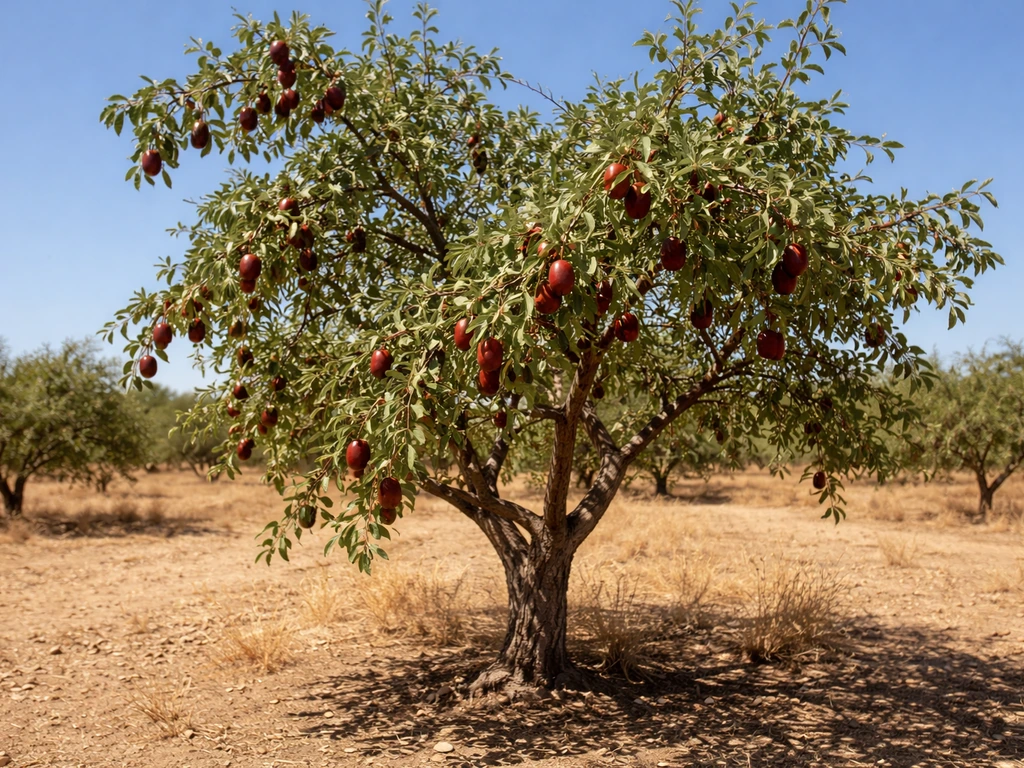
Jujube is native to China and Central Asia, which tells you a lot about what it wants. Think continental climates: cold winters, long hot dry summers, and plenty of sunshine. In the UK, we can usually deliver the cold winter part without any effort, but the hot dry summer is where we consistently fall short.
For fruit to form and ripen, jujube needs a genuinely warm growing season. Ripening typically happens in September to October, which means the tree needs several months of real warmth before that point. Research and grower experience consistently show that it 'needs long summers to bear fruit well', and that's the crux of the UK challenge. A cool grey August will leave you with hard, unripe fruit or no fruit at all.
Here's what jujube actually wants from a site:
- Full sun: at least 6 to 8 hours of direct sun daily through the growing season, ideally on a south or south-west facing aspect
- Warmth and shelter: a microclimate that traps heat, like a south-facing wall, courtyard, or walled garden
- Free-draining soil: jujube absolutely hates waterlogged roots and will struggle badly in heavy clay without amendment
- Soil pH: tolerates a wide range but performs best around 6.0 to 7.5
- Drought tolerance: once established, jujube actually prefers dry conditions and will fruit better in a dry summer than a wet one
- Low humidity: consistently damp conditions encourage fungal problems and reduce fruit quality
From a regional perspective, the South East, East Anglia, the Thames Valley, and sheltered spots along the South Coast give you the best realistic shot at outdoor fruiting. Move north of the Midlands and into Scotland and the growing season simply isn't long or warm enough for reliable fruit outdoors, though the tree itself may still survive and grow. In those areas, a polytunnel or greenhouse becomes much less optional.
The best UK growing setups
In the ground against a south-facing wall
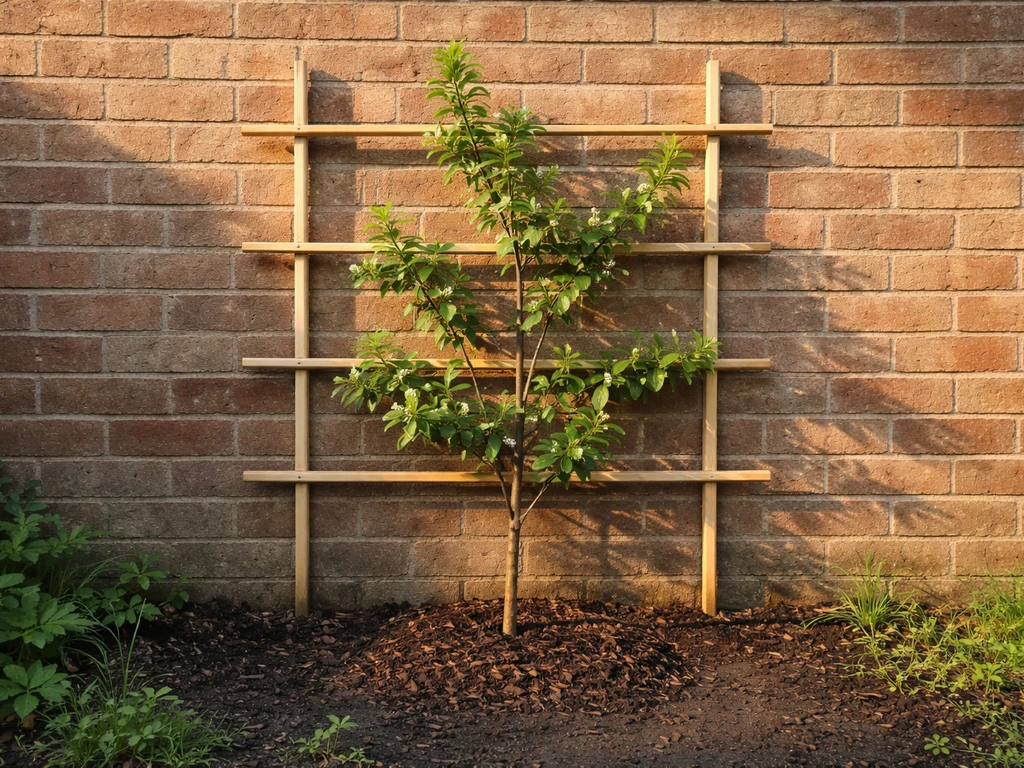
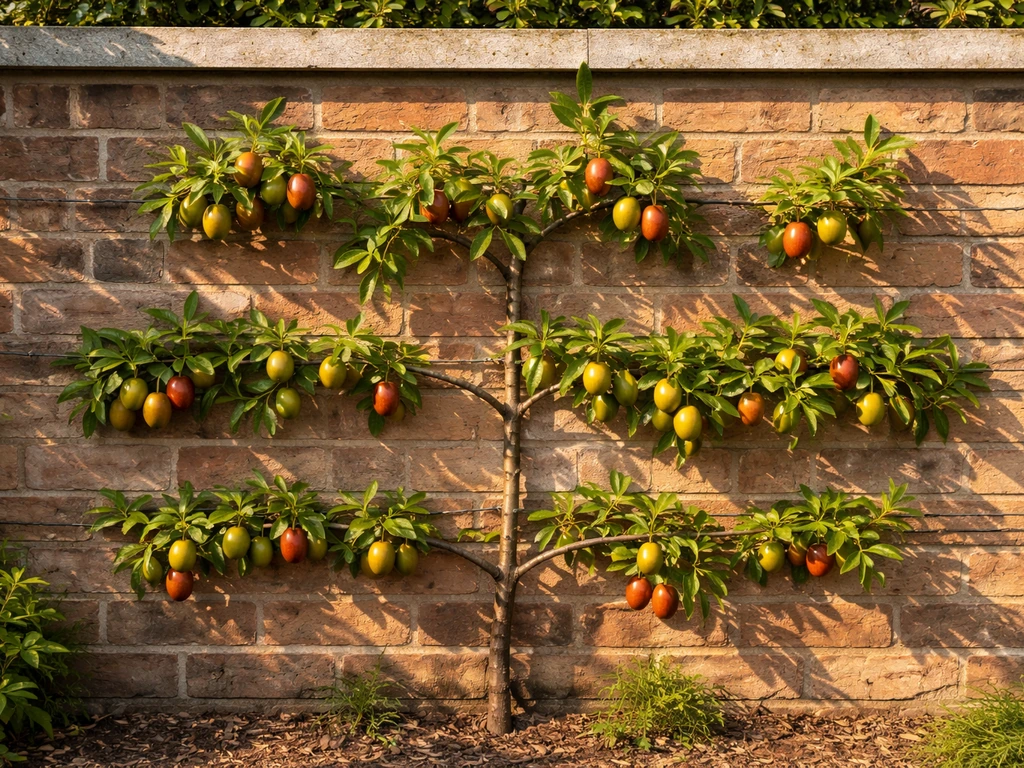
This is the gold standard setup for outdoor jujube in the UK. A south-facing wall acts as a thermal battery, absorbing heat during the day and radiating it back overnight. It can push your effective growing temperature up by 2 to 4 °C compared to open ground, which makes a real difference when you're chasing fruit ripening in September. Plant at the base of the wall, train the tree flat against it (fan or espalier style works well), and make sure drainage is excellent. Raised beds or mounded planting help if your soil is on the heavy side.
Container growing
Growing jujube in a large container is a practical option, particularly if your garden soil is poor or you want flexibility. A 40 to 60 litre pot in a free-draining loam-based compost (John Innes No. 3 with extra grit mixed in) works well. The big advantage of containers is mobility: you can move the tree to your sunniest spot in summer and bring it into a frost-free shed or unheated greenhouse over winter when young. The downside is that yield will always be lower than a well-established in-ground tree, and you'll need to water and feed more consistently since the roots can't forage freely.
Greenhouse or polytunnel
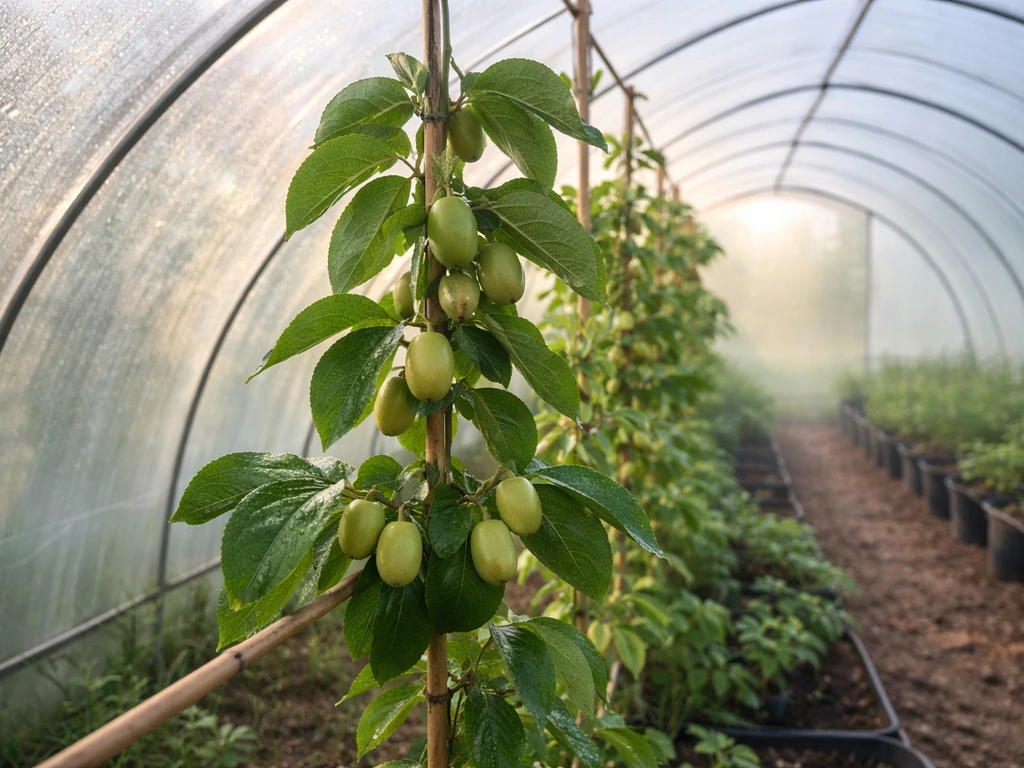
If you're in the Midlands, North, or Scotland, a polytunnel or greenhouse is your most reliable route to actual fruit. Under cover you can extend the effective season by weeks, control moisture levels, and give the tree the warmth it craves. An unheated polytunnel is usually sufficient for winter, since established jujube handles frost well. The challenge under glass is space: jujube can reach 5 to 8 metres outdoors, so you'll need to keep it pruned hard if it's sharing space with other crops. It also needs pollinator access, so make sure you can open vents and doors during flowering.
Varieties and how to get hold of plants
Variety choice matters more than many people realise. Some cultivars are bred for warm continental climates and need much longer seasons than others. For the UK, you want to prioritise varieties with shorter ripening periods and proven performance in cooler European climates.
| Variety | Fruit size | Season length | UK suitability |
|---|---|---|---|
| Li | Large | Long | Best in warm South East; needs a long hot summer |
| Lang | Medium-large | Medium | More adaptable; good for South England outdoors or polytunnel |
| Shanxi Li | Large | Medium-long | Popular in Europe; worth trying in sheltered Southern spots |
| Tigertooth (Tsao) | Small-medium | Shorter | Considered one of the better options for cooler climates |
| GA866 | Medium | Shorter | Used in European trials; reasonable in a UK polytunnel |
For UK growing, Lang and Tigertooth are generally considered the most practical starting points. They have slightly shorter seasons and cope better with a summer that isn't baking hot from June to September.
Seed vs rooted plants
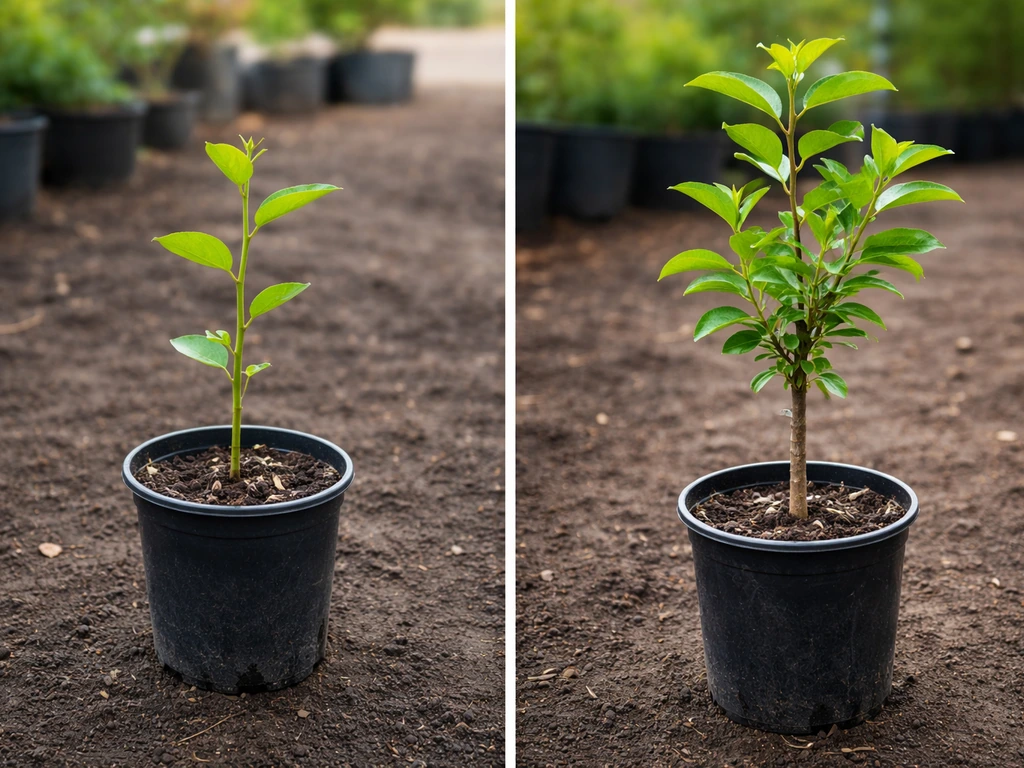
Skip seed if you can. Jujube grown from seed can take 5 to 10 years to fruit and the results are unpredictable in terms of quality and season length. Grafted or rooted plants from a named cultivar will fruit much sooner (typically 3 to 5 years from a young tree) and give you predictable results. In the UK, specialist fruit nurseries and online suppliers based in France and Germany often carry named jujube varieties that are well-suited to Northern European conditions. Check spring availability from April onwards, as stock is often limited.
Jujube is technically self-fertile, so you can get fruit from a single tree. That said, planting two different varieties near each other consistently improves fruit set, so if you have space for two, do it.
Planting and care through the season
Getting it in the ground
Plant in spring once the risk of hard frost has passed, typically from mid-April in the South to early May further north. Jujube breaks dormancy late, so don't panic if it looks dead well into May. Choose a spot with the best sun exposure you have. Dig in plenty of grit or sharp sand if drainage is questionable. Avoid adding lots of rich compost or manure at planting: jujube doesn't want over-fertile conditions and too much nitrogen pushes leafy growth at the expense of fruit.
Watering
Once established (after the first growing season), jujube is remarkably drought-tolerant and actually prefers it on the dry side. During the first year, water regularly to help roots establish, but avoid waterlogging. In subsequent years, hold back on watering once the tree is growing strongly. Dry conditions during fruit development genuinely improve sugar content and ripening, so resist the urge to water heavily in August and September.
Feeding
Less is more. A general balanced fertiliser in spring (something like a fish, blood and bone) is sufficient. Avoid high-nitrogen feeds after early summer as they push soft growth that doesn't harden before winter and delays fruit ripening. Potassium-rich feeds (such as a tomato feed or sulphate of potash) in July can help support fruit development.
Training and pruning
Left alone, jujube becomes a spreading, somewhat spiny tree. In UK conditions, you want to keep it manageable and maximise sun exposure on the fruiting wood. If you're wall-training, prune to maintain a flat fan shape, removing shoots growing directly away from the wall. On freestanding trees, aim for an open vase shape that lets light into the canopy. Prune in late winter while the tree is still dormant (February to early March). Avoid heavy pruning in autumn as this can stimulate soft growth heading into winter.
Getting through winter in the UK
The good news is that established jujube is genuinely hardy for most of England and Wales. It tolerates temperatures down to around -15 °C, which means even a cold UK winter shouldn't kill a well-established tree. blank" rel="noopener noreferrer">The RHS H5 hardiness rating covers plants surviving down to -15 °C, and jujube sits comfortably in that range. In practice, the bigger risk is spring frosts hitting new growth after the tree wakes up, rather than deep mid-winter cold.
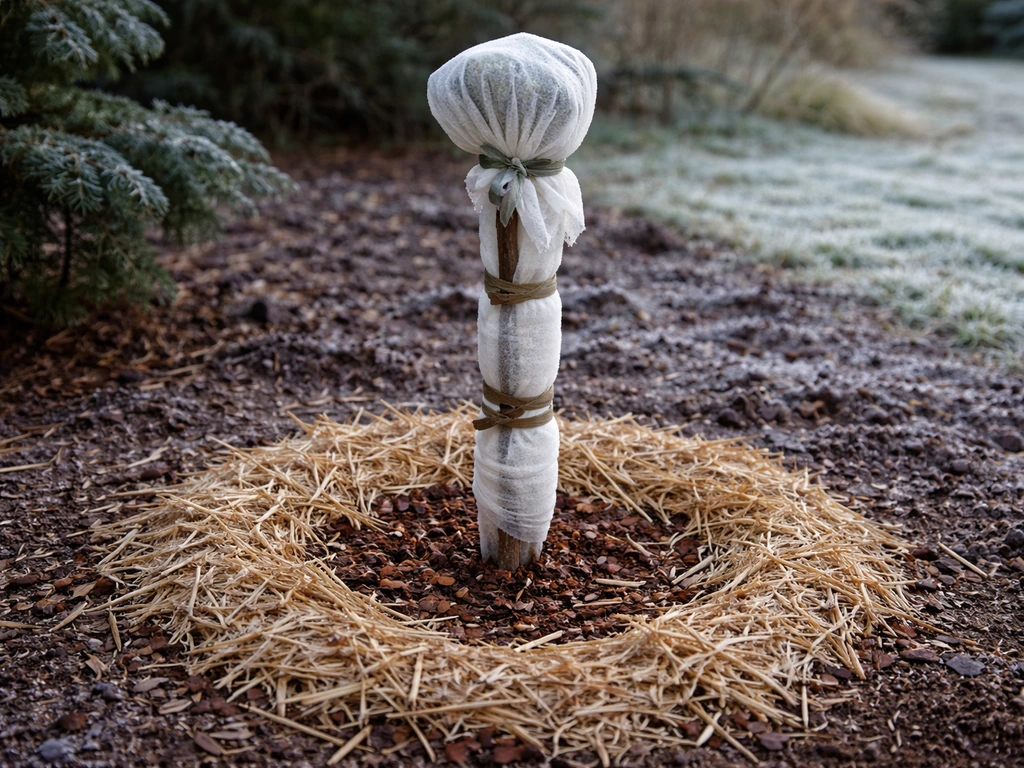
For young trees in their first and second winters, give them some protection regardless of your location:
- Mulch the root zone heavily with straw or bark to protect roots from ground frost
- Wrap the main trunk with horticultural fleece if temperatures below -10 °C are forecast
- Container-grown young trees: move into an unheated shed, garage, or cold greenhouse once leaves drop in autumn
- In-ground young trees in colder regions (Midlands northwards): consider a temporary fleece tent or cold frame protection in the first two winters
- Keep the soil on the dry side over winter: wet cold soil is much more damaging than dry cold soil
One important point raised in the research is that blank" rel="noopener noreferrer">even if the tree survives winter, mild or cool summers can mean new growth doesn't fully ripen and harden before the next winter arrives. That soft, unripened wood is more vulnerable to winter damage than properly hardened wood. This is why a warm, dry summer is critical not just for fruit but for the tree's long-term health in UK conditions. If you are specifically asking whether you can grow galangal in the UK, it is generally much harder because it needs warm, consistent conditions.
Realistic expectations and common problems
Will you actually get fruit?
Honestly, it depends on your location and the specific summer. In a warm South East garden with a sunny sheltered site, you have a reasonable chance of fruit in a good summer. In the Midlands or North, outdoors fruit ripening is more of a 'maybe in a hot year' situation. In Scotland, a polytunnel is really essential if fruit is your goal. Under glass or polytunnel almost anywhere in England, you can reliably expect fruit within 3 to 5 years of planting a named cultivar. Fruit ripens in September to October, so your last chance for outdoor ripening comes down to whether your autumn is warm enough.
Don't expect fruit in the first year or two regardless of where you are. Jujube needs time to establish and then begin flowering. Flowering happens on new season's growth in June to July, which is another reason that late spring frosts are a bigger problem than winter cold.
Pests and diseases
Jujube is genuinely tough on the pest and disease front compared to most UK fruit trees. It doesn't attract the usual apple or plum pests in any meaningful way. The main things to watch for in UK conditions are:
- Powdery mildew: more common in humid or shaded conditions; avoid overhead watering and improve air circulation
- Scale insects: can colonise stems, particularly on wall-trained trees; treat with a winter plant oil wash
- Aphids: occasional on soft new growth in spring; usually not serious and natural predators keep them in check
- Root rot: almost always caused by poor drainage rather than any specific pathogen; fix your drainage before planting
- Witches' broom (a phytoplasma disease): rare in the UK but worth knowing about; causes abnormal bushy growth and there's no cure, so remove and destroy affected wood immediately
Your next steps today
If you've read this far and want to give jujube a go, here's how to move forward practically. If you are specifically wondering about jacaranda, it will be very hard to grow outdoors in the UK, but a container approach may be worth considering depending on your winter protection. First, assess your microclimate honestly: do you have a genuinely sunny, sheltered south-facing spot, or are you relying on an exposed north-facing border?
Be honest with yourself, because site is everything with this plant. Second, decide between in-ground and container based on your soil drainage and whether you want flexibility. Third, pick a variety: Lang or Tigertooth are sensible starting points for UK conditions. Fourth, source a grafted plant from a reputable specialist nursery rather than seed.
Fifth, plan your winter protection strategy now even if you're planting in spring: having fleece, mulch, and a clear plan beats scrambling in November. And finally, set your fruiting expectations by location: if you're in the South East with a great site, aim for fruit in three to five years. If you're further north, treat the first few years as getting the tree established and consider a polytunnel to seriously improve your odds.
Jujube sits in interesting company among the more ambitious fruits UK gardeners attempt. It's more realistic than jackfruit outdoors, hardier than gardenias, and probably more achievable than a fruiting jacaranda in most UK spots. Jackfruit is much harder to grow outdoors in the UK due to its need for consistently warm conditions, but some gardeners do it successfully under protection in very sheltered spots jackfruit outdoors. The tree itself is genuinely tough and adaptable. The challenge is purely about summer heat and season length, and with the right setup, that's a challenge you can engineer your way around.
FAQ
How much sun does a jujube tree need in the UK to actually ripen fruit?
Choose a site where you can reliably get sun from mid morning to late afternoon (ideally at least 6 to 8 hours). If your “warm spot” is shaded after lunchtime or gets blocked by tall fences, fruiting usually fails even if winter survival is fine.
Can you grow jujube in a pot in the UK and still get fruit?
Yes, but do not assume container growth solves the summer heat problem. Move the pot to the sunniest wall you have, keep it dry rather than wet in August and September, and recognize that potted trees often ripen fewer, smaller crops than in-ground trees.
What’s the biggest risk to fruiting, winter cold or spring frost?
Plan around flowering on new growth. Late spring frosts can damage flowers and young shoots, so use fleece on cold nights when growth is visible, especially for young plants and anything in containers that sits near reflective walls.
My jujube grows well but won’t fruit, what’s the common mistake?
If you see lots of leaves but few or no fruit, the usual cause is excess nitrogen or watering too heavily late in the season. Stop high-nitrogen feeding after early summer, and keep moisture on the dry side while fruits are developing (roughly mid August through ripening).
Is one jujube tree enough to fruit in the UK?
Self-fertile is helpful, but two compatible cultivars usually improve set. If you can only plant one tree, prioritize the best microclimate and consider adding another variety later rather than switching to seed, since seed plants are unpredictable.
Do I need to cover or mulch my jujube in UK winters?
In general, winter protection for established trees is minimal, but young trees (first two winters) benefit from fleece plus a dry, well-aerated root zone. Don’t wrap tightly around wet compost or mulch, and avoid waterlogging under cover.
Should I grow jujube from seed or buy a named plant?
Grafted plants are the safer route for timing and quality. Seed can take 5 to 10 years and the plant can be much later or less productive, so if your goal is fruit, buy a named cultivar rather than collecting seed.
How should I prune jujube in the UK to maximize ripening in September?
Use a pruning approach that keeps fruiting wood close to maximum light. For wall-trained trees, remove shoots growing away from the wall and maintain a flat fan, for freestanding trees use an open vase so interior branches receive sun.
At what point should I switch from outdoor growing to polytunnel or greenhouse?
If you’re in the Midlands or further north, consider protection before you plant, not after you fail once. A polytunnel can extend the season by weeks, which matters because ripening is typically September to October, and a cool August can leave fruit unripe.
What’s the best way to handle heavy clay soil when planting jujube?
Check drainage first, then adjust your planting. Jujube tolerates dry conditions but not soggy roots, so improve heavy soil with grit and sharp sand, and use a raised mound or container if winter water sits in the area.
My jujube hasn’t leafed up yet, is it dead?
Dormancy can be misleading, the tree often looks dead well into May. Wait until later in spring to judge success, and only do major troubleshooting after you confirm whether shoots actually emerge.
Can jujube fruit ripen indoors or after picking if the UK autumn is cool?
Yes, but it’s not guaranteed. If autumn stays cool and cloudy, you may only get partially ripened fruit, which then won’t improve much after picking. Use heat-retaining siting and avoid late watering so whatever does set has a better chance to finish.
Next Article
Can You Grow Gardenias in the UK? Practical Guide
Learn if you can grow gardenias in the UK and how to succeed indoors or in a greenhouse with acid soil care.