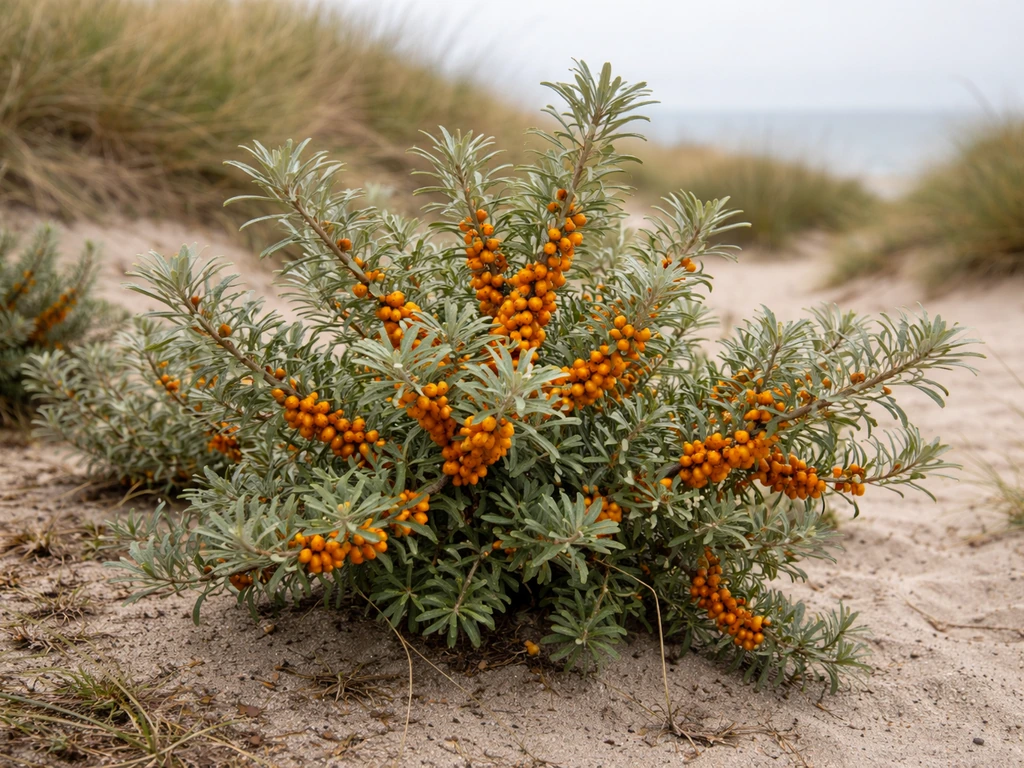
Yes, sea buckthorn (Hippophae rhamnoides) grows very well in the UK. Does juniper grow in the UK? If you are comparing options for tough, hardy plants, the UK climate and growing conditions can support many juniper species too. If you are wondering about a different fruit crop, you might also be asking can you grow raspberries in the UK. It's actually native to the east coast of England, particularly in coastal dune habitats, and it's rated H6 by the RHS, meaning it can handle temperatures down to around −20°C. If you give it full sun, well-drained soil, and don't plant it somewhere that sits wet in winter, it will establish and thrive without much fuss. The main practical considerations are getting the drainage right, planting both male and female plants if you want berries, and being aware that it's listed as an invasive non-native species outside its native range, which has legal implications for where you plant it.
Does Sea Buckthorn Grow in the UK? UK Growing Guide

Where sea buckthorn actually comes from
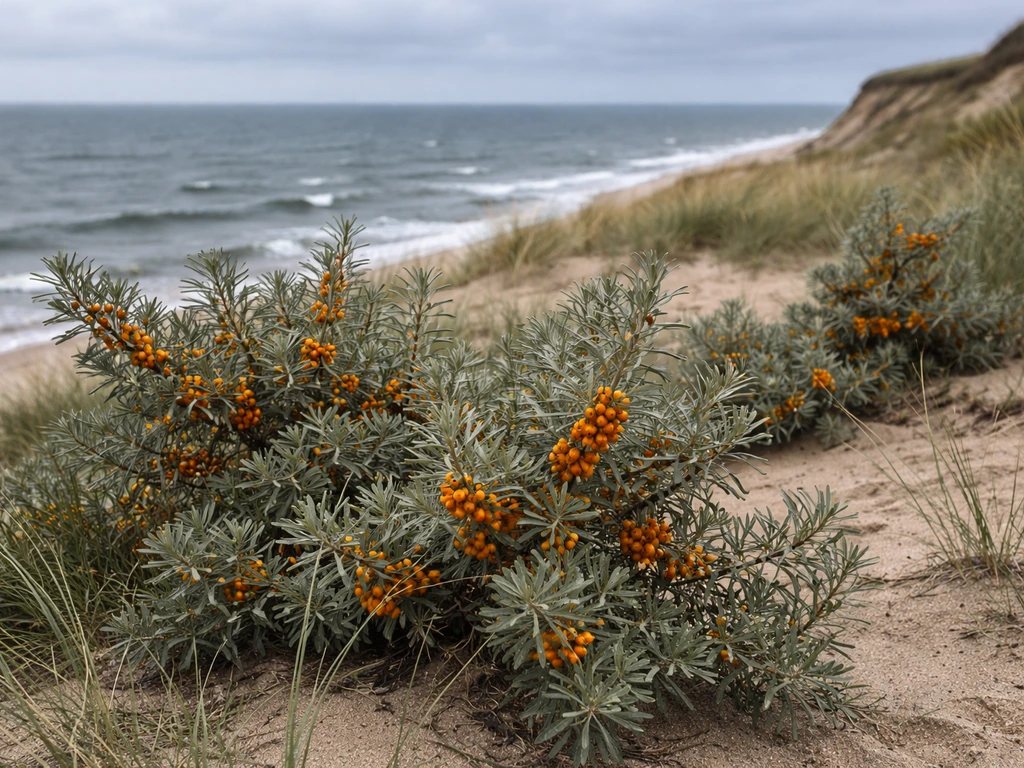
Sea buckthorn has a huge natural range across Eurasia, spanning roughly 27 to 69 degrees North latitude. That means it grows naturally from the mountains of the Himalayas all the way up to sub-Arctic regions of northern Europe, which tells you something useful: this is a genuinely cold-hardy plant that's evolved in tough, exposed, often nutrient-poor environments. It's not a marginal or exotic species being pushed outside its comfort zone in Britain. In fact, the UK sits comfortably within that native climatic range.
In England specifically, sea buckthorn is considered native to the east coast, where it grows naturally in coastal dune systems. You'll find it in places like Lincolnshire, Norfolk, and parts of the Yorkshire coast. That dune habitat is key to understanding the plant: it's adapted to sandy, free-draining, often nutrient-poor soils, exposed to strong wind and salt spray. That native niche is essentially your template for growing it successfully anywhere else in the UK.
The invasive species issue you need to know about
Before you order plants, there's an important legal point. Although sea buckthorn is native to parts of England's east coast, it's listed on Schedule 9 of the UK Wildlife and Countryside Act as an invasive non-native species in other parts of the UK. This means it's an offence to plant it, or allow it to establish, in the wild outside its native range. In practical terms, that means you need to keep it contained within your garden and make sure it can't spread to nearby natural habitats, hedgerows, or uncultivated land. It spreads aggressively by root suckers and has colonised dune systems where it was planted for stabilisation, outcompeting native vegetation. Grow it with that in mind.
Where in England it's most likely to do well
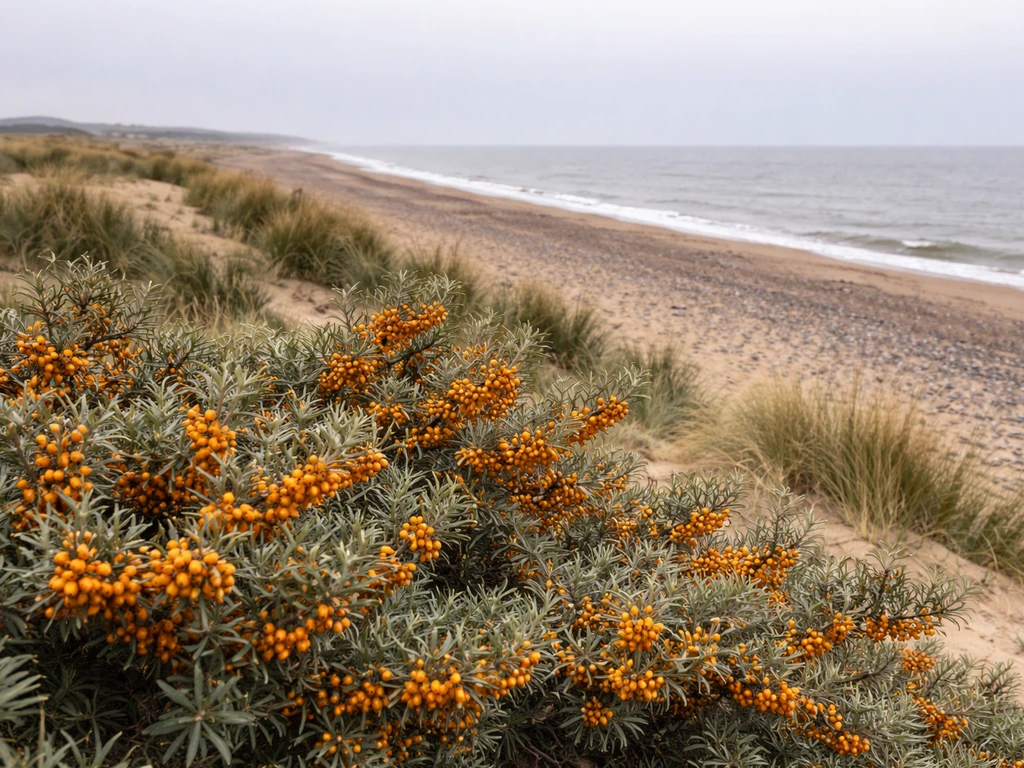
Given its native coastal dune habitat, sea buckthorn is most at home in eastern and southeastern England, particularly anywhere near the coast. The east coast from Norfolk up through Yorkshire and Lincolnshire essentially mirrors the plant's natural conditions: free-draining sandy soils, strong wind exposure, relatively low rainfall compared to the west of the country, and plenty of sun hours. If you're in one of those areas, growing sea buckthorn should be straightforward.
That said, it's fully hardy throughout the British Isles. The south coast of England, including Kent, Sussex, and Hampshire, also offers good conditions, especially on lighter, well-drained soils. Inland gardens across the Midlands and southern England can work well too, provided drainage is excellent and the site isn't shaded. It's in wetter, heavier-soil areas, particularly in the north and west of England, that you need to be more careful. It's not that sea buckthorn can't handle the cold up north (it absolutely can, surviving well below −20°C), but the higher rainfall combined with clay or compacted soils creates the waterlogging conditions that will actually kill it.
If you're in northern England or Scotland and want to try it, look for your best-drained, most sun-exposed spot and consider raised growing or soil amendment before planting. Think of it like growing lavender or any Mediterranean herb: it's not the cold that gets them, it's the wet.
What your site actually needs to provide
Getting the site right is the single biggest factor in success. Sea buckthorn is surprisingly unfussy in some ways (it fixes its own nitrogen, so poor soil isn't a problem), but it is unforgiving about a few specific conditions.
| Condition | What it needs | UK reality check |
|---|---|---|
| Sun | Full sun, or at minimum partial shade | Shaded spots will produce weak growth and poor fruiting |
| Drainage | Free-draining sandy, gravelly, or loamy soil | Heavy clay or waterlogged sites are the most common reason for failure |
| Soil quality | Poor to moderately fertile soil | Rich, heavily composted soil isn't needed; nitrogen-fixing roots handle that |
| Soil pH | Roughly pH 5.0 to 8.0 | Broadly tolerant, works well on most UK soils |
| Wind | Tolerates and actually prefers exposed, windy positions | One of the best shrubs for coastal exposure and salt spray |
| Waterlogging | None tolerated, especially in winter | This is the deal-breaker for many UK gardens |
On the wind point: sea buckthorn is exceptional. It handles salt-laden coastal winds that would damage most shrubs, which is part of why it was planted so widely on dunes and why it makes a brilliant windbreak hedge in exposed seaside gardens. The Cornell Woody Plants Database lists sea buckthorn as tolerating salt spray and salty soil and having full sun requirements, with a soil pH tolerance of roughly pH 5.0 to 8.0 salt spray and salty soil and soil pH tolerance. If you're somewhere like the Norfolk coast or the Yorkshire coast and want a tough, productive hedge that doesn't mind the gales, it's one of the best plants you can choose.
Planting and getting it established in the UK
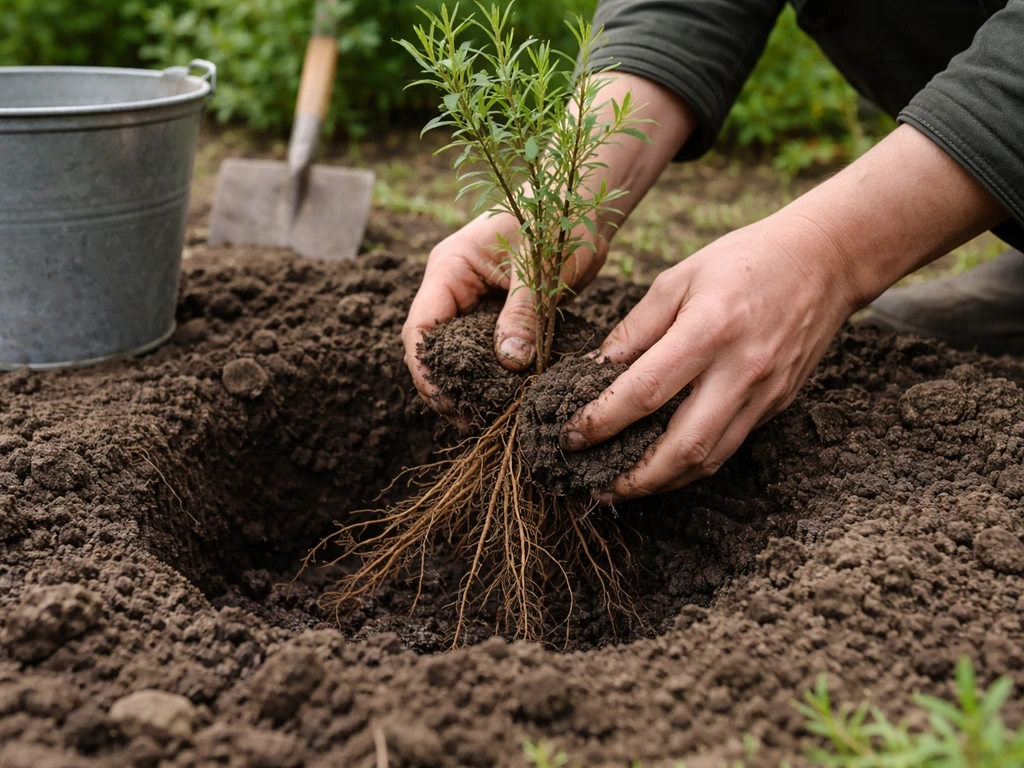
You can plant sea buckthorn as bare-root stock in late autumn to early spring (November to March), or as container-grown plants pretty much any time the ground isn't frozen or waterlogged. Bare-root is cheaper and often what nurseries supply. If yours arrive by post, soak the roots in water for a few hours before planting to rehydrate them properly.
If your soil is even slightly heavy or clay-based, mix in perlite or horticultural grit around the planting hole to improve drainage. You don't need to add compost or fertiliser because the plant fixes its own nitrogen, and rich soil can actually encourage lush, sappy growth that's more vulnerable. The goal is a lean, well-drained root environment. Plant at the same depth as the plant was growing previously, firm in well, and water in, but don't keep watering unless you're in a genuine drought. Overwatering newly planted sea buckthorn in a wet UK autumn is a real risk.
The male and female plant issue
Sea buckthorn is dioecious, meaning plants are either male or female, and you need both to get berries. If you're growing it as a windbreak or for wildlife cover, one sex is fine, but if you want that characteristic orange fruit, you need to plant males alongside females. The usual ratio is one male plant for every five to seven females. When you buy, check whether the nursery sells sexed plants. Some do, which makes life easier. If you're buying unnamed hedge plants, ask the nursery for advice on their male-to-female ratio. Without a male within pollinating distance, your female plants will never fruit.
Ongoing care and getting through UK winters
Once established, sea buckthorn is genuinely low-maintenance. It doesn't need feeding (again, that nitrogen-fixing ability covers it), and it doesn't need much watering once it's through its first season. Winters in the UK are not a problem from a temperature perspective: even the coldest recorded UK winters are well within what this plant handles naturally. The RHS H6 rating covers minimum temperatures of around −20 to −15°C, which is much colder than anything England typically delivers.
What can cause winter problems is waterlogging. If your soil becomes saturated and then freezes, it causes much more damage to the root system than cold alone would. This is why drainage matters so much in the UK context specifically. If you've planted on poor-draining ground and notice standing water around the base in autumn, act fast: improve surface drainage away from the plant or consider whether the site needs to be rethought.
Sea buckthorn does spread by root suckers and can colonise surrounding ground fairly aggressively. In a garden setting, check around the base each spring and cut back any suckers you don't want. This is especially important if you're near natural habitats, given the Schedule 9 rules. A bit of mowing or hoeing around the plant each year is enough to keep it contained. Pruning the shrub itself is straightforward: it tolerates hard cutting back, so if it's getting too large, cut it back in late winter without worrying too much.
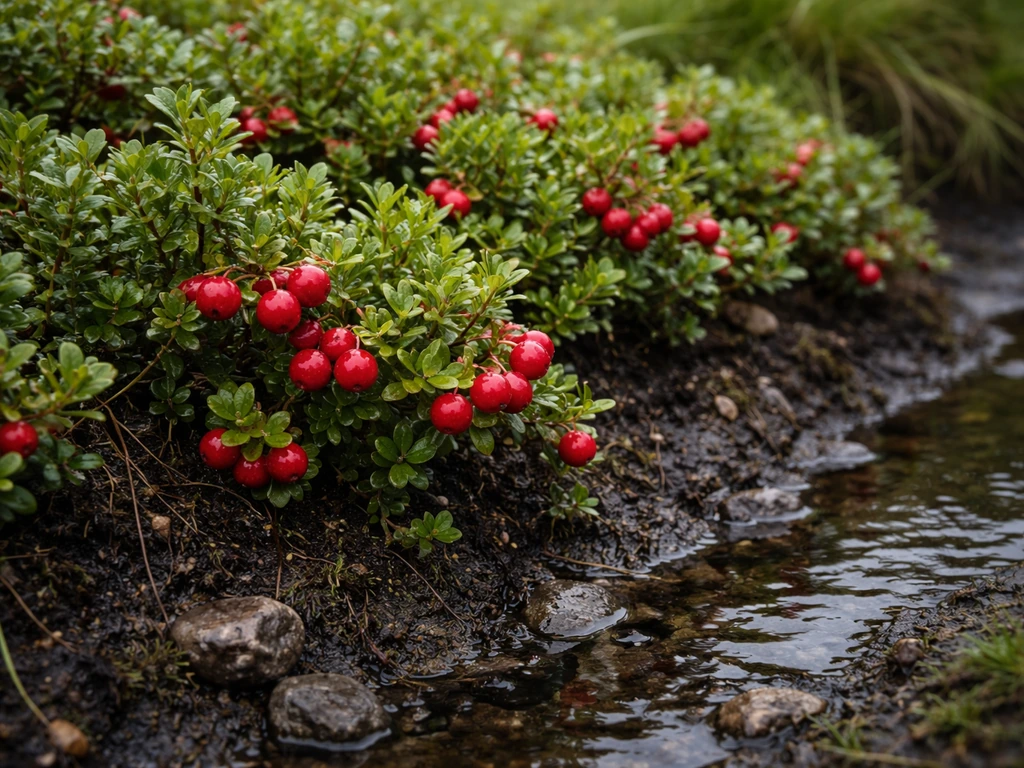
If you're interested in other tough, native-range fruit shrubs in a similar vein, lingonberries and cranberries also suit cooler, more exposed UK conditions, though they go the opposite direction on drainage and soil moisture. Lingonberries do grow in the UK, but they prefer acidic soil and consistently moist, well-drained conditions rather than the drier, sandy setup sea buckthorn likes. You can also grow hops in the UK, but you will need plenty of sun and a support structure so the vines can climb tough, native-range fruit shrubs. And if you're after other reliable fruiting hedges, gooseberries are arguably the most forgiving of all British soft fruit options.
Practical next steps if you want to plant today
- Check your drainage honestly: dig a hole 30cm deep, fill it with water, and see how long it takes to drain. If water is still sitting after a few hours, you'll need to improve things before planting.
- Confirm you have a full-sun spot, ideally south or east facing, away from overhanging trees or buildings that would shade it for much of the day.
- Source plants from a reputable UK nursery that can tell you the sex of the plants. If you want fruit, order both male and female varieties in roughly a 1:5 or 1:6 ratio.
- Check whether you're in or near the plant's native range on the east coast of England. If you are, fewer restrictions apply. If not, make sure your planting plan keeps the plant contained within your garden boundary.
- Plan your soil prep before the plants arrive: if you're on anything heavier than sandy loam, buy horticultural grit or perlite to mix into the planting holes.
- If you're buying bare-root, aim to plant between November and March. If container-grown, you have more flexibility, but avoid planting during summer drought without having a watering plan for the first few months.
FAQ
If sea buckthorn is native to the UK, does that mean I can plant it anywhere in the UK garden?
Not exactly. Even though it is native to parts of England’s east coast, it is treated as an invasive non-native species outside that native range under Schedule 9. In practice, you should only keep it contained within your property, prevent root-suckering spread, and avoid planting it near boundaries that could allow it to establish in nearby uncultivated or natural habitats.
Can I grow sea buckthorn in a pot in the UK, or will it still spread?
You can grow it in a container, but it will still produce suckers if the growing conditions suit it. Use a large pot, keep it well contained, and regularly check for shoots around the surface and at the base. Also, prioritize fast drainage, because potted plants can waterlog quickly in autumn and winter if the compost stays saturated.
What’s the most common reason UK-grown sea buckthorn fails even if it survives the winter?
Waterlogging. The plant’s cold hardiness is excellent, but saturated roots are the real problem, especially when water then freezes. If you see standing water or persistent soggy ground after heavy rain, improve drainage or choose a steeper, freer-draining site.
How close do male and female sea buckthorn plants need to be for berries?
Keep them within a typical pollination range, ideally in the same garden and not separated by large obstacles or long distances. If you cannot confirm nursery-supplied sexed plants, ask whether they can recommend a practical spacing plan for your layout, because “no berries” is most often a missing male nearby issue.
Do I need to add fertilizer or manure to get better fruiting in the UK?
Usually no. Sea buckthorn fixes its own nitrogen, so adding rich compost or heavy feeding can create overly lush, sappy growth that is more prone to issues. If you want to adjust soil at planting, focus on drainage amendments rather than boosting fertility.
If I buy unnamed sea buckthorn for a hedge, how can I reduce the risk of ending up with no fruit?
Ask the nursery about their typical male-to-female ratio in mixed or hedge stock, and whether they can swap in sexed plants if fruiting is your goal. If you do not get that information, plan to buy enough plants to make it likely you have both sexes present.
Can I plant sea buckthorn on clay soil if I improve the hole with grit or perlite?
It can work, but only if you reliably prevent saturation around the roots. Mixing grit in the planting hole helps locally, yet the surrounding clay can still hold water. If the area stays wet in winter, consider raised planting, improving wider site drainage, or choosing a different spot rather than relying on a single localized amendment.
How much watering should I do after planting in the UK?
Water in at planting, then avoid routine watering unless there is a genuine drought. In the UK, the biggest risk is overwatering during wet autumn weather, which can lead to root damage even when temperatures are fine.
Is it okay to prune sea buckthorn hard back in winter?
Yes, it tolerates hard cutting back, but do it in late winter and expect regrowth from existing wood and, often, increased suckering. If you are managing spread near boundaries or sensitive habitats, plan to control suckers during the growing season as well.
Does sea buckthorn provide a wildlife benefit in UK gardens, even if it is managed to prevent spread?
Yes. It is wind-tolerant and can create dense cover that many birds use. If you keep it contained, you can get the habitat value without allowing it to escape into dune-like or uncultivated areas where it can outcompete native plants.
Can You Grow Cranberries in the UK? How to Succeed
Can you grow cranberries in the UK? Learn best conditions, regions, containers or bog-edge methods, and step-by-step car