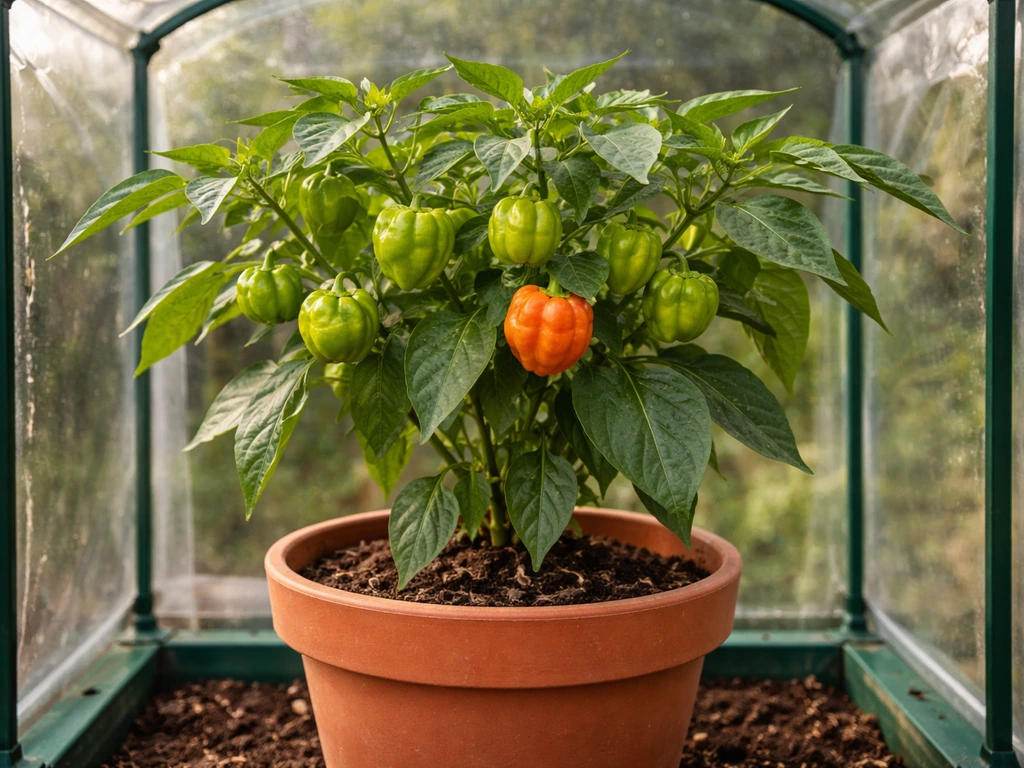
Yes, you can grow Carolina Reapers in the UK, but you will not get a reliable harvest by just sticking them outside and hoping for a warm summer. These are Capsicum chinense plants, the same species as habaneros, and they need a long, warm season that the British climate simply does not hand you for free. With a heated propagator, a greenhouse or polytunnel, and a sowing date in January or February, you can absolutely grow them to a full harvest of ripe red pods. Do it in pots on a windowsill with a late start and no protection, and you will likely end up with green fruits that never quite ripen before the cold arrives.
Can You Grow Carolina Reapers in the UK? A Practical Plan
James Hartwell
30 Jun 2026
Outdoor, greenhouse, or indoor: what actually works in the UK
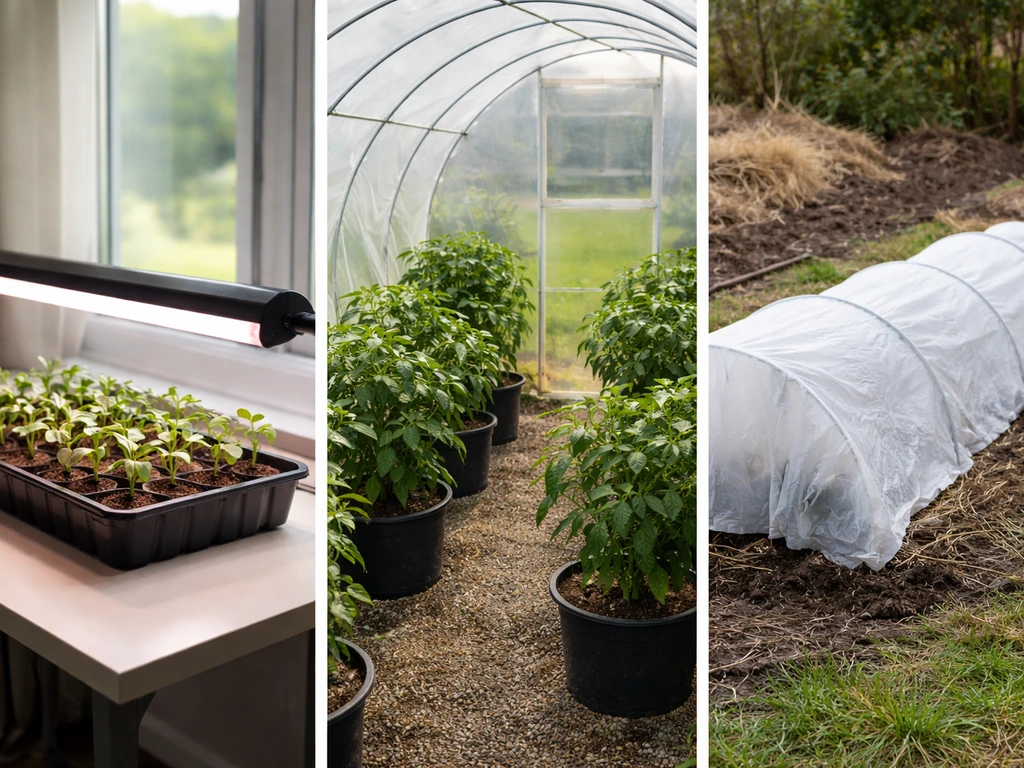
Let's be honest about the outdoor option first. Growing Carolina Reapers fully outside in the UK is possible in the warmest parts of the south coast in a genuinely good summer, but it is a gamble most years. The season is too short and too cool for consistent results. You might get green pods. You might get a few that start to turn. But full red ripeness outdoors, reliably, year after year? Not really.
A greenhouse or polytunnel is the realistic route for most UK growers. Bay leaves are much easier to grow in the UK than Carolina Reapers, but they still need good light and protection from frost can you grow bay leaves in uk. Even an unheated greenhouse buys you several weeks of extra warmth at both ends of the season, and that matters enormously with a plant that needs 90 to 120 days from transplant to ripe fruit. If you can heat your greenhouse to keep it above 16°C at night through late spring and early autumn, your chances of a full harvest go up dramatically. A south-facing polytunnel is ideal, particularly in the Midlands, Wales, or anywhere north of, say, Birmingham.
Indoor growing under lights is a completely viable option too. A bright south-facing conservatory or a dedicated grow-light setup can get you ripe pods even in Scotland. If your goal is to grow cloves in the UK, you can get reliable results by following similar timing and climate-aware growing conditions ripe pods. It takes more equipment and attention, but it removes the season-length problem entirely. Plenty of chilli growers in the UK treat Carolina Reapers as a container crop that lives indoors from sowing to harvest, only spending summer months outside or in a greenhouse when temperatures are reliably warm.
What Carolina Reapers actually need: heat, light, and frost reality
Carolina Reapers are Capsicum chinense, a species that originates from the Caribbean and tropics. They want full sun, which the RHS and NC State Extension both define as at least six hours of direct sunlight a day. Ideal daytime temperatures sit between 21 and 27°C, with nights above 16°C. Below that nighttime figure, fruit set becomes unreliable. Above around 32°C during the day, flowers can also drop without setting, though that is rarely a problem in the UK.
Frost will kill them outright. Carolina Reapers have zero frost tolerance and should never be moved outside until all frost risk has passed. The average last frost date across most of the UK falls between mid-April in the south and late May or even early June further north. Check the specific data for your area rather than assuming a national average applies to you. In practice, most UK growers keep their plants under cover until late May at the earliest, even in more southerly locations.
Light is the other critical factor that catches people out. UK winters and early springs are genuinely dim, and seedlings started in January or February without supplemental lighting will go leggy fast. A grow light is not optional if you are sowing early, it is the difference between stocky, productive plants and thin, weak ones.
Sowing and raising seedlings: timing and technique for the UK
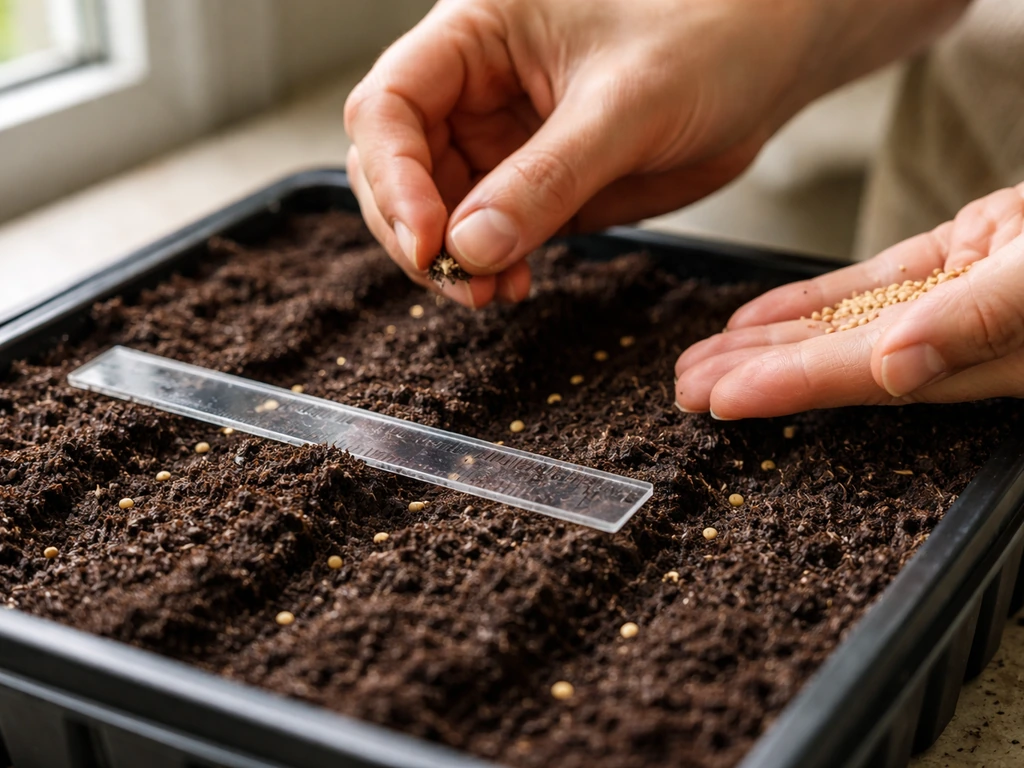
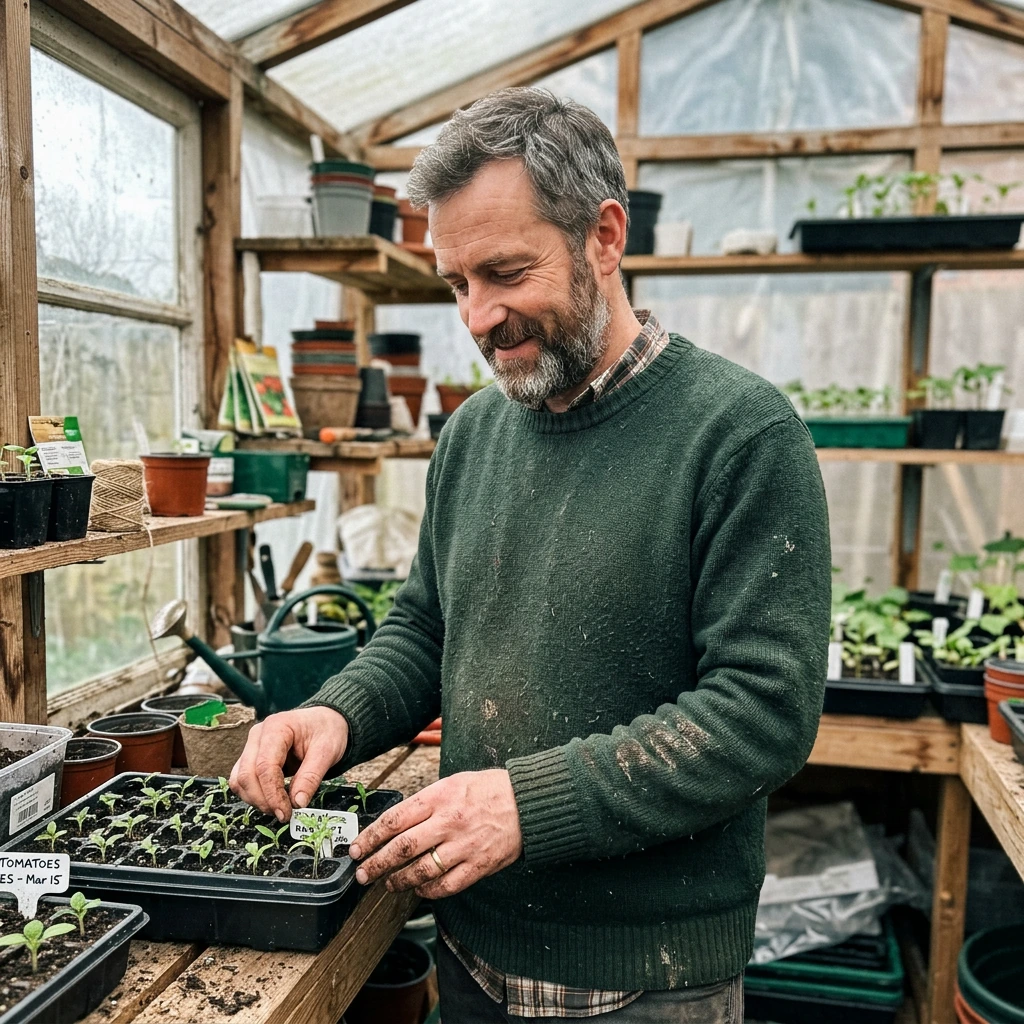
The single most important thing you can do to improve your chances of a UK harvest is sow early. Carolina Reapers, being chinense types, are slow. Sea Spring Seeds, one of the better UK chilli specialists, recommends sowing habanero-types (the same species group) in January or February. Allotment Planner suggests the same window and recommends a propagator temperature of 25 to 30°C to get germination moving. BBC Gardeners' World backs this up, noting that January is the right start if you have a heated propagator, March if you do not.
Sow seeds about 6mm deep in a good quality seed compost. Keep the propagator or growing environment at 25 to 30°C for germination. Carolina Reapers can be slow to sprout, sometimes taking two to three weeks, so do not panic if nothing appears in the first week. Once seedlings emerge, a temperature of 18 to 24°C during the day and 16 to 18°C at night is ideal for growing them on, as Horstings Farm's grower guidance recommends.
Keep seedlings evenly moist but never waterlogged. Damping off, the fungal condition that collapses seedling stems at compost level, is a real risk when trays stay too wet. Use fresh compost and clean trays, water carefully from below if possible, and allow the surface to dry slightly between waterings. If you have had damping off before, do not reuse those trays without thorough cleaning.
Once true leaves appear and plants are big enough to handle, pot them on into small individual pots and get them under a grow light if you have one. Aim for 14 to 16 hours of light per day in the seedling stage. This is what keeps them from going leggy in the low-light months of February and March.
Setting up the right growing environment
Pot size matters more than many people realise. Carolina Reapers are vigorous plants and can get large in a productive season. A final container of at least 10 to 15 litres gives the root system enough room to support decent fruit loads. Smaller pots restrict root volume and limit yield. Use a peat-free multipurpose compost with good drainage, and consider mixing in some perlite if your compost tends to hold water.
For temperature management, the goal is keeping nights above 16°C once plants are established. In an unheated greenhouse in the UK, nights can drop well below this even in June. A small thermostatically controlled heater in the greenhouse, or bubble wrap insulation on the inside, can make a big difference through the shoulder months. The RHS also recommends using simple plastic alternatives and frost-protection methods to help protect tender crops through cold spells in the shoulder season bubble wrap insulation on the inside. Fleece is useful for sudden cold snaps.
Watering rhythm in pots is important. In warm weather, established plants in containers dry out faster than you expect. The RHS specifically flags that flower buds will drop if plants dry out too severely. Check pots daily in warm weather and water thoroughly when the top couple of centimetres of compost are dry. In cooler or cloudier periods, ease off to prevent root rot.
Getting flowers to set fruit in UK conditions
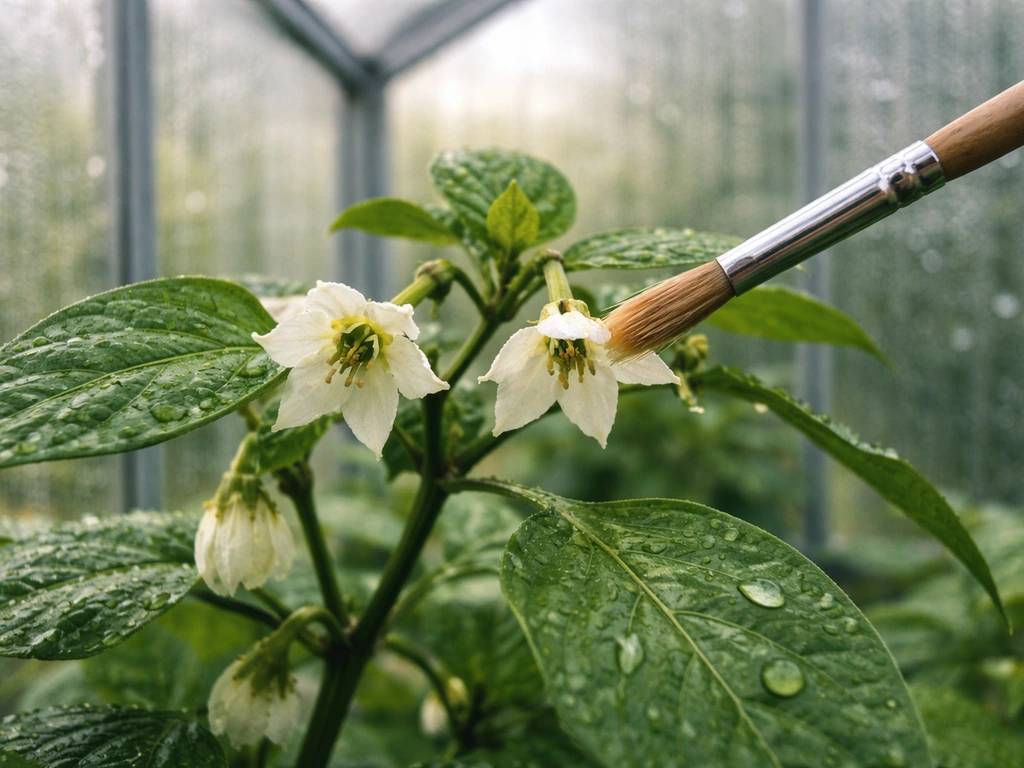
This is where a lot of UK Carolina Reaper attempts fall apart. You get flowers, they drop, and nothing sets. Temperature is usually the cause. Consistent nighttime temperatures below 16°C will reliably prevent fruit set, and inconsistent daytime warmth does not help. The optimal range for pollination and fruit set is 21 to 27°C by day and 16 to 21°C at night. On cool, grey UK days, even a polytunnel can struggle to hit that.
In an enclosed greenhouse, humidity can also become a problem. At around 30°C with high humidity, pollination suffers, and above 35°C flower temperature, you can see significant pod set failure. In practice for UK growers this means ventilating on genuinely hot days rather than keeping everything sealed to maximise heat.
Chilli flowers are generally self-pollinating, but giving plants a gentle shake daily or running a small fan in the greenhouse helps move pollen within the flower. If you are growing indoors with no airflow, a soft paintbrush can be used to transfer pollen between flowers. This is particularly worth doing in poor weather periods when the natural vibration from wind and insects is absent.
Feeding, pruning, and keeping plants productive
For feeding, the standard approach is to use a balanced fertiliser through the vegetative stage and then switch to a high-potassium feed (similar to a tomato feed with a ratio around 1:1:3 to 2:1:3 N:P:K) once flowers appear. Avoid overdoing nitrogen once flowering starts, as it pushes leafy growth at the expense of pods. Calcium matters too, particularly for preventing blossom end rot in fruit, and is best provided through regular consistent watering rather than sporadic flooding which limits how well the plant can move calcium to developing pods.
Pruning Carolina Reapers is optional rather than essential. The RHS notes you can pinch out the growing tip once plants reach around 30cm tall to encourage more branching and a bigger crop of smaller fruits. It is not something you must do, but if you want a bushier plant and are concerned about height in a smaller greenhouse space, pinching at that point makes sense. Remove any dead or diseased leaves as you go, and strip the first flush of flowers from very young plants to put energy into root and stem development first.
Tall plants will need support. Stakes or canes tied loosely with soft twine prevent branches from snapping under pod weight. Once a decent fruit load develops, the plant can become surprisingly heavy on individual branches.
Problems to watch for and how to fix them
Cold stress
Cold is the number one killer of UK Carolina Reaper attempts. Signs include yellowing lower leaves, flower drop, and stunted growth. If temperatures have dropped below 10°C at any point, especially overnight, that is likely the cause. The fix is to bring the plant somewhere warmer, protect with fleece, or heat the growing space. Plants can recover from mild cold stress but rarely catch up enough if it happens repeatedly during the critical fruiting window.
Leggy seedlings
Thin, elongated seedlings with large gaps between leaf nodes mean insufficient light. Move them closer to a grow light or a brighter windowsill immediately. You cannot un-leggy a seedling that has already stretched, but you can prevent further stretching and pot them deeper when transplanting to give them better structural support.
Pests in protected growing
Growing under cover concentrates pest pressure. Whitefly, red spider mite, thrips, and aphids are the main ones to watch for. Red spider mite thrives in hot, dry greenhouse conditions, and regular misting of the foliage or maintaining slightly higher humidity can deter it. Whitefly and aphids respond well to yellow sticky traps for monitoring and to biological controls like Encarsia formosa (for whitefly) which you can buy from UK suppliers. Aphids in particular can cause blossom shedding when populations build, so do not leave an infestation to establish. Aphid populations can lead to blossom shedding and stunting, and honeydew can also promote sooty mold, according to UConn Extension IPM.
Slow ripening and green pods at season end
This is the most common frustration for UK growers. OSU Extension research shows that cool temperatures can delay ripening by 15 to 20 days compared to warmer climates. In a poor UK summer, you might still have green pods in September. Options: bring pots inside to a warm room to ripen off the plant, pick and ripen on a warm windowsill, or use a dehydrator to process green pods separately. Green Carolina Reapers are still extremely hot but have a slightly different, more vegetal flavour.
Harvesting, drying, and what a realistic UK season looks like
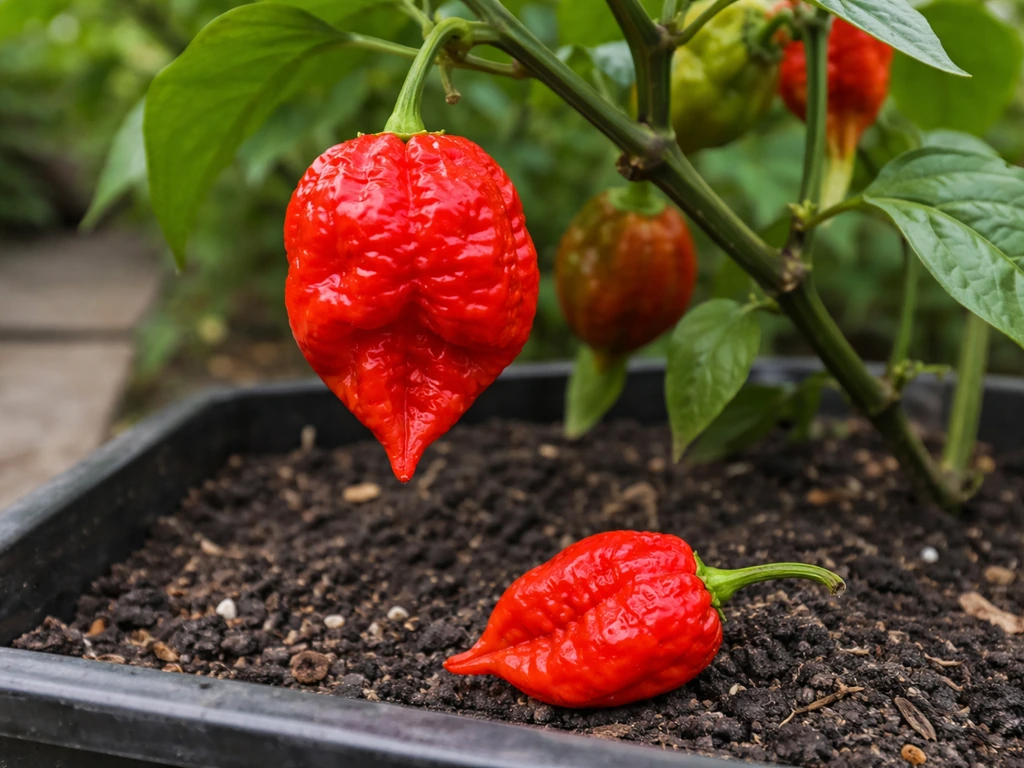
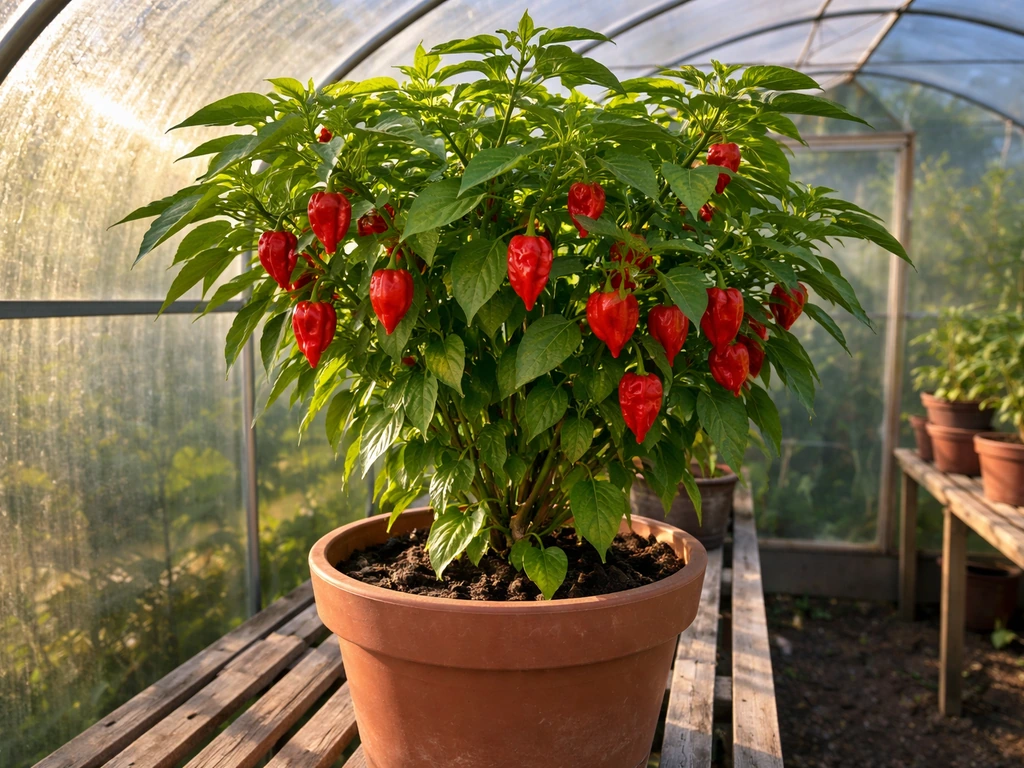
Chinense varieties like Carolina Reapers typically need 90 to 120 days from transplant to ripe fruit. If you transplant into your final pot or growing position in late April or May, and the plants have been growing since January, that puts you in a window of late August to October for ripe pods under UK conditions. In a warm year with good protection, that is very achievable. In a cold, wet summer, you will be pushing hard to get full red ripeness before October temperatures make further ripening difficult.
Harvest pods when they have turned fully red and the skin feels slightly waxy. Wear gloves, genuinely, Carolina Reapers are the hottest commercially grown chilli and the capsaicin will linger on your skin and cause real discomfort. Do not touch your face.
For drying, you have a few options. Air drying works in a warm, dry room with good airflow, hanging pods on strings or placing them on a rack. A food dehydrator set to around 55 to 60°C until pods are brittle and fully dry is faster and more reliable in the damp UK climate. Oven drying at a very low temperature works too but be warned: the smell when drying Carolina Reapers indoors is intense and pervasive. Open windows, consider your neighbours, and be prepared for the house to smell strongly for hours. Dried pods keep for months in an airtight jar away from light.
Quick guide: what you need for a realistic UK Carolina Reaper grow
| Factor | Minimum viable setup | Better setup |
|---|---|---|
| Sowing timing | Late January to mid-February | January with grow lights |
| Germination heat | Heated propagator at 25°C+ | Thermostat-controlled propagator at 28–30°C |
| Seedling light | Bright south windowsill | LED grow light, 14–16 hrs/day |
| Growing location | Unheated greenhouse or polytunnel | Heated greenhouse, conservatory, or polytunnel |
| Night temperature (fruiting) | Above 16°C | 16–21°C consistently |
| Final pot size | 10 litres minimum | 15+ litres |
| Season extension | Fleece and cold frames | Greenhouse heater, bubble wrap insulation |
| Harvest expectation | Late August to October (some green pods) | August to September (mostly ripe red pods) |
Where to get seeds and plants in the UK
Carolina Reaper seeds are widely available from UK chilli specialists. Sea Spring Seeds in Dorset is one of the most reputable sources and stocks a range of chinense varieties. The South Devon Chilli Farm, Chilli Pepper Pete, and Simpson's Seeds all stock extreme chilli seeds online. If you want a head start and do not want to deal with early sowing, some of these suppliers also sell started plants in late spring, which can save you the propagation headache, though the selection of varieties narrows when buying plants rather than seeds.
If you enjoy growing unusual species from seed under UK conditions, the approach here is similar to what you would use for scotch bonnets, which are also Capsicum chinense and share the same long, warm season requirements. The methodology transfers well across hot chilli types, and the equipment investment pays off across multiple crops.
The honest summary: Carolina Reapers in the UK are a project, not a casual addition to a veg bed. They reward early action, the right setup, and consistent attention to temperature. Get those three things right and you can absolutely harvest ripe pods. Saffron has a very different, longer timeline, but this guide will help you understand whether you can grow it in the UK conditions can you grow saffron in the uk. Skip any one of them and you will likely be left with a beautiful plant covered in green fruits that never quite make it.
FAQ
Can you grow Carolina Reapers in the UK without a greenhouse, polytunnel, or grow lights?
Yes, but only as an extreme-risk project. If you skip both cover and supplemental light, you are relying on the brightest winter sun and a very warm summer, which usually means leggy seedlings and fruit that stays green. If you want the best chance without a greenhouse, use a heated propagator for early germination, keep the plants indoors by a south-facing window under bright light, then move to a sheltered spot outside only after the last frost and in consistently warm weather.
What is the latest I can transplant Carolina Reapers in the UK and still get ripe red pods?
In most UK setups, late April or May is the latest practical transplant window if you want a realistic shot at ripe pods. Going later compresses the fruiting timeline, and UK cool spells can delay ripening by weeks. If your transplant date slips, you can improve odds by prioritising the warmest position available, such as a heated propagator space for seedlings and a well-heated greenhouse or conservatory for fruiting.
Do Carolina Reaper plants need to be kept above 16°C all the time?
They do not need 16°C 24/7 forever, but they need nights above roughly 16°C once they are in the flowering and fruit-setting phase. Temporary drops below that threshold can cause flower and small fruit drop, and repeated cool nights during the shoulder months can prevent fruit from ever catching up. Use fleece for sudden cold snaps, but a small thermostatic heater is the more reliable fix for nights.
Why do my Carolina Reaper flowers fall off even though the plants are healthy?
Flower drop in UK growing is usually temperature-related or due to pollination conditions. If nights are repeatedly below 16°C, fruit set becomes unreliable. Also, enclosed spaces can reduce pollen movement, so a daily gentle shake, a small fan, or hand pollination with a soft brush can help, especially during damp, low-wind weather.
Can I ripen Carolina Reapers indoors after picking green pods?
Yes. If you are getting green pods in September and the weather is turning, move the plants or harvested pods into a consistently warm indoor spot and allow them to ripen off the plant. Picking at a stage where pods have started colouring can improve ripening speed. This will not fully replicate on-plant ripening flavour, but it is the most practical way to avoid losses to early cold.
How big does the final pot need to be for good yields in the UK?
A final container of about 10 to 15 litres is the practical minimum for supporting a decent fruit load. Smaller pots often limit root volume, which leads to faster drying, weaker growth, and reduced pod set. If you have limited space, consider larger pots rather than doubling down on pruning, because root space is tied to consistent water and nutrient uptake.
Is it better to grow Carolina Reapers in peat-free compost or can I use anything?
Use peat-free multipurpose compost with good drainage, because overly water-holding mixes increase damping-off risk and root problems in cool UK conditions. If your compost stays wet for long periods, mix in extra perlite to improve aeration. Also, start with clean trays and fresh compost if you have had damping off before.
What should I do about damping-off when starting seeds?
Prevent it by avoiding constant moisture, since damping-off often starts when trays stay wet and poorly ventilated. Water carefully from below if possible, let the surface dry slightly between waterings, and use fresh compost and cleaned trays. If damping-off has occurred before, do not reuse the same trays without thorough cleaning, and consider reducing the watering frequency rather than increasing heat alone.
Do Carolina Reapers need pruning to do well in the UK?
Pruning is optional. If you pinch the growing tip once the plant is about 30 cm tall, you can encourage branching, which may increase the number of sites that can flower, useful in smaller greenhouse spaces. However, pruning will not fix the core issues, which are heat at night, sufficient light, and enough time to ripen.
How can I reduce blossom end rot or poor fruit quality?
Maintain consistent watering, because uneven moisture is one of the main triggers for calcium-related issues like blossom end rot. In pots, avoid letting plants swing from very dry to fully flooded. A stable watering rhythm helps calcium move into developing pods more reliably than sporadic, heavy watering.
What pests are most likely in UK greenhouses, and what is the quickest way to catch them early?
Whitefly, aphids, thrips, and red spider mite are the main threats under cover. The fastest early detection method is regular monitoring with yellow sticky traps, placed near plant height. If you already know your greenhouse is prone to a specific pest, consider preventive biological controls, for example Encarsia for whitefly, rather than waiting for a visible outbreak.
How do I handle the fact that Carolina Reapers can stay green for a long time?
Expect UK delays. Cool temperatures can push ripening back significantly, so green pods in late summer is common. Your practical options are to continue ripening under the warmest cover you have, move pots into a warm room to ripen off the plant, or harvest green pods and process them separately. If you plan to ripen off-plant, keep conditions warm and dry enough to prevent mould.
Are Carolina Reaper seeds from UK suppliers likely to germinate reliably?
They can, but germination still depends more on your setup than the seed supplier. Use a germination temperature around 25 to 30°C and accept that chinense types may take two to three weeks to sprout. If nothing appears, keep the environment stable rather than repeatedly re-sowing too quickly, since variability is normal.
Do I need to worry about legal or safety issues growing Carolina Reapers in the UK?
From a growing perspective, there are no special chillis-specific rules in most UK contexts, but safety matters. Wear gloves when harvesting and handling fresh pods, avoid touching your face, and store seeds and dehydrated product securely away from children and pets. If you dehydrate indoors, plan for strong odours and ventilation to avoid irritating household members.
Next Article
Can You Grow Scotch Bonnet in the UK? How to Do It
Learn if you can grow scotch bonnet peppers in the UK and get a step-by-step plan to sow, warm, ripen, and harvest.