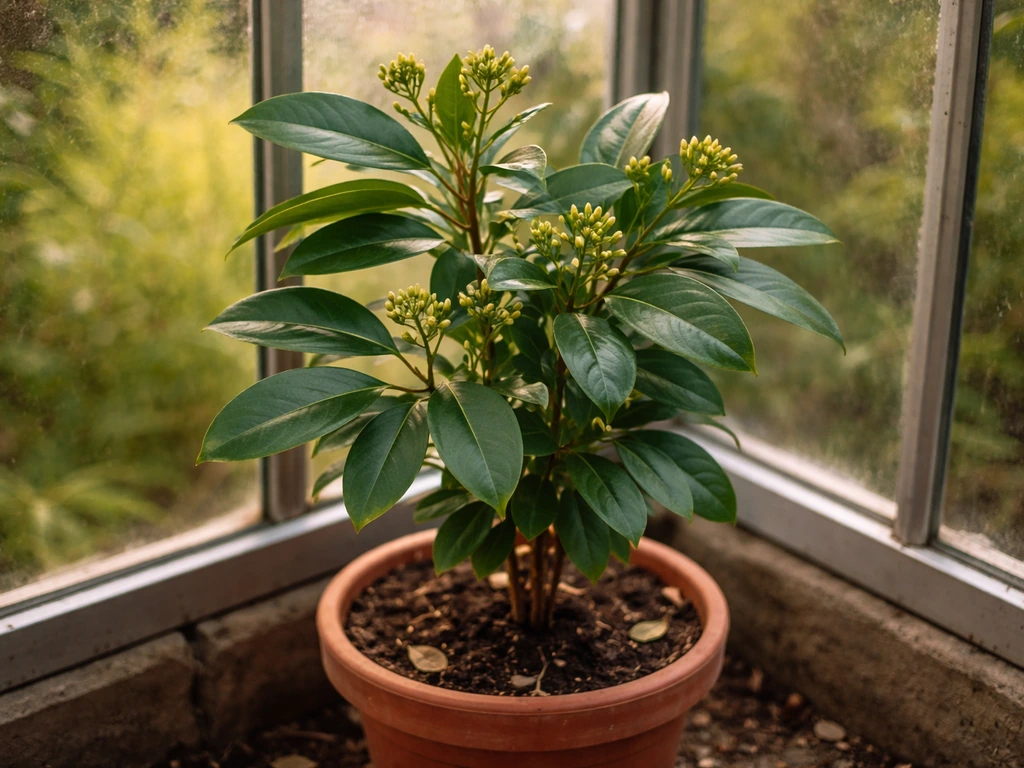
You can grow a clove tree (Syzygium aromaticum) in the UK, but you almost certainly won't be harvesting your own cloves from it anytime soon. Realistically, what most UK gardeners end up with is a fragrant, attractive tropical houseplant or conservatory specimen. Getting actual spice-quality flower buds requires the tree to be at least 6 to 8 years old, kept genuinely warm year-round, and given conditions that mimic a tropical dry season to trigger flowering. That's a tall order in a British climate, but it's not impossible if you're patient and have the right setup.
Can You Grow Cloves in the UK? Plant Care and Realistic Options
James Hartwell
19 May 2026
Cloves the spice vs cloves the tree: what you're actually growing
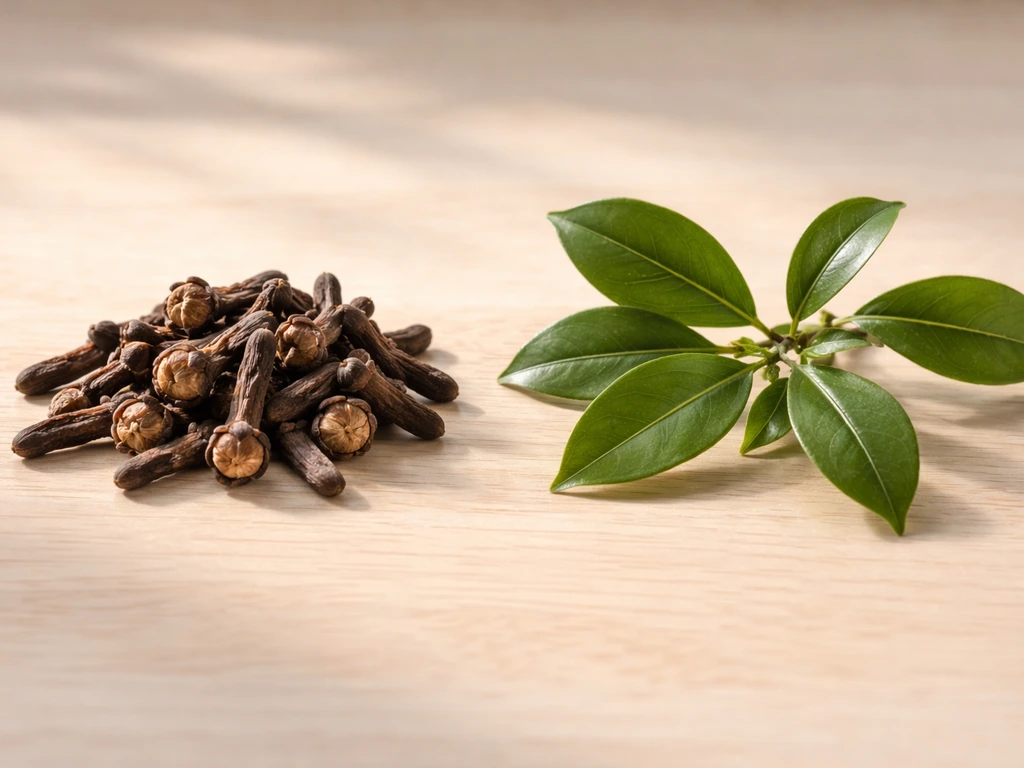
The cloves you buy in a jar are the dried, unopened flower buds of Syzygium aromaticum, a tropical evergreen tree in the Myrtaceae family. The bud has a distinctive nail shape: a long calyx topped by a small rounded ball made up of four tightly closed petals. Growers harvest them just before the flower opens, then dry them until they turn that familiar dark brown. The tree itself is native to the Maluku Islands (the original Spice Islands) in Indonesia, and it's been cultivated across tropical regions for centuries.
So when you're growing a clove tree, you're growing a full-sized tropical tree that happens to produce the spice as a byproduct of flowering. You are not growing garlic cloves or any other 'clove' plant. The tree can reach several metres tall in its natural habitat, though in a container it stays much smaller. The leaves are glossy, aromatic when crushed, and genuinely beautiful, which is why plenty of UK gardeners grow it purely as an ornamental. Just set your expectations from the start: the spice harvest is a long-term goal, not a first-year payoff.
Is growing cloves in the UK actually feasible?
Outdoors year-round in the UK? No. Syzygium aromaticum is a frost-tender tropical and will not survive a British winter outside, even on the mild South Coast. Any temperature near freezing is damaging, and a hard frost will kill it outright. So forget planting one in the garden and leaving it there.
Indoors or under glass, though, it's a different story. The practical approach that works in the UK is growing the tree in a container that spends most of the year in a heated greenhouse, a warm conservatory, or a bright living room. During the warmer months (roughly June to September), you can move it outside to a sheltered, sunny spot to soak up real sunlight and warmth, then bring it back in before the first frosts in October. In the South of England, a warm patio or courtyard gives you a longer outdoor window than, say, central Scotland, where you'd be looking at a much shorter summer stint outside, if at all.
The honest answer on flowering and harvesting: getting the tree to flower in UK conditions is genuinely difficult. Clove flowering is triggered by a shift from a wet season to a drier season, a tropical seasonal rhythm that's hard to replicate here. Trees also need to be at least 4 to 6 years old before they can even consider flowering, with most sources suggesting 6 to 10 years as the realistic window for a container-grown specimen. If you can provide consistent warmth, enough light, and mimic that seasonal dry period, flowering is possible. But many UK growers will get a healthy, fragrant tree and no spice buds, and that's a perfectly valid outcome too.
Getting started: where to find plants and what to expect from germination
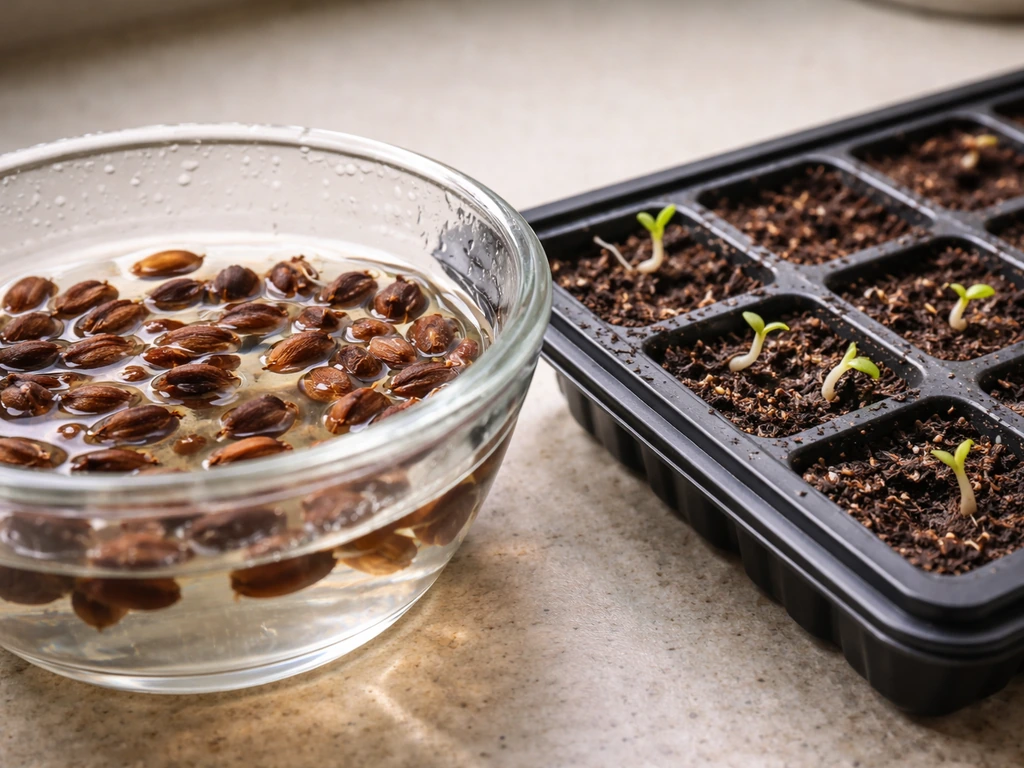
Finding clove tree plants or seeds in the UK takes a bit of effort. Specialist tropical plant nurseries and online retailers are your best bet, though availability varies. Search for Syzygium aromaticum specifically as listings can be inconsistent. Fresh seeds give you a much better chance than dried-out ones because viability drops quickly once seeds are removed from the fruit. If you're buying seeds, ask the supplier how fresh they are and how they've been stored.
Before sowing, soak seeds in water for three days as a pre-treatment. This helps soften the seed coat and dramatically improves germination rates. Even with good pre-treatment, germination rates can be low (research has recorded rates as low as 15% in some trials), so sow several seeds to give yourself a fighting chance. The best temperature for germination uses alternating warmth rather than a constant heat: roughly 20°C for most of the day and 30°C for a shorter period has been shown to improve both germination speed and percentage compared to a constant temperature. A heated propagator set to around 25°C and placed in a warm room works reasonably well as a practical UK alternative.
If seeds feel too uncertain, look for young plants from specialist importers. These are sometimes available and give you a head start of a year or two, which matters when you're talking about a 6 to 10 year timeline to first flowering.
Container care: the essentials for keeping a clove tree healthy in the UK
Light
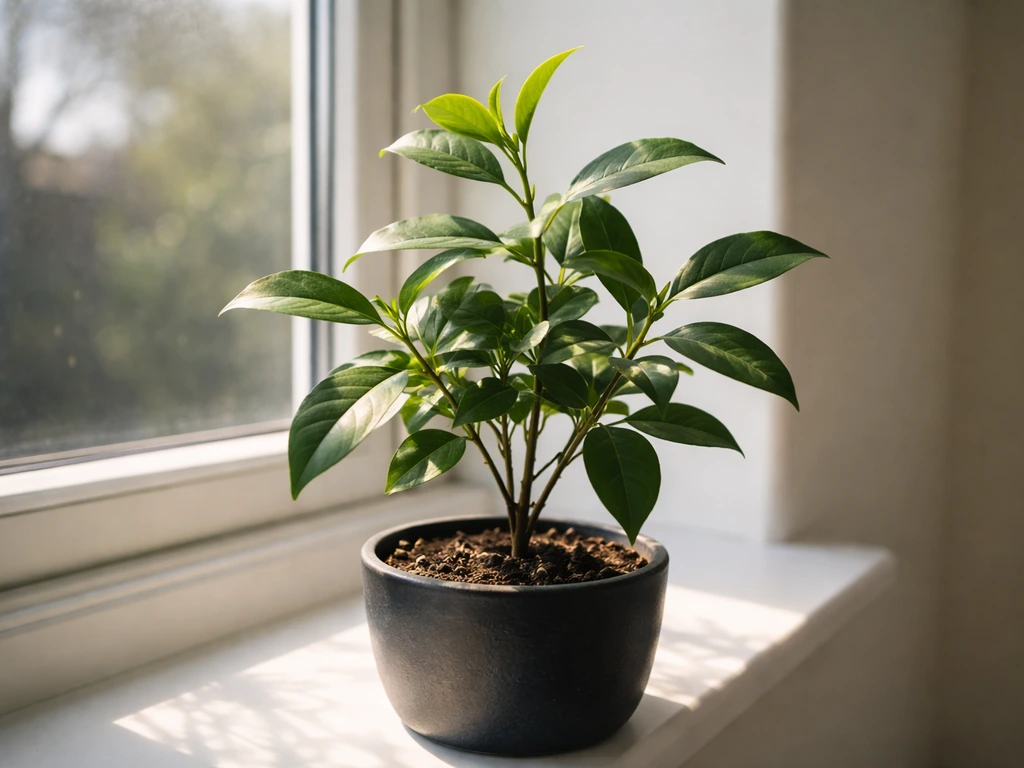
This tree wants as much light as you can give it. Around 8 hours of direct sunlight daily is the rough threshold for healthy growth and any chance of flowering. In a UK winter, natural light levels simply aren't high enough, and even in summer the tree will struggle unless it's on a south-facing windowsill or conservatory, or outside in full sun. If you're overwintering in a greenhouse, supplemental grow lights are worth considering to prevent leaf drop and weak, drawn growth during the darkest months.
Warmth
Minimum temperatures matter enormously. Aim to keep the plant above 15°C at all times, and ideally warmer. In summer it thrives at 20 to 30°C, which is why a warm south-facing conservatory or a bright heated room does better than an unheated outhouse. A heated greenhouse that holds at least 15°C overnight through winter is the gold standard for a serious attempt at long-term cultivation.
Humidity
Clove trees are tropical and appreciate high humidity, but be careful not to overdo it, especially when trying to induce flowering. During the growing season, mist the leaves regularly, stand the pot on a tray of damp pebbles, or group it with other moisture-loving plants. However, the tree actually needs a relatively drier period to trigger flower buds, so don't maintain ultra-high humidity all year. Think of it as wet season followed by a slightly drier phase, not constant saturation.
Watering and soil
Potted clove trees dry out faster than in-ground plants, so check soil moisture regularly. Water thoroughly when the top inch or two of compost feels dry, then let it drain fully. Never let the pot sit in standing water or you risk root rot. Use a free-draining compost mix: a loam-based compost with added perlite or coarse grit works well. Good drainage is non-negotiable. As for pot size, go generous. If the pot is too small, roots circle and become congested, which stunts growth and limits long-term health. Move the tree into a slightly larger container every two to three years.
Feeding
Feed with a balanced liquid fertiliser during the growing season (April to September) roughly every two to three weeks. Ease off significantly in autumn and winter when growth slows. A high-potassium feed in late summer may help encourage flowering in mature trees, though this is more of a supporting measure than a guarantee.
Overwintering and protecting your clove tree through British winters
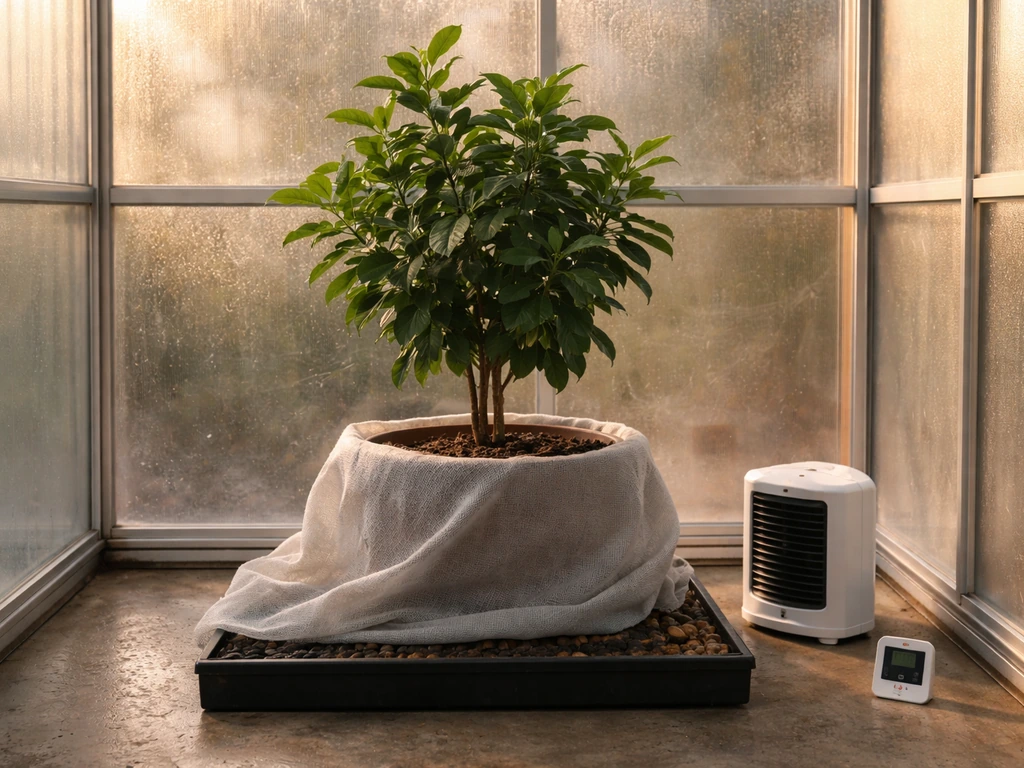
This is where most UK attempts succeed or fail. Once temperatures start dropping toward 10°C, the tree needs to come inside. In most of the UK, that means bringing it in by late September or early October. Don't wait for the first frost warning, because by then the cold will already have stressed the plant.
A heated greenhouse is the best winter home. Keep it above 15°C and fit supplemental lighting to compensate for the short days. An unheated greenhouse is not good enough and will likely kill the plant during a cold snap. A warm, south-facing conservatory works well if it stays above 15°C through winter (many UK conservatories get cold at night, so check your actual overnight temperatures before relying on one). A bright, warm living room is a practical fallback if you don't have greenhouse space, though household heating can drop humidity significantly, which isn't ideal.
During winter, reduce watering, stop feeding, and watch out for pest problems that tend to flare up on stressed indoor plants. The goal through winter is simply to keep the tree alive and reasonably healthy, not to push any growth.
Flowering and harvesting: can you actually get cloves in the UK?
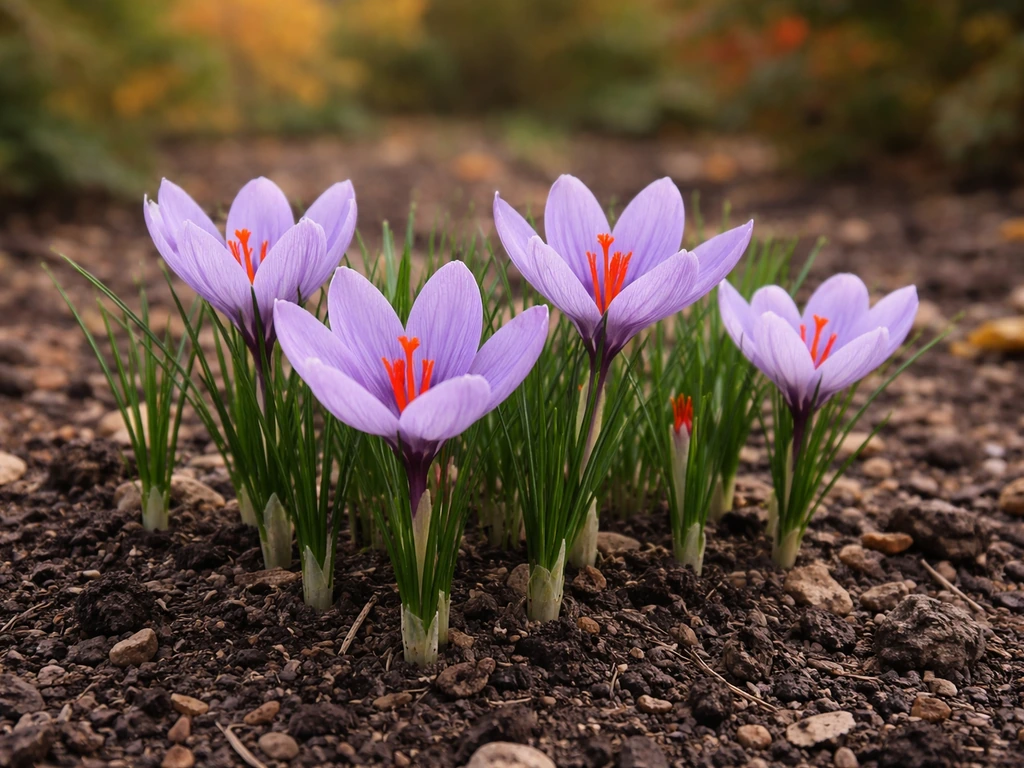
Let's be honest about the timeline. Commercial clove harvesting begins when trees are around 4 years old in tropical conditions. For a container-grown tree in the UK, realistic expectations are more like 6 to 10 years before you see any flowering. Can you grow saffron in the UK?
The basic requirements are similar in terms of climate sensitivity, but saffron is grown from crocus bulbs rather than tropical trees. Even then, flowering isn't guaranteed without the right conditions. [Clove flower induction is tied to a dry-season trigger](https://plantuse. plantnet.
org/en/Syzygiumaromaticum%28PROSEA%29): the tree needs a period of reduced moisture and slightly cooler temperatures (though never cold) after the main growing season to stimulate bud formation. If the tree stays in a consistently humid, warm environment with no seasonal variation, it may never flower.
If your tree does eventually flower, the buds to harvest are the unopened ones. Watch for buds that are green-to-pale pink, just before they fully open. Pick them by hand and dry them on a tray in a warm, well-ventilated spot until they turn dark brown and hard. That's your homegrown clove spice. It's genuinely exciting if you get there, but it requires years of consistent care and some luck with conditions.
One more thing worth knowing: clove shoots that have flowered typically won't flower again on the same growth, so production is spread across the tree over time rather than coming from the same spot each year. A larger, more established tree will produce more potential flowering sites.
Common problems and how to fix them
| Problem | Likely cause | What to do |
|---|---|---|
| Leaf drop in winter | Too cold, too dark, or dry air from central heating | Move to warmer spot, add grow lights, mist regularly or use a pebble tray |
| Yellowing leaves | Overwatering, poor drainage, or nutrient deficiency | Check roots for rot, improve drainage, resume feeding in growing season |
| No flowering after many years | Insufficient light, no seasonal dry trigger, or not old enough | Maximise light, reduce watering in late summer/autumn to mimic dry season |
| Spider mites | Hot, dry indoor conditions in winter | Increase humidity, treat with neem oil or a miticide, isolate plant |
| Mealybugs or scale | Indoor growing conditions, especially warm rooms | Remove manually, treat with horticultural oil, check regularly |
| Root rot | Waterlogged soil or pot without drainage | Repot into free-draining mix, remove affected roots, reduce watering |
| Slow or stunted growth | Pot-bound roots, low light, or cold temperatures | Repot into larger container, move to brighter warmer spot |
One serious disease to know about is Sudden Death, a fungal condition that attacks the absorbing roots of clove trees and can kill the plant quickly. It's most common in waterlogged or poorly drained conditions. Good drainage and avoiding overwatering are the best prevention. If you notice rapid wilting despite moist soil, suspect root issues and act fast by removing the plant from its pot and inspecting the root system.
What setup actually works: practical next steps for UK gardeners
Before you order a plant, think about what you can realistically offer. Here's how the main UK setups stack up:
| Setup | Suitability | Realistic outcome |
|---|---|---|
| Heated greenhouse (15°C+ maintained) | Best option | Healthy long-term growth, genuine chance of flowering given time |
| Warm south-facing conservatory (15°C+ overnight) | Good option | Similar to above if temperatures hold; check overnight lows carefully |
| Bright living room (centrally heated) | Workable but not ideal | Good for survival, but dry air and lower light reduce long-term potential |
| Unheated conservatory or greenhouse | Not suitable for winter | High risk of cold damage or death in most of UK |
| Outdoors year-round | Not viable anywhere in UK | Will not survive frost; not worth attempting |
If you have a heated greenhouse or a reliably warm conservatory, this is a genuinely worthwhile project. The tree is beautiful, the leaves are aromatic, and if you have the patience for a 6 to 10 year growing project, harvesting your own cloves is a realistic (if challenging) goal. Budget for a quality heated propagator to start seeds, a well-draining tropical compost mix, and potentially some supplemental lighting for winter. Total setup cost for a serious attempt is probably £50 to £150 depending on what you already have.
If you don't have the heating or space to commit, it's worth knowing that other aromatic crops are much more forgiving in UK conditions. If you're specifically asking can you grow Carolina reapers in the UK, you'll want to compare which chill and warmth requirements are actually achievable for your setup, not just general container gardening tips.
If you're really asking about bay leaves, the good news is that they are a different plant to clove trees and have their own UK-friendly growing requirements can you grow bay leaves in uk. If what you really mean is scotch bonnet, that’s a different type of plant with its own UK growing setup and temperature needs can you grow scotch bonnet in uk.
Bay trees, for example, are hardy enough to grow outdoors in most parts of the UK, and growing saffron is another unusual crop that suits British conditions far better than cloves do. If you want something that pushes boundaries without requiring a heated greenhouse, those are worth considering alongside or instead of a clove tree project. If you’re wondering about other spice plants like scotch bonnet, the key question is still whether you can provide the warmth and light they need in the UK clove tree project.
For those who do want to go ahead, the best time to start is now, in late spring, when you can germinate seeds in warmth and get a young plant established through the summer growing season before its first winter indoors. Soak your seeds for three days, sow in a warm propagator, and get the plant into a bright, warm spot from day one. The first few years are about building a healthy root system and establishing growth. Flowering is a long way off, but every year of good care gets you closer to it.
FAQ
If I buy “cloves” in the UK, will I be able to grow them into my own spice?
No, any “clove” you see in UK garden centres will not be Syzygium aromaticum. Clove trees come from the tropical myrtle family, while common UK “clove” plants are usually different ornamentals or culinary spices. To avoid wasting money, check the label for Syzygium aromaticum (or at least confirm it with the seller).
Why won’t my warm indoor clove tree flower even though it’s growing well?
Expect only a small chance if you keep it warm and humid all year. Flowering is triggered by a shift from a wetter phase to a drier season, so during the post-summer period you need reduced watering and a noticeable change in conditions, while still staying above the minimum temperature. Without that seasonal cue, many trees stay healthy but never form buds.
Do I need grow lights in winter, or is a conservatory or windowsill enough?
Grow light needs vary, but a simple rule is to prevent leaf drop and weak, stretched new growth during winter. If the tree is getting light mainly from a window, supplement only once days get short, and position lights so the foliage is close enough to prevent “leggy” growth. You should also keep airflow gentle to avoid drying leaf edges too much.
Can I overwinter a clove tree in a conservatory in the UK?
Yes, but only if your overnight temperatures stay safely above 15°C. Many conservatories cool rapidly after dark, so verify with a minimum thermometer before relying on one. If overnight temps dip much below your target, the tree can stall for months or die after a hard night chill.
How do I recognize and prevent Sudden Death in a container-grown clove tree?
If the pot stays waterlogged, root damage can develop quickly, which can look like wilting even when the soil is still wet. For Sudden Death risk, use a free-draining mix, never let the pot sit in a saucer of water, and check drainage by watering once and confirming you get a fast runoff. If a plant wilts suddenly, inspect roots promptly rather than increasing watering.
Can I prune my clove tree or harvest leaves like an indoor herb?
You can take scented leaves, but do not treat it like an herb crop. Crushing or pruning leaves is fine for fragrance enjoyment, however repeated heavy pruning can slow growth and delay the time when the tree is old enough to consider flowering. Keep pruning light and focused on removing dead growth, especially in winter.
How fresh do clove seeds need to be for decent germination?
Seeds are the hardest part to get right, mainly due to viability. If you buy seeds, ask how recently they were taken from fruit, how they were dried or stored, and aim to sow as soon as possible. Dried or old seed lots can germinate very poorly even with perfect temperature and soaking.
Should I mist my clove tree more to help it flower, or keep it drier?
Yes, but your “dry season” can be undermined by steady misting or constant moisture-cycling. The goal is humidity and airflow during active growth, then slightly drier conditions later to encourage bud formation, while still keeping the plant from drying out completely. Avoid keeping the compost constantly damp once you start the drier phase.
What’s the safest way to move a clove tree outdoors in summer in the UK?
During the warm outdoor window, place the pot in full sun if possible but shelter it from strong wind, which can dry the compost faster and stress leaves. Bring it in before cold evenings, not just after frost warnings. Also watch for pests that increase outdoors, like scale or aphids, before you return it indoors.
Next Article
Can You Grow Saffron in the UK? How to Succeed
Can you grow saffron in the UK? Learn setup, planting, care, winter protection, risks, and realistic harvest yields.