Yes, you can grow saffron in the UK, and it's more achievable than most people assume. Crocus sativus, the saffron crocus, is rated H6 by the RHS, meaning it can handle temperatures down to around −20 °C. That's hardy enough for virtually every corner of Britain, including most of Scotland. The real challenge isn't cold, it's wet. Saffron corms hate sitting in damp soil, and that's where most UK attempts fall apart. Get the drainage right and you're more than halfway there.
Can You Grow Saffron in the UK? How to Succeed
James Hartwell
18 Apr 2026
How the UK climate suits saffron (and where it doesn't)
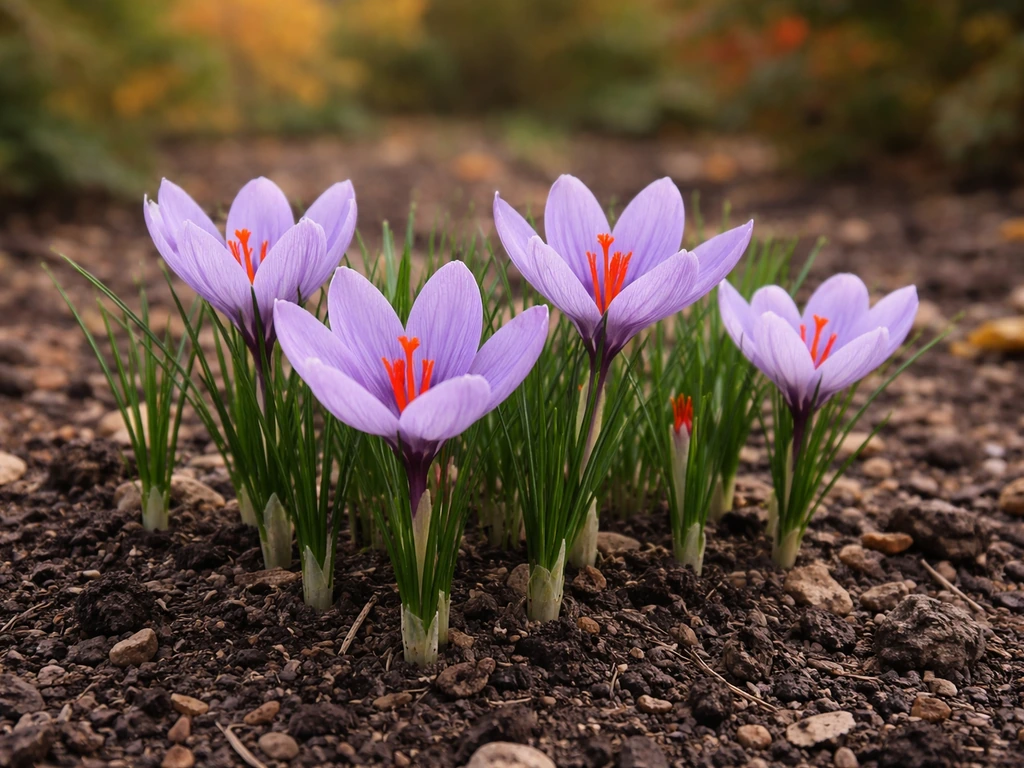
Saffron crocus is an autumn-flowering plant that actually suits the British growing calendar reasonably well. It flowers in October and November, which lines up with the UK's typically mild, damp autumns. After flowering, the leaves stay green through winter, feeding the corm underground, then die back naturally around May. The summer dormancy period, when the corm just sits quietly underground through June, July, and August, happens to coincide with our warmest, occasionally driest months. That's not a bad thing. Crocus sativus actually benefits from a warm, dry dormancy period, which helps ripen and firm up the corm before autumn flowering.
Where the UK causes problems is persistent winter and spring rainfall. The Welsh Government's crop requirements research flagged drainage as a key concern for UK saffron production, and that matches what you see on the ground. Even though saffron can tolerate frosts down to around −10 °C without complaint, a corm sitting in waterlogged clay through November and February will rot before spring. Regionally, the south and east of England have a natural advantage here: lower rainfall and more summer sunshine help ripen the corms during dormancy. But saffron is being commercially grown in Wales, between Caerleon and Usk, which proves that wetter regions can work if you choose the right site and manage the soil carefully.
What you're actually growing
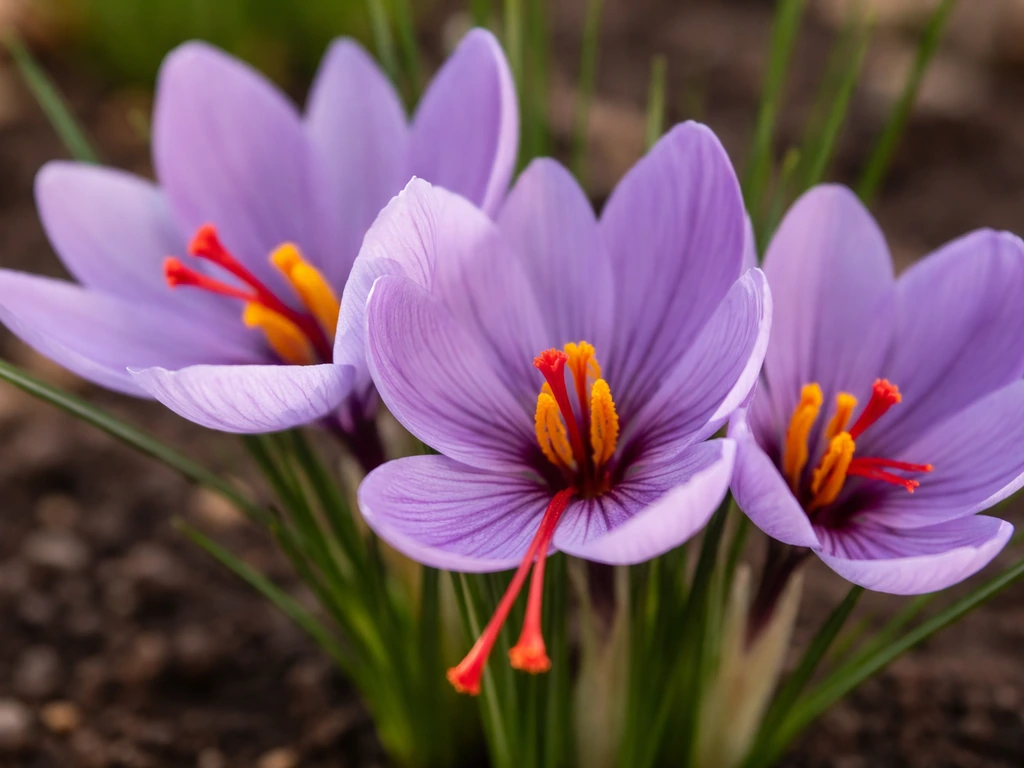
Saffron comes from the dried stigmas of Crocus sativus flowers. Each flower produces exactly three of these thread-like stigmas, which are the deep red strands you pluck out and dry. The plant grows from a corm (not a true bulb, though people often use the word loosely), which is a solid, starchy storage organ. Crocus sativus is completely sterile, meaning it never sets viable seed. All propagation happens vegetatively: each mother corm produces several smaller daughter corms each season, and those daughters flower the following year. This is important to understand because it means your patch slowly expands on its own, and after a few years a modest planting genuinely snowballs into something worth harvesting.
It's worth being clear about scale from the start. You need roughly 150 flowers to produce 1 gram of dried saffron. At the commercial end, somewhere between 50,000 and 75,000 flowers go into a pound of saffron. For a home gardener, the goal isn't to replace the supermarket: it's to grow enough for a paella or two, impress yourself, and have the satisfaction of producing genuinely world-class spice in a British back garden. A clump of 50 corms can realistically give you a pinch. A well-established bed of 200 to 300 corms, after a few years of corm multiplication, gives you something genuinely useful.
Picking the right spot
Both the RHS and every specialist grower are unanimous on this: saffron crocus needs full sun and free-draining soil, full stop. A south or southwest-facing border is ideal. You want maximum sun exposure through autumn when the flowers appear, and you want the soil to dry out reasonably between rain events rather than staying perpetually damp.
If your garden soil is heavy clay, you have two options: raise the bed or amend the soil aggressively. A raised bed of even 20 to 30 cm gets the corms out of the worst of the ground moisture and dramatically improves drainage. If you're working in an existing border, dig in plenty of horticultural grit or sharp sand before planting. Aim for a gritty, free-draining mix that still holds some nutrients but doesn't compact into a wet mass after rain. Avoid low spots that collect water, north-facing beds, and anywhere that stays shaded for much of the day.
Microclimate matters more than region for most UK gardeners. A sheltered south-facing spot in Manchester or Edinburgh can outperform an exposed, waterlogged field in Kent. If you have a sheltered walled bed, a south-facing slope, or a gravel garden with sharp drainage, those are your best options. Saffron is actually a great candidate for growing at the base of a south-facing wall, where the soil tends to be drier and heat-retaining brickwork extends the warm season.
When and how to plant saffron corms in the UK
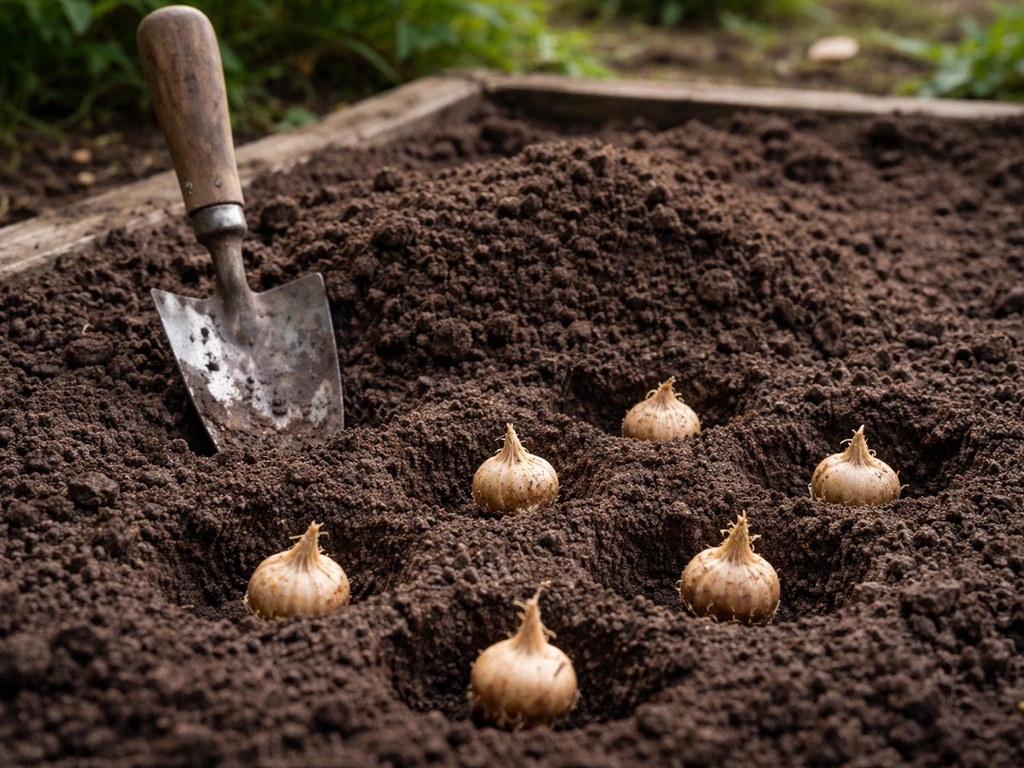
Plant saffron corms from August through to October. August and September is the ideal window if you want flowers in the first autumn: corms planted in August can produce flowers within 6 to 8 weeks, meaning you could be harvesting in October. Corms planted in October may not flower until the following year, so earlier really is better. If you're ordering online, most UK suppliers dispatch from late summer, so aim to get your order in early.
Planting depth varies slightly depending on who you ask. Most specialist guidance for UK conditions lands at 10 to 15 cm deep, which is deeper than many general crocus guides suggest. Deeper planting helps protect the corm from temperature swings and reduces the risk of heave during wet winters. Space corms around 10 to 12 cm apart. For a first-time attempt, plant in groups of at least 15 to 20 corms, since isolated individuals rarely give you enough flowers to feel like you've achieved anything. Pointed end or shoot tip faces upwards.
- Choose your site: full sun, free-draining soil, preferably south-facing
- Improve drainage before planting by digging in horticultural grit if soil is heavy
- Plant corms from August to early October, 10 to 15 cm deep, pointed side up
- Space corms 10 to 12 cm apart, in groups of at least 15 to 20
- Label the area clearly so you don't accidentally dig up the bed in summer dormancy
Propagation is simple over time. Each corm multiplies annually into several daughter corms. After two or three seasons, lift and divide the clump in summer (during dormancy, around June or July) and replant the daughters with more spacing. This is how your patch grows from a modest first planting into a genuinely productive bed without spending more money on corms.
Looking after the bed through the year
Watering
During the growing season (autumn through spring), saffron crocus in the UK generally gets all the water it needs from rainfall. You're rarely going to need to irrigate a saffron bed in a British autumn or winter. If you have a particularly dry August before the corms start to stir, a single thorough watering can help trigger them into growth, but don't make a habit of keeping the soil wet. During summer dormancy, keep watering to a minimum or zero entirely. This is the one period where dry conditions actually benefit the plant.
Soil and feeding
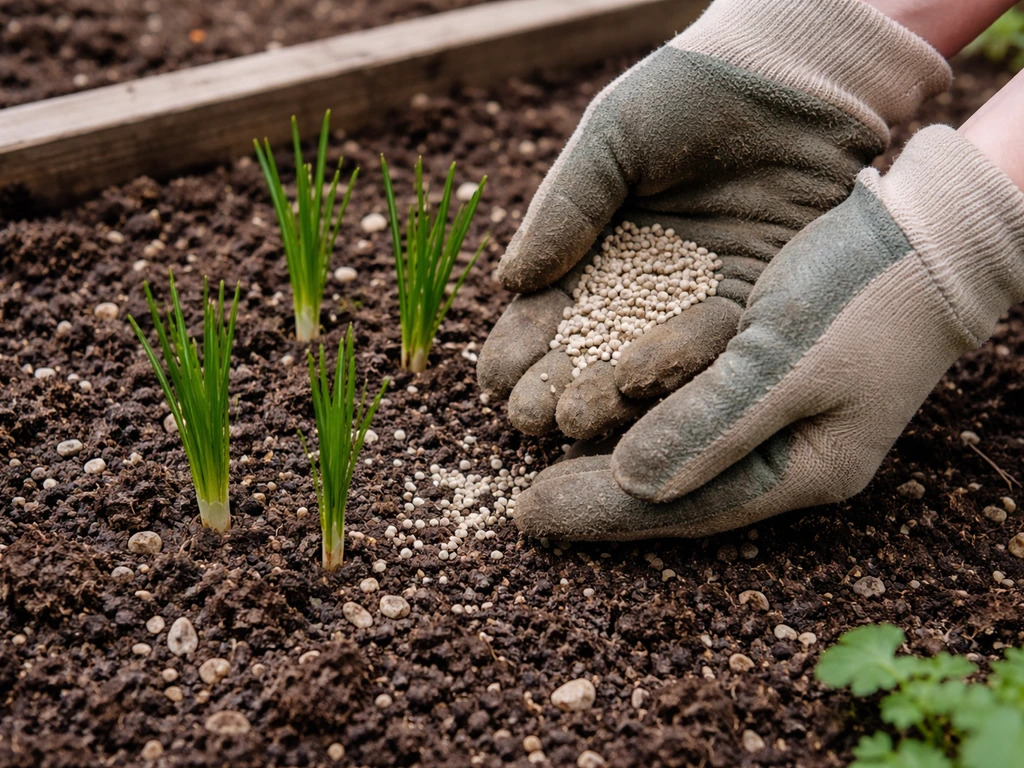
Saffron crocus isn't a heavy feeder. A light application of a balanced, low-nitrogen fertiliser in early autumn, just as the corms wake up, is all you need. Avoid high-nitrogen feeds, which push leafy growth at the expense of flowers and corm development. Keep the bed weed-free throughout: competition from weeds is one of the easiest ways to weaken corm vigour over time. A thin layer of grit mulch over the bed helps suppress weeds and improves surface drainage simultaneously.
Pests and disease
The RHS describes Crocus sativus as generally disease-free, which is reassuring. The main threat in UK conditions is corm rot, driven by poor drainage rather than any specific pathogen. If you see mushy, soft corms when you lift them, it's almost always a drainage problem. Grey mould (Botrytis) can occasionally appear in very damp, poorly ventilated conditions, particularly in a wet winter. Clear any infected debris promptly and improve air circulation around the planting area. Rodents (especially mice and squirrels) can be a problem since they find crocus corms tasty. If you've had rodent damage to other crocuses in your garden, lay a mesh barrier just below the surface when planting.
Winter care and protection
Here's the reassuring part: saffron crocus planted in a well-drained bed in the UK needs virtually no winter protection. It's fully hardy outdoors throughout the British winter. The foliage emerges after flowering and stays green all the way through until May, feeding the corm during the cold months. Do not cut this foliage back early. It looks a bit straggly by March, but it's doing important work. Let it die back naturally and only tidy the bed once the leaves have fully yellowed and collapsed, usually by late May. If you're in a particularly cold or exposed spot in northern Scotland, a light layer of straw mulch over the bed in November is fine but genuinely optional in most years.
Harvesting your saffron
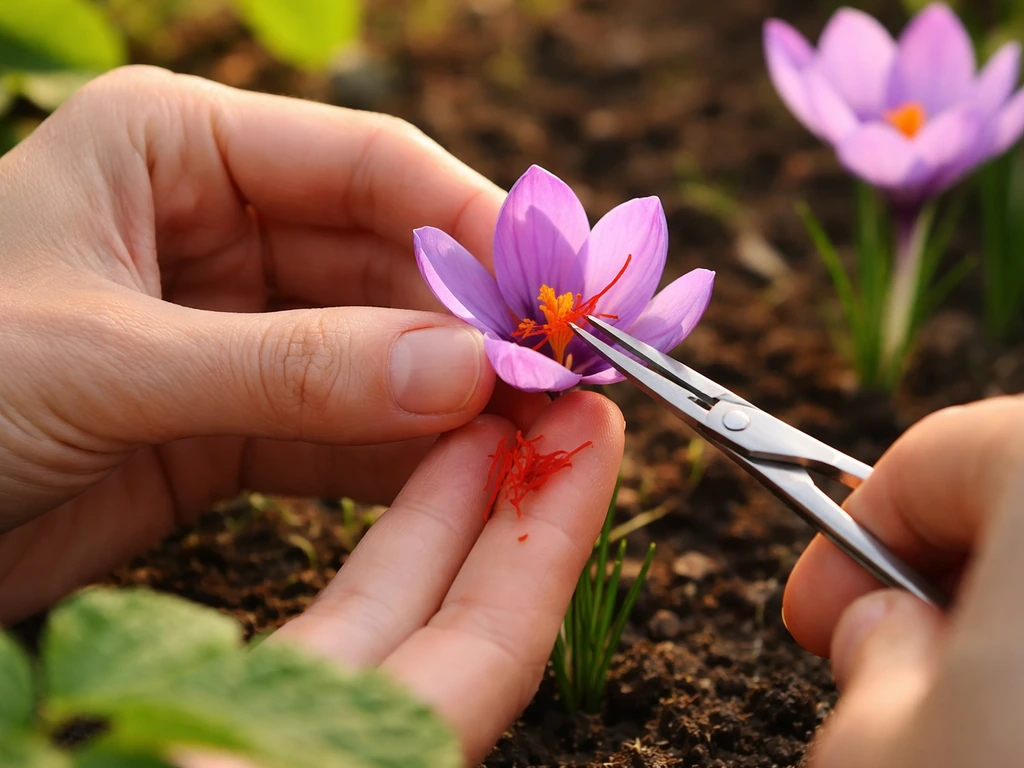
Flowers appear in October and November. The harvest window for each flower is brutally short: you need to pick the stigmas on the day the flower opens, ideally in the morning while the bloom is still fresh. Don't wait. The flower fades fast and you'll lose the stigmas to moisture or bruising if you leave it.
To harvest, gently pinch or use small scissors to remove the three red stigmas from each flower. Leave the purple petals behind. Spread the fresh threads on a sheet of kitchen paper or a fine mesh tray and dry them somewhere warm and airy, or very briefly in a low oven (around 50 °C) for 15 to 20 minutes. Once fully dry and crisp, store in a small airtight jar away from light. A little goes a very long way: even a few dozen threads will flavour a risotto or paella.
Realistic yield expectations for a UK home grower:
| Planting size | Approximate flowers (year 1) | Approximate flowers (year 3+) | Dry saffron yield (year 3+) |
|---|---|---|---|
| 15 to 20 corms | 5 to 15 flowers | 30 to 50 flowers | Under 0.5 g |
| 50 corms | 20 to 40 flowers | 100 to 150 flowers | Around 1 g |
| 150 to 200 corms | 60 to 100 flowers | 300 to 400 flowers | 2 to 3 g |
| 300+ corms (established bed) | 100 to 200 flowers | 600 to 900 flowers | 4 to 6 g |
These figures assume good drainage, a decent UK site, and a bed that's been allowed to multiply for a few seasons. Year one is always the smallest harvest. Don't be disheartened by a handful of flowers in October: the corms are establishing and the daughter corm production happening underground is what builds your future harvest.
When things go wrong
The most common failure is no flowers in the first autumn. This usually happens for one of three reasons: the corms were planted too late (after October), the site doesn't get enough sun, or the corms were weak or diseased when purchased. Buy from a reputable UK supplier, plant early, and give the bed full sun. If you plant in late October and see no flowers that year, don't panic: healthy corms will flower properly the following autumn.
Rotting corms are the next most common problem, and as mentioned above, this is almost always a drainage issue. If you lift the bed in summer and find soft, mushy corms, move the planting to a raised bed or a container with a very gritty compost mix. Containers actually work well for saffron: you can control drainage precisely and move them under a roof overhang in the wettest months if needed.
Poor flowering in an established bed often means the corms have become overcrowded. Lift and divide the clump in summer every three or four years, replant the best-sized daughters with more space, and flowering usually recovers the following autumn. A summer that's been particularly cold and wet can also suppress flowering, since the corms need a reasonable warm dormancy to develop flower buds properly. This is where southern and eastern England have a consistent edge over the north and west, though good site selection and drainage go a long way to closing that gap.
Is it worth trying?
Absolutely, yes. Saffron crocus is one of the more satisfying and achievable 'unusual crop' projects for UK gardeners. It's fully hardy, mostly trouble-free once established in the right spot, self-propagating, and produces something genuinely valuable and impressive in small quantities. It's a very different challenge to something like growing scotch bonnet peppers or carolina reapers, where you're fighting the British summer heat. For details, see our guide on can you grow carolina reapers in the uk, including heat, timing, and container setup. With saffron, the UK autumn and winter climate is actually working in your favour for most of the growing cycle. The only real discipline required is getting the drainage right and resisting the urge to water in summer. Get those two things correct and there's every reason to expect a harvest. If you are also wondering can you grow bay leaves in uk, the key is matching the plant to your temperature and sheltering needs. If you're wondering about other unusual crops, the same UK-grown logic applies to getting cloves started and keeping them comfortable expect a harvest.
FAQ
Can you grow saffron in a pot in the UK, and should you move it indoors? (},{
Yes, but only if you can guarantee excellent drainage and controlled dryness in winter. Use a container with drainage holes plus a gritty, very open mix (for example a large proportion of horticultural grit). Keep the pot fully out of standing water and, if your winters are very wet, move it under a roof overhang during the wettest weeks. In-ground beds usually win on ease, but containers can be a lifesaver on heavy clay.
Next Article
Can You Grow Tiger Nuts in the UK? Practical Guide for Gardeners
Can you grow tiger nuts in the UK? Practical, regional guide with planting dates, containers, harvest & recipes.