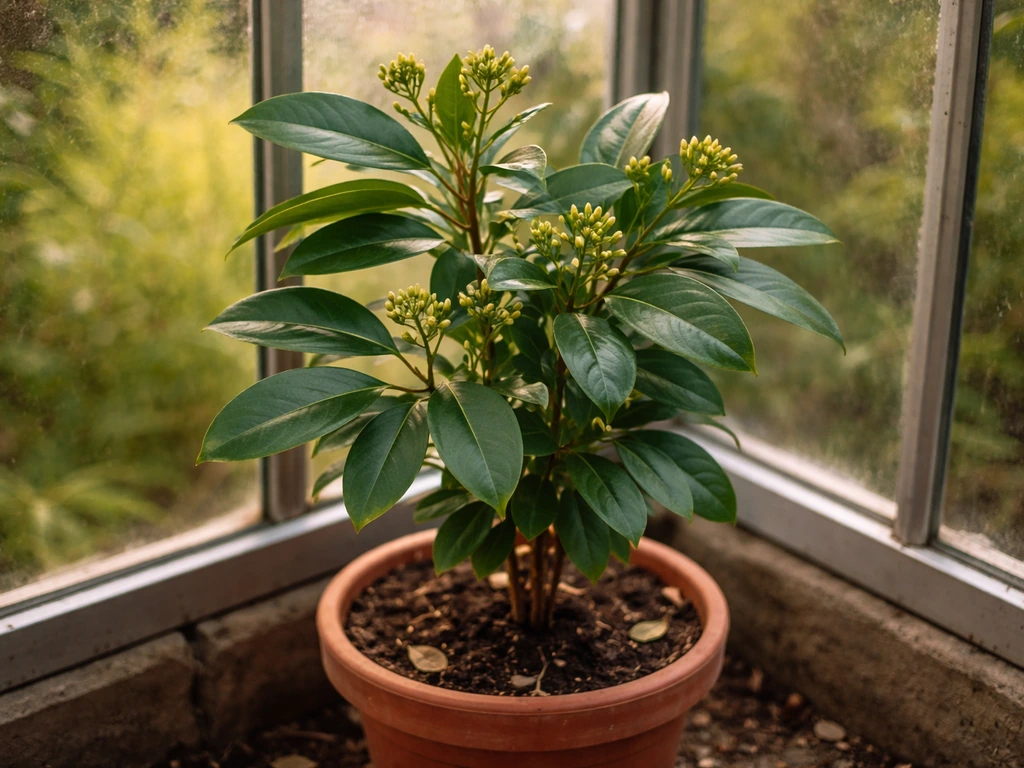
Yes, you can grow bay leaves in the UK, and most gardeners can succeed with it if they approach it the right way. If you are wondering can you grow cloves in the UK, you can follow similar thinking about local conditions and protection, but the species and care needs are different grow bay leaves in the UK.
Can You Grow Bay Leaves in the UK How to Succeed

James Hartwell
22 Jun 2026
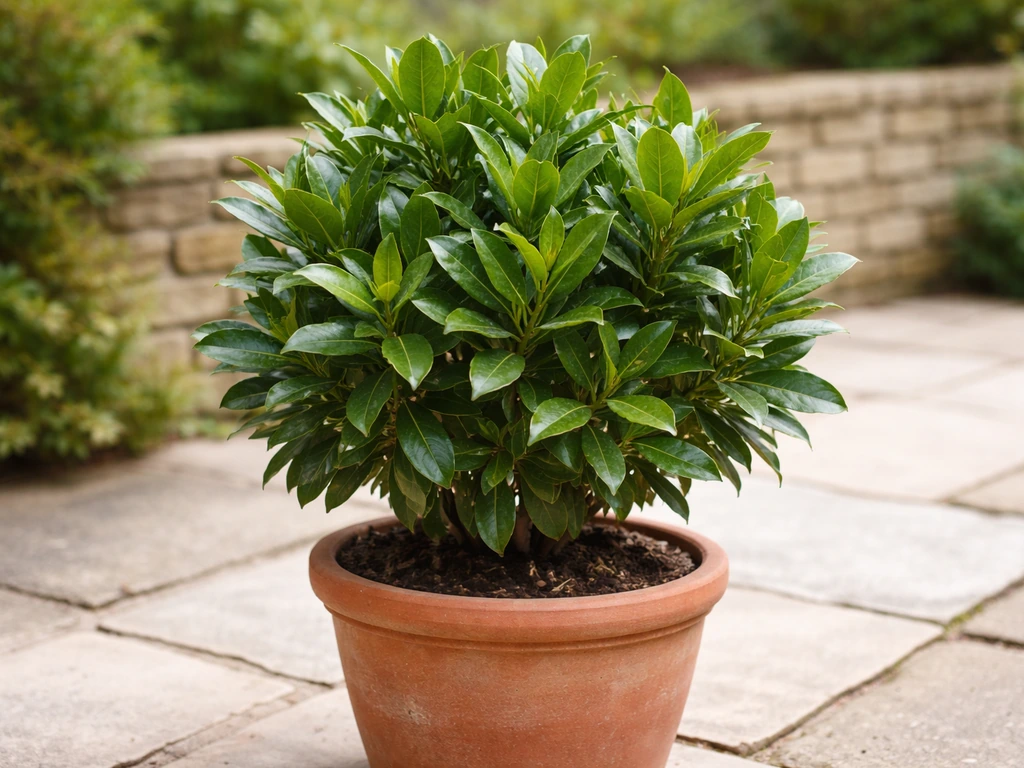
Laurus nobilis (culinary bay laurel) is hardy down to around -7°C, which means it will survive most UK winters in sheltered spots in the south and west of England. In colder parts of the country, or anywhere exposed to hard frosts and biting east winds, container growing with a bit of winter protection is the more reliable route.
It's genuinely one of the more rewarding herbs you can grow here: once established, a bay tree can supply you with fresh leaves year-round for decades.
Make sure you've actually got the right plant
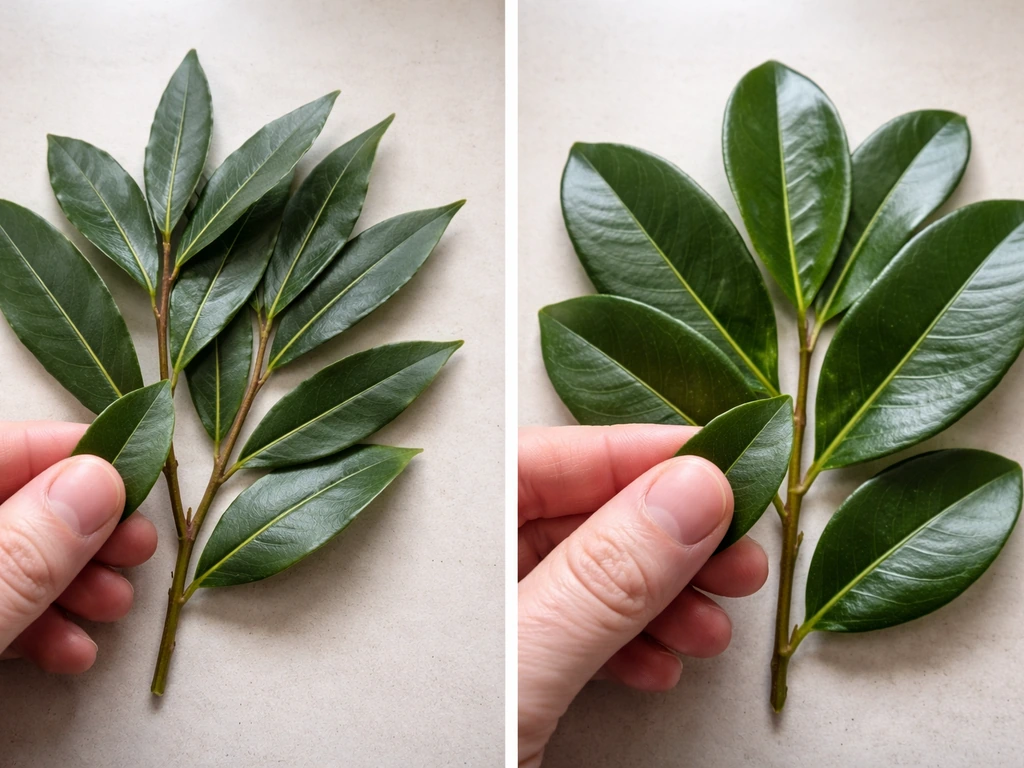
Before you do anything else, it's worth confirming you have Laurus nobilis and not one of the lookalikes that are all over UK gardens. Cherry laurel (Prunus laurocerasus) and Portuguese laurel (Prunus lusitanica) both have large, shiny, dark green leaves and can look similar to bay at a glance. Neither of them is edible as a culinary herb, and eating cherry laurel leaves is actually dangerous. The RHS notes that most bay plants sold in the UK are correctly labelled as Laurus nobilis, so if you bought yours from a garden centre as a bay tree, you're almost certainly fine. But if you've taken cuttings or dug up a plant from someone's garden, check properly.
The easiest way to tell them apart: crush a leaf and smell it. True bay has that unmistakable warm, slightly spicy, aromatic scent. Cherry laurel smells of almonds or marzipan (that's prussic acid, which is a clue to leave it alone). Structurally, Prunus laurocerasus has small nectary glands visible on the underside of the leaf near the stalk, which Laurus nobilis doesn't have. True bay also has slightly wavy leaf edges and a smooth, matte-to-slightly-glossy upper surface, while the cherry laurel tends to be more uniformly glossy.
Will it actually survive UK winters?
Bay laurel is rated as hardy to USDA Zone 8, which corresponds to minimum winter temperatures of around -7°C (20°F). That maps fairly well onto sheltered spots in southern England, coastal areas of Wales and the South West, and the milder parts of Northern Ireland and Scotland's west coast. In those regions, a bay planted against a south or west-facing wall can live outdoors in the ground for many years. The wall stores heat, cuts wind, and keeps the microclimate a few degrees warmer than an open garden.
In the Midlands, northern England, and most of Scotland, you're pushing your luck with a permanent outdoor planting. It's not impossible, especially in a well-sheltered town garden, but prolonged cold spells, hard frosts below -7°C, or cold drying easterly winds in late winter will kill or badly damage an unprotected plant. The roots in a container freeze even faster than a plant in the ground, which is a key consideration.
Container growing gives you the option to move the plant somewhere frost-free when temperatures drop, and that flexibility is why most UK gardeners (outside the south coast) do better growing bay in a pot. If you're wondering can you grow scotch bonnet in UK conditions, the key is matching the heat they need with a sheltered, sunny setup or protected cultivation grow bay in a pot.
| Region | Outdoor ground planting | Container recommended? |
|---|---|---|
| South Coast, Cornwall, SW England | Generally viable in sheltered spots | Optional but useful for flexibility |
| Central and Southern England | Possible against a warm wall, risk in cold winters | Yes, to allow winter protection |
| Midlands, Wales, Northern England | Risky without strong shelter | Yes, move undercover in cold snaps |
| Scotland, exposed uplands | Not reliably hardy outdoors | Yes, keep indoors Oct–Apr in cold areas |
Growing bay in a container: the setup that actually works
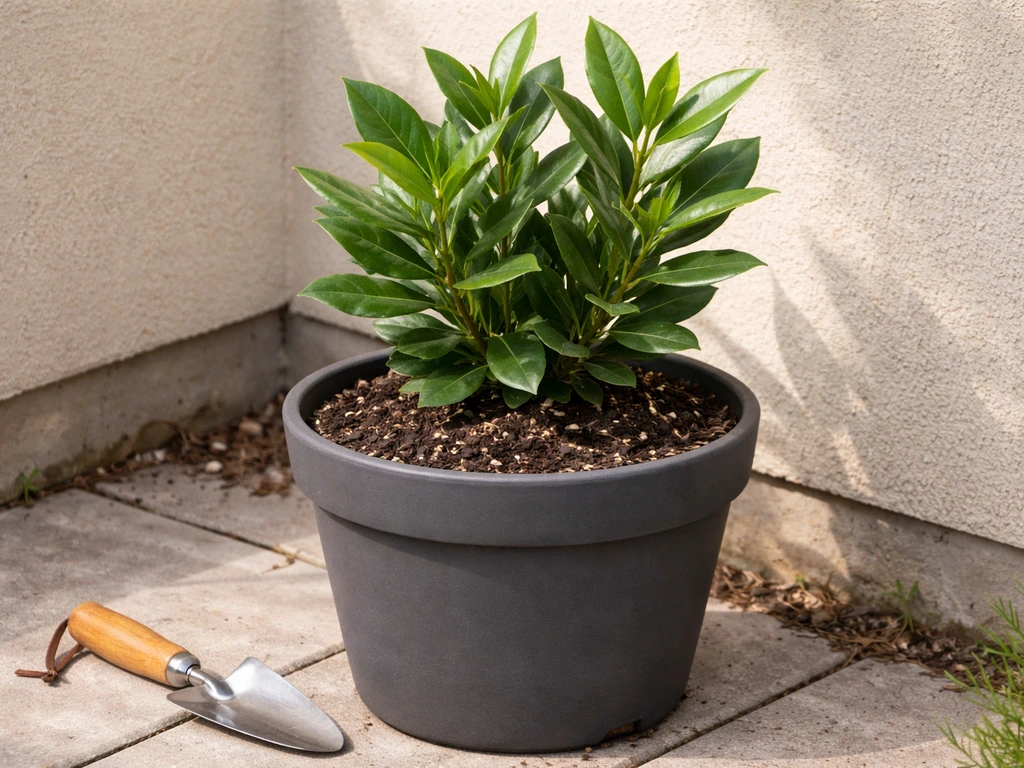
Bay grows well in containers and actually does fine staying in one for years, provided you give it the right conditions from the start. Here's what matters.
Choosing the right pot
Start a young plant in a pot around 30–35cm in diameter and pot on into a slightly larger container every couple of years as it establishes. For a mature tree you want to keep manageable, a 45–60cm pot is fine. Heavy terracotta or a weighty ceramic pot is preferable to lightweight plastic if the plant is going to live outdoors: wind tip-over is a genuine problem with bay trees as they get bigger. Drainage holes are non-negotiable. Bay hates sitting in waterlogged compost and will suffer root rot if the pot holds water.
The compost mix
Use John Innes No. 2 as your base compost, or a good quality peat-free loam-based compost if you're avoiding peat. The key addition is grit or perlite: mix in around 20–30% horticultural grit or perlite by volume. This significantly improves drainage and also adds weight to stabilise the pot. Avoid using standard multipurpose compost on its own as it breaks down quickly, compacts around the roots, and holds too much moisture in winter. Add a layer of crocks or broken pot at the base to keep the drainage holes clear.
Watering rhythm
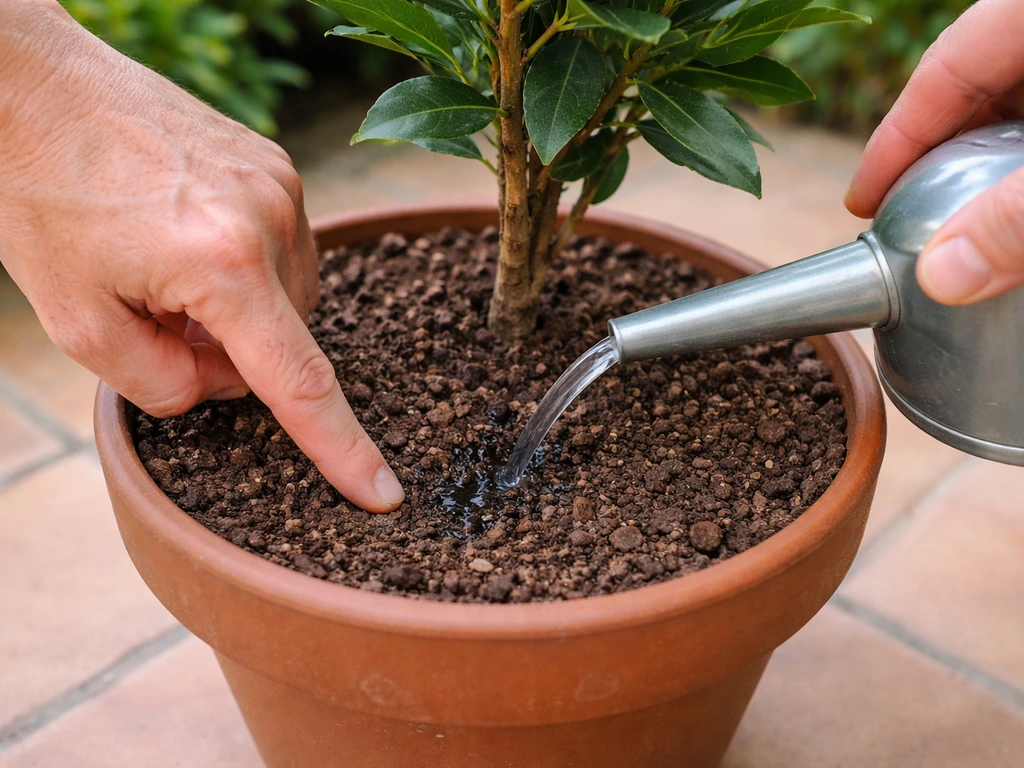
In summer, water when the top 2–3cm of compost feels dry. Bay is moderately drought-tolerant and more at risk from overwatering than under-watering. In winter, water very sparingly: the plant is barely growing and the compost dries out slowly. Never let the pot sit in a saucer of standing water. If you're keeping the plant outdoors in a sheltered spot during winter, the rain will usually be enough; if anything, moving it to a drier spot under a wall overhang in wet winters is better for it.
Refreshing the compost
Every two or three years, even if you don't want to move it into a bigger pot, lift the plant out, tease off the outer third of the root ball, check the drainage layer is still clear, and replant with fresh compost. Compost breaks down over time and loses its structure, and bay in old, degraded compost will start looking yellow and tired.
Getting the position right, and what to do in winter
Bay needs full sun or light partial shade. Against a south or west-facing wall is ideal, especially for plants staying outdoors in winter. Avoid exposed spots where cold easterly or northerly winds can get to it: wind is often the thing that kills bay in UK winters more than the actual frost temperature, because wind strips moisture from the evergreen leaves faster than the damaged roots can replace it.
If there's a lot of winter rain, move a container bay into the rain shadow of a wall or fence rather than leaving it to sit in wet compost for months. The combination of cold, wet compost and freezing temperatures is what does the most damage.
Frost protection timing
In southern England, you're generally looking to have some protection in place from around November through to late March. Further north, earlier in October through April. If temperatures are forecast to drop below -5°C, act. For a container plant, you have two main options: move it into an unheated greenhouse, garage, or cool porch (somewhere frost-free is ideal, but even a few degrees above freezing is enough), or protect it in place.
To protect in place, wrap the pot itself with bubble polythene or hessian sacking packed with straw to insulate the roots (roots in containers freeze far more easily than roots in the ground). Wrap the foliage loosely with horticultural fleece, which lets a little air movement through while trapping heat. Avoid wrapping too tightly with non-breathable material for extended periods. Remove fleece during mild spells to let the plant breathe and reduce the risk of fungal issues.
Bringing it back out in spring
Move an overwintered bay back outside gradually once the risk of sharp frosts has passed, usually from mid-April in the south or May in the north. Don't move it straight from a warm indoor spot into full sun and wind: acclimatise it over a week or two, starting in a sheltered spot out of direct midday sun.
When and how to harvest your bay leaves
You can pick individual leaves for cooking any time the plant is in leaf. For fresh leaves to use straight in the pot, just pull off what you need. For the best flavour and highest aromatic oil content, harvest in midsummer (July is ideal in the UK). At that point you can cut whole sprigs, strip the leaves, and dry them in a warm dry room. The RHS recommends laying leaves between pages of a heavy book to flatten them as they dry, which makes them easier to store.
Fresh bay leaves have a slightly sharper, more herbal flavour than dried. blank" rel="noopener noreferrer">Most recipes in the UK assume dried leaves, so if you're using fresh, you may want to use fewer. Dried home-grown bay is noticeably more aromatic than most supermarket dried bay, which often has less volatile oil left by the time it reaches your kitchen. A plant you've been growing for two or three years will easily supply you with enough leaves to last through winter.
On pruning: bay responds well to being cut back hard if you want to keep it a manageable size. The best time for any significant pruning is mid to late spring, once the risk of frost has passed. Light trimming to maintain a shape can happen through summer. Don't prune in autumn or early winter as the new growth it stimulates will be vulnerable to frost.
How long before you have a useful plant?
Buy a plant rather than growing from seed: seed-grown bay takes years to reach a useful size, and germination is notoriously slow. A small garden-centre bay in a 2-litre pot can be harvested lightly in its first summer, and by year two or three you should have plenty of leaves to pick through the year. A well-maintained container bay can live and produce for 20 years or more.
What can go wrong, and how to fix it
Leaf drop after cold weather
If your bay drops leaves after a cold snap, don't panic and bin it. Bay can look dead in late winter or early spring after a hard frost and then push fresh growth from the stems once temperatures warm up in April and May. Scratch the bark on a stem: if it's green underneath, the plant is alive. Cut back to living wood, put it in a sheltered spot, and wait. Recovery can be slow but is very common.
Bay sucker
Bay sucker is the most common UK pest on this plant. The signs are distinctive: the margins of leaves at shoot tips thicken, curl downwards, and often turn yellow on one half of the leaf. The sucker (a psyllid insect) lives inside the curled leaf margins. The RHS notes you can remove and destroy affected shoot tips, though picking off every single damaged leaf can do more cosmetic damage than the pest itself. It rarely kills a plant. Encourage natural predators and avoid pesticides if you can, since you're going to be eating these leaves.
Scale insects and mealybugs
Soft scale and horse chestnut scale can both affect bay. Look for brown, waxy, limpet-like lumps on stems and the undersides of leaves. Mealybugs show as cottony white clusters, often in stem joints. A telltale sign for both: ants moving up and down the stems are often farming the honeydew these insects excrete. For light infestations, wipe off with a damp cloth or a cloth dipped in dilute soapy water. For heavier infestations on a plant you're eating from, physical removal is preferable to pesticide.
Yellow leaves and slow growth
Yellowing leaves in spring or summer usually mean one of three things: waterlogged compost, depleted compost that needs refreshing, or the plant is pot-bound and needs moving up a size. Check the drainage first. If the compost smells sour or the pot is sitting in water, address that immediately. If the compost looks tired and pale, it's time for a refresh. Slow growth is normal in the first year after planting or repotting, and also in any plant that's been through a hard winter. Once it's settled and the weather warms, growth picks up.
If outdoor growing isn't working for you
If you've lost a plant to frost twice, or you genuinely don't have a sheltered spot or an indoor place to overwinter a container, don't keep throwing money at it. The most practical alternative is simply to buy dried bay leaves. Home-grown dried bay is better than supermarket dried, but quality supermarket dried bay (used generously, a few extra leaves in the pot) does the job in most recipes. For fresh leaves, some UK greengrocers and farm shops stock fresh bay, and it's worth asking.
If you want a live plant but without the hardiness risk, growing it as a houseplant or a permanent indoor pot plant in a very cool, bright room is an option, though it won't thrive in central heating. A cool conservatory or greenhouse where it gets plenty of light but stays frost-free is actually ideal. It won't get as big or bushy as an outdoor plant, but it will keep growing and producing leaves.
It's also worth noting that other herbs can do similar flavouring work in long-cooked dishes: fresh thyme, rosemary, or sage can substitute when bay isn't available, though the flavour profile is different. If you're interested in other challenging UK herbs and spices, the same principles of microclimate awareness apply to things like saffron and other crops that push the limits of British conditions. If you are asking can you grow saffron in the UK, the answer depends on your site, protection, and choosing the right saffron corms.
Your next steps right now
June is actually a good time to start. Bay is actively growing now and will establish well through summer before you need to think about winter protection. Here's what to do:
- Buy a named Laurus nobilis plant from a garden centre or reputable online nursery. Check the label and crush a leaf to confirm the smell.
- Plant it up in a 30–35cm pot using John Innes No. 2 mixed with 20–30% horticultural grit. Make sure the pot has drainage holes and is not sitting in a saucer of water.
- Place it in the sunniest, most sheltered spot you have, ideally against a south or west-facing wall.
- Water when the top 2–3cm of compost dries out. Feed monthly through summer with a balanced liquid fertiliser.
- In late July, harvest a few sprigs for drying: dry the leaves in a warm room and store them in an airtight jar.
- From October, monitor the forecast and have horticultural fleece and bubble polythene ready to protect the pot and foliage if sharp frosts are predicted. In colder areas, move it into a frost-free space for the winter.
- In mid to late spring next year, prune to shape if needed and begin the cycle again.
Bay is one of those plants that rewards patience and a bit of basic care. Get the drainage right, protect the roots in winter, and give it a warm wall to grow against, and there's no reason you can't have a productive bay tree in the UK for many years. You can also apply the same UK winter microclimate thinking to hot chilies, but Carolina Reapers need far more heat than bay laurel protect the roots in winter.
FAQ
Can you grow bay leaves in the UK from store-bought bay leaves?
No, not reliably. Culinary bay leaves sold dried are not viable for growing, and even fresh leaves you might buy are usually cut from mature plants. If you want a living plant, buy Laurus nobilis from a garden centre or take cuttings from an existing plant, then root them in warm, lightly moist conditions.
Is it better to grow bay leaves outdoors in the ground or in a container in the UK?
In most of the UK, containers are the safer choice because you can control winter conditions and prevent prolonged root-freeze. Planting in the ground only tends to work long-term in sheltered southern or west-facing coastal areas, especially with a heat-storing south or west wall and good winter drainage.
What size pot should I use for a bay tree if I want it to stay manageable?
If you want an evergreen tree you can harvest easily, aim for a final pot size around 45 to 60 cm. Bigger pots keep compost cooler and slower to dry out, but they are harder to move for winter protection. For smaller indoor or patio plants, start around 30 to 35 cm.
How do I tell if my bay is suffering from cold or from waterlogging?
Cold damage usually shows after a frost or cold snap, often with leaf drop and dieback from tips, and the plant may recover slowly from surviving stems. Waterlogging tends to cause tired yellowing plus a sour compost smell, and the plant declines without the clear timing of frost events. In either case, check drainage holes and do not let the pot sit in a saucer of water.
Can I keep a bay leaf plant outside all year in the UK?
Only if you have a truly sheltered microclimate. Even hardy bay can fail in containers because the root ball freezes faster. If you do keep it outside, use a heavy pot, position it against a south or west wall, keep it in a rain-sheltered spot in winter, and be ready to wrap the pot and fleece the plant when very cold weather arrives.
Should I water bay leaves less in winter, and how much is too much?
Yes, water far sparingly in winter. Bay grows slowly and dries slowly, so repeated watering increases the risk of root rot. A practical rule is to water only when the top layer dries out, and in wet UK winters rely on rainfall rather than “topping up” unless the compost is clearly dry.
Do bay leaves need fertiliser in the UK?
They benefit from feeding in the growing season, but you should avoid heavy feeding in winter. Use a balanced fertiliser lightly in spring or early summer, and if you refresh compost every 2 to 3 years you may not need much additional fertiliser. Overfeeding can cause weak, soft growth that is more vulnerable to cold snaps.
When should I repot bay, and what’s the fastest way to shock-proof it?
Repot in spring once frosts are past, and avoid disturbing the root ball during cold weather. If you are only refreshing compost, lift, tease off the outer third, then replant promptly. After repotting, keep it in light partial shade for a short period before moving back to full sun.
My bay is not growing much, is that normal?
Often yes. Slow growth can be normal in the first year after planting or repotting, and after a hard winter. If there is still healthy leaf colour and no signs of waterlogging, focus on correct sun, drainage grit, and spring recovery rather than adding fertiliser aggressively.
Can bay leaves be grown indoors in the UK?
Yes, but they usually need a very bright, cool spot. A warm central-heated room can slow growth and increase leaf drop, so choose a bright conservatory, cool greenhouse, or a cool window with steady light. Indoors, keep the compost slightly drier than outdoors and ensure the pot drains freely.
What can I use instead of bay leaves in UK recipes if my plant fails or I run out?
For long-cooked dishes, try fresh thyme, rosemary, or sage, but use smaller amounts and taste because their profiles differ. If a recipe depends on bay’s distinctive aroma, dried bay from a good supplier can be “boosted” by using a slightly larger quantity than supermarket brands, then adjust down for future batches.
Is bay leaf pet-safe and safe if children or pets might eat the leaves?
Culinary bay laurel leaves are meant for eating by humans, but the plant is still a tree, and you should prevent pets from chewing leaves. Also be cautious about lookalikes like cherry laurel, which is dangerous, so proper identification matters if pets explore the garden.
Next Article
Can You Grow Cloves in the UK? Plant Care and Realistic Options
Can you grow clove trees in the UK? Realistic indoor or heated greenhouse care, timelines, and spice-production limits.