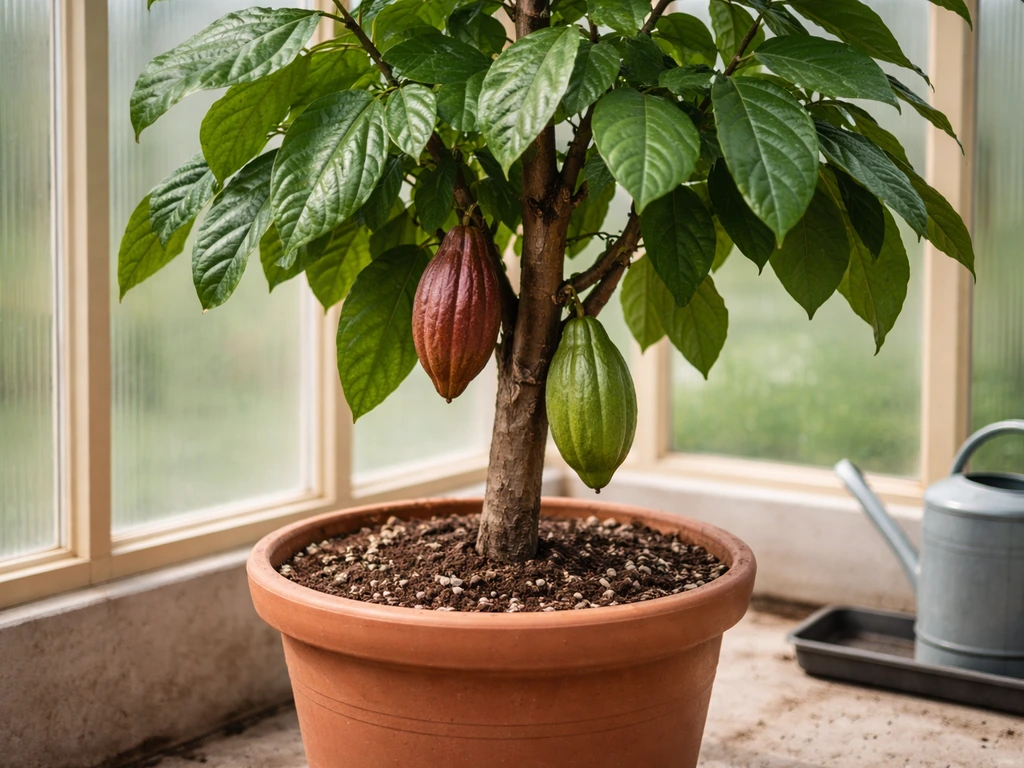
You can grow rooibos (Aspalathus linearis) in the UK, but it is a genuinely difficult plant to keep alive here, let alone harvest from. It is not something you can bung in the garden border and forget about. Realistically, your best chance is container growing in a greenhouse or a very sheltered south-facing spot, with the plant brought under cover every winter. With the right conditions, you can still grow vanilla in the UK, but it will need warmth, light, and careful protection year-round can you grow vanilla in the uk.
Can You Grow Rooibos in the UK? A Practical Guide
James Hartwell
7 Jun 2026
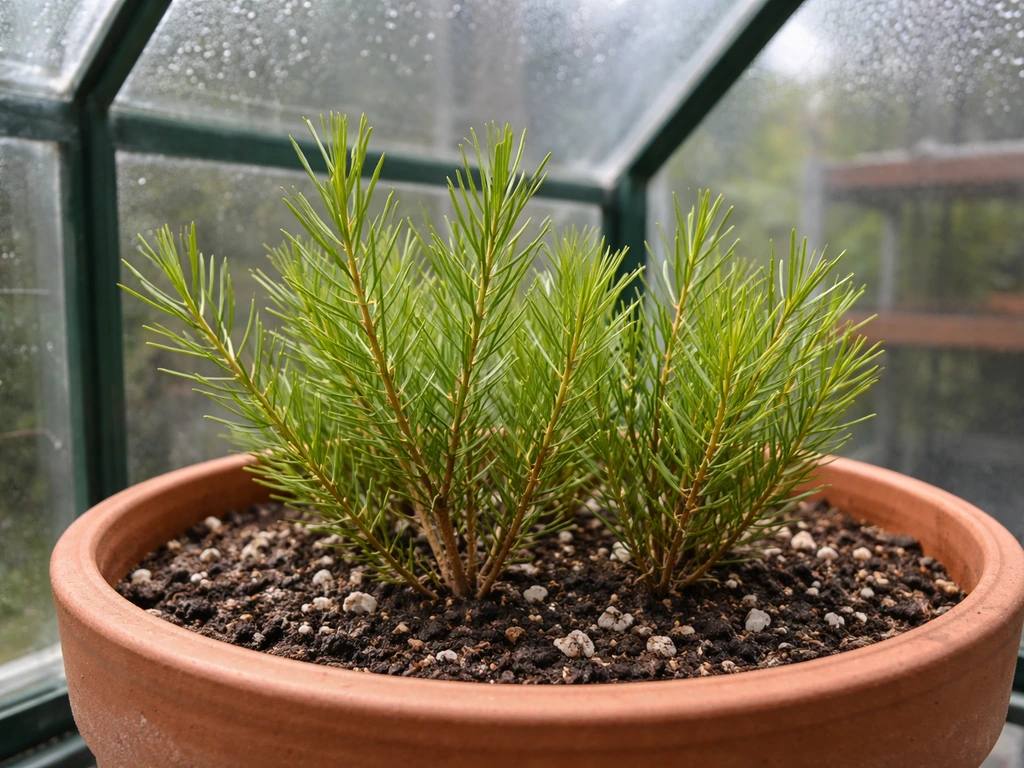
Peppercorns are another crop that really depends on getting the right warmth and conditions, and in the UK you will usually need to grow them with careful shelter and container management grow peppercorns in the UK. Even then, expect slow going: it takes around 18 months from planting before you get any harvestable material, and UK summers are rarely hot or dry enough to mimic the South African fynbos conditions the plant actually loves.
That said, it is doable as a project plant if you are willing to manage its conditions carefully. If you are specifically asking about stevia, the conditions and approach in the UK are different from rooibos, so it helps to plan for a plant that tolerates local variability better can you grow stevia in the uk.
Why the UK is a challenge for rooibos
Rooibos is native to South Africa's Western Cape, specifically the Cederberg region, where it grows in the dry, nutrient-poor fynbos biome. That biome gets its rain in winter and bakes through a hot, dry summer. The UK does almost the opposite: our winters are cold and wet, our summers are mild and often damp, and our soils are generally richer and heavier than anything rooibos has evolved for.
The plant's suitability in the wild is closely tied to [specific winter minimum temperatures and total winter rainfall patterns](https://pmc. ncbi. nlm. nih.
gov/articles/PMC4020683/), neither of which lines up well with British conditions. It is frost-sensitive, hates waterlogged roots, and sulks in prolonged cool, grey weather. If you are in Scotland or the north of England, the odds are firmly against you outdoors. If you are on the south coast of England or in a sheltered urban garden in London or the southwest, you have more options, but even there you will need protection.
What rooibos actually needs to grow
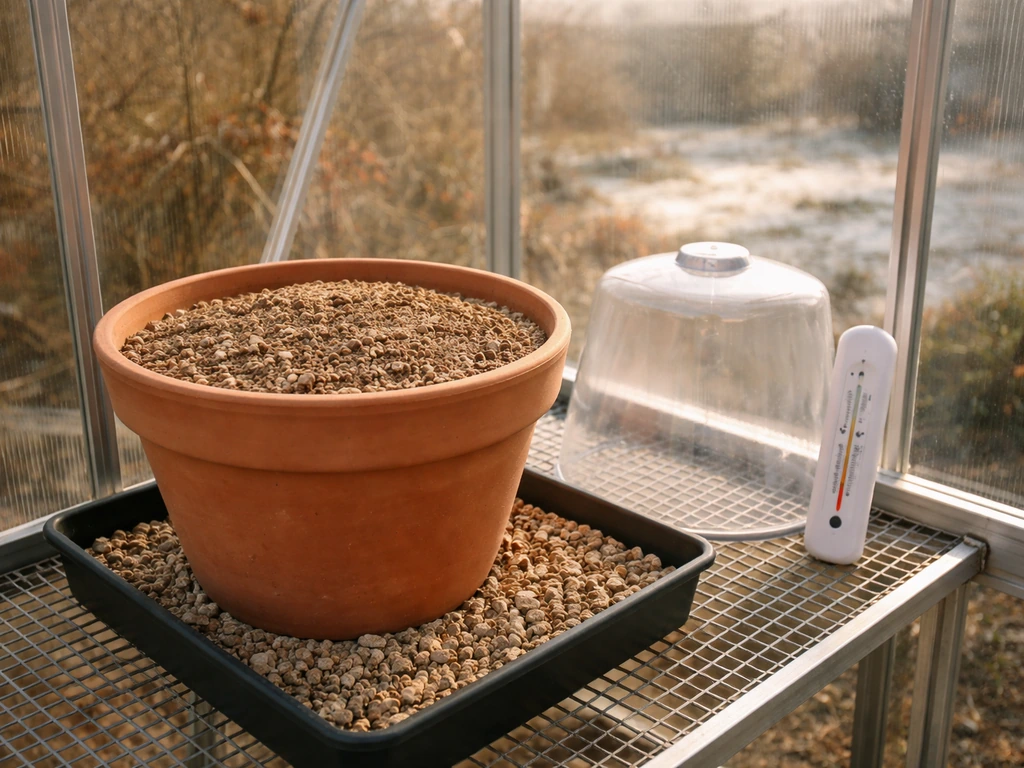
Understanding the plant's requirements is the first step to working out how to fake them in a UK setting. Here is what you are trying to recreate:
- Temperature: Rooibos grows best where summer temperatures are warm to hot (20-30°C) and winters stay mild. It is frost-sensitive and should not be exposed to temperatures below around 0°C for any length of time. Even brief hard frosts can kill young plants.
- Sunlight: It wants as much direct sun as possible. Full sun all day, ideally south-facing, is what you are aiming for. UK light levels, especially from October to March, are simply too low for the plant to do much.
- Soil: This is non-negotiable. Rooibos must have deep, sandy, extremely well-drained, acidic soil with a pH below 7 and ideally around 5-6. It evolved in nutrient-poor conditions, so do not enrich the compost. A workable container mix is roughly 60% coarse sand, 30% peat or peat-free ericaceous compost, and 10% perlite.
- Watering: Drought-tolerant once established, rooibos hates sitting in moisture. In its native range it gets winter rain and summer drought. In the UK, you will need to water sparingly and let the growing medium dry out between waterings, especially in winter.
- Humidity: Low humidity suits it. This is another reason UK winters are problematic: cold, damp air encourages fungal problems.
Outdoors, greenhouse, or containers: which route makes sense?
The honest answer is that very few UK gardeners should try rooibos outdoors year-round. The only exception might be someone in a genuinely sheltered south-facing microclimate on the far south coast or the Isles of Scilly, where hard frosts are rare, summers get some real heat, and they can guarantee exceptional drainage. Even then, a wet UK winter will test the plant hard. For everyone else, the choice is between a heated greenhouse and a container-based approach that moves the plant indoors or under glass for the cool months.
| Method | Best suited to | Main advantages | Main risks | Verdict |
|---|---|---|---|---|
| Outdoor year-round | Far south coast only, sheltered microclimates, frost-free zones | No setup cost, natural conditions | Frost damage, waterlogging, cold wet winters | Not recommended for most of the UK |
| Heated greenhouse | Any UK region if you can heat to at least 5-8°C minimum in winter | Best climate control, good for multiple plants | Heating costs, need for ventilation in summer to avoid overheating | Best option for serious growers |
| Container (moved indoors/under glass in winter) | Most UK gardeners, urban or suburban gardens | Flexible, low upfront cost, manageable | Limited root space, needs discipline on watering, plant size is constrained | Most realistic option for most people |
If you go the greenhouse route, be aware that summer overheating is a real problem. Rooibos likes heat but not stifling trapped humidity. Make sure you have proper ventilation and shading in place from May through September to keep air moving and avoid roasting the plant in still, humid conditions.
Starting rooibos in the UK: step by step
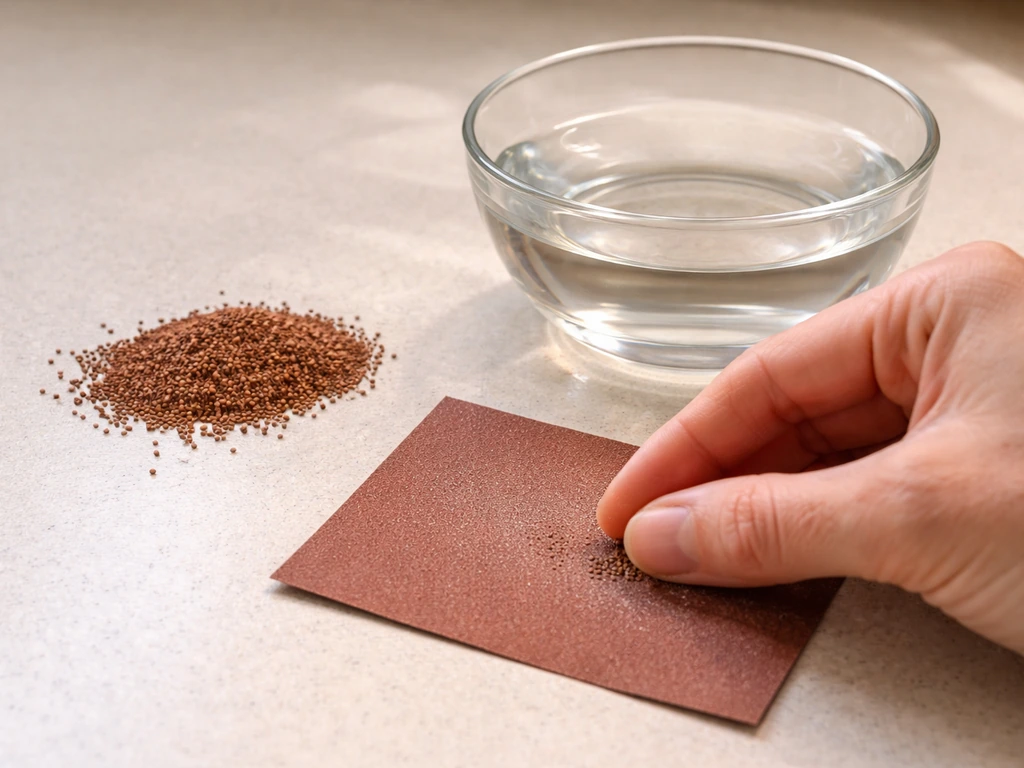
Seed vs cuttings vs buying a plant
Seed is the most accessible starting point but it comes with a major catch: rooibos has a hard, water-impermeable seed coat that prevents germination unless you break it first. In the wild, fire and abrasion do this job. In your kitchen, you have two main options. The safer home-grower method is physical scarification: gently rub each seed on fine-grit sandpaper until you just nick the coat, then soak in warm water for 24 hours.
The more aggressive approach used in lab settings is acid scarification with sulphuric acid, which dramatically improves germination rates but is not something most home growers should attempt. Stick to sandpaper and a warm soak. Root cuttings are possible but tricky, and finding them in the UK is rare. If you can source a young plant from a specialist nursery, that gives you a head start, though availability in the UK is patchy.
Sowing and germination
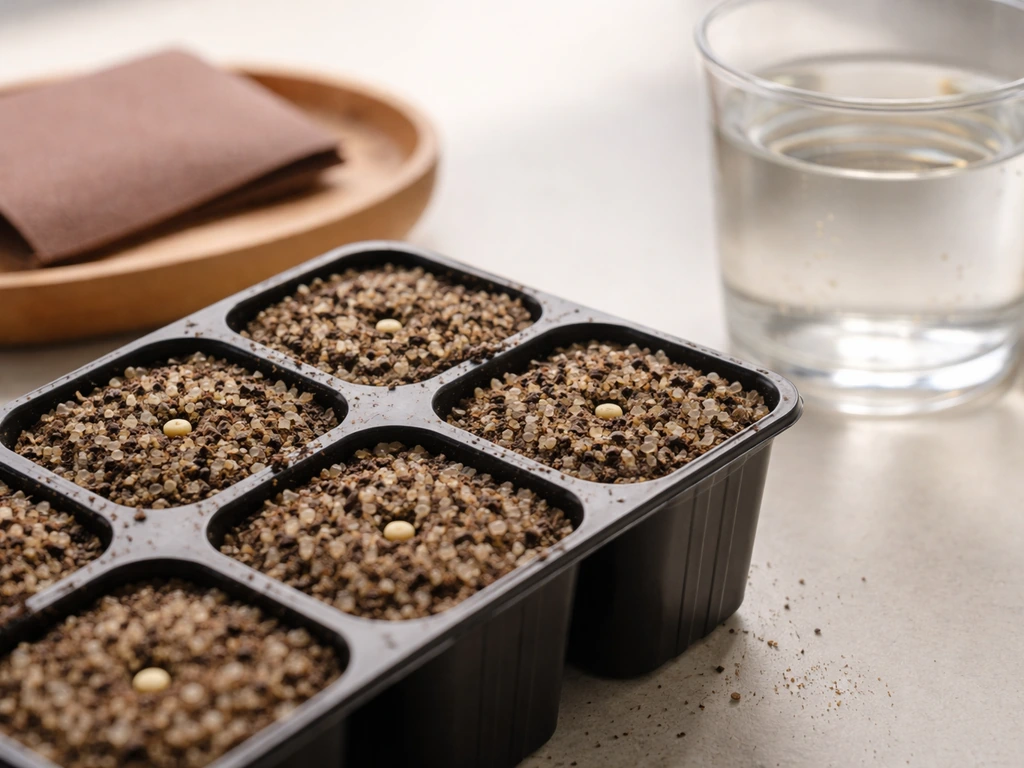
- Scarify seeds individually using fine-grit sandpaper, then soak in warm water overnight.
- Fill small pots or modules with your sandy, acidic mix (60% coarse sand, 30% ericaceous compost, 10% perlite). Avoid standard multipurpose compost: it holds too much moisture and is too rich.
- Sow seeds about 5mm deep, one per module. Do not bury them too deep.
- Place in a warm propagator or on a heat mat at around 20-25°C. A south-facing windowsill with bottom heat works too.
- The best timing in the UK is late winter to early spring (February-March), giving seedlings the warmest months to establish before winter comes around again.
- Keep the growing medium barely moist, not wet. Mist the surface rather than watering from above.
- Germination can take 3-6 weeks even with scarification, and not all seeds will strike. Expect variable results.
- Once seedlings have several true leaves, pot on into your sandy mix in a slightly larger pot. Handle roots very carefully as rooibos is sensitive to root disturbance.
Establishing the plant through its first UK year
The first winter is the most critical period. Young rooibos plants must come inside or into a frost-free greenhouse before temperatures drop below about 5°C, which in most of the UK means by mid to late October at the latest. Keep watering minimal through winter: the plant is semi-dormant and the biggest killer at this stage is cold, wet roots. Give it the brightest spot available, supplementary grow lights if you have them, and resist the urge to feed it.
Rooibos grows slowly by nature, and pushing it with fertiliser in low-light conditions will just give you weak, leggy growth. From late spring, once night temperatures are reliably above 10°C, you can move it outside to its sunniest position and let the summer do its work.
Pests, diseases, and why most UK rooibos attempts fail
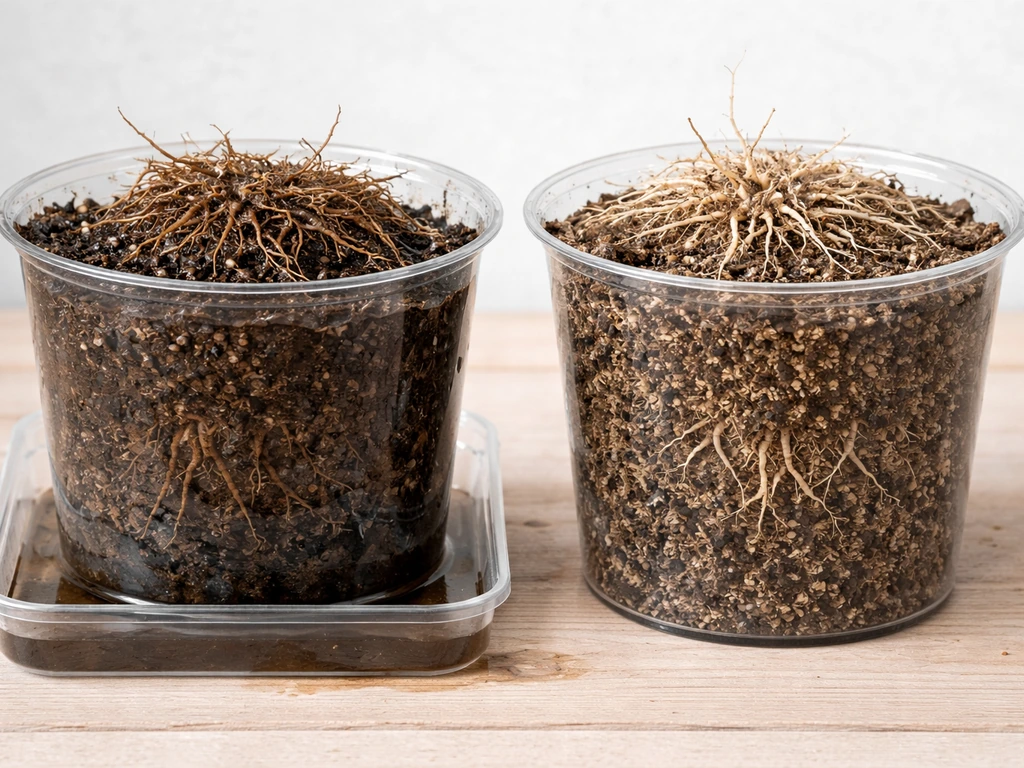
Root rot from waterlogging is the single most common cause of death in UK cultivation. If your mix holds any significant moisture for more than a day or two, the roots will struggle. Repot into sharper drainage if you see yellowing, drooping, or sudden collapse. Aside from that, the most commonly reported serious pest on cultivated rooibos in South Africa is the clearwing moth, whose larvae bore into and damage the root system. This pest is unlikely to be a major issue in UK conditions, but if you are seeing unexplained decline with no other cause, it is worth checking roots carefully for damage.
Phomopsis die-back is a fungal disease associated with rooibos that causes sudden wilting and browning of stems. Characterisation of Phomopsis spp. associated with die-back of rooibos (Aspalathus linearis) describes Phomopsis species linked to rooibos die-back Phomopsis die-back is a fungal disease associated with rooibos. In the UK's damper climate, fungal pressure is higher than in the South African growing areas, so good airflow around the plant is important. Do not crowd it against a wall or fence where air stagnates. Under glass, ensure ventilation is working properly. Legginess is a common complaint too: if your plant is in insufficient light, it will reach and stretch with thin, weak stems. The fix is always more light, not fertiliser.
- Yellowing and drooping leaves: almost always overwatering or poor drainage. Check the root zone and repot into sharper mix.
- Leggy, thin stems: not enough light. Move to a brighter position or add supplementary lighting.
- Sudden wilting without overwatering: check roots for rot or pest damage. Could also be frost shock.
- Failure to germinate: seeds likely have an unbroken seed coat. Re-scarify and try again.
- Slow growth in summer: normal for rooibos, but check it is getting full sun and is not in too large a pot.
How long before you can harvest, and what to expect
In South African commercial cultivation, rooibos is first harvested around 18 months after planting, with harvests running from mid-January to mid-April. In the UK, your timeline will be longer because growth rates are slower and the seasons less favourable. Realistically, expect to wait 2 years or more before you have enough material to make it worth harvesting. The plant grows as a shrub and can reach around 1-1.5 metres in height in good conditions, but in a container in the UK it will likely stay more compact.
Harvesting is straightforward: cut bundles of young, leafy stems with clean secateurs, leaving plenty of growth on the plant. In the UK, late summer (August-September) makes the most sense as a harvest window, when growth is at its peak from the warm months. Chop the harvested stems into short lengths of around 5-10mm, bruise them slightly by bundling and gently crushing or rolling, then spread them out in a single layer to oxidise in the sun for a few hours.
This is the fermentation step that turns the green plant material into the characteristic reddish-brown colour and develops the flavour. Then dry fully in a low oven (around 50-60°C) or a warm spot with good airflow until completely dry and crispy. Store in an airtight container away from light. Yield from a single UK container plant will be modest: realistically a handful of tea's worth in a good year, not the bagfuls you might hope for.
Where to find seeds and plants, and tips for improving your chances
Sourcing is one of the trickier parts. Rooibos seeds are available from specialist seed sellers and occasionally on UK marketplace sites, but stock is inconsistent and seed viability can be poor, especially if seeds have been stored incorrectly. Search for Aspalathus linearis by its botanical name rather than just 'rooibos seeds' to find specialist suppliers. Order from sellers who describe their seed as recently harvested or who have clear provenance. Buying more seeds than you think you need is sensible given germination rates can be unpredictable even with good scarification. Established plants are rarely stocked by UK garden centres, but specialist exotic plant nurseries occasionally carry them.
Beginner tips
- Start with at least 5-10 seeds to account for germination failures.
- Prioritise drainage above everything else: get the soil mix right before you even worry about anything else.
- Keep the plant in the brightest possible spot year-round and bring it inside well before the first frost.
- Do not feed it in the first year and be very conservative with fertiliser thereafter: rooibos is adapted to poor soils.
- Use a clay or terracotta pot rather than plastic to help with aeration and moisture regulation.
More advanced tips for increasing success
- If you have a heated greenhouse, try to replicate a Mediterranean-style seasonal rhythm: drier and warmer in summer, slightly cooler and drier still in winter (but frost-free). This is closer to the fynbos pattern than UK outdoor conditions.
- Experiment with supplementary LED grow lighting through the winter months to keep light levels up and slow the leggy growth that UK winters encourage.
- If you are in a genuine frost-free microclimate in southern England, try one plant outdoors in a very sheltered, south-facing spot with raised, gritty soil or a raised bed with pure sharp sand substrate, and treat it as an experiment alongside your protected container plant.
- Take tip cuttings from your established plant in late spring as insurance backup plants, rooting them in the same sandy mix with bottom heat.
- Monitor soil pH annually with a simple pH meter and keep it acidic: if it creeps above 6.5, the plant will struggle to access nutrients and growth will stall.
If rooibos sounds like a stretch (and it is), you might find the comparison with other challenging tea and herb crops useful. If you are asking can you grow protea in the UK, the key is picking the right Protea species and giving it a very sunny, well-drained setup that mimics its native conditions hardly greenhouse-only propositions.
If you were hoping to grow chocolate in the UK, the good news is that it is far more realistic than rooibos, though it still depends heavily on warmth and protection comparison with other challenging tea and herb crops. Growing stevia in the UK is a more achievable project for most gardeners, since stevia handles UK summers more readily.
On the more exotic end of the scale, vanilla and pandan face similarly dramatic climate mismatches to rooibos, and are largely greenhouse-only propositions. If you are wondering can you grow vanilla in the uk, treat it as another greenhouse-only style plant with tight humidity and temperature control. If you are curious about pandan too, check how its climate needs compare, since it can be another greenhouse-only style of project in the UK. If you are wondering can you grow pandan in uk, it helps to compare its climate needs to what you can realistically provide indoors can you grow pandan in the UK.
Rooibos sits somewhere in between: not impossible, but firmly in the category of plants that demand you meet them halfway with careful management.
FAQ
What’s the minimum temperature I should aim for to keep rooibos alive in winter in the UK?
Aim to keep the plant above roughly 5°C during the coldest months. If you cannot reliably maintain that in a greenhouse, treat it as indoors only (bright window or grow lights), because cold plus wet roots is the combination that most often kills it.
Can I grow rooibos outdoors year-round on the south coast of England?
Only if you have an exceptional south-facing microclimate and, crucially, near-perfect drainage. Even then, a single unusually wet winter can set the plant back severely, so plan a move to a frost-free environment for winter as a safeguard.
What potting mix gives rooibos the best chance of surviving UK conditions?
Use a mix designed to dry quickly after watering, not a rich garden-based compost. If the mix stays moist for more than a day or two, the roots are at high risk of rot, so prioritize coarse drainage components and avoid anything that holds water for long periods.
How often should I water rooibos in winter when it’s semi-dormant?
Water sparingly, just enough to prevent the growing medium from fully drying out, and avoid frequent small top-ups. The goal is to minimize time spent cool and wet, since slow rot can start before the plant visibly collapses.
Do I need to fertilise rooibos in the UK?
Generally, skip feeding in winter and be cautious even in other seasons. If the plant is still in low light or growing slowly, fertilizer can encourage weak, leggy growth rather than a sturdier shrub.
Why is my rooibos getting tall and thin, with weak stems?
Insufficient light is the usual cause. Increase brightness first (more sun, or add grow lights), then reassess feeding later. If you improve light and growth remains thin, review temperature and ventilation, since cool damp conditions can also stall healthy development.
How can I tell if my rooibos has root rot versus cold damage?
Root rot often looks like sudden wilting or collapse with yellowing or a generally soft, failing root system. Cold damage may cause slower, overall decline after prolonged cold. In both cases, check roots promptly by lifting the plant, then improve drainage if the mix stays wet.
Can I propagate rooibos from cuttings at home?
It’s possible but inconsistent and harder than seed. If you attempt cuttings, keep them warm and in high humidity but with good airflow to reduce fungal problems, and expect a lower success rate than with scarified seed.
What’s the easiest way to improve seed germination without using chemicals?
Scarify the hard seed coat mechanically (gentle abrasion on fine grit) and then soak in warm water for about 24 hours. Avoid soaking for much longer because overly wet seeds can become prone to mould before they have a chance to germinate.
How long should I expect before I see any usable harvest material?
Be prepared for around two years or more from planting for enough growth to harvest in a meaningful way in the UK. Plan for slow development because UK seasonal warmth and dryness do not match the plant’s native fynbos cycle.
When is the best time to harvest rooibos stems in the UK?
Late summer (roughly August to September) is typically the most practical window, when growth is at its peak from warmer conditions. Harvesting earlier often reduces the quality of fermentation material if the plant has not built enough young leafy growth.
My plant looks healthy, but it never seems to thrive. What should I check first?
Start with drainage and airflow. If the roots are staying wet in cool weather, the plant can appear okay briefly and then decline. Under glass, verify ventilation so humidity does not build up around stems.
Next Article
Can You Grow Chocolate in the UK? Cacao Growing Guide
Can you grow chocolate in the UK? Learn true cacao needs, UK feasibility, greenhouse or container setup, overwintering,