You can grow cacao (Theobroma cacao) in the UK, but only under protected conditions, and you need to go in with realistic expectations. For peppercorns, you are aiming for a warm, frost-free setup and consistent humidity so the plants can establish and produce berries can you grow peppercorns in the uk. You can also grow stevia in the UK, but it needs warm conditions and careful overwintering like other tender herbs can you grow stevia in the uk.
Can You Grow Chocolate in the UK? Cacao Growing Guide
James Hartwell
21 May 2026
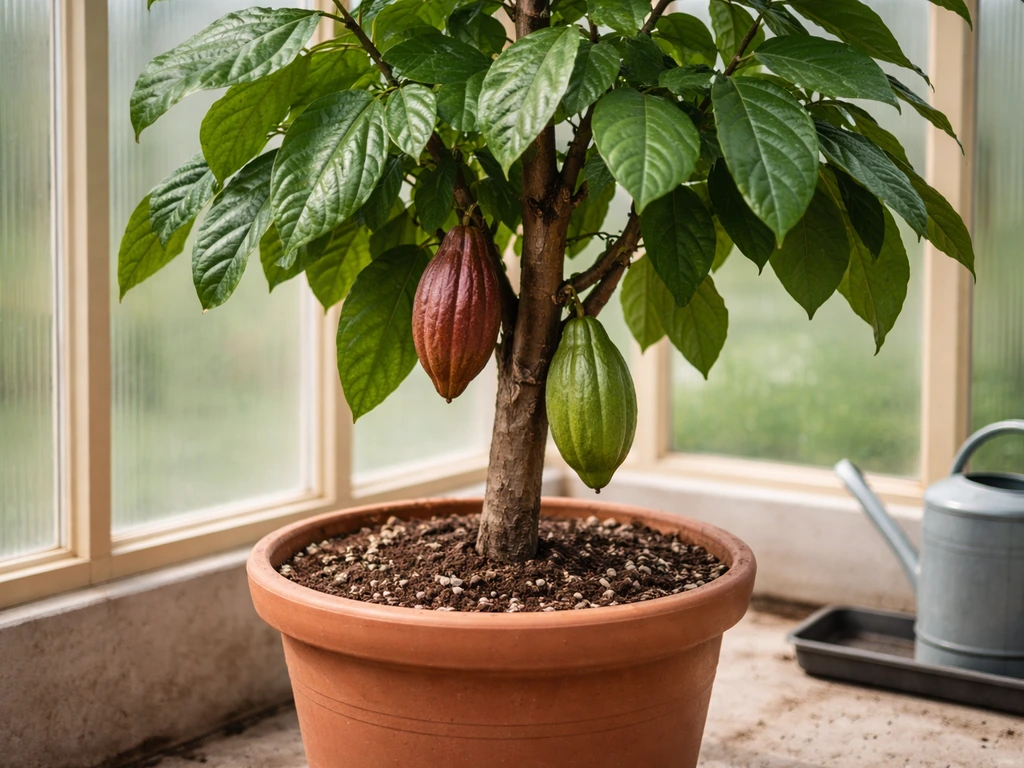
Outdoors year-round is not viable for most of the country. If you are wondering about the same kind of growing challenge with rooibos, the answer depends heavily on whether you can provide frost-free, well-protected conditions in the UK can you grow rooibos in the uk. What you actually need is a heated greenhouse, a warm conservatory, or at minimum a very sheltered indoor space that stays above 12°C even in January.
If you want to know whether cacao itself is possible in your UK conditions, the short answer is that it requires a heated or well-protected setup can you grow vanilla in the uk. Get that right and you can absolutely grow the plant that makes chocolate, watch it flower, attempt hand-pollination, and, with patience, potentially see a pod form.
But it is genuinely difficult, the RHS describes it as 'not easy to grow in the UK', and fruiting reliably is a long-term project rather than a quick win.
What you're actually trying to grow
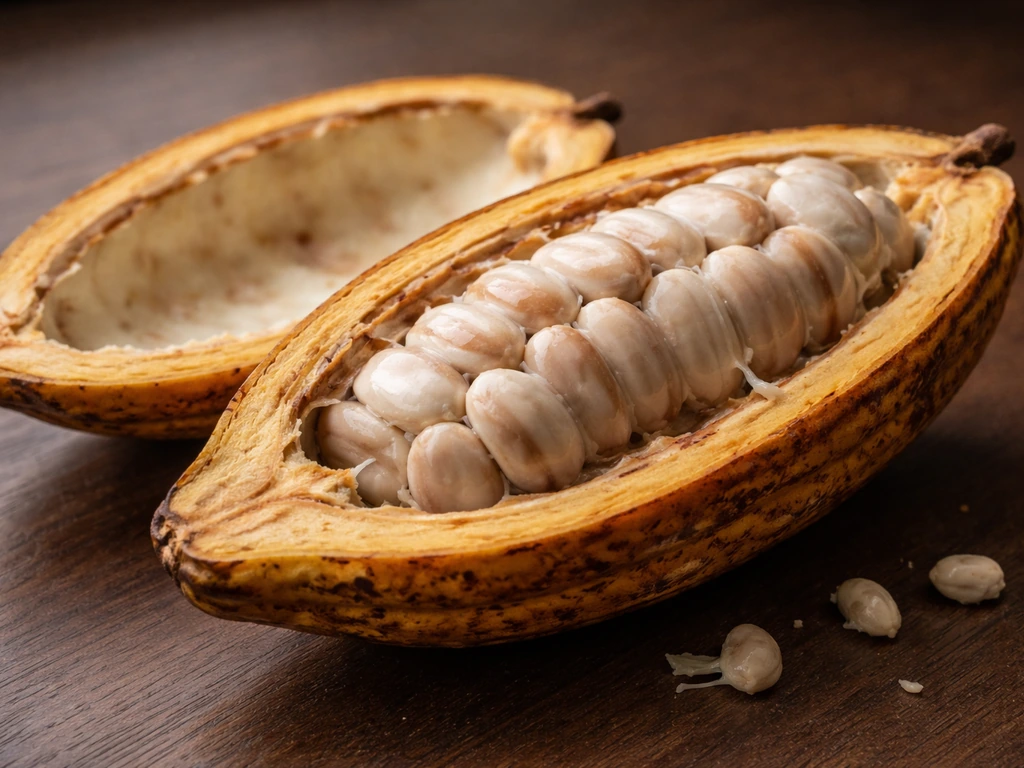
Real chocolate comes from the seeds (the 'beans') inside the pods of Theobroma cacao, a tropical tree native to the rainforests of Central and South America. The Chicago Botanic Garden describes cacao pods as containing hard seeds, commonly called “beans,” encased in yellow pods cacao pods contain hard seeds known as “beans”.
The pods are striking things: large, ribbed, and yellow or red when ripe, containing seeds surrounded by sweet white pulp. It is worth being clear about this because when people search 'grow chocolate in the UK' they sometimes mean a chocolate vine (Akebia quinata) or something with 'chocolate' in its common name. Those are different plants entirely and while some are interesting in their own right, none of them produce anything that becomes chocolate.
If you want actual cacao beans, Theobroma cacao is the only route.
Why the UK climate is such a challenge for cacao
Cacao evolved in humid tropical conditions where temperatures sit between roughly 18°C and 32°C all year, humidity is high, and there is no frost. Ever. The UK is almost the complete opposite of that. Even in the warmest corners of the country, average summer temperatures rarely push past 20°C outdoors, winters drop well below the plant's minimum tolerance, and our ambient humidity is the wrong kind of damp (cool and grey rather than warm and tropical).
The key numbers to keep in mind: cacao wants a minimum temperature of around 12°C to survive, but it actively needs 18°C or above to grow well and thrive. Below 12°C the plant will start to struggle, and frost even briefly will kill it. In terms of light, it actually prefers dappled or indirect bright light rather than full blasting sun, which is one small mercy for UK growers. Humidity should ideally sit above 70%, which is achievable in a well-managed greenhouse but not in a typical living room.
Regionally, there is a meaningful difference between growing cacao in Cornwall or the Scilly Isles versus trying it in the Scottish Borders or the Midlands. In the mildest coastal spots of the South West and South East, maintaining a heated greenhouse through winter is cheaper and easier, and microclimate conditions can be more favourable. In Scotland, northern England, or exposed upland areas, the heating costs and effort increase significantly. That said, the plant will not survive outdoors anywhere in mainland UK regardless of region, so the regional difference is really about how hard your protected setup needs to work.
The best UK setup for growing cacao
Heated greenhouse: the most reliable option
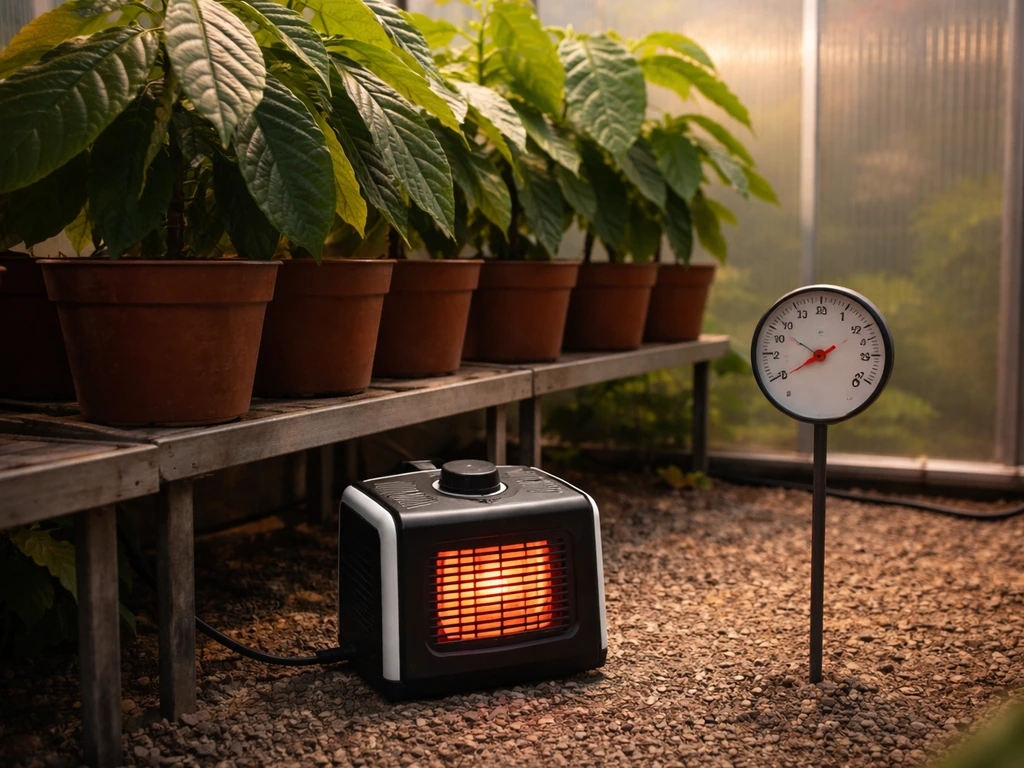
A heated greenhouse is the gold standard and it is what the RHS recommends. You need to be able to hold temperatures above 18°C during the growing season and keep nights above 12°C even in January. A tropical house or warm glasshouse with supplementary heating (electric or gas) is ideal. Kew Gardens grow their cacao trees this way, and they get flowering and fruiting results as a result. If you have a greenhouse already set up for other tropicals, cacao fits in naturally alongside things like bananas, gingers, or other exotics.
Container growing: the practical approach for most gardeners
Because you need to bring the plant under protection every winter (and for much of the year in most UK regions), growing in a container is the sensible choice. A 30–40 litre pot is sufficient for a young tree, scaling up as the plant matures. Use a well-draining, peat-free compost mixed with perlite or grit to stop roots sitting in wet soil. The container can go outside in a warm, sheltered spot from late spring to early autumn if temperatures are consistently above 18°C during the day, but it must come back inside well before the first autumn chill.
Conservatory or indoor growing
A bright, warm conservatory can work, particularly in a south-facing aspect. The challenge is that conservatories get cold at night in winter unless actively heated, and they can also get too hot and dry in summer without ventilation. If you go this route, monitor temperature and humidity closely and mist the plant regularly during warm dry spells. A humidifier nearby is worth the investment.
From plant to pod: the full growing timeline
This is where you need patience and a clear sense of what to expect. Cacao grown from seed typically takes three to five years before it flowers at all. Grafted plants (where available) can speed this up. Once the tree does start flowering, the flowers are tiny and appear directly on the trunk and main branches (a growth habit called cauliflory), which is unusual and rather beautiful.
The challenge after flowering is pollination. In the wild, cacao is pollinated by tiny midges in humid forest environments. Those midges do not exist in a UK greenhouse. According to research data from Penn State Extension, only around 10 to 20 percent of cacao flowers actually get fertilised even in the right conditions, and each individual flower only lasts about a day before it drops.
At Kew, hand-pollination is carried out early in the morning when the flowers have just opened and pollen is fresh. You do this by gently transferring pollen from the stamens of one flower to the pistil of another, using a small paintbrush or cotton swab.
It sounds simple but you need to be watching the tree closely to catch the right moment.
If pollination is successful, a pod will begin to develop. From successful pollination to a fully mature pod takes roughly five to seven months, sometimes longer. The pod changes colour as it ripens, typically from green to yellow or red depending on the variety. Inside you will find the seeds embedded in white pulp. In a UK home greenhouse setup, getting even one or two pods a year would genuinely be a success worth celebrating.
Day-to-day care in a UK context
Watering and feeding
Keep the compost consistently moist but never waterlogged. Cacao dislikes both drought and standing water. In a heated greenhouse during summer, you may need to water two or three times a week. In winter when growth slows, reduce watering but do not let the rootball dry out completely. Feed with a balanced liquid fertiliser every two to three weeks during the growing season, switching to a lower-nitrogen feed once the tree is of flowering age.
Humidity and light
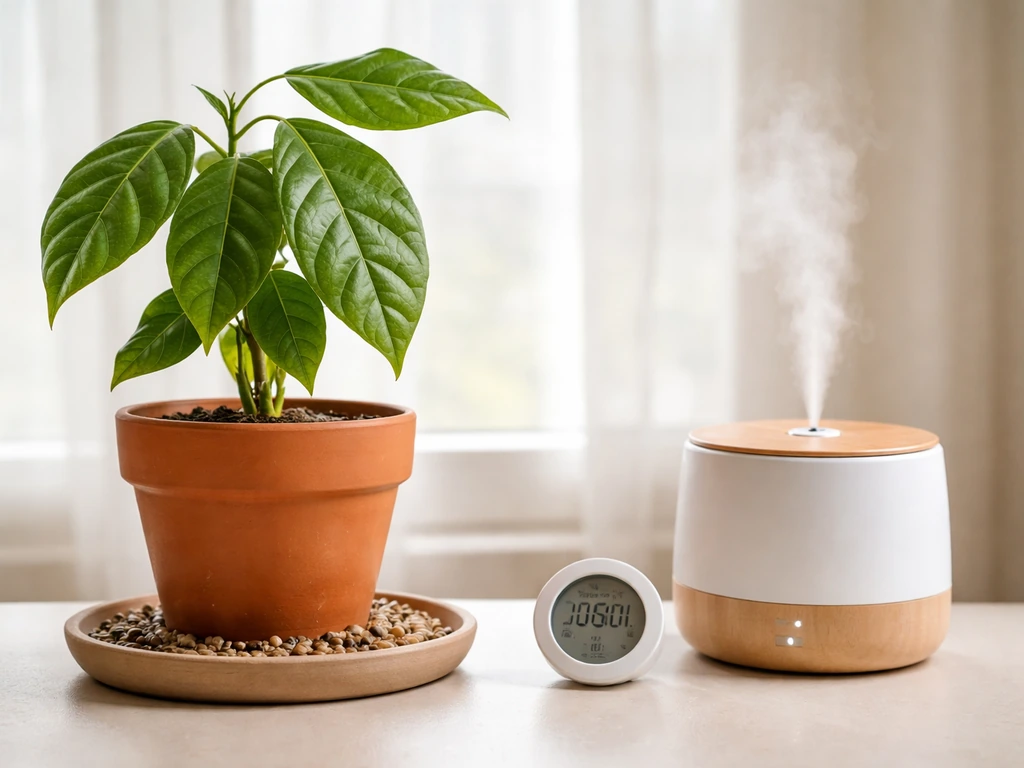
Aim for 70% humidity or above if you can manage it. Regular misting helps, but a tray of wet gravel under the pot or a nearby humidifier is more consistent. Cacao actually prefers bright indirect light rather than full sun, so while a south-facing greenhouse is ideal, some shading in midsummer will prevent leaf scorch. A grow light can supplement natural daylight in winter if needed.
Overwintering
The plant must stay above 12°C at all times through winter. If you are growing in a conservatory or unheated greenhouse, use a frost fleece as a backup on the coldest nights and keep a thermometer nearby. Do not assume your space stays warm enough without checking. A digital min/max thermometer is one of the most useful bits of kit you can own for this kind of growing.
Pests and diseases
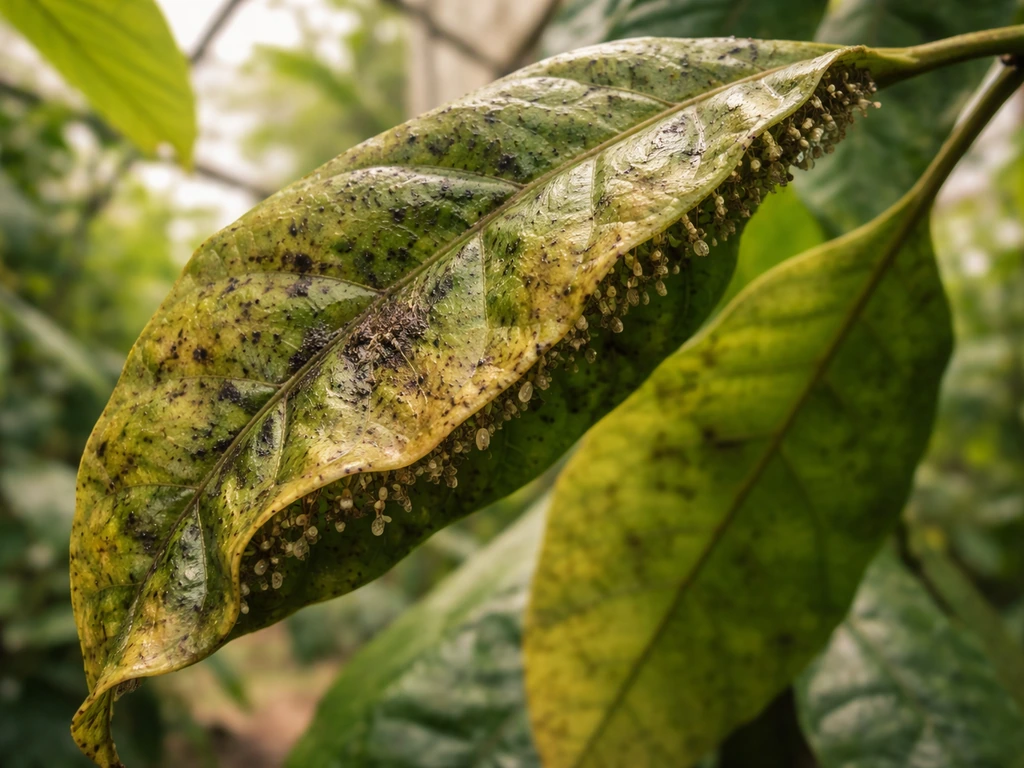
Cacao in a warm humid environment is a magnet for a number of common greenhouse pests. The RHS lists mealybugs, aphids, scale insects, red spider mite, fungus gnats, and capsid bug as potential problems. Scale insects in particular can build up quietly on stems and the underside of leaves, excreting sticky honeydew that then attracts sooty mould. Check the plant thoroughly every couple of weeks. Biological controls work well in a greenhouse setting and are preferable to chemical sprays on a plant you eventually want to eat from.
On the disease side, blank" rel="noopener noreferrer">the three major threats to cacao globally are black pod rot (caused by Phytophthora), frosty pod rot (Moniliophthora), and witches'-broom. In a UK greenhouse these are less likely to be issues than in a tropical plantation, but good air circulation, avoiding leaf wetness overnight, and not overwatering all reduce the risk of fungal problems. If you see unusual growth deformation or spreading rot on pods or stems, act quickly.
A quick comparison of your setup options
| Setup | Winter heat needed | Fruiting potential | Cost/effort | Best for |
|---|---|---|---|---|
| Heated tropical greenhouse | Yes (active heating to 18°C) | High (best chance of pods) | High cost, moderate effort | Serious growers with existing greenhouse |
| Warm conservatory (heated) | Yes (maintain above 12°C nights) | Moderate (possible with hand-pollination) | Medium cost, regular attention | Home growers with south-facing space |
| Unheated greenhouse with backup heating | Backup heat needed on cold nights | Low to moderate (marginal) | Lower cost, higher risk | Mild UK regions only (SW England) |
| Indoor container (well-lit room) | Room temperature must stay above 18°C ideally | Low (light usually insufficient for fruiting) | Low cost, difficult long-term | Growing the plant as a curiosity, not for beans |
If you want chocolate flavour without growing cacao
If the cacao setup sounds like too much and you want something more achievable, there are a handful of plants with 'chocolate' in the name or in the flavour profile that do actually grow well in the UK.
- Chocolate vine (Akebia quinata): a vigorous, semi-evergreen climber that is completely hardy in the UK. The flowers have a mild chocolate scent in spring and the unusual purple pods are edible, though the flavour is more sweet and neutral than chocolate. It will not give you cocoa, but it is a genuinely interesting plant that grows easily outdoors.
- Chocolate mint (Mentha x piperita 'Chocolate'): a hardy perennial herb with a genuine chocolate-mint scent. Easy to grow in pots or borders, useful in baking and hot drinks, and about as low-maintenance as it gets.
- Chocolate cosmos (Cosmos atrosanguineus): a tender perennial with deep burgundy flowers that carry a distinct vanilla-chocolate fragrance. Not edible for flavouring but worth growing for the scent. Needs lifting or mulching heavily over winter.
- Cacao nibs from specialist suppliers: if you want to process actual cacao at home, buying green (unroasted) cacao beans or dried pods from a specialist importer is a legitimate shortcut. You get the fermentation and roasting experience without the growing challenge.
None of these alternatives produce actual chocolate, but they are all achievable for UK gardeners without a tropical greenhouse. The chocolate vine in particular is worth knowing about if you are after something unusual and low-effort. If you are wondering about other greenhouse-friendly plants, can you grow protea in the UK too? Other similarly ambitious tropical or sub-tropical growing projects, like growing vanilla or pandan in the UK, share a lot of the same infrastructure requirements as cacao and are worth considering if you are already setting up a heated growing space.
Where to start if you want to actually try it
- Decide honestly whether you have (or can create) a heated space that stays above 18°C for most of the year. If not, the project will likely stall.
- Source a young cacao plant from a specialist tropical plant nursery in the UK rather than trying to germinate seeds, which is possible but adds time. Check the variety if you can: some are more compact and suited to container growing.
- Pot into a rich, free-draining mix (60% peat-free multipurpose compost, 30% perlite, 10% horticultural grit) in a container with good drainage holes.
- Set up a min/max thermometer and a hygrometer in your growing space before the plant arrives so you actually know what conditions you are providing.
- Plan for hand-pollination from the first flowering: have a fine paintbrush to hand and check the trunk and branches every morning during the flowering period.
- Manage expectations: aim first for a healthy, established plant. Flowering in years three to five is the milestone. A pod after that is a genuine achievement.
FAQ
What temperature does a UK cacao setup really need to avoid plant loss in winter?
If you mean eating real cacao beans, you will need a winter-proof setup that can reliably stay above 12°C, and ideally above 18°C for growth. A normal unheated conservatory or porch greenhouse that “usually feels warm” is not enough, because night-time drops are what kill cacao. Use a min/max thermometer and confirm your coldest January nights before you buy plants.
Can I grow cacao from seed in a smaller pot, then move it up later?
Yes, you can start cacao in a small pot, but keep the tree in a container from day one because you will be moving it in and out. A young plant in a 30–40 litre pot is workable, and once roots fill the pot you can step up size gradually. Avoid huge pot jumps, because excess wet compost increases root rot risk.
Do I need to hand-pollinate cacao in the UK, and how do I improve my odds?
Hand-pollination is usually required in UK greenhouses because the specific tiny midges are not present. The practical way to improve success is to pollinate multiple flowers on multiple days, ideally early morning when blooms first open. Also, fertilise and water consistently around flowering, because stressed trees tend to drop flowers sooner.
How do I set up lighting in a UK greenhouse or conservatory to keep cacao thriving?
Light is best managed for “bright indirect” conditions. In a glasshouse, shade netting in midsummer can prevent scorch, but in winter you may need a grow light to maintain strong leaf growth. If you see slow growth and pale new leaves in winter, that is usually a light issue before it is a temperature issue.
Is misting enough to hit cacao humidity needs, or should I use other methods?
Humidity targets are achievable, but you should avoid relying on misting alone. Misting helps, yet it dries off quickly and can encourage leaf wetness problems if you overspray at night. For steadier humidity, use a humidifier or a wet gravel tray, and keep air moving gently so the leaves dry properly.
What feeding changes should I make once cacao starts flowering?
Switching to a lower-nitrogen feed once the tree is flowering age matters because too much nitrogen can push leafy growth at the expense of flowers and pods. Use a balanced liquid fertiliser during active growth, then taper gradually, and always water first or dilute properly to avoid fertiliser burn in container compost.
How long do cacao pods take to ripen in a UK greenhouse, and what signs confirm it is on track?
Pods can take around five to seven months after successful fertilisation, but in UK conditions it can be longer if temperatures dip. Treat “pod set” as the start, then keep heat stable and humidity consistent through the ripening window. You will also be looking for colour change and firmening of the pod, not just swelling.
How can I avoid overwatering or root rot when cacao needs frequent summer watering?
Cacao in containers can suffer from root issues when the compost stays soggy. Use a well-draining peat-free mix with perlite or grit, and ensure the pot has clear drainage. Water based on the surface drying slightly, not on a fixed schedule, then reduce in winter but never let the rootball fully dry out.
What pest checks should I do regularly, and what should I watch for first?
You should expect a learning curve with pests like mealybugs, scale, and fungus gnats. The most useful practice is a routine inspection every couple of weeks, looking under leaves and along stems. For control, start with targeted biological options when possible, because sticky honeydew from scale can lead to sooty mould that is harder to manage later.
My cacao set pods but they stopped developing, what usually causes this in UK conditions?
If you get pods but they do not ripen, the usual causes are insufficient heat during ripening, humidity swings, or the tree being too stressed after flowering. Review winter minimum temperatures, make sure nights do not crash below about 12°C, and keep ventilation gentle to reduce fungal problems on pods.
When is it safe to move cacao outdoors in the UK, and when should I stop?
Cacao can be moved outdoors only when the day temperatures consistently sit above 18°C and nights stay well above your tolerance. In practice, that often means late spring to early autumn at most, then bring it back in before the first sustained chills. If you leave it out and it dips under 12°C even briefly, you can lose the whole plant.
Next Article
Can You Grow Tiger Nuts in the UK? Practical Guide for Gardeners
Can you grow tiger nuts in the UK? Practical, regional guide with planting dates, containers, harvest & recipes.