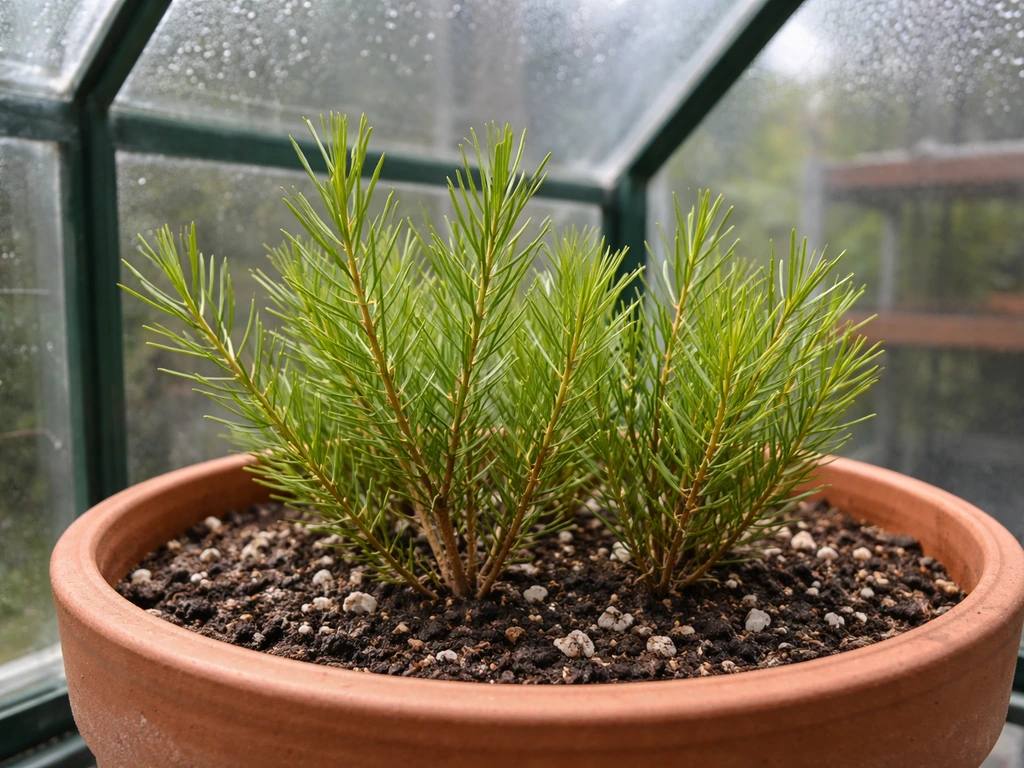
Yes, you can grow protea in the UK, but most species are not garden-hardy across Britain and will need protection from frost, wind, and winter wet. In the mildest coastal spots, especially Cornwall, the Isles of Scilly, sheltered parts of the south coast, and some coastal areas of Wales and western Scotland, a few tough species can survive in the ground. Everywhere else, containers and overwintering under glass are your realistic route to success. If you are also wondering about other tender sweet plants, you can grow stevia in the UK in much the same way, by treating it as a warm-weather crop that needs frost protection grow in the UK.
Can You Grow Protea in the UK? Guide and Checklist
James Hartwell
25 Jun 2026
How feasible is it really? The honest UK picture

Proteas are South African and Australian natives that evolved in nutrient-poor, well-drained soils with warm dry summers and mild winters. The UK mostly gives them the opposite: wet winters, cold snaps, heavy soils, and not enough summer sun. That doesn't mean it's impossible, it just means you need to be clear-eyed about what you're taking on. Rooibos is a completely different crop from proteas, but if you are wondering can you grow rooibos in the UK, the key is similar: choose the right conditions and protect it during cold or wet spells.
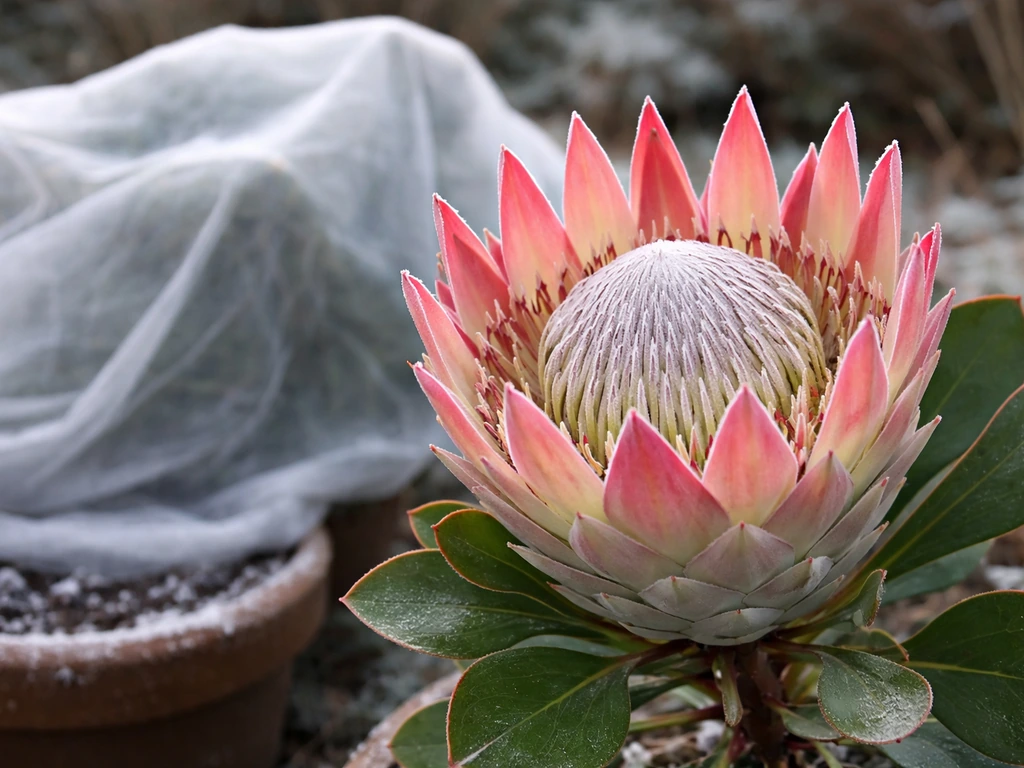
The RHS rates Protea cynaroides (the famous king protea) and Protea repens as H2, which means they tolerate down to about 1°C to 5°C and are considered frost-tender. Protea magnifica is also listed as H2 in the RHS AGM ornamental list. Practically speaking, H2 means these plants are not reliably hardy outdoors in the UK, even in the south of England. A single hard frost can finish them. If you're in the Midlands, the North, or Scotland, you need a greenhouse or a very well-heated conservatory to have any realistic chance of flowers.
If you're on the Cornish coast or the Isles of Scilly, you're in a genuinely different situation. Those microclimates rarely see sustained frost and have the mild, relatively dry winters proteas prefer. Gardens like Tresco Abbey have proven that proteas can thrive outdoors in those conditions. But for the rest of the UK, treat this as a container plant that needs bringing in or protecting every winter.
Which protea species and cultivars are worth trying
Not all proteas are equally challenging. Some are borderline hopeless in the UK without a heated greenhouse; others give you a fighting chance.
| Species / Cultivar | RHS Hardiness | Min Temp (approx) | Best UK approach |
|---|---|---|---|
| Protea cynaroides (King protea) | H2 | 1–5°C | Container; greenhouse or very mild coastal garden |
| Protea repens (Cape honey flower) | H2 | 1–5°C | Container; mild coastal only if in ground |
| Protea magnifica | H2 | 1–5°C | Container; greenhouse preferred |
| Leucadendron cultivars (related family) | H3–H4 | Down to around −5°C | Sheltered south-facing beds or large containers |
| Protea neriifolia | H2 | 1–5°C | Greenhouse; occasional mild sheltered outdoor spot |
Leucadendrons are technically in the same Proteaceae family and worth mentioning here because several cultivars are meaningfully hardier than true proteas, tolerating brief frosts down to around −5°C. If you're tempted by the protea look but don't have a greenhouse, a Leucadendron like 'Safari Sunset' grown in a sheltered south-facing spot in a well-drained raised bed is a far more achievable goal for most UK gardeners.
For true proteas, Protea cynaroides is the species most commonly grown by UK enthusiasts. It's striking and coveted, but it is genuinely frost-tender. The king protea is your best bet for flowers if you have a cool greenhouse or a conservatory that stays above freezing. Don't be seduced by the photos and assume it'll cope with a typical British winter outdoors unless you're in one of those rare mild-climate pockets.
Getting the climate and microclimate right
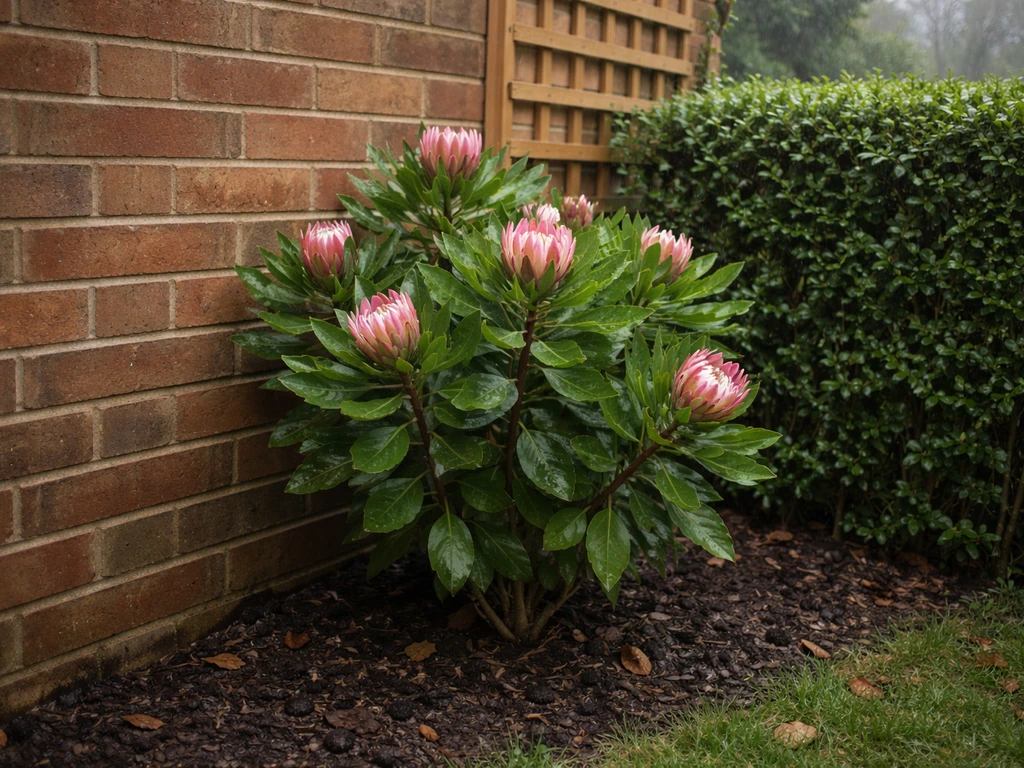
Proteas need full sun, good air circulation, and protection from hard frost and persistent cold wet. In the UK that combination is genuinely rare outdoors. A south-facing wall in a sheltered garden can push your local microclimate up a hardiness zone and make outdoor growing more plausible, but you still need to plan for protection during cold snaps.
Wind is an underappreciated killer. Proteas don't like cold, drying winter winds, especially when combined with frost. If you're growing outdoors, a solid windbreak on the north and east sides makes a real difference. That said, they also need airflow to prevent fungal issues, so don't enclose them completely.
In terms of the UK's regional split: the south coast, Cornwall, the Scilly Isles, sheltered coastal Wales, and parts of the west of Scotland (especially around the Gulf Stream coast) offer the most realistic outdoor conditions. The rest of the country, including most of the South East, Midlands, and anywhere inland, really needs container growing and winter protection as standard. Don't try to wing it in a Surrey garden and expect the plant to make it through January without help. If you mean specifically vanilla, you can grow it in the UK, but you’ll usually need a greenhouse or conservatory to keep temperatures and light consistent year-round can you grow vanilla in the uk.
Pot vs ground: which setup actually works in the UK
For most UK growers, containers are the practical choice. Being able to move a protea undercover for winter is the single biggest factor in keeping it alive. Yes, containers restrict root growth and require more attentive watering, but the flexibility they give you is worth it.
Container growing
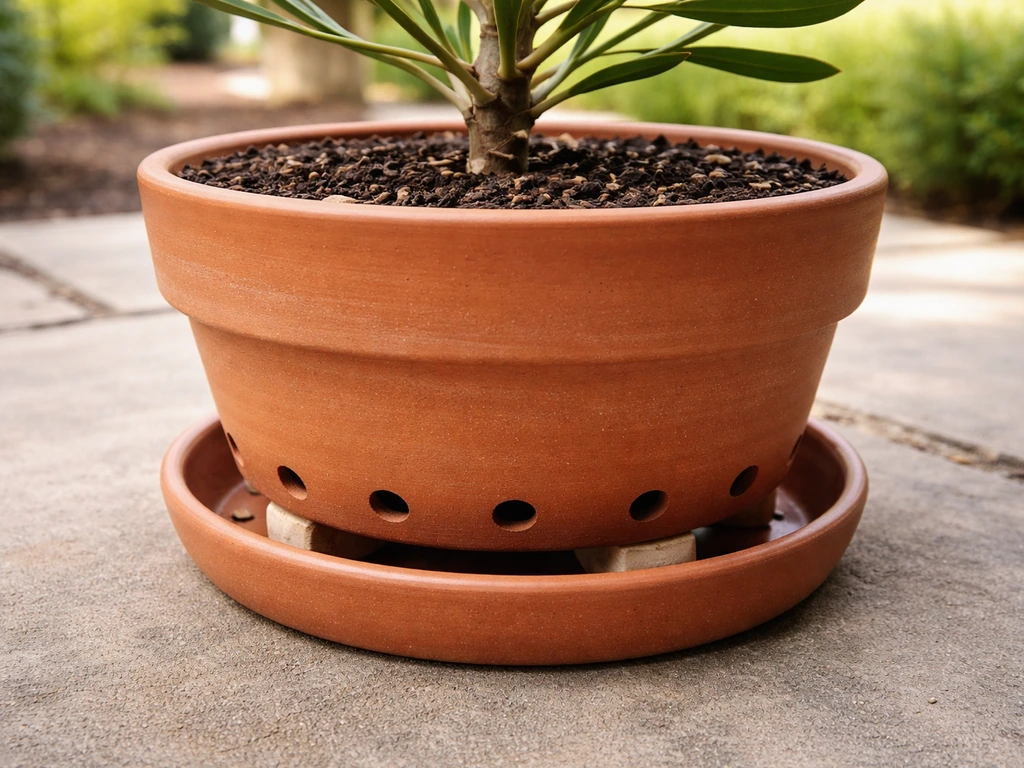
Use a large, heavy pot with multiple drainage holes at the base, not just one central hole. Terracotta is fine but can be heavy once filled; good-quality plastic or fibreglass pots work perfectly well. Choose a pot that's only slightly larger than the root ball, as proteas are adapted to confined, nutrient-poor conditions and don't need enormous amounts of root space. A 30–40 cm pot is reasonable for a young plant.
Raise the pot on feet or a saucer that can drain freely. Never let it sit in standing water. That's not a minor tip, it's genuinely the most important thing you can do. Root rot is the number one killer of proteas in UK conditions and it nearly always starts with waterlogged roots.
Growing in the ground
If you're in a genuinely mild area and want to try in-ground planting, choose a raised bed on a south-facing slope if at all possible. Raised beds improve drainage dramatically and warm up faster in spring. Dig in plenty of grit and make sure the bed never becomes waterlogged. Avoid putting proteas into a dip or hollow in the garden where cold air and water pool overnight. And accept that even in mild areas you should have fleece on standby for frost warnings.
Overwintering under glass
A frost-free greenhouse or cool conservatory (staying above about 2–5°C) is the gold standard for UK protea growing. You don't need tropical warmth, just frost protection and good light. If you don't have a greenhouse, a cold frame with fleece-wrapped pots is a viable second option for the mildest parts of the country. Sunken cold frames offer better insulation than above-ground ones, and wrapping the pot itself in bubble wrap or horticultural fleece before putting it inside adds another layer of protection. UK garden fleece marketed for frost protection typically claims to buffer down to around −5°C, which is enough for most UK winters but not a severe cold snap.
Soil, potting mix, and the watering rules
Get the soil wrong and everything else is academic. Proteas evolved in some of the most nutrient-poor, freely draining soils on the planet. They have specialised proteoid roots that are extraordinarily efficient at extracting nutrients in low-fertility conditions. Those same roots are highly sensitive to waterlogging, compaction, and high phosphorus levels.
The right potting mix
Do not use standard multi-purpose compost straight from the bag. It's too nutrient-rich, often lime-adjusted, and holds too much moisture. Instead, mix roughly equal parts ericaceous compost (which gives the acid pH you need), sharp sand or horticultural grit, and perlite. Some growers use cactus compost as a base and add extra grit. The target pH is 5.5 to 6.5, with slightly more acidic conditions preferred by sand-loving species. Avoid anything containing lime or chalk.
Crucially, avoid using lime-scale-heavy tap water if yours is very hard. In hard-water areas, collect rainwater for watering proteas, as repeated use of alkaline tap water gradually pushes the pH up and can cause nutrient deficiency (you'll see yellowing leaves). In soft-water areas like most of the north and west, tap water is usually fine.
Watering technique
Water the compost, not the plant. Wetting the foliage and crown repeatedly encourages fungal problems, especially in a cool, damp UK autumn or spring. Let the compost become almost dry before watering again, then water thoroughly so it drains freely. In winter, back off watering significantly. The compost should be barely moist rather than wet between October and March. And repeat: never let the pot sit in a saucer of standing water. Root rot, once established, rarely recovers.
Feeding, flowering, and what to realistically expect
Feeding proteas is one area where the instinct to be generous works directly against you. These plants need very few nutrients, and rich compost or regular fertilising can actually trigger root rot by encouraging lush, vulnerable growth and stressing the specialised root system. If your plant looks healthy and green, don't feed it.
If you do see signs of deficiency, a very light application of a low-phosphorus, nitrogen and potassium-based fertiliser in spring only is acceptable. Never use a standard high-phosphorus fertiliser. The phosphorus in most general garden feeds is actively harmful to proteas at levels that would be fine for most other plants.
On flowering: be patient and manage your expectations. Proteas typically take two to four years from a young plant to flower reliably, and many UK-grown plants never flower at all if they don't get enough sun or if winter stress interrupts bud development. Flower buds that develop through summer can turn brown and fail if the plant goes through a prolonged dry spell, so consistent but moderate watering through summer and early autumn matters. In UK greenhouse conditions with good light, a healthy king protea can flower between late winter and early summer, usually producing one to several flower heads per stem per season.
Common UK problems and how to fix them
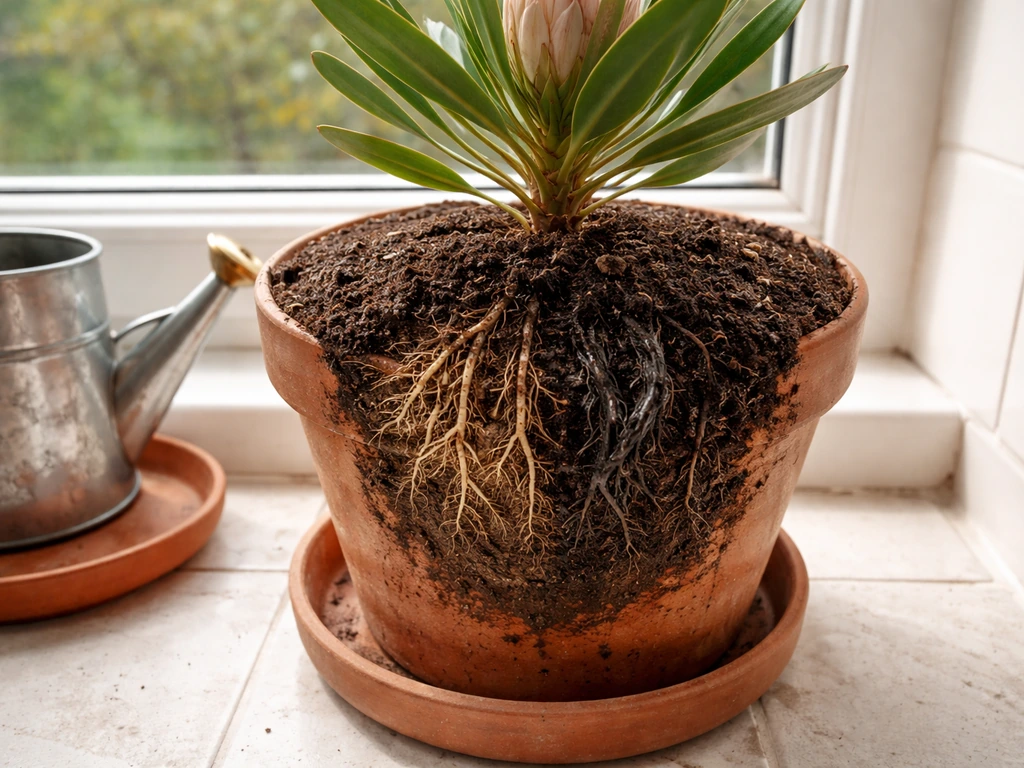
Most UK protea failures come down to three things: root rot, not enough light, and incorrect compost. If you are wondering can you grow peppercorns in the UK, the biggest factors are a suitable climate and choosing the right growing setup root rot. Here's how to spot and deal with the most common issues.
- Root rot (Phytophthora and general waterlogging): The single most common cause of death. Signs include sudden wilting, blackening of lower stems, and rapid decline. It's caused by waterlogged compost, poor drainage, or sitting in water. Prevention is everything here because once root rot takes hold, recovery is rare. If you catch it early, remove the plant from the pot, cut away any blackened mushy roots, dust the cut ends with sulphur powder or activated charcoal, repot into fresh dry mix, and keep the plant barely moist while it recovers.
- Poor or no flowering: Usually caused by insufficient light, especially if kept in a dim greenhouse corner or north-facing spot. Move the plant to the brightest spot available. Also check whether winter stress, drought during bud set, or overly rich soil is a factor.
- Yellowing leaves: Most often a pH or water quality issue. If your tap water is hard, switch to rainwater. If the compost has become compacted or alkaline, repot with fresh ericaceous mix.
- Brown leaf tips: Can indicate salt build-up from hard water or fertiliser, cold wind damage, or drought stress. Check watering and water source first.
- Thrips: Under glass, glasshouse thrips can cause silvery mottling on leaves and damage flower heads. Monitor with yellow or blue sticky traps and treat with an appropriate insecticide or introduce biological controls such as Amblyseius cucumeris. Check plants carefully when moving them in and out of protection in autumn and spring.
- Fungal leaf spots: Usually related to poor air circulation or wetting the foliage. Improve ventilation in the greenhouse and water only at the base of the plant.
Where to buy, how to start, and your first-year plan
Seeds vs plants
Seeds are available from specialist suppliers but germination is slow and unreliable without fresh seed and specific conditions (some species need smoke treatment or specific temperature cycling). For UK beginners, buying a named cultivar as a young plant from a reputable specialist nursery is a much better starting point. You'll save a year or two of growing time and you'll know exactly what you have. Look for UK specialist protea nurseries and mail-order succulent and southern hemisphere plant suppliers.
Hardening off
Any plant coming from a warm nursery environment needs gradual acclimatisation before it goes outside. Spend two to three weeks moving the plant outdoors in the day and bringing it back in at night, then leave it outside only when night temperatures are consistently above 5°C. In the UK that means late May to early June is typically safe for putting proteas outside for the summer. can you grow chocolate in the uk.
Your decision path by setup
To make this practical, here's a simple decision framework depending on what you have available:
- You have a frost-free greenhouse or cool conservatory: You can grow any of the main Protea species (cynaroides, repens, magnifica) in containers. Bring them in from October to late April. Aim for a minimum winter temperature of 2–5°C. This is the most reliable route to flowers in the UK.
- You have a cold frame and a mild garden (South Coast, Cornwall, Wales coast): Try Protea cynaroides in a large container with fleece wrapping and cold frame protection over winter. You'll need to watch frost forecasts and act quickly. Success is possible but not guaranteed in colder winters.
- You have neither greenhouse nor cold frame but are in the Isles of Scilly or very mild Cornish coast: You can attempt in-ground planting in a raised, south-facing, well-drained bed. Still have fleece ready. Choose the most compact, known-hardy plants available.
- You're in central or northern England, the Midlands, or Scotland without glass: A frost-free greenhouse is essentially non-negotiable for true proteas. Without it, consider Leucadendron cultivars instead, which are hardier and more achievable in a sheltered UK garden.
Your overwintering plan
Start preparing in September, before the first frost. Move containers to their winter position (greenhouse, conservatory, or cold frame). Reduce watering immediately. If using a cold frame, wrap the pot in bubble wrap or two layers of fleece before placing it inside. Check on the plant monthly over winter, watering very sparingly only if the compost has become completely dry. Resume normal outdoor care in May once frost risk has passed, hardening off for a couple of weeks before leaving the plant outside full time.
Proteas sit in a similar category to other exotics that push the limits of UK growing, in the same family of challenges as attempting vanilla, pandan, or rooibos in British conditions. The appeal is real, the challenge is real, and the reward when it works is genuinely spectacular. Get the drainage and frost protection right, and you have a realistic shot.
FAQ
Can you plant protea in the ground in the UK, or does it have to be in a pot?
If you mean planting directly in the ground, only try it in the mildest coastal microclimates, and even then choose a raised bed and expect to cover for frost warnings. In most of the UK, treat protea as a container plant so you can move it under cover the moment temperatures drop or damp weather sets in.
How should I water protea in UK winter to prevent root rot?
The fastest way to avoid failure is to keep the crown and leaves dry while the roots sit in barely moist, free-draining compost. Use a watering can aimed at the compost surface and only water again when the mix is close to dry, especially from October to March.
My protea has yellowing leaves, what’s the most common cause?
If your plant gets yellow leaves, check first for pH and waterlogging rather than nutrients. Many UK growers accidentally raise pH using hard tap water or compost with lime, and that can lock nutrients out even when feeding is skipped.
What winter protection is realistic without a heated greenhouse?
For most UK homes, a frost-free greenhouse or a cool conservatory works best because it protects from both freezing and persistent damp. A cold frame can work only in the mildest areas, and you should insulate the pot itself (fleece or bubble wrap) since the pot is where temperatures swing most.
Can I feed my protea to help it grow faster or flower sooner?
Start feeding only when growth has resumed in spring, and only if the plant is clearly showing deficiency signs. Use a low-phosphorus fertiliser at a very light rate, avoid any fertiliser with high phosphorus, and never rely on long-acting “general” feeds in protea compost.
Do proteas need protection from wind in the UK, and how do I balance that with airflow?
Yes, windbreaks help, but do not create a sealed still-air situation. Position for airflow while blocking cold drying gusts, for example using a solid screen on the north and east sides and keeping some space around the plant for ventilation.
Should I prune protea, and when is it safe in the UK?
Most proteas will not need regular pruning, but removing spent flower heads and any dead foliage can reduce disease pressure. Avoid heavy pruning of green growth, because proteas do not bounce back quickly if stressed by cold or low light.
How long should I acclimatise a nursery protea before leaving it outside?
If you buy a protea in a warm nursery setup, acclimatise gradually and do not rush outside. Keep it outdoors only when night temperatures are consistently above about 5°C, and move it back under cover during any cold snap rather than waiting for the next season.
Why is my protea not flowering after a few years?
If your goal is flowers, choose king protea only if you can give consistent winter frost protection and strong light. Even then, expect 2 to 4 years from a young plant, and know that a single winter stress event can interrupt bud development.
What are the top steps to troubleshoot protea problems in the UK?
If you are troubleshooting, use an order of operations: confirm drainage first (no standing water, correct potting mix), then check light (proteas need full sun), then review frost and winter damp exposure. Fertiliser and “extra care” usually come too early and cannot fix poor drainage or insufficient light.
Next Article
Can You Grow Rooibos in the UK? A Practical Guide
Learn if you can grow rooibos in the UK, with greenhouse or container steps, care tips, timelines, and harvest drying.