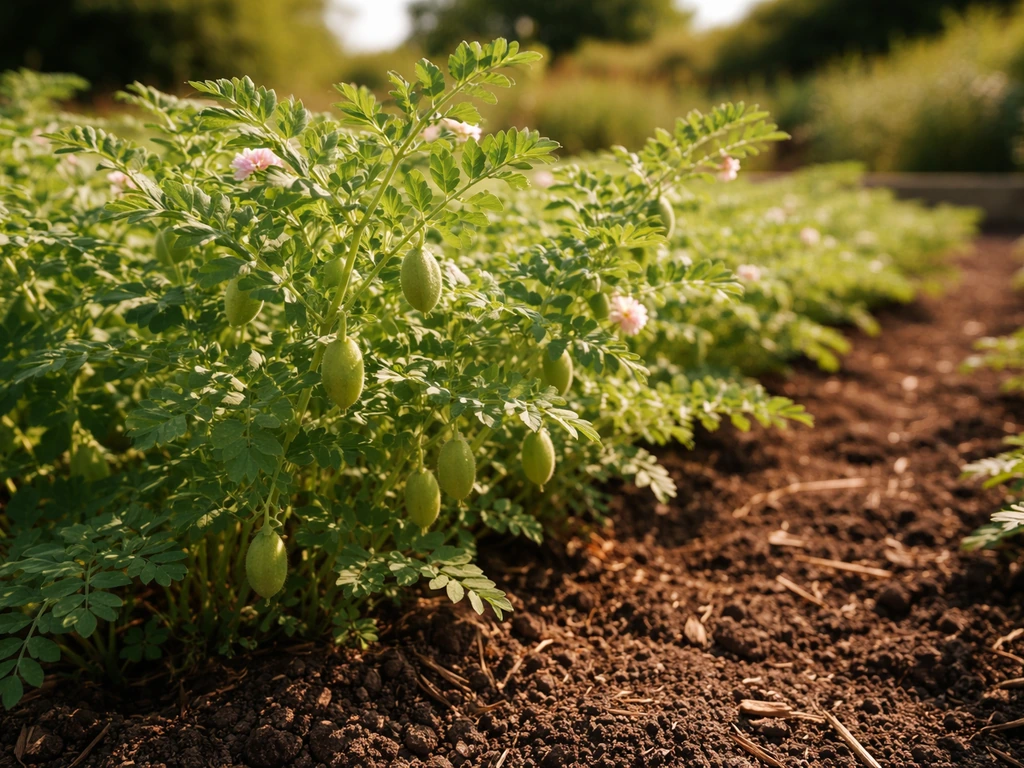
Runner beans and French beans (including dwarf/bush varieties) are the best beans to grow in the UK for reliable, heavy harvests. Both are well-suited to British summers, easy to manage, and genuinely productive even in average years. If you want a specific starting point: 'Enorma' or 'St George' for runner beans, and 'Safari' or 'Cobra' for French beans. Everything else in this guide helps you get the most from those choices. If you are also curious whether can chickpeas grow in the uk, it is a useful comparison because they have different sowing warmth and timing needs than runner and French beans.
Best Beans to Grow in the UK: Varieties and How-To
James Hartwell
7 Jul 2026
UK climate basics for bean success
All beans are frost-tender. That single fact shapes everything about growing them in the UK. You cannot rush them outdoors while the ground is cold or frost risk lingers, because a late frost will kill seedlings overnight and cold soil causes seeds to rot before they germinate. The RHS is clear on this: wait until soil temperature reaches at least 12°C before direct-sowing runner beans outdoors. In practice, that means mid-May in the south of England and early June in northern England, Scotland, and exposed upland areas.
The other limiting factor is summer heat, or rather the lack of it. Beans originated in warm climates and genuinely benefit from warm, settled summers. The UK usually gives you enough warmth to get a good crop, but cool, wet summers or a short warm window in northern regions can cut yields. Soya beans have different requirements than the common runner and French beans in this guide, so you will only be able to grow them in the UK if you choose warm conditions and the right varieties can soya beans grow in uk. That is why indoor starting is so useful: it gives you a head start before the outdoor season is safe, so plants hit the ground running once they go out.
Frost protection fleece buys you a little wiggle room. Heavier fleece gives roughly 2°C of protection, which can bridge occasional late cold snaps in May, but it is not a substitute for waiting for genuinely settled weather. If you are in Scotland, the north of England, or a frost pocket, build in extra caution and favour indoor sowing.
Best climbing beans for the UK
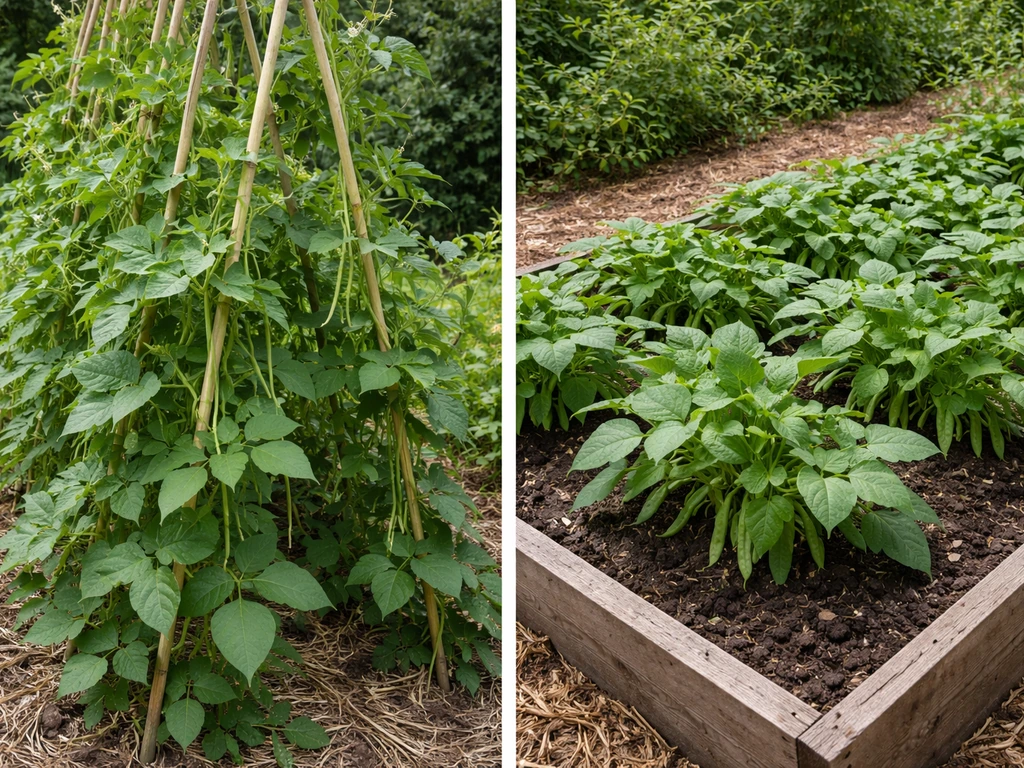
Climbing French beans are some of the most productive beans you can grow in the UK. They wind up supports, crop prolifically over a long season, and produce pods that are genuinely better than anything you can buy. 'Cobra' is the go-to climbing French bean for most UK gardeners: stringless, heavy-cropping, and reliable. 'Blauhilde' is a purple-podded climber that is easy to spot at harvest and cooks to green. Both reach 1.5 to 2 metres, so they need proper support.
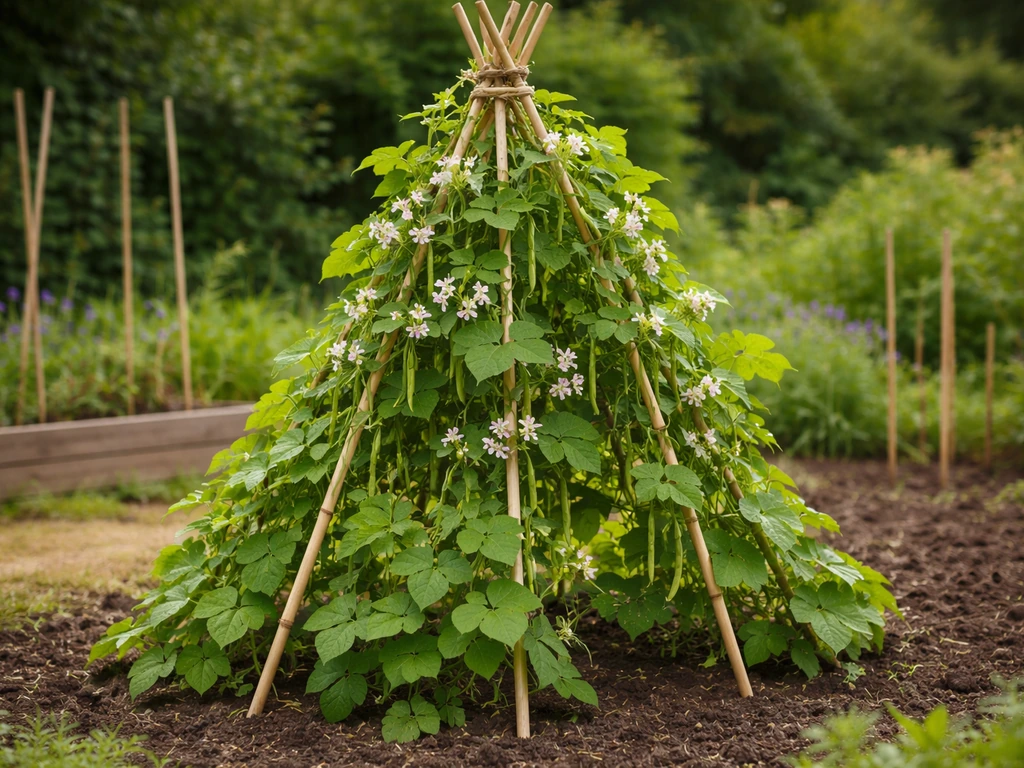
For support, a traditional wigwam of 2.4-metre bamboo canes works well in most gardens. Tie the tops together firmly because a full canopy of beans acts like a sail in summer wind. If growing in containers, the RHS recommends a container at least 75cm wide and 45cm deep to keep the support structure stable. Plant one bean per cane, space canes around 15cm apart, and you will have a productive column of foliage and pods from late June through September.
Best bush beans for the UK
Bush (dwarf) French beans are the low-maintenance choice. They max out at about 40 to 50cm, need no staking, and start cropping roughly 8 weeks after sowing. The trade-off is that each plant has a shorter cropping window than a climber, so you either sow in successions or grow several varieties with staggered cropping periods. 'Safari' is a reliable, stringless, AGM-quality bush bean with a compact habit. 'Delinel' is another excellent choice, with long, slender pods. 'Maxi' crops heavily and handles cooler summers reasonably well.
Spacing matters for bush beans. Sow seeds 5cm deep, around 10cm apart within the row, with rows 30 to 45cm apart. This gives each plant enough airflow to reduce humidity-related disease while keeping the bed productive. A single sowing gives you roughly two to three weeks of serious cropping, so sow a fresh row every three weeks from late May through to early July for a continuous supply.
Runner beans vs French beans: which should you grow?
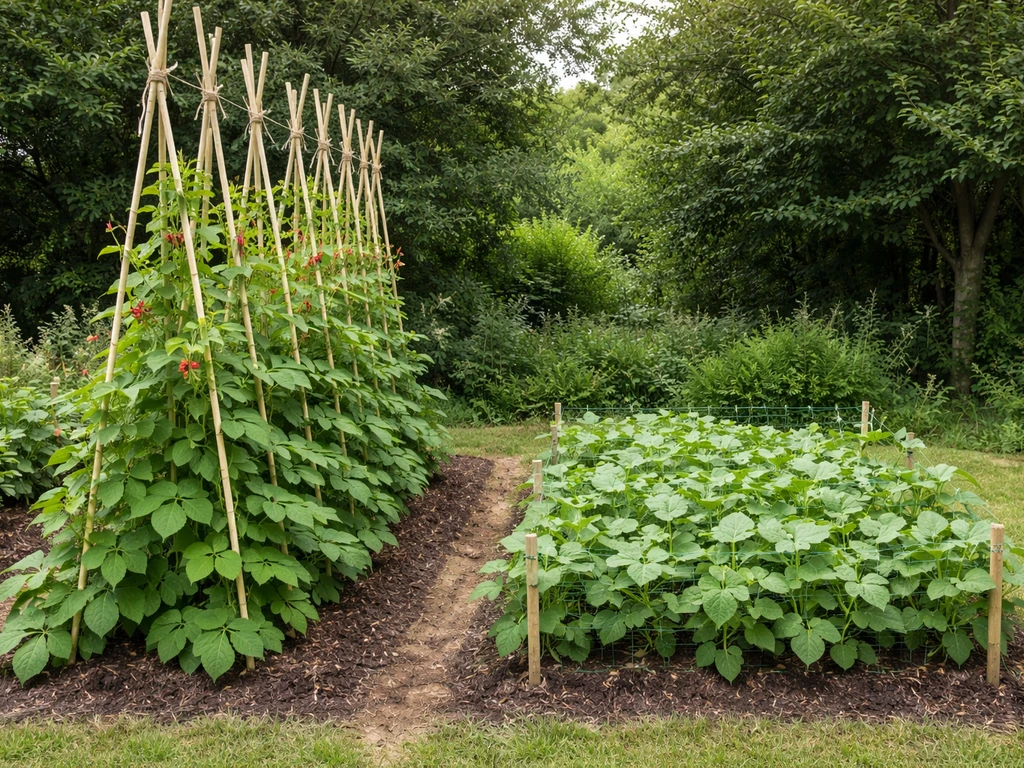
Runner beans and French beans are both excellent UK crops, but they have genuinely different needs and personalities. RHS also notes that French beans are sensitive to frost, so you should not grow them outside until late May or June. Here is how they compare.
| Factor | Runner Beans | French Beans (climbing or bush) |
|---|---|---|
| UK suitability | Excellent, a British garden staple | Excellent, especially in sheltered spots |
| Frost sensitivity | Very tender, outdoors from late May/early June | Very tender, outdoors from late May/June |
| Soil temperature to sow outdoors | At least 12°C | At least 12°C |
| Watering needs | Constant moisture essential for pod set | Less sensitive to short dry spells |
| Support needed | Yes, 2.4m canes minimum | Climbers yes; bush types no |
| Cropping season | Mid-summer to early autumn if picked regularly | 8–10 weeks per sowing; succession needed |
| Yield | Very high from a small number of plants | High, especially climbing types |
| Recommended varieties | Enorma, St George, White Lady | Cobra (climber), Safari, Delinel (bush) |
| RHS AGM varieties available | Yes (Enorma, St George, White Lady) | Yes (varies by type) |
If you only have space for one type, runner beans are the classic UK choice and for good reason: a single row of six to eight plants can feed a family through summer and into autumn. French beans (climbing types especially) edge ahead if you prefer a more tender, stringless pod and want a longer picking season with less dramatic watering demands. Bush French beans are the best option for pots, small raised beds, or anyone who wants simplicity without the cane structure.
It is also worth knowing that other bean types, such as butter beans, cannellini beans, chickpeas, and soya beans, are much harder to bring to a reliable harvest in UK conditions. They need longer, hotter summers than most parts of Britain reliably provide. They are worth trying if you are experimenting, but for a dependable crop, stick with runners and French beans.
How to sow, grow, and care for beans in the UK
Sowing indoors (late April to mid-May)
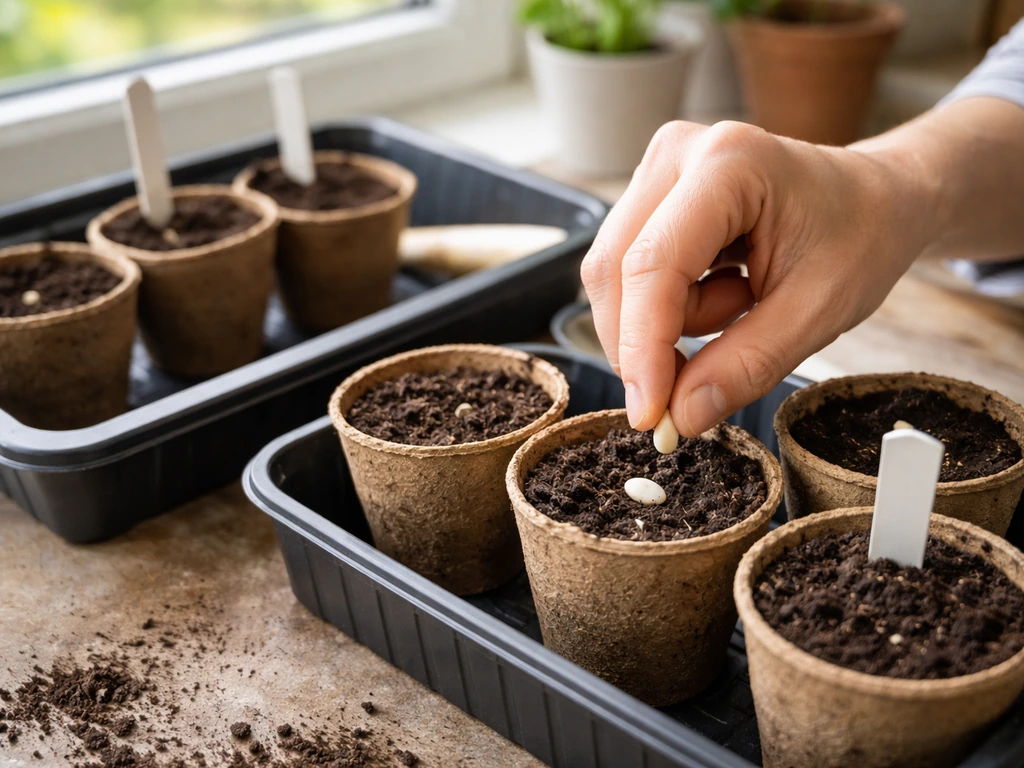
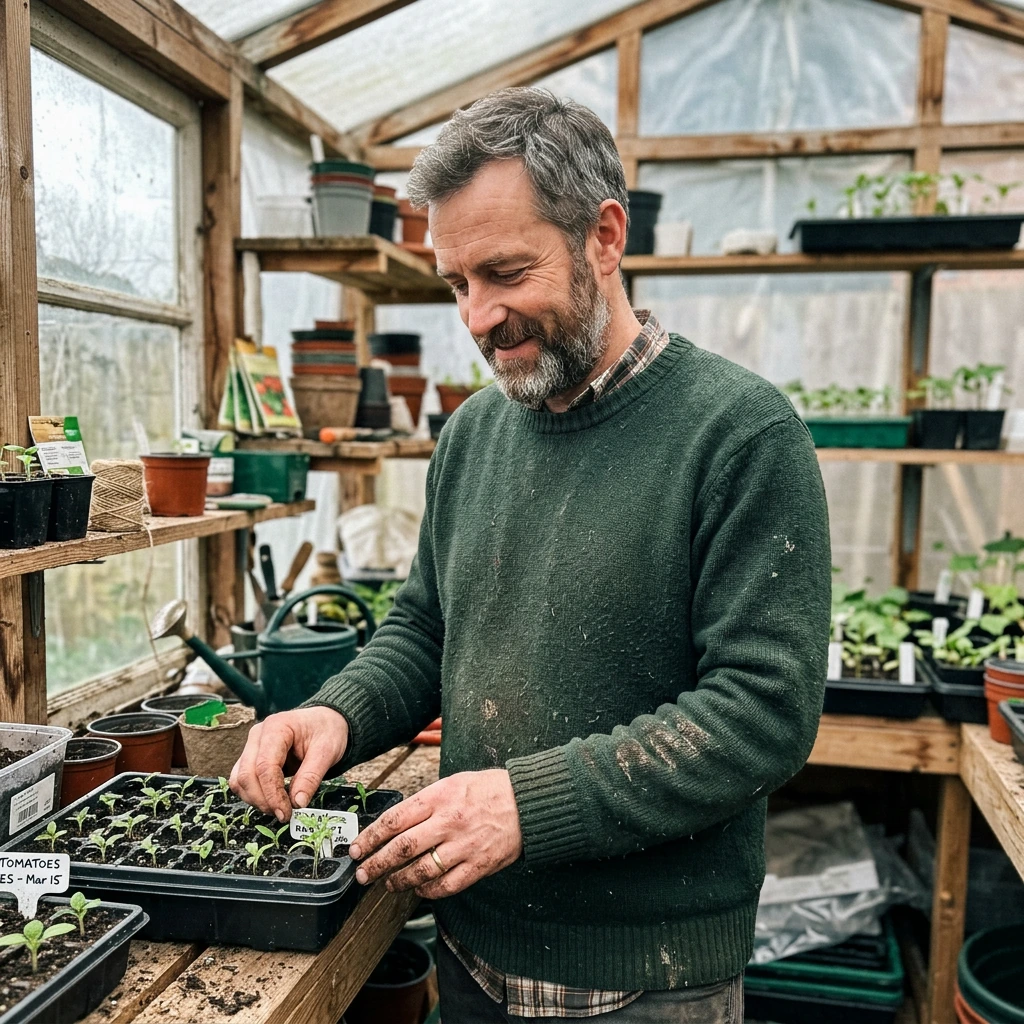
Starting beans indoors gives you a three to four week head start and far better germination rates than direct sowing into cold, wet spring soil. Sow one seed per small pot, around 5cm deep, using good-quality compost. Water well at sowing, then keep the compost moist but not waterlogged. Place pots somewhere warm, around 18 to 20°C: a heated propagator, a warm windowsill, or a greenhouse bench. Seeds typically germinate in five to ten days. Grow the seedlings on in good light to prevent leggy growth, and harden them off for seven to ten days before planting out.
Transplanting and direct sowing outdoors
Transplant indoor-raised seedlings once all frost risk has passed and plants are established, typically late May in the south and early June elsewhere. For direct sowing, wait for the same conditions plus a soil temperature of at least 12°C. Sow runner beans and climbing French beans at the base of their supports, one seed per cane, 5cm deep. Bush beans go in rows as described above. If you are covering with fleece early in the season, you gain roughly 2°C of protection, but remove it once temperatures settle to avoid overheating plants.
Soil, feeding, and watering
Beans are not heavy feeders in the way tomatoes or courgettes are, and they fix their own nitrogen from the air via root nodules. A well-prepared bed with good organic matter worked in before planting is genuinely enough for most soils. Avoid very high-nitrogen feeds, which push leafy growth at the expense of pods. The single most critical input is water. Runner beans in particular need constant moisture once they start flowering; letting them dry out at this stage causes flowers to drop and pods to fail to set. French beans are slightly more forgiving of a dry spell but still need regular watering once pods are forming. In dry summers, water deeply every two to three days rather than lightly every day. In the UK, you can grow canning or dried beans like cannellini if you give them a long, warm season and protect them from frost early on can you grow cannellini beans in uk.
Supporting climbing varieties
Put your supports in place before or at planting, not after, because disturbing roots once plants are established sets them back. For a double row of runner beans, two rows of canes angled to cross at the top, tied along a horizontal cane at the ridge, is the classic British kitchen garden structure. It is stable, makes picking easy, and you can reuse the canes for years. Secure the base of each cane at least 30cm into the soil. In windy gardens, add extra guys or tie the structure to a fence post.
Common problems and how to fix them
Poor germination or rotting seeds
This almost always comes down to cold or wet soil. Bean seeds sitting in cold, damp ground simply rot. If you sow before soil hits 12°C, you are taking a gamble. The fix is straightforward: start seeds indoors if you want to sow early, or wait. Bean seed fly is also a genuine UK problem: larvae attack germinating seeds just below the soil surface, particularly in cold springs when germination is slow. Covering with fleece at sowing reduces the risk by deterring adult flies from laying eggs.
Blackfly (black bean aphid)
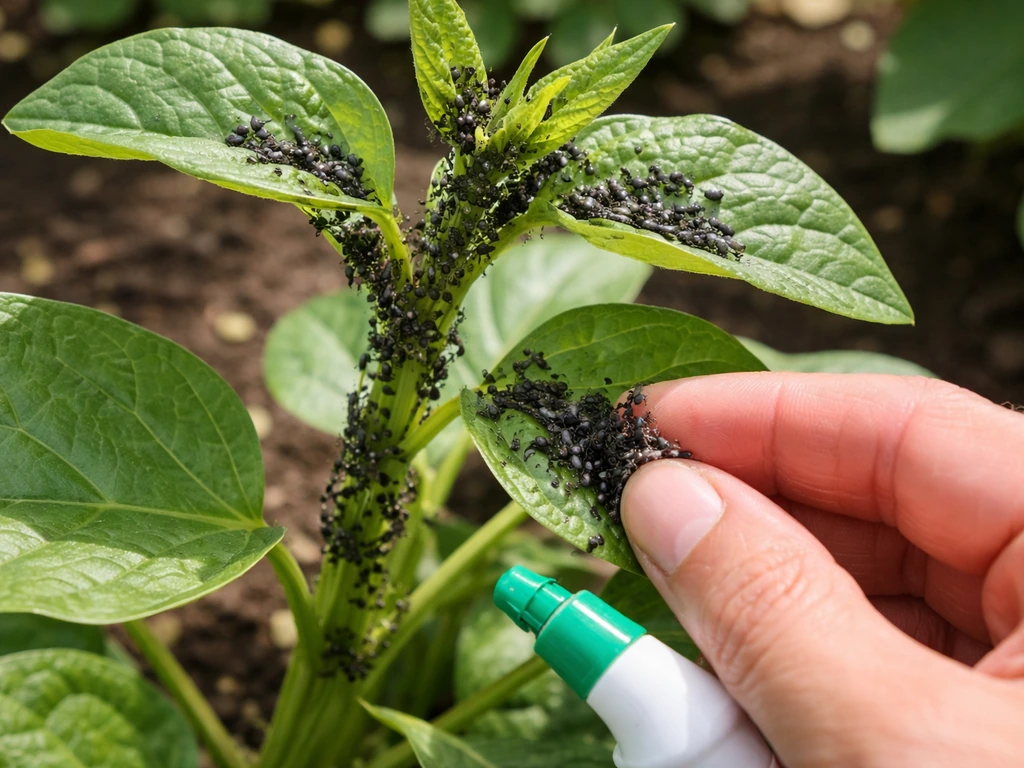
Blackfly is probably the most common bean problem in UK gardens. Colonies typically build up on the growing tips and undersides of leaves from June onwards. The good news, confirmed by the RHS, is that the beans inside the pods remain undamaged and perfectly edible even when plants look heavily infested. Non-chemical controls work well: pinch out the tips of runner bean plants once they reach the top of their supports (this is good practice anyway), squash colonies by hand or with a strong jet of water, and encourage natural predators like ladybirds and lacewings. Avoid pesticides, which harm beneficial insects far more than they solve the blackfly problem.
Slugs
Slugs are a serious threat to young bean plants, especially in the first two weeks after transplanting or germination. Established plants cope much better. Use biological controls (nematodes watered into the soil in warm, moist conditions), copper tape around raised beds, or go out at night with a torch and remove slugs by hand. Sowing in pots indoors and transplanting larger, more robust plants reduces the window of vulnerability.
Bean rust and other diseases
Bean rust shows as orange-brown pustules on the undersides of leaves, usually from midsummer onwards. It is more common on runner beans than French beans and tends to be worse in humid, wet summers. It rarely kills plants outright but weakens them and can shorten the cropping season. Remove affected leaves promptly, avoid overhead watering, and improve airflow by not overcrowding plants. Growing AGM-rated varieties like 'Enorma' or 'St George' does not guarantee rust resistance but reflects overall trials performance under UK conditions.
Flowers dropping without pods forming
This is almost always a watering issue with runner beans: dry soil at flowering time causes flower drop. It can also happen in very hot, dry spells (which are becoming more common in southern England) or conversely in very cool, cloudy summers when pollination is poor. Water consistently and deeply once plants are in flower. Misting the flowers in the evening during dry spells can also help pollination.
Harvesting, storing, and using your beans
When and how to pick
The single most important harvesting rule for all beans is to pick often. Regular picking keeps plants flowering and producing; leaving pods to swell and go to seed signals to the plant that its job is done, and production drops sharply. For French beans, pods are ready when they snap cleanly and before the individual beans inside are visible through the pod wall. The RHS gives a length guide of roughly 10 to 15cm for bush beans and up to 15 to 20cm for climbers. A useful quality check: the scar where the pod was attached to the plant should still be white or green, not black. Black scars mean the pod is overmature and will be tough.
Runner beans are ready when pods are firm, roughly 15 to 20cm long, and before the seeds inside have swollen to large lumps under the skin. Again, pick every two to three days during peak season. Climbing varieties of both types can crop from mid-summer right through to the first autumn frosts if you keep picking.
Storing and using your harvest
Fresh beans are best eaten within a day or two of picking; they lose flavour and texture quickly. For storage, blanch and freeze: top, tail, cut into pieces if needed, blanch in boiling water for two to three minutes, cool in iced water, drain, and freeze in bags. Frozen home-grown beans are genuinely far better than shop-bought frozen ones. If you have a glut of French beans reaching the seed-swelling stage, let them dry on the plant, shell the beans, and dry them fully indoors for haricot-style dried beans to use in stews and soups over winter. Runner bean seeds can be saved the same way for next year's sowing.
FAQ
Can I direct-sow beans early in the UK to get a head start on summer?
If you are tempted to sow runner or climbing French beans early for a longer season, the risk is seed rot in cold, wet soil. A practical check is to use a soil thermometer and wait until it is consistently around 12°C before direct sowing, then use indoor sowing only as your “escape hatch” (so seedlings are ready to plant out as soon as frost risk is truly over).
Why do my indoor bean seeds fail to germinate in the UK?
Yes, but only if you prevent moisture problems on the vulnerable seedlings. Use good drainage compost, sow into warm conditions (about 18 to 20°C), and avoid keeping pots constantly soggy. If germination stalls, it is usually either cold soil, overwatering, or poor seed freshness, rather than the weather once you have the pots warm enough.
When should I use fleece for beans, and when should I take it off?
Fleece is helpful, but it should not be treated as year-round insurance. Put it on when nights are still cool (especially for the first couple of weeks after transplanting or during late May cold snaps), then remove it once the days warm up, otherwise plants can overheat and growth can become weak and stretched.
My runner beans are dropping flowers, what does that mean and what should I do?
Runner beans usually need the steadier moisture, especially when they are flowering. A simple approach is deep watering rather than frequent light sprinkles, aiming to keep the soil evenly moist from flower buds onward, and water early in the day so leaves dry quickly. If you get flower drop, it is often irregular watering, not a lack of fertiliser.
How do I get a longer harvest from bush French beans?
For bush (dwarf) French beans, one of the biggest mistakes is sowing once and then expecting a long harvest. Because their cropping window is short, you will get much better results by sowing in successions about every three weeks from late May through early July (or by using a couple of varieties that crop at slightly different times).
Can I grow the best UK beans in containers, and what changes should I make?
Use the pot size and support stability as your decision points. In containers, choose the wider, deeper option to stop plants tipping or drying out, then keep watering consistent because container beans lose moisture faster than beds. For climbers, also ensure the support is secure before planting, since disturbed roots can set growth back.
I live in a cooler part of the UK, which bean type is most likely to succeed?
Yes, but you need to match it to your likely growing conditions. If your area tends to have short, cool summers, you will do better with early, reliable bush or runner types, and consider starting indoors to get past the frost window. Soya and other longer-season beans are the ones that usually disappoint unless you have warm shelter and a long warm spell.
Why is my bean yield suddenly dropping mid-season?
The fastest fix is correct harvest timing and removing any pods that are overmaturing. Once pods start to swell for seed, the plant diverts energy away from new flowers and pod set. During peak harvest, check every 2 to 3 days and pick pods when they snap cleanly and before the beans inside visibly enlarge.
What is the best way to store lots of fresh beans from the garden?
Yes. Freezing works best when you blanch briefly and cool quickly, then pack promptly so texture does not degrade. For a home-friendly method, freeze in meal-sized portions and label bags with variety and date, because you can easily end up with mixed beans from different harvests later.
Should I spray for blackfly if I see it on my bean plants, or is there another approach?
It is common to see leaf colonies without the pods being affected, so don’t panic and assume everything is ruined. Focus on non-chemical controls like pinching out tips and dislodging colonies with water, and keep picking because that drives continued production. Avoid broad-spectrum sprays that can harm beneficial insects and reduce natural control.
Next Article
Can Chickpeas Grow in the UK? How to Grow Them Successfully
Learn if chickpeas can grow in the UK and get a step-by-step guide for timing, sowing, soil, pests, and harvest.