Yes, chickpeas can grow in the UK, but they are a genuinely challenging crop here and you need to go in with realistic expectations. They are not a reliable staple like runner beans or garden peas, but with a sunny spot, sharply drained soil, and a bit of patience they can produce a real harvest, especially in southern England. The further north you go, the harder it gets, and even in the south you will be racing against the clock to get pods fully mature before the autumn weather closes in.
Can Chickpeas Grow in the UK? How to Grow Them Successfully
James Hartwell
23 Apr 2026
Is the UK climate actually suitable for chickpeas?
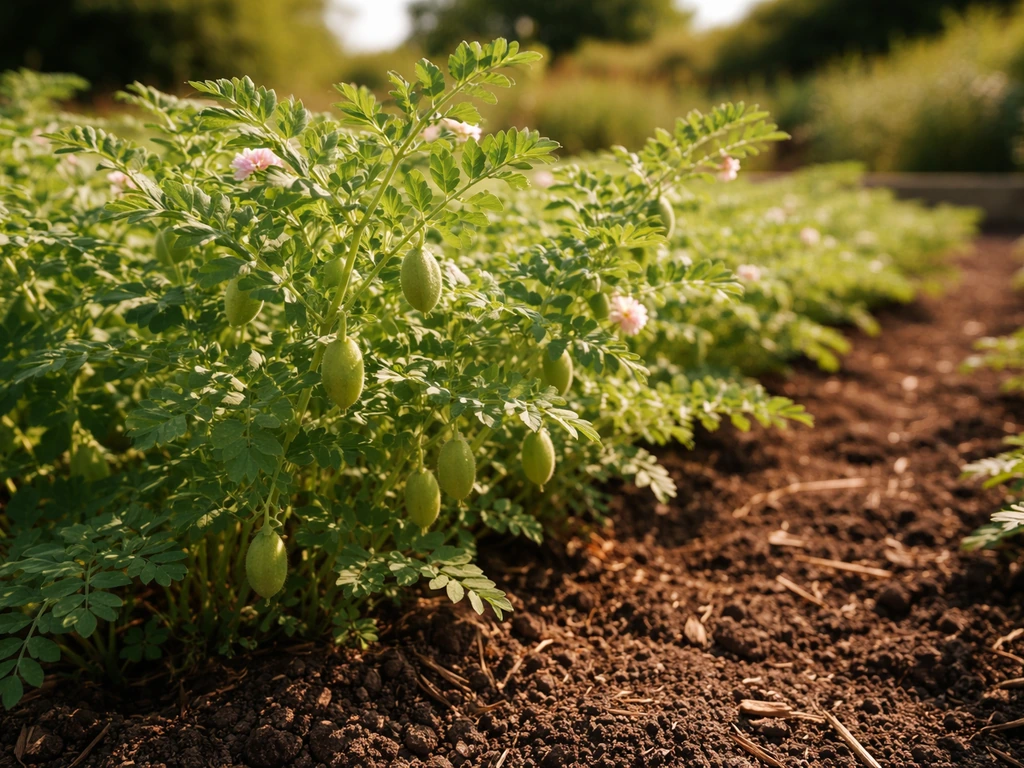
Chickpeas (Cicer arietinum) are native to warm, dry regions and evolved in climates very different from ours. They need long, warm, relatively dry summers to complete their life cycle, and that is exactly what the UK does not reliably deliver. That said, Garden Organic describes them as more cold-tolerant than French or runner beans, which is a useful starting point. They are not as hardy as garden peas, but they can survive a cool night and still set seed if the weather improves, which means a brief cold snap does not have to be a disaster.
The real climate risks in the UK are twofold: too much rain and not enough accumulated warmth. Wet soil is the enemy at almost every stage, from seedling damping off to fungal disease on mature pods. And because chickpeas need a long season to bulk up their seeds, short growing windows in northern England, Wales, and Scotland mean the crop often runs out of time before pods ripen fully. The south coast and sheltered spots in the Midlands are your best bets for outdoor success. In Scotland or the north of England, a greenhouse or polytunnel makes the difference between a harvest and a failed experiment.
Temperature matters at specific growth stages. Cold stress below 8°C during flowering and pod set is genuinely damaging, reducing flower production and causing pods to abort. But high temperatures are also problematic: plants moved into hot conditions (around 35°C) during the reproductive period can become almost barren. In UK terms, the heat risk is rare, but it is worth noting that a very hot polytunnel during a July heatwave can cause the same problem. Outdoor crops in the UK are far more likely to suffer from cold and wet than from heat.
How chickpeas grow, and what goes wrong in UK conditions
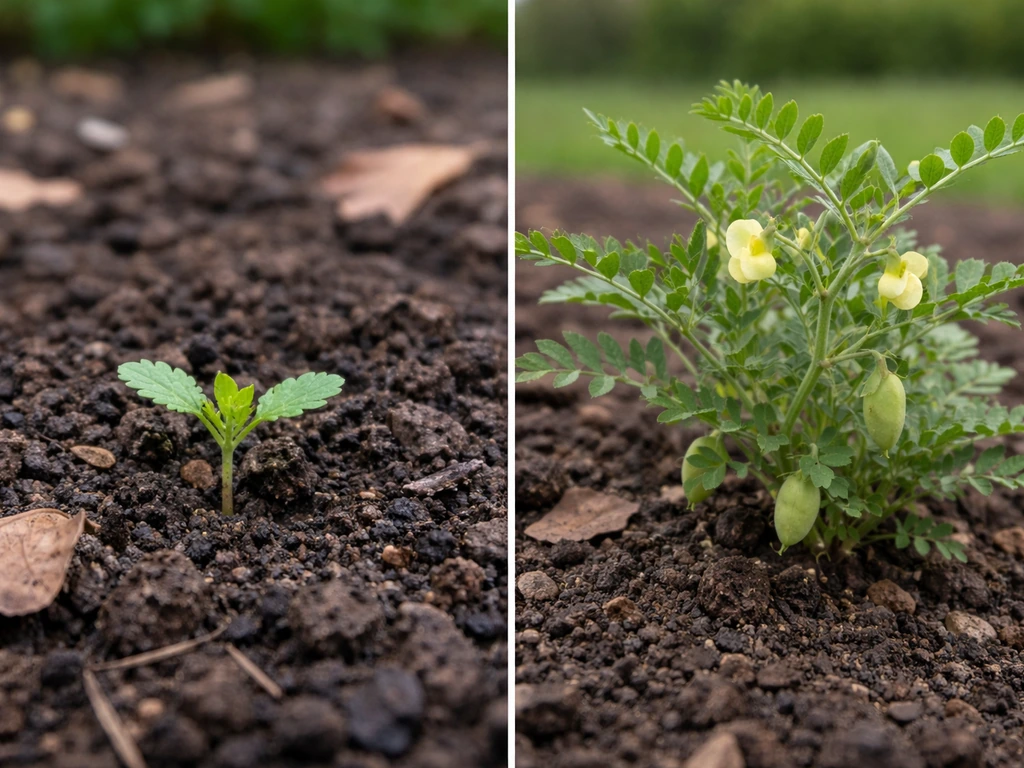
Chickpeas are annual legumes. You sow them in spring, they establish vegetatively through late spring, flower in early to midsummer, and set pods that need to ripen through late summer and into early autumn. In their native climate that is a smooth, predictable progression. In the UK, the timeline gets compressed and each transition can be disrupted by cool, wet weather.
The key growth stages
- Germination and emergence: Seeds need consistent warmth to germinate. Low soil temperatures slow emergence significantly and increase the number of growing degree days needed before seedlings appear. Cold, wet compost at this stage also invites damping off, which kills seedlings before or just after they emerge.
- Vegetative growth: The plant puts on leaf and stem growth through late spring. This stage is relatively forgiving of cool UK conditions, though growth will be slow if temperatures are low.
- Flowering: This is the critical stage. Flowers are small and self-pollinating, so you do not need insects, but you do need temperatures above 8°C at night. Below that threshold, flower abortion increases sharply.
- Pod set and fill: Pods swell and seeds develop through midsummer. Any drought stress at this stage can cause pod abortion and empty pods. In the UK, actual drought is rarely the problem; it is more about keeping waterlogging away while maintaining consistent moisture.
- Pod ripening and drying: For dried chickpeas, pods need to turn papery and brown on the plant. This requires dry, warm conditions through late summer and early autumn, which is the hardest thing to guarantee in the UK.
The most common failures I see and hear about from UK growers are: seedlings damping off in cold, wet compost; flowers setting but pods aborting during a cold wet June; and pods refusing to dry down properly before the September rains arrive. All of these are manageable with the right setup.
Choosing varieties and finding seed in the UK
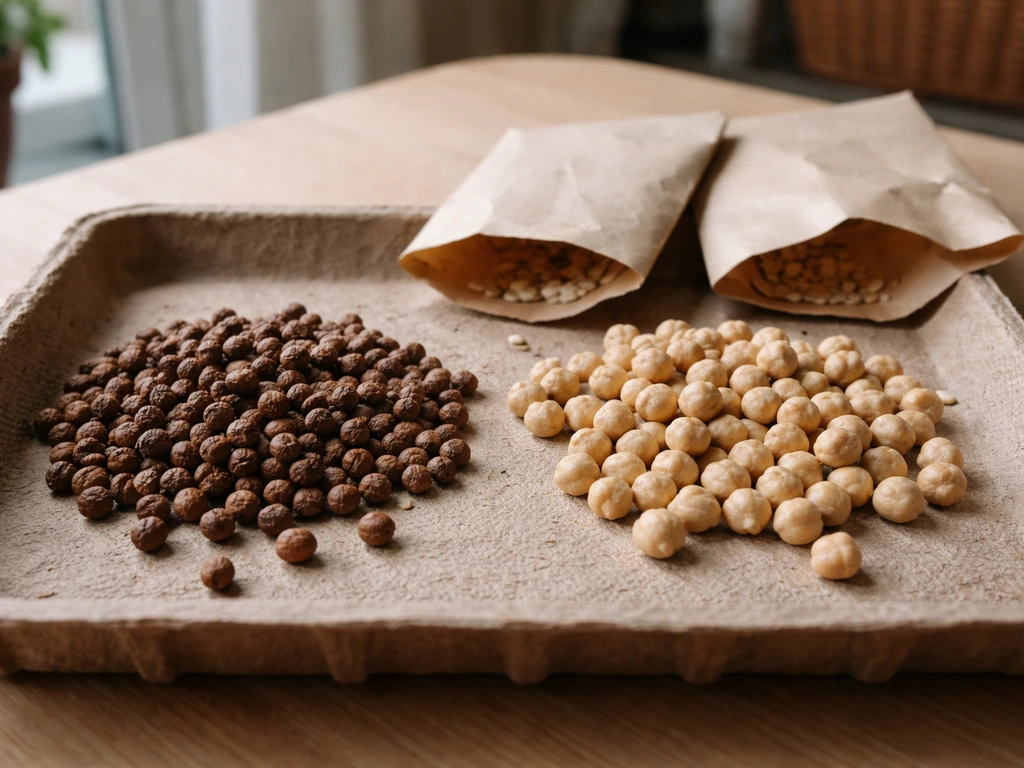
There are two main types of chickpea: Desi (smaller, darker seeds with rougher coats, more disease-resistant) and Kabuli (the large, cream-coloured chickpeas you see in tins). Kabuli types are what most people want to grow, but they need a longer, warmer season and are generally less suited to the UK than Desi types. If you are growing outdoors and especially if you are north of the Midlands, Desi varieties are the safer choice.
Named UK-adapted varieties are hard to come by in mainstream garden centres, but specialist seed suppliers and heritage seed libraries sometimes stock them. One useful trick: Garden Organic points out that any chickpea sold for food or sprouting can be used as seed. That means you can start with dried chickpeas from a whole-food shop or supermarket, as long as they have not been heat-treated (roasted or heavily processed seed will not germinate). Sprouting chickpeas from a health food shop are often your most reliable source of viable seed if you cannot find a named garden variety.
For the best chance of success in the UK, look for early-maturing varieties or, failing that, source Desi-type seed from a specialist supplier. The earlier the variety matures, the better your odds of getting dried pods before the autumn wet settles in.
How to grow chickpeas in the UK: step by step
Sowing timing
The right sowing window depends on where you are. In the south of England, you can sow indoors from late March and aim to plant out in mid to late May after the last frost. In the north of England, Wales, and Scotland, push everything back by two to four weeks and seriously consider keeping the crop under cover for its entire life.
Butter beans (also called lima beans) are a different legume from chickpeas, and the UK climate can work if you match the sowing time and grow under cover for best results. Sowing too early into cold compost is one of the biggest mistakes, as it invites damping off and delays that eat into your already tight season.
- Late March to mid-April: Sow indoors in small pots (one seed per 9cm pot) using well-drained compost with added grit or perlite. Keep at 18-20°C until germination. Pre-germinating seeds on damp kitchen paper for 24-48 hours before potting can improve success rates.
- Mid to late May: Harden off seedlings over 10-14 days and plant out after your last expected frost, once soil temperature is reliably above 10°C. Space plants 20-25cm apart in rows 45cm apart.
- Alternatively, direct sow outdoors in mid to late May in the south, 4-5cm deep. This works but makes plants vulnerable to rodents, which is why starting indoors is often more reliable.
Soil preparation
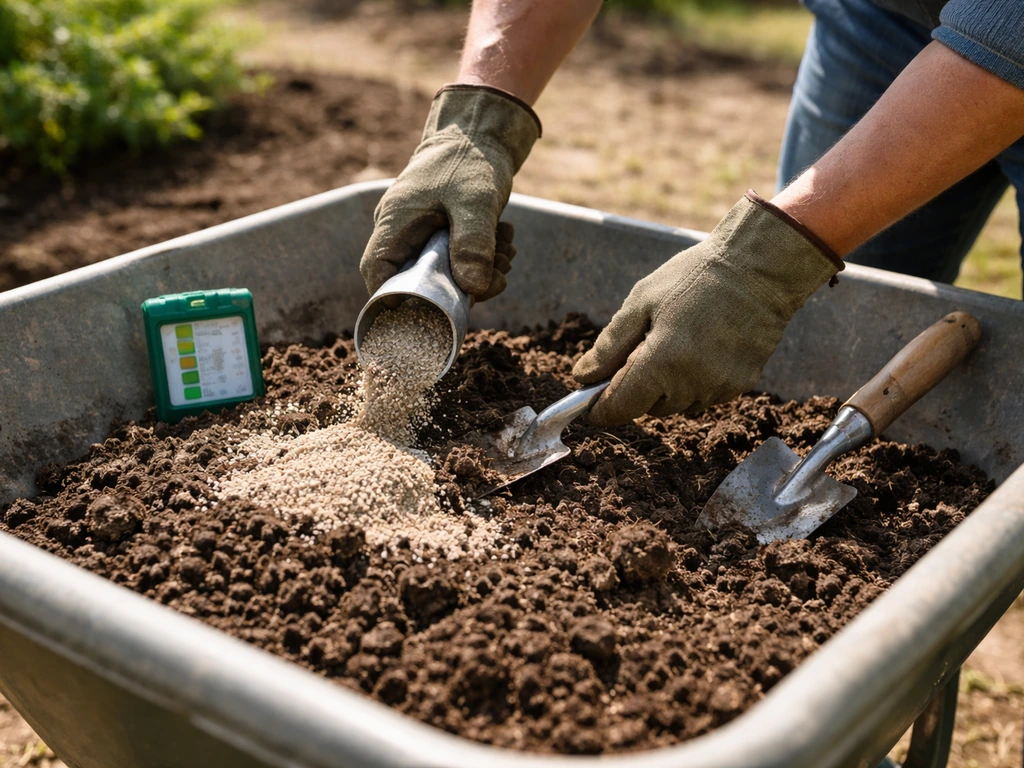
Chickpeas want light, well-drained, loamy soil in full sun. They are drought-tolerant once established but will rot in heavy clay that stays wet. Aim for a pH of around 6.0-7.0. If your soil is heavy, dig in plenty of grit or sharp sand, or grow in raised beds. On very heavy clay, containers or a greenhouse bed are genuinely better options than fighting the soil.
As legumes, chickpeas fix their own nitrogen, so you do not need to add nitrogenous fertiliser. In fact, doing so can push leafy growth at the expense of pods. Dig over the bed, remove weeds, and incorporate some well-rotted compost for structure rather than fertility.
Support and spacing
Chickpea plants grow to around 25-50cm tall and are bushy rather than climbing. They do not need staking in most situations, but in windy spots a short cane or a line of twiggy pea sticks can help keep plants upright. Keep airflow between plants by not crowding them; good airflow reduces fungal disease risk in our damp climate.
Where to grow: containers, greenhouse, or outdoor beds
Outdoor beds in the south of England are viable, but come with the caveats already discussed. A greenhouse or polytunnel gives you a meaningfully longer growing season, warmer nights during flowering, and protection from the wet that causes disease. For anyone north of the Midlands, I would honestly say a greenhouse is not optional, it is the difference between getting pods and not.
| Growing method | Best for | Main advantage | Main risk |
|---|---|---|---|
| Outdoor beds | South England, sheltered spots | No cost, natural conditions | Short season, wet weather, fungal disease |
| Greenhouse or polytunnel | Anywhere in UK, especially north | Longer season, warmer nights, dry conditions | Can overheat in heatwaves; needs ventilation |
| Containers (30cm+ pots) | Small gardens, patios, moving indoors | Flexible, good drainage control, moveable | Dries out faster, smaller yield per plant |
Containers are a perfectly good option if you have a sunny patio or can move them under cover when autumn arrives. Use a pot at least 30cm deep and wide, fill with a gritty, well-drained compost mix, and place in the sunniest position you have. One plant per pot of that size is about right. Containers dry out faster than beds, so water more frequently but always let the surface dry between watering.
Caring for chickpeas through the growing season
Watering
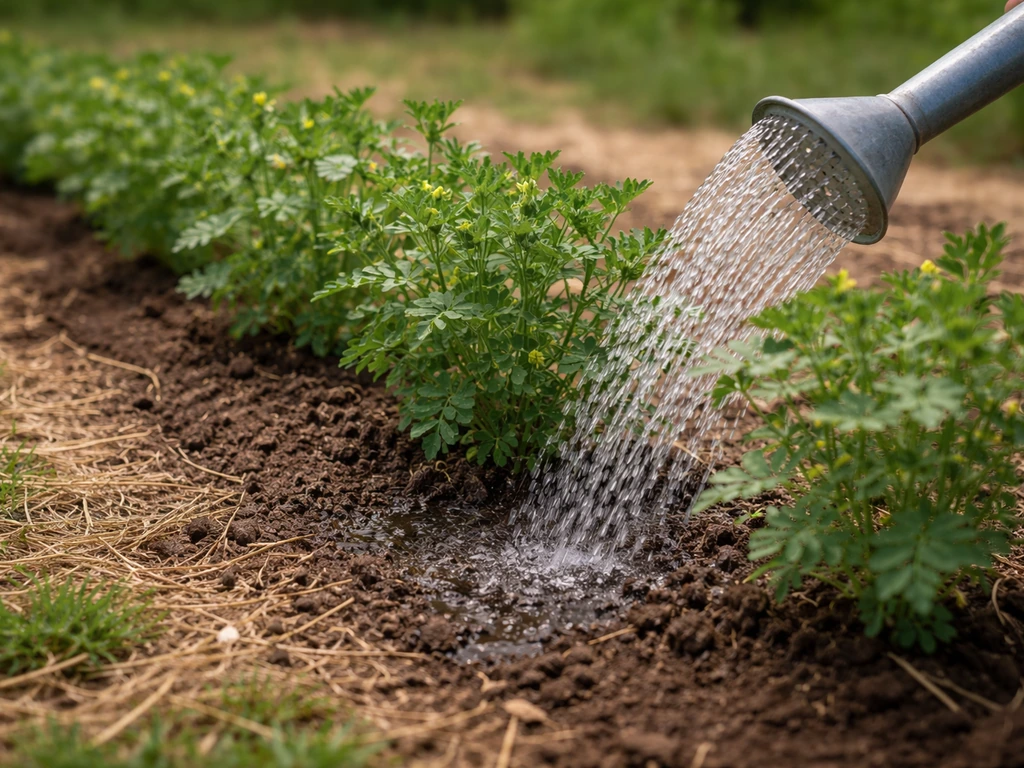
Chickpeas are more drought-tolerant than most beans, but they still need consistent moisture during flowering and pod fill. The golden rule is: water well but do not waterlog. In a wet UK summer, outdoor plants may not need much supplemental watering at all, but in a dry June or July, water deeply once or twice a week rather than little and often. The worst outcome is sitting plants in wet soil for extended periods, which encourages root disease and damping off in seedlings.
Feeding
Because they fix their own nitrogen, chickpeas do not need high-nitrogen feeds. The RHS recommends feeding regularly with a high-potassium and phosphorus feed (something like a tomato feed) throughout the growing season. This supports root development, flowering, and pod fill without pushing excessive leaf growth. Start feeding once plants are established in their final position and continue through pod fill.
Pests and disease
The two main disease risks in the UK are blank" rel="noopener noreferrer">damping off at the seedling stage and Ascochyta blight on older plants. Damping off is a fungal collapse that kills seedlings, often before they properly emerge. It is triggered by cold, wet compost and poor airflow. Prevent it by using fresh, well-draining compost, sowing into warm conditions, and not overwatering. UMN Extension explains that damping off pathogens can spread through potting media and seedling tray conditions, so avoid using garden soil or compost in seedling trays to reduce introducing pathogens blank" rel="noopener noreferrer">cold, wet compost and poor airflow. If you see white mould at the base of seedlings or a batch simply fails to emerge, damping off is the likely culprit.
Ascochyta blight (caused by Ascochyta rabiei) is a serious fungal disease that thrives in the cool, wet conditions the UK frequently delivers. It causes lesions on leaves, stems, and pods, and can devastate a crop quickly. The best prevention is good airflow between plants, avoiding overhead watering, growing under cover where possible, and not handling plants when they are wet. There are no approved fungicide treatments for home gardeners, so prevention really is everything.
On the pest front, slugs and mice are the two most common problems. Mice will find direct-sown seeds almost immediately, which is why indoor starting is worth the effort. Slugs can damage seedlings after planting out, so take the usual precautions. Aphids can colonise plants in summer but chickpeas are generally not as badly affected as broad beans.
Troubleshooting common problems
- Flowers dropping without pods forming: usually caused by cold nights below 8°C or a sudden cold snap. If the weather improves, plants may reflower. Protect with fleece during cold spells in June.
- Pods forming but staying empty: often stress during pod fill, either from drought or from waterlogging. Check drainage and water consistently.
- Pods not drying down: this is the classic UK problem in a wet autumn. Move container plants under cover. For outdoor plants, try cutting the whole plant at the base and hanging it upside down in a dry shed to finish drying.
- Seedlings collapsing: damping off. Improve drainage, raise temperature, increase airflow.
Harvesting and what to realistically expect
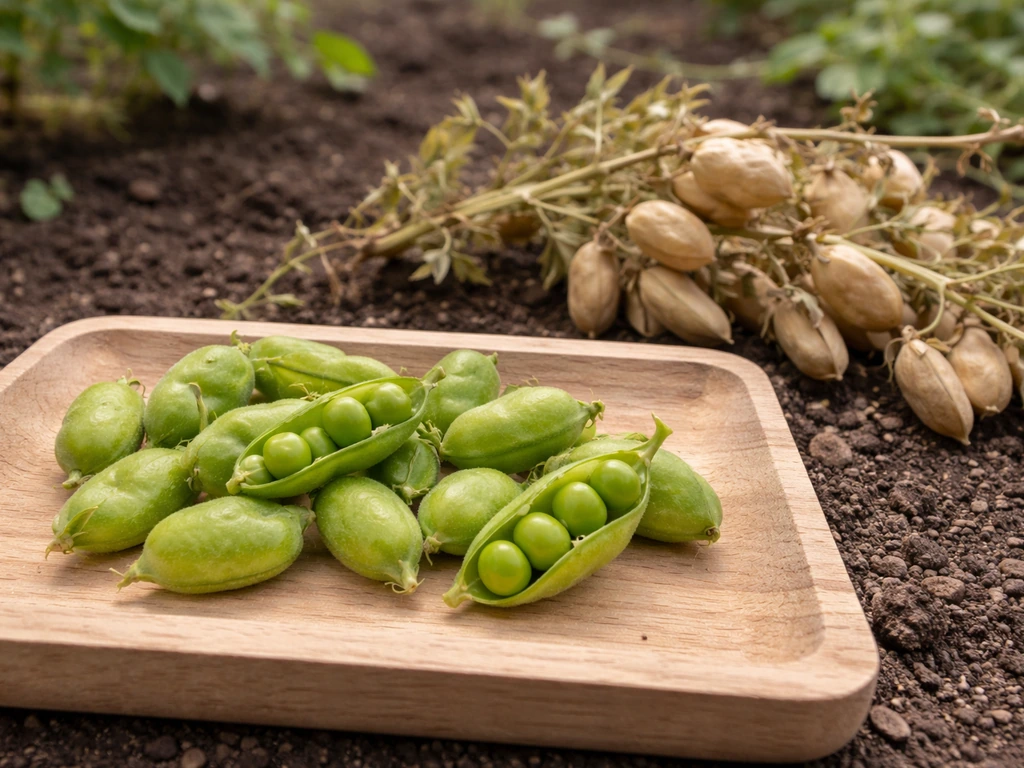
You have two harvesting options with chickpeas: green and fresh, or dried. For fresh green chickpeas, harvest pods as soon as the peas inside are plump and bright green. They have a wonderful sweet, slightly nutty flavour at this stage and can be used to make fresh hummus or eaten simply cooked. This is a genuinely good option for UK growers because it means you can harvest before the pods need to fully ripen and dry, which reduces the pressure of the season.
For dried chickpeas, you need to wait until pods turn papery and brown on the plant, which happens in late August to early October depending on your location and the season. In a good year in the south, this is achievable outdoors. In a poor year or further north, you may need to cut whole plants and hang them to dry indoors. Shell the dried seeds and store them in an airtight container once fully dry.
Yield expectations should be honest. Chickpeas are not productive in the way that runner beans or courgettes are. A single plant might give you 30-70 pods, each containing one to two seeds. A row of 10 plants might yield enough dried chickpeas for a couple of meals, not a year's supply.
Think of chickpeas as a satisfying growing challenge and a source of fresh green pods for summer eating, rather than a main pantry crop. If you want a more reliably productive legume harvest, French beans or even broad beans will serve you better for the effort involved. That said, growing your own chickpeas is genuinely rewarding precisely because it is unusual, and the fresh green pods are something most people have never tasted.
If you are exploring other legumes that push the boundaries of what works in UK conditions, chickpeas are not alone in needing a bit of extra coaxing. Butter beans, soya beans, and cannellini beans face similar challenges around season length and heat requirements, and comparing your options before committing to a growing plan is a sensible approach. Butter beans, soya beans, and cannellini beans face similar challenges around season length and heat requirements, so checking whether you can soya beans grow in uk is a good related option before you commit. Butter beans, soya beans, and cannellini beans face similar challenges around season length and heat requirements, so checking whether you can soya beans grow in uk is a good related option before you commit best beans to grow uk.
Your immediate next steps
- Source viable seed now: check specialist seed suppliers, heritage seed libraries, or use sprouting chickpeas from a health food shop. Make sure they are untreated.
- Decide on your setup: outdoor beds for the south, greenhouse or polytunnel for the north. Containers work well anywhere with a sunny patio.
- Prepare your growing site: well-drained, gritty, pH-neutral soil in the sunniest spot you have.
- Sow indoors in late March to mid-April in gritty compost at 18-20°C. One seed per 9cm pot.
- Plant out after the last frost in mid to late May, once soil is above 10°C. Harden off properly.
- Feed with a high-potassium feed from establishment onwards and keep airflow good to reduce disease risk.
- Harvest green for fresh eating once pods are plump, or wait for full drying if you want dried chickpeas. Be ready to bring plants under cover if the weather turns in September.
FAQ
What is the fastest way to get chickpeas to harvest in the UK if I live in the north?
Choose the earliest-maturing Desi varieties you can find, sow later than you think (to avoid cold, wet compost), and plan on full-season protection under a greenhouse or polytunnel. A simple calendar trigger helps, start with plants only once nights are consistently milder, then keep them under cover until well after flowering to reduce the risk of pod abortion.
Should I direct sow or start chickpeas indoors in the UK?
Start indoors or in a warm, sheltered setup if your spring nights are still cold or your compost cools down easily, because damping off is the main early failure. If you direct sow, only do it after the soil has warmed and you can guarantee sharp drainage, otherwise seedlings may fail before emergence.
How warm does it need to be for chickpeas to set pods?
Flowering and pod set suffer when conditions drop below about 8°C, cold stress can lead to aborted pods even if plants survive. In practice, use cover during cool spells, and avoid planting out too early, especially in exposed areas.
Can I grow chickpeas on heavy clay outdoors without a greenhouse?
It is possible only if you use raised beds or containers with genuinely fast drainage and can keep roots from sitting wet for long periods. If your clay stays saturated after rain, prioritize a greenhouse bed or pots, because prolonged wetness is more damaging than occasional dry spells.
What should I do if my chickpeas flower but pods do not develop?
The two most common causes in the UK are cold wet weather around flowering and inconsistent moisture after flowering. Keep plants under cover during cold, wet spells, and water deeply when the weather turns dry but stop short of waterlogging, then ensure there is good airflow to reduce fungal pressure.
How often should I water chickpeas in a UK summer?
In a wet summer, outdoor plants may need little or no extra watering, but during a dry June or July water deeply once or twice a week. The key is to let the surface dry between waterings, wet compost and poor drainage are what drive damping off and root problems.
Why are my plants very leafy but not setting enough pods?
This usually points to excess nitrogen or overly rich, fertile conditions. Since chickpeas fix their own nitrogen, avoid nitrogen-heavy feeds, and switch to a lower-nitrogen approach once plants are established, for example using a tomato-type feed for potassium and phosphorus.
Is it worth using fertiliser if chickpeas already fix nitrogen?
Yes, but not nitrogen fertiliser. A potassium and phosphorus type feed supports flowering and pod fill, apply it after plants have established in their final position, and continue through pod development rather than pushing quick leafy growth.
Can I save seed from UK-grown dried chickpeas for next year?
Yes if the pods fully dry and the seeds are thoroughly dry, shell them and store in an airtight container. For the best germination, avoid using seed that was roasted or heavily processed, and try to use the driest, most mature seeds from the most reliable plants.
What is the difference between Desi and Kabuli in UK growing conditions?
Desi types tend to mature earlier and are generally more reliable in shorter, cooler UK seasons. Kabuli types can be grown but usually need a longer, warmer period, so they are higher-risk outdoors unless you have strong protection and a sheltered spot.
Can I use shop-bought chickpeas as seed in the UK?
Often yes, but only if they are dried and have not been heat-treated. Roasted or heavily processed chickpeas will not germinate, and sprouting chickpeas from a health food shop can be a more dependable source of viable seed.
How do I prevent Ascochyta blight if I am gardening without fungicides?
Prevention is the strategy, focus on spacing for airflow, avoid overhead watering, and do not handle plants when they are wet. Under cover usually helps most because Ascochyta thrives in cool, damp conditions, and maintaining dry foliage can slow outbreaks even when summers are changeable.
My seedlings keep failing, what practical changes help most?
Use fresh, warm, well-draining compost, do not overwater, and avoid sowing into cold, saturated conditions. Also, keep seedlings spaced and ventilated so the base dries between damp spells, because damping off accelerates in stagnant, wet conditions.
When should I harvest green pods versus dried chickpeas?
For fresh green chickpeas, harvest pods when the seeds inside are plump and bright green, this reduces pressure from autumn wet weather. For dried chickpeas, wait until pods turn papery and brown, in some UK gardens you will need to cut whole plants and dry them indoors if September brings rain before pods are dry enough.
How do I know if my dried chickpeas are truly dry enough to store?
Shell a few pods and check the seeds, they should feel hard and not release moisture when pressed or rubbed. If there is any softness or persistent damp feel, continue drying indoors with airflow before storing in an airtight container.
What yield should I realistically expect from one plant in the UK?
Expect a modest harvest, a single plant may only give a few dozen pods, and for dried chickpeas it often works out to enough for a couple of meals rather than pantry stock. Treat it as a seasonal experiment, and if you want higher yields, consider pairing with more dependable legumes like broad beans or French beans.
Next Article
Can You Grow Tiger Nuts in the UK? Practical Guide for Gardeners
Can you grow tiger nuts in the UK? Practical, regional guide with planting dates, containers, harvest & recipes.