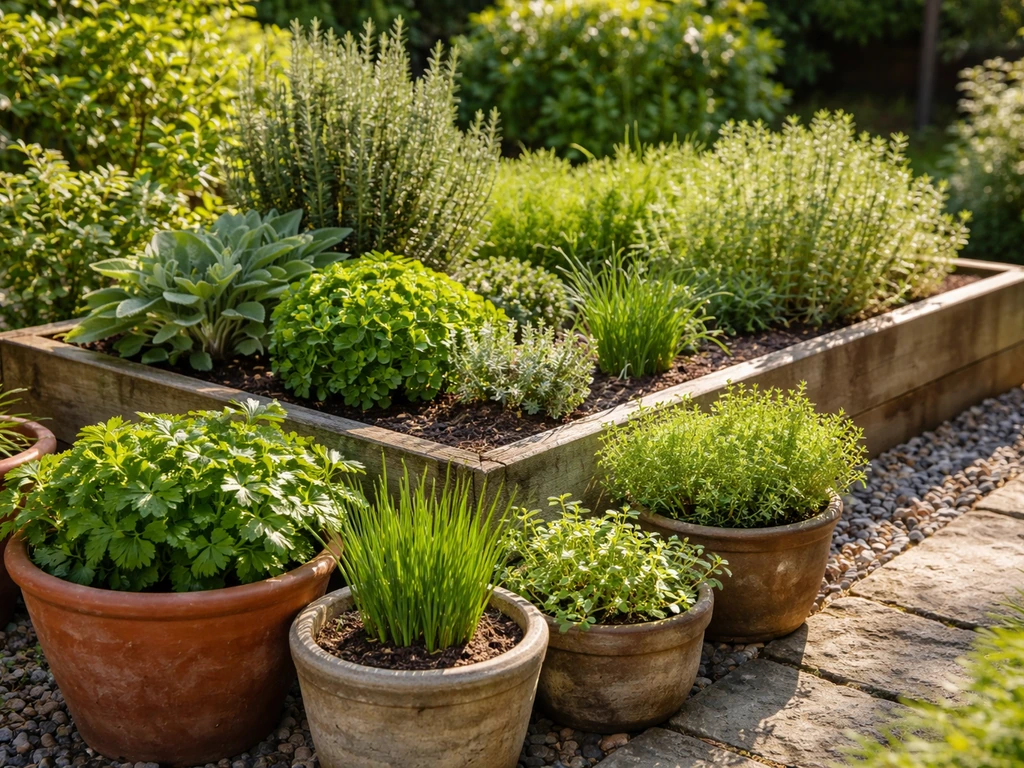
Yes, growing plants at home is genuinely common in the UK. blank" rel="noopener noreferrer">Around 36% of UK adults grow their own vegetables, fruit, or herbs in a garden or outdoor space, according to a Horticultural Trades Association survey from 2022. blank" rel="noopener noreferrer">Mint alone is reportedly grown in around 5 million British households. So if you're wondering whether this is a normal thing to do here, it absolutely is. The more useful question is what you can realistically grow given your space and where you are in the country, so if you're asking “what can you grow in the UK?”, start with your conditions and how to actually get started without wasting time or money on plants that won't perform.
Do People in Your Country Grow Plants at Home UK Guide
James Hartwell
24 Mar 2026
How common home growing is in the UK (and what people usually grow)
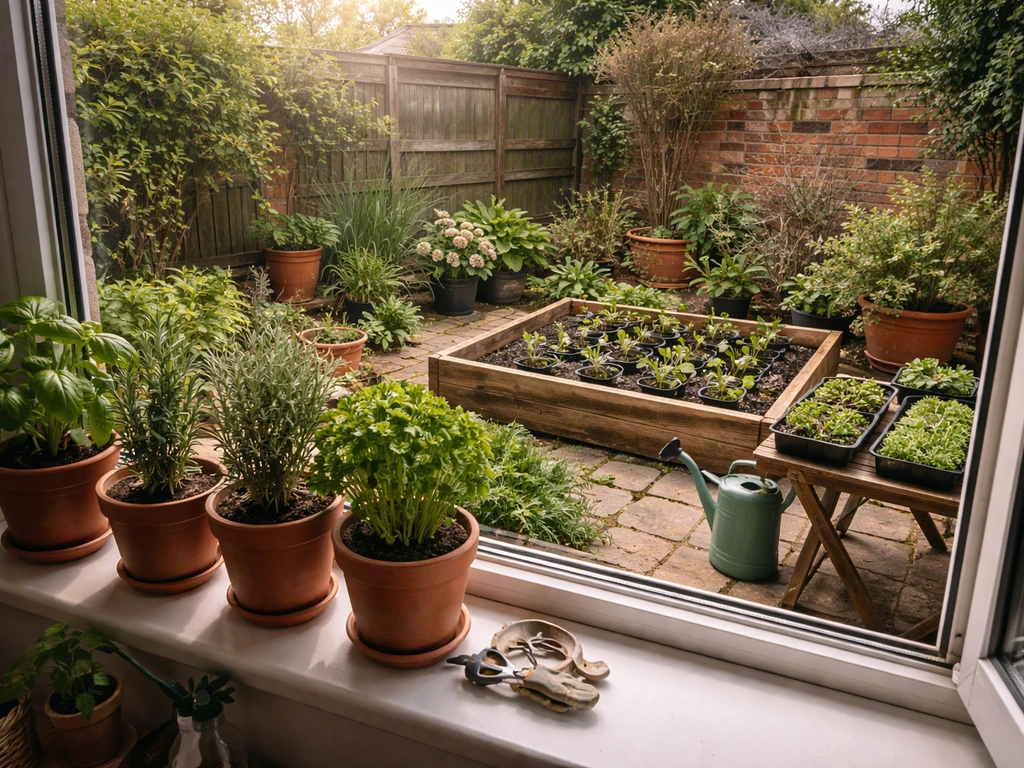
Home growing in the UK has been on a steady rise, with spikes during the pandemic years that broadly held on. That 36% figure for outdoor food growing doesn't capture the full picture either, because a huge number of people grow plants indoors: houseplants, windowsill herbs, and propagation projects are consistently popular. The RHS estimates that around 12% of British households have no garden at all, which means a fair chunk of UK growers are working with balconies, windowsills, and shared outdoor spaces. The Office for National Statistics reports that one in eight British households has no garden, meaning no private or shared garden access Access to gardens and public green space in Great Britain.
The most commonly grown plants at home in the UK fall into a pretty predictable pattern. Herbs like mint, basil, chives, and parsley are the gateway crop for most people. Tomatoes are probably the most grown outdoor/greenhouse vegetable, followed by courgettes, runner beans, and salad leaves. Soft fruit, especially strawberries and raspberries, are widespread because they need little space and give a reliable return. Houseplants round out the picture, with everything from peace lilies to monstera occupying windowsills and shelves across the country. Nearly two-fifths of people who grow their own food cite saving money as a key motivation, which explains why edibles dominate.
Start with your space: windowsill, balcony, garden, or greenhouse
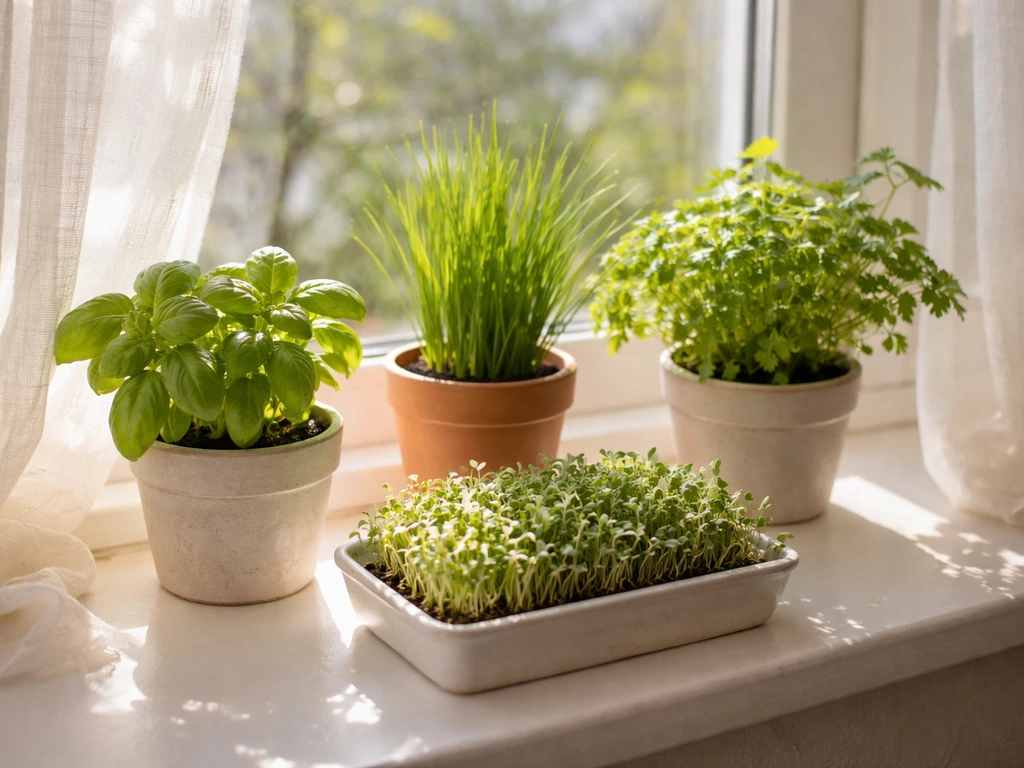
Your space shapes everything. Don't try to grow what doesn't fit your situation, because that's the fastest route to disappointment. Be honest about what you actually have.
Windowsill growing
A south- or west-facing windowsill is genuinely useful. You can grow herbs (basil, chives, coriander, parsley), microgreens, and spring onions year-round indoors with reasonable light. East-facing windowsills are workable for less light-hungry plants. North-facing ones are difficult for food crops but fine for many houseplants. The limiting factor indoors is usually light, not temperature, so choose plants accordingly. Avoid cramming tomatoes onto a windowsill unless you have a very bright spot and a compact variety like Tumbling Tom.
Balcony growing
A balcony opens things up considerably, but wind exposure is a real issue, especially above the second floor. Container weight matters too if you're on a structural balcony. Focus on compact varieties in large containers (at least 30–40 litres for tomatoes or courgettes), use a good-quality compost mixed with perlite for drainage, and consider a wind barrier if you're exposed. South-facing balconies can produce impressive crops of cherry tomatoes, dwarf French beans, herbs, and salad. North-facing ones are harder but not hopeless: North-facing ones are harder but not hopeless: salad leaves, spinach, and mint will cope.
Garden growing
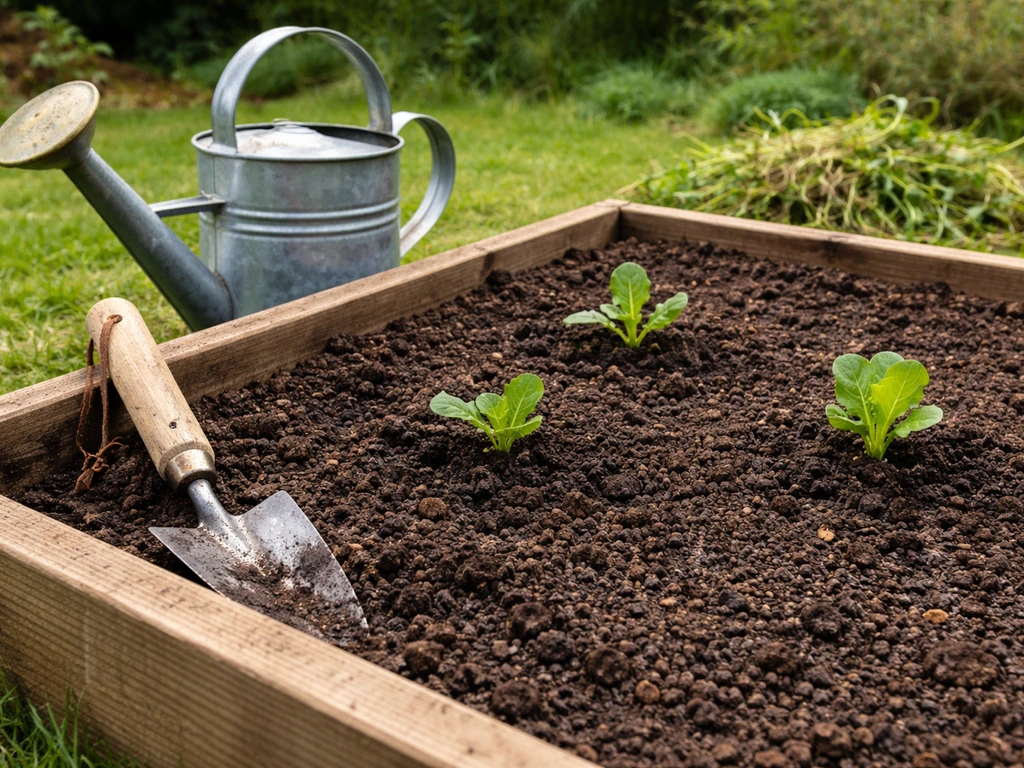
A garden, even a small one, is your biggest opportunity. Raised beds are worth the upfront effort because they give you control over soil quality from day one. A single 1.2m x 2.4m raised bed can produce a meaningful amount of salad, herbs, and compact veg across the season. Direct sowing into poor UK lawn soil without any preparation tends to produce poor results, which is why raised beds or container growing tend to work better for beginners than trying to improve clay or sandy soil from scratch in year one.
Greenhouse and cold frame growing
Even a small unheated greenhouse or a cold frame changes what you can grow quite dramatically. You can start seeds earlier (late February rather than April), overwinter tender perennials, and get tomatoes, peppers, and cucumbers to perform properly rather than just limping through a cool summer. In Scotland and northern England, an unheated greenhouse is almost essential for reliable tomatoes. Cold frames are cheap and underrated: they're excellent for hardening off seedlings and extending the salad season into November, plus they can help you start seeds for the best perennials to grow from seed in the UK.
What actually grows in the UK year-round (indoor vs outdoor seasonal choices)
The UK is not a warm-climate country. Our summers are mild and often shorter than gardening books written for more southerly climates imply. But we do have some advantages: relatively mild winters in most of the country mean plenty of plants survive outdoors that wouldn't cope in continental European winters, and our wet climate means irrigation is less of a daily concern. The key is matching plants to the season properly. If you are specifically trying to pick the best squash to grow in the UK, focus on compact varieties that ripen quickly and suit your season length.
| Season | Good outdoor choices | Good indoor/protected choices |
|---|---|---|
| Spring (Mar–May) | Salad leaves, peas, broad beans, radishes, early potatoes, hardy herbs | Tomato seedlings, basil, chilli peppers (under cover), plug plants |
| Summer (Jun–Aug) | Courgettes, French beans, runner beans, chard, outdoor tomatoes, strawberries, herbs | Cucumbers, aubergines, peppers (unheated greenhouse), basil |
| Autumn (Sep–Nov) | Kale, spinach, winter salads, leeks, late beetroot | Microgreens, chives, parsley, overwintering tender plants |
| Winter (Dec–Feb) | Winter brassicas (sprouts, kale), overwintered garlic, broad beans (mild regions) | Windowsill herbs, microgreens, houseplants, propagation planning |
Houseplants are genuinely year-round. Most common tropical houseplants (pothos, monstera, peace lily, spider plant) tolerate UK central heating conditions well and need minimal fuss. If you're growing food crops, salad leaves like rocket, lamb's lettuce, and mizuna are probably the closest thing to a true year-round outdoor crop in southern England, though they'll slow right down in December and January.
Microclimate and site setup: light, shelter, containers, soil and compost
The UK is not one growing environment. A sheltered south-facing garden in Cornwall is almost a different country compared to an exposed hillside plot in Aberdeenshire. Before you buy seeds or plants, spend a few days noticing what your space actually does: where does morning sun land, where does afternoon shadow creep in, where does the wind hit hardest, and where does frost sit in late spring? That assessment will tell you more than any generic planting guide.
- Light: most food crops need at least 6 hours of direct sun. South-facing walls and fences create warm microclimates that push your effective growing season forward by 2–3 weeks.
- Shelter: wind is a bigger growth-killer than people realise. A windbreak (fence, hedge, netting) can raise effective temperatures and reduce water stress significantly. This matters most on balconies and in coastal or upland areas.
- Containers: choose the largest container practical for what you're growing. Small pots dry out fast and restrict roots. Fabric grow bags are excellent for tomatoes and peppers. Standard 10-litre pots work for herbs and salad.
- Compost: use a peat-free multi-purpose compost for most container growing. Mix in perlite (roughly 20%) for better drainage. For raised beds, a loam-based compost or a blend of topsoil and compost tends to work better long-term than multi-purpose alone.
- Soil pH: most vegetables prefer a pH of 6.0–7.0. UK soils vary widely, and a cheap pH test (around £5) is worth doing before you spend on amendments. Brassicas specifically benefit from slightly alkaline soil.
If you're in Scotland or northern England, don't dismiss what's possible, but do focus on varieties bred or selected for shorter seasons and cooler conditions. There's a whole separate conversation to be had about what grows well at those latitudes specifically, and it's covered in more detail elsewhere on this site.
Quick-start plan for today: what to plant and choose right now
It's late March 2026, which is one of the best moments in the gardening year to start. The days are lengthening fast, soil temperatures are beginning to rise, and the main seed-sowing window for most crops is either open or about to open. Here's what to do this week depending on your setup.
If you have only a windowsill
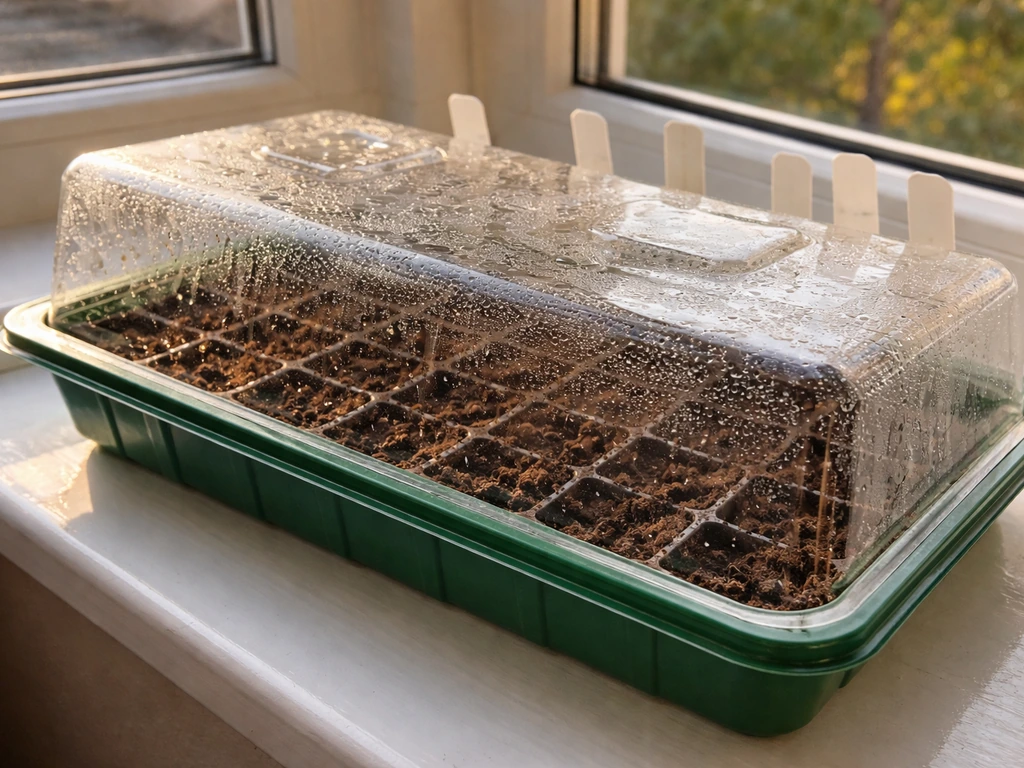
- Buy a small pot of supermarket basil, separate the seedlings, and repot into individual 9cm pots on a south-facing windowsill. This is a classic 'rescue and grow on' trick that works reliably.
- Sow coriander, chives, or flat-leaf parsley seeds in a small pot of compost. These germinate at room temperature within 7–14 days.
- Start a tray of microgreens (peas, sunflower, radish, or a mixed pack) on any reasonably bright sill. Ready to eat in 7–14 days.
If you have a balcony or outdoor space
- Sow tomato seeds indoors now (late March is ideal) in small cells or a seed tray using a propagator or warm windowsill. Choose compact varieties like Tumbling Tom or Maskotka for balconies, or Gardener's Delight for a garden.
- Direct sow radishes and salad leaves outdoors if frosts are mostly done in your area (safe in southern England from mid-March; wait until April in Scotland and northern England).
- Plant out hardy herbs like chives, thyme, rosemary, and sage into containers or a bed. These are UK-hardy and need no protection.
- Pick up plug plants of lettuce, pak choi, or spinach from a garden centre if you want a head start without sowing from seed.
If you have a greenhouse or cold frame
- Tomatoes, peppers, and chillies sown now indoors can move into the greenhouse once nights stay above 10°C (typically May in most of England, later in Scotland).
- Sow courgettes in individual pots now. They grow fast and will be ready to plant out in 4–5 weeks.
- Use the cold frame to harden off any seedlings you've started indoors over the past few weeks.
Common problems in UK home growing and how to fix them
Most growing failures in the UK come down to the same handful of problems. Knowing what to watch for saves a lot of frustration.
Watering: too much and too little
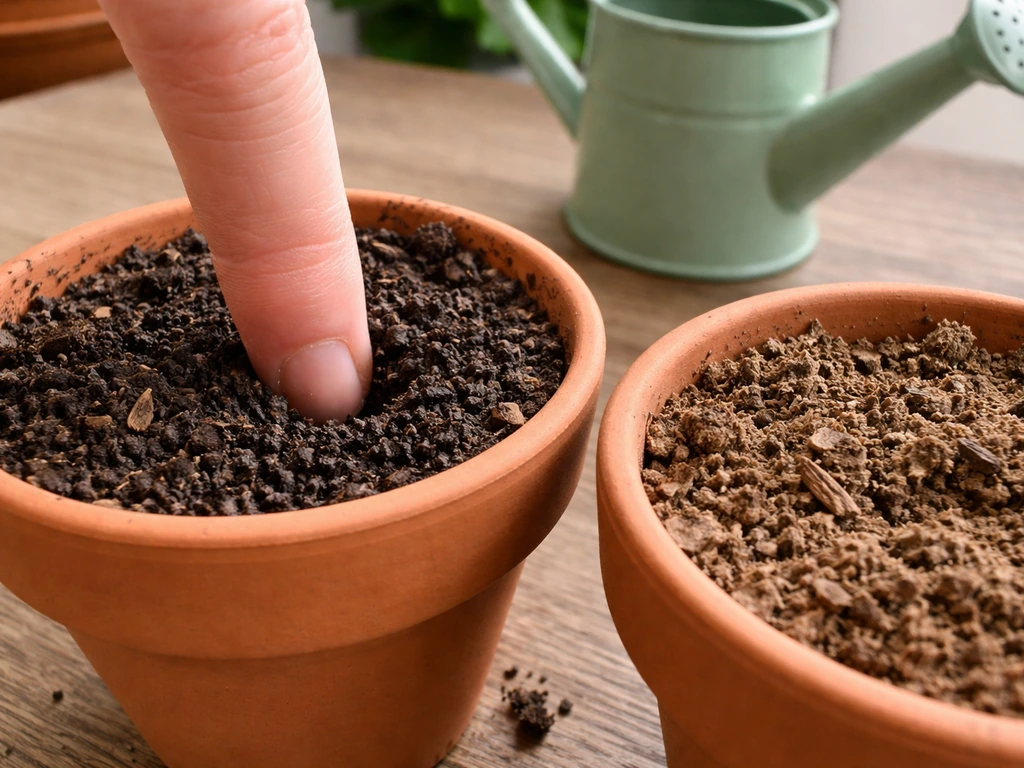
Overwatering kills more houseplants and container herbs than almost anything else. The rule is simple: check the compost before watering. If it's damp 2cm below the surface, leave it. Containers in summer heat (and that includes UK summer, which can hit 28–30°C now) dry out fast and need daily watering. Inconsistent watering is the main cause of blossom end rot in tomatoes and bolting in salad crops. Mulching the surface of outdoor beds with bark or compost helps retain moisture and reduces watering frequency significantly.
Pests: slugs, aphids, and vine weevil
Slugs are the UK grower's biggest enemy in spring and autumn, particularly in wetter regions and on heavy soils. Copper tape around containers helps at the edges, but the most reliable approach for containers is nematode-based biological control (available at most garden centres from spring). For aphids on tomatoes and beans, a strong spray of water knocks most off, and encouraging ladybirds and lacewings to visit by planting flowering herbs nearby is genuinely effective over a season. Vine weevil grubs devastate container plants, especially strawberries and heucheras: use nematodes (Steinernema kraussei) in late summer when soil temperature is still above 5°C.
Timing and frost
The last frost date varies considerably across the UK. In southern England it's typically late March to early April; in the Midlands and northern England, mid to late April; in Scotland, it can be early May or later in upland areas. The Met Office website and local gardening groups are more reliable than any generic chart. Getting caught out by a late frost after planting out tender crops is a classic beginner mistake. Keep fleece or a cloche handy until mid-May regardless of where you are.
Light levels and leggy seedlings
UK winters and early springs have genuinely poor light levels, and seedlings started too early indoors without supplemental lighting tend to go leggy and weak. Either start seeds later (when natural light improves in March) or invest in a basic LED grow light. These cost from around £20 and make a real difference for propagating tomatoes, peppers, and basil indoors.
Blight on tomatoes and potatoes
Late blight (Phytophthora infestans) is the specific UK curse for outdoor tomatoes in wet summers. It spreads fast in warm, wet conditions and can wipe out a crop in days. Using blight-resistant varieties like Crimson Crush or Lizzano helps a lot. Growing tomatoes under glass or a polytunnel almost eliminates the risk by keeping foliage dry.
Next steps: scaling up from easy wins to bigger crops and unusual plants
Once you've had a season or two of reliable results with herbs, salad, and a tomato plant, it's natural to want to push further. There are some sensible upgrade paths that build on what you've already learned rather than starting from scratch.
- From windowsill herbs to outdoor herb bed: many of the best UK herbs (thyme, rosemary, sage, chives, mint) are fully hardy and do better outdoors in the ground or a large container than they ever do on a windowsill. A small dedicated herb patch requires almost no ongoing care once established.
- From salad leaves to brassicas and root veg: once you know your soil and timing, kale, chard, turnips, and beetroot are robust and forgiving crops that extend your season well into autumn and winter.
- From annual veg to perennial food plants: strawberries, rhubarb, asparagus, and fruit bushes (currants, gooseberries) give returns year after year with less annual effort. They're a great investment once you know your space works.
- From containers to raised beds: if you've been balcony or patio growing and have access to more space, a couple of raised beds filled with quality compost is the single biggest upgrade you can make to yield and variety.
- From outdoor growing to a greenhouse or polytunnel: this is the step that changes what's climatically feasible in the UK. Peppers, aubergines, cucumbers, melons (in good summers), and year-round salad all become much more reliable. Even a small 6x8ft unheated greenhouse is transformative.
- Unusual and exotic options: once you have controlled growing environments, you can experiment with crops like oca, mashua, yacon, or even figs and peaches trained against a warm wall. These are genuinely possible in the UK but require more investment and patience.
The best approach is always to nail the basics first and let success build your confidence. A reliable crop of tomatoes, a window box of herbs, or a tray of salad that you actually eat tells you far more about your growing conditions than any guide can. Start there, pay attention to what works and what doesn't, and scale up from a solid base. Start there, pay attention to what works and what doesn't, and scale up from a solid base. Portugal is a perfectly reasonable place to grow a wide range of plants, as long as you work with the climate rather than against it.
FAQ
I’m in the UK but I have almost no outdoor space (no garden). Can I still grow plants at home successfully?
Yes. If you have only windowsills, focus on herbs and salad microcrops, then scale up to small containers once you can give plants more light. A south- or west-facing windowsill is the easiest starting point for year-round herb growth, and spring onions or microgreens are usually more forgiving than tomatoes.
Is it worth growing vegetables indoors in the UK, or will they fail because of light?
Some do fine, especially leafy crops and small herbs. Food crops can struggle in winter, so plan around shorter daylight, start seeds later in the year, or use a basic LED grow light if you want consistent results for things like basil, peppers, or tomatoes.
Do people in the UK really grow mint at home, and is it safe for small spaces?
Mint is very common, but it spreads aggressively. In small spaces, keep it in a pot (ideally large enough for stability) and do not let it run into shared planters, shared balcony boxes, or beds.
What’s the most common mistake beginners make when watering plants at home in the UK?
Overwatering. The practical approach is to check moisture about 2 cm down before watering, then adjust for weather and container type. In hot spells, even UK summer weeks can dry pots quickly, so daily checks may be needed for container herbs.
If I have a balcony, can I just use smaller pots than the article suggests?
You can, but yield and plant health will likely suffer, especially for tomatoes and courgettes. The size guidance (30 to 40 litres for bigger plants) mainly helps the compost hold water longer and supports a larger root system. If you use smaller containers, compensate by choosing compact varieties and being very consistent with watering.
How do I decide what to grow based on orientation (north, east, south, west)?
Treat orientation as your light budget. North-facing setups are usually best for houseplants and more shade-tolerant greens like spinach or mint, while south-facing spaces give you the most options for fruiting crops. If you are unsure, spend a few days observing when the sun hits and where afternoon shade starts.
Are slugs and pests less of a problem indoors than outdoors?
Yes, slug pressure is mostly an outdoor issue, but indoor problems can include overwatering-related fungus and pests like aphids or vine weevil on some plants. For anything moving between indoors and outdoors, inspect stems and soil surface first before you bring plants in.
Do I need to buy expensive equipment like a greenhouse to grow reliably in the UK?
No. A cold frame is often the most cost-effective upgrade because it improves seed-starting and extends salad harvests into late autumn. An unheated greenhouse matters most for earlier starts and higher success with warm-loving crops like tomatoes in cooler regions.
When should I use fleece or a cloche after sowing or planting out?
Use it as a risk-management tool around your local frost window. If you are planting tender crops, keep protection ready until mid-May in many parts of the UK, even when early-season weather looks warm. This prevents a single late frost from wiping out seedlings you have already invested in.
How do I avoid late blight if I want to grow tomatoes outdoors?
Start with blight-resistant varieties and reduce leaf wetness. If your plot is exposed and rainfall is frequent, consider growing tomatoes under glass or a polytunnel to keep foliage drier, and avoid watering practices that splash soil onto leaves.
Can I grow plants at home if I’m a beginner and want a simple first ‘win’?
Yes. Choose one reliable target crop based on your space, such as a windowsill herb pot, a small tray of salad you will actually eat, or a single container tomato if you have enough light. Track what works (light hours, watering frequency, pest issues) and only then expand.
Next Article
Best Herbs to Grow Outdoors in the UK: Easy Guide
UK-ready herbs for outdoors: easiest picks for beds and pots, plus sun, soil, watering and seasonal care tips.