Yes, heather absolutely grows in Scotland. In fact, Scotland is one of the best places in the entire world to grow it. The vast purple moorlands you see covering the Highlands every August are not a gardening achievement, they are heather doing exactly what it evolved to do. The real question is not whether it will grow, but which type you are working with, and whether your specific plot gives it the conditions it actually needs.
Does Heather Grow in Scotland? Planting and Care Guide

James Hartwell
24 Mar 2026
Heather types and what the word actually covers
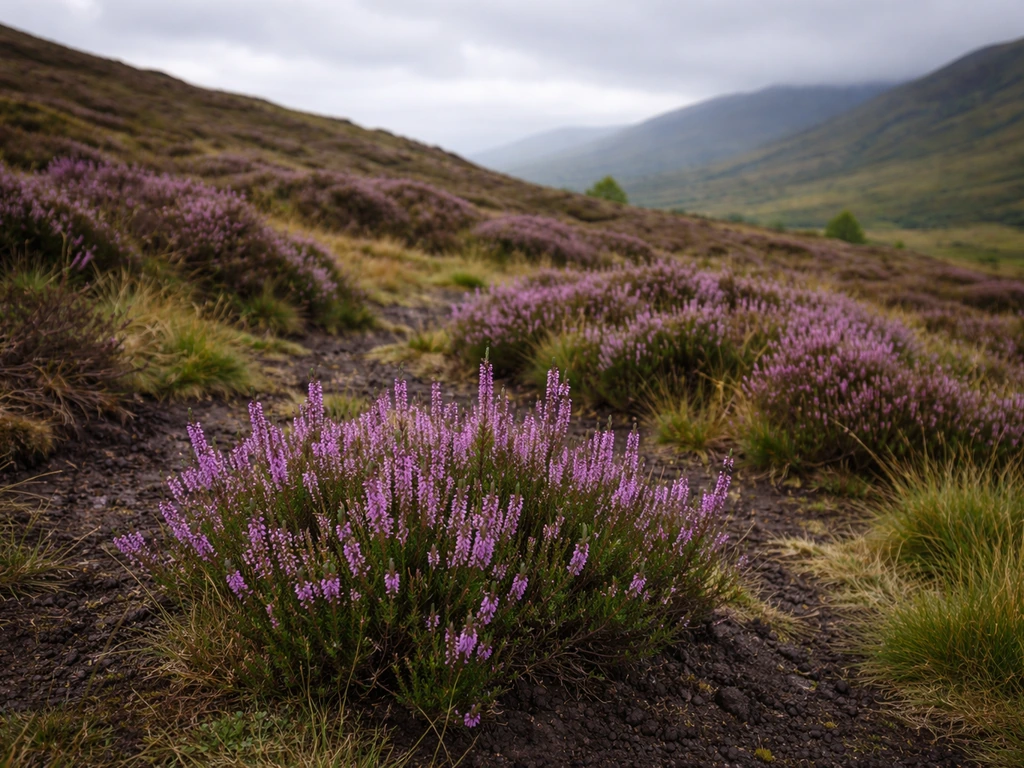
When people say 'heather' they usually mean one of two things, and the distinction matters. The first is Calluna vulgaris, known as ling or common heather. This is the species that paints Scottish hillsides purple in late summer and early autumn. It flowers from roughly July to October depending on the cultivar, and it is the one most associated with Scotland culturally and ecologically.
The second group is the Erica species, commonly called heaths. These are closely related and sit in the same plant family (Ericaceae), but they are not the same plant. Some Erica species flower in winter or early spring, which makes them very useful in a garden context. Erica carnea (winter heath) and Erica x darleyensis are the ones you will most often find at garden centres in the UK.
There is also a third genus worth knowing about: Daboecia, or Irish heath. It is less commonly grown but behaves in a similar way and suits similar conditions. The RHS groups all of these under the loose umbrella term 'hardy heathers,' and that is a reasonable way to think about them for garden planning purposes. If you are buying plants at a Scottish garden centre and they are labelled simply as 'heather,' they will almost certainly be either Calluna or Erica. For the purposes of this article, that is what we are focusing on.
Scotland's climate and where heather genuinely thrives
Scotland's climate is, in most respects, ideal for Calluna in particular. Cool summers, high rainfall, naturally acidic soils across much of the uplands, and relatively mild winters in coastal areas all suit it well. But Scotland is not one climate. It spans everything from the relatively mild, wet west coast to the drier, colder east coast, and the cold, exposed Highlands to the more sheltered central lowlands. Understanding where you sit in that range makes a real difference.
In the Highlands and upland areas, wild Calluna is in its element. Exposed moorland with thin, well-drained, acidic peaty soils is exactly the habitat it evolved in. If you are gardening at altitude (above 300 metres or so), Calluna will typically establish easily, but more tender Erica species like Erica erigena may struggle with harsh winters.
On the west coast, high rainfall and mild Atlantic temperatures suit nearly all heathers well, though waterlogging on poorly drained ground is a genuine risk. The east coast of Scotland is drier and can get colder easterly winds in spring, but with a sheltered spot, heathers do perfectly well there too.
In the central belt, including areas around Edinburgh and Glasgow, you have the most 'garden-friendly' conditions: milder than the Highlands, reasonable drainage on most suburban soils, and enough rain to reduce the need for supplementary watering once plants are established.
The main regional caveat is that Erica carnea and Erica x darleyensis are reliably hardy across all of Scotland, while some of the more exotic or tender Erica species (like Erica canaliculata) will not survive a Scottish winter outside. Stick with the hardy species and you have very little to worry about in terms of cold.
Getting the site right: soil, drainage, acidity, and light
heather failures happen, and it is worth being blunt about it. Heather is not difficult to grow, but it is specific about what it needs. Heathers such as Calluna and Daboecia need acidic soil (or ericaceous compost in containers) and prefer plenty of sun with free-draining soil blank" rel="noopener noreferrer">acidic soil and free-draining soil. Heather is not difficult to grow, but it is specific about what it needs. Get these four things right and it will largely look after itself. Get them wrong and you will be puzzling over why your plants are yellowing and dying back within a season or two.
Soil acidity (pH)
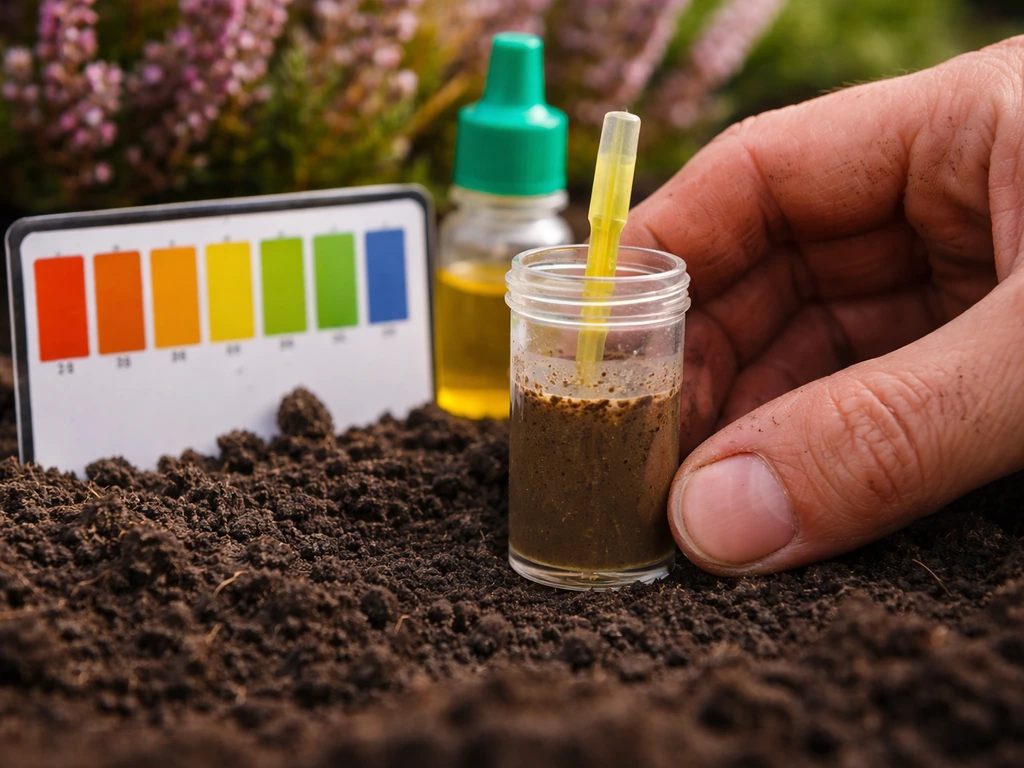
Heathers are ericaceous plants, meaning they need acidic soil to absorb nutrients properly. The ideal pH range is 4.5 to 6.0. Most naturally occurring soils in the Scottish uplands fall comfortably within this range. However, if you are gardening in a built-up area, on reclaimed land, near old masonry, or in a garden that has been heavily limed in the past, your soil may be too alkaline. A cheap soil pH test kit from any garden centre will tell you within minutes. If your soil is above pH 6.5, you will need to amend it before planting, or grow your heathers in raised beds or containers using peat-free ericaceous compost.
Drainage
Good drainage is non-negotiable, especially in Scotland where rainfall can be very high. Wild heather grows on free-draining moorland, not in bogs. Northumberland Wildlife Trust also notes that heather is abundant on heathland and moorland as well as on acidic or peat soils, including bogs and even some woodland [heather abundant on heathland and moorland on acidic or peat soils](https://www. nwt.
org. uk/wildlife-explorer/wildflowers/heather). Despite what many people assume, heather does not like sitting in waterlogged soil over winter. If your ground holds water for more than a day or two after heavy rain, you need to improve drainage before planting.
The most practical way to do this in a garden setting is to dig in plenty of coarse horticultural grit (not builder's sand) when preparing the bed, at roughly one part grit to three parts existing soil. Alternatively, raise the bed by 15 to 20 centimetres, which is often the simplest solution on heavy ground.
Sunlight
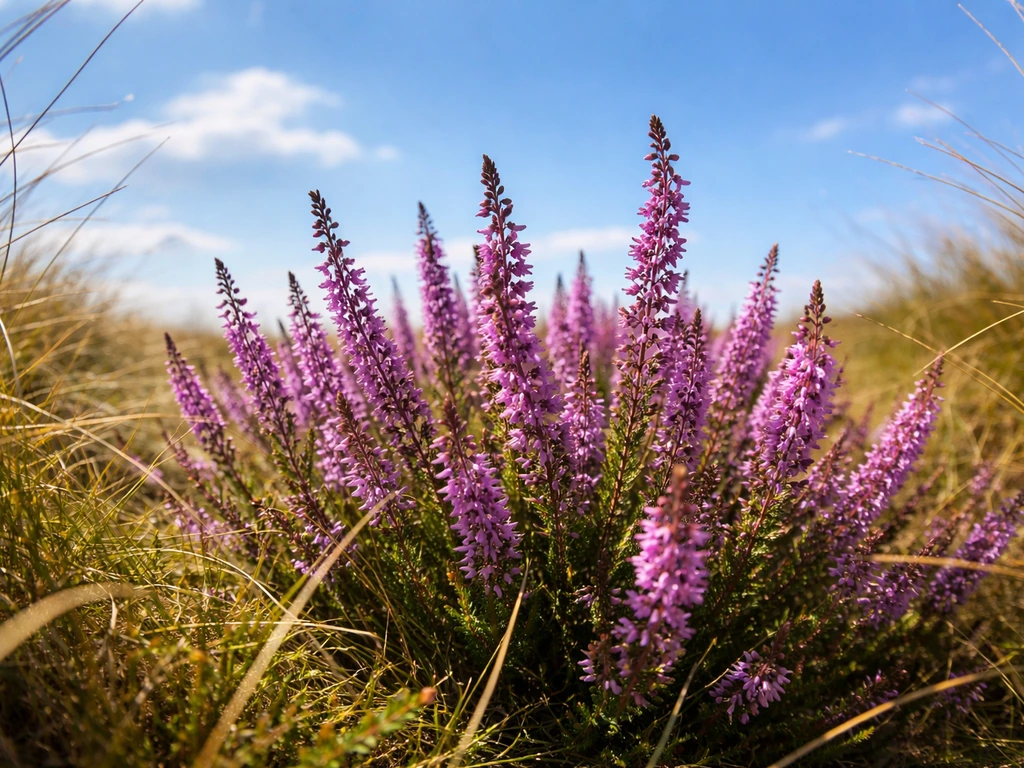
Calluna vulgaris needs full sun to perform well and flower properly. Erica species are a little more tolerant of partial shade, but they will always do better in an open, sunny spot. A north-facing border under the shade of a fence or large shrubs is not a good home for heather. Choose the most open, exposed position you have, which in Scotland is usually not hard to find.
Soil organic matter
Heathers prefer lean, low-fertility soil. They do not want rich, heavily composted beds loaded with nutrients. However, they do appreciate some organic matter in the soil to retain moisture without becoming waterlogged. If your soil is very thin and sandy, working in a small amount of peat-free ericaceous compost at planting time will help. Do not overdo it.
How to plant heather in Scotland
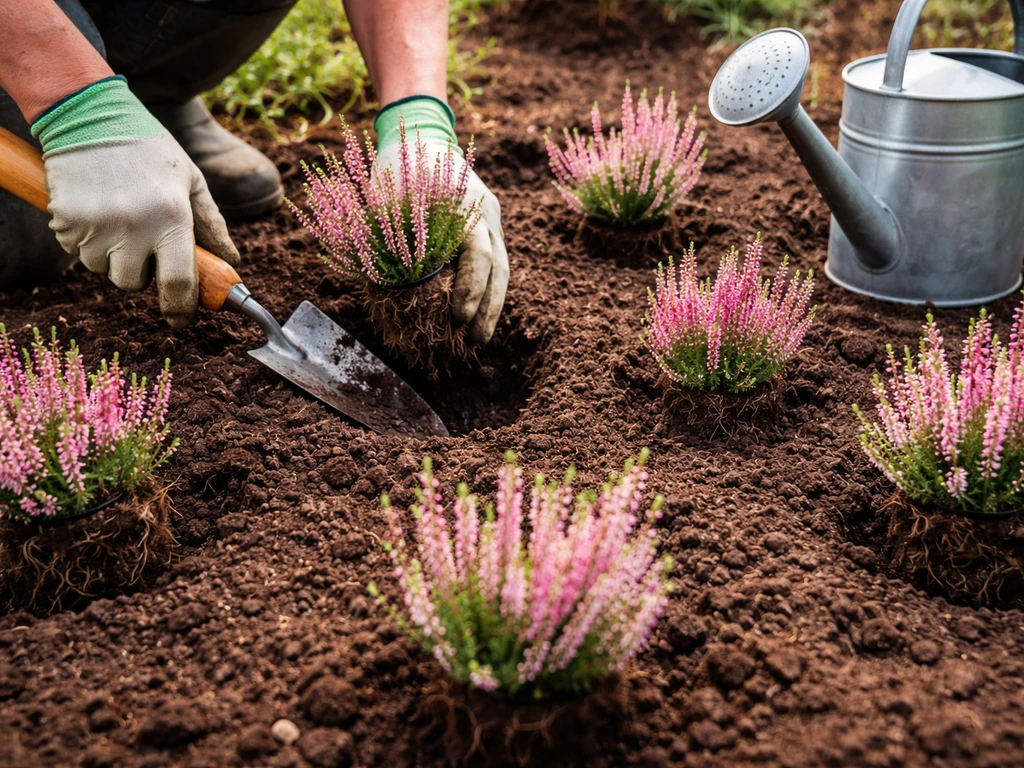
The best time to plant is spring, typically March to May in Scotland, once the worst frosts are behind you and the soil has started to warm. You can also plant in early autumn (September), which gives roots time to establish before winter, but spring planting gives young plants a full growing season to get settled before facing their first cold winter. Buying container-grown plants from a garden centre gives you the most flexibility on timing.
- Test your soil pH before you do anything else. If it is above 6.5, plan to amend or build a raised bed.
- Prepare the bed by digging to about 30 centimetres, removing all perennial weeds including roots. Heather has a low, spreading habit and will not compete well with established weeds.
- If drainage is poor, dig in coarse horticultural grit at roughly 25 to 30 percent of the total soil volume, or raise the bed.
- If soil is very alkaline, incorporate peat-free ericaceous compost throughout the planting area rather than just in the planting hole.
- Plant at the same depth as the plant was in its container. Burying the crown too deep is a common mistake and encourages rot.
- Space plants 30 to 45 centimetres apart for Calluna cultivars. Some compact Erica cultivars can be placed closer at around 25 to 30 centimetres. They will fill in over two to three seasons.
- Firm in gently and water thoroughly after planting, even if rain is forecast.
Avoid planting into frozen ground or during a prolonged dry spell (which in Scotland is admittedly rare, but it does happen in the east in spring). If you are planting a larger area, working on a slightly overcast day reduces transplant stress on the plants.
Ongoing care once your heather is in
Watering
In most parts of Scotland, established heather does not need supplementary watering at all. During the first summer after planting, however, you should water during any dry spell lasting more than a week, especially if plants were put in during spring. Once plants are established after their first full growing season, rainfall typically does the job. If you are on the drier east coast, keep an eye on plants in their second year during unusually warm, dry springs.
Mulching
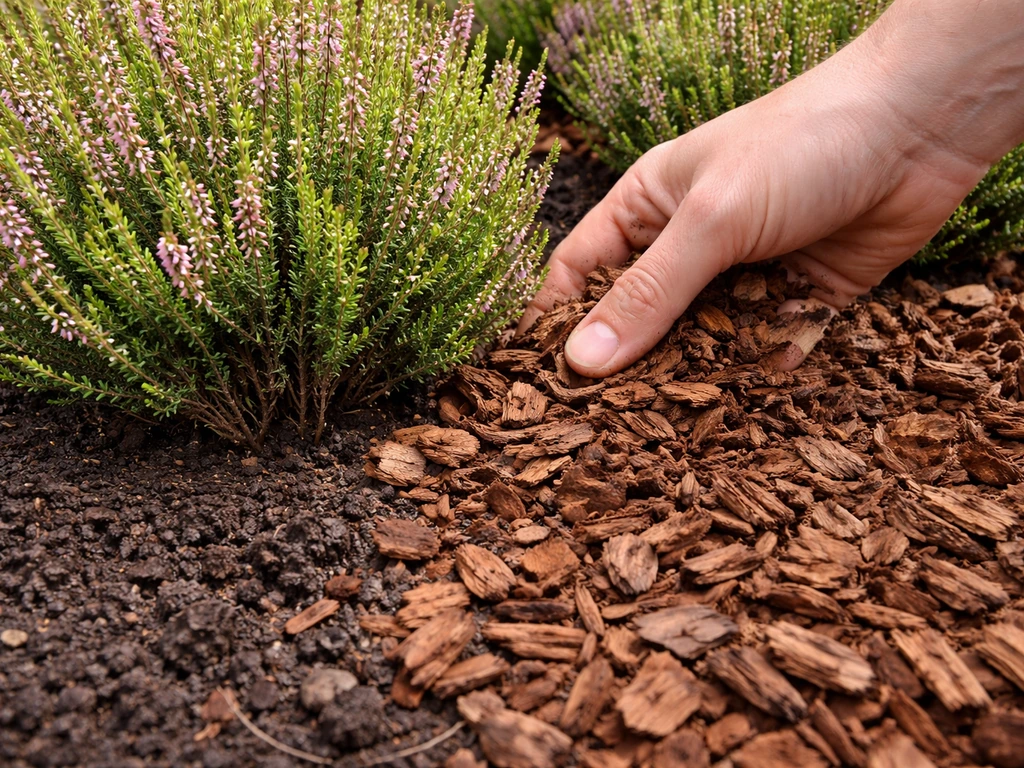
A 5 to 7 centimetre layer of pine bark or composted wood chip mulch applied around (but not directly on top of) the crowns of your plants will suppress weeds, retain moisture, and slowly acidify the soil as it breaks down. This is genuinely useful in the first two years while plants are establishing and gaps between them invite weed growth. Avoid mushroom compost as a mulch because it is alkaline.
Pruning and cutting back
This is arguably the most important ongoing maintenance task, and it is one that many gardeners either skip or do wrong. Heather benefits from a light trim every year after flowering. For Calluna, that means trimming in early spring (March or April in Scotland), cutting back the flowered shoots by about two thirds. For winter-flowering Erica, trim lightly in late spring once flowering has finished.
The critical rule, and this is stressed by the RHS too, is never cut back into old, woody growth. Heather does not regenerate from old wood the way that, say, a lavender or buddleja might. If you cut down to bare stems, the plant will not come back. Use a pair of hedging shears and take off just the soft, flowered growth.
Done annually, this keeps plants bushy, prevents them becoming leggy, and extends their productive life significantly.
Weed control
Once heather plants close the gaps between them (usually within two to three years), weed competition drops significantly. Until then, hand-weed regularly rather than using a hoe, which can damage the shallow root systems. Mulching, as mentioned above, will reduce the workload considerably in those early years.
Why heather fails: common problems and how to fix them
| Problem | Likely Cause | Fix |
|---|---|---|
| Yellowing leaves, poor growth | Soil too alkaline (pH above 6.5) | Apply sulphur chips or switch to raised bed with ericaceous compost |
| Plant dies back over winter | Waterlogging, roots sitting in wet soil | Improve drainage with grit or raise the bed |
| Spindly, leggy growth, few flowers | Insufficient light or never pruned | Relocate to a sunnier spot; trim annually after flowering |
| Bare, dead centre with growth only at edges | Never pruned, old wood exhausted | Hard to reverse; trim soft growth and be patient, but prevention is key |
| Slow to establish, looking stressed in spring | Planted too deep or during frost | Replant at correct depth; plant in spring after frosts pass |
| Overcrowded, plants merging and dying in the middle | Planted too close together | Thin out every few years; correct spacing at planting stage |
The most common failure I see in Scottish gardens is waterlogging. People assume that because heather grows on boggy moorland it must love wet conditions. It does not. Moorland peat is free-draining even when it looks saturated because of its structure. A heavy clay garden soil in Glasgow or Stirling that holds winter rain like a sponge is a very different thing, and heather roots will rot in it. Sort the drainage first. Everything else is secondary.
The second most common failure is planting in too much shade, usually in a border against a fence or wall. Heather is a moorland plant. It wants open sky above it.
Propagating heather: cuttings, seed, or just buying plants
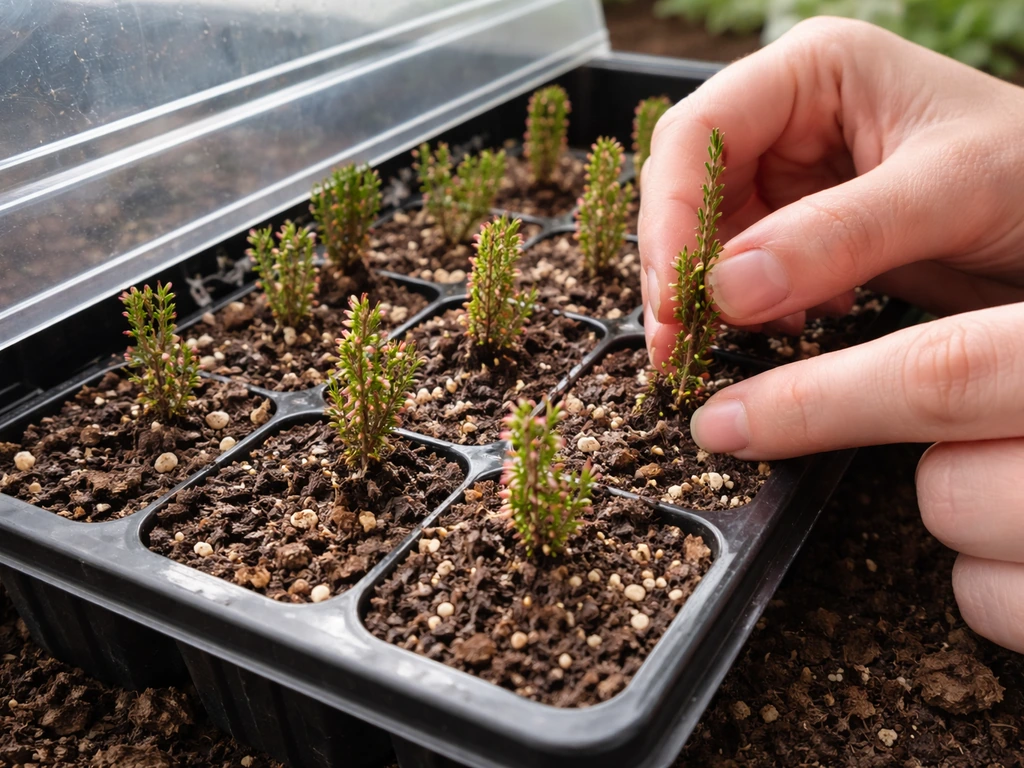
If you want to increase your stock or fill a larger area, propagation from cuttings is the most reliable method. Take semi-ripe cuttings in mid to late summer (July to August), selecting non-flowering side shoots about 3 to 5 centimetres long. Strip the lower leaves, dip the base in rooting hormone powder, and push into a tray of peat-free ericaceous cutting compost mixed with equal parts perlite. Cover with a clear lid or bag and place in a cold frame or cool greenhouse. Expect roots in six to ten weeks. Overwinter the rooted cuttings in their trays in a cold frame, then pot on in spring and plant out the following autumn or the spring after that.
Growing heather from seed is possible but slow and less predictable, especially if you want to maintain named cultivars (seed-grown plants will vary from the parent). is possible but slow and less predictable, especially if you want to maintain named cultivars (seed-grown plants will vary from the parent). If you do want to try it, sow fresh seed onto the surface of damp ericaceous compost in autumn and leave outside or in a cold frame to cold-stratify over winter. Germination happens in spring. Expect two to three years from seed to a decent-sized plant.
Honestly, for most gardeners the practical answer is to buy container-grown plants from a garden centre or specialist nursery. If you are wondering what you can grow in the UK, heather is a great option because it thrives with the right acidic, well-drained conditions buy container-grown plants. If you are wondering about other plants beyond the UK, see what can you grow in Portugal for climate-friendly ideas.
A 9 centimetre pot plant bought in spring will establish well in its first season and start flowering properly in its second year. Spreading the cost over two or three buying trips is much less work than raising your own from seed, and the results are more predictable. If you are covering a large area, many specialist heather nurseries offer bulk discounts on tray quantities, which makes it affordable even for a sizable planting scheme. For a broader idea of what UK farmers grow, see what crops are common across farms in the UK.
Scotland, more than almost anywhere else in the UK, gives you the natural advantage when growing heather. The climate, the rainfall, and the soil acidity across much of the country mean you are working with the plant rather than against it. Get the drainage right, choose a sunny site, and give it an annual haircut after flowering, and you will have a low-maintenance planting that improves every year.
If you want more low-fuss options alongside heather, see what can you grow in scotland as another related way to plan your outdoor planting. If you are also planning other outdoor herbs in the UK, start by matching each herb to your sunlight, soil type, and drainage best herbs to grow outdoors uk.
It is one of the easier wins available to Scottish gardeners, heather is a solid starting point do people in your country grow plants at home. It is one of the easier wins available to Scottish gardeners, heather is a solid starting point, and you can compare it with do people in your country grow plants at home for a broader view of home growing. what do uk farmers grow In many places, people grow plants at home, but the best choices depend on your climate, soil, and how much sun you get do people in your country grow plants at home.
FAQ
If I buy “heather” from a Scottish garden centre, will it survive any part of Scotland?
Yes, but with the right expectation. Erica and Calluna look similar, yet winter-hardiness differs by species. In Scotland, Erica carnea and Erica x darleyensis are usually safe outdoors across regions, while some less common or “exotic” Erica types can fail if exposed to a wet, cold winter.
Does does heather grow in Scotland even in the Highlands or at higher altitude?
It can, but don’t use heather as a label for “one plant fits all.” If you are in a very exposed Highlands spot (especially above about 300 m), prioritise hardy Calluna cultivars and expect less success with tender Erica species unless your site is sheltered from wind and stays well drained.
Can I use the same compost or mulch I use for other plants around heather?
You can add mulch, but avoid anything that raises pH. Use pine bark or composted wood chip, applied around the crowns, not on top. Skip mushroom compost because it can be alkaline, which undermines nutrient uptake in acidic-loving plants.
What should I do if my garden soil stays wet after rainfall?
Yes, but only as a first-aid option when you can’t correct drainage immediately. Raised beds (about 15 to 20 cm) or large containers with ericaceous compost and excellent drainage work better than planting in the ground where water sits after heavy rain.
My soil isn’t acidic, can I still grow heather in Scotland without changing the whole garden?
Test first, then amend strategically. If your soil is above pH 6.5, a full raised-bed or container approach is often simpler than trying to “fix” the whole garden. If you amend, focus on the planting zone, because liming nearby areas can still influence root area over time.
Is autumn planting in Scotland risky compared with spring?
They can, if planted in the wrong season or conditions. Heather typically struggles when roots face both cold and waterlogging, so for autumn planting aim for September, not late autumn, and avoid planting in frozen or saturated ground.
My heather is turning brown after I pruned it, what went wrong?
Likely, if the trimming rule is ignored. Heather only regrows from newer, flexible growth, not from old woody stems. If your plant got cut hard back into old wood, it may not recover, whereas a light annual haircut after flowering usually keeps it dense.
Can I grow heather from seed in Scotland and keep the exact same variety?
Seeds are possible, but they are slow and can produce variable plants, especially if you want the same named cultivar. A more predictable route is semi-ripe cuttings in mid to late summer, which typically root in about six to ten weeks and produce clones of the parent.
Will heather grow in a sheltered garden border, or does it need full exposure?
Yes, but only if you can provide open sun and sharp drainage. A fence-side border that is shaded most of the day is a common failure cause. If your only space is partially shaded, choose the sunniest, most open corner and verify drainage before planting.
Do I need fertilizer to make heather flower well in Scotland?
It usually needs no ongoing feeding, and too much nutrition can reduce flowering and increase soft growth. Focus on the basics already discussed, especially acidic soil and drainage, and avoid rich compost-heavy beds.
Next Article
Best squash to grow in the UK: reliable varieties & how to grow
Best UK squash varieties plus sowing, spacing, feeding, and protection tips to harvest summer and winter squash reliably