The short answer: people in the UK can grow an enormous range of food and flowers at home, far more than most people realise. The longer answer is that 'the UK' covers very different growing conditions, The longer answer is that 'the UK' covers very different growing conditions, from the frost-heavy Scottish Highlands to the near-frost-free Isles of Scilly, so what works brilliantly in Cornwall might struggle in Aberdeenshire. to the near-frost-free Isles of Scilly, so what works brilliantly in Cornwall might struggle in Aberdeenshire. This guide cuts through the vague 'yes you can grow that!' optimism and gives you a realistic, practical picture of what actually works, where, and what you'll need to pull it off.
What Can You Grow in the UK? Easy Plant List and Guide
James Hartwell
24 Mar 2026
UK growing reality: climate, zones, and microclimates
Britain's climate is genuinely unusual. It's mild for its latitude, kept that way by the Atlantic and the Gulf Stream, which means we rarely get the brutal winters you'd expect this far north. But that mildness comes with trade-offs: unpredictable frosts, cool summers, high rainfall in the west, and relatively low sunshine hours across the board. The Met Office breaks the country into climatological regions including England South, England North, Wales, Scotland, and Northern Ireland, and the differences between those regions are real and meaningful for growers.
The RHS uses a hardiness rating system based on absolute minimum winter temperatures, which is a more honest measure than simply saying a plant is 'hardy' or 'tender. The RHS hardiness rating scheme uses these absolute minimum winter temperatures, and for example an H3 corresponds to -5°C to 1°C [hardiness rating system based on absolute minimum winter temperatures](https://www. rhs. org.
uk/advice/rhs-hardiness-rating). ' A plant rated H3 (hardy down to around -5°C) will be fine most winters in the South West but could be killed outright in the Scottish Central Belt. Frost is the most common winter hazard across the UK: the Met Office defines an air frost as any temperature below 0°C measured at 1. 25 metres above the ground, and every part of the UK experiences this at some point.
In the South East, you might get 30-40 air frost days per year. Parts of the Scottish Highlands can see well over 100.
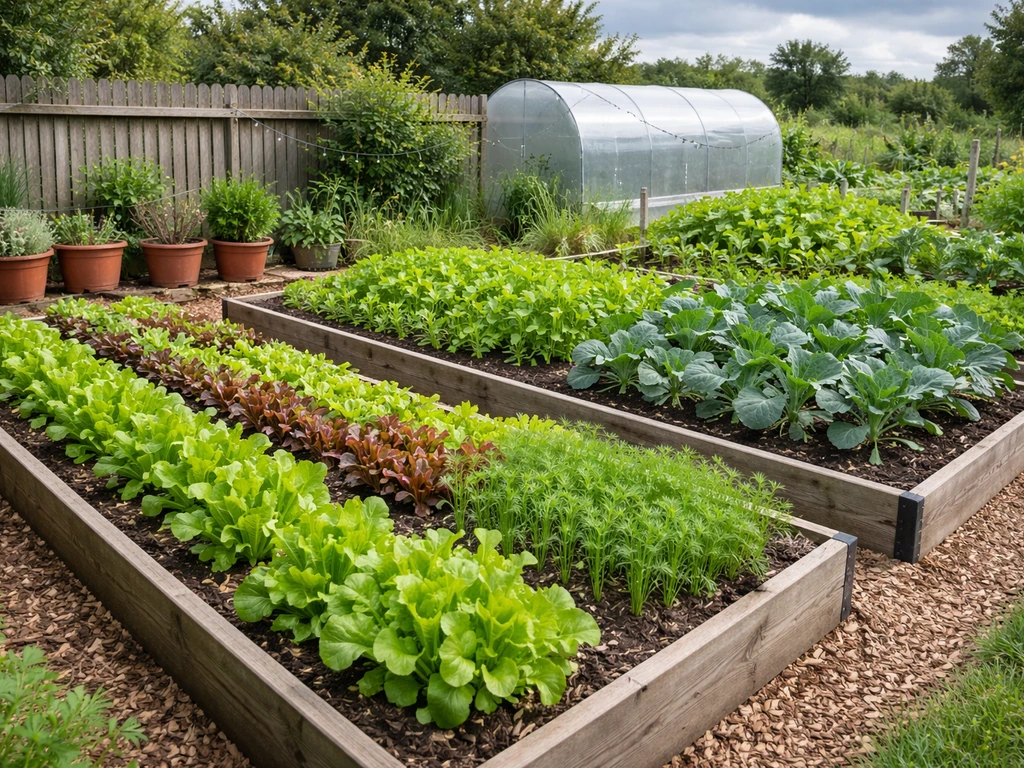
Microclimates matter enormously and are often more useful to understand than broad regional averages. A south-facing walled garden in Yorkshire will outperform a cold, exposed plot in Sussex. Raised beds warm up faster in spring. Urban gardens in cities like London, Birmingham, and Manchester benefit from the heat island effect, often staying 2-3°C warmer overnight than surrounding rural areas. If you're in Scotland specifically, the picture is complex enough that it's worth looking at growing guidance tailored to that region rather than applying UK-wide advice directly. Coastal areas on the west of Scotland, for example, can be surprisingly mild year-round thanks to maritime influence.
Soil type is the other major variable. Heavy clay retains water and warms slowly in spring. Sandy, free-draining soils warm quickly but dry out fast and need feeding. Most of the UK's productive garden soils sit somewhere between the two, but knowing which end of the spectrum you're on will change your choices. Chalky soils in parts of southern England create alkaline conditions that suit some crops (brassicas love it) but make blueberries almost impossible without acidifying the soil first.
Easy wins: vegetables, salads, roots, and herbs
If you want reliable results with minimal fuss, start here. These are crops that the UK climate actually suits well, sometimes better than warmer continental climates where summer heat brings pest pressure and bolting.
Salad crops and leafy greens
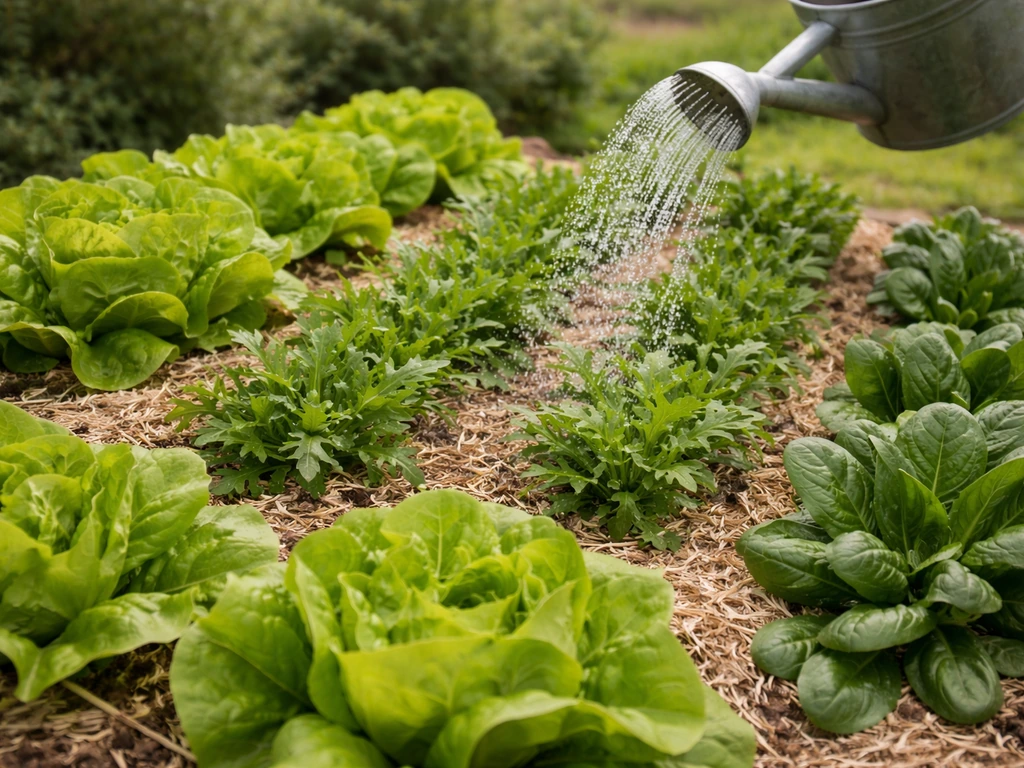
Lettuce, rocket, spinach, chard, and mixed salad leaves are among the most straightforward crops you can grow in the UK. They prefer cooler growing conditions, which is exactly what we have for most of the year. You can start sowing in February under cover, have outdoor crops running from April through October, and keep harvesting through winter with a cloche or cold frame. Cut-and-come-again varieties mean one sowing keeps giving for weeks. Bolting (when plants run to seed prematurely) is more of an issue in a hot summer, but in a typical British summer it's rarely a serious problem.
Root vegetables
Carrots, parsnips, beetroot, turnips, and radishes are all well-suited to UK conditions. Parsnips are one of the few crops that actually benefit from frost, which converts their starches to sugars. They're sown in spring and harvested from autumn through winter. Carrots prefer a sandy, stone-free soil to avoid forking, so heavy clay gardens should consider raised beds filled with a lighter mix. Beetroot is forgiving and fast, ready in as little as 10-12 weeks from sowing.
Brassicas and alliums
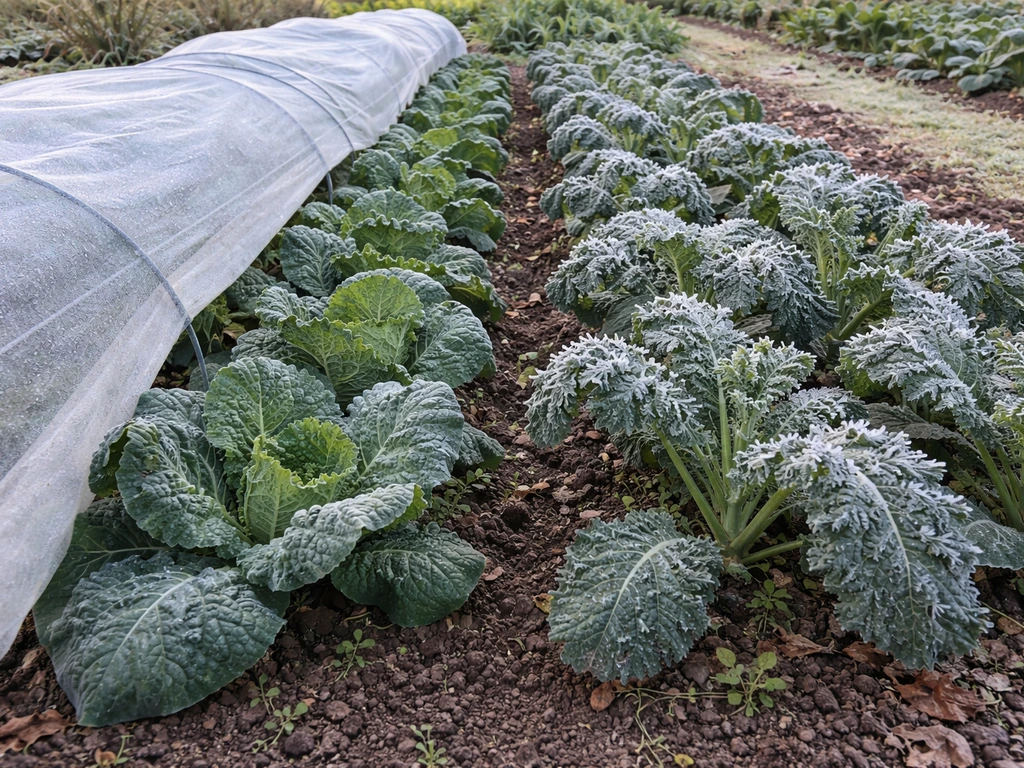
Cabbages, kale, Brussels sprouts, broccoli, cauliflower, leeks, and onions are practically designed for British growing conditions. Brassicas in particular are cool-season crops that can handle light frosts, and kale is famously hard to kill. The main management challenges are slugs and caterpillars from cabbage white butterflies, so netting is worth the effort. Leeks and onions are reliable autumn and winter staples that take up little space and need minimal attention once established.
Courgettes, beans, and potatoes
These three are staples of the British kitchen garden for good reason. Courgettes are prolific producers once the weather warms up, though they need to go out after the last frost (typically late May in most of England, later in Scotland and higher elevations). French beans and runner beans are direct-sow crops from late May onwards and produce abundantly through summer. blank" rel="noopener noreferrer">Potatoes are a cornerstone crop, but they're frost-sensitive: the RHS specifically flags them as susceptible to frost damage, so early varieties planted from March need watching, and you should be ready to earth up the shoots if a late frost threatens. Maincrop potatoes go in from April.
Herbs
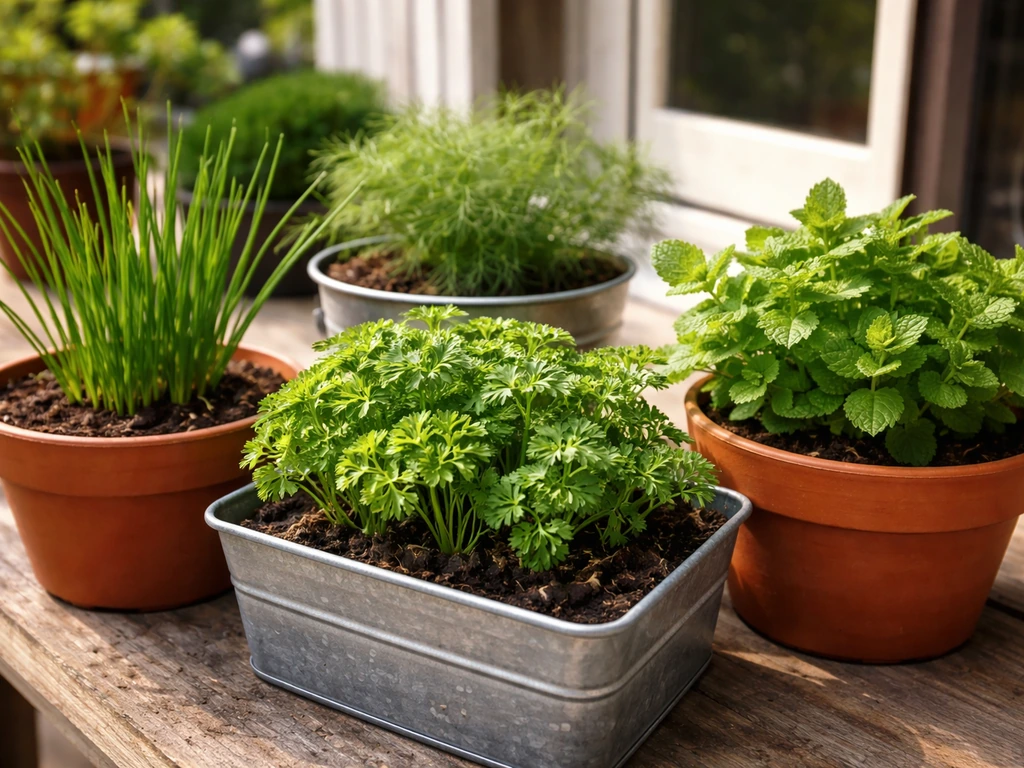
Most culinary herbs grow well outdoors in the UK, though some need more thought than others. Mint, chives, parsley, coriander, and dill are all straightforward outdoor growers. Rosemary, thyme, and sage are Mediterranean in origin but have adapted very well to UK conditions and are genuinely hardy in most parts of the country. Basil is the exception: it's tender, hates cold and wet, and is best grown in pots on a sunny windowsill or in a greenhouse. If you want to grow a wider range of herbs outdoors, that's a topic worth exploring in its own right, given how much variation there is in hardiness between species.
Fruit you can grow: soft fruits, apples, pears, berries, and a few surprises
The UK is genuinely excellent fruit-growing territory for temperate species. The combination of cool winters (which many fruits need for dormancy, called 'chilling hours') and mild, moist summers suits a surprisingly wide range of fruiting plants.
Soft fruits
Strawberries, raspberries, blackcurrants, redcurrants, whitecurrants, and gooseberries are all highly reliable UK crops. Raspberries are arguably one of the most effortless fruits you can grow here: plant them, give them a support structure, and stand back. Summer-fruiting varieties crop in July; autumn-fruiting varieties extend the season into October. Gooseberries and currants are underrated, partly because they're unfashionable, but they're incredibly productive and need very little input once established.
Apples, pears, and plums
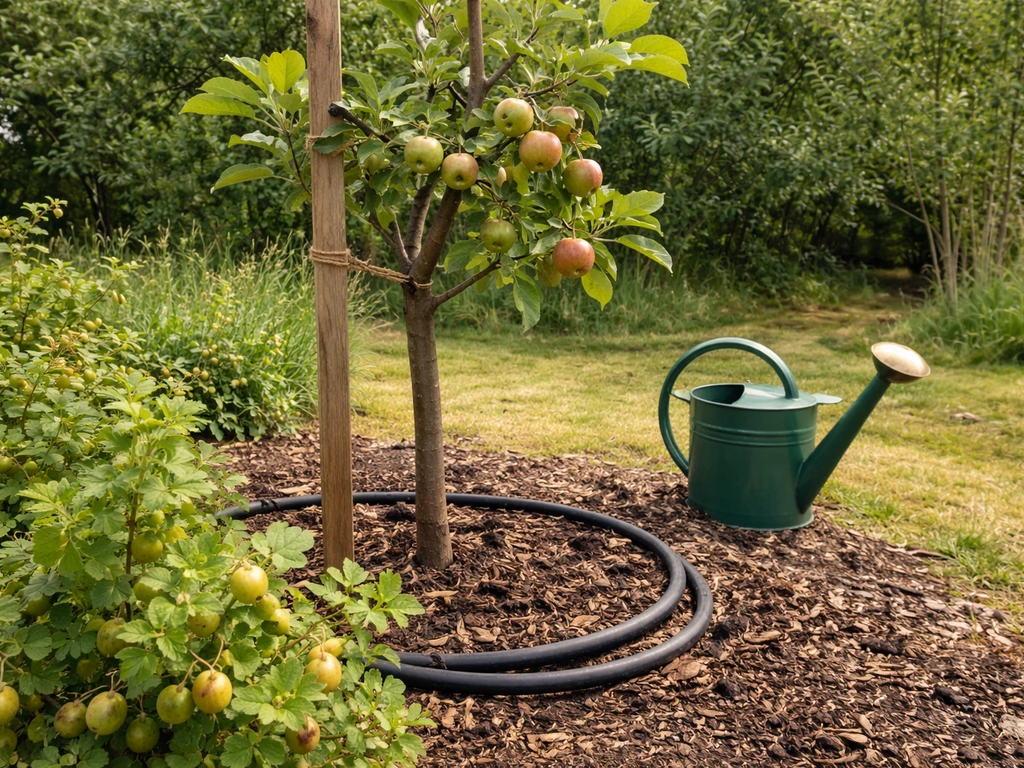
These are the backbone of the British orchard and for good reason. Hundreds of apple varieties have been bred specifically for UK conditions. Even a small garden can accommodate a trained cordon or espalier apple on a south-facing wall or fence. Pears need a slightly warmer, more sheltered spot to ripen well, which is why they do better in southern England than in Scotland or northern England. Plums and damsons are reliable across most of the UK and tend to produce heavily every other year. Choosing the right rootstock matters for trees: dwarfing rootstocks like M9 for apples keep trees at a manageable 2-3 metres.
Berries and unusual fruits
Blueberries grow well in the UK but need acidic soil (pH 4.5-5.5), so most gardeners grow them in containers of ericaceous compost. Elderberries are native and practically wild, needing almost no care. Honeyberries (lonicera caerulea) are cold-hardy, productive, and increasingly popular with UK growers. Goji berries are surprisingly doable outdoors in sheltered spots in the south. Figs ripen in the UK on south-facing walls, particularly in the South East, though you'll get better results by restricting the roots in a planting pit to encourage fruiting over leafy growth.
Edible exotics and 'tropicals': what's realistic with protection
This is where it gets interesting, and where I'd encourage honest expectations. You can grow a lot of 'exotic' crops in the UK, but most of them need some form of protection, and the word 'possible' covers a wide range from 'thriving' to 'technically alive but not worth the effort.'
What a greenhouse or polytunnel unlocks
A greenhouse or polytunnel changes your growing options dramatically. Tomatoes are the classic example: outdoors in the UK, they ripen inconsistently and are prone to blight, but under cover they're one of the most rewarding crops you can grow. The same applies to cucumbers, aubergines, and sweet peppers. These are all warm-season crops from warmer climates that just need a reliable season extension to produce well. In a heated greenhouse, you can push this further, growing chillies, cape gooseberries (physalis), and even lemongrass successfully.
Melons are doable in a polytunnel in southern England if you choose shorter-season varieties like 'Collective Farm Woman' and you get a warm summer. They're genuinely challenging and most years you'll get a handful of fruit at best, but they're not impossible. Sweet corn is an outdoor crop rather than a greenhouse one, but it needs a warm summer to ripen cobs fully, which means it's more reliable in the south than the north, and growing a shorter-season variety like 'Swift' makes a big difference.
Containers indoors and conservatories
Citrus trees (lemons, limes, kumquats) can be grown in containers in the UK, brought indoors or into a frost-free greenhouse over winter, and put outside in a sunny spot from late May to September. They won't produce abundantly like they would in Spain, but with patience you can harvest a few fruits a year. Dwarf citrus varieties in containers are more manageable than full-sized trees. Olive trees are increasingly grown outdoors permanently in southern England, and most winters they handle it fine, though a severe freeze will kill one that isn't established.
What's genuinely unrealistic outdoors
Bananas, true tropical mangoes, papayas, and avocados outdoors in the UK are not realistic food-producing crops, full stop. Musa basjoo, the Japanese banana, will survive outside in sheltered southern spots and makes a dramatic foliage plant, but it won't produce edible fruit in our climate. Avocados need temperatures consistently above 10°C year-round and more sun than the UK provides. You'll see claims online that 'avocados can be grown in the UK,' and technically you can grow a houseplant from a stone, but fruiting outdoors? No. Be sceptical of growing content that doesn't acknowledge the difference between surviving and producing.
| Crop | Outdoors (UK) | With cover (greenhouse/polytunnel) | Realistic yield |
|---|---|---|---|
| Tomatoes | Risky, blight-prone | Excellent | High under cover |
| Aubergines | Not reliable | Good in warm summers | Moderate |
| Sweet peppers | Poor | Good under cover | Moderate |
| Melons | Very difficult | Possible in south | Low–moderate |
| Cucumbers | Possible, short season | Excellent | High under cover |
| Chillies | Poor outdoors | Very good | High under cover |
| Citrus (container) | Summer only | Overwinter indoors required | Low but rewarding |
| Sweet corn | Good in south, variable north | Not needed | Moderate–high |
| Courgettes | Excellent | Earlier start possible | Very high |
| Bananas (edible fruit) | Not realistic | Not realistic | None |
Flowers, edibles, and companion planting basics
If you're growing food, you don't have to choose between a productive plot and a beautiful one. Many of the best companion plants are flowers, and growing them alongside vegetables actively improves your results. Many of the best companion plants are flowers, and growing them alongside vegetables actively improves your results. Nasturtiums are edible themselves (leaves and flowers are peppery additions to salads) and attract aphids away from beans and brassicas. Marigolds (tagetes) deter whitefly and are one of the most reliably effective companion plants, particularly useful around tomatoes under cover. Borage attracts pollinators and the blue flowers are edible, making it genuinely dual-purpose.
Phacelia, sweet alyssum, and pot marigolds (calendula) all bring beneficial insects into the garden and are easy to direct-sow in spring. If you're growing in a small space and wondering whether to prioritise flowers or edibles, the honest answer is: grow both, because they support each other. A row of sweet peas along a fence and a patch of cosmos between your brassicas won't cost you any vegetables, and it'll make the garden a lot more pleasant to spend time in.
How to choose the right plants: season, space, soil, sun, and water
The most common mistake new growers make is choosing plants based on what they want to eat rather than what their space can support. The most common mistake new growers make is choosing plants based on what they want to eat rather than what their space can support. Before you buy a single seed or plug plant, do a quick assessment of your garden's conditions. It takes twenty minutes and saves a lot of disappointment.
- Sun: Count how many hours of direct sunlight your plot gets at its sunniest point. Most fruiting crops (tomatoes, squash, beans, fruit) need at least 6 hours. Salads, spinach, and many herbs will tolerate 3-4 hours, making them better choices for shadier plots.
- Soil: Pick up a handful and squeeze it. If it holds its shape rigidly and is slow to drain after rain, it's clay-heavy. If it falls apart immediately and feels gritty, it's sandy. Clay soils are easier to improve than people think: add organic matter every year and don't walk on them when wet. Sandy soils need compost to retain moisture and nutrients.
- Space: Be realistic. A 2x2 metre raised bed can produce an impressive amount of salad, herbs, and root vegetables. Courgettes need at least 1 square metre each and will take over if you give them a chance. Climbing crops like beans and cucumbers use vertical space efficiently in small gardens.
- Frost dates: For most of England and Wales, the safe date to plant tender crops outdoors is around late May. In Scotland, it's typically early June, sometimes later at altitude. Always check the specific frost risk for your area rather than going by generic national advice.
- Watering: Consider how much time you can realistically commit. Crops in containers need daily watering in warm weather. Established perennial fruits like raspberries and currants are far more drought-tolerant once established than annual vegetables.
Season timing matters more than most beginners realise. Starting too early without protection means losses to frost and cold soil. Starting too late means crops don't have time to mature before autumn. For the current time of year, late March, you're right on the cusp of one of the most productive sowing windows of the year: brassicas, root vegetables, salads, and early herbs can all be going in now, with tender crops like tomatoes and courgettes started indoors on a warm windowsill ready for transplanting in late May.
Building your growing list and where to start this season
The best approach is to build a list that's proportional to your space, time, and experience. Trying to grow twenty different crops in your first year is a fast route to overwhelm. A shortlist of five to eight crops that match your conditions will teach you more and deliver better results than an ambitious plan that collapses in June.
Here's a practical framework for choosing what to grow this season. Start by asking three questions: What do I actually eat a lot of? What grows well in my space and light levels? What can I realistically manage given how much time I have? A courgette plant in a sunny spot with five minutes of watering a day will produce more food than a complex bed of mixed exotics that needs daily attention you can't give it.
- Pick two or three easy, reliable crops that match your conditions, such as salad leaves, courgettes, beans, potatoes, or herbs. These give you quick wins and keep you motivated.
- Add one slightly more ambitious crop to stretch your skills, such as tomatoes under a cloche, a climbing squash, or a fruit bush you've never tried before.
- If you have more space and time, add a perennial fruit like a raspberry cane or a fruit tree on a dwarfing rootstock. These are slow to start but pay back for years.
- Sow what you can right now: in late March, you can direct-sow carrots, beetroot, spinach, spring onions, radishes, and lettuce outdoors in most of the UK. Start tomatoes, peppers, courgettes, and squash indoors on a warm windowsill.
- Make a note of your last frost date and count backwards: that's your target transplant date for tender crops. Everything tender stays under cover until then.
One more practical tip: keep a simple growing journal for your first season. Even just noting what you sowed, when, and how it performed will be invaluable the following year. UK growing conditions vary so much by microclimate that your own observations will quickly become more useful than any general guide, including this one. What works brilliantly in your south-facing raised beds might fail in the shadier border three metres away.
The UK is a genuinely good place to grow food. It's not always the easiest climate, and it'll test your patience with late frosts and grey summers, but it's reliable for a wide range of productive crops. Get the basics right, understand your specific conditions, and you'll be surprised by how much you can harvest from even a small plot.
FAQ
What can you grow in the UK if you only have a balcony or tiny patio?
Yes, but focus on cold-tolerant crops first and use protection strategically. In small spaces, aim for short-cycle salads and herbs (rocket, lettuce, spinach, chard, parsley) and direct-sow root veg early (radish, turnips). If you want warm-season crops, start them under cover and only move them out after frosts have truly passed for your exact spot, not just your region.
How do I know when to start sowing outdoors in my part of the UK?
Your UK sowing calendar should be driven by frost risk and soil readiness. If your soil stays cold or wet, seeds sit and rot or germinate poorly. Use raised beds or containers to warm soil faster, cover with cloches for earlier sowing, and avoid sowing tender crops until nights are consistently mild where you are.
What can you grow in the UK with limited sunlight?
Start by matching crop types to your light and watering reality. If you have full sun for most of the day, you can include courgettes, beans, tomatoes under cover, and sweet corn. If you have partial shade, prioritize brassicas, lettuces, and leeks, and expect slower growth rather than total failure. A simple rule is to choose fewer crops and grow them well, even if the list is smaller.
Can you grow vegetables outdoors in the UK all year?
It depends on whether you mean “in the ground” or “year-round inside.” Many UK vegetables grow through winter with protection, but “outdoor year-round” still means cold-season crops (salads, spinach, kale, leeks, some root veg). Tender crops like basil and courgettes need warm conditions, so for true year-round production you typically combine season extensions (cold frame, greenhouse) with crop rotation.
Why do some plants thrive in my town but not in my garden?
Plant failures are often microclimate problems, not “the UK is wrong for that crop.” Check the basics: whether your spot freezes hard, how windy it is, and whether the soil drains. If you have a damp, shaded area, choose moisture-tolerant varieties or shift to raised beds. Urban heat island effects can help, but wind chill and frost pockets can still ruin tender plants.
Do UK hardiness ratings mean I will definitely get a crop every year?
If your goal is consistent results, treat “hardiness” as minimum temperature survival, not guaranteed harvest. A plant can survive winter and still perform poorly if it also gets too little sun or the wrong soil conditions. For example, blueberries can live in UK weather but need acidic soil and containers to set fruit reliably.
Which crops are best for a beginner who wants reliable harvests?
For beginners, choose crops with multiple harvests or forgiving harvest timing. Cut-and-come-again salad leaves, radishes, beans, and many herbs are good because you can keep picking as plants grow, and you can correct problems earlier. If you’re new to gardening, avoid long, high-maintenance projects like many “exotics” that depend heavily on warm, stable conditions.
What are the most common pest problems when growing in the UK, and how do I prevent them?
Bugs are usually manageable if you match prevention to the pest pressure. For brassicas, netting is one of the most effective steps, especially against caterpillars. For slugs, raise beds, use barriers where appropriate, and don’t let the garden stay overly lush and damp. For tomatoes under cover, focus on ventilation and spacing to reduce disease pressure.
Why aren’t my seeds germinating in the UK?
If you keep getting “nothing happens,” it’s commonly a watering and temperature issue rather than a bad seed batch. Cold, wet soil can stop germination, while very dry, sandy soil can kill seedlings quickly. Consider germinating under cover, then transplanting when the weather is stable, or use cloches and consistent moisture to steady early growth.
How should I adjust what I grow based on soil type in the UK?
Yes, but choose compost and varieties that fit your soil chemistry and drainage. If you have heavy clay, you’ll get better results with raised beds and lighter mixes for root crops like carrots to avoid forking. If your soil is naturally alkaline, plan for brassicas that like it, or containerize crops like blueberries that require low pH.
Does companion planting really work in the UK, or is it just a nice idea?
Companion planting helps, but it’s not a substitute for crop choice and spacing. Use flowers as a bonus system, for example to attract pollinators or distract pests, and still provide the core needs, like netting for brassicas and adequate sun. Also avoid overcrowding, because damp, crowded plants increase disease risk.
What’s a practical plan for choosing what to grow this season without getting overwhelmed?
Use a simple “shortlist” approach and commit to timing. Pick 5 to 8 crops that match your garden conditions and your calendar, then sow in batches so you’re not harvesting everything at once. Keep notes on dates, varieties, and outcomes, because your own garden data will predict next year’s best sowing windows better than generalized advice.
Next Article
What Do UK Farmers Grow? Crops by Season and Region
UK farmer crops by season and region: cereals, oilseeds, fruit, veg and greenhouse crops, plus what to grow at home.