Yes, you can grow cassava in the UK, but you need to be honest with yourself about what that actually means. You are not going to plant it in a Surrey border in May and dig up a bucket of roots in October. Cassava is a tropical crop that wants 25–35°C to thrive, needs at least 8–12 months to form decent tuberous roots, and stops growing entirely below around 10°C.
Can You Grow Cassava in the UK? Setup and Steps
James Hartwell
1 Jun 2026
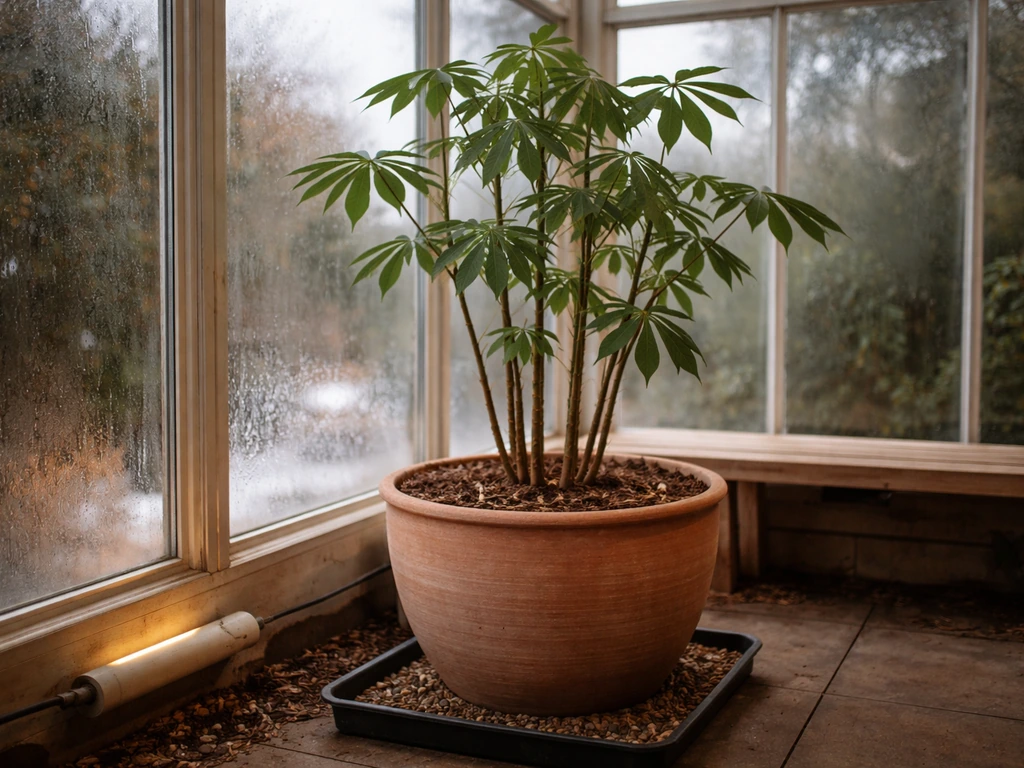
In most of the UK, that rules out outdoor growing almost completely. What you can realistically do is grow it as a conservatory or heated greenhouse plant, treat it as a warm-season container specimen, and potentially harvest roots if you give it enough heat and time. It takes commitment, the right setup, and a clear-eyed understanding of the odds.
Amaranth is a different crop, but you can often grow it outdoors in the UK during warmer months if you pick a suitable variety and manage watering and soil well.
What cassava actually is and why the UK makes it difficult
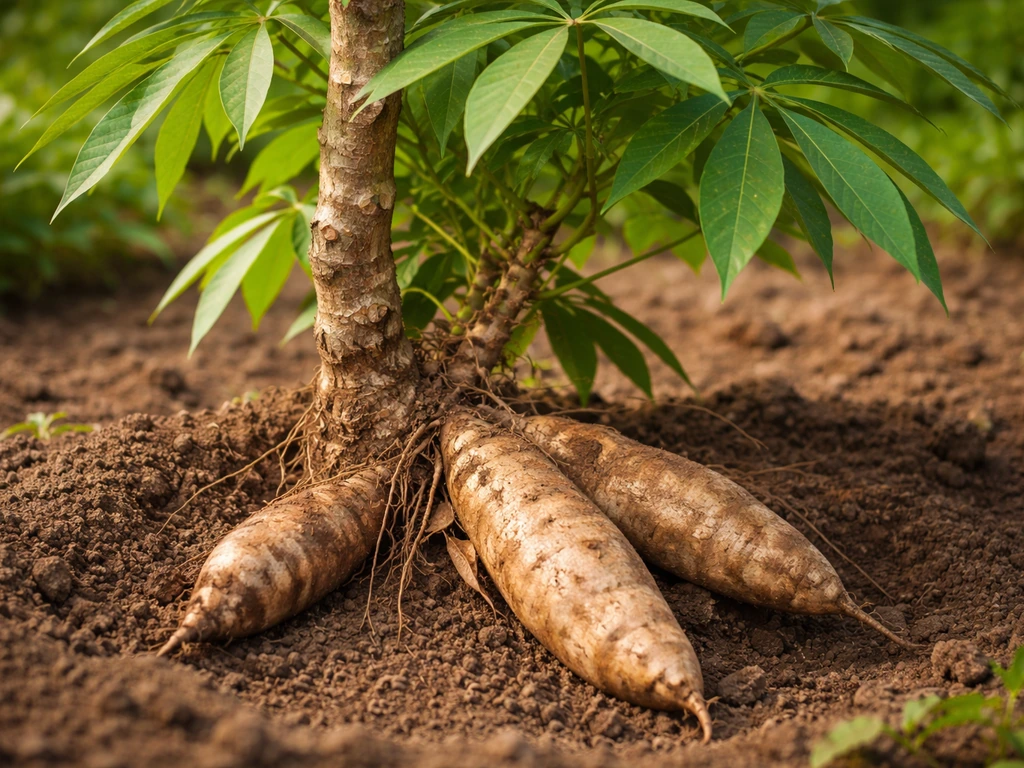
Cassava (Manihot esculenta), also called tapioca, is a woody shrub native to South America that produces large starchy tuberous roots. It is one of the world's most important staple crops, grown across tropical Africa, Asia, and Latin America. The plant can reach 3 metres or more in height and produces those familiar thick roots packed with starch, but only after months of sustained warmth at the root zone. The FAO puts peak starch content in roots at between 8 and 12 months after planting, and that is in a tropical environment averaging 25–27°C year-round. In the UK, you simply do not have that baseline temperature without artificial help.
The plant is frost-intolerant. Full stop. One hard frost and the stems and foliage will die back, and if the roots are not mature enough or well enough insulated, you can lose the whole plant. The UK averages around 55–61 air frost days per year nationally, and ground frost days average over 100. Even the warmest corners of the south coast and Scilly Isles will see freezing nights. That is the fundamental challenge: cassava needs more growing heat than a UK climate offers outdoors, for longer than a UK season allows.
UK climate feasibility: what the numbers actually say
Let's be specific about temperatures. Cassava growth slows noticeably below 20°C and effectively stops at around 10°C. Sprout emergence from planted cuttings requires a soil temperature of at least 12–17°C, and optimum sprouting and root development happens with soil temperatures closer to 25–30°C. Look at what a typical UK summer actually delivers: mean July temperatures in southern England sit around 17–19°C, with highs on warm days pushing into the low-to-mid 20s. In Scotland, mean summer temperatures are several degrees lower. That is at or below the minimum growth threshold for most of cassava's season, not the optimum.
Microclimates do matter here, as they do with other challenging crops like aloe vera or corn. The same idea applies to corn too, since it is also a warm-season crop and depends heavily on your ability to create suitable heat in the UK. A south-facing walled garden in Cornwall or a sheltered urban courtyard in London will run noticeably warmer than average, and the Met Office publishes location-specific long-term averages you can look up for your exact postcode area.
But even in the best UK microclimate, outdoor cassava is a stretch. The season is too short and the nights too cold. For anyone further north than the Midlands, outdoor cassava is essentially not viable. For everyone else, a greenhouse or conservatory is the sensible route.
One more thing worth flagging: avoid frost hollows. These are dips in the landscape where cold air pools at night, creating minimum temperatures significantly lower than the surrounding area. The Met Office explains that frost hollows can create colder minimum temperatures than the surrounding areas, making frost risk worse for frost-intolerant plants like cassava blank" rel="noopener noreferrer">frost hollows can create colder minimum temperatures than surrounding areas. The Met Office specifically identifies frost hollows as a microclimate hazard. If your garden sits in a valley bottom or a low-lying bowl, cassava (and indeed most tender tropical plants) will struggle even more.
The best ways to grow cassava in the UK
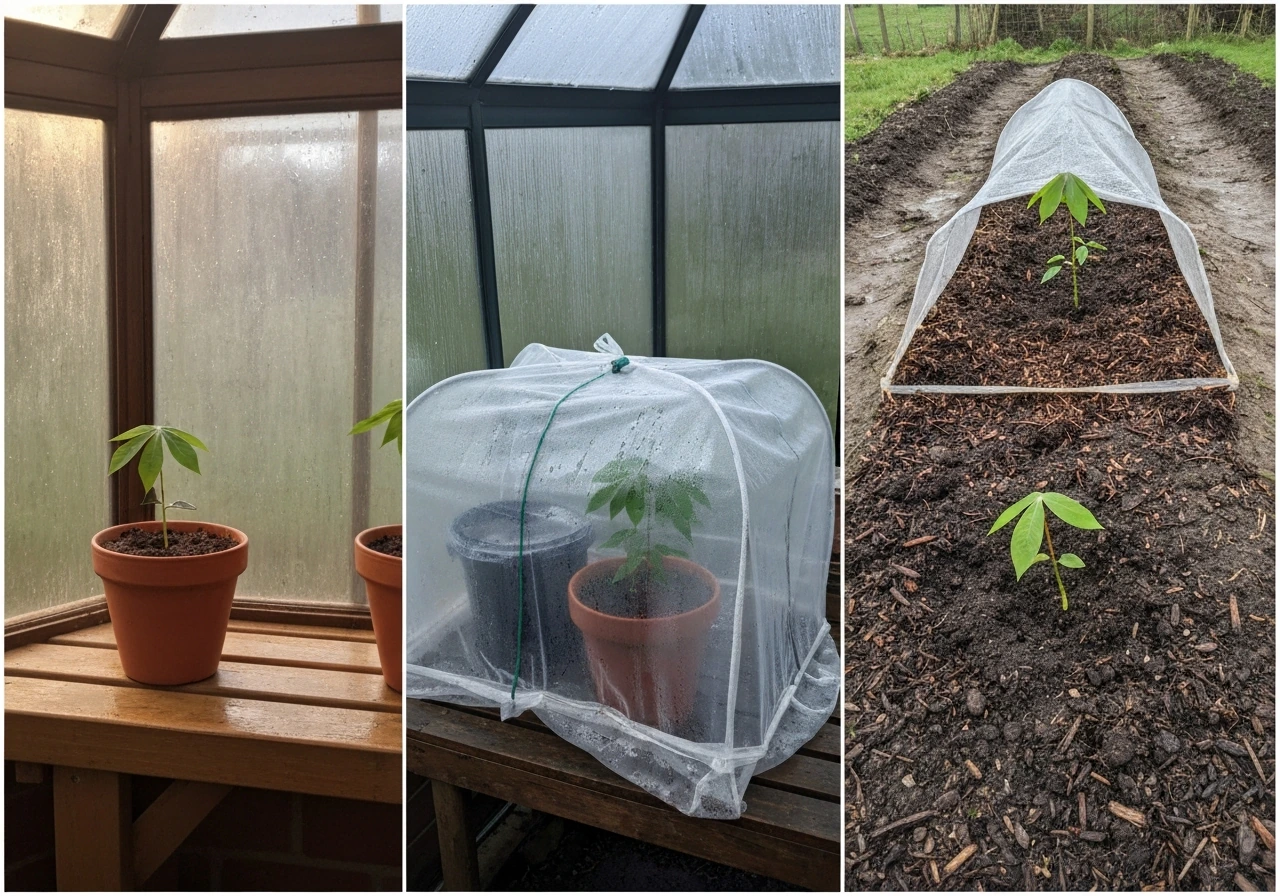
There are really three approaches, and they sit on a spectrum from realistic to optimistic. A heated greenhouse or conservatory is the only option that gives you a genuine shot at harvestable roots. An unheated greenhouse buys you some buffer (typically 3–5°C above ambient), which can extend your growing window and protect against light frosts, but it won't give you the sustained warmth cassava needs for root development unless summer cooperates unusually well. Open-ground outdoor growing in the UK should be considered a novelty experiment at best, not a food-production strategy.
| Method | Temperature reality | Root harvest likely? | Who it suits |
|---|---|---|---|
| Heated greenhouse / conservatory (min 15–18°C maintained) | Can sustain near-tropical conditions year-round | Yes, with patience and good management | Serious growers with infrastructure |
| Unheated greenhouse or polytunnel | 3–5°C above ambient; summer daytime highs possible, cold nights persist | Possible in a very warm UK summer, not reliable | Enthusiasts in southern England willing to experiment |
| Outdoor container, moved inside in winter | Full UK summer temperatures; below-optimum most of the time | Unlikely for roots; good foliage growth possible | Anyone curious about the plant itself |
| Open ground outdoors | Fully exposed to UK frosts and cool nights | Very unlikely; roots rarely mature before cold kills top growth | Not recommended except as a short-season trial in the far south |
If you have a heated conservatory that you keep above 15°C through winter and that gets genuinely hot in summer, you are in the best position of any UK grower. Cassava plants can be kept in large containers and moved as needed. Think of the approach more like growing a banana or a tree fern than like growing a potato: it is a tropical plant you are coaxing through a temperate climate, not a vegetable you are fitting into a standard allotment rotation.
Getting started: planting material, timing, and pots
Where to get cassava cuttings
Cassava is almost always propagated from stem cuttings, not seeds. You need woody stem sections from a mature plant, ideally 8–14 months old, taken from the middle portion of the stem (not the very tip, which is too soft, and not the woody base, which sprouts poorly). Cuttings should be 20–25 cm long, roughly 20–25 mm in diameter, and carry 5–8 nodes.
Infonet Biovision also specifies stem cuttings should be 20, 30 cm long, about 20, 25 mm in diameter, with 5, 8 nodes, preferably taken from the middle portion of stems of plants around 8, 14 months old stem cuttings should be 20–30 cm long, about 20–25 mm in diameter, with 5–8 nodes. In practice, sourcing these in the UK is the first hurdle.
Check specialist tropical plant suppliers, online marketplaces, and Caribbean or African grocery wholesalers, some of whom occasionally sell fresh cassava stems. Be aware that importing plant material can require phytosanitary documentation under UK plant health controls, so buy from reputable UK-based suppliers where possible to avoid paperwork and biosecurity issues.
When to plant and how to pot up
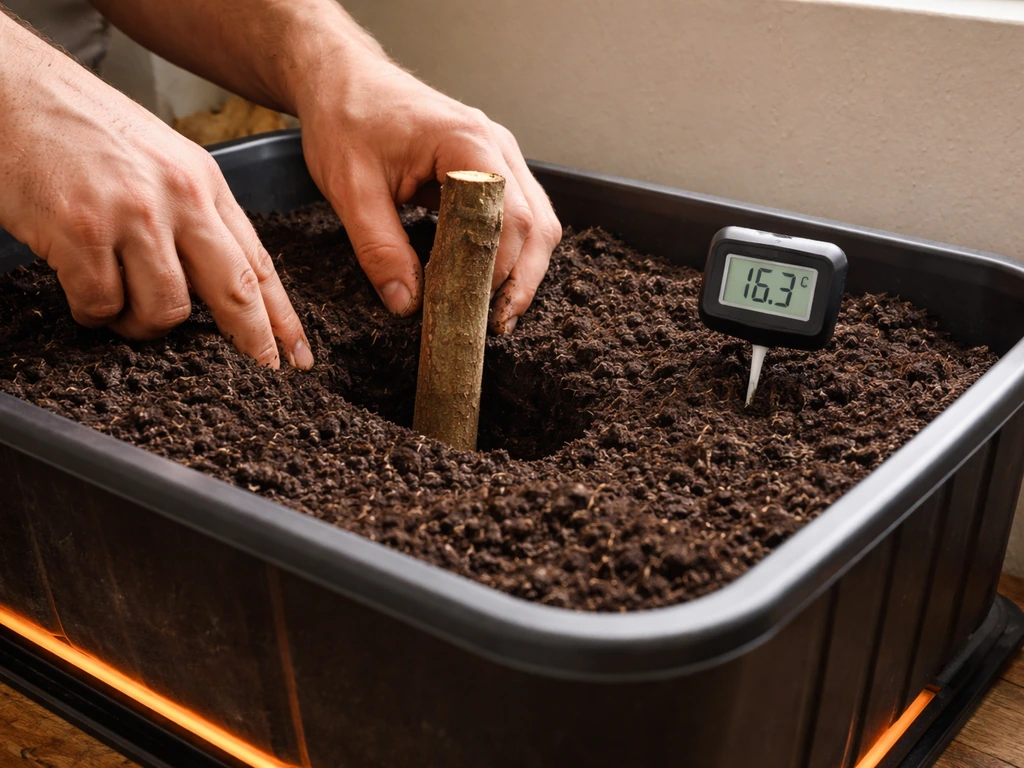
Given the UK season, the ideal time to start cassava cuttings is late March to April, inside, with bottom heat. Soil temperature at the point of planting needs to be at least 15°C and ideally above 18°C for good sprouting. A heated propagation mat under the pot is very helpful. Plant cuttings horizontally or at a slight angle (about 5–10 cm deep) in a free-draining mix: a combination of loam-based compost with added perlite or coarse grit works well. Drainage is non-negotiable because cassava roots rot quickly in waterlogged soil.
Start in a large pot from the beginning if you can. A 30–40 litre container is a sensible minimum for root development; cassava roots need space to expand. If you start in a smaller pot to save space, pot on quickly once the plant is actively growing. Use a pot with excellent drainage holes and raise it off the ground to prevent sitting water.
Looking after cassava through the UK growing season
Heat and light are your main management challenges. In summer, move container-grown cassava to the warmest, sunniest spot you have, ideally against a south-facing wall or inside a greenhouse where daytime temperatures can push into the high 20s or low 30s on good days. Cassava is a full-sun plant and will not thrive in shade. In an average UK summer you will get bursts of warmth rather than sustained tropical heat, so make the most of every hot spell.
Watering needs to be moderate and consistent. The plant is reasonably drought-tolerant once established, but in containers it will dry out faster. Water when the top few centimetres of compost feel dry, but never let it sit in standing water. Reduce watering noticeably if temperatures drop, because wet cold soil is the fastest route to root rot. Feed with a balanced liquid fertiliser every 2–3 weeks during the growing season, switching to a lower-nitrogen feed (higher in potassium and phosphorus) from midsummer onward to encourage root development rather than leaf growth.
If you are overwintering the plant (which is necessary if you want it to eventually produce roots), keep it in a frost-free space with a minimum of around 12–15°C. Growth will slow substantially in winter but the plant can survive. Cut back on watering significantly over winter and do not feed. Resume warmth, watering, and feeding in late February or March as temperatures rise.
Harvesting, storage, and why you must process cassava before eating it
When and how to harvest
In the UK, if you have managed to keep a cassava plant warm for 12 months or more, you can begin checking for root development. The roots form at the base of the stem, radiating outward, and a well-grown container plant should show signs of roots pushing at the sides or bottom of the pot. To harvest, tip the pot carefully and ease out the root ball, or in a raised bed, dig from outside inward to avoid slicing roots. When detaching roots from the plant, try to leave a short section of stem (2–5 cm) attached to each root, as this reduces the rate at which decay spreads from the cut neck.
Fresh cassava roots deteriorate very quickly, often within 2–3 days of harvest, so plan to use or process them promptly. Do not expect to store raw roots for weeks in a cupboard.
The safety issue: cassava contains cyanogenic compounds
This is not optional reading. Raw cassava roots contain cyanogenic glycosides, which can release hydrogen cyanide when the plant tissue is damaged or consumed raw. The level varies between varieties (sweet cassava vs. bitter cassava), but all cassava needs proper processing before eating.
Simply boiling fresh roots is not enough to reliably neutralise the toxins because the enzymes and glycosides involved behave in ways that boiling alone does not fully address. Traditional and effective processing methods combine peeling, grating or pounding, and then blank" rel="noopener noreferrer">fermenting, soaking, or drying the flesh, which together allow the cyanide to dissipate.
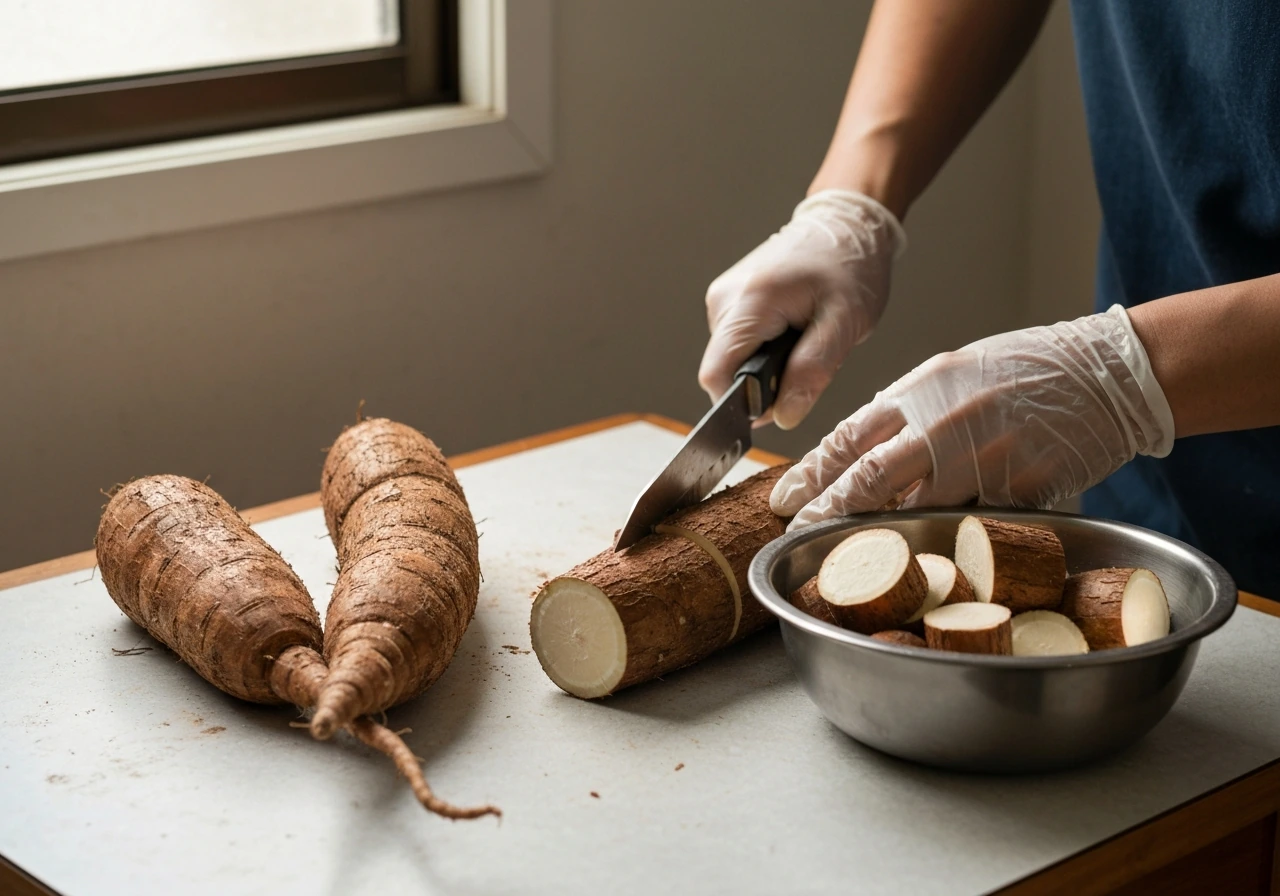
For home growers in the UK, the safest practical approach with sweet varieties is to peel thoroughly, grate or slice thinly, soak in water for several hours, drain, and then cook fully (boil, bake, or fry). Do not eat raw cassava. Do not feed it raw to animals either.
Why cassava fails in UK gardens and how to avoid it
Most UK cassava attempts fail for one of a handful of predictable reasons. Knowing them in advance saves a lot of frustration.
- Cold stress and frost damage: even a single night below 0°C will kill foliage and potentially the plant. Never leave cassava outside unprotected once September arrives, and bring it in earlier if a cold snap is forecast. Remember that an unheated greenhouse can still freeze in a sharp winter frost.
- Waterlogged soil and root rot: this is probably the most common killer in UK conditions. The combination of cool temperatures and damp compost is lethal. Use gritty, free-draining mix and pots with good drainage, and always reduce watering in cool weather.
- Insufficient heat for root formation: the plant may grow happily above ground but never produce proper roots if ambient temperatures are consistently below 20°C. If your greenhouse only hits 15–18°C on summer days, expect foliage growth and little root development.
- Season too short: even if everything goes right, a UK growing season starting in April and ending in October is only about 6 months, well short of the 8–12 months cassava needs for peak root development. This is why overwintering the plant across multiple years is the only realistic path to a proper harvest.
- Poor quality or dried-out cuttings: if your cuttings have desiccated, gone mouldy, or been stored incorrectly before planting, they will not sprout. Use fresh, firm cuttings with healthy nodes and plant promptly.
- Starting too late: if you plant cuttings in June or July you are losing precious warm months. Start in March or April with bottom heat to maximise your growing window.
Your practical next steps if you want to try this year
Since it is now June 2026, you have missed the ideal early-spring planting window, but it is not too late to start a plant this season if you act quickly. Here is what to do in the right order: You may also be wondering can you grow wheat in the UK, and the answer depends on local climate and sowing conditions.
- Source fresh cassava stem cuttings from a UK-based tropical plant supplier or a trusted online marketplace. Check that the stems are firm, green or light brown, not shrivelled or rotten, with visible nodes.
- Prepare a 30–40 litre pot with a free-draining mix (loam compost plus 30% perlite or coarse grit). Ensure multiple drainage holes.
- Place a heat mat under the pot and bring soil temperature to at least 18°C before planting. Plant the cutting horizontally at 5–10 cm depth.
- Position the pot in the warmest, sunniest spot available, ideally in a heated greenhouse or south-facing conservatory. Aim for daytime temperatures above 22°C.
- Water moderately and begin feeding with a balanced fertiliser once active growth is visible (new shoots emerging, usually within 2–4 weeks at correct temperature).
- Plan for overwintering: if you want harvestable roots, you need to keep this plant alive and warm through the 2026–27 winter. Identify your heated winter storage space now, before autumn.
- Switch to a lower-nitrogen, higher-potassium feed from August to encourage root rather than leaf development.
- Check for root development after 10–12 months of warm growth. Harvest carefully, use or process roots within 2–3 days, and always process fully before eating.
Growing cassava in the UK is a project rather than a crop, and it sits in similar territory to growing aloe vera or amaranth here: technically possible with the right setup, but requiring more management than a typical British kitchen garden vegetable. If you go in with realistic expectations, decent kit, and a willingness to treat it as a multi-year endeavour, there is genuine satisfaction in pulling up your own cassava roots from a British greenhouse. Just do not expect it to be easy, and absolutely do not skip the processing step before you eat them.
FAQ
Can I grow cassava outdoors in the UK if I choose the warmest spot in my garden?
If you do not have a heated conservatory or greenhouse, outdoor planting is not a dependable plan for roots. You can keep a cassava as a container in the warmest months, then overwinter it indoors in a frost-free space, but for harvesting tuberous roots you usually need consistent root-zone warmth for 8 to 12 months.
How long does cassava take to produce usable roots in UK conditions?
Plan for a multi-year setup. Many UK attempts fail because growers treat it like a normal seasonal crop, but cassava needs months of warm conditions after sprouting. If your winter is too cool, your plant may survive but root size and harvest timing will be poor.
What’s the easiest way to get cuttings to sprout in the UK?
Use bottom heat for propagation, because cold compost is the main sprouting bottleneck. Aim for soil temperatures at least around 15°C, ideally higher, and avoid using a dark, water-holding compost that stays cold at night.
Should I start cassava in a small pot and then up-pot, or go large from the beginning?
Start large if you can, because moving established plants risks breaking feeding roots and can delay root development. A 30 to 40 litre container is a sensible minimum, use excellent drainage holes, and raise the pot so excess water cannot pool under it.
How do I avoid root rot when growing cassava in a UK greenhouse?
Overwatering in cool weather is the fastest route to rot. In containers, water only when the top few centimetres dry out, reduce watering as temperatures drop, and keep airflow good so foliage dries between irrigations.
What lighting setup works best for cassava in a conservatory or greenhouse?
Light matters as much as heat. Cassava is a full-sun plant, so a bright conservatory spot that is shaded by trees or positioned far from the glass can slow growth. If your winter light is weak, expect slower growth and plan feed and watering accordingly.
Can I overwinter cassava in the UK without a heated greenhouse?
Yes, you can. Keep it frost-free and around 12 to 15°C overnight minimum, then reduce watering and stop feeding. Growth will slow, so you are managing survival through winter rather than pushing root growth until late winter or early spring.
What happens if cassava gets a light frost in the UK, even briefly?
Yes, but only if you can keep the root zone warm. If the pot goes through nights near or below freezing, the tender stems and growing tips will die back, and immature roots may not recover even if the top regrows later.
How do I know when my UK-grown cassava is ready to harvest?
Harvest timing depends on how long you kept it warm enough. A practical sign is roots pushing at the pot sides or bottom and the plant having spent roughly 12 months in active warmth. If you harvest too early, roots will be smaller and can spoil faster after cutting.
Is boiling cassava for a short time safe enough for the toxins?
If you are processing for eating, do not rely on boiling alone. Use the safe workflow for your variety, typically peel thoroughly, slice thin, soak for several hours, drain, then cook fully, and do not feed raw cassava to animals.
Can I harvest cassava and store the roots in the fridge for weeks?
Storage is very short. Fresh roots usually deteriorate within a couple of days, so harvest only what you can process promptly, and plan your grating, soaking, and cooking schedule before you lift the roots.
What should I look for when buying cassava cuttings in the UK?
Many suppliers only sell plants or cuttings intermittently. If you find fresh stem material, inspect for healthy, woody sections with nodes, and avoid taking very soft tips or overly old, damaged base sections, because sprouting quality drops.
What if I cannot manage to harvest roots, can I still grow cassava in the UK as a house or conservatory plant?
Cassava can be grown primarily as a specimen without harvesting roots, but it still needs the same warmth and light management to grow well. Expect a taller, bushier plant, and treat root harvesting as the long-term goal once your setup is reliable.
Next Article
Can You Grow Corn in the UK? UK Guide to Success
Learn if you can grow corn in the UK and get a step by step plan for UK timing, varieties, care, pests, and harvest.