Yes, you can grow amaranth in the UK, and it's genuinely worth trying. It's not a guaranteed, fuss-free crop the way kale or beans are, but with a sunny spot, a warm start indoors, and a bit of patience through our underwhelming springs, most UK gardeners can get a decent harvest of leaves and even grain by late summer. The key is treating it like the warm-season plant it is: don't rush it outside, don't put it in shade, and give it the sunniest corner of your plot. Yes, you can grow aloe vera in the UK too, but it will need warmth and shelter or container growing to avoid cold and damp.
Can You Grow Amaranth in the UK? How to Succeed
James Hartwell
20 Jun 2026
Quick UK verdict: will amaranth grow here?
Amaranth is an annual that loves heat and full sun. The RHS confirms it can be grown outdoors in the UK, but it's honest about the conditions it needs: full sun, a sheltered site, and consistent moisture. The main limitation in Britain isn't soil or rainfall, it's warmth and light, especially early in the season. In the South of England and other mild, sheltered spots, amaranth performs well outdoors from late May onwards. In Scotland, the North of England, and exposed sites, you'll get more reliable results using a polytunnel or greenhouse, or at least a very warm, south-facing microclimate.
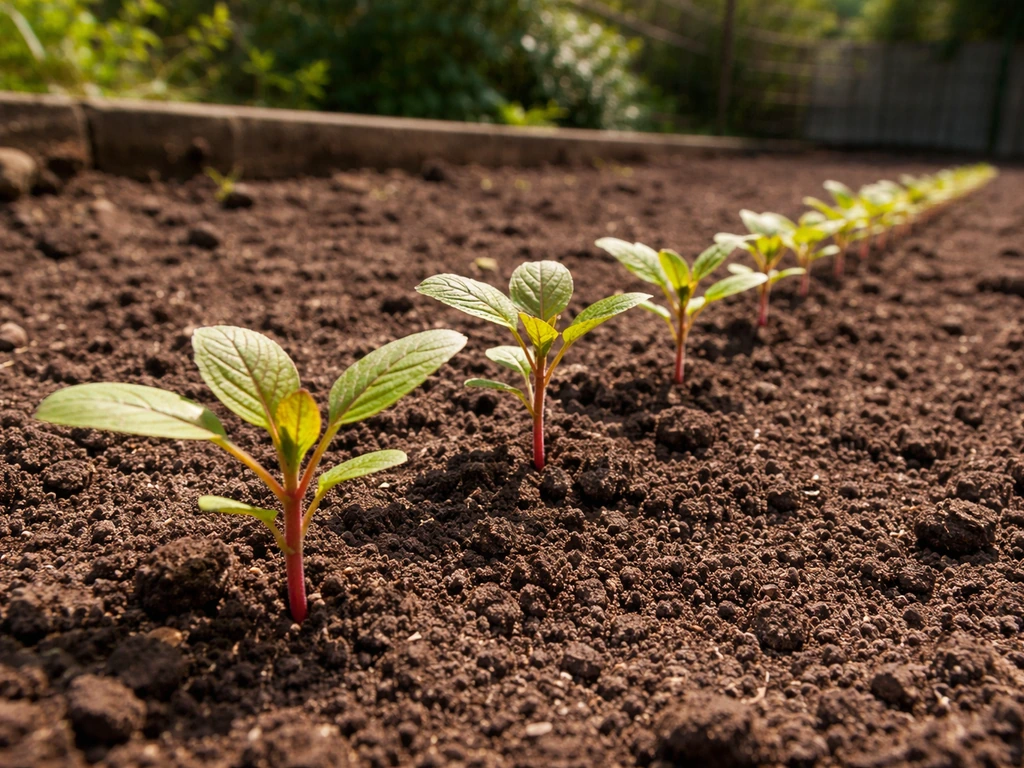
Even with quick germination (seeds sprout in 7 to 10 days), plants grow frustratingly slowly until mid to late April when UK light levels finally improve. This isn't a reason to avoid it, it's just a reason not to sow too early or expect fast progress in spring. Once summer arrives and temperatures pick up, amaranth takes off. It's genuinely a late summer crop in the UK, not a spring one.
Which amaranth to grow in the UK (leaf vs grain vs ornamental)
There are three main reasons to grow amaranth, and the right variety depends entirely on what you actually want from it. Getting this choice right makes a big difference to your satisfaction with the crop.
| Type | What you get | Best for UK use | Example varieties |
|---|---|---|---|
| Leaf amaranth (callaloo/bayam) | Tender young leaves for cooking, like spinach | Easiest and most rewarding for most UK growers | Amaranthus tricolor, A. dubius, A. cruentus |
| Grain amaranth | Seeds from dried seed heads, used like quinoa | Possible in warm UK summers, needs a long season | A. cruentus, A. hypochondriacus |
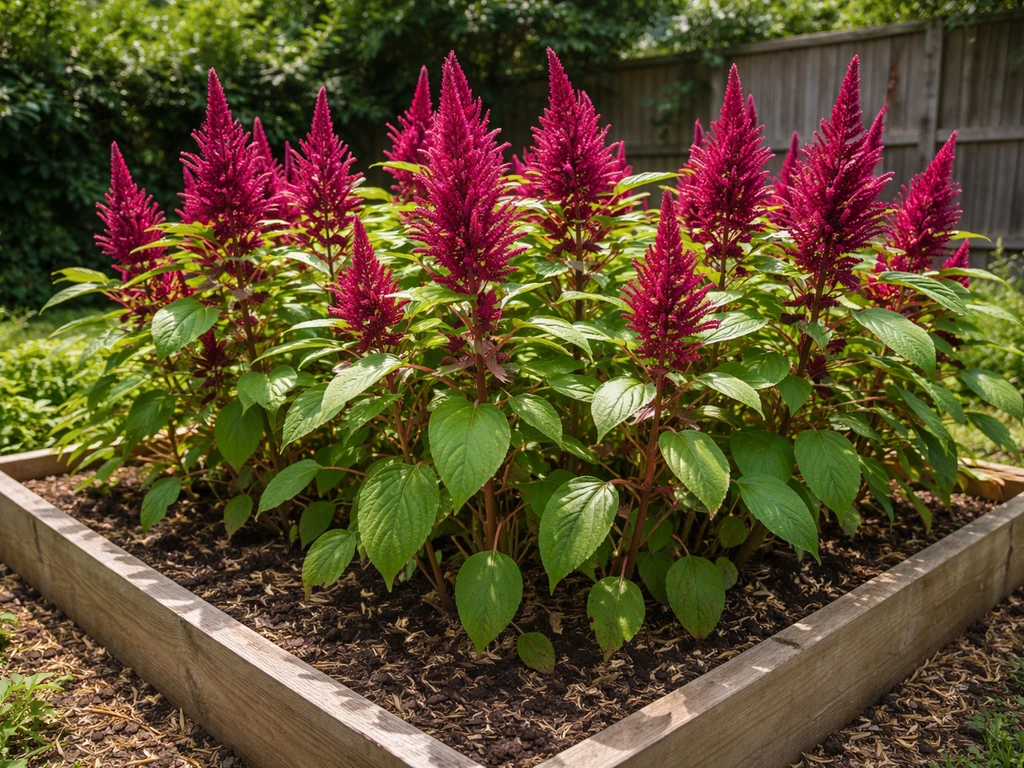
| Ornamental amaranth | Dramatic foliage and flowers for borders or pots | Very reliable outdoors in full sun from late May | A. caudatus (Love-Lies-Bleeding), 'Red Army' |
For most UK gardeners, leaf amaranth is the most satisfying choice. You get harvests from around 30 days after sowing, you can cut and come again, and you're not dependent on a long hot summer for the plant to reach full maturity. Grain amaranth is doable but is a bigger ask from a British season, and you need to time your harvest carefully before autumn sets in. Ornamental varieties like 'Love-Lies-Bleeding' or the RHS-recommended 'Red Army' are the least fussy and can look stunning in a sheltered border all the way through to early autumn.
When to sow in the UK (timing by conditions)
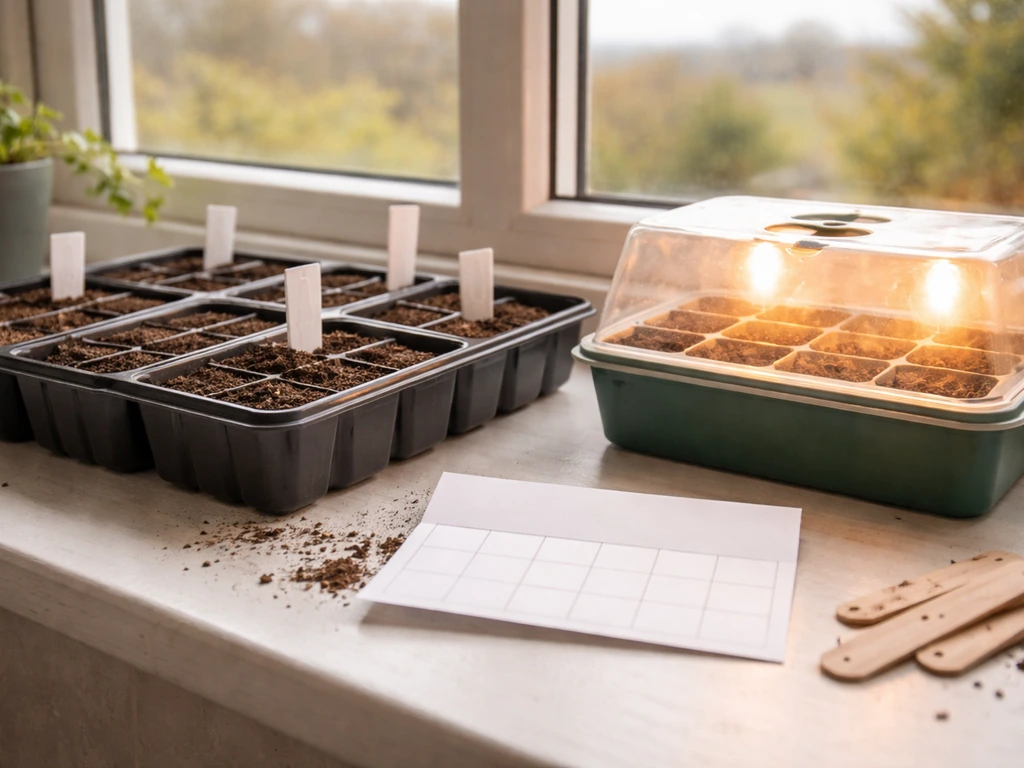
Timing is where most UK growers go wrong with amaranth, either sowing too early outdoors or not starting seeds indoors soon enough. Here's how to get the timing right.
- Sow indoors from mid-March to mid-May: March if you have a heated propagator or very warm windowsill, mid-April to mid-May if you're relying on ambient warmth. Garden Organic specifically recommends mid-April to mid-May for indoor sowing, because even though germination is fast, plants sown before mid-April often sit and sulk under low UK light.
- Don't direct sow outdoors until late May or early June: soil needs to be warm and night temperatures consistently above 10°C. In practice, this means late May at the earliest in the South, and June in the Midlands and North.
- For continuous leaf harvests: repeat sow monthly from April through to August. Each batch gives you another flush of young leaves a few weeks later.
- If you're using a polytunnel or greenhouse: you can start earlier in March and keep plants undercover all season if you want, which works especially well in northern regions or wet summers.
How to sow and grow (soil, light, watering, feeding)
Sowing the seeds
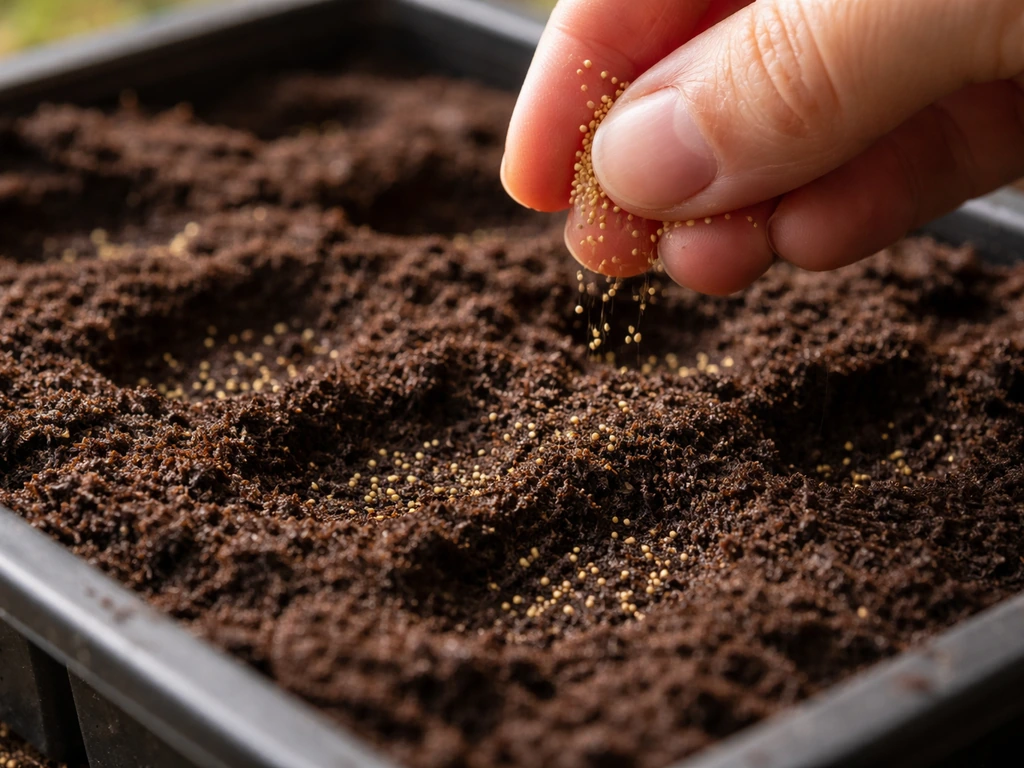
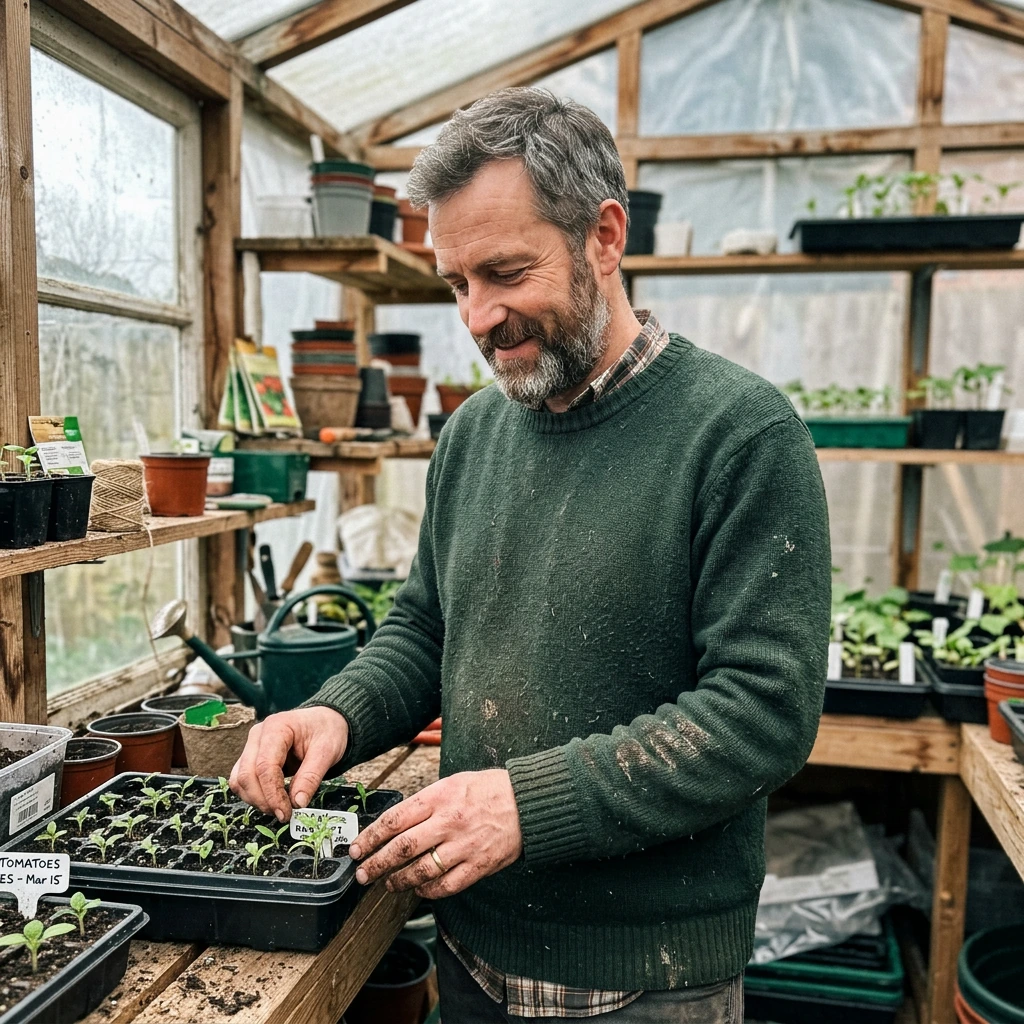
Amaranth seeds are tiny, which trips a lot of people up. Surface sow them onto a tray of fine, moist compost and press them lightly into contact with the surface rather than burying them. If you cover them at all, use the thinnest dusting of compost or vermiculite, no more than a few millimetres. Deeper sowing and poor germination often go hand in hand with this crop. Germination happens in 7 to 10 days in warm conditions, ideally around 20°C. Once seedlings have a couple of true leaves, prick them out into individual modules or small pots to grow on before transplanting.
Transplanting and spacing outdoors
Transplant outdoors in May once the frost risk has passed and the soil has warmed. Space plants around 50cm apart for grain or ornamental types. For leaf amaranth you can plant more closely, around 25 to 30cm, and thin the seedlings progressively as you harvest. If you're direct sowing outdoors in late May, sow seeds 5mm deep in rows about 50cm apart and thin to 25 to 35cm apart once plants are established.
Soil, sun, and shelter
Amaranth prefers a moderately fertile, humus-rich soil with a pH around 6.0 to 7.5. It's not fussy about soil type as long as it drains reasonably well and doesn't get waterlogged. Full sun is non-negotiable: the RHS is direct about this, warning that plants in shade show weak growth and poor foliage colour. A sheltered site matters too, because wind damages the large leaves and can knock over taller varieties. Think south-facing wall or fence, the warmest corner of an allotment, or the bed that gets sun from morning to evening.
Watering and feeding
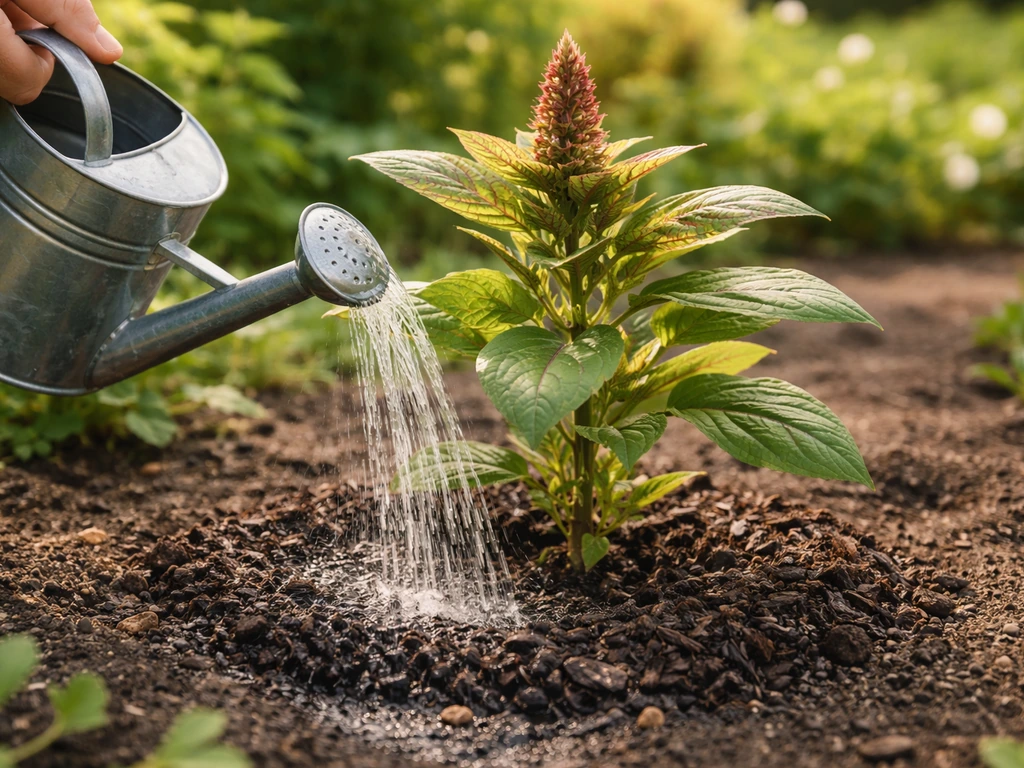
Water freely during summer, especially during dry spells. Amaranth likes consistent moisture but doesn't want to sit in wet soil. A mulch around the base helps retain moisture and keeps weeds down, which matters early on when seedlings are small and slow. In terms of feeding, amaranth isn't a heavy feeder. If you've improved the soil with compost before planting, you may not need to add much. On very poor soils, a balanced general fertiliser or a liquid feed every few weeks during peak growth will help. Avoid excess nitrogen if you're growing for grain, as it pushes leafy growth at the expense of seed heads.
Container, greenhouse/polytunnel, and microclimate options
If your outdoor space is limited or your climate is marginal, amaranth adapts well to different growing setups. Containers work fine for leaf types and ornamentals: use a pot at least 30cm in diameter, good quality potting compost, and water more frequently than you would in the ground. Containers warm up faster than open soil in spring, which is a genuine advantage in the UK.
A polytunnel or greenhouse is the single biggest upgrade you can make for growing amaranth in the UK. Vital Seeds, who specialise in UK growing, are upfront about this: amaranth genuinely thrives in the hot and humid conditions that undercover growing provides, especially in cooler regions. In a polytunnel you can start earlier, grow the plants through to full grain maturity more reliably, and avoid the leaf damage that heavy rain can cause. Cornell High Tunnels research shows amaranth grows best at day temperatures around 21 to 32°C, which is easier to achieve undercover in the UK than outside.
If you're gardening outdoors without a polytunnel, microclimate is everything. A south-facing wall stores heat and creates a warmer growing pocket that can add weeks to your effective season. This is the difference between amaranth that's merely alive and amaranth that's genuinely productive. In Cornwall, South Wales, and sheltered urban gardens in London and the South East, outdoor growing outdoors is very achievable. In exposed gardens in the North or Scotland, I'd strongly recommend undercover growing or at least a cloche over plants in early and late season.
Common problems in UK gardens (pests, diseases, slow growth)
- Slow growth in spring: The most common complaint. Plants germinate quickly but then seem to do nothing for weeks. This is almost always a light and temperature issue, not a problem with your plants. UK light levels are too low in early spring to push fast growth. Wait for late April onwards and you'll see the difference.
- Aphids: The most likely pest problem. Check shoot tips and leaf undersides regularly. A blast of water from a hose knocks colonies back, and you can also use insecticidal soap if infestations build up. Aphids tend to be worse in hot dry spells.
- Slugs and snails: Young transplants and seedlings are vulnerable, especially after rain. Copper tape around containers helps, and low-toxicity iron phosphate pellets (like Sluggo) are effective and wildlife-friendly. Raised beds reduce slug pressure significantly.
- Damping off: If seedlings collapse at the base before they get going, this is usually damping off caused by soggy compost and poor air circulation. Use fresh, well-draining compost for seed sowing and don't overwater. It's more of an indoor sowing problem than an outdoor one.
- Poor leaf colour or leggy growth: Almost always a sign of not enough sun. Move to a sunnier spot. There's no quick fix if the site is fundamentally shady.
- Failure to set seed (for grain amaranth): If your summer is short or cool, grain heads may not ripen fully before autumn. This is where a polytunnel pays off, because you can push the season further than outdoors allows.
Harvesting in the UK (leaf/grain timing)
Harvesting leaves
Leaf amaranth can be harvested from around 30 days after sowing, depending on how you're using it. For young salad leaves, start picking when plants are 15 to 20cm tall. For cooked greens like callaloo, wait until the leaves are larger and more developed, which is typically 6 to 8 weeks after sowing. Always pick from the top of the plant to encourage bushy regrowth. If you remove flowerheads as they form, the plant keeps producing fresh leaves for several more weeks. This is one of the best tricks with amaranth: delay flowering and you extend your leaf harvest significantly. Once you allow plants to flower and set seed, leaf quality and quantity decline.
Harvesting grain
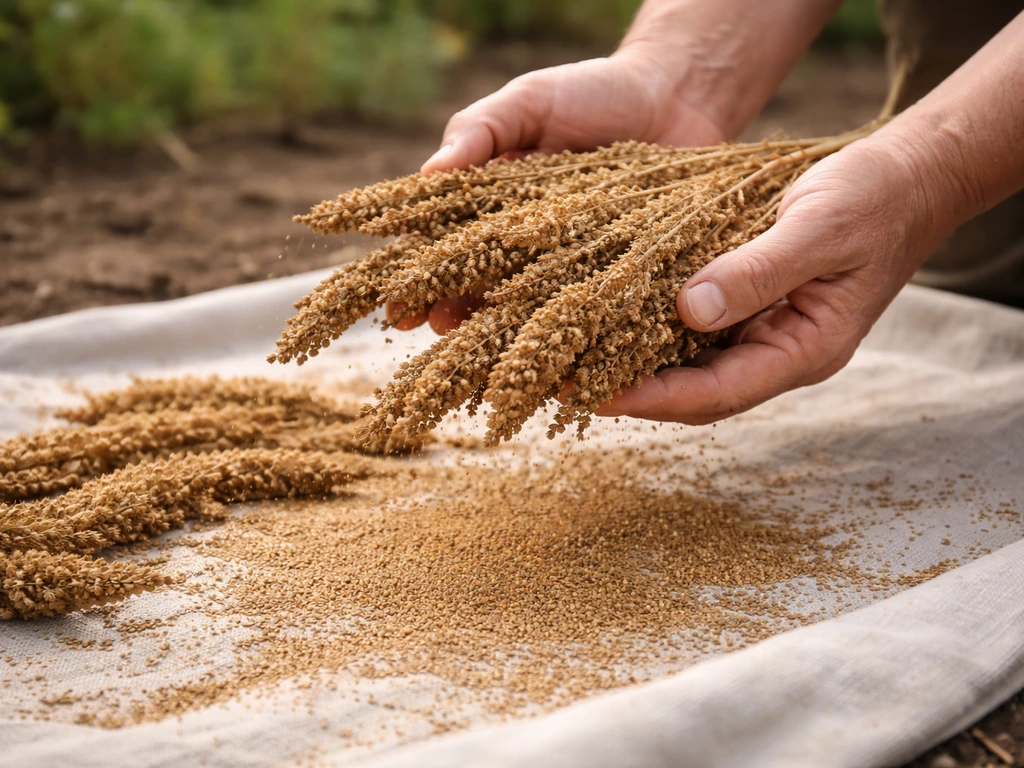
For grain harvest, you need patience and a bit of luck with the weather. The seed heads are ready when they start to feel dry and the seeds begin to release easily when you run a hand along the stem. Garden Organic recommends harvesting seed heads on a dry day, ideally after about 10am when the dew has dried off, and before the seed drops naturally later in the day. Cut the seed heads into a paper bag or over a tray and allow them to dry further indoors before threshing. In the UK, this typically happens in August or September, so starting your plants early indoors in March gives you the longest possible growing season to reach this point.
Ornamental varieties
For ornamental types, deadheading prolongs the display, but if you want dried flower heads for indoor decoration, cut the stems before the seeds start to drop. Amaranth flowers from midsummer to early autumn, so you have a good window. Cut in the morning on a dry day and hang the stems upside down in a warm, airy space to dry.
Troubleshooting and next steps for your garden
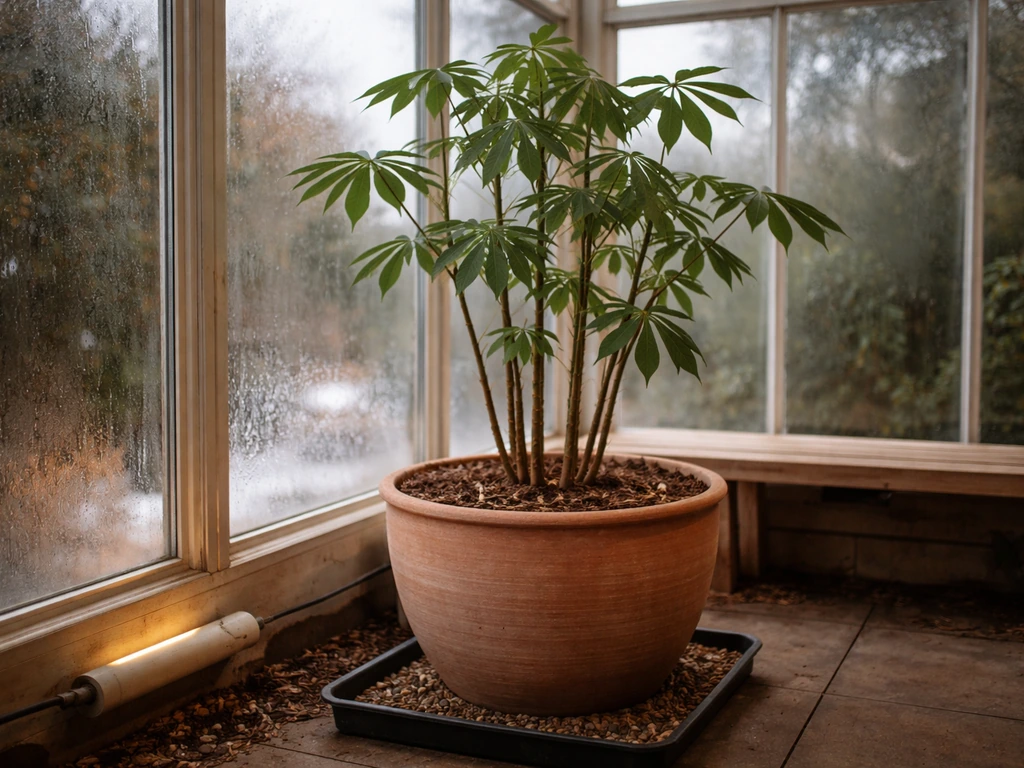
If you're reading this in June and haven't sown yet, don't worry. You can still sow leaf amaranth indoors now and get a harvest by August. You can use similar timing and warm-shelter thinking when planning to grow cassava in the UK. Surface sow into a warm tray, keep it somewhere that gets at least 20°C (a sunny windowsill works), and transplant into your sunniest spot in a few weeks. You won't be getting grain this season if you're starting late, but leaf harvests are very achievable.
If your plants germinated but are sitting there looking small and unbothered, give them more heat and light rather than more water. Move them closer to a window, put them in a cold frame or unheated greenhouse to accumulate warmth, and wait for late spring sunshine to do its job. Watering more is usually the wrong instinct with sluggish amaranth. Can you grow corn in the UK depends on warm, sunny conditions and timing, so it helps to plan around your local season.
For anyone with a polytunnel or greenhouse who hasn't grown amaranth undercover yet, it's worth experimenting this season. The improvement in growth rate and final plant size compared to outdoors in an average UK summer is noticeable. Northern growers especially, this is the route I'd recommend rather than struggling with outdoor conditions.
If you're exploring other warm-season crops alongside amaranth, you'll find similar themes: corn and cassava both share that same dependence on a warm start and a long, mild summer to really perform in the UK. Can you grow wheat in the UK? Wheat is a cooler-season crop, so it follows a different timing and growing approach than warm-season plants like amaranth. Aloe vera is a different challenge entirely, more about frost protection than heat. The honest answer for all of them, as with amaranth, is that microclimate and season management matter far more than the UK's reputation for bad weather.
- Choose your type: leaf amaranth for reliable results, grain for an adventurous longer project, ornamental if you want something beautiful with less pressure.
- Start seeds indoors from mid-April (or March with a heated propagator), surface sowing into warm, moist compost.
- Transplant outdoors in May after the last frost, into the sunniest, most sheltered spot you have.
- Water consistently through summer, remove flowerheads to extend leaf harvests, and repeat sow monthly through August for continuous supply.
- If growth is slow or the season is short, move operations undercover into a polytunnel or greenhouse for a noticeably better result.
FAQ
Can you grow amaranth in the UK outdoors without a greenhouse or polytunnel?
Yes, but plan for a later start. In many UK gardens, reliable results come from sowing or transplanting after late May into the sunniest sheltered corner you have (south-facing wall or fence). If you get cool, windy weather in early summer, expect slower leaf growth and protect young plants with a cloche for a few weeks.
What’s the best UK temperature to start amaranth seeds indoors?
Aim for consistent warmth around 20°C for germination, then keep seedlings bright. After they have true leaves, moving them closer to a south- or west-facing windowsill (or under grow lights) matters more than extra heat, because weak light often leads to leggy, slow plants.
Why do my amaranth seedlings fail after they germinate?
The most common cause is inconsistent moisture at the surface after sowing. Because seeds are sown very shallow, they can dry out quickly in trays, leading to weak growth. Water gently from below if possible, and avoid soaking the compost to the point it stays wet.
Can amaranth be grown in the UK in shade or partial sun?
It will usually survive but tends to underperform. For good foliage colour and vigorous growth, treat full sun as non-negotiable. If you only have part shade, consider growing ornamental or leaf types in large containers you can move to the brightest spot each day.
Is amaranth suitable for containers in the UK, and how big should the pot be?
Yes, especially for leaf and ornamental types. Use at least a 30cm diameter pot, and use a compost that drains well. Container plants dry out faster, so you may need more frequent watering than in-ground, but still avoid waterlogged compost.
Can you grow amaranth from seed that you save at home?
You can, but check that your plant actually set seed (leaf harvesting and removing flowerheads prevents seed). Also, if the variety is ornamental, home-saved seed may produce variable looks and maturity times, so for predictable leaf harvests it’s safer to buy seed or save from a known grain or leaf line.
How do you extend the leaf harvest and prevent the plant becoming too bitter?
Delay flowering by harvesting regularly from the top, cutting frequently enough that the plant keeps sending out new side shoots. Once plants start setting seed, leaves generally decline in quantity and often become less tender, so switch to more frequent picking as soon as flowerheads appear.
Should you fertilise amaranth in the UK, and what should you avoid?
If you prepared the bed with compost, you may not need much additional feeding. Avoid high-nitrogen fertilisers when growing for grain, because they push leafy growth over seed head development. For leaf harvests on poor soil, a light balanced feed during peak growth is usually enough.
How do you know when amaranth seed heads are ready in the UK?
Look for seed heads that feel dry and start to release seeds easily when you gently run your hand along the stem. Harvest on a dry day, ideally after morning dew has dried, then dry seed heads indoors further before threshing to reduce mould risk.
What should you do if your amaranth is small and looks stuck in June?
Treat it as a light and warmth problem, not a watering problem. Move plants closer to the brightest window, use a warm microclimate (heat-trapping wall), or grow under a cloche or unheated greenhouse briefly. Additional water often makes sluggish growth worse if the roots stay cool.
Can you grow amaranth late in the season for leaf harvest in the UK?
Yes. If you sow later, focus on leaf types and accept that grain will likely not happen. Late starts can still produce edible leaves by August if you start indoors on a warm tray, transplant into a sunny spot, and keep moisture consistent while the plants build size.
Are there common pests or diseases to watch for when growing amaranth in the UK?
The main issue in practice is stress from bad conditions (cold, shade, waterlogging) rather than a single widespread disease. Keep seedlings sheltered from wind, water at the base, and ensure airflow in polytunnels to reduce the chance of fungal problems during humid spells.
Next Article
Can You Grow Cassava in the UK? Setup and Steps
Learn if you can grow cassava in the UK, with container or greenhouse setup, warm targets, planting steps, and harvest b