No plant grows absolutely everywhere in the UK without some help, but a solid shortlist of vegetables, herbs, soft fruit, and hardy ornamentals will perform reliably across the vast majority of British gardens: clay or sand, coastal or inland, north or south. Kale, broad beans, garlic, onions, raspberries, blackcurrants, mint, chives, hardy geraniums, and lavender are the ones to start with. Give them the right basic prep and most UK gardens will reward you. If you want a bigger selection beyond the basics above, see what plants grow in the UK for more options matched to typical British conditions.
Plants That Will Grow Anywhere in the UK: 50 Resilient Picks
James Hartwell
8 Jun 2026
What 'grow anywhere in the UK' really means (and what to expect)
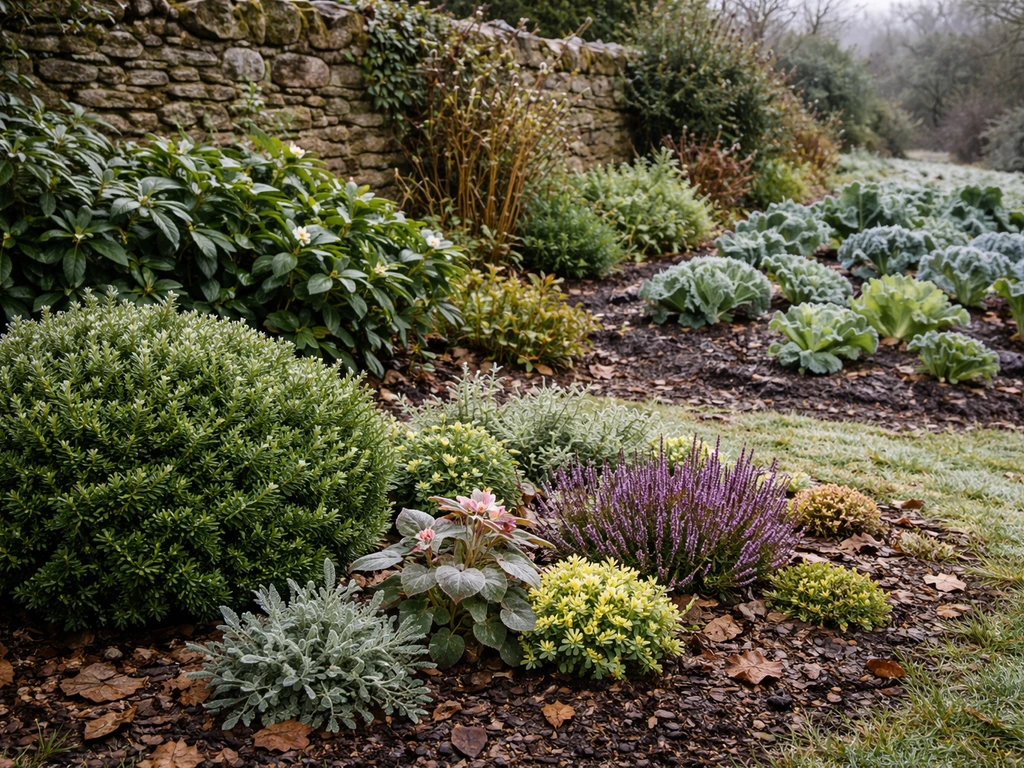
The UK is not one garden. Aberdeen and Penzance have completely different growing seasons, frost windows, and rainfall patterns. A south-facing slope in Cornwall can feel almost Mediterranean in a warm summer; a frost pocket in the Scottish Borders can lose tender plants that would sail through winter on the South Coast. So when people ask which plants grow anywhere in the UK, what they really mean is: which plants are tough enough to handle the full range of British awkwardness, wet winters, variable summers, late frosts, heavy clay, coastal wind, or deep shade?
The honest answer is that there is a reliable tier of plants that will succeed in most UK gardens with basic preparation, a middle tier that will work in the majority of spots with a bit more attention, and an experimental tier that is genuinely interesting but where failure is part of the deal. This guide focuses on the first two tiers. If you are curious about pushing further into exotic or tropical territory, that is a different conversation worth having separately.
Set your expectations at a practical level: even the hardiest plants have preferences. Kale does not love waterlogged clay. Mint does not love baking dry gravel. But within the normal range of UK conditions, these plants are forgiving enough that a beginner, with a bit of soil prep and sensible timing, will almost certainly succeed.
Quick garden check: sun, frost risk, soil and drainage, wind and shade
Before you plant anything, spend ten minutes working out what your garden actually offers. You do not need a soil lab or a weather station. A few simple observations will tell you most of what you need to know.
Sunlight and aspect
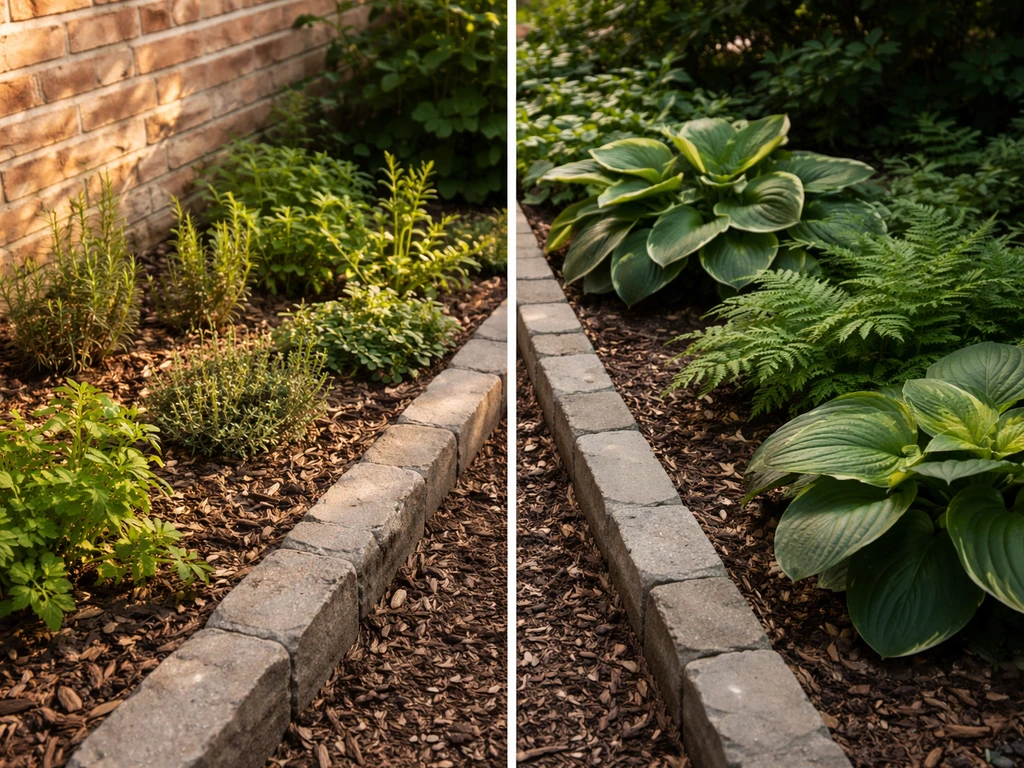
Watch which direction your main growing area faces. South-facing is the gold standard for sun-lovers like fruit trees and herbs. North-facing beds get far less direct sun and are better suited to shade-tolerant crops like salad leaves, mint, and some hardy ferns. East and west-facing spots fall in the middle. A south-facing wall is particularly valuable: it stores heat during the day and releases it overnight, which the Royal Meteorological Society notes can meaningfully reduce frost risk right next to the wall.
Frost pockets and frost risk
Cold air sinks and pools in low-lying areas, hollows, and the bottoms of slopes. The RHS flags these frost pockets as a significant hazard because they can cause late spring frosts and early autumn frosts that dramatically shorten your growing season. If your garden dips into a hollow, plant your most frost-sensitive crops elsewhere, or raise them in containers that you can move under cover. The rest of us can usually plant reliably hardy crops from March onwards, with tender things going out after the last frost date for your area, typically mid-May in most of England and Wales, and late May into June in Scotland and exposed northern areas.
Soil type and drainage
Grab a handful of slightly damp soil and squeeze it in your palm. If it forms a sticky, shiny ribbon when you push it between your thumb and finger, you have clay. If it feels gritty and falls apart, you have sandy soil. A smooth, moist ball that holds its shape but is not shiny suggests loam, which is what most plants want. The RHS points out that soil type can change considerably over just a few metres in the same garden, so check in more than one spot. Drainage matters enormously: waterlogged roots kill plants faster than frost in many cases, and clay soils are the biggest culprit.
Wind exposure
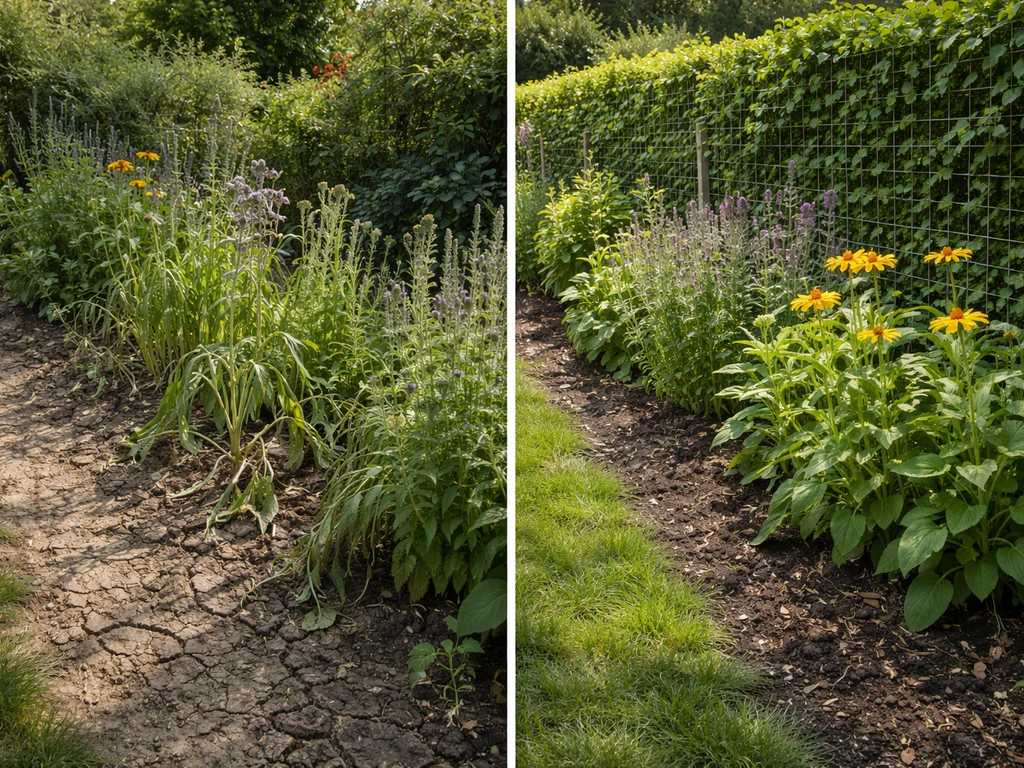
Wind is underestimated as a plant killer. It accelerates moisture loss, breaks stems, and in coastal gardens can carry damaging salt spray. The RHS notes that exposure can impair growth and topple plants. If your garden is exposed, especially on the coast or on higher ground, factor in a windbreak, a hedge, fence, or even a row of tough shrubs, before you invest in more delicate crops.
Ultra-reliable plants for most UK gardens: vegetables and herbs
These are the plants I would recommend to anyone starting out, regardless of where in the UK they are gardening. They tolerate a wide range of soil types, handle typical British winters, and crop reliably without much fuss. If you are wondering which plants are illegal to grow in the UK, it is worth checking the latest UK rules before you plant anything new.
Kale
Kale is about as tough as UK vegetables get. The RHS describes it as one of the hardiest leafy vegetables, giving plentiful pickings through autumn, winter, and spring. It handles clay, tolerates light frost, and keeps cropping when other vegetables have long given up. Sow seeds in May or June, transplant in July, and you will be harvesting from October through March. Varieties like 'Nero di Toscana' (cavolo nero) and 'Redbor' are particularly reliable. Pick outer leaves regularly to keep new growth coming.
Broad beans
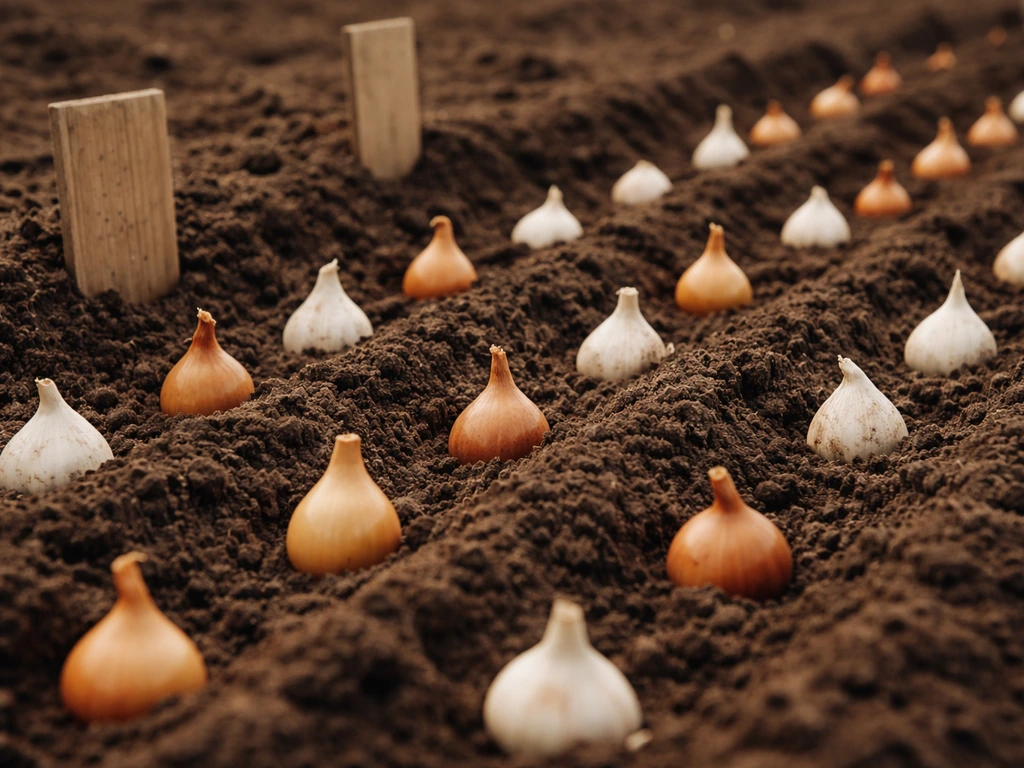
Broad beans are one of the few crops you can sow in autumn and leave to overwinter. The RHS recommends hardy varieties like 'Aquadulce Claudia', which can go in the ground in October or November and will sit quietly through winter before surging away in spring. The main requirement is free-draining soil: waterlogged roots are the one thing broad beans genuinely cannot handle. If your soil is heavy clay, sow in modules indoors in February and plant out in March once conditions improve.
Onions and garlic
Onions from sets (small bulbs) are far more reliable for most beginners than growing from seed. The RHS recommends looking for AGM-awarded varieties, which have been trialled for consistent performance. Plant sets in March or April, pointed tip just above the soil surface. For garlic, autumn planting between October and December gives the best results, November is the sweet spot, as the cold period helps bulbs develop. Both crops are low maintenance once in the ground and store well after harvest.
Hardy brassicas: winter cabbage and sprouting broccoli
Winter cabbages, particularly 'January King' types, genuinely shrug off frost. The RHS highlights these as reliable winter crops that sit in the ground unfazed by typical UK cold. Purple sprouting broccoli is equally tough, going in as young plants in summer and cropping in late winter and early spring exactly when fresh vegetables are hardest to come by. Both need reasonably firm soil (not too loose or fluffy) and protection from pigeons, which will strip them bare given the chance.
Mint and chives
Mint is almost unkillable in the UK. If you are also wondering about houseplants like money plants, check whether they can money plants grow outside in the UK and how to overwinter them safely. It tolerates shade, clay, and neglect, and will happily spread if you let it. Grow it in a container sunk into the ground to control its ambitions. Chives are similarly tough, come back reliably each spring, tolerate most soil types, and also produce attractive purple flowers that pollinators love. Both herbs are genuinely multi-condition plants that will perform almost anywhere.
Sage
Sage is reliable across most UK gardens but it does have one requirement: good drainage. The RHS is clear that excess winter wet can rot the roots. If your soil is heavy, grow sage in a pot or raised bed. In a sheltered, sunny, free-draining spot it will thrive for years with almost no attention. Move container-grown sage to a sheltered spot near a wall in winter to keep rain off the crown.
Peas
Peas are slightly less forgiving than the others on this list but still very achievable. Sowing indoors in modules (peat-free multi-purpose compost) in March before planting out avoids the slug damage that devastates direct-sown peas. They prefer a sunny spot and reasonable drainage, but they are cool-season plants that suit the British climate well. 'Kelvedon Wonder' and 'Feltham First' are particularly reliable for early sowings.
Hardy perennials, ornamentals and shrubs that cope with UK weather
If you want plants that go in once and come back year after year without much intervention, the UK has a huge range of options. The key is choosing genuinely hardy perennials rather than plants that are technically capable of surviving outdoors but need ideal conditions to do so.
- Hardy geraniums (cranesbills): genuinely tough across almost all UK conditions, tolerating clay, shade, drought, and coastal exposure. Varieties like 'Rozanne' flower for months.
- Lavender: thrives in sunny, well-drained spots and is excellent for coastal and south-facing gardens. Needs trimming after flowering to stay compact. Avoid waterlogged clay.
- Echinacea (coneflower): a reliable perennial for most UK gardens, especially on free-draining soils. Flowers July to September, loved by bees and butterflies.
- Rudbeckia (black-eyed Susan): tolerates most soil types including clay, flowers reliably in late summer and autumn, and is one of the most forgiving garden plants available.
- Alchemilla mollis (lady's mantle): works in sun or shade, on clay or loam, and self-seeds happily. A workhorse edging plant throughout the UK.
- Hebes: evergreen shrubs that are excellent for coastal gardens and cope with wind exposure. Hardy varieties like 'Autumn Glory' survive most UK winters.
- Buddleja (butterfly bush): fast-growing, tolerates poor and dry soils, and comes back hard even after severe pruning. Thrives across most of the UK.
- Forsythia: one of the first shrubs to flower each spring, tolerates most soils including clay, and is reliably hardy across the whole UK.
- Cornus (dogwood): grown for coloured winter stems, dogwoods are incredibly tough, thrive in clay and wet soils, and perform well even in northern gardens.
For shade, add hostas (outstanding in clay and damp conditions), astilbes (love moisture and partial shade), and ferns like Dryopteris filix-mas (male fern), which will grow in deep shade under trees where almost nothing else will. For something more unusual and equally tough, consider pulmonaria, which flowers in late winter and handles both clay and dry shade.
Soft fruit and fruit trees: what works widely and how to manage risk
Fruit is where things get a little more location-dependent, but there are still some very reliable options for most UK gardens.
Raspberries
Autumn-fruiting raspberries are the easiest option across the UK. Varieties like 'Autumn Bliss' or 'Joan J' fruit from late August into October, and their pruning is simple: cut everything down to the ground in February. The RHS provides clear guidance on separate pruning strategies for autumn versus summer varieties, but for a beginner, autumn types are the obvious starting point. Plant bare-root canes from November onwards. They tolerate most soils but prefer a slightly acidic, well-drained site.
Blackcurrants
Blackcurrants are, as the RHS puts it, generally robust and trouble-free. Once established, they need little more than annual winter pruning and a mulch of compost in spring. They tolerate heavier soils better than most soft fruit and are reliably hardy across the UK including Scotland. Plant bare-root bushes from November to March.
Strawberries
Strawberries are reliable but have two specific risks to manage. The first is late frosts, which the RHS warns can damage open flowers and cause the centre to turn black (the so-called 'black eye' problem), ruining that year's fruit. Avoid planting in frost pockets. The second risk is fungal problems: the RHS advises not wetting the crown and keeping developing fruit off wet soil, either using purpose-made mats or straw tucked underneath. Net them once berries start to colour, as birds and squirrels will take every ripe fruit you do not protect.
Rhubarb
Rhubarb is one of the UK's most reliable perennial crops. Plant crowns between November and March, give them a sunny open position (the RHS is clear that rhubarb does not thrive in shade), and leave them largely alone for the first year to establish. From year two onwards they will produce for decades. They handle wet winters, clay soils, and cold temperatures extremely well.
Apple trees
A well-chosen apple tree on a dwarfing or semi-dwarfing rootstock is achievable in most UK gardens, including small ones. The RHS recommends choosing AGM cultivars, which have been trialled for reliable performance, and checking pollination compatibility: most apples need a second variety nearby to crop well, although some are self-fertile. Plant bare-root trees from November to March. On a dwarfing rootstock like M9 or M26 you can even grow apples in a large container on a patio.
| Plant | Best for | Soil tolerance | Frost hardiness | Reliability rating |
|---|---|---|---|---|
| Kale | Autumn/winter veg | Clay, loam, sand | Very hardy | Very reliable |
| Broad beans | Late winter/spring harvest | Loam, sand (free-draining) | Hardy if variety chosen well | Very reliable |
| Garlic | Year-round flavour staple | Most soils | Hardy | Very reliable |
| Blackcurrants | Reliable soft fruit | Clay, loam | Very hardy | Very reliable |
| Raspberries (autumn) | Late summer fruit | Loam, sandy loam | Hardy | Very reliable |
| Rhubarb | Perennial fruit crop | Clay, loam | Very hardy | Very reliable |
| Hardy geraniums | Ground cover / border | Most soils incl. clay | Very hardy | Very reliable |
| Rudbeckia | Late summer colour | Most soils incl. clay | Hardy | Very reliable |
| Strawberries | Summer fruit | Well-drained loam | Moderate (frost-flower risk) | Reliable with care |
| Sage | Herb / ornamental | Free-draining only | Hardy if dry | Reliable with drainage |
| Apple trees | Fruit tree | Most soils | Hardy (variety-dependent) | Reliable with pollination pair |
How to boost success anywhere: soil prep, drainage, microclimates, and protection
The gap between a plant that struggles and one that thrives is usually down to site preparation rather than the plant itself. A few practical interventions make an enormous difference.
Sorting out clay soil
Clay is the most common problem in UK gardens. It holds water in winter (causing root rot), bakes hard in summer (preventing root penetration), and warms up slowly in spring. The RHS is firm on this: avoid early planting or sowing on clay unless you improve drainage first or warm and dry the surface by covering it with fleece or polythene for a few weeks beforehand. Long-term, the best clay improver is organic matter: dig in well-rotted compost or manure every autumn. Do not add sharp sand directly to clay in large quantities as it can actually worsen the structure. For rapid improvement, raised beds filled with a loam-based compost mix are the most effective solution.
Raised beds and containers
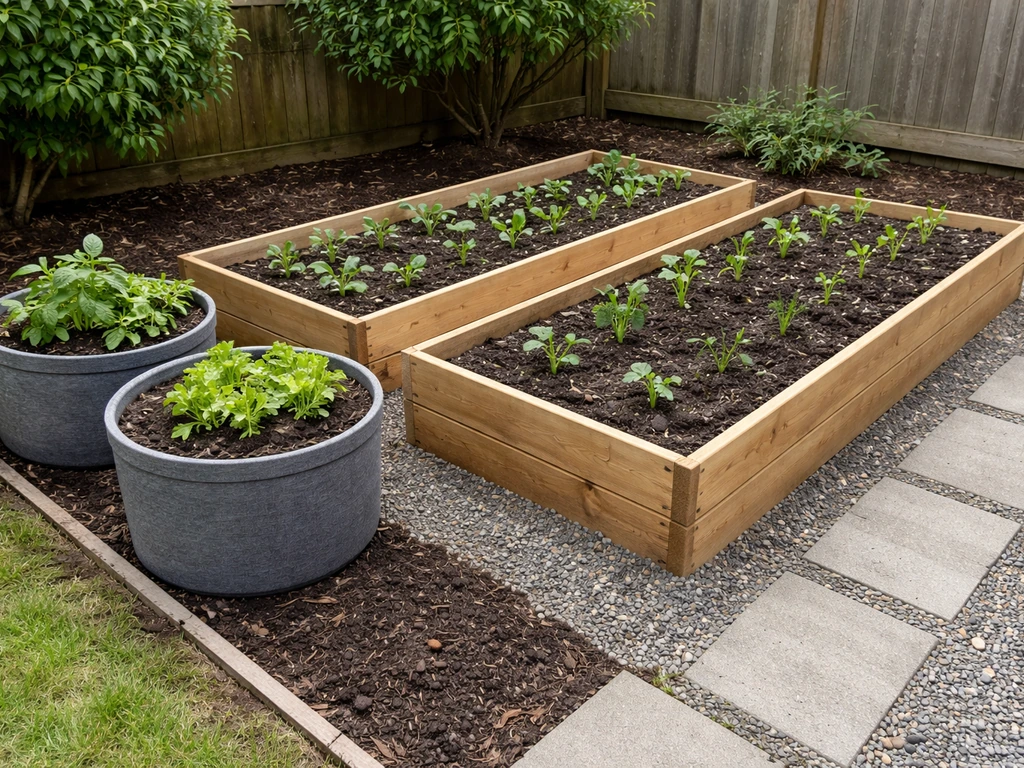
Raised beds are transformative for difficult gardens. They give you full control over the growing medium, they drain freely, and they warm up faster in spring than ground level soil. Even a 20cm raised bed makes a significant difference on heavy clay. If you have no garden at all, containers are a fully viable alternative: the RHS confirms that pots allow you to grow herbs and vegetables without any garden space, as long as you choose the right compost, water consistently, and feed every couple of weeks once plants are established. The main risks with containers are drying out in summer and waterlogging if drainage holes become blocked.
Using microclimates to your advantage
A south-facing wall, a sheltered corner, or a spot against a greenhouse can all extend your season meaningfully. The heat stored in walls and hard surfaces is released overnight, keeping frost away from vulnerable plants. Even in northern gardens, these warm spots can let you grow plants that would otherwise struggle. Conversely, avoid siting tender plants at the bottom of a slope or in any dip where cold air naturally collects. The RHS specifically flags these frost pockets as areas where the growing season is noticeably shortened.
Wind protection
If your garden is exposed, invest in a windbreak before you invest in plants. A permeable barrier (a hedge, trellis with climbing plants, or windbreak netting) is far more effective than a solid fence, which creates damaging turbulence on the leeward side. Even a single row of robust shrubs like hawthorn or blackthorn on the windward side will transform a hostile, exposed garden into something workable.
Winter mulching
A thick mulch of garden compost, bark chips, or well-rotted manure applied in autumn does several useful things at once: it insulates roots from frost, suppresses weeds, and improves soil structure as it breaks down. The RHS notes that in milder areas and well-drained spots, many tender plants can be overwintered in the ground with nothing more than a thick mulch rather than needing to be lifted. Even for reliably hardy plants, mulching is free insurance against harsh spells.
Planting calendar and simple maintenance so you can act today
The best time to get started depends on the current month, and since it is now early June, there is still plenty you can do immediately and plan for across the rest of the year.
| Month | Key tasks |
|---|---|
| June (now) | Sow kale and purple sprouting broccoli for winter crops. Plant out courgettes, peas, and beans if not done. Transplant brassica seedlings. Plant strawberry runners. |
| July | Keep watering consistently in dry spells, especially containers. Harvest broad beans and early peas. Sow salad leaves for autumn. Transplant kale and PSB to final positions. |
| August | Begin harvesting autumn raspberries. Cut back strawberry plants after fruiting and remove runners unless you want new plants. Order garlic bulbs and onion sets for autumn. |
| September | Plant out autumn strawberry runners. Begin harvesting kale outer leaves. Mulch established perennials and soft fruit with compost. |
| October | Plant garlic (November is ideal but October works). Plant bare-root raspberry canes and blackcurrant bushes. Sow broad beans in modules or direct if soil drains well. |
| November | Plant rhubarb crowns. Plant bare-root fruit trees and ornamental shrubs. Sow broad beans ('Aquadulce'). Mulch everything you value with a thick compost layer. |
| December–February | Order seeds and sets. Prune autumn raspberries to ground level in February. Plan raised beds and soil improvements for spring. Cover clay beds to warm soil ahead of March planting. |
| March–April | Plant onion sets. Sow peas indoors in modules. Direct sow in prepared beds: beetroot, carrots, lettuce, leeks. Plant out broad bean modules started indoors. |
| May | Last frost risk passes for most areas (late May in Scotland). Plant out tender crops. Harden off everything started indoors for two weeks before planting out. |
Simple ongoing maintenance
For the plants on this list, maintenance is not complicated. Water consistently during dry spells, especially for anything in containers or in its first growing season. Feed with a balanced general fertiliser in spring and a high-potash feed (like tomato fertiliser) once fruiting crops start to flower. Mulch in autumn. Prune fruiting shrubs in winter: blackcurrants need older dark stems removing, autumn raspberries get cut to the ground in February, and apple trees need an open-centre shape maintained by removing crossing or crowded branches. Check brassicas regularly for caterpillars from May onwards and net them against pigeons year-round. That is genuinely most of what you need to know.
If you find yourself wanting to push further once these plants are established, there is a whole separate world of more ambitious growing to explore: tropical species that can actually survive British winters, unusual fruits, and plants that test what UK conditions can really support.
That is where questions like whether an areca palm can grow outside in the UK usually come in, since palms have very specific temperature and shelter needs tropical species that can actually survive British winters. Tropical plants you can grow in the UK usually need extra protection, but a few can succeed if you choose sheltered spots and the right cultivars tropical species. But start here.
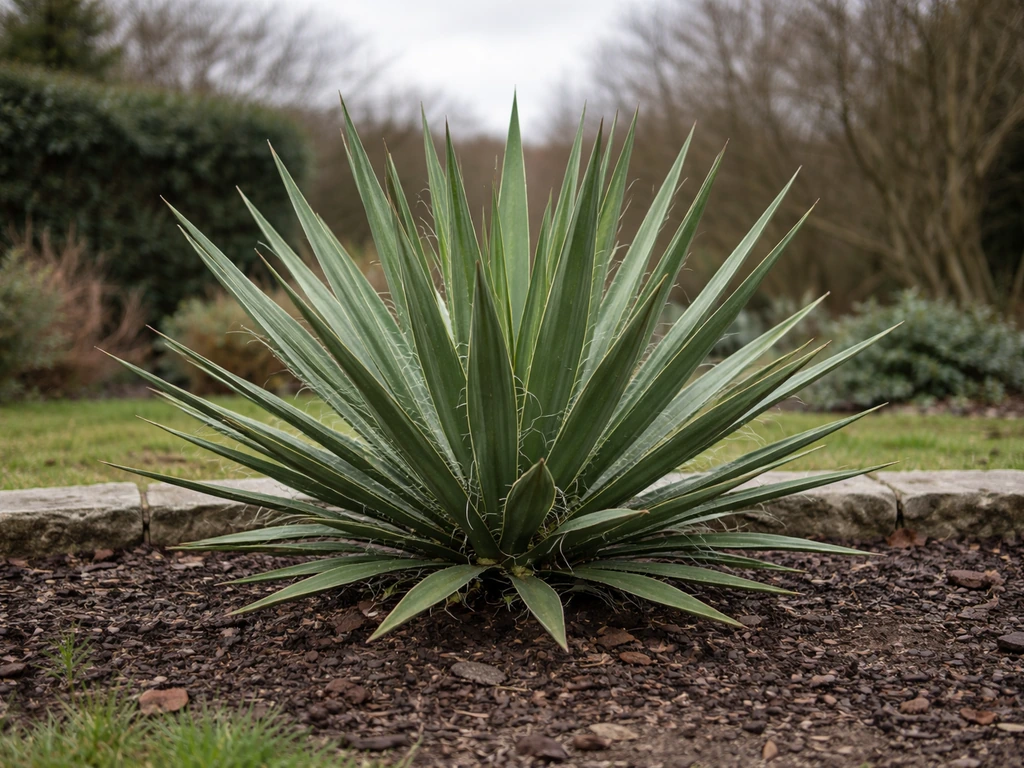
If you are wondering whether a yucca can thrive outside in the UK, it helps to focus on the hardiest varieties and provide protection in cold, wet winters. Get a confident first harvest under your belt, understand your garden's particular quirks, and build from there.
FAQ
Do these plants really grow anywhere in the UK, or do I need to match them to my site?
Not usually. Even the toughest picks have weak points, so aim to match the plant to your site conditions (sun, wind exposure, drainage) rather than expecting one list to work unchanged everywhere. The quickest “success multiplier” is improving drainage for winter, especially if your soil is heavy clay.
What’s the best way to deal with heavy clay before planting these “anywhere” plants?
Yes, but how you improve it matters. Large quantities of sharp sand can worsen clay structure over time, so for fast results use raised beds or work in well-rotted compost/manure. If you are in a clay-prone patch, warm and dry the surface for a few weeks with fleece or polythene before sowing or planting.
How can I tell if my garden has frost pockets and which plants should I avoid planting there?
Use the “frost pocket” test. If your garden has dips, hollows, or low corners, treat them as high-risk zones for open flowers and young plants. Put the most frost-sensitive crops in containers you can move under cover, or simply site them on a higher, more freely drained part of the garden.
If my garden is small, can I rely on containers for “grow anywhere” results in the UK?
Because containers can fail from both directions, dry and wet. In summer, check daily and water to the point excess runs out of the holes, then stop. In winter, keep crowns and the pot rim protected from constant rain where possible, and make sure drainage holes are clear so water does not sit around roots.
What are the most common timing mistakes when planting hardy UK crops?
For most of these crops, the biggest timing mistake is starting too early in cold, wet ground. On clay-heavy sites, wait until the surface is workable, and consider hardening off and using cloches or fleece for brassicas and peas. If you are unsure, delay by 1 to 3 weeks rather than pushing into cold soil.
Which “grow anywhere” crops still need protection from slugs or snails?
If you have slugs or snails, plan extra protection even for hardy crops. The article mentions modules to avoid slug damage for peas, and that same logic applies to other seedlings, use copper or barriers where appropriate, and check after dark or after rain. Netting helps for birds, but it does not stop slugs.
How do I stop mint from taking over, especially if I’m trying to keep everything low-maintenance?
Mint should be treated as controlled expansion. Even in a container, it can escape if runners touch soil or compost settles, so fully sink the pot (or use a barrier system) and re-pot or trim regularly. In beds, grow mint in a separate section with an edging barrier to stop it taking over.
What’s the best way to protect brassicas from pigeons without constant monitoring?
For winter cabbages and purple sprouting broccoli, pigeons are the main make-or-break issue. Net promptly after planting, secure edges tightly, and re-check once plants put on new growth because birds exploit gaps. If you delay, recovery is difficult.
Which plants from the list are safest to choose if I get late frosts?
Choose varieties that match your priorities. Kale and hardy ornamentals are forgiving for beginners, while fruit like strawberries is more sensitive to late frosts and the “black eye” problem. If your garden is frosty, prioritize autumn-fruiting raspberries and rhubarb, then add strawberries with better siting or protection.
How do I decide between digging in compost versus using raised beds for better drainage?
Improvement depends on where the water sits. If puddles form, raised beds are often the most reliable. If water drains poorly but puddling is limited, deep organic matter work in autumn can help gradually. Also check multiple spots, because drainage can change dramatically over short distances.
Why are sets and certain planting months recommended for onions and garlic?
For garlic, cold helps bulb development, and “November is the sweet spot” applies in most UK regions. For onions, using sets instead of seed reduces risk for beginners because sets are more predictable in variable UK spring weather. The key is planting at the recommended window, not just “as soon as I can.”
Can I use these “anywhere” guidelines to grow more tender plants too?
Yes, but only within reason. Planting advice above assumes normal UK hardiness, so avoid adding very tender perennials or tropicals that need stable warmth. If you want to test boundaries, do it in a sheltered microclimate (against a wall, under cover) and be prepared to lose some plants in harsher winters.
Next Article
Can Yucca Grow Outside in the UK? Easy Care Guide
See if can yucca grow outside in the UK, with species picks, placement, drainage, and frost and rot-proof winter care.